Our verdict
Cantonese Restaurant brings a Cantonese counterpoint to Chengdu, a city better known for chile heat, numbing peppercorn, and hotpot ritual. Its value lies in contrast: a southern Chinese cooking tradition shaped by freshness, stock work, roasting, steaming, and seafood sensibility, placed inside a Sichuan capital where appetite usually moves in a louder register.

Pearl is the En Primeur Club membership app, where members save venues, book tables and use the concierge.
The menu
What to order
- Century Roast Goose
- Chilled Sweet-and-Sour Pork
- Signature Shrimp Dumplings
- Crispy Milk-Custard Pineapple Bun
- Chinese Barbecued Pork & Crispy Pork
- Steamed Marbled Goby in Soy Sauce
Approaching Cantonese Restaurant in Chengdu changes the tempo before the first order is placed. The city’s dining language is often associated with heat, smoke, oil gloss, and the communal rhythm of bubbling pots; this listing asks readers to think in a different register. Rather than overstate details not provided, the useful fact is simple: Cantonese Restaurant is a Chengdu venue whose very name sets it apart from the city’s better-known local dining cues.
That contrast matters because Chengdu is not short on regional identity. For visitors mapping the city through food, other Chengdu dining rooms may speak to the hotpot culture that defines many nights out, while local specialists can keep the conversation closer to familiar Sichuan habits of spice, steam, and deeply seasoned comfort. A table at Cantonese Restaurant in this setting is not presented here as a replacement for those meals. It is a different stop on the map, useful when a trip needs variety rather than another version of the same local baseline.
Southern Chinese restraint inside a Sichuan city
Cantonese Restaurant’s appeal, as a listing, rests on contrast more than on unverified particulars. The name points diners toward a Cantonese frame, while the city around it is internationally associated with assertive aromatics, chile heat, Sichuan pepper, pickled notes, and layered seasoning. In Chengdu, that difference of association becomes the point.
The comparison is especially useful for travellers building a Chengdu itinerary. Some local meals belong to deeply rooted Sichuan traditions, while other polished rooms represent another register of the city’s dining range. Cantonese Restaurant belongs to the cross-regional category by name: not a typical shorthand for a Sichuan meal, not defined here as a hotel-dining experience, and not the same proposition as Chengdu’s more direct comfort addresses. Its appeal is the way it gives the itinerary another angle in a city better known for spice saturation.
That itinerary-first lens also explains why the meal should be approached without pinning the experience to a single unverified signature order. Different tables will read the room differently, and the safest editorial claim is about context rather than a promised dish. The discipline for the traveller is not to chase excess; it is to notice how a Chengdu dining day changes when Cantonese Restaurant is placed beside the city’s more familiar local meals.
How it fits a Chengdu dining itinerary
For a short stay, Cantonese Restaurant makes the most sense after the city’s Sichuan baseline has been established. Start with hotpot, noodles, steamed dishes, or home-style regional cooking, then use this Cantonese-named restaurant as a reset meal. That sequencing gives the table context: the difference between Chengdu’s local dining associations and a Cantonese-named stop becomes easier to read when both are fresh in memory.
Chengdu’s broader hospitality map supports that kind of pacing. The city is large enough for polished dining rooms, specialist local addresses, hotel restaurants, cocktail bars, and cultural experiences to coexist without flattening into one tourist circuit. Readers planning beyond dinner can cross-reference Our full Chengdu restaurants guide, Our full Chengdu hotels guide, Our full Chengdu bars guide, Our full Chengdu wineries guide, and Our full Chengdu experiences guide to place the meal within a wider trip rather than treating it as an isolated booking.
Within China, Cantonese-named dining rooms can read differently from city to city. Major business cities, coastal dining cultures, and northern banquet traditions each give southern Chinese associations a different frame. Chengdu gives Cantonese Restaurant a sharper contrast because the local palate is so assertive, and because a quieter point of reference can feel especially distinct when the surrounding food culture is so confident in heat, texture, and aromatic force.
The editorial case is therefore not that Cantonese Restaurant defines Chengdu dining. It is useful because it does not. It gives the city’s food map another axis: Sichuan heat on one side, a Cantonese-named counterpoint on the other, with the traveller’s own meal as the measure between them. For diners moving across Asian food cultures, that contrast can be extended far beyond China. Different cities, different traditions, same useful question: how does a single meal change when its context changes?
Frequently asked questions
Is Cantonese Restaurant good for families?
Cantonese Restaurant is in Chengdu and may fit into a family itinerary depending on the group’s needs. No specific family facilities are listed here, so confirm directly if you need high chairs, private rooms, or other arrangements.
What should I expect atmosphere-wise at Cantonese Restaurant?
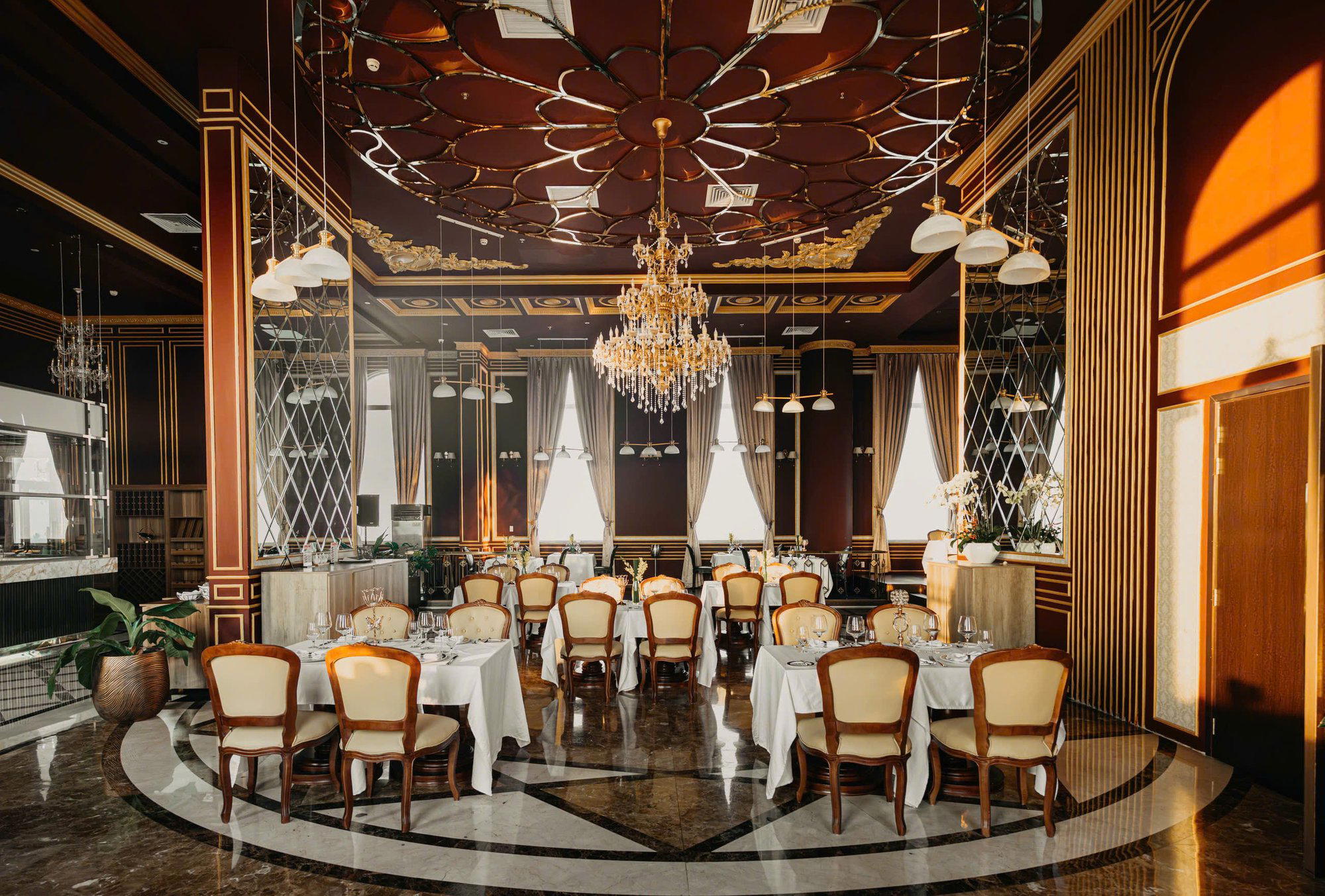
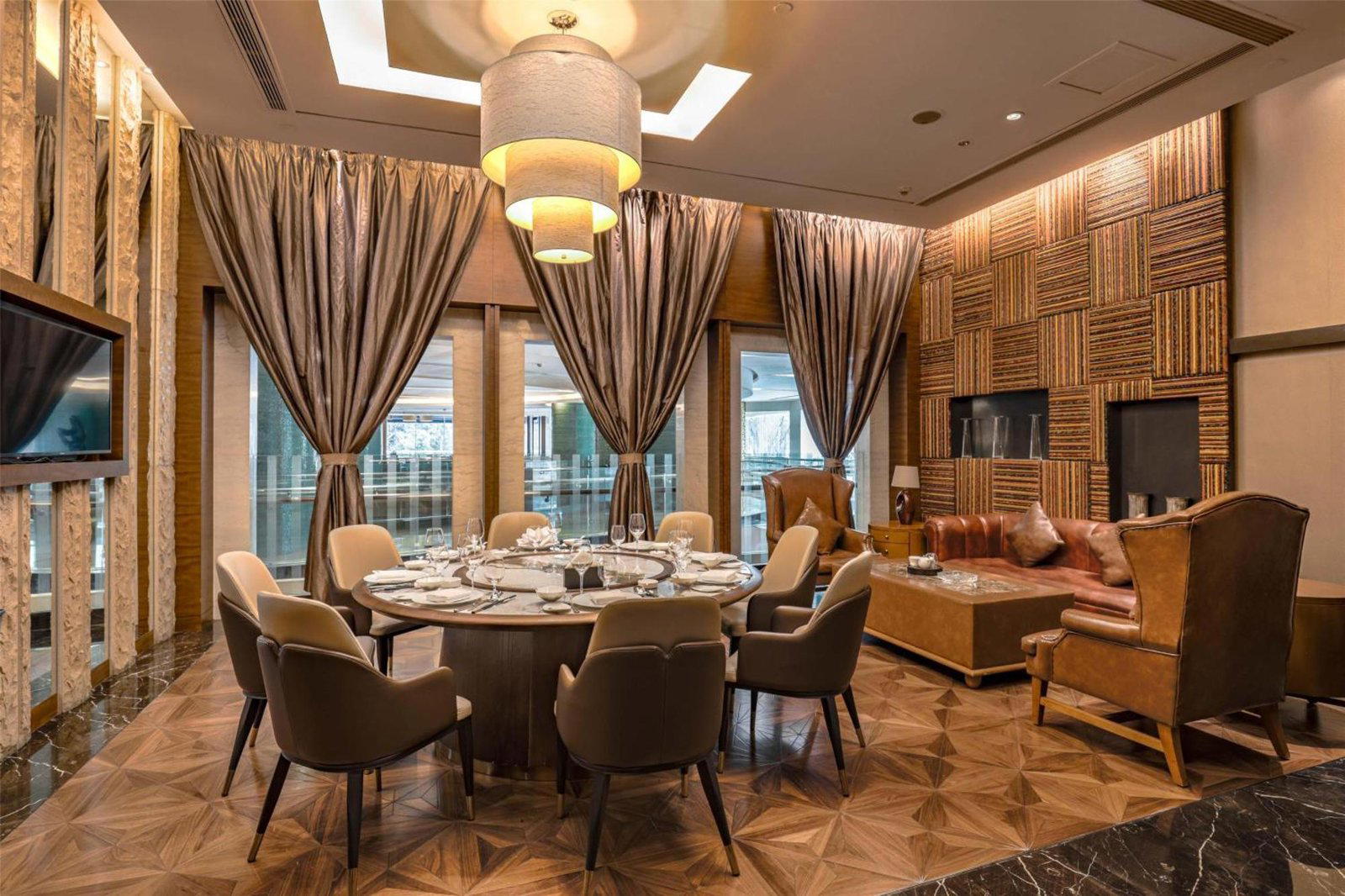
Expect a dining room in Chengdu.
What's Cantonese Restaurant's location?
Chengdu.
Do they take walk-ins at Cantonese Restaurant?
No booking policy is listed for Cantonese Restaurant in Chengdu. The practical move is to check directly before treating it as a last-minute drop-in.
What makes Cantonese Restaurant worth seeking out?
Its appeal is the contrast: a Cantonese-named room in Chengdu, where the city’s Sichuan identity is a major dining baseline. That framing gives diners a clear change of register without leaving the city.
How does Cantonese Restaurant handle allergies?
No allergy procedure is listed for Cantonese Restaurant in Chengdu, so the practical move is to confirm specifics before dining. Ask the restaurant directly about ingredients, cooking methods, and any cross-contact concerns.
Snapshot
Comparable venues by cuisine and price in the same metro.
| Venue | Cuisine | Price | Awards | Notes |
|---|---|---|---|---|
| Cantonese RestaurantThis venue (the venue you are viewing) | Traditional Cantonese dim sum & tea house | Not listed | Not listed | Not listed |
| Cafe InterContinental | International seafood buffet and à la carte café | $30–50 | Not listed | Not listed |
| Ponti's | Italian Pizza & European | Not listed | Not listed | Not listed |
| Qian Li | Traditional Peking Duck | $30–50 | Michelin Plate | Not listed |
| Zhu Ji Zhi Mian Pu | Traditional Sichuan Noodles | $1–10 | Michelin Bib Gourmand | Noodles |
| Yanyu (Wuhou) | Fujian with Sichuan Twist | Not listed | Michelin Plate | Not listed |
Continue exploring
More in Chengdu
Restaurants in Chengdu
All restaurants in Chengdu →
Bars in Chengdu
All bars in Chengdu →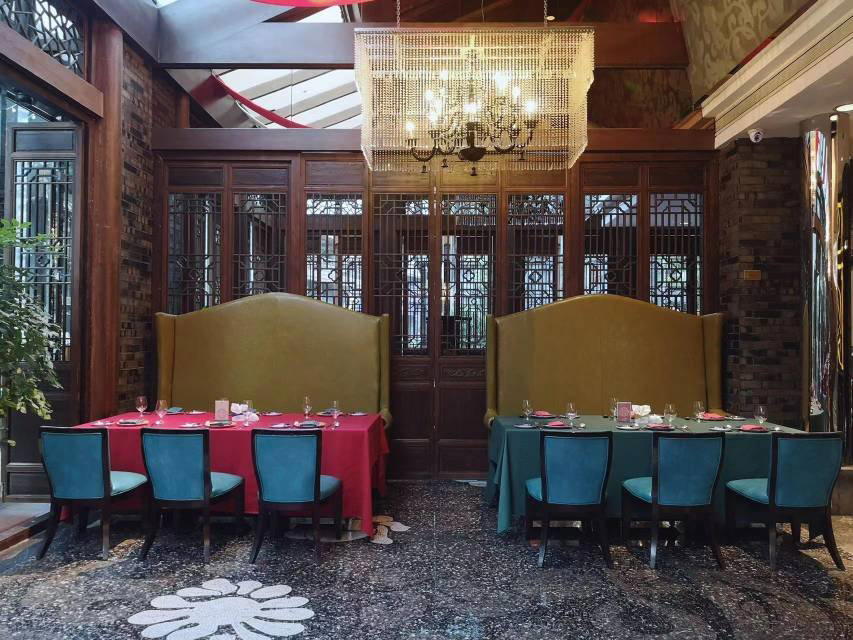



Details
- Classic
- Modern
- Lively
- Trendy
- Group Dining
- Family
- Casual Hangout
- Celebration
- After Work
- Solo
- Design Destination
- Standalone
- Street Scene
- A La Carte
- Small Plates
- Family Style
- Tea
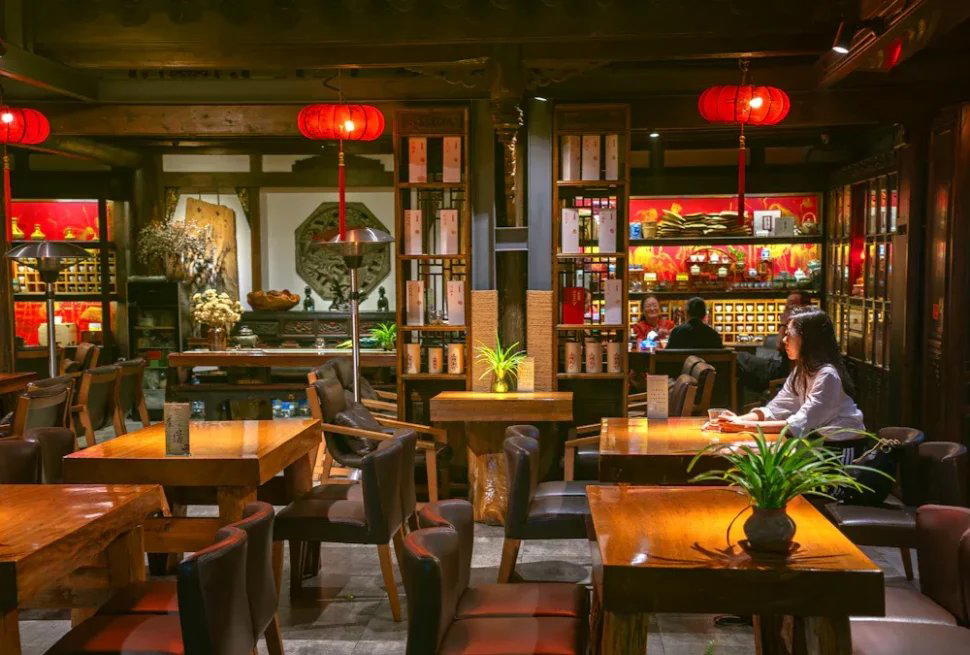
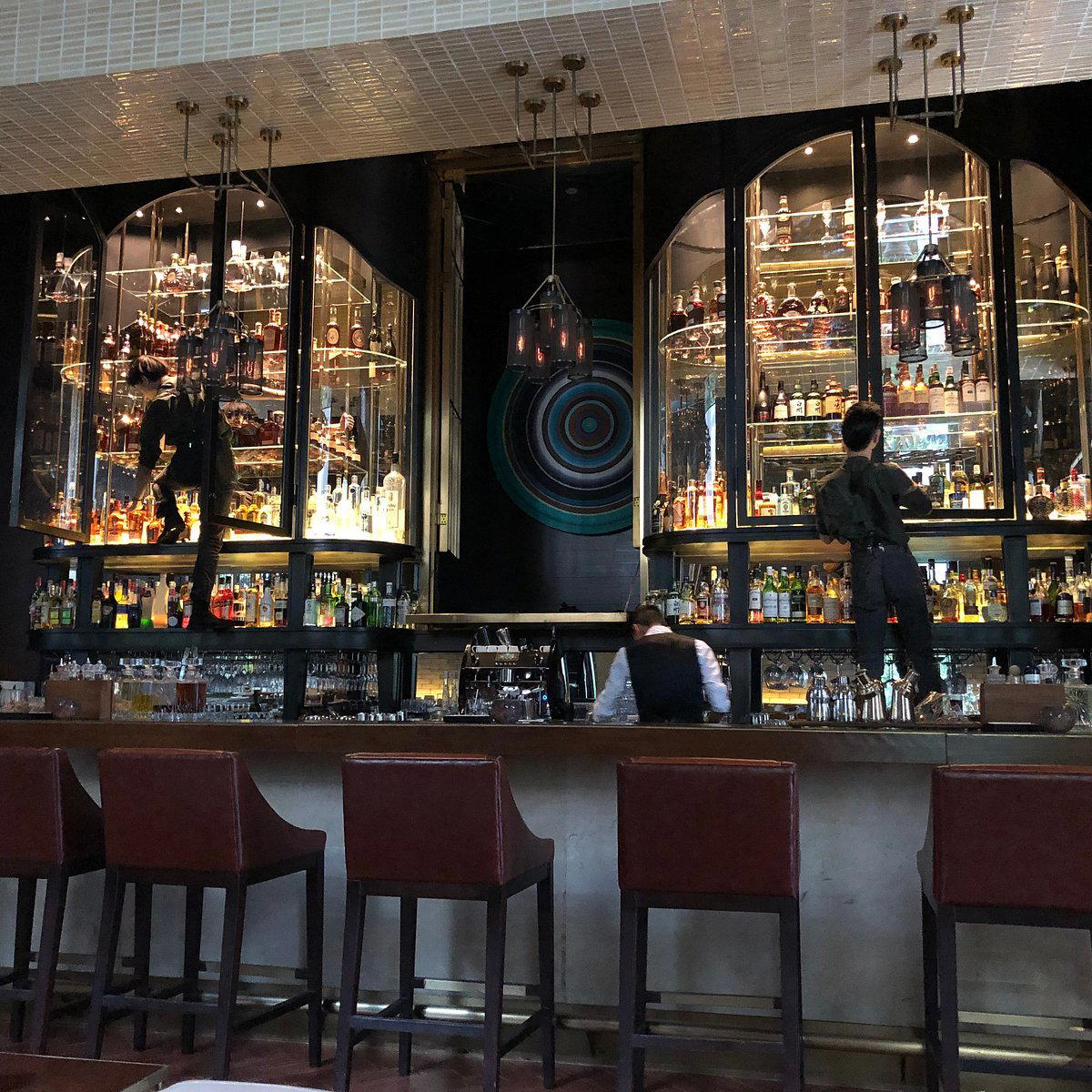
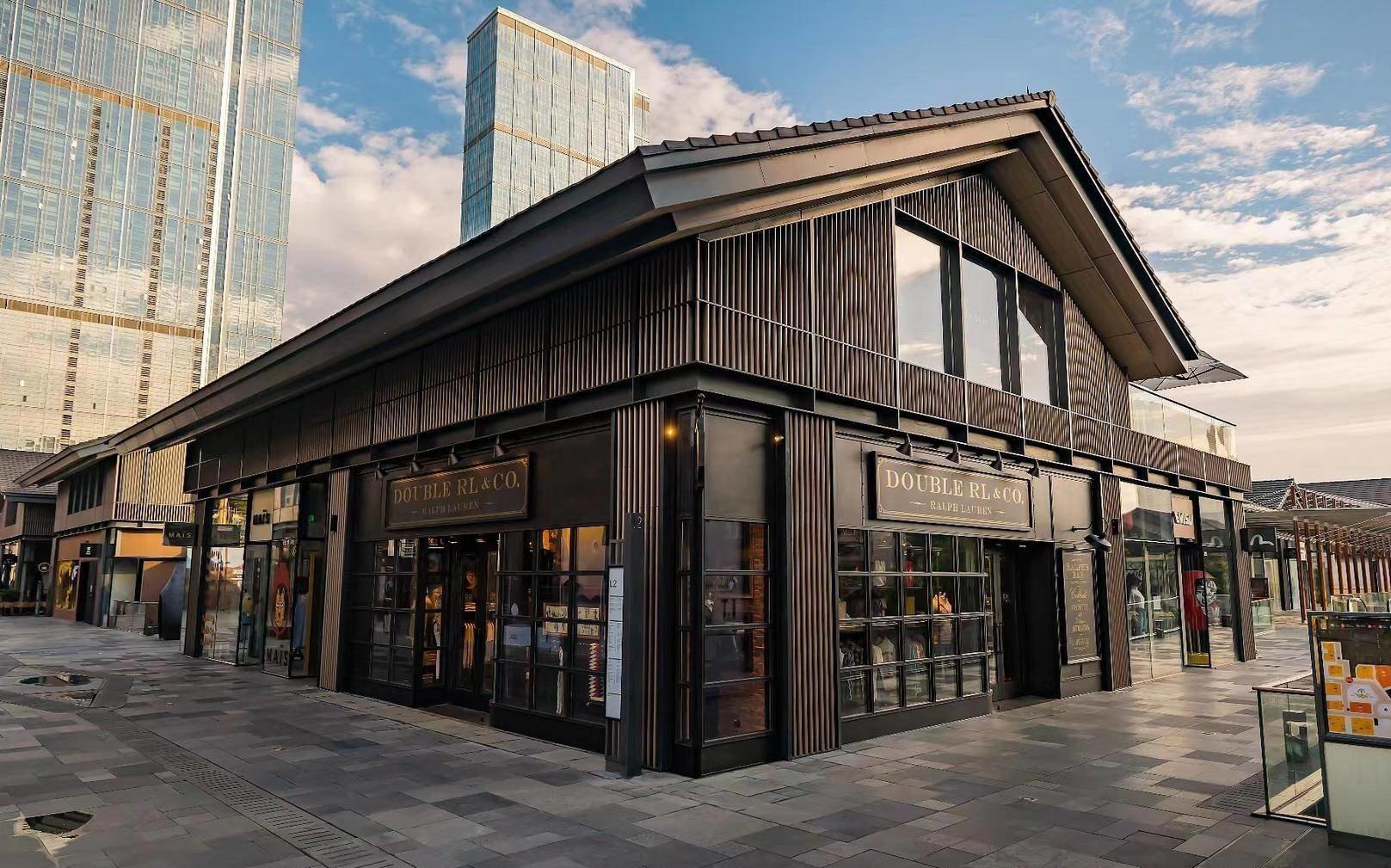
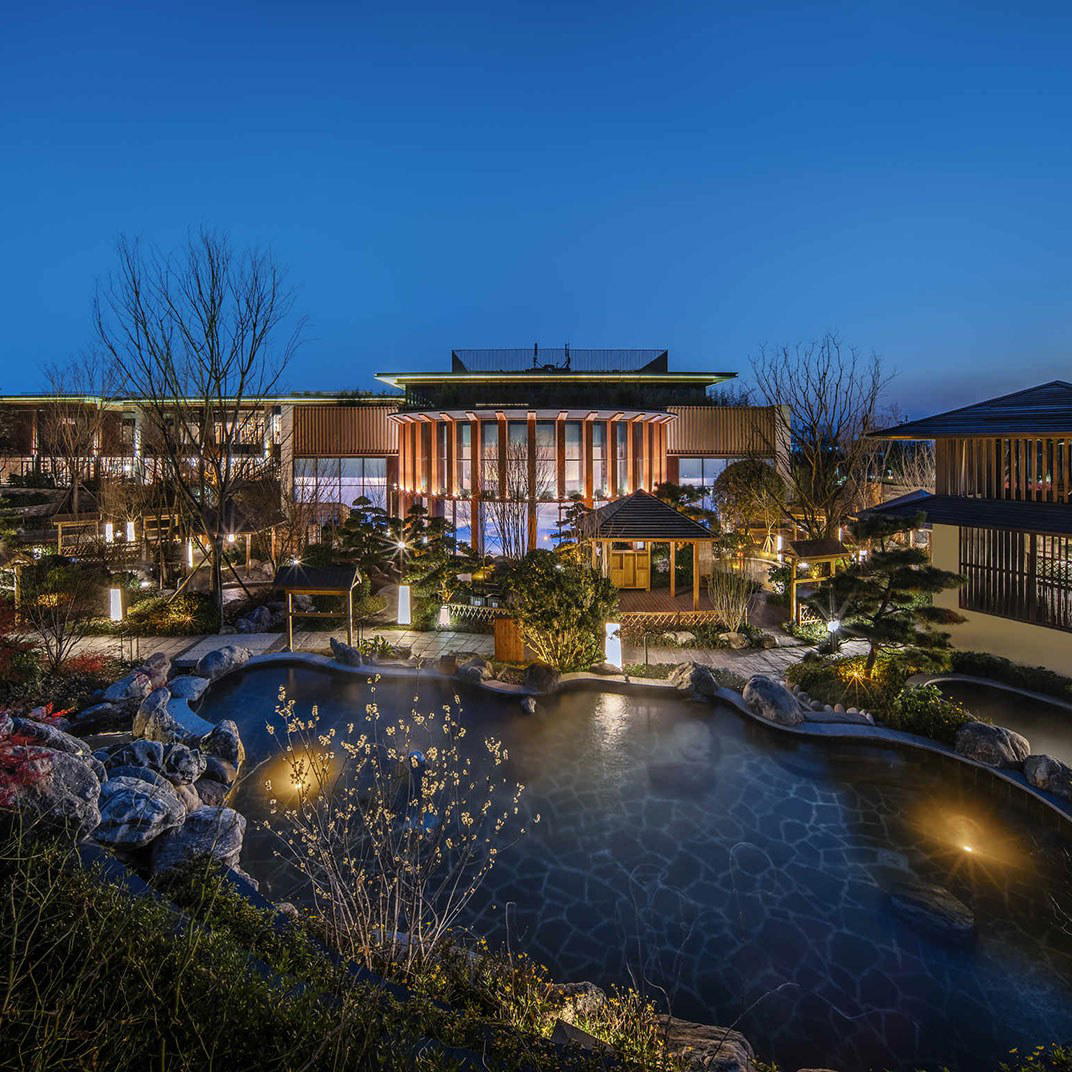
Blends traditional Lingnan Cantonese teahouse design with modern details, giving a classic yet polished feel that suits a busy dim sum and tea-focused dining room.