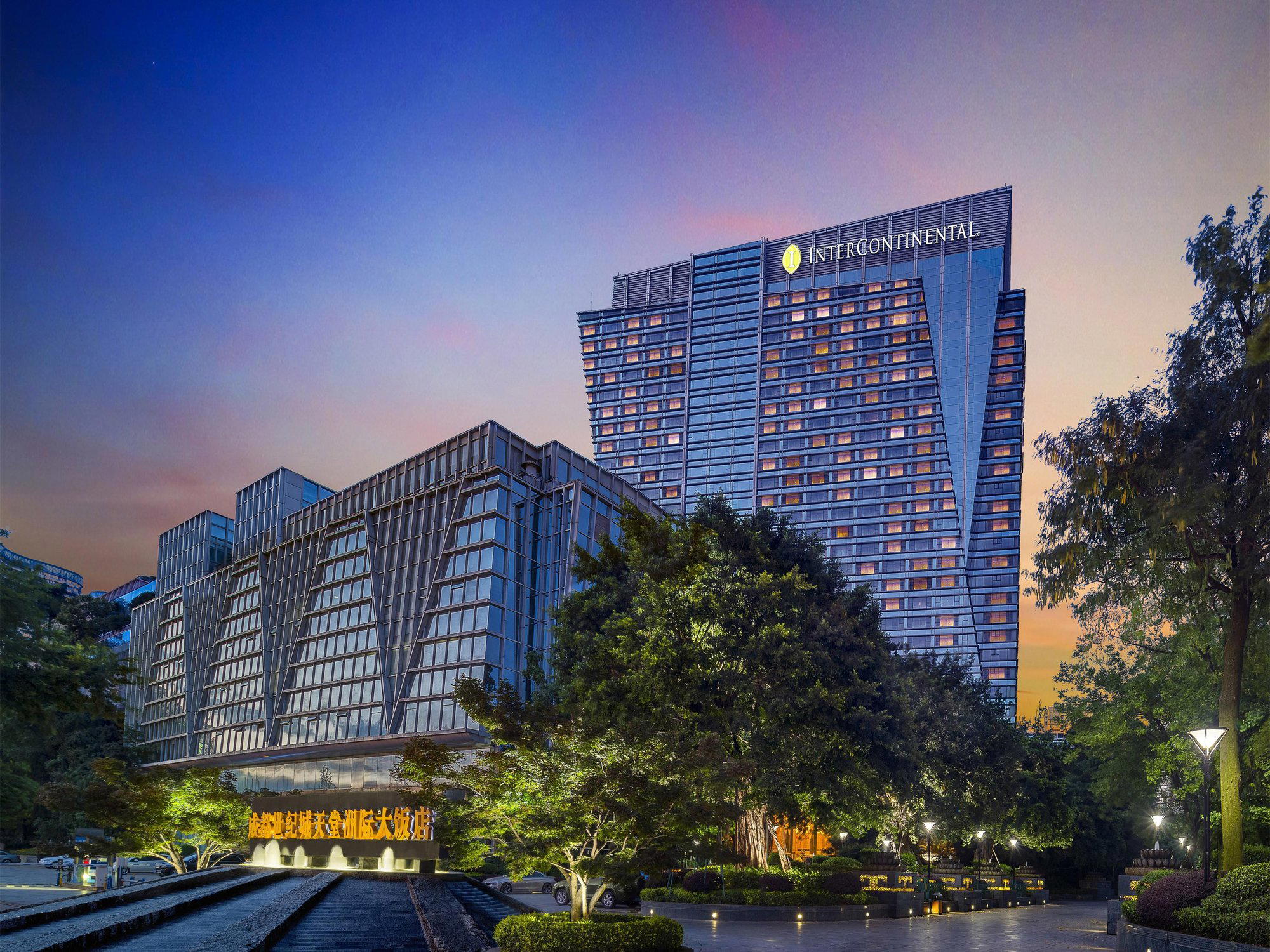
Cafe InterContinental sits in Chengdu’s hotel-dining lane rather than the city’s street-level snack circuit, which changes the expectations: broader menus, calmer pacing, and a setting shaped for mixed groups. The useful lens is sourcing and range, because Chengdu dining increasingly splits between specialist Sichuan rooms, hotpot houses, and hotel restaurants built to gather regional produce under one roof.
Pearl is the En Primeur Club membership app — saves, bookings, and concierge access live there. Same editors, same standards.
- Address
- 88 Shijicheng Rd, Wuhou District, Chengdu, Sichuan, China, 610212 (1st Floor)
- Phone
- 86-28-85349999(3521)
- Directions
- Get directions
 Saves & bookings on Pearl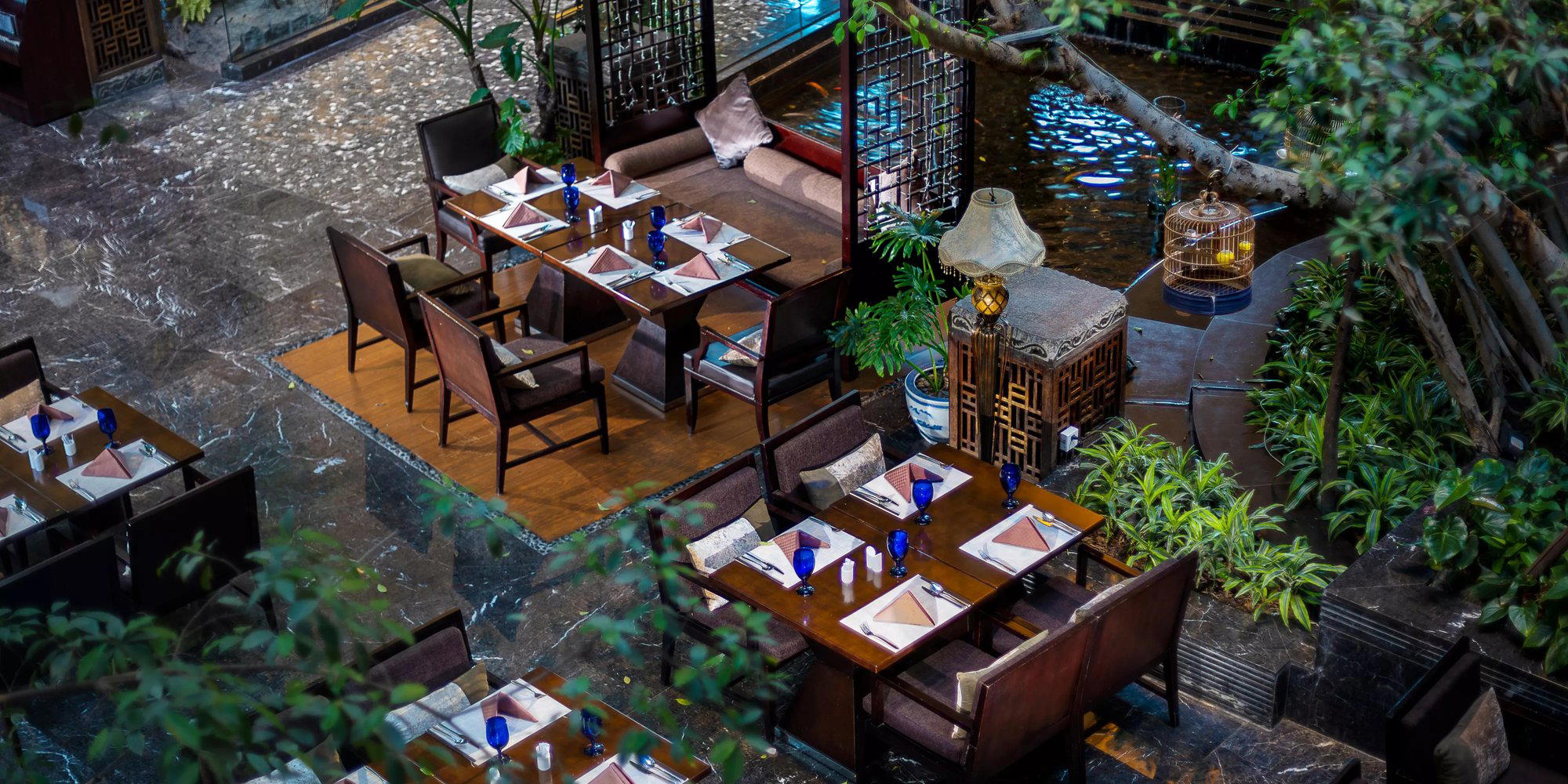
Approaching a hotel dining room in Chengdu feels different from walking into a small specialist room off a side street or a busy local restaurant already perfumed with chilli and warm oil. The tempo is lower, the room is built for longer conversations, and the menu usually has to serve several kinds of appetite at once. Cafe InterContinental belongs to that category: a Chengdu hotel restaurant where the value lies less in a single dish to chase across town and more in how a broad kitchen frames the city’s produce, spice habits, and group-dining culture in a controlled setting.
Hotel dining in a city that usually rewards specialists
Chengdu is a specialist’s city. The sharper end of the local conversation is often found in restaurants built around one discipline: hotpot, steamed beef, noodles, modern tasting formats, or regional banquet cooking. That is why a hotel cafe has to be read differently. It is not competing with a tightly focused local counter or the noodle-led comparison point Zhu Ji Zhi Mian Pu. It sits in the all-day, multi-purpose lane: useful when a table needs comfort, choice, and a softer landing than a tightly focused local room.
The ingredient question matters here because Chengdu cooking is not just heat. The city’s table is built on fermented pastes, chillies, Sichuan pepper, garlic, ginger, pickled vegetables, freshwater ingredients, meats, mushrooms, greens, and grains from the wider basin. Specialist restaurants tend to push one tradition hard; hotel kitchens often translate those references into a wider format. That makes Cafe InterContinental more relevant for travellers who want Chengdu context without committing every meal to one regional grammar.
Within Chengdu, that split is clear. Some dining rooms speak to the communal, broth-driven side of the city. Others point toward a more curated local register, while broader hotel and international formats show how the city can absorb non-local dining habits. Cafe InterContinental is the practical counterweight to those sharper choices: less about staking a claim in one school, more about making Chengdu legible for mixed tables, hotel guests, and business dining.
What the sourcing lens changes
In Chengdu, sourcing is not a decorative talking point. The city’s cooking depends on agricultural proximity: the Sichuan basin supplies vegetables, aromatics, freshwater ingredients, preserved products, and the chilli-bean foundations that shape the region’s flavour profile. A kitchen that can move between local references and broader hotel-restaurant expectations has to balance familiarity with restraint. Too much dilution and the food loses its Chengdu identity; too much force and the room stops working for guests who came for range.
That tension explains the role of hotel cafes across major Chinese cities. In some destinations, comparable rooms lean toward polished metropolitan dining; elsewhere, they sit closer to a city-specific heritage conversation or turn a familiar local dish into a full dining occasion. Chengdu’s version of that hotel-adjacent logic has to deal with stronger spice expectations and a diner base that knows exactly when local flavours have been flattened.
Cafe InterContinental therefore works better as a room for breadth than as a trophy reservation. Available venue details point less to a single public-facing chef identity and more to category fit. Its place within Chengdu hotel dining puts it among restaurants designed for consistency, hotel traffic, and longer-format meals rather than the fast churn of Chengdu’s smaller specialist addresses. That matters for families, business travellers, and groups where one person wants Chengdu heat and another wants a gentler plate.
How to place it in a Chengdu itinerary
Use this kind of dining room strategically. Chengdu rewards intensity, but not every meal has to be a chilli-oil contest. A sensible itinerary might put a hotel cafe meal between stronger local bookings, especially if the surrounding days include hotpot, steamed beef, noodles, and late-night drinking. For a wider map of the city’s dining choices, start with a full Chengdu restaurants guide, then layer in hotels, bars, wineries, and experiences through broader Chengdu travel planning.
For readers comparing Chinese regional dining beyond Sichuan, the useful parallels are not identical menus but dining functions. A regional restaurant, a hotel dining room, a banquet space, and a narrower local-snack counter all ask to be judged by different standards. The same editorial lesson applies across cities: format tells the diner how to judge the meal before the first order is placed.
The verdict is practical rather than breathless. Cafe InterContinental is for the Chengdu meal that needs range, calm, and hotel-level predictability, especially when the table is not aligned around a single cuisine or spice threshold. Travellers chasing the city’s strongest local signatures should build around specialists first; travellers needing a composed pause between those meals will understand why this room exists.
How Cafe InterContinental Chengdu compares with similar nearby venues.
| Venue | Cuisine | Price |
|---|---|---|
| Zhu Ji Zhi Mian Pu | Noodles | ¥ |
At a Glance
- Lively
- Modern
- Elegant
- Group Dining
- Family
- Casual Hangout
- Celebration
- Business Dinner
- Brunch
- Hotel Restaurant
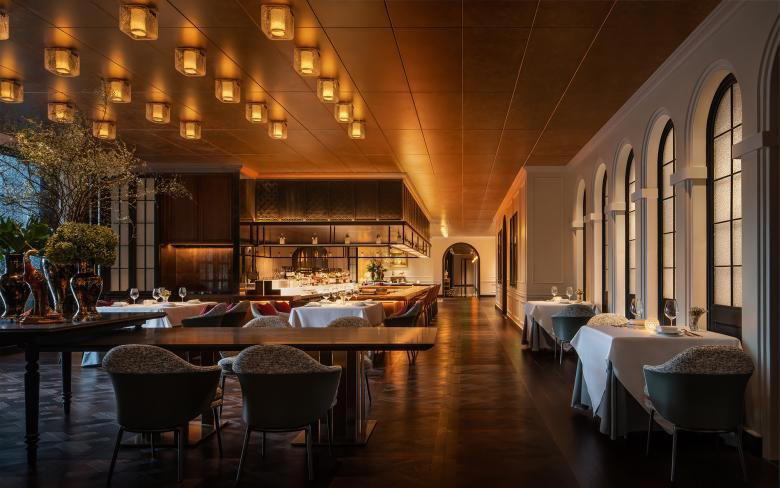
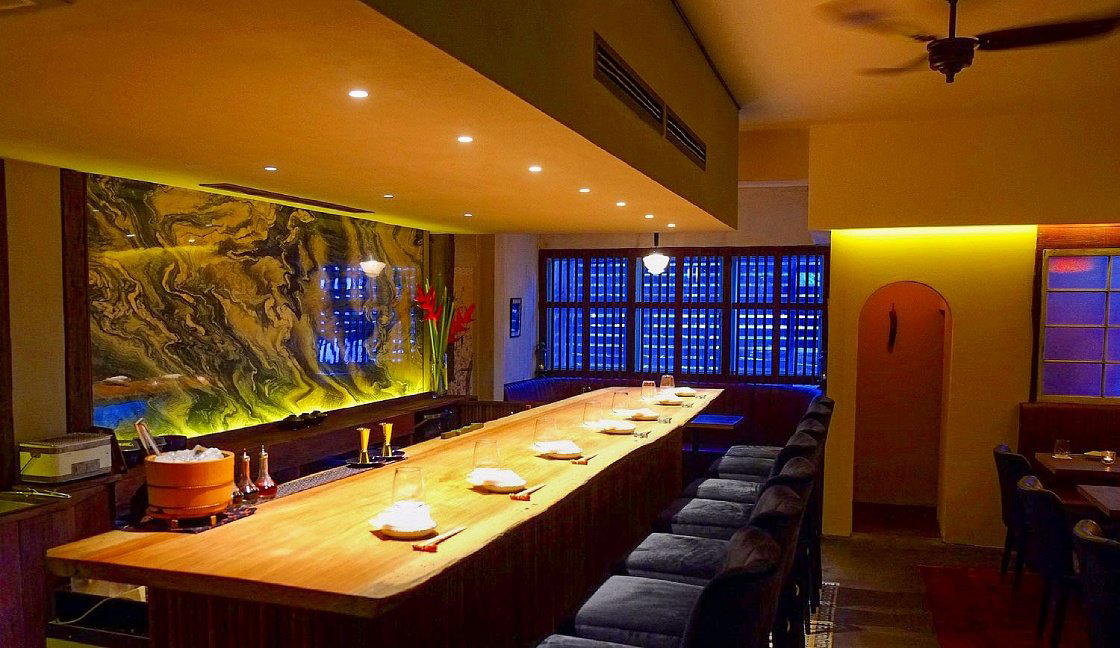
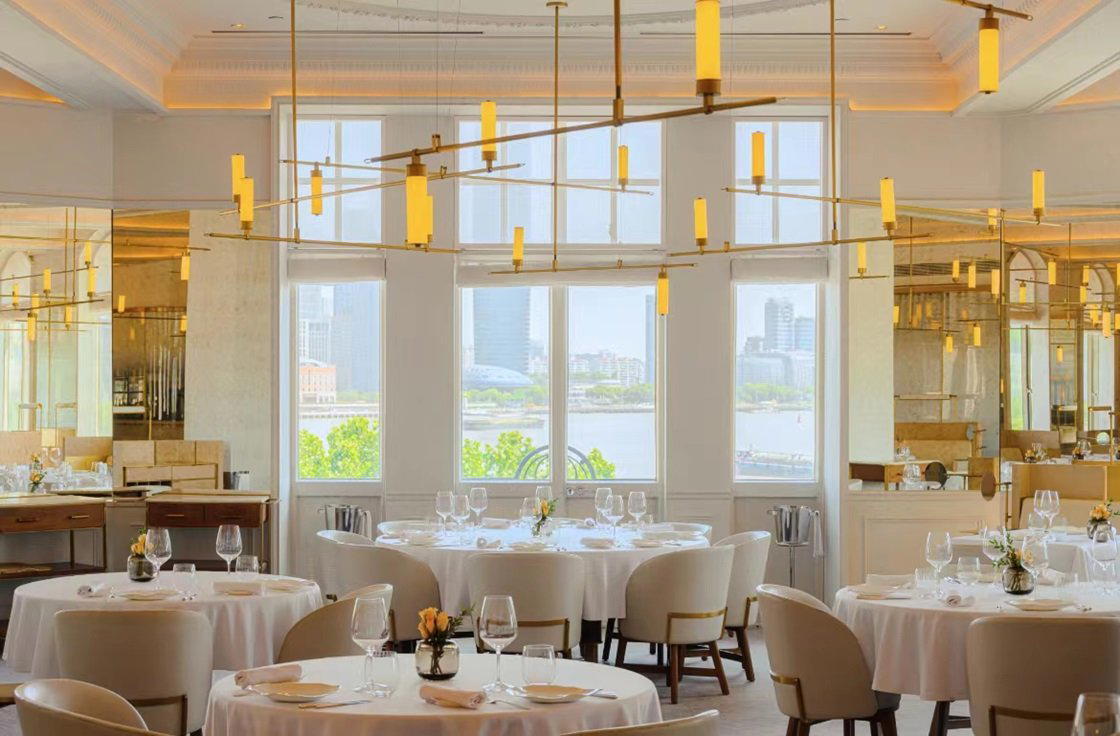
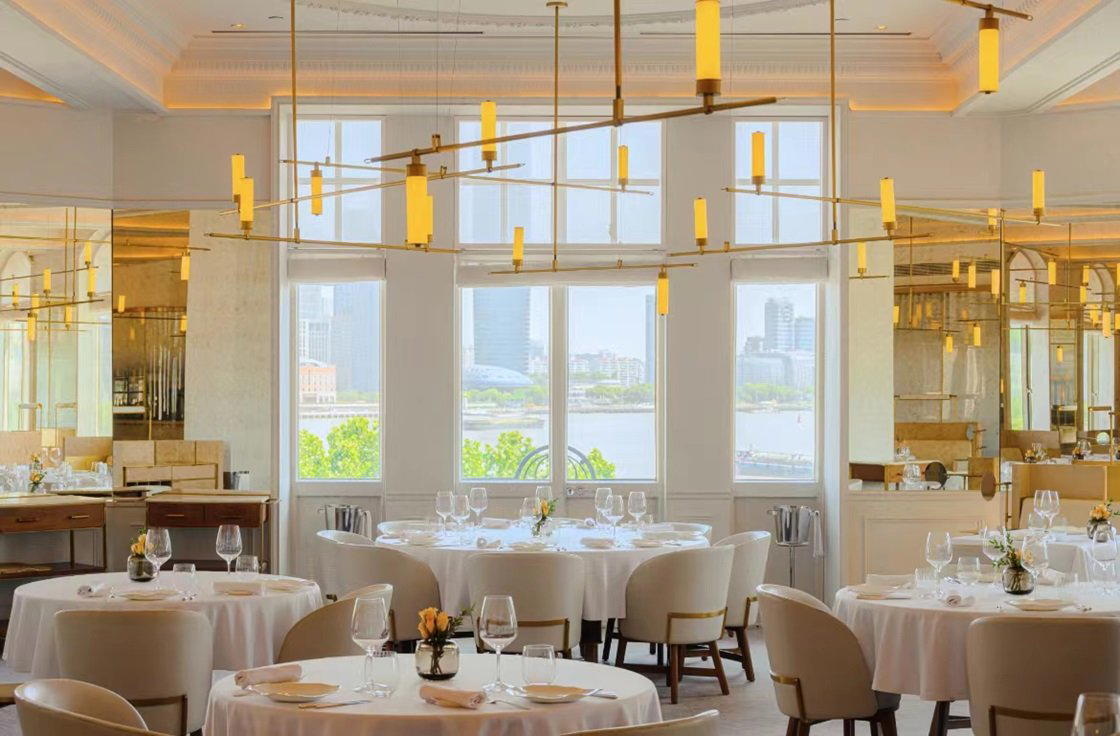
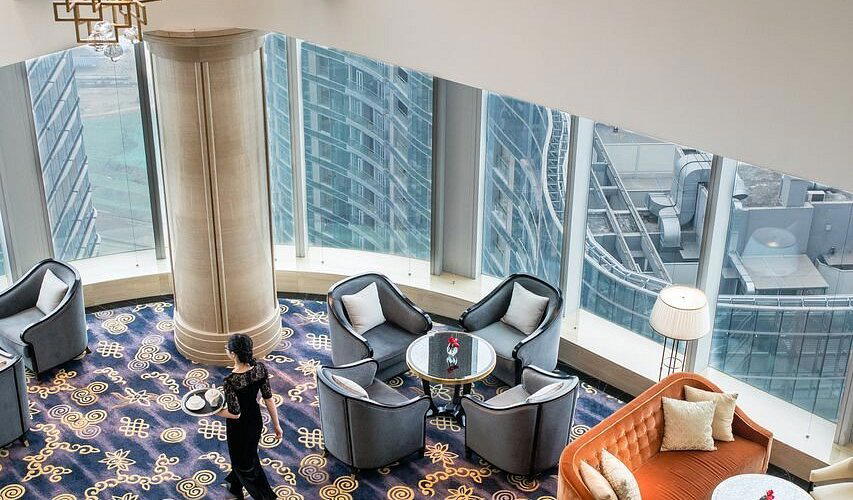
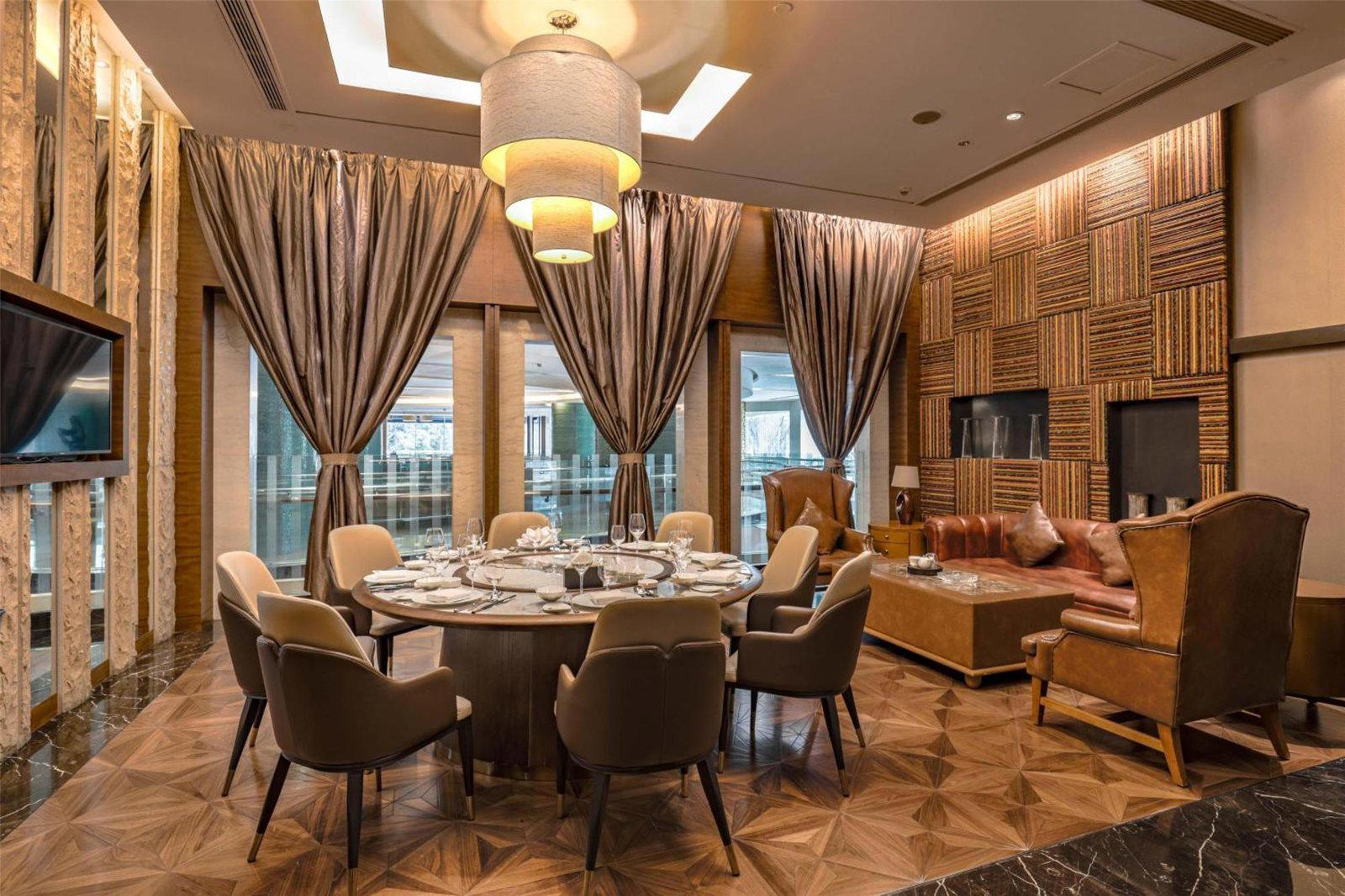
Bright, contemporary hotel café atmosphere with a spacious buffet layout, busy and energetic at peak times, polished but relaxed service, and a comfortable setting suited to both business and family diners.
Know Before You Go
- Reservations
- Recommended
- Dress code
- Casual
- Getting there
- 88 Shijicheng Rd, Wuhou District, Chengdu, Sichuan, China, 610212 (1st Floor)