Michelin Plate
Our verdict
A Michelin Plate-recognised address in Dongcheng's hutong grid, Qian Li brings Taizhou cooking to Beijing at a mid-range price point that sits well below the city's premium coastal-cuisine tier.For a regional Chinese cuisine that rarely surfaces in the capital, it earns its place.

Pearl is the En Primeur Club membership app, where members save venues, book tables and use the concierge.
The menu
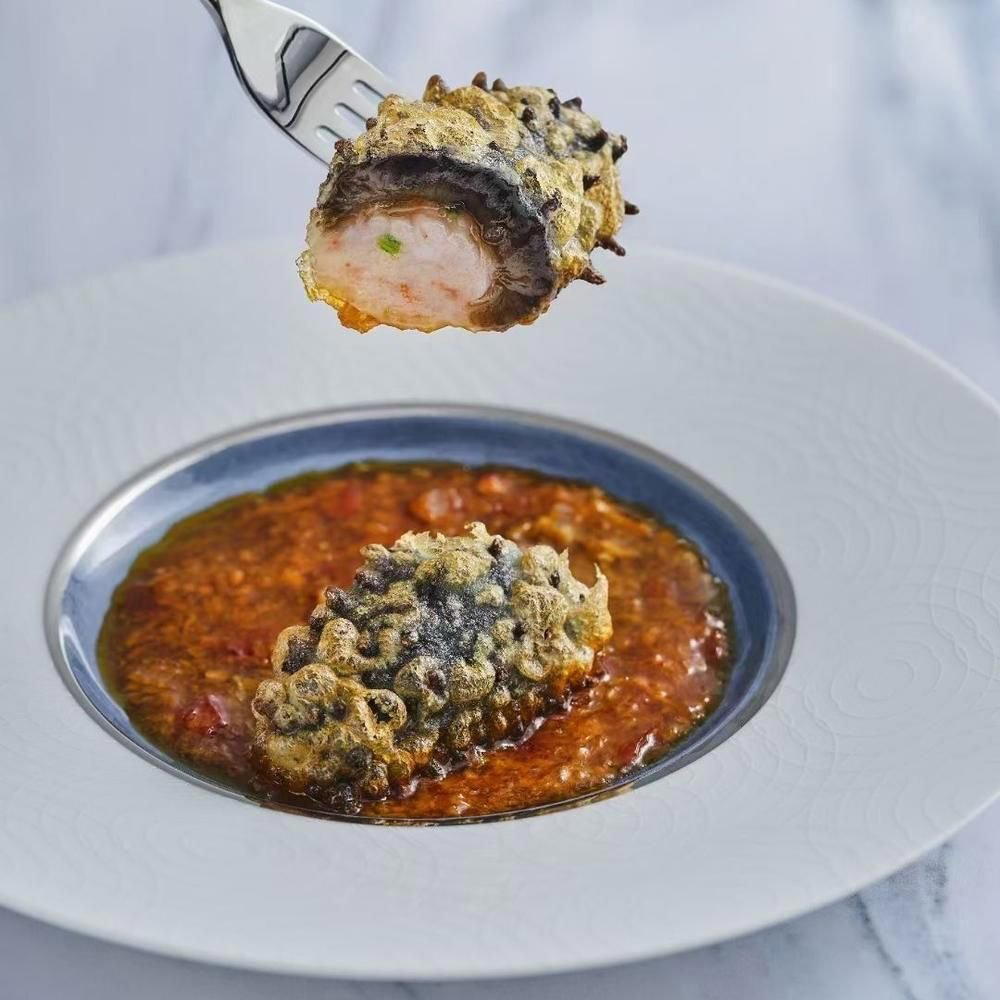
What to order
- Peking duck
- Fried duck bones
- Duck feet with mustard
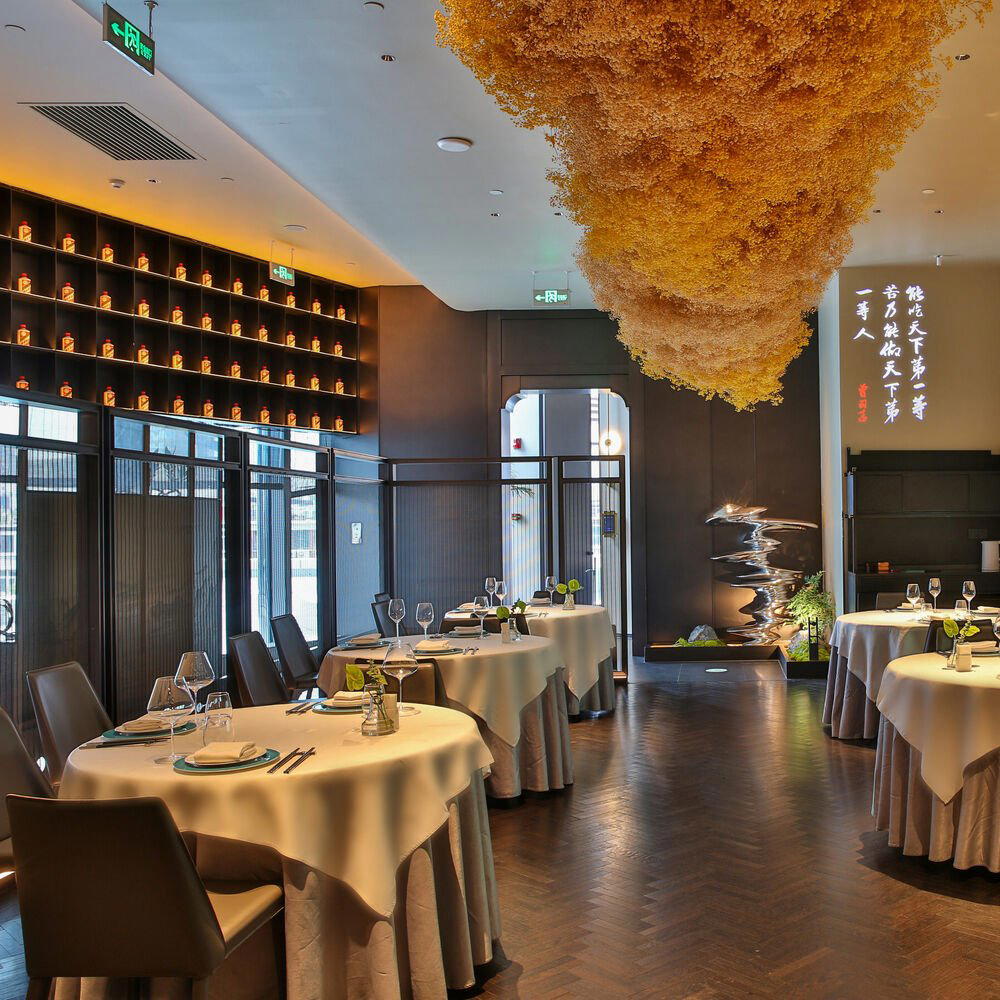
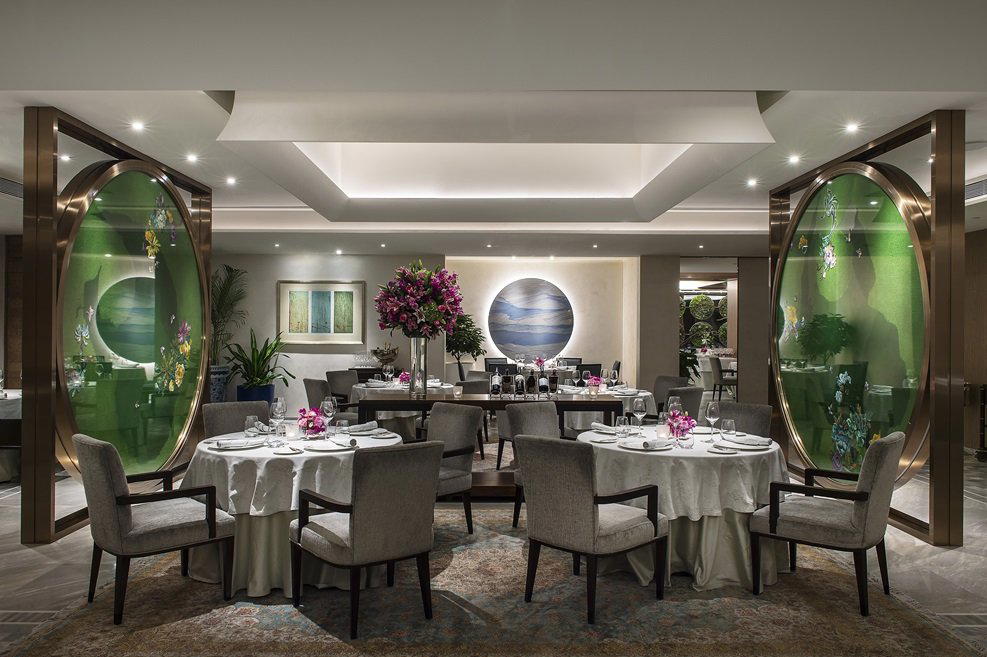
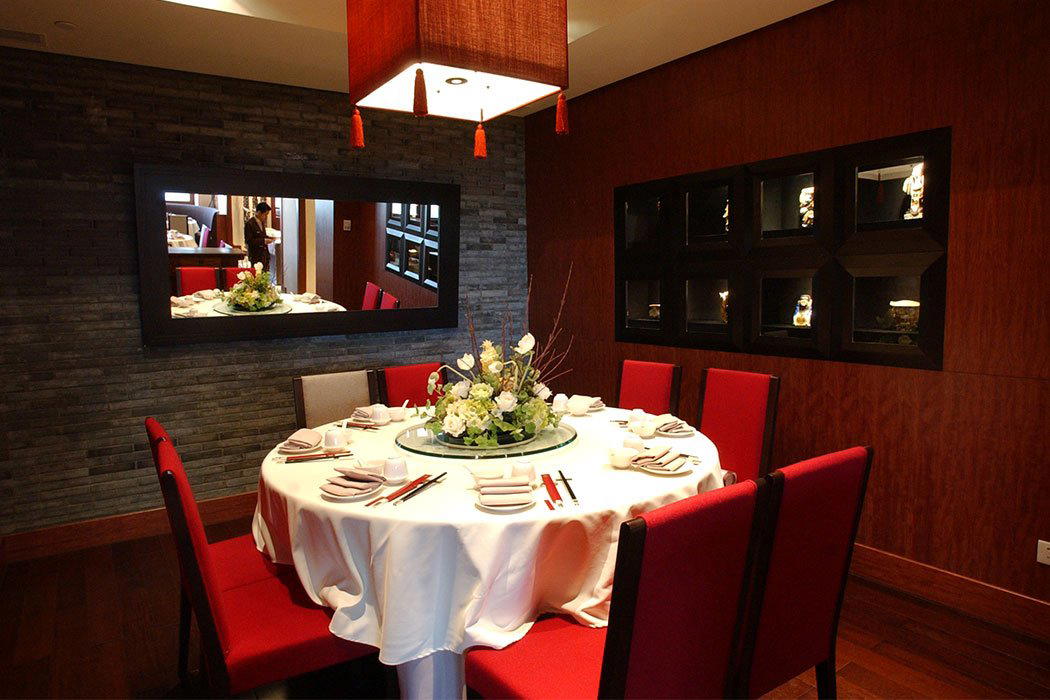
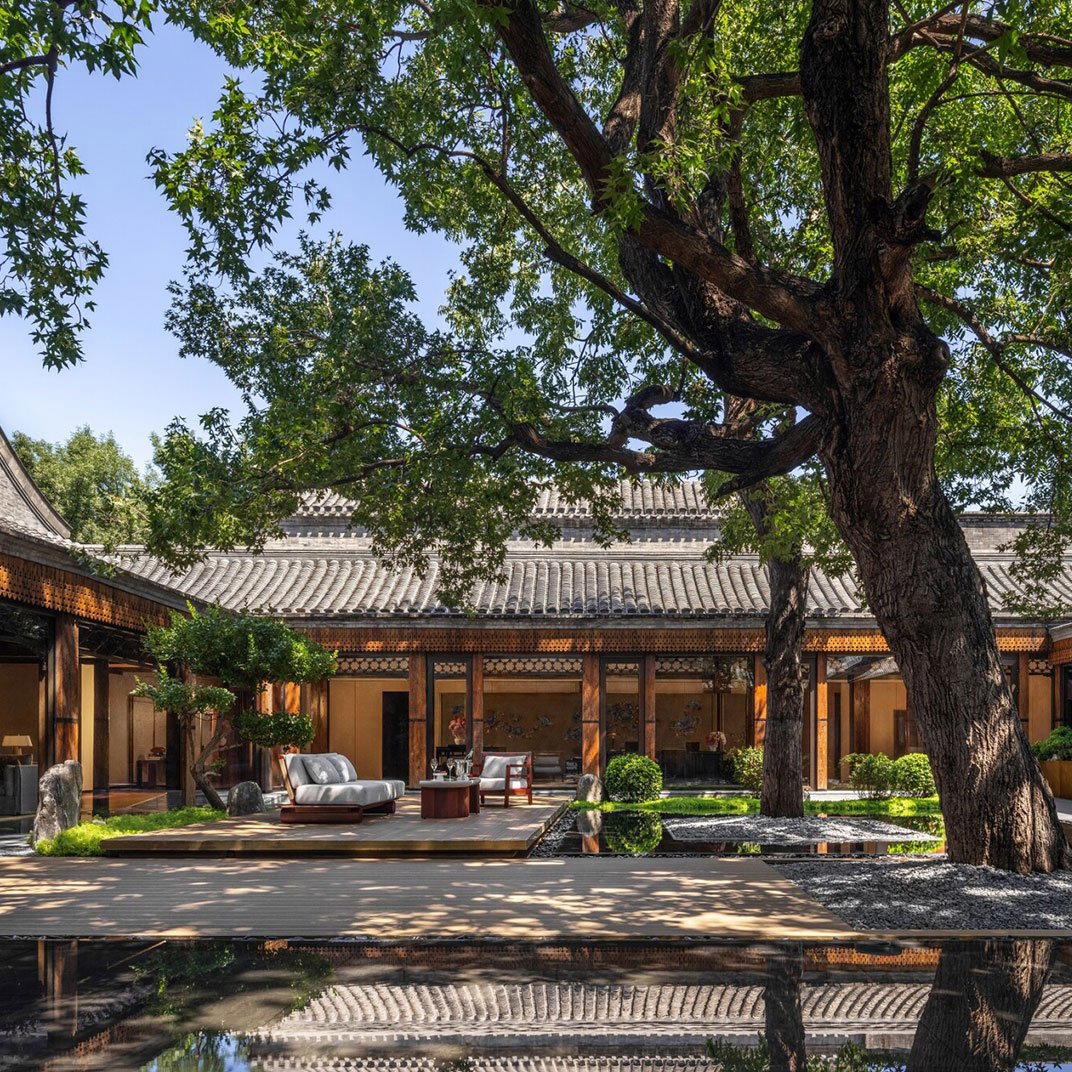
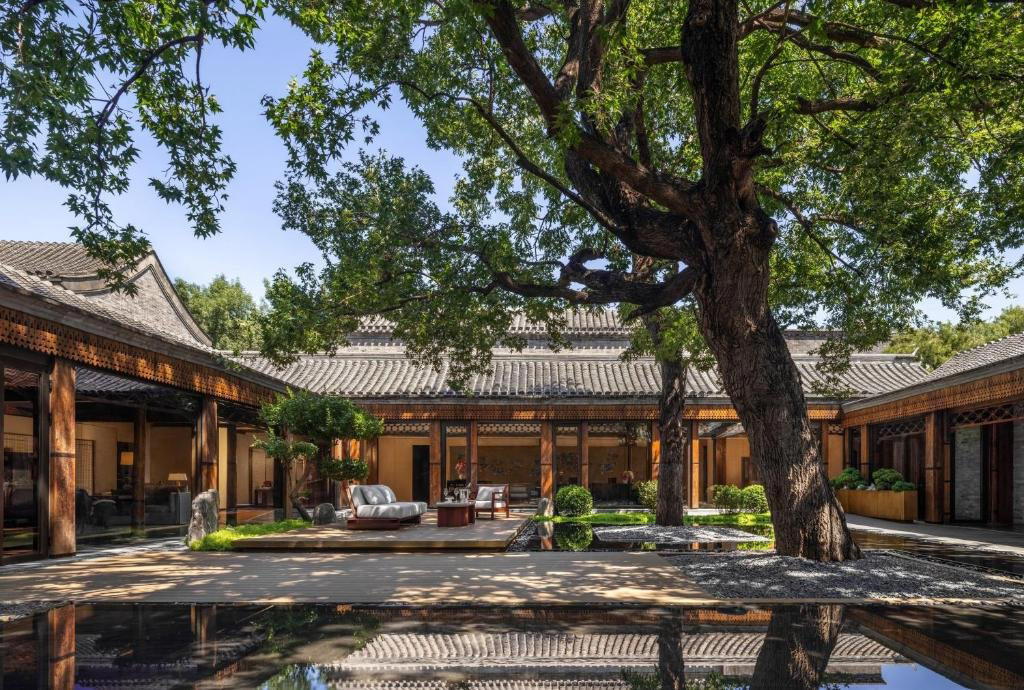
The hutong alleys of Dongcheng move at a different pace from Beijing's newer dining corridors. Narrow lanes, grey-brick courtyard walls, and the compressed scale of traditional residential architecture create an environment where restaurants tend to feel embedded rather than installed. Qian Li sits on North Xiangfeng Hutong inside this fabric, and the address alone orients the meal before the food arrives: this is not the polished, hotel-adjacent dining room that defines much of Beijing's high-end regional Chinese scene. It is something quieter and, for the occasion diner seeking meaning alongside quality, more considered.
Taizhou Cooking in the Capital
Taizhou cuisine originates along the Zhejiang coast, a regional style built around freshwater and marine produce, restrained seasoning, and a technical emphasis on preserving the inherent flavour of ingredients rather than layering over them. In its home cities, it occupies a mainstream position. In Beijing, it sits at the edge of what the city's dining culture prioritises: the capital's appetite runs toward northern lamb dishes, imperial-register Beijing cuisine, and the prestige Cantonese and Shanghainese formats that have planted deep roots here.
That relative scarcity matters when choosing a venue for a significant meal. Taizhou is not a cuisine most Beijing diners encounter routinely, which means a dinner at Qian Li carries an element of discovery alongside the occasion itself. For those familiar with the style from Zhejiang, an address with Michelin Plate recognition two consecutive years (2024 and 2025) offers a reliable benchmark in an unfamiliar city. For those new to the cuisine, the mid-range price point at ¥¥ makes the commitment easier to absorb.
Within Beijing's Taizhou tier, the competitive picture is instructive. Xin Rong Ji (Xinyuan South Road) and Xin Rong Ji (Jinrong Street) both operate at ¥¥¥¥, the leading price tier for Beijing's Taizhou category. Qian Li's ¥¥ positioning places it in a different segment entirely: Michelin-recognised quality at roughly half the spend, in a neighbourhood setting rather than a flagship dining room. That gap is a meaningful one for groups planning a celebration without the formal register of a high-ticket counter.
The Case for Occasion Dining Here
Beijing's premium occasions tend to gravitate toward a familiar circuit: Michelin-starred Cantonese rooms, Beijing duck institutions with century-long histories, or the kind of private-room Chinese fine dining where a minimum spend per table is assumed. Qian Li offers something different for those who want the milestone meal to carry regional specificity and a degree of culinary discovery rather than the reliable comfort of a known format.
The Michelin Plate designation, awarded for two consecutive years, provides the credibility anchor. A Plate signals food worth seeking out, short of the star threshold but above the threshold of ordinary. For a ¥¥ restaurant in a hutong setting, that recognition is an unusual combination. It suggests that the kitchen is operating with discipline: Taizhou technique applied consistently enough to attract Michelin inspector attention in a city where the guide's focus leans heavily toward higher-price addresses.
The Google profile reinforces the picture. Qian Li's score suggests a kitchen that delivers reliably across different guest profiles.
For those building a Beijing itinerary around regional Chinese cuisine, Qian Li fits into a broader pattern that extends across East China. The Taizhou style has a strong foothold in Shanghai through addresses like Xin Rong Ji (West Nanjing Road) and The House of Rong. Comparing Beijing and Shanghai Taizhou dining across a longer trip offers its own form of critical engagement: the same culinary vocabulary adapted to different local markets and supply chains.
Neighbourhood and Timing
Dongcheng's hutong grid is densest around the Drum Tower and Nanluoguxiang areas, and North Xiangfeng Hutong sits within the broader residential fabric that makes this part of the city worth exploring outside of meal times. Arriving on foot from a nearby subway stop is the standard approach; the lanes are too narrow for most vehicle access. The compression of that journey, moving from a main boulevard into progressively narrower alleys, frames the arrival in a way that broader-thoroughfare restaurants cannot replicate.
For regional comparison across other cuisines during a Beijing stay, the city's Chao Zhou tier is well represented at Chao Shang Chao (Chaoyang), and the vegetarian fine-dining category at Lamdre. Rong Cuisine (Baiziwan South Er Road) covers a further dimension of Zhejiang-rooted cooking in the capital.
For those extending the trip beyond Beijing, Ru Yuan in Hangzhou and 102 House in Shanghai offer points of comparison within the broader East China fine-dining circuit. Further afield, Xin Rong Ji in Chengdu demonstrates how the Taizhou format transplants to inland China. For premium Chinese dining across other cities, Chef Tam's Seasons in Macau, Imperial Treasure Fine Chinese Cuisine in Guangzhou, and Dai Yuet Heen in Nanjing each sit within recognisable peer sets that help calibrate expectations.
See our full Beijing restaurants guide for broader context across the city's dining tiers, alongside our Beijing hotels guide, bars guide, wineries guide, and experiences guide.
Know Before You Go
- Address: 11 N Xiangfeng Hu Tong, Dongcheng, Beijing
- Cuisine: Taizhou
- Price range: ¥¥ (mid-range)
- Awards: Michelin Plate 2024 and 2025
- Booking: Advance reservation recommended; confirm hours directly before visiting as published hours are
- Getting there: On foot from the nearest Dongcheng subway stop; hutong access restricts vehicle approach
Frequently asked questions
How do I find Qian Li?
Qian Li is located at 11 N Xiangfeng Hu Tong, Dongcheng, Beijing, China, 100051, Beijing.
What kind of recognition has Qian Li received?
Qian Li has received recognition including: Michelin Plate (2025); Michelin Plate (2024).
What's the must-try dish at Qian Li?
Taizhou cuisine is built around freshwater and marine produce handled with restrained seasoning, so the strongest choices will follow that logic: fish preparations and slow-cooked items are the structural backbone of the style. Qian Li holds a Michelin Plate for 2024 and 2025, a recognition that points to consistent kitchen standards rather than a single headline dish. Ask staff what is freshest on arrival, in a cuisine this ingredient-led, that question is more useful than any fixed recommendation.
What type of food is Qian Li known for?
What does dinner at Qian Li typically cost?
Pricing at Qian Li is listed as ¥¥.
Price and Positioning
| Venue | Cuisine | Price | Awards | Notes |
|---|---|---|---|---|
| Qian LiThis venue (the venue you are viewing) | Traditional Peking Duck | $30–50 | Michelin Plate | Not listed |
| Jing | Modern French with Asian Influences | $300–500 | 1 Michelin Star · Black Pearl 1 Diamond | French Contemporary |
| Xin Rong Ji (Xinyuan South Road) | Taizhou Chinese Fine Dining | $300–500 | 3 Michelin Stars · World's 50 Best #84 | Taizhou |
| Chao Shang Chao (Chaoyang) | Modern Chaoshan (Teochew) Fine Dining | $300–500 | Michelin Plate · La Liste Top Restaurants | Chao Zhou |
| Lamdre | Modern Plant-Based Chinese Vegetarian | Not listed | 2 Michelin Stars · World's 50 Best #17 | Vegetarian |
| Jingji | Imperial Beijing Royal Cuisine | $200–300 | 2 Michelin Stars · La Liste Top Restaurants | Beijing Cuisine |
Recognition history
Dated appearances from independent guides and award organizations, with the underlying list record or original source where available.
Michelin Plate
Michelin
Full recognition history (2 entries)
Michelin Plate
Michelin