Our verdict
Cantinho do Aziz serves authentic Mozambican food in a historic building on R. de São Lourenço, with crab curry, chacuti, and piri piri chicken.

Pearl is the En Primeur Club membership app, where members save venues, book tables and use the concierge.
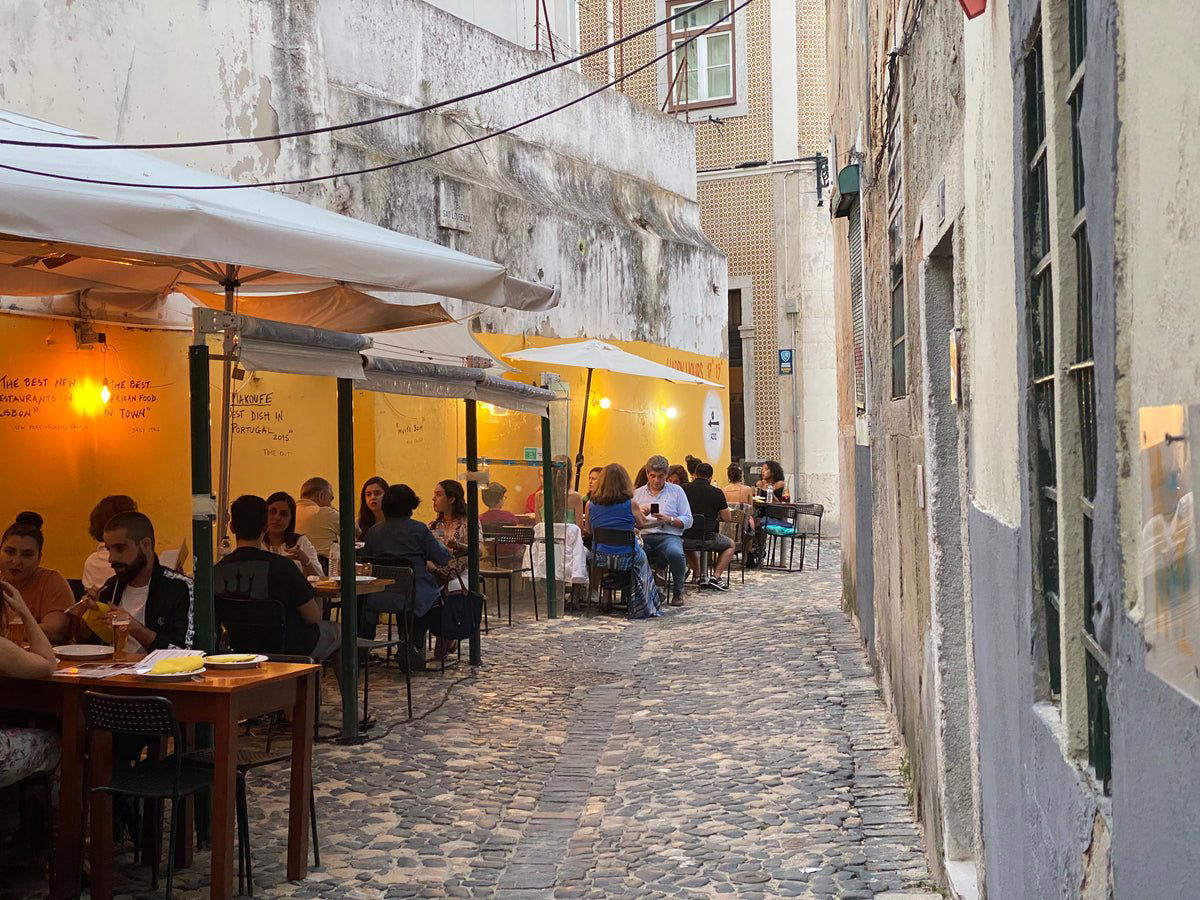
The menu
What to order
- Crab curry
- Chicken mulecas
- Chacuti
- Piri piri chicken
Mouraria and the Geometry of African Lisbon
The walk to Rua de São Lourenço tells you something before you arrive. Mouraria, the quarter that fanned out from the Moorish settlement after the Christian reconquest of 1147, is one of the few corners of central Lisbon where the tourist infrastructure thins and the residential character holds. The streets narrow, the tiling on the facades ages visibly, and the sound shifts from tour-group commentary to the low cadence of everyday Portuguese. It is in this context that Cantinho do Aziz matters. The restaurant's address places it inside a neighbourhood long associated with Lisbon's African and South Asian immigrant communities, and that geography is not incidental to what the kitchen produces.
Mouraria's cultural layering is well-documented: it is the area where fado, the city's indigenous song form, is said to have crystallised in the nineteenth century, and it is also where Mozambican, Cape Verdean, and Guinean communities established themselves across successive decades of post-colonial migration. A restaurant that draws on Mozambican culinary tradition in this postcode is not a novelty act, it is a continuation of something the neighbourhood has been doing for generations. Cantinho do Aziz operates inside that longer story.
The Culinary Reference Point: Mozambican Cooking in a Portuguese City
Portugal's colonial relationship with Mozambique lasted until 1975, and the culinary exchange that followed independence moved in both directions. Piri-piri, the chilli preparation now so thoroughly absorbed into Portuguese grilling culture that it reads as native, originates in the East African coastal corridor. Coconut-based stews, cashew preparations, and spiced seafood dishes arrived in Lisbon kitchens carried by returnees and migrants, and they have been part of the city's informal food culture ever since. What remains comparatively rare is a dedicated Mozambican table operating at a level where the cooking itself is the draw rather than the price point or the exoticism.
That is the register Cantinho do Aziz occupies. Among Lisbon's African restaurants, it holds a specific position: referenced consistently in editorial coverage focused on the city's non-European culinary traditions, and frequently cited alongside the neighbourhood's broader character rather than in the tier occupied by modern Portuguese tasting-menu venues like Belcanto, CURA, or Eleven. The comparison is not competitive; it is categorical. Where venues such as 50 Seconds from Martin Berasategui or 2Monkeys address a globalised tasting-menu audience, Cantinho do Aziz addresses a reader looking for something that Lisbon's starred circuit does not supply: the cooking of the Mozambican coast, in a Mouraria dining room, at prices that correspond to neighbourhood rather than destination-restaurant economics.
Place as the Organising Principle
The editorial consensus around Cantinho do Aziz, accumulated across Portuguese food press and international travel coverage, centres less on technique in the modernist sense and more on fidelity to a tradition. Mozambican cooking at its coastal register is built on seafood treated with coconut milk and piri-piri, on slow-cooked meat preparations carrying cinnamon and cumin in proportions that diverge from the North African spice corridor, and on rice and cassava as primary carbohydrates rather than the potato-and-bread structure of the Portuguese mainland. That cuisine, cooked without apology in a Mouraria address, is the proposition.
The room itself, small, direct, without the considered neutrality of Lisbon's design-led dining spaces, functions as an extension of the neighbourhood character. Mouraria dining rooms of this generation tend toward plain walls, communal tables or tightly spaced seating, and a pace set by the kitchen rather than by front-of-house choreography. The value in that format is exactly what it appears to be: proximity to the cooking, an absence of ceremony, and prices that leave room for a glass of wine and a second plate without the arithmetic of a tasting menu.
Cantinho do Aziz in Lisbon's Broader Culinary Map
Portugal's restaurant scene, assessed at its higher end, runs toward the formal and the technique-driven. The country's Michelin-recognised tables range from Vila Joya in Albufeira and Ocean in Porches to Casa de Chá da Boa Nova in Leça da Palmeira, The Yeatman in Vila Nova de Gaia, Antiqvvm in Porto, Il Gallo d'Oro in Funchal, Fortaleza do Guincho in Cascais, Gusto by Heinz Beck in Almancil, Ó Balcão in Santarém, and Al Sud in Lagos. These are venues in a different conversation entirely. Cantinho do Aziz is not competing with that tier, and understanding that distinction is necessary for reading what the restaurant actually offers.
Its competitive set is the small cohort of Lisbon neighbourhood restaurants where the specificity of a culinary tradition and the character of a postcode produce a dining experience that the city's tasting-menu circuit cannot replicate. In international terms, it sits in the same category as the neighbourhood specialists that informed writers on cities like New York or San Francisco tend to surface alongside formally recognised tables. The audience that finds Le Bernardin in New York City or Lazy Bear in San Francisco on their itinerary is often also the audience hunting for exactly this kind of counter-programming: something rooted, specific, and priced without ceremony.
Planning a Visit
Cantinho do Aziz sits at Rua de São Lourenço 5 in the Mouraria quarter, within walking distance of the Intendente praça and reachable on foot from the Rossio area in under fifteen minutes. The neighbourhood is leading approached from the lower city rather than from the Graça hillside, which adds time without adding much orientation value. Reservations are advisable for dinner, particularly on weekends when Mouraria draws both Lisbon residents and visitors exploring beyond the Alfama tourist corridor. The format is a conventional dining room rather than a counter or tasting-menu progression, which means the meal moves at the pace you set. For further context on where Cantinho do Aziz sits within Lisbon's wider restaurant geography, the full Lisbon restaurants guide maps the city's culinary tiers from neighbourhood specialists through to starred destination dining.
Frequently asked questions
What is the atmosphere like at Cantinho do Aziz?
Cantinho do Aziz occupies a small, informal space on Rua de São Lourenço in Mouraria, a quarter with one of Lisbon's oldest multicultural communities. The room functions more like a family dining room than a restaurant in the conventional sense, close tables, little ceremony, and a clientele that mixes long-standing local regulars with visitors who have tracked it down through food press coverage. The neighbourhood itself sets the tone: Mouraria absorbs its surroundings, and the restaurant reflects that.
Where do I go for Cantinho do Aziz?
Cantinho do Aziz is located at R. de São Lourenço 5, 1100-530 Lisboa, Portugal, Lisbon.
How does Cantinho do Aziz connect to Lisbon's African-Portuguese culinary history?
Portugal's presence in Mozambique ended in 1975, and the culinary exchange that followed moved in both directions across the decades since. Cantinho do Aziz, sitting in Mouraria, Lisbon's historically diverse inner quarter, represents one of the clearest expressions of that exchange in the city's current restaurant scene. It is among very few Lisbon addresses where Mozambican cooking is the primary focus rather than a footnote in a broader African or lusophone menu.
What's the best thing to order at Cantinho do Aziz?
The kitchen is grounded in Mozambican cooking, a tradition shaped by East African, Indian, and Portuguese culinary crosscurrents, coconut milk, piri-piri, slow-cooked proteins, and rice-forward plates are structural to this repertoire. That flexibility is part of the point.
Is Cantinho do Aziz reservation-only?
Given the small scale of the Rua de São Lourenço address and its reputation in Portuguese food press, arriving early or on a weekday reduces the risk of a wait. Showing up without a plan is part of the experience; being turned away is also a real possibility.
What's Cantinho do Aziz best at?
Cantinho do Aziz holds an unusual position in Lisbon: it is the most consistently cited address for Mozambican cooking in a city where African-Portuguese culinary history runs deep but dedicated restaurants remain scarce. That editorial consensus, built across Portuguese food press and international coverage, centres on the restaurant's role as a cultural anchor rather than a technically ambitious kitchen. It does a specific thing, Mozambican home cooking in a Mouraria setting, and that specificity is what the coverage keeps returning to.
The Essentials
Comparable venues nearby, for context on price, style, and recognition.
| Venue | Cuisine | Price | Notes |
|---|---|---|---|
| Cantinho do AzizThis venue (the venue you are viewing) | Authentic Mozambican | $10–20 | Not listed |
| Restaurante Chiveve | Authentic Mozambican Cuisine | $20–30 | Estefania, Mozambican |
| Solar de Alfama | Portuguese Seafood | $20–30 | Castelo, Portuguese Seafood |
| Brick Cafe Lisboa | International Brunch Cafe | $10–20 | Estefania, International Brunch Cafe |
| A Praça | Portuguese Mediterranean | $20–30 | Alcantara, Portuguese Mediterranean |
| Time Out Market | Portuguese Food Hall | $20–30 | Chiado, Dining |
Continue exploring
More in Lisbon
Restaurants in Lisbon
All restaurants in Lisbon →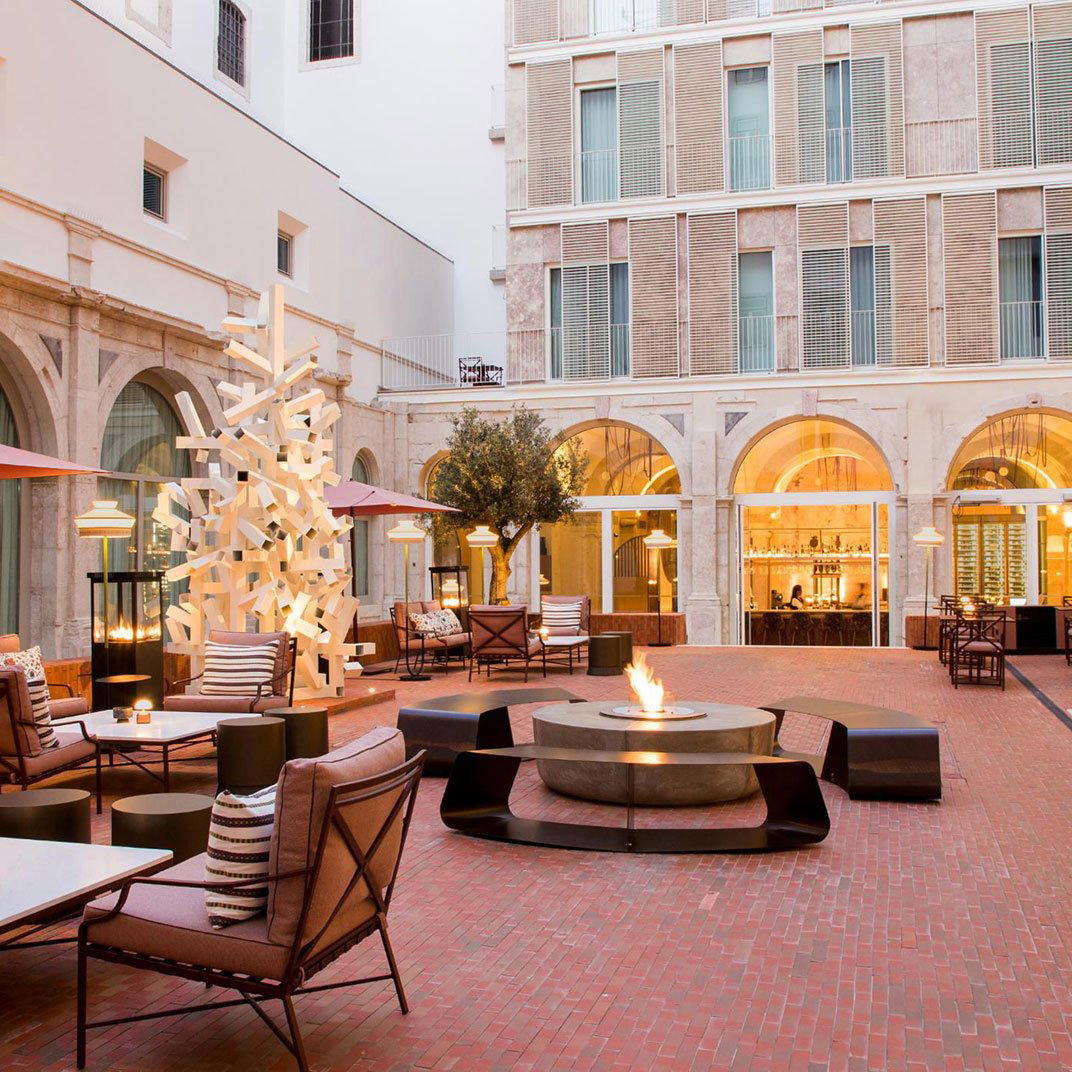
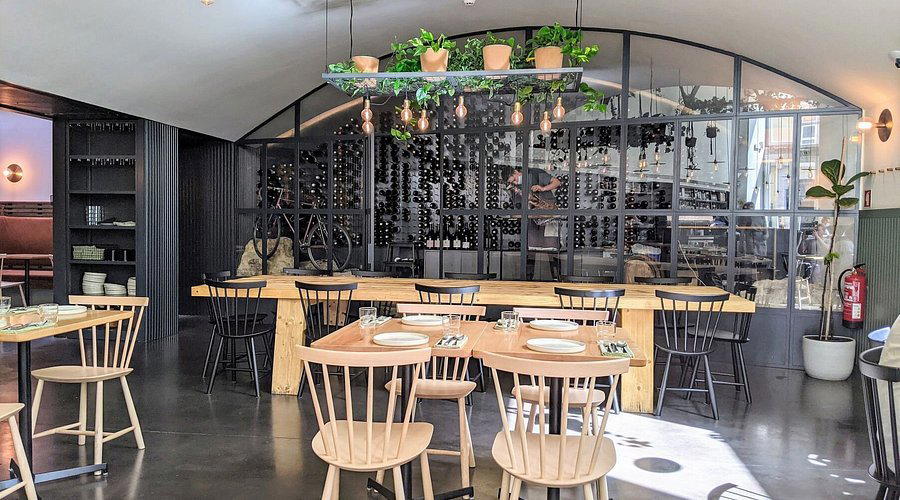
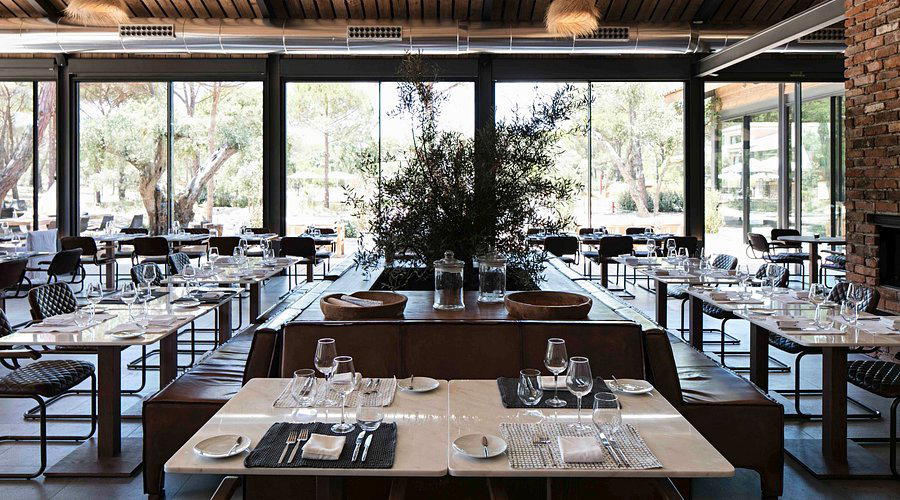
Bars in Lisbon
All bars in Lisbon →

Details
- Cozy
- Rustic
- Casual Hangout
- Family
- Historic Building
- Local Sourcing
- A La Carte
- Vegetarian Friendly
Current opening hours
- Monday
- 9 AM–11 PM
- Tuesday
- 9 AM–11 PM
- Wednesday
- 9 AM–11 PM
- Thursday
- 9 AM–11 PM
- Friday
- 9 AM–11 PM
- Saturday
- 9 AM–11 PM
- Sunday
- 9 AM–11 PM
Hours can change for holidays and private events. Hours as of .
Simple, inviting decor with Mozambican touches and a laid-back tasca atmosphere.