Canonita
Canonita sits on the Las Vegas Strip at 3377 S Las Vegas Blvd, occupying a position in the city's broader Mexican and Latin dining conversation. Where much of the Strip favors spectacle over substance, Canonita draws attention for a more grounded approach to the cuisine. It belongs to a tier of Strip restaurants where the food is expected to hold its own independent of the casino floor energy surrounding it.
Pearl is the En Primeur Club membership app — saves, bookings, and concierge access live there. Same editors, same standards.
- Address
- 3377 S Las Vegas Blvd, Las Vegas, NV 89109
- Phone
- +17024202561
- Website
- canonita.net
- Directions
- Get directions
 Saves & bookings on Pearl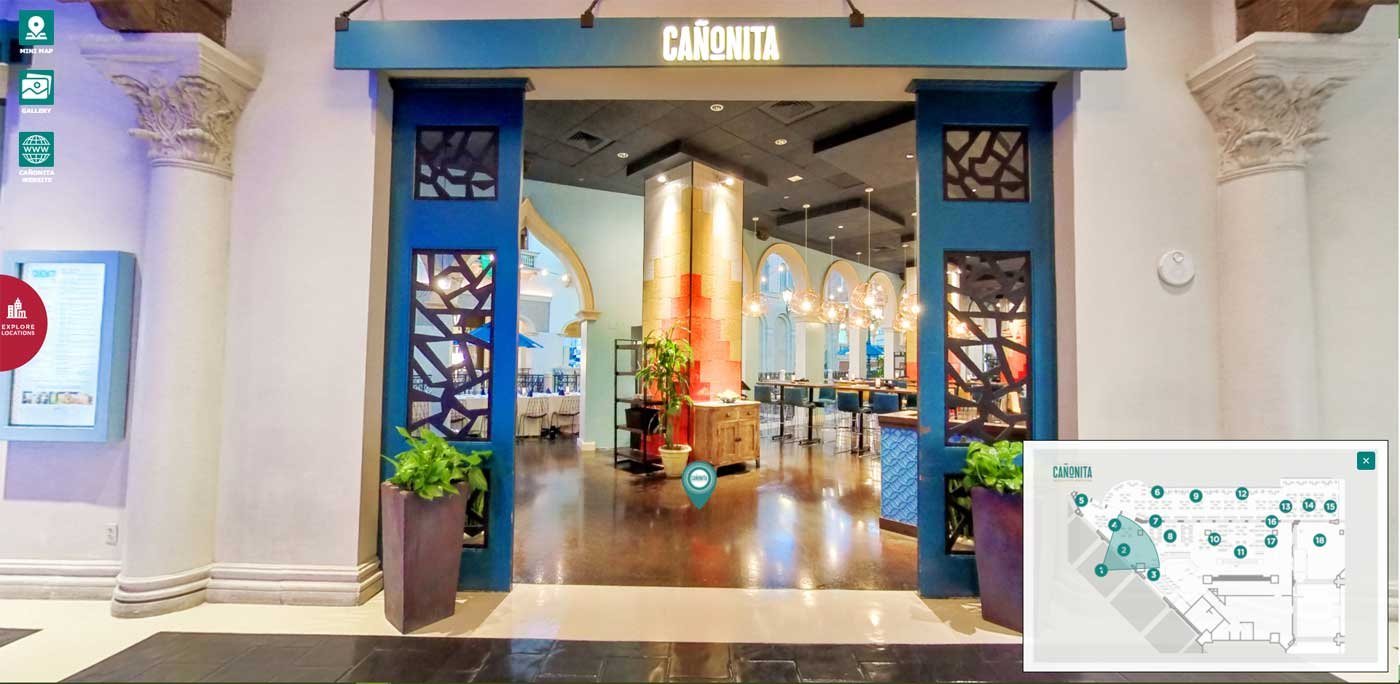
The Strip's Approach to Mexican Dining
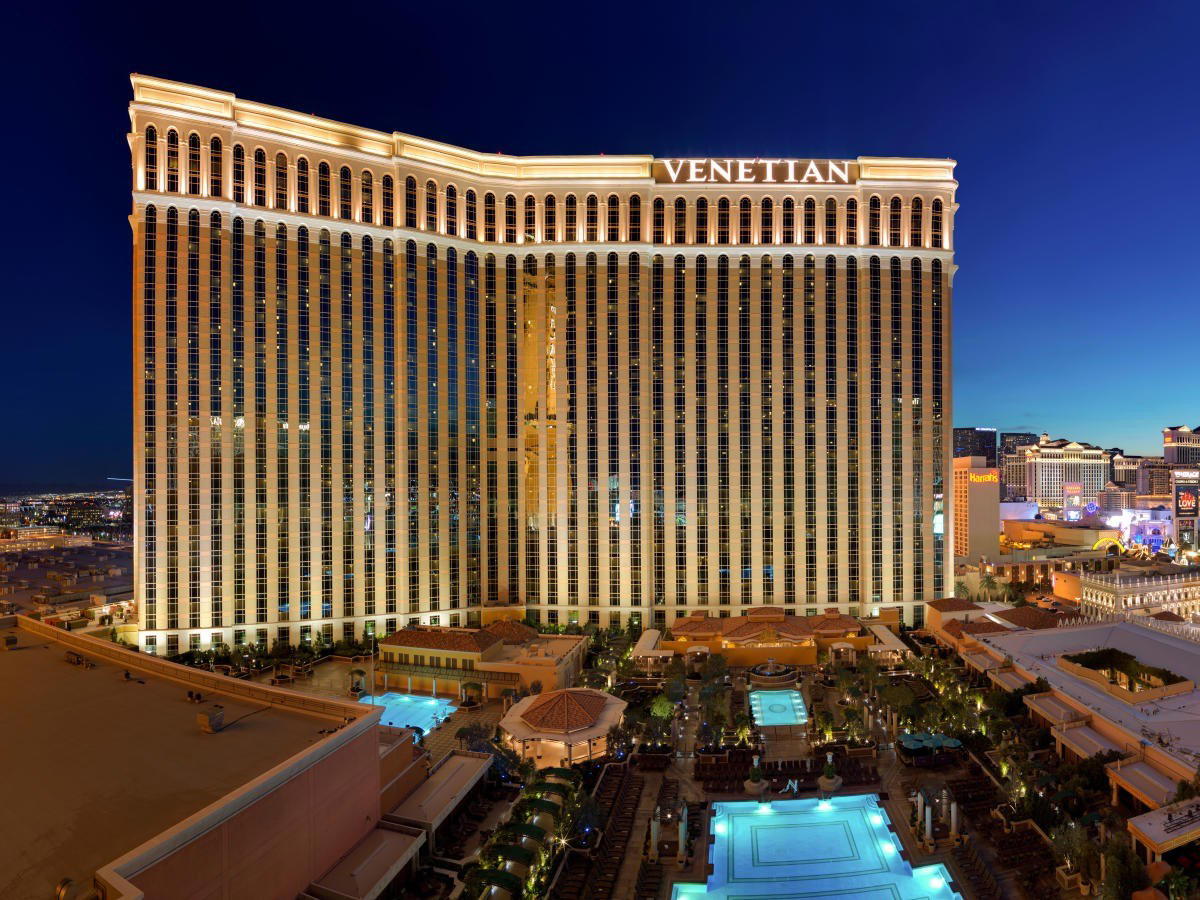
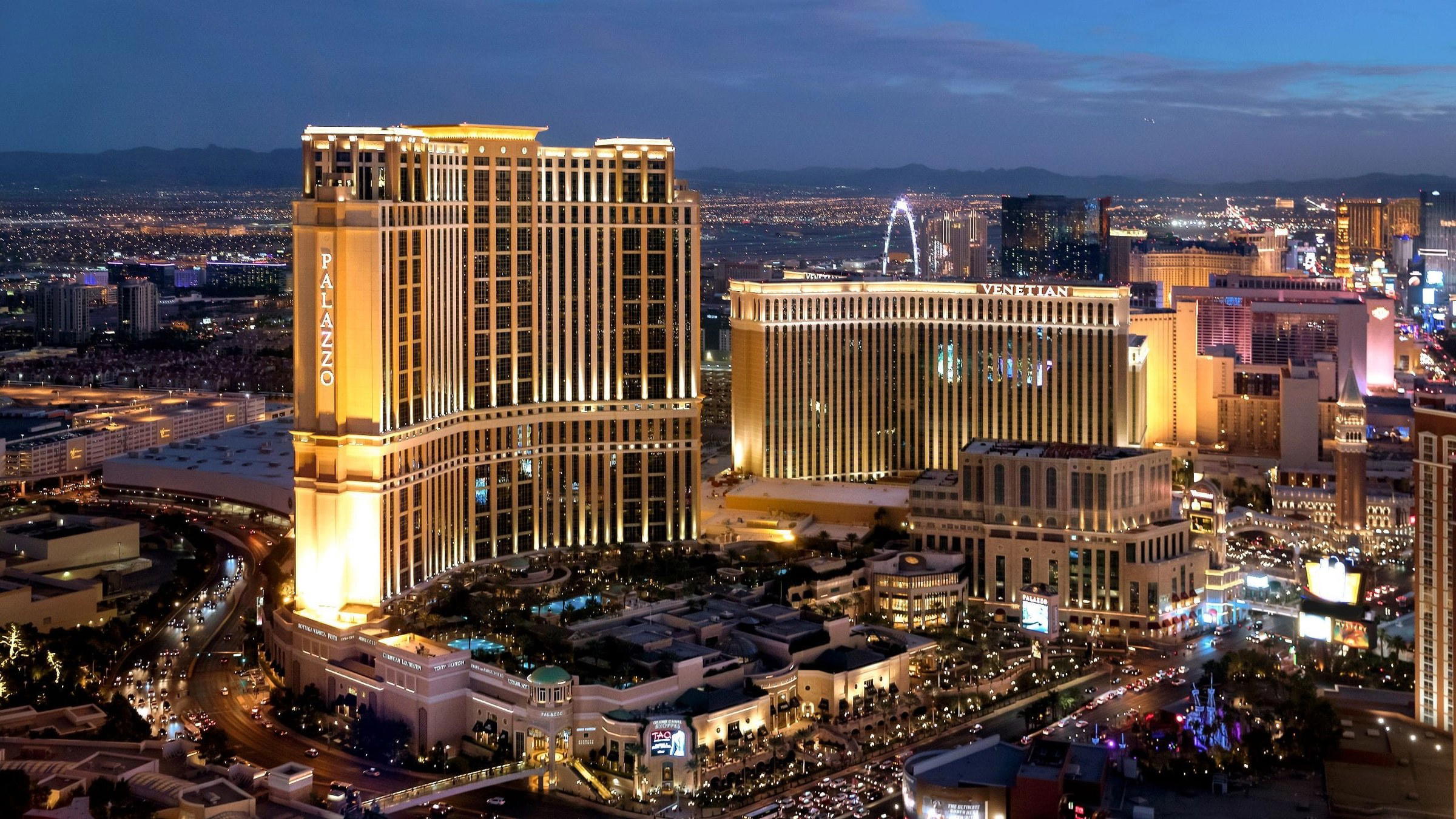
Las Vegas has a complicated relationship with regional Mexican cuisine. For decades, the Strip defaulted to Tex-Mex approximations dressed up in dramatic interiors, where the architecture did the work the food couldn't. That equation has been shifting. A cohort of restaurants has emerged on and near the Strip that takes the sourcing and regional specificity of Mexican cooking seriously, placing Canonita, located at 3377 S Las Vegas Blvd inside the Venetian complex, in a more demanding peer conversation than the buffet-style sprawl that long dominated this stretch of Las Vegas Boulevard.
The Venetian's dining collection has historically leaned toward Italian and American formats, which makes a Mexican concept on that floor plan something of a counter-programming decision. In a casino environment where restaurants are often selected for broad demographic appeal, a venue with genuine regional Mexican ambition occupies a specific niche: it has to win over tourists expecting familiar comfort food while justifying itself to the narrower audience seeking something with more culinary rigour. That tension shapes how Canonita reads against the Strip's wider restaurant map.
Where the Food Comes From
The ingredient sourcing question is particularly pointed for Mexican restaurants operating inside American casino resorts. Traditional Mexican cooking draws from a larder that is intensely regional: dried chiles from Oaxaca and Puebla, specific corn varieties used for masa, fresh herbs like epazote that don't survive substitution well, and seafood preparations tied to coastal geography. The further a restaurant sits from those supply chains, the harder it is to maintain authenticity at the plate level.
Las Vegas, despite its desert address, has developed a surprisingly functional distribution infrastructure for imported and specialty ingredients, driven by the sheer volume of high-demand kitchens competing for upper-tier product. That infrastructure benefits restaurants like Canonita that are positioned between fast-casual Mexican and the small handful of fine-dining Mexican formats in the US that operate at the level of sourcing discipline you'd find at places like Single Thread Farm in Healdsburg or Blue Hill at Stone Barns in Tarrytown, where provenance is the editorial spine of the menu.
The sourcing argument matters because it defines what a restaurant can honestly put on a plate. A kitchen committed to authentic regional Mexican cooking needs access to specific dried chile varieties for its moles and sauces, heritage corn for tortillas made in-house, and proteins that reflect coastal or highland Mexican traditions rather than generic American commodity cuts. Whether Canonita operates at that level of supply-chain commitment is a question leading answered by visiting during service and asking the kitchen directly, but its placement in a premium casino resort suggests the infrastructure is available to support that ambition.
The Physical Environment
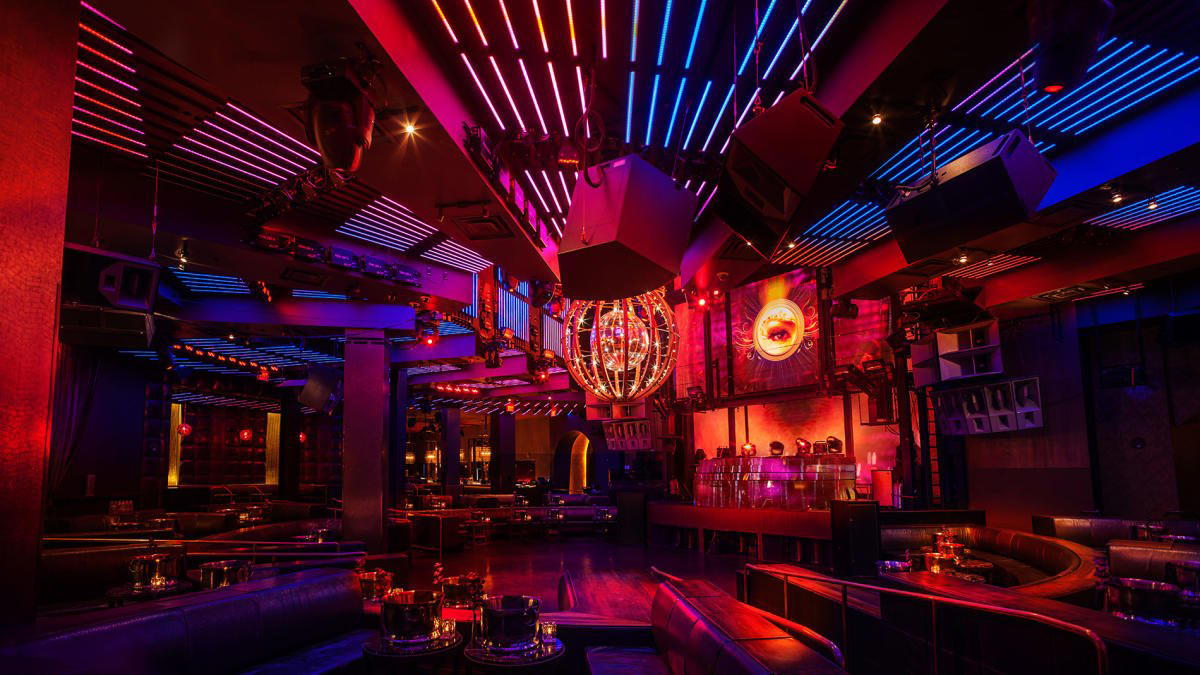
Inside the Venetian, the spatial grammar is already established before a guest sits down: high ceilings, a rhythm of grand gestures, and a design language that references European grandeur at scale. Mexican restaurant design within that context has to find its register carefully. The risk is a setting that aestheticizes Mexican visual culture without grounding it in the actual culinary traditions it represents, terracotta and agave motifs as decoration rather than as signals of culinary intent.
The more effective model, seen in high-performing Latin-focused restaurants across the country, uses design restraint to let the food carry the argument. Atomix in New York City demonstrates how a focused, disciplined room allows the cooking to read clearly without visual competition. Mexican restaurants operating at a serious culinary tier tend to apply similar logic: the room supports but doesn't overwhelm the plate.
Canonita in Its Competitive Set
On the Strip, the relevant comparable set for a Mexican concept at Canonita's address includes Chica, which takes a pan-Latin approach, and Bacchanal Buffet, where Mexican dishes appear as one register within a vast international spread. Neither is a direct comparator: Chica operates across a broader Latin American geography, while the buffet format explicitly de-emphasizes kitchen craft in favour of volume.
A more useful comparison is the Latin-inflected tier at restaurants like Emeril's in New Orleans, where a named culinary identity anchors a restaurant in a tourist-heavy market without surrendering to that market's lowest-common-denominator tendencies. The challenge for any Mexican restaurant on the Strip is the same: serving a guest population that ranges from first-time visitors expecting enchiladas with melted orange cheese to travellers who have eaten serious regional Mexican cooking in Mexico City or Oaxaca and will notice the difference immediately.
Nearby, the Las Vegas dining scene offers a wide range of alternatives for different occasions. Craftsteak anchors the serious American steakhouse tier, while 108 Eats, 18bin, 777 Korean Restaurant, and A Different Beast each occupy distinct positions in the city's off-Strip dining ecosystem, where the economics allow for tighter, more focused kitchen programs.
The broader national conversation about Mexican restaurants operating at a fine-dining tier is relevant context. The trajectory set by restaurants like Providence in Los Angeles for seafood, or Addison in San Diego for California cuisine, demonstrates that the American Southwest has the sourcing relationships and culinary talent to sustain serious regional cooking without defaulting to tourist-market compromise. Mexican cuisine deserves the same treatment, and the Strip's better restaurants have been moving in that direction.
What Serious Mexican Cooking Requires
At the technical level, authentic Mexican cooking is among the more labour-intensive cuisines in the world. Mole negro, for example, requires upwards of twenty ingredients and multiple days of preparation, dried chiles toasted, soaked, and blended in specific ratios, chocolate and spices integrated at precise stages. Handmade tortillas from nixtamalized masa operate on a different texture and flavour register entirely from the flour tortillas that most American diners encounter. Ceviches and aguachiles depend on the freshness and quality of the seafood, not on technique alone.
These are the markers that separate a kitchen with genuine commitment to the cuisine from one that has imported the visual vocabulary while outsourcing the actual craft. For reference, restaurants like Smyth in Chicago and Le Bernardin in New York City have built their reputations on exactly this kind of technical precision applied to specific culinary traditions. The question for Canonita is whether it applies equivalent discipline to Mexican technique, and the Venetian's position as a premium destination property gives it the budget to do so.
Know Before You Go
Canonita is located at 3377 S Las Vegas Blvd, Las Vegas, NV 89109, inside the Venetian Resort.
The Minimal Set
Comparable venues nearby, for context on price, style, and recognition.
| Venue | Cuisine | Price | Notes |
|---|---|---|---|
| CanonitaThis venue — the venue you are viewing | South Las Vegas, Mexican Soul Food | $$$ | Not listed |
| Cantina Contramar | Not listed | $$$ | Northern Strip, Modern Mexican Seafood Cantina |
| VIVA | Not listed | $$$ | Northern Strip, Modern Mexican with Coastal California Influences |
| Mijo Modern Mexican | Rhodes Ranch, Modern Coastal Mexican | $$$ | Not listed |
| Cabo Wabo Cantina | The Strip, Coastal Mexican & Tex-Mex | $$ | Not listed |
| Culichitown Las Vegas | Rancho Sereno, Mexican-Sushi Fusion | $$ | Not listed |
Continue exploring
More in Las Vegas
Restaurants in Las Vegas
Browse all →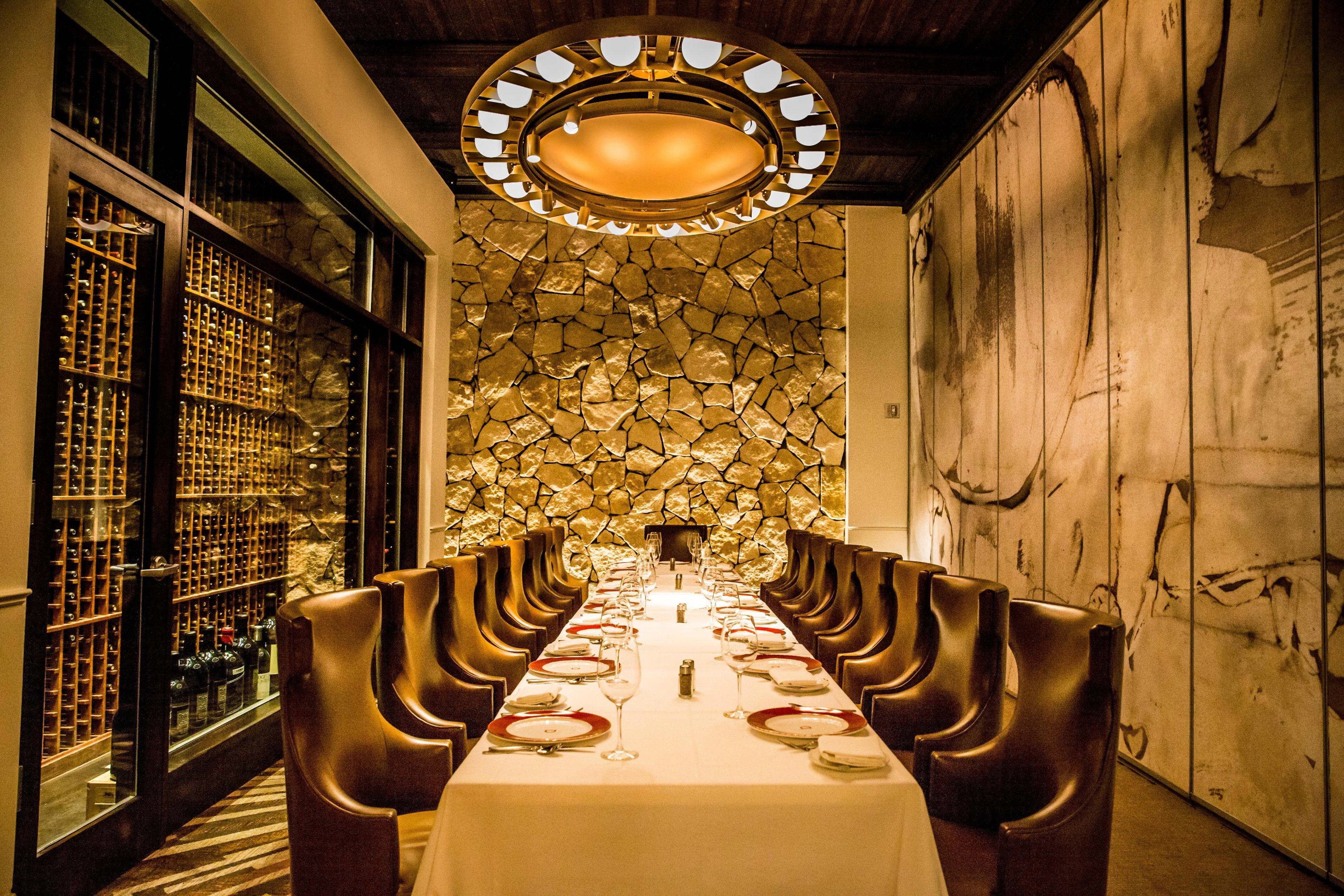
Bars in Las Vegas
Browse all →

At a Glance
- Lively
- Trendy
- Date Night
- Group Dining
- Casual Hangout
- Open Kitchen
- Terrace
- Craft Cocktails
- Street Scene
Current opening hours
- Monday
- 11 AM–10 PM
- Tuesday
- 11 AM–10 PM
- Wednesday
- 11 AM–10 PM
- Thursday
- 11 AM–10 PM
- Friday
- 10 AM–10 PM
- Saturday
- 10 AM–10 PM
- Sunday
- 10 AM–10 PM
Hours can change for holidays and private events. Last verified .
Lively and lively atmosphere with an exhibition kitchen and patio overlooking Venetian gondolas.