Cane Rosso

Diners, Drive-Ins and Dives Featured Restaurant
Our verdict
The kitchen works within the discipline of wood-fired technique, a format that rewards coordination between the line, the floor, and the bar. For Dallas pizza at this address, the operational model is as much the story as the dough.

Pearl is the En Primeur Club membership app, where members save venues, book tables and use the concierge.
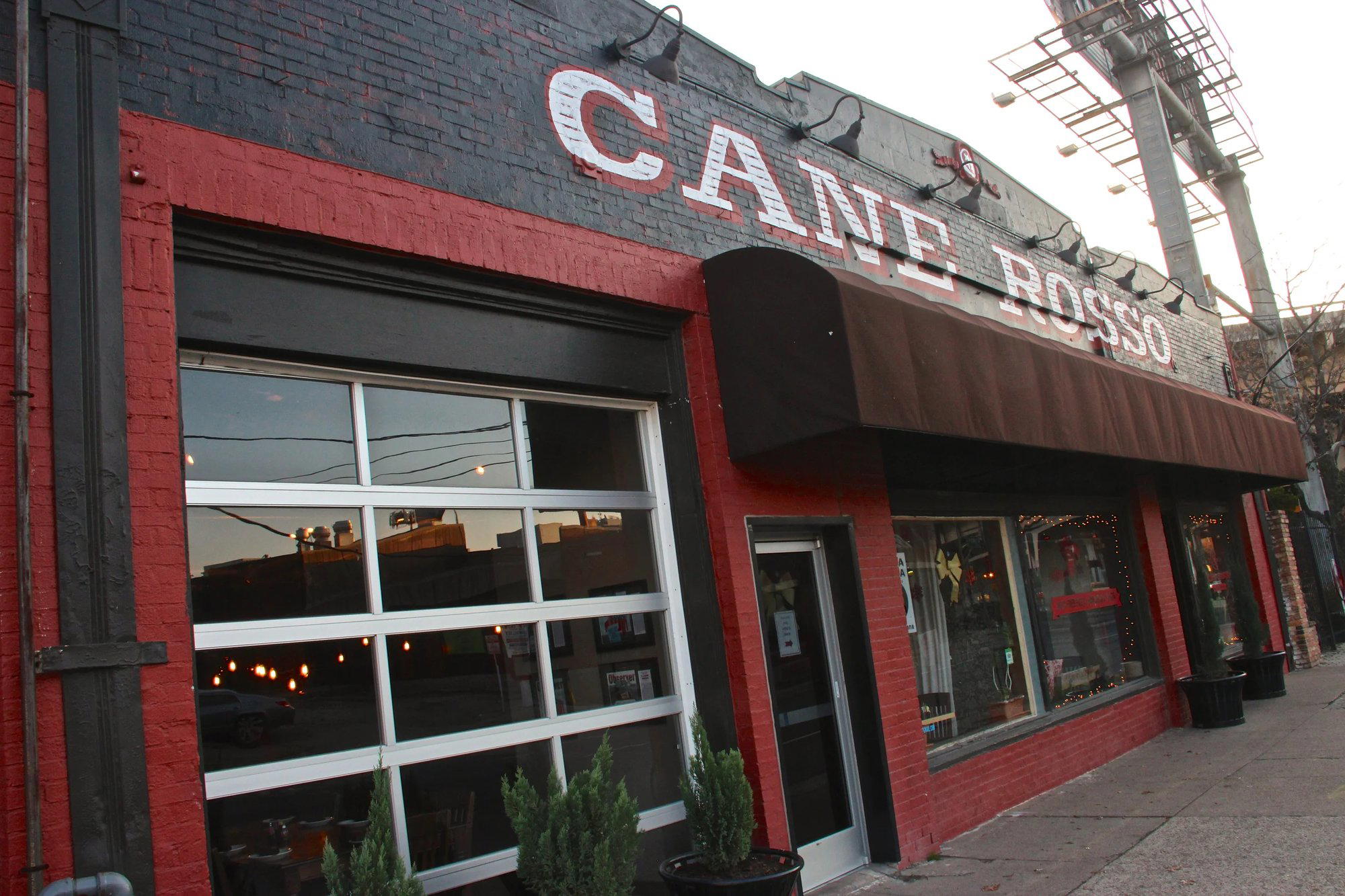
Deep Ellum and the Wood-Fired Standard
Deep Ellum has functioned as Dallas's most combustible dining neighbourhood for the better part of two decades, cycling through concepts with the speed of a city that rewards novelty. What has held longer than most is the wood-fired pizza format, which demands a kind of operational discipline that filters out the casual operator. The pizza oven is an unforgiving piece of equipment: it runs at temperatures where a few seconds separate a correct crust from a ruined one, and the timing chain that connects dough prep, fire management, and table pacing has to work as a coordinated system rather than a collection of independent tasks. The address puts the restaurant within walking distance of venues running everything from late-night barbecue to structured Japanese service, which means competition for evening attention is constant. In that context, the wood-fired format is both a differentiator and a commitment: it signals a specific production standard to a neighbourhood audience that increasingly reads those signals accurately. Comparable Dallas operators in the Italian-leaning mid-range, such as Mamani, have staked out adjacent territory through different format choices, which illustrates how the $25-to-$40 per-person bracket in Dallas has become genuinely competitive rather than homogeneous.
The Service Architecture of a Pizza Counter
The editorial angle that applies most directly to Cane Rosso is what happens when a wood-fired kitchen runs well: the coordination between the person managing the oven, the floor team reading table pace, and whoever is steering the drinks program becomes the actual product. This is a dynamic that distinguishes disciplined casual-dining operations from the category average, and it is worth understanding for anyone choosing between options in this bracket.
In Neapolitan-adjacent pizza formats, the oven temperature runs around 900 degrees Fahrenheit, and a pie is finished in roughly 60 to 90 seconds. That speed compresses the gap between production and service to a degree that almost no other format matches. A table that orders four pizzas expects them to arrive together or in very close succession, which means the floor team has to synchronise with the kitchen in real time rather than managing a slower, course-based sequence. The bar, meanwhile, needs to anticipate drink pacing against that rapid turnover rhythm rather than against the longer arc of a tasting menu or a composed multi-course meal. When these three functions are calibrated together, the experience of the format itself becomes fluid. When they are not, the speed of the oven works against the room rather than for it.enprimeurclub.com/restaurants/tatsu-dallas-dallas-restaurant">Tatsu Dallas or spent time at a structured counter like 3Eleven Kitchen and Cocktails arrives with formed expectations about service coordination. The gap between a pizza operation that runs its timing well and one that does not is immediately legible to that kind of guest.
Positioning in the Dallas Pizza Tier
Dallas's wood-fired pizza operations sit in a mid-range bracket that is more technically demanding than its price point suggests. The format requires capital-intensive equipment, trained fire management, and dough programs that typically involve multi-day fermentation schedules. The Neapolitan tradition, which prioritises a specific set of parameters around flour type, hydration, and oven temperature, provides a legible quality framework that diners can use to evaluate against other cities' versions of the same format.
Compared to barbecue operations like Pecan Lodge, which operates in a smoke-and-time paradigm with different technical pressures, or structured Japanese service like Tatsu Dallas in the $$$$ tier, Cane Rosso occupies a middle ground where the technical standard is high but the format remains accessible to walk-in traffic. That accessibility is a deliberate feature of the wood-fired pizza category: the single-item ordering model and the speed of production make it a format that can handle volume without sacrificing the per-plate standard. The challenge is sustaining that standard across a full service, which is where front-of-house judgment becomes as important as kitchen skill.
For reference against national pizza standards, the Neapolitan format as practiced in American cities has developed its own regional variations. The discipline required to run a wood-fired program at the level of tasting-menu operations like Smyth in Chicago or Lazy Bear in San Francisco is obviously different in kind, but the underlying logic of coordinated team execution applies across categories. What distinguishes Le Bernardin in New York City or The French Laundry in Napa from their peers is not solely the food on the plate but the operational coherence that surrounds it. That principle scales down to the pizza counter. Cane Rosso's format, with its high-temperature production and capacity to turn tables relatively quickly, positions it as an option that can absorb walk-in interest more readily than reservation-only operations. That said, the peak hours on Friday and Saturday evenings bring the kind of volume that stresses any kitchen, and arrival before 7 pm on those nights typically results in a shorter wait than later slots. For comparison, nearby options like 360 Brunch House operate on a different daypart rhythm, which means the neighbourhood's dining load is distributed unevenly across the week.
Visitors building a broader Dallas itinerary will find that Deep Ellum works well as an evening destination, pairing dinner with the neighbourhood's live programming rather than treating it as an isolated dining stop. For a fuller picture of where Cane Rosso sits within Dallas's wider restaurant scene, the full Dallas restaurants guide maps the city's major formats and price tiers. Steakhouse formats like 12 Cuts Brazilian Steakhouse and Southwestern-leaning operations like Fearing's represent the higher end of the price spectrum, which contextualises the wood-fired pizza tier as the city's most accessible format for reliable technical cooking at a mid-range spend.
Frequently asked questions
What's Cane Rosso's location?
Cane Rosso is located at 2612 Commerce St, Dallas, TX 75226, Dallas.
Does Cane Rosso in Deep Ellum have a late-night advantage over other Dallas pizza spots?
Deep Ellum's position as a live-music and late-night neighbourhood means Cane Rosso on Commerce Street benefits from foot traffic that most Dallas dining districts don't generate after 10pm. The surrounding venue density creates a natural window for post-show dining that few wood-fired operations in the city are positioned to capture. For visitors moving between music venues along Commerce Street, the location is functional rather than incidental.
What dish is Cane Rosso famous for?
Cane Rosso built its reputation on wood-fired Neapolitan-style pizzas, cooked at high heat in a traditional oven. The format prioritises a charred, blistered crust with a short ingredient list rather than loaded toppings. At 2612 Commerce St in Deep Ellum, that restraint is the point.
How hard is it to get a table at Cane Rosso?
Commerce Street sees significant foot traffic on weekend evenings, with Deep Ellum's live-music venues driving demand well into the night. Arriving early or timing a visit mid-week is the practical approach. The counter format means turnover is faster than a full-service dining room, but waits during peak hours are common.
What's the defining dish or idea at Cane Rosso?
The defining idea is fidelity to the wood-fired method rather than menu scale. A high-heat oven running at consistent temperature produces a crust that changes character in under two minutes, and that discipline shapes every pizza on the menu. In Dallas's pizza tier, that technical commitment at a mid-range price point is what separates the counter from casual chains.
Is Cane Rosso allergy-friendly?
Cane Rosso's kitchen centres on a wood-fired oven, meaning cross-contact with gluten, dairy, and other common allergens is a structural reality of the format. Guests with serious dietary restrictions should check the venue's official channels before visiting. The 2612 Commerce St location is the starting point for any specific enquiry.
A Pricing-First Comparison
Comparable venues nearby, for context on price, style, and recognition.
| Venue | Cuisine | Price | Awards | Notes |
|---|---|---|---|---|
| Cane RossoThis venue (the venue you are viewing) | Authentic Neapolitan Pizza | $20–30 | Diners, Drive-Ins and Dives Featured Restaurant | Not listed |
| Kenny's Italian Kitchen | Southern Italian-American | $20–30 | Not listed | Addison, Southern Italian-American |
| Louie's | Chicago-Style Thin Crust Pizza | $20–30 | Not listed | Belmont, Chicago-Style Thin Crust Pizza |
| Campisi's | Classic Italian Pizza & Pasta | $20–30 | Not listed | Greenville Ave, Classic Italian Pizza & Pasta |
| MoMo Italian Kitchen Lake Highlands | Authentic Northern Italian | $30–50 | Not listed | Northwood Heights, Authentic Northern Italian |
| Olivella's | Authentic Neapolitan & Roman Pizza | $20–30 | Not listed | Greenville Ave, Authentic Neapolitan & Roman Pizza |
Recognition history
Dated appearances from independent guides and award organizations, with the underlying list record or original source where available.
Diners, Drive-Ins and Dives Featured Restaurant
Diners, Drive-Ins and Dives · 2026 Diners, Drive-Ins and Dives Featured Restaurants
Continue exploring
More in Dallas
Restaurants in Dallas
All restaurants in Dallas →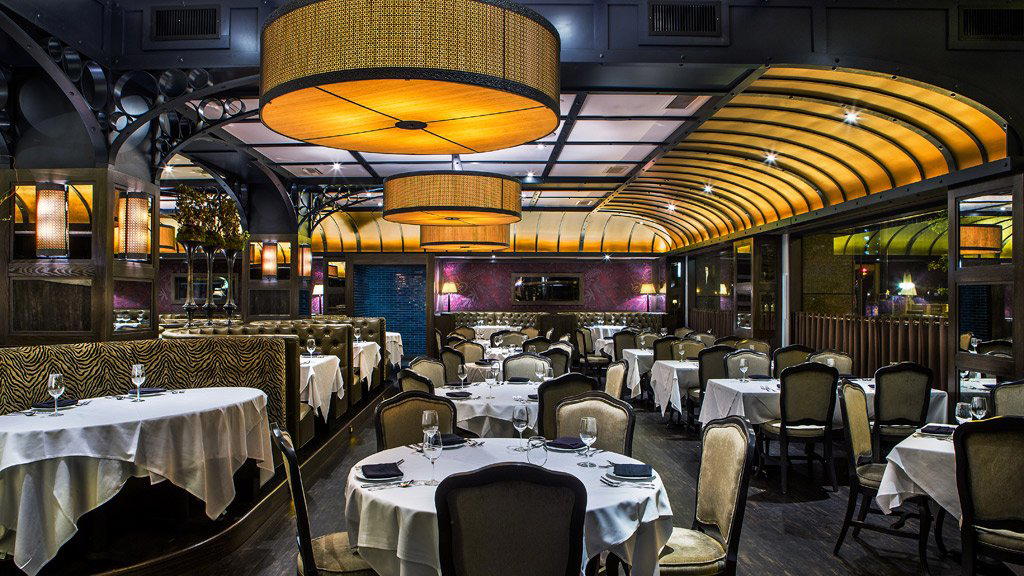
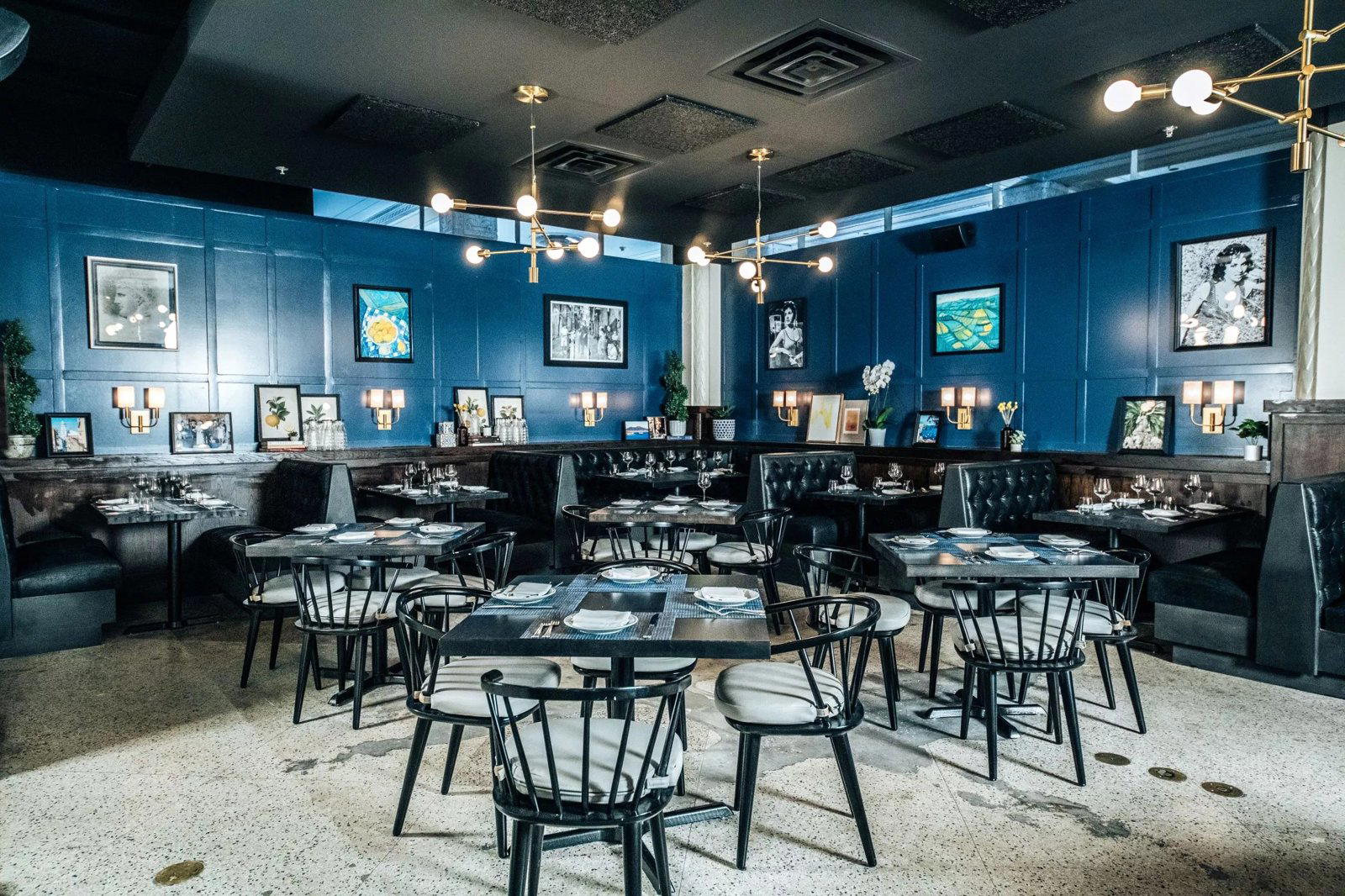
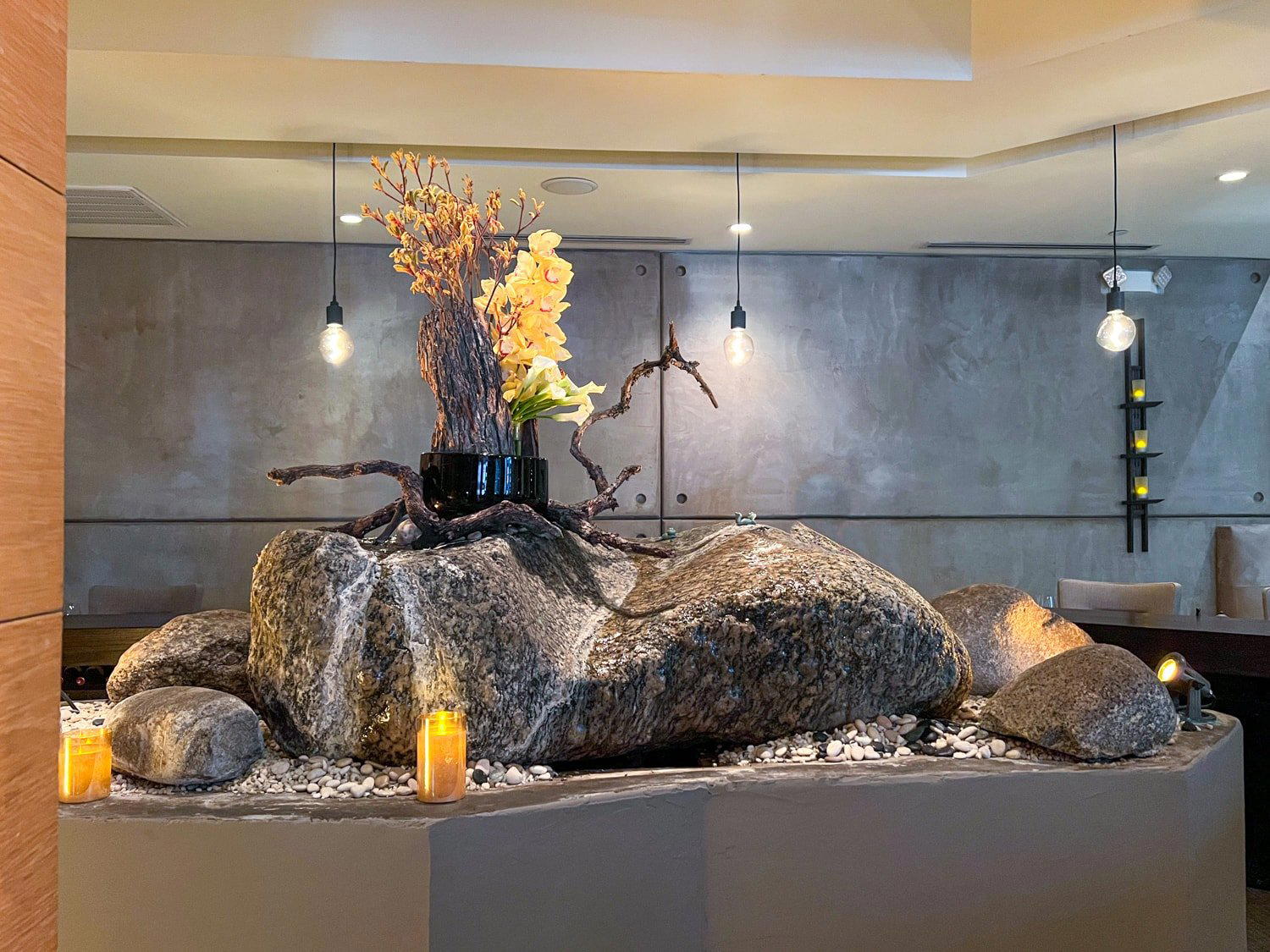
Bars in Dallas
All bars in Dallas →
Details
- Lively
- Trendy
- Rustic
- Casual Hangout
- Group Dining
- Family
- Brunch
- Open Kitchen
- Craft Cocktails
- Beer Program
- Local Sourcing
- A La Carte
- Vegetarian Friendly
- Vegan Options
- Gluten Free Options
Current opening hours
- Monday
- 3–10 PM
- Tuesday
- 3–10 PM
- Wednesday
- 3–10 PM
- Thursday
- 3–10 PM
- Friday
- 11 AM–10 PM
- Saturday
- 11 AM–10 PM
- Sunday
- 11 AM–9 PM
Hours can change for holidays and private events. Last verified .
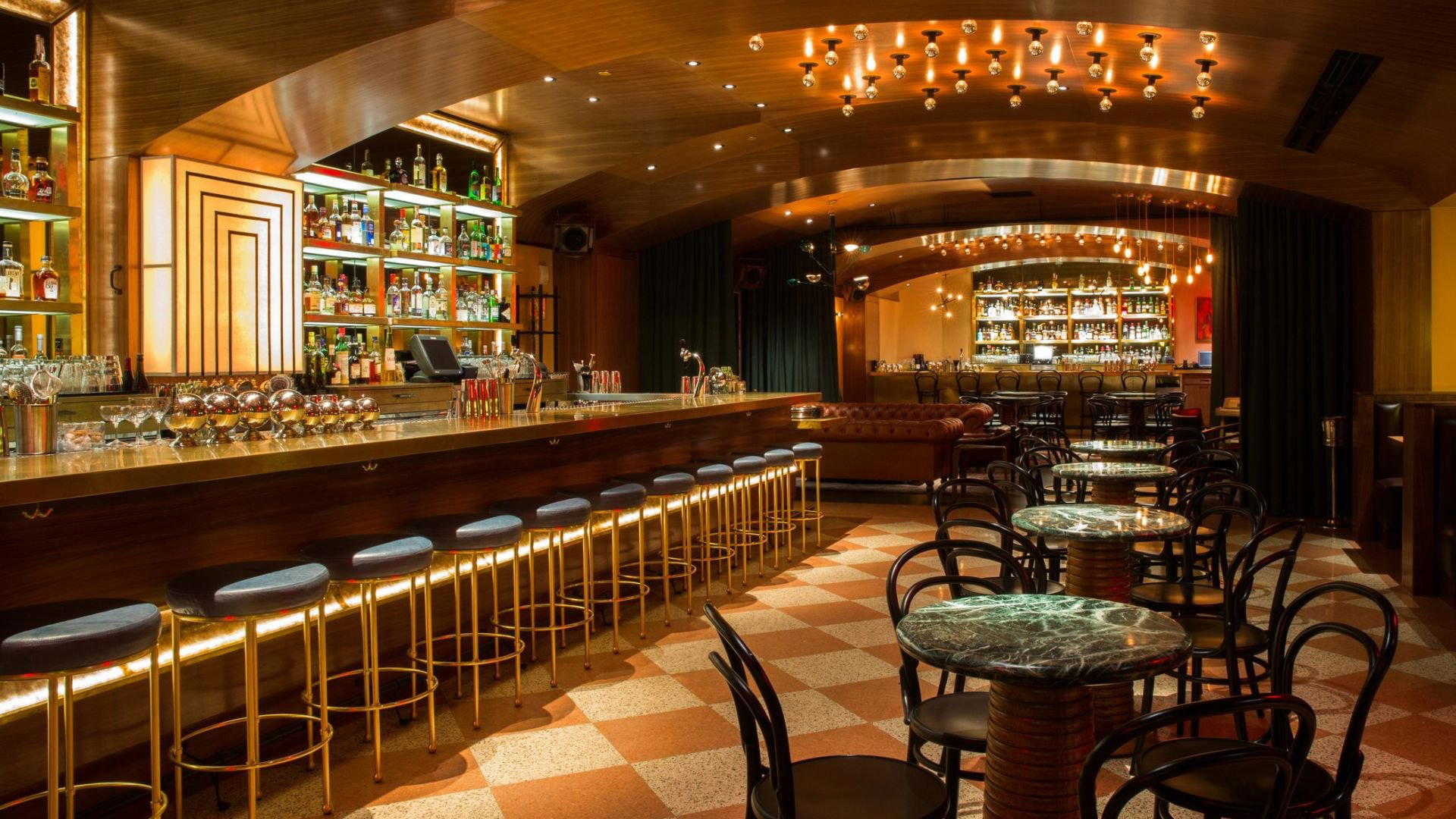
Casual and energetic atmosphere with wood-fired oven focus and lively neighborhood vibe.