Our verdict
Canberra's dining scene has matured well beyond its public-service-town reputation, anchored by producers in the surrounding Limestone Coast and Snowy Mountains region who supply some of Australia's most ingredient-focused kitchens. The city sits at the intersection of cool-climate agriculture and a growing cohort of chefs who treat provenance as the organizing principle of their menus, not a marketing footnote.

Pearl is the En Primeur Club membership app, where members save venues, book tables and use the concierge.
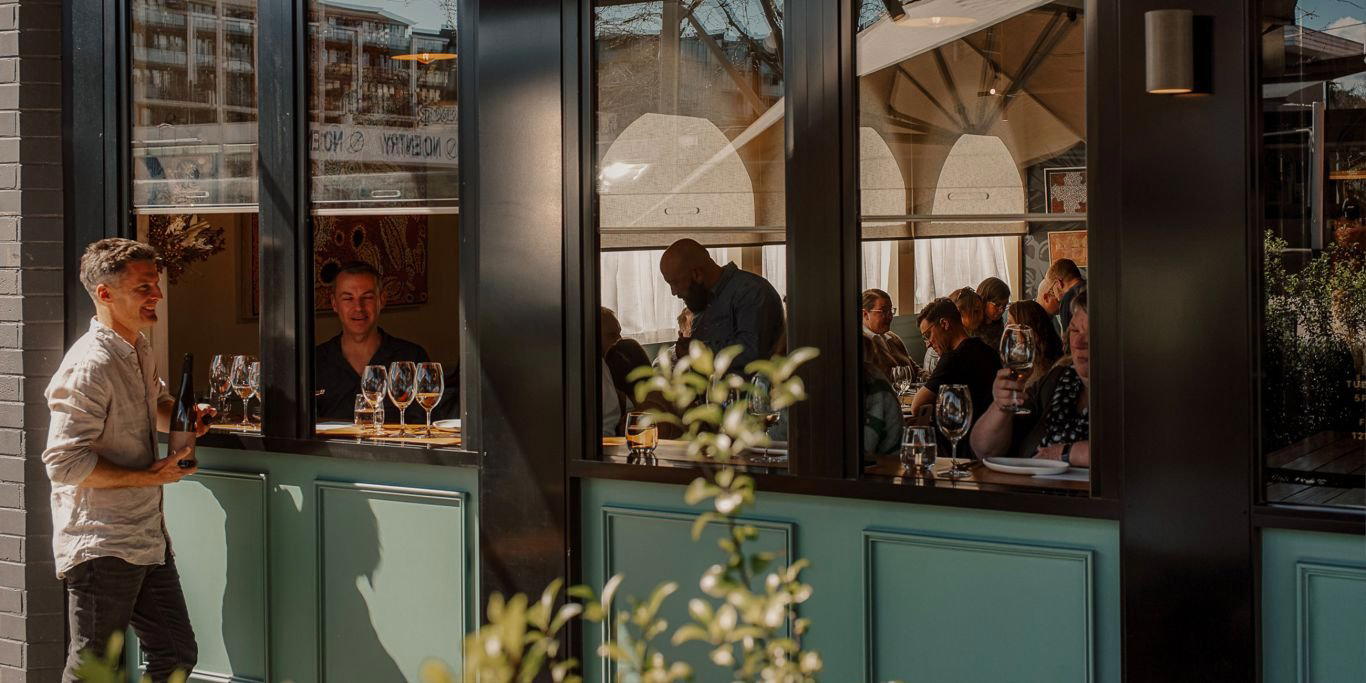
Where the Plate Begins: Canberra and the Sourcing Question
Australia's capital occupies an unusual position in the country's dining conversation. For decades it was treated as an afterthought between Sydney and Melbourne, a city of bureaucrats with functional restaurants and little culinary ambition. That reading is now outdated. What has changed is not the arrival of celebrity chefs or international investment, but something more durable: a tightening relationship between Canberra's kitchens and the agricultural zones that ring the Australian Capital Territory. Cool-climate elevation, reliable seasonal rhythms, and proximity to the Snowy Mountains and Monaro High Plains have made the region a productive source of lamb, heritage grains, wild fungi, trout, and cold-climate vegetables that increasingly define what ends up on local plates.
This sourcing geography is worth understanding before you book anywhere in the city. The restaurants that have built the strongest reputations here have done so by treating the ACT's agricultural surroundings as a pantry rather than a postcode. That orientation places Canberra's better dining in a peer conversation with places like Brae in Birregurra and Provenance in Beechworth, where the relationship between kitchen and producer is the structural logic of the menu, not an add-on.
The Region's Produce and Why It Defines the Dining Character
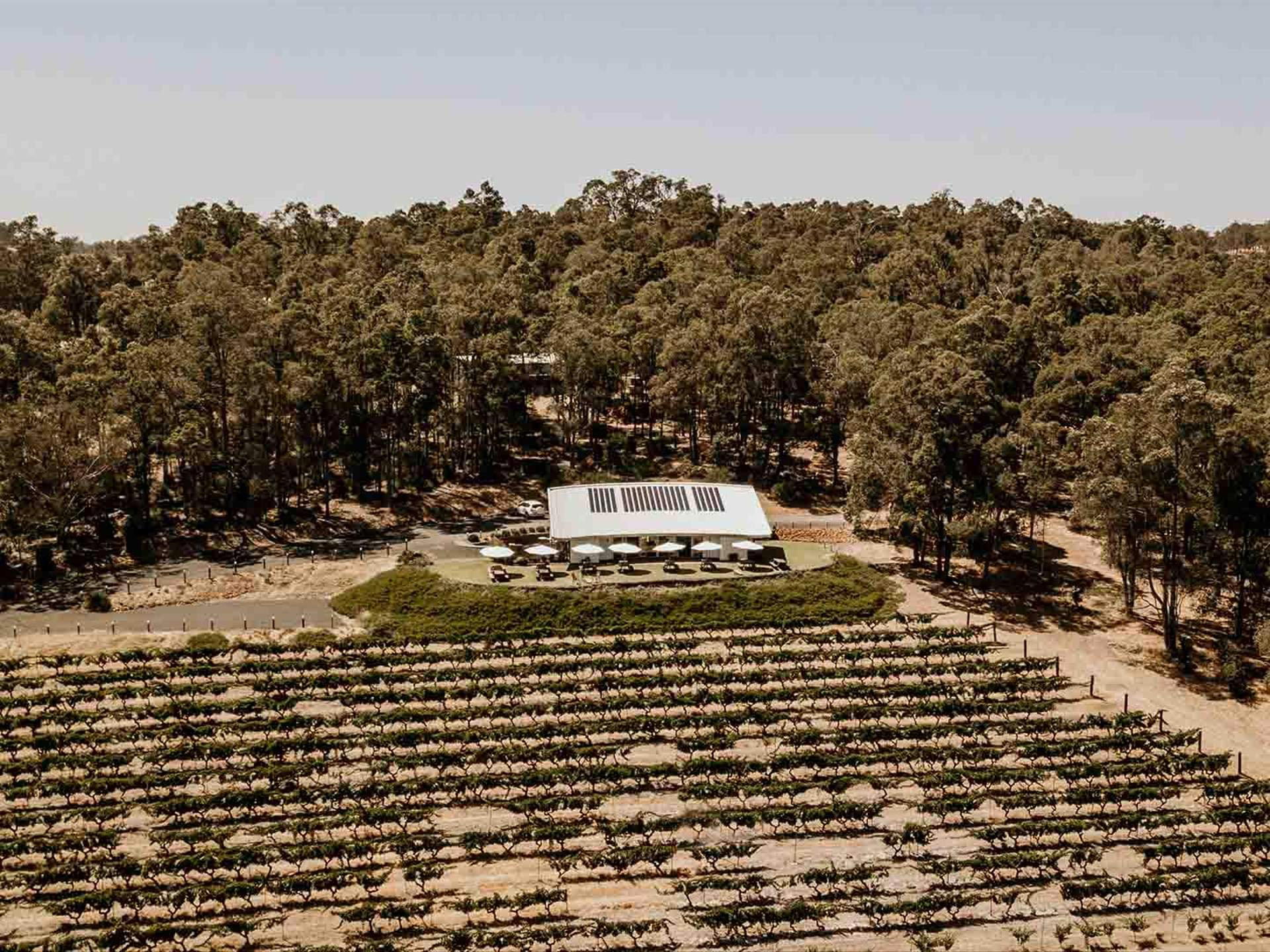
The Monaro Tablelands southeast of Canberra produce lamb that benefits from altitude and native grasses, a combination that yields meat with a different fat profile from coastal-lowland equivalents. Truffle cultivation has expanded significantly across the ACT region since the late 1990s, and the Canberra district now runs a dedicated truffle festival during the winter harvest season, drawing attention from chefs well outside the territory. Stone fruit from the Murrumbidgee corridor, cool-climate Riesling and Shiraz from the Canberra District wine region, and small-scale dairy operations round out a local-supply ecosystem that supports menu-building with genuine regional specificity.
This is the context in which Canberra's more serious restaurants operate. The city's dining isn't making an argument about scale or spectacle, the way Sydney's harbour-front rooms do, or about density of options, the way Melbourne's CBD precincts do. The argument here is quieter and more particular: that proximity to specific producers, combined with kitchens willing to work within seasonal constraints, produces food that is legibly of this place. That argument is increasingly persuasive. For comparison, consider how Pipit in Pottsville or Hentley Farm in Seppeltsfield have built reputations not on urban density but on the depth of their producer networks and the discipline with which they honour seasonal availability.
How the Dining Scene Is Structured
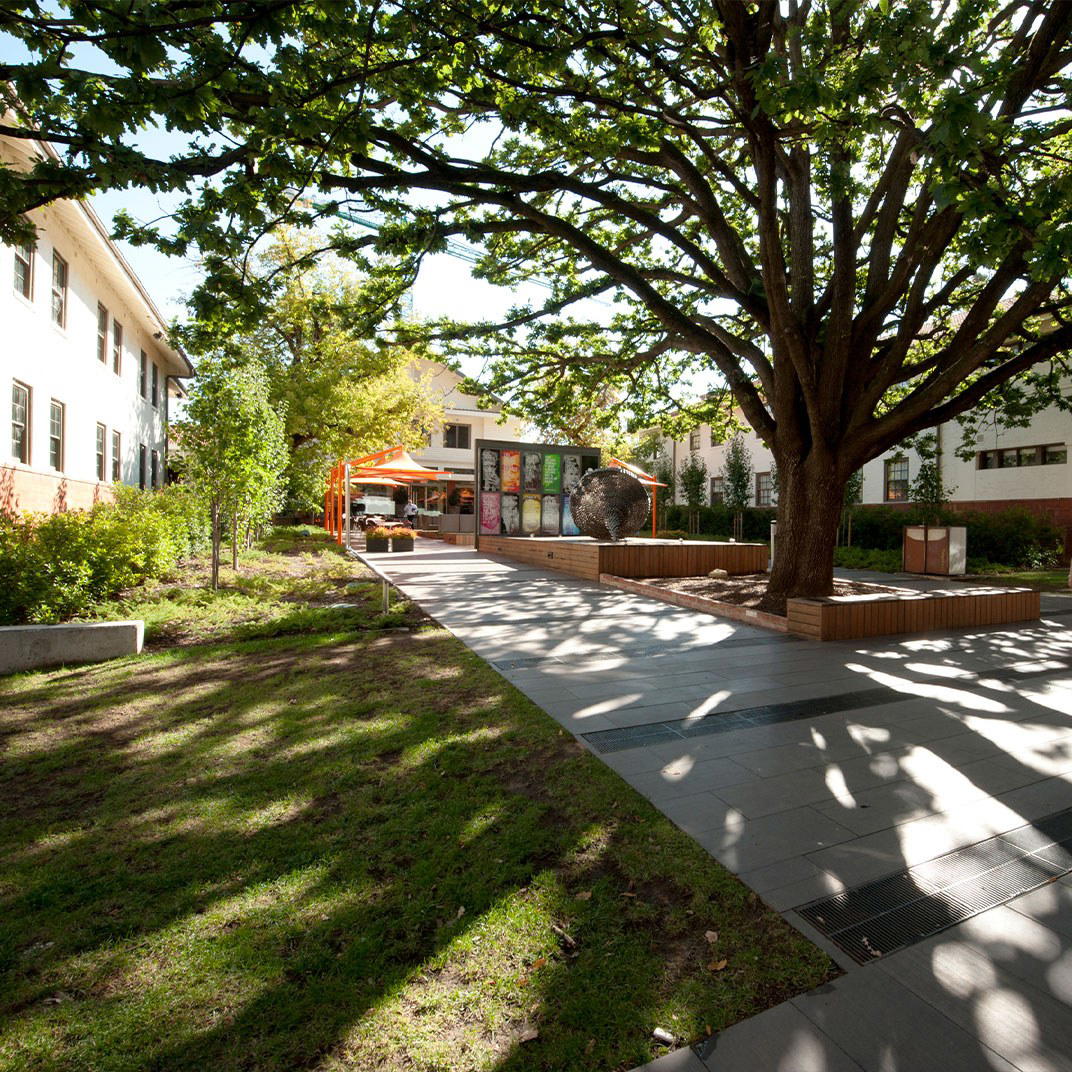
Canberra's restaurant geography clusters around a few distinct zones. Braddon has emerged as the most active precinct for independent dining, with a concentration of chef-led rooms and a more experimental disposition than the older Manuka and Kingston strips, which skew toward established, reliable operators. NewActon, developed from the early 2010s onward, brought a design-conscious hospitality culture that attracted openings more attuned to the kind of considered, ingredient-led format that now characterizes the city's upper tier.
The price structure in Canberra's better restaurants sits below equivalent rooms in Sydney or Melbourne, which makes the city a reasonable proposition for tasting-menu formats where value-to-ambition ratio matters. The public sector workforce that has long defined the city's demographic also produces a lunch culture that is more active than in comparable Australian cities, with midday menus at several of the better kitchens running close to the quality of their evening equivalents. Visitors from interstate who have spent time at Attica in Melbourne or Rockpool in Sydney will find Canberra operating at a different register of ambition, but not a different register of seriousness about what goes on the plate.
Wine, Fermentation, and the Cool-Climate Advantage
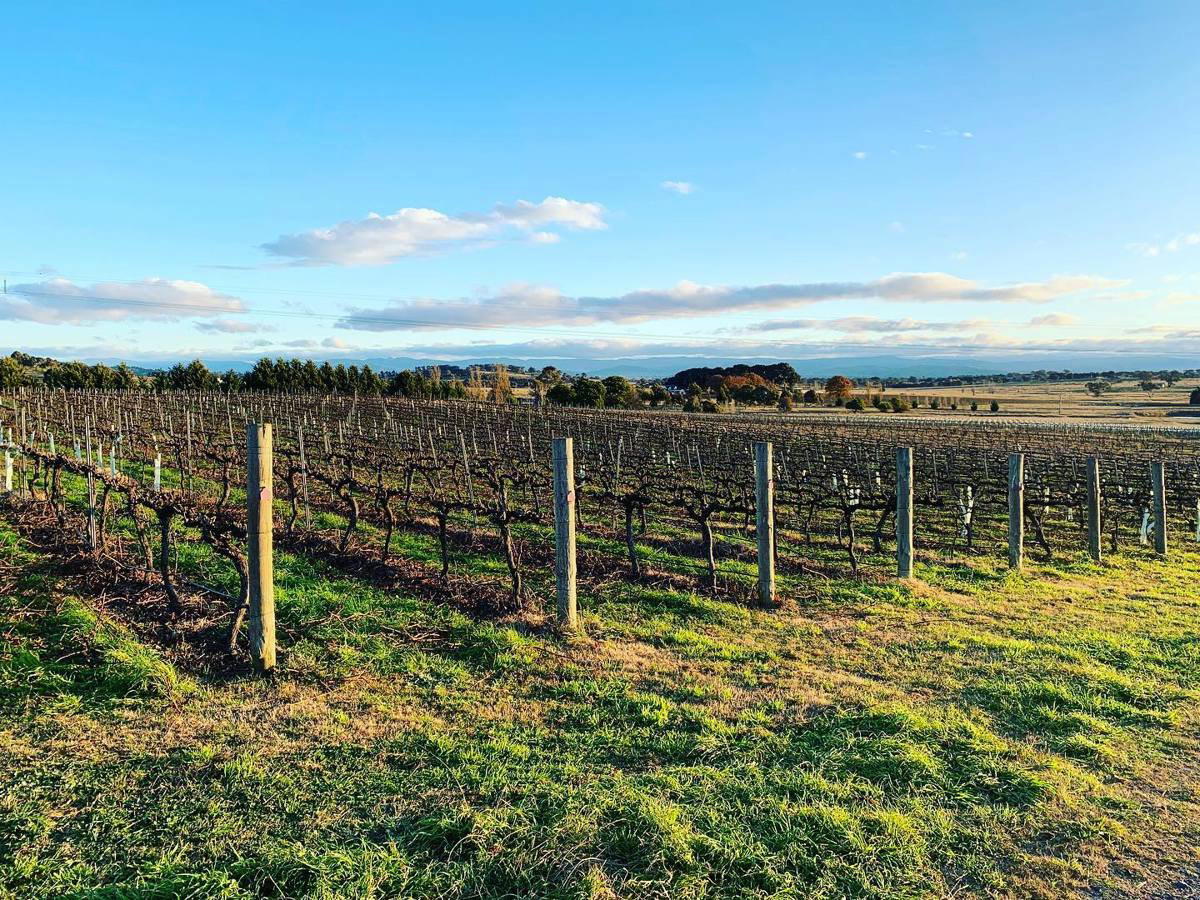
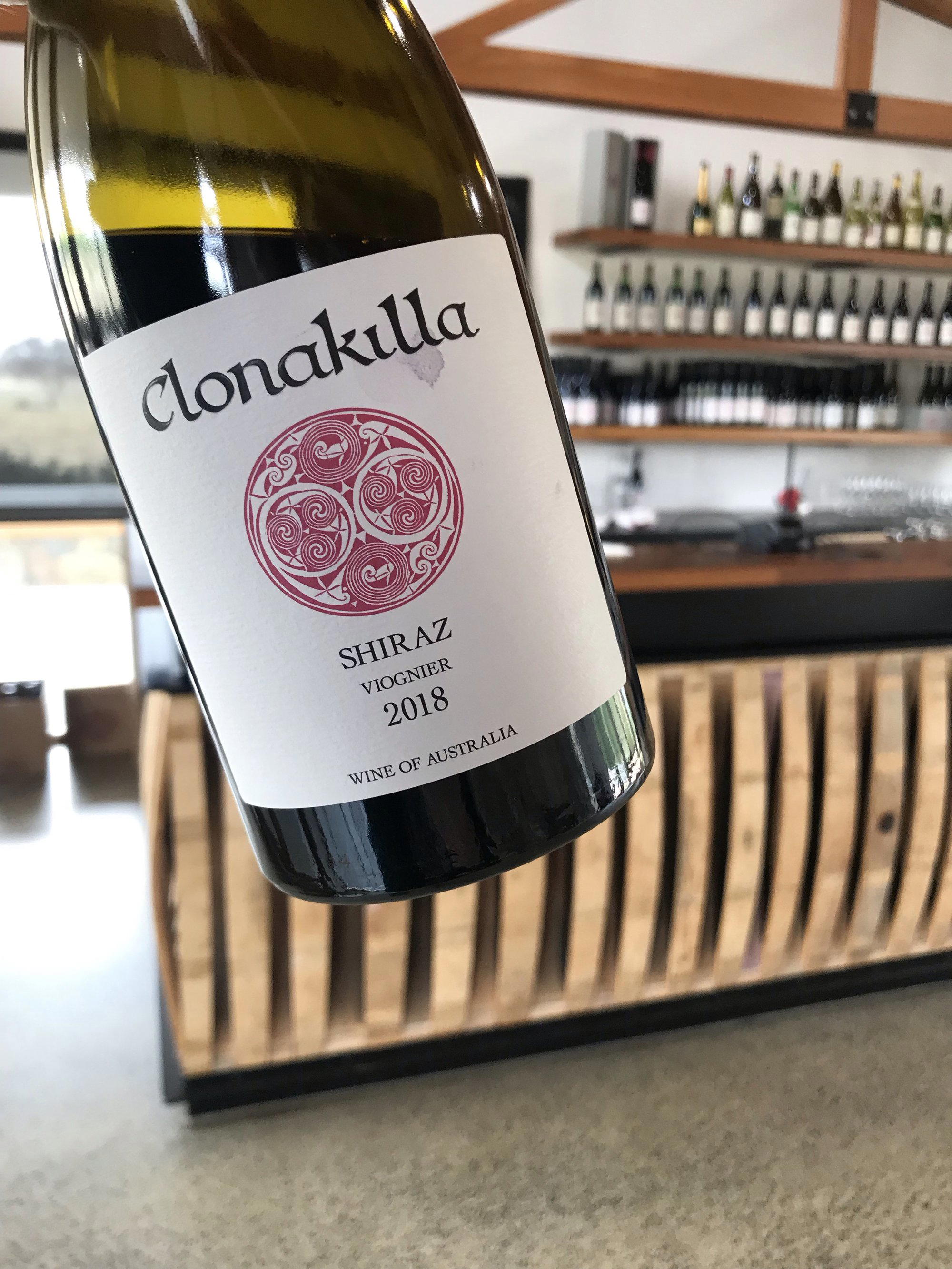
The Canberra District wine region, legally distinct from the ACT itself but functionally adjacent, produces Riesling and Shiraz that have attracted sustained critical attention over the past two decades. The elevation and temperature range that make the region difficult for some varieties make it well-suited to wines with natural acidity and structural restraint, qualities that pair directly with the kind of produce-led, lighter-handed cooking that the city's better kitchens favour. Restaurants in Canberra that take their wine lists seriously tend to anchor them with local district pours before ranging out to the Yarra Valley, Margaret River, or further afield.
Fermentation more broadly has become a thread in the city's culinary identity, appearing in preserved vegetable programs, in-house charcuterie, and beverage lists that include local producers working with wild or low-intervention methods. This connects Canberra to a pattern visible across Australian regional dining, from fermentAsian in the Barossa Valley to Wills Domain in Yallingup, where the line between kitchen craft and cellar practice has become deliberately blurred.
Placing Canberra in the Broader Australian Dining Map
Australia's fine dining conversation has long been centred on its two largest cities, with regional outliers earning attention when they achieve the kind of national profile that Botanic in Adelaide or Laura at Pt Leo Estate in Merricks have managed. Canberra hasn't yet produced a room with that level of international visibility, but it has assembled a coherent dining culture rooted in a specific geography and a consistent sourcing philosophy that gives it a more defensible identity than many larger-city scenes with more options but less editorial clarity.
For context on what ingredient-led cooking looks like at different scales and settings across the country, the range runs from the produce-first rigor at Blackwood Pantry in Cronulla to the seafood-anchored sourcing at Salt Water Restaurant in Cairns and the remote-luxury supply chains managed at Lizard Island Resort. Canberra sits in a different part of that spectrum, one defined by cool-climate agriculture and close producer relationships rather than coastal seafood or tropical geography. Internationally, the sourcing discipline that defines the city's leading rooms has more in common with the supply-chain rigour visible at Le Bernardin in New York City or the community-embedded model at Lazy Bear in San Francisco than with conventional capital-city dining.
For a fuller picture of where Canberra's restaurants sit against the national field, our full City restaurants guide provides comparative context across multiple categories and price points. Ormeggio at The Spit in Mosman and Aloft in Hobart represent the coastal and island ends of the Australian sourcing story, both useful reference points for understanding what makes Canberra's inland, high-altitude positioning distinctive.
Practical Notes for Visiting Diners
Canberra is a direct drive from Sydney, approximately three hours via the Federal Highway, and a short flight from Melbourne or Brisbane. The city's tasting-menu format restaurants tend to book two to four weeks ahead for weekday sittings and further in advance for Friday and Saturday evenings, particularly during the winter truffle season between June and August, when demand from Sydney and Melbourne visitors increases noticeably. The Canberra truffle festival in June draws significant out-of-territory attention and is the period when ingredient-led rooms are operating closest to peak seasonal form. Dress codes across even the better-regarded rooms lean toward smart-casual rather than formal, consistent with the city's professional rather than ceremonial civic culture.
Frequently asked questions
Is Canberra a family-friendly restaurant?
Across the ACT, family-friendly options are concentrated in Braddon and Kingston, where casual formats and shared dining suit varied groups. The region's produce-driven focus means menus at many independents change seasonally, so checking directly with individual venues before visiting is worth doing.
Is Canberra formal or casual?
Canberra's dining scene skews informal at the neighbourhood level, particularly in Braddon, where independent restaurants tend toward relaxed, counter-style formats. A smaller number of establishments in the city centre maintain a more structured setting suited to business or occasion dining. Dress codes vary by venue, so confirming expectations when booking is advisable.
How does the Canberra District wine region relate to the city's dining scene?
The Canberra District wine region is legally separate from the Australian Capital Territory but sits close enough to the city that local restaurants treat it as their house wine country. The region produces cool-climate Riesling and Shiraz that appear on lists across Canberra's independent dining precincts, giving the city a wine identity that most Australian capitals have to import from further afield. For visiting diners, the region is accessible as a day trip from the city centre.
What's the best thing to order at Canberra?
That said, Monaro lamb, raised at altitude on native grasses southeast of the city, appears across multiple Canberra kitchens and is the region's most distinctive produce story. Canberra District Riesling and Shiraz are the obvious wine pairings, produced in a cool-climate zone that sits legally outside the ACT but is functionally adjacent to it.
Where is Canberra in City?
Canberra is located at Australian Capital Territory 2601, Australia, City.
What's the best way to book Canberra?
For individual Canberra restaurants, booking through the venue's own website or by phone remains the most reliable method, particularly for smaller independent rooms in Braddon where covers are limited. No central ACT booking platform covers the full scene. Arriving without a reservation at popular independents, especially on Friday and Saturday evenings, carries meaningful risk.
What has Canberra built its reputation on?
Canberra's dining reputation has developed around proximity to high-quality regional produce, particularly Monaro lamb and cool-climate wines from the adjacent Canberra District wine region, which has drawn sustained attention for its Riesling and Shiraz. The growth of independent restaurants in Braddon over the past decade shifted the city's profile from government-town afterthought to a scene worth tracking in its own right. That shift is producer-led as much as chef-led.
Fast Comparison
| Venue | Cuisine | Price | Awards | Notes |
|---|---|---|---|---|
| CanberraThis venue (the venue you are viewing) | Modern Australian All-Day Dining | Not listed | Not listed | Not listed |
| Brae | Modern Australian Seasonal Tasting Menu | $200–300 | World's 50 Best #44 · La Liste Top Restaurants | Modern Australian |
| Attica | Modern Australian Indigenous Fine Dining | $300–500 | World's 50 Best #20 · La Liste Top Restaurants | Australian Modern |
| Flower Drum | Fine Dining Cantonese | $50–100 | World's 50 Best #33 · Star Wine List | Cantonese |
| Rockpool | Modern Australian Steakhouse | $150–200 | World's 50 Best #49 · La Liste Top Restaurants | Australian Cuisine |
| Saint Peter | Modern Australian Seafood | $150–200 | World's 50 Best #66 · La Liste Top Restaurants | Australian Seafood |
Continue exploring
More in Canberra
Restaurants in Canberra
All restaurants in Canberra →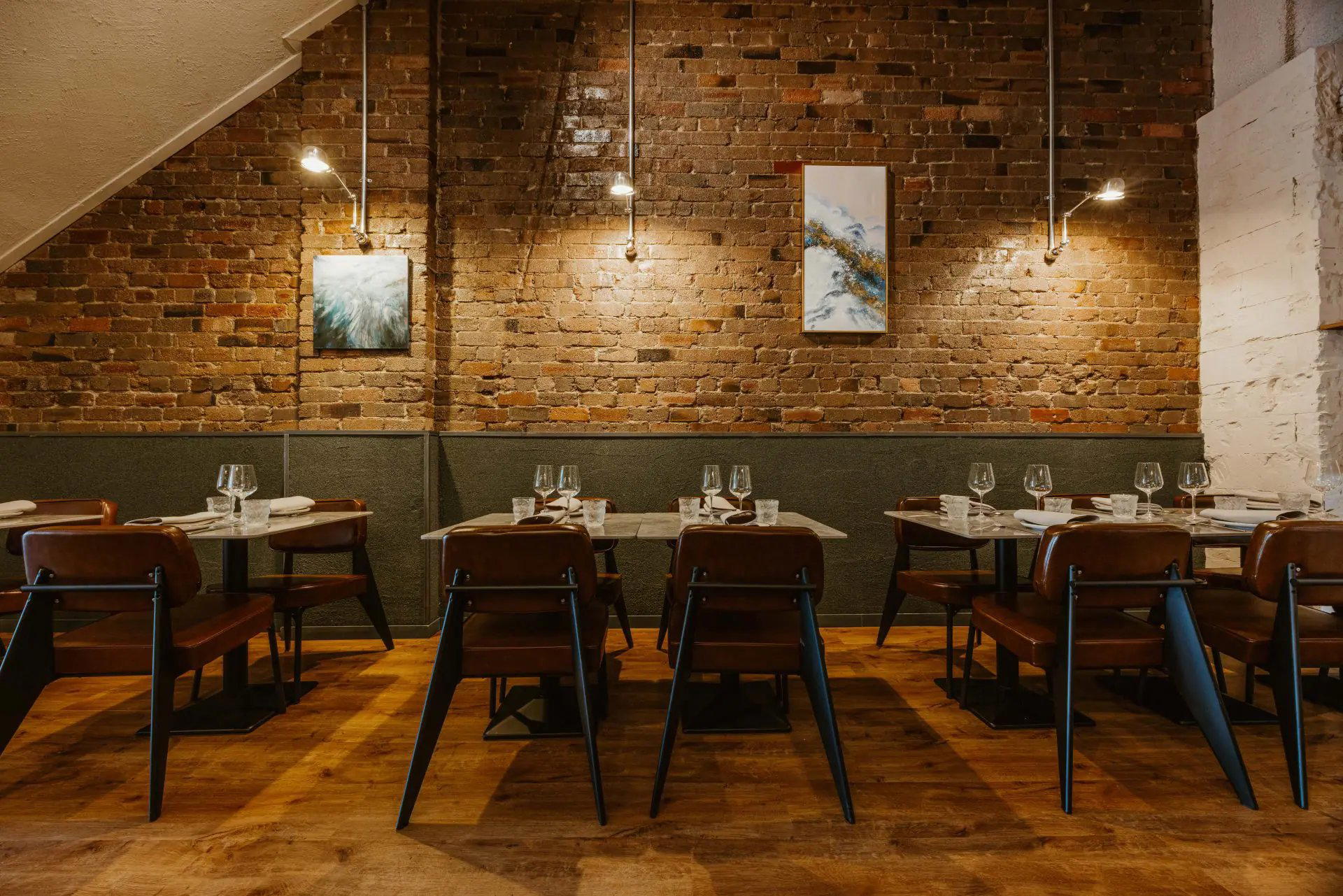
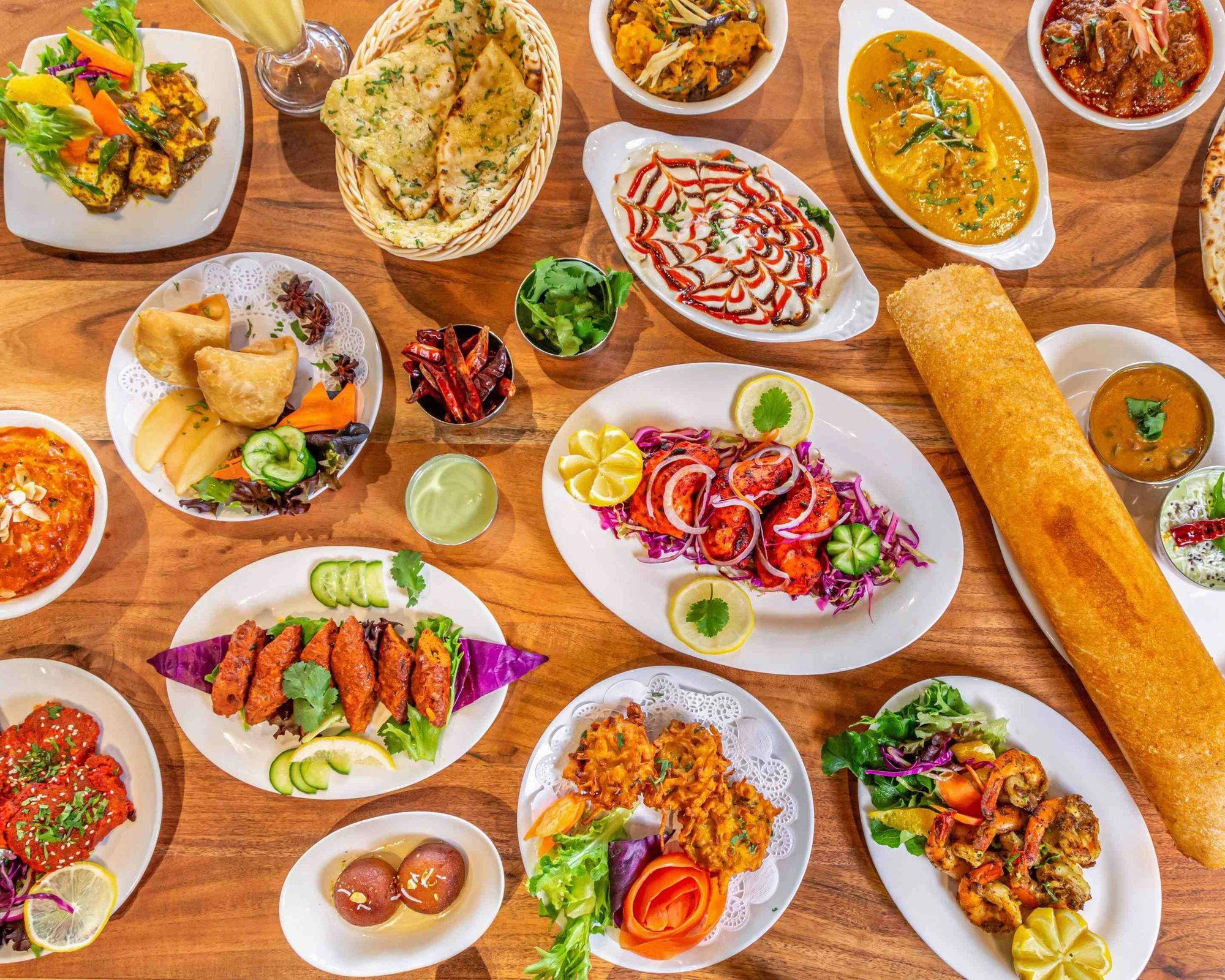
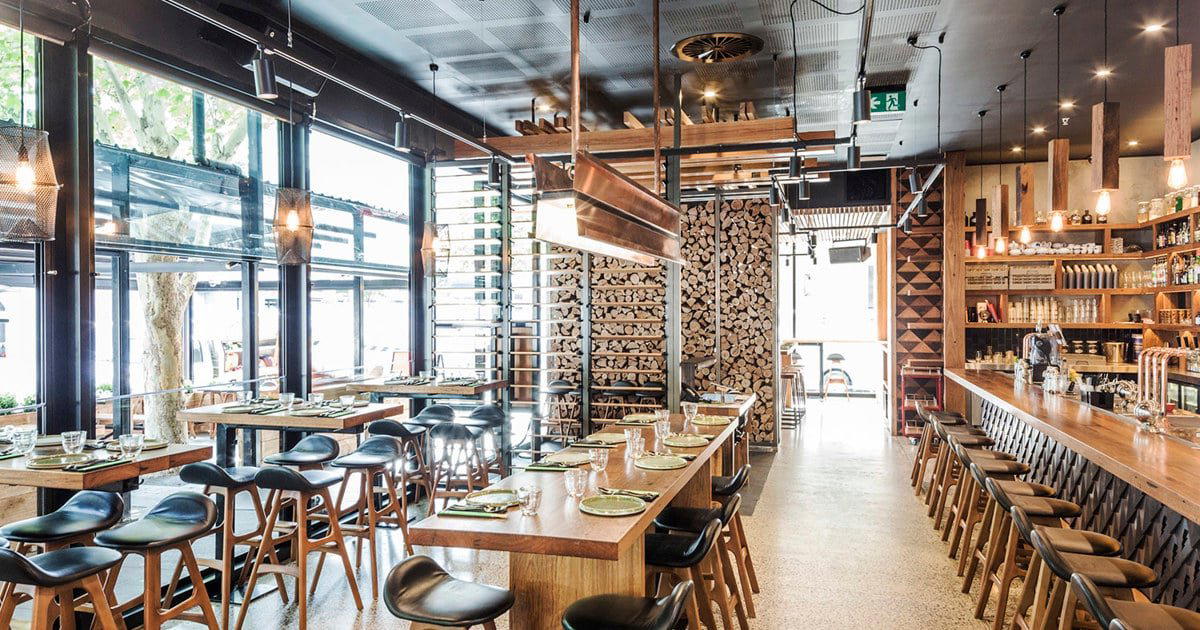

Details
- Trendy
- Modern
- Casual Hangout
- Group Dining
- Open Kitchen
- Craft Cocktails
- Local Sourcing
- A La Carte
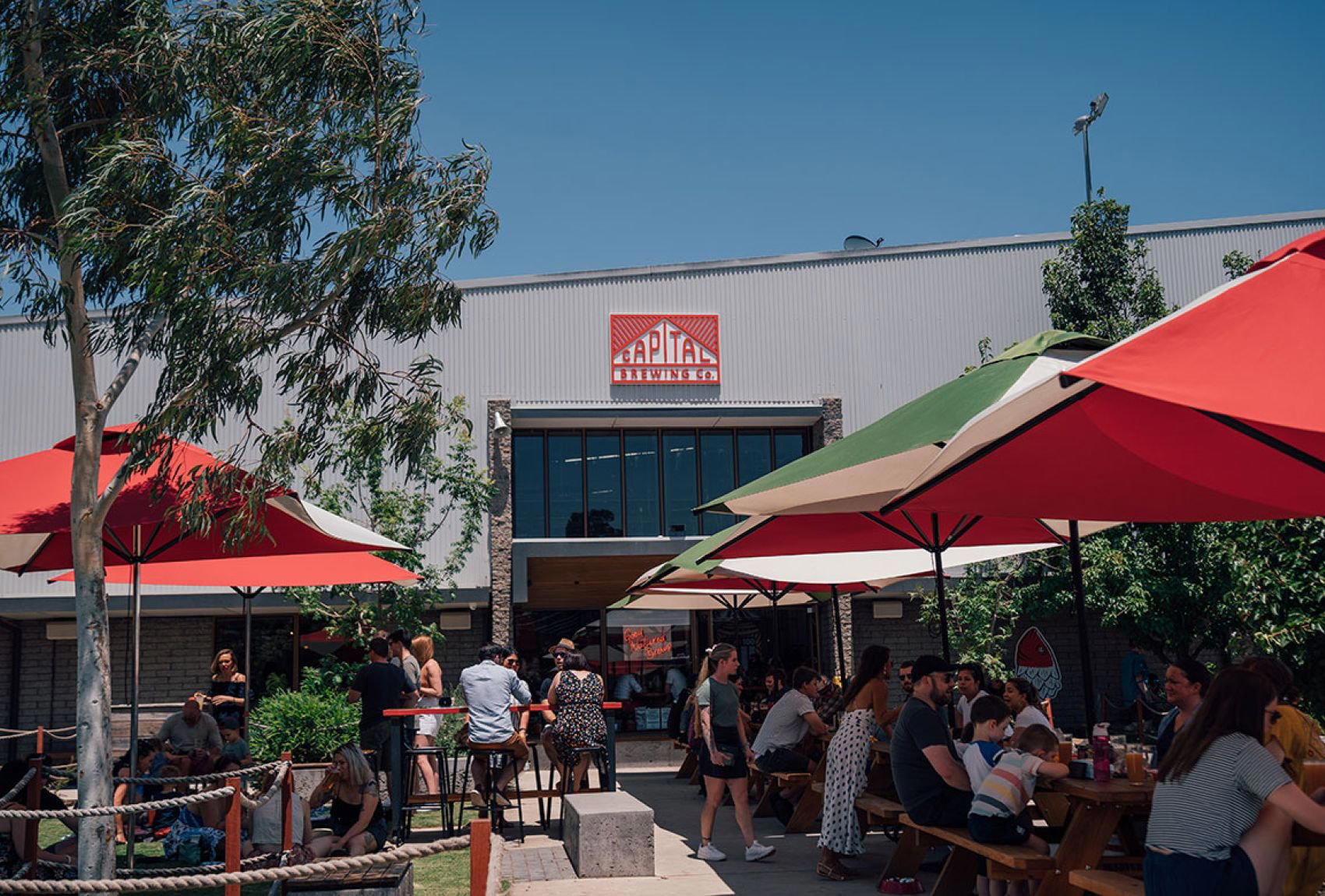
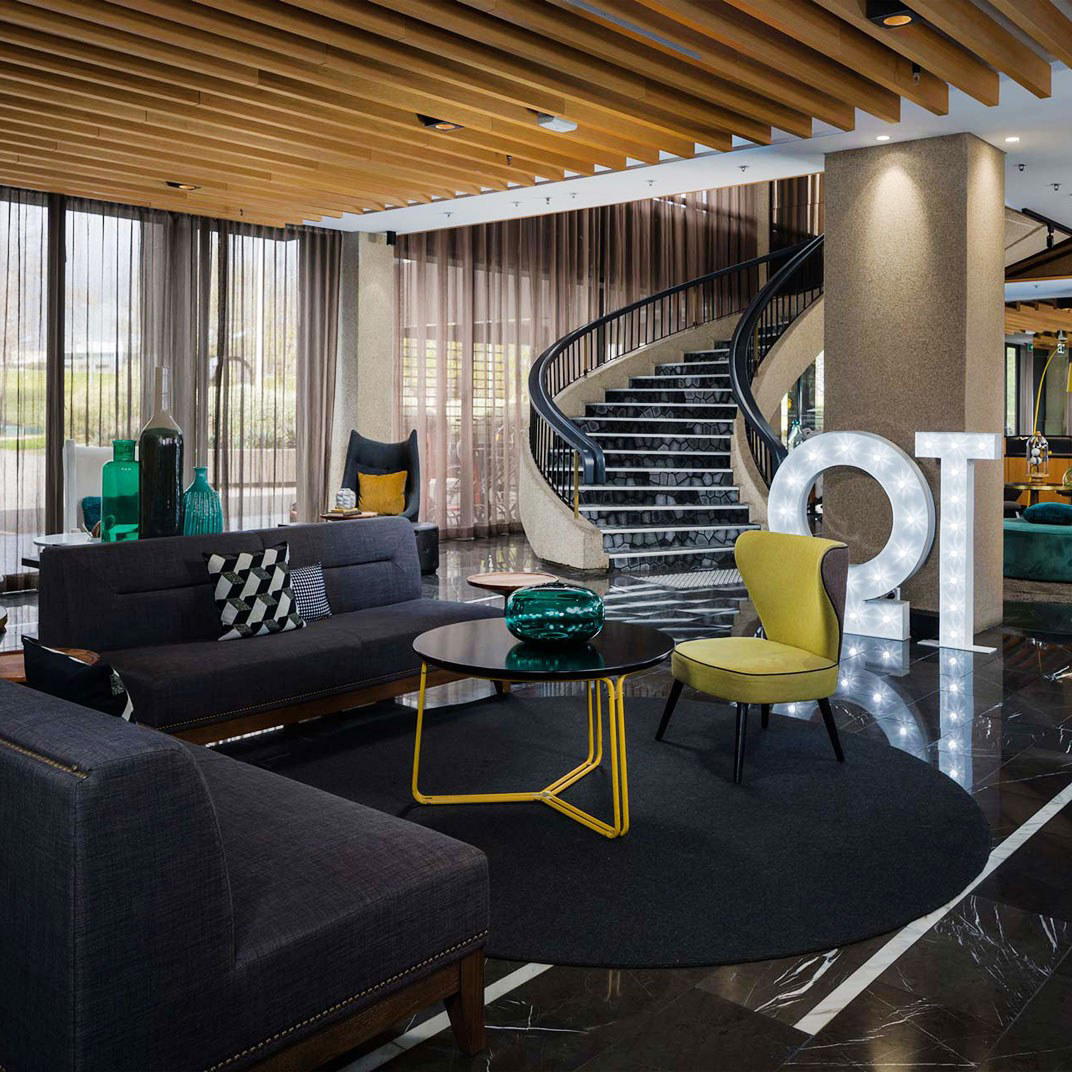
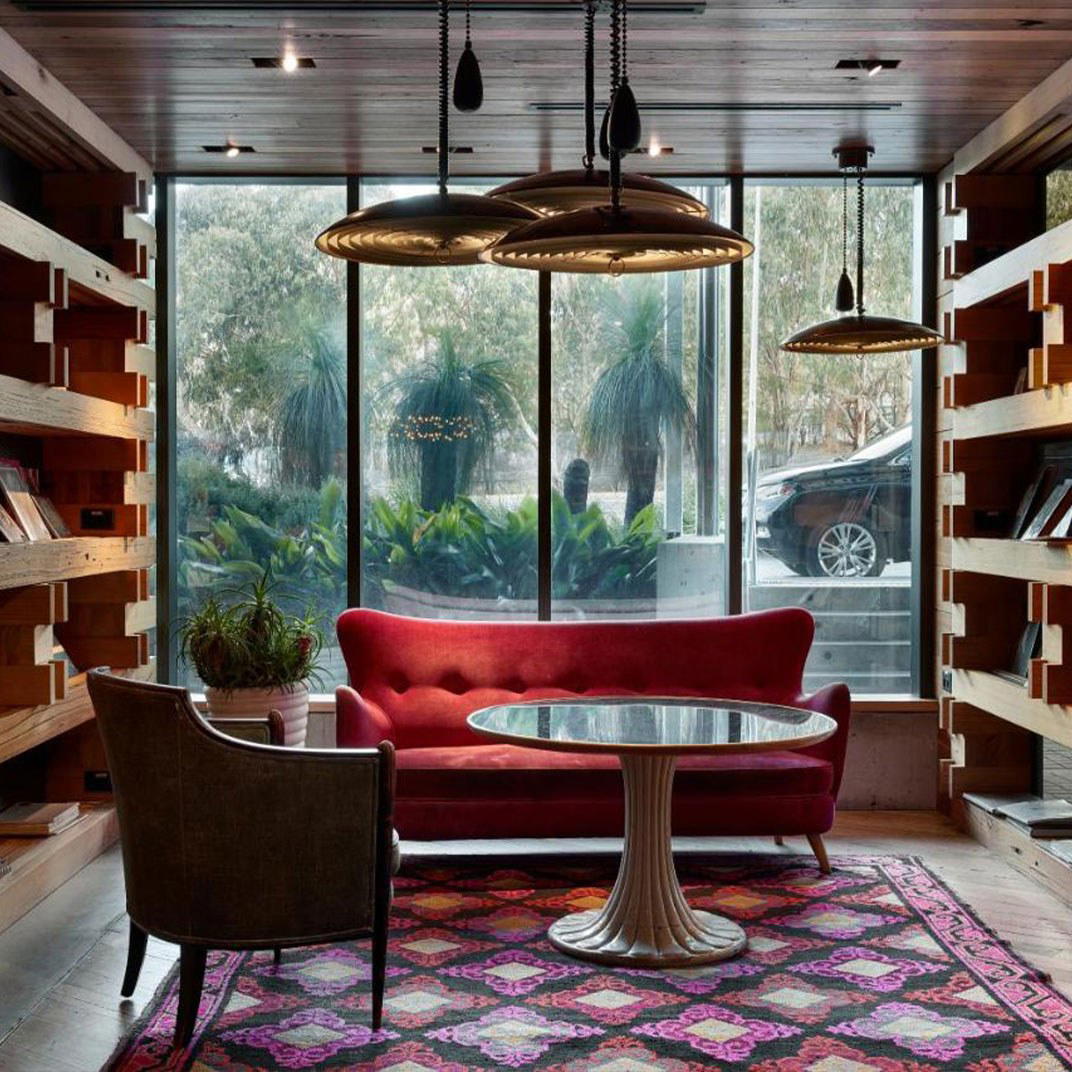
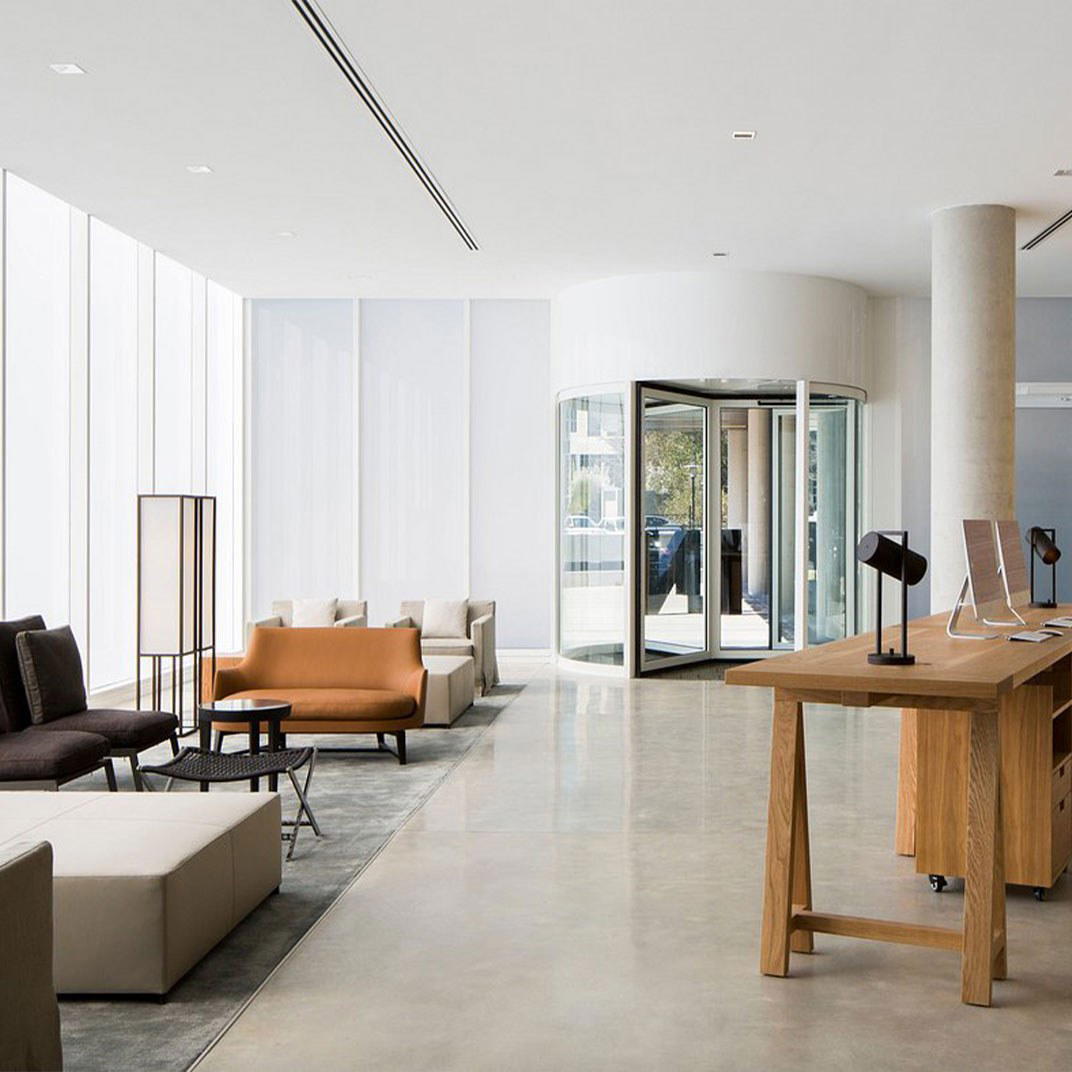
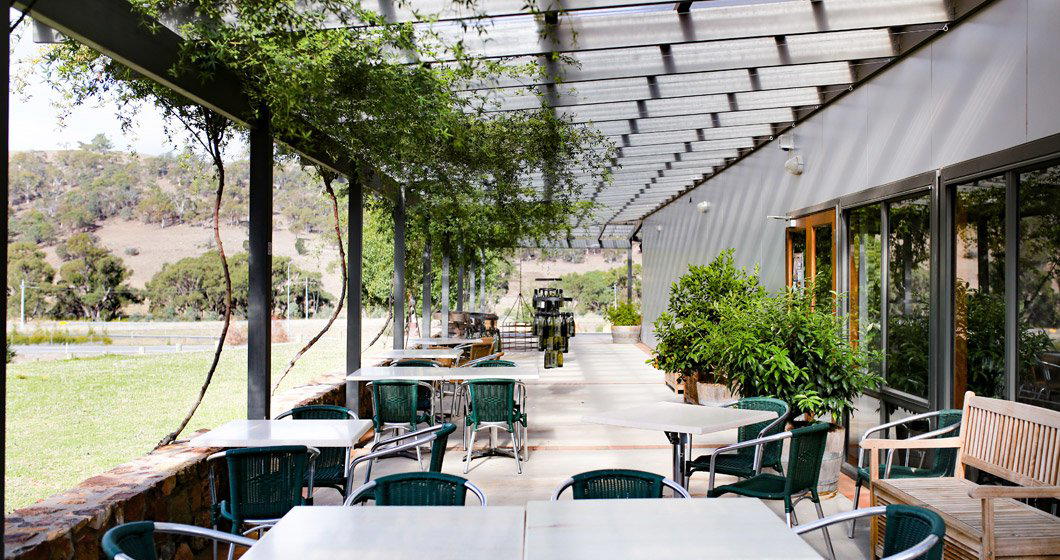
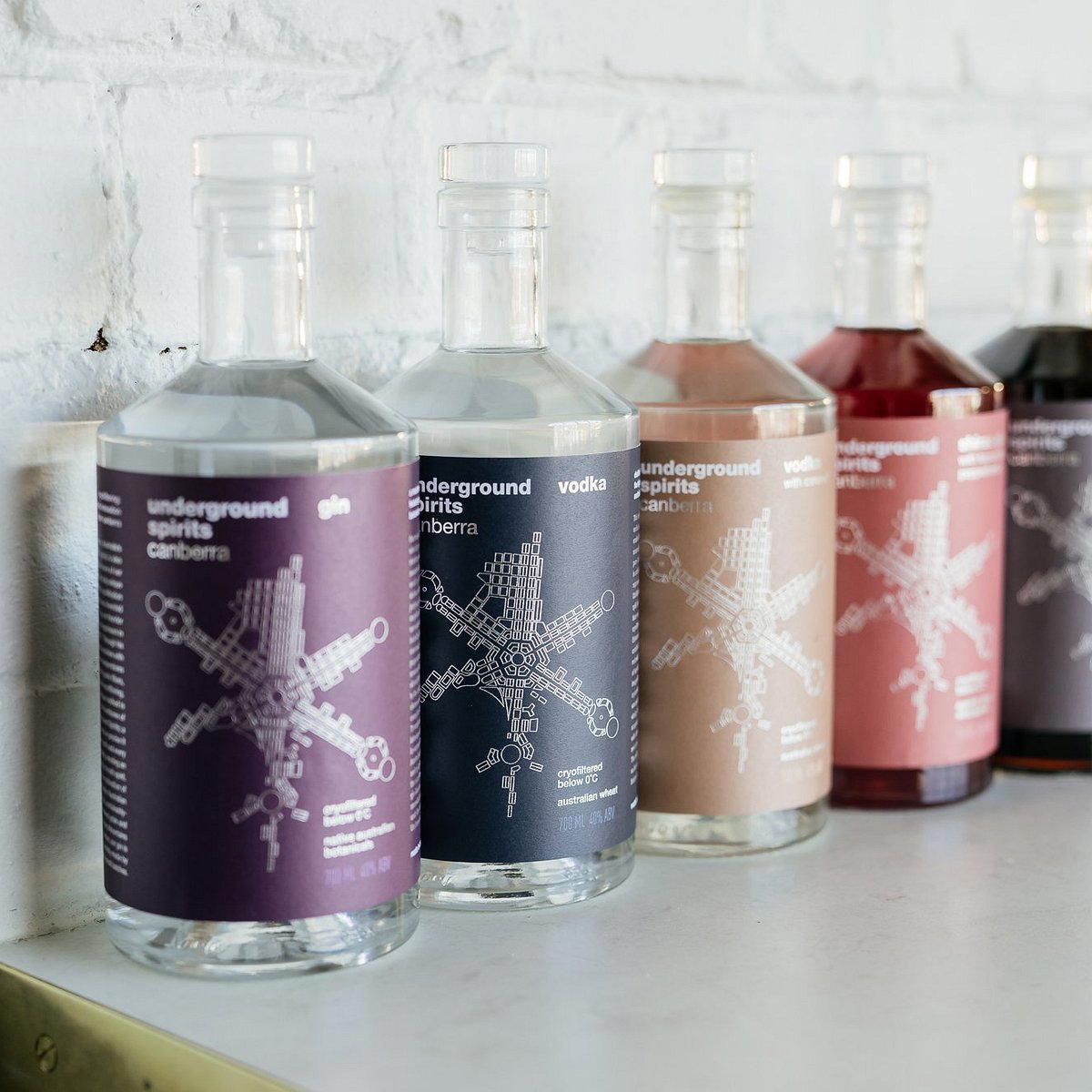
Beautifully designed with David Bowie theme, chic yet welcoming atmosphere.