Çamlıca Güneş Restaurant focuses on Traditional Turkish Grill at Maltepe, Orhan Gazi Cd. No, with Güneş Karışık Izgara, ıslama köfte, and ekmek kadayıfı on the menu.
Pearl is the En Primeur Club membership app — saves, bookings, and concierge access live there. Same editors, same standards.
- Address
- Maltepe, Orhan Gazi Cd. No
- Phone
- +905441144454
- Directions
- Get directions
 Saves & bookings on Pearl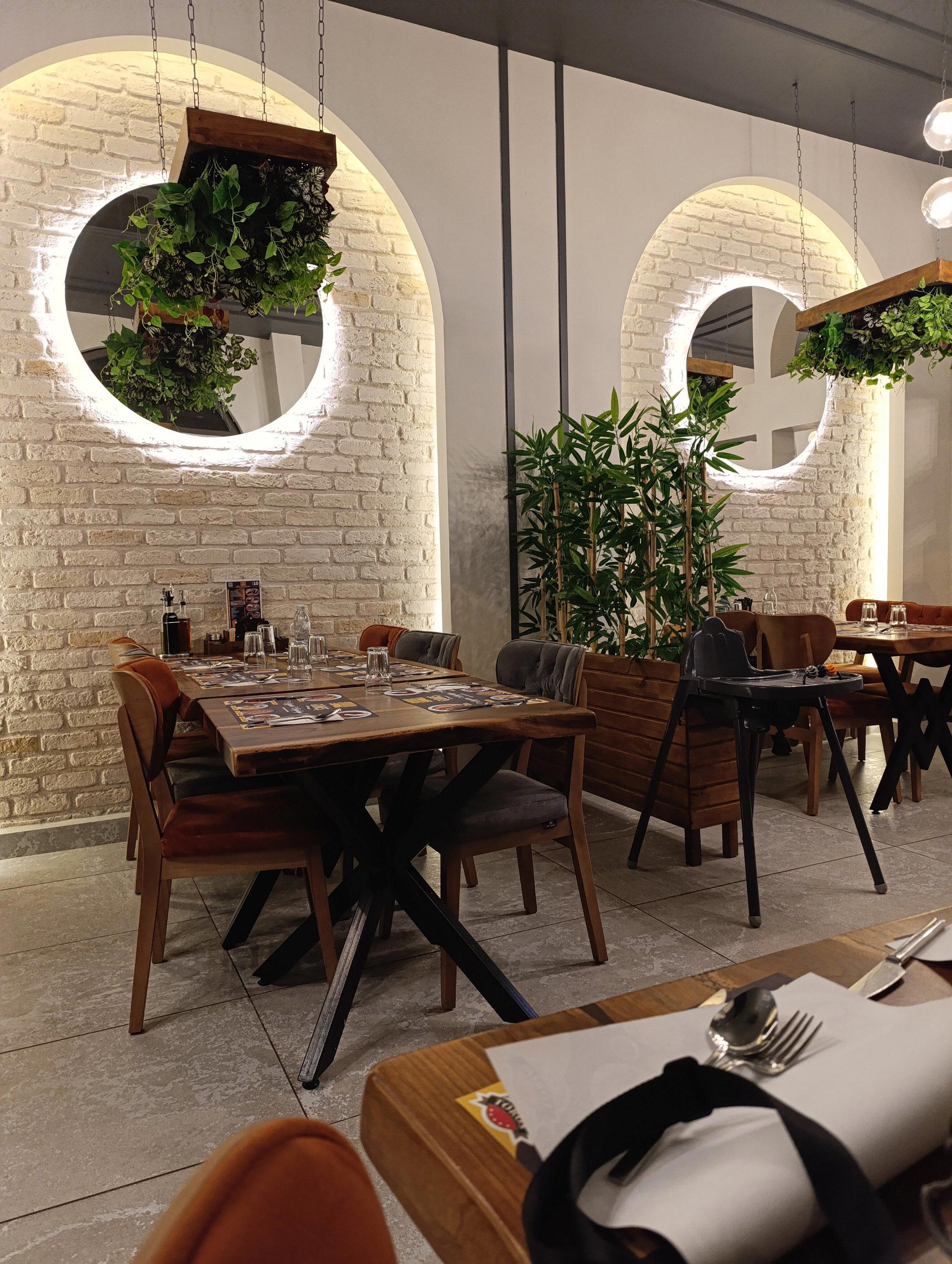
Where Adapazar Eats: The Orhan Gazi Corridor and What It Tells You About Turkish Provincial Dining
Orhan Gazi Caddesi runs through Maltepe as one of Adapazar's more frequented stretches for mid-range eating, where the logic of Turkish provincial hospitality plays out in a fairly consistent way: generous portions, tables that turn steadily through lunch, and a kitchen philosophy built around what arrived from nearby farms and markets that morning rather than around a printed concept. Çamlıca Güneş Restaurant is a Traditional Turkish Grill in Maltepe, Adapazar, at a casual, walk-in-friendly address on Orhan Gazi Cd. No. The building sits in a district where the Sakarya River plain's agricultural productivity feeds directly into what ends up on the table, a relationship that Adapazar's restaurant culture tends to take for granted but which places like this rely on more directly than the menu ever makes explicit.
That agricultural backdrop matters more than it might seem. The Sakarya region sits at a confluence of micro-climates: the humid Black Sea influence from the north and the drier Anatolian interior pressing in from the east. The result is a growing zone that produces dairy of serious quality, a wider vegetable range than most Turkish provinces, and lamb and beef from animals raised on genuinely varied pasture. Restaurants working in the Turkish provincial idiom along Orhan Gazi Caddesi inherit that supply chain almost by default, which is why the ingredient sourcing story here runs through geography as much as through any individual kitchen decision.
The Setting on Approach
Arriving at the Maltepe end of Orhan Gazi Caddesi, you encounter the physical character of Adapazar's everyday dining district: low-rise commercial buildings, a mix of tea houses and lokanta-style operations, the hum of a city that has rebuilt itself steadily since the 1999 Marmara earthquake reshaped its urban fabric. The streetscape is functional rather than atmospheric in the way that resort towns perform atmosphere, which is precisely why the food tends to hold more weight here than the setting does. Provincial Turkish restaurants of this type typically compensate for modest interiors with portions and sourcing that would embarrass more staged environments. The light on Orhan Gazi Caddesi in the late afternoon, when lunch service winds down and the kitchen is restocking for dinner, has the quality of a working city that eats seriously without making a performance of it.
Ingredient Sourcing and the Sakarya Agricultural Belt
The Sakarya plain is one of Turkey's more productive agricultural corridors, and its proximity to Adapazar shapes what provincial kitchens here can credibly put on a table. Turkish provincial cooking at this level does not typically involve the kind of named-farm sourcing that fine-dining operations in Istanbul, such as Turk Fatih Tutak, articulate as part of their editorial identity. Instead, the supply relationship is structural: local market, seasonal availability, proximity. A restaurant in Maltepe working through a lunch service is drawing on what the region naturally provides at that moment in the agricultural calendar.
Sakarya is particularly known for its dairy production. The province's butter, kaymak, and ayran benchmarks are higher than the Turkish national average, a function of the pasture quality in the valley. Vegetables from the Sakarya basin run toward the strong end of the seasonal spectrum, with tomatoes, peppers, and aubergines in summer giving way to root vegetables and legumes through winter. Lamb from the region tends to be finished on mixed pasture rather than grain, which produces a leaner flavour profile than intensively farmed alternatives. These are the raw materials that kitchens along Orhan Gazi Caddesi work with. To understand how coastal Turkish kitchens handle similar sourcing questions but with a different product set, Poyraz Sahil Balık Restaurant in Beykoz offers a useful comparison. For Aegean produce traditions, Narımor in Izmir operates in a parallel but distinct regional register.
Adapazar's Place in the Turkish Dining Conversation
Turkey's restaurant culture has bifurcated sharply over the past decade. The Istanbul premium tier, anchored by operations like Maçakızı in Bodrum in coastal luxury and destination restaurants such as Nahita Cappadocia in Nevsehir in the interior, now competes on an international reference frame, pricing and programming against a global comparable set. Provincial cities like Adapazar operate on an entirely different axis. The priority here is consistency and value density: what you get for what you spend, measured against the expectations of a local clientele that eats out regularly rather than occasionally. That dynamic produces a different kind of quality test than a tasting menu counter applies, and it rewards kitchens that source well and cook honestly rather than those that innovate for its own sake. For contrast with how Cappadocian restaurants handle the regional-ingredient conversation, Aravan Evi in Ürgüp is worth examining. Aegean approaches to the same question appear at Mezegi in Fethiye and Agora Pansiyon in Milas.
Other Anatolian provincial operators in this category, such as Kardeşler Restoran in Aksaray and Sofram Restaurant in Niğde, illustrate how the same broad cooking tradition produces distinct regional signatures depending on proximity to particular agricultural zones. Adapazar's dairy and pasture profile gives its kitchens a different set of default ingredients than the drier, grain-forward Anatolian steppe. The contrast with how specialist Turkish street-food operators approach ingredient sourcing is illustrated by Kokorecci Asim Usta in Bornova, where the sourcing story narrows to a single product executed with precision. Coastal luxury at the opposite end of the spectrum appears at Divia by Maksut Aşkar in Marmaris, Ahãma in Göcek, and Yakamengen III in Datça. For reference on how destination restaurants in completely different culinary traditions frame ingredient sourcing as an editorial pillar, Le Bernardin in New York City and Lazy Bear in San Francisco represent two distinct approaches. The contrast with Happena in Nevşehir further illustrates how Anatolian restaurants working in the same general tradition calibrate their offer to local context.
Planning Your Visit
Adapazar sits approximately 150 kilometres east of Istanbul along the E80/TEM motorway corridor, making it a realistic day trip from the city or a stop on a broader northwestern Turkey circuit. The Maltepe district is central enough to reach easily from the main otogar. Arriving in person during off-peak hours, between the tail end of lunch service and the early dinner period, is one reliable approach. Çamlıca Güneş Restaurant is open Tue-Sun from 10 AM to 9:30 PM and is closed on Mondays. Dress is casual; the Orhan Gazi Caddesi dining register is everyday rather than occasion-wear.
At-a-Glance Comparison
Comparable venues nearby, for context on price, style, and recognition.
| Venue | Cuisine | Price | Notes |
|---|---|---|---|
| Çamlıca Güneş RestaurantThis venue — the venue you are viewing | Traditional Turkish Grill | $$ | Not listed |
| Kofteci Huseyin 1958 | Traditional Turkish Kofte | $ | Beyoglu |
| FATİH KARADENİZ PİDECİSİ İBRAHİM USTA - FATİH ŞUBE | Karadeniz-Style Turkish Pide | $$ | Zeyrek |
| Onur Kebap, Sheraton Grand Adana | Turkish Kebap Grill | $$$ | Yuregir |
| Metanet Katmer | Traditional Gaziantep Katmer | $$ | Suyabatmaz |
| Kocak Baklava | Authentic Gaziantep Baklava | $$ | Şehitkamil |
At a Glance
- Cozy
- Family
- Group Dining
- Casual Hangout
- Standalone
Current opening hours
- Monday
- Closed
- Tuesday
- 10 AM–9:30 PM
- Wednesday
- 10 AM–9:30 PM
- Thursday
- 10 AM–9:30 PM
- Friday
- 10 AM–9:30 PM
- Saturday
- 10 AM–9:30 PM
- Sunday
- 10 AM–9:30 PM
Hours can change for holidays and private events. Last verified .
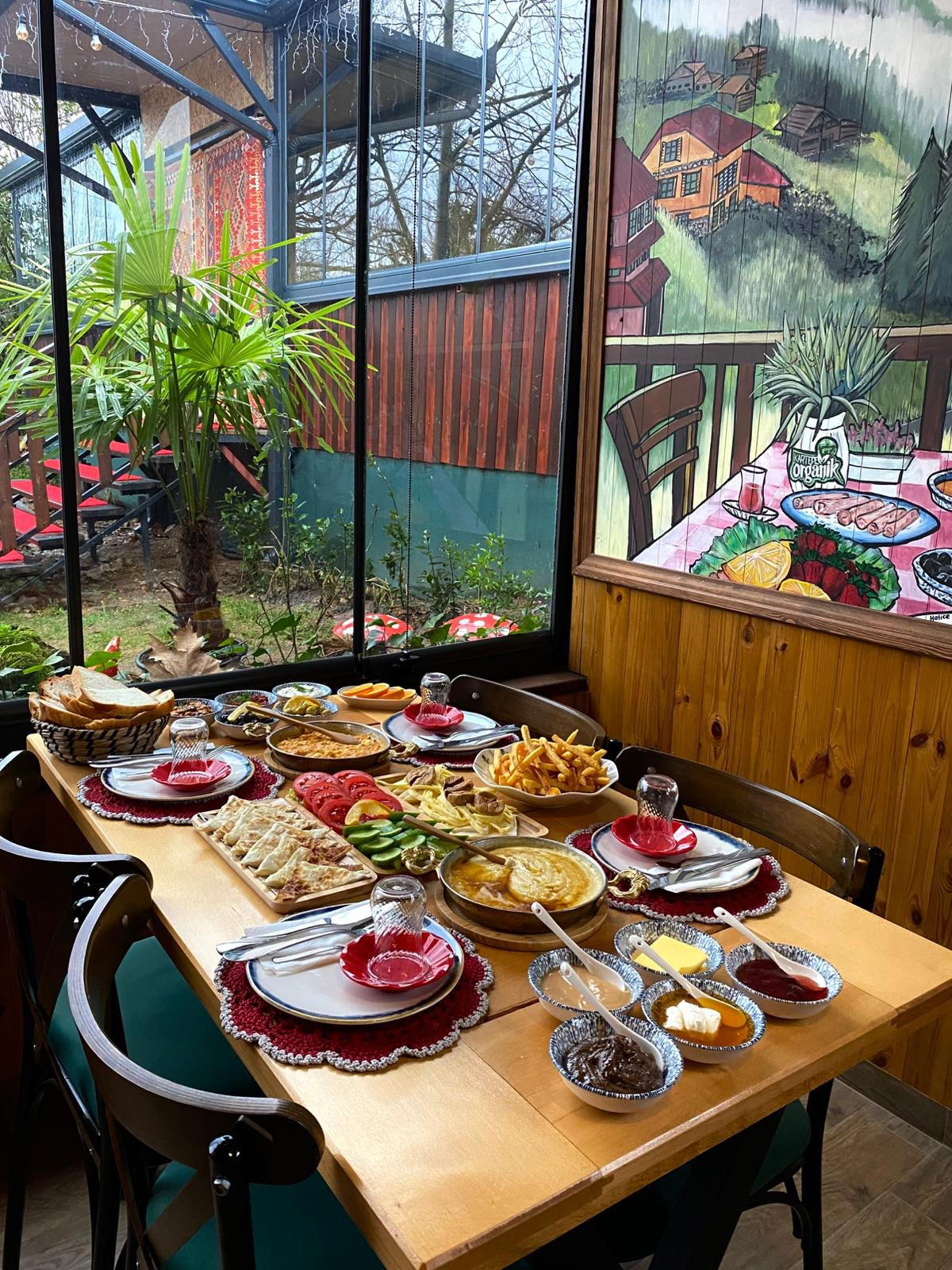
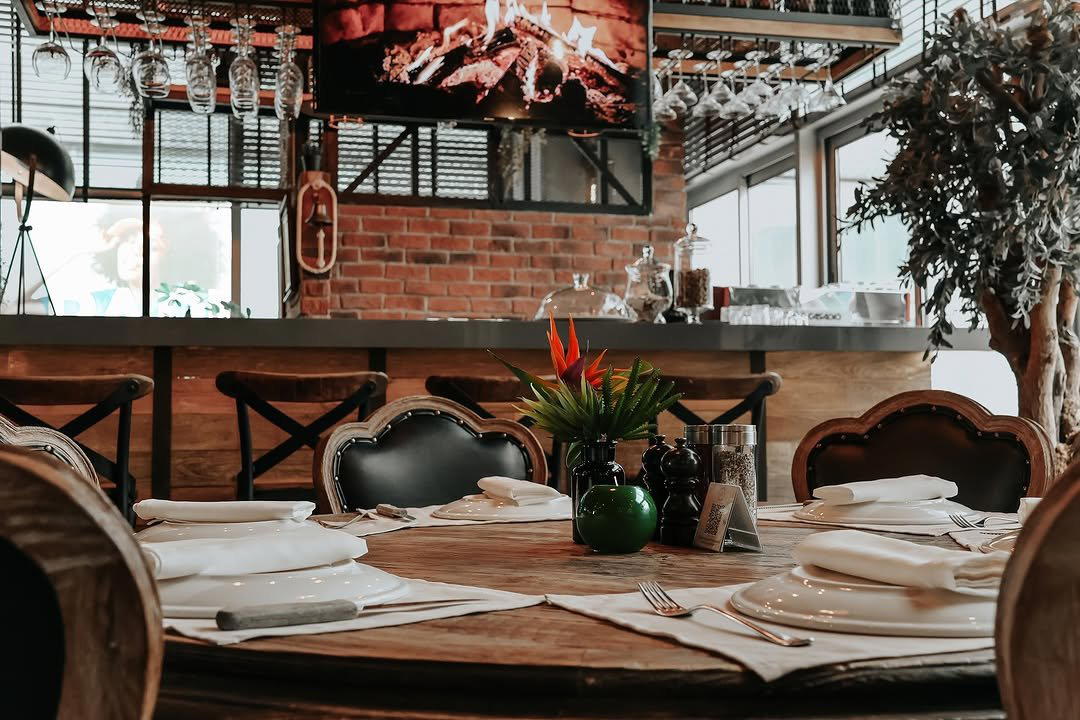
Warm and welcoming with a spacious, comfortable hall praised for its cleanliness and friendly service.