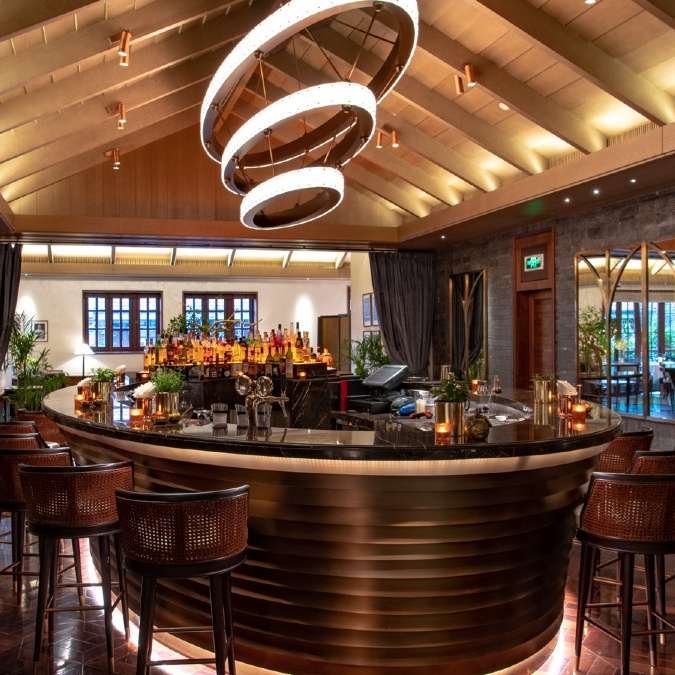
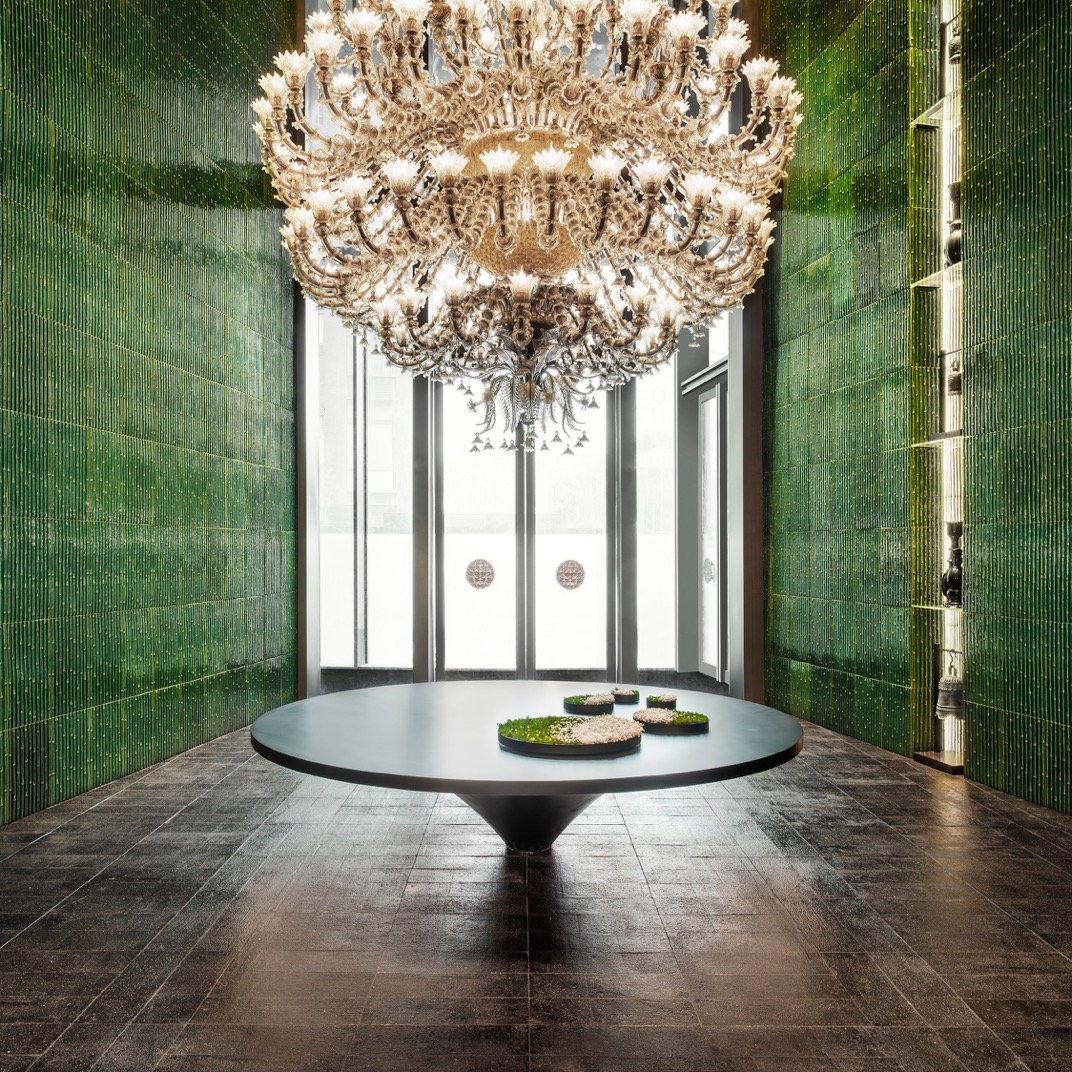
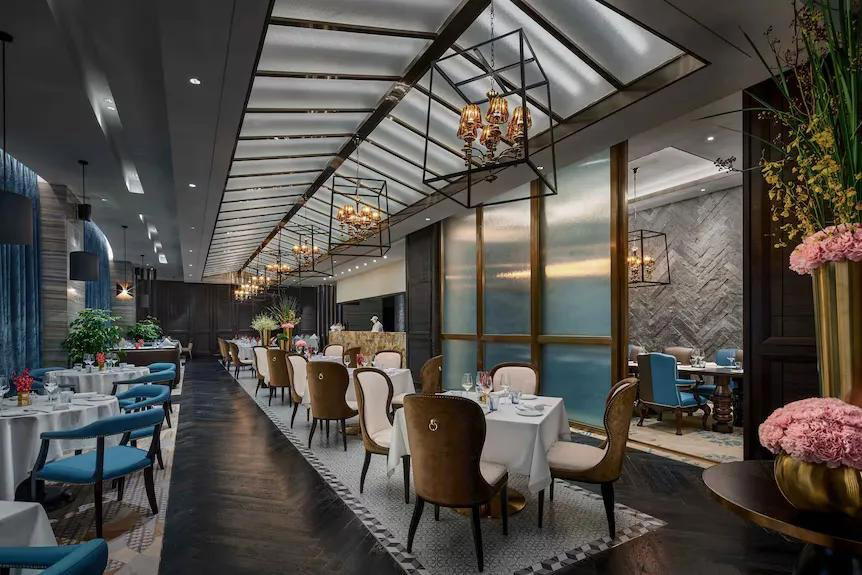
Cai Feng Lou sits in Songjiang, where Shanghai dining shifts from central-city trophy rooms to destination dining tied to hotels, banquets, and suburban weekend traffic. The appeal is less about a named chef narrative than about how contemporary Chinese dining rooms translate ceremony, privacy, and regional appetite for a city that eats across business, family, and leisure occasions.
Pearl is the En Primeur Club membership app — saves, bookings, and concierge access live there. Same editors, same standards.
- Address
- Shang Hai Shi, Song Jiang Qu, CN Shanghai Songjiang District Chen Hua Road No. 5888 邮政编码: 201619 (UG Floor)
- Phone
- 86-21-37814576
- Directions
- Get directions
 Saves & bookings on Pearl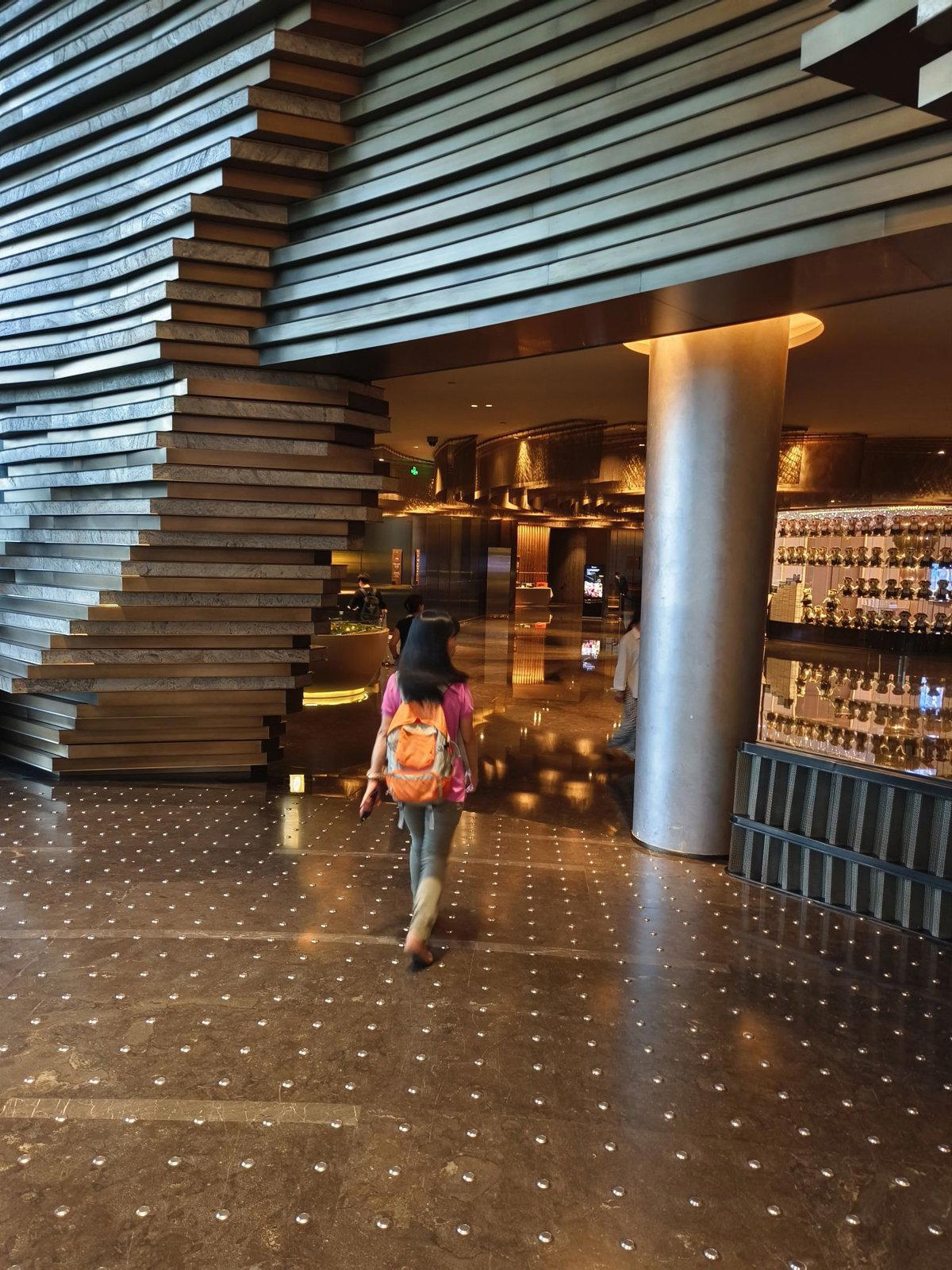
Approaching the dining rooms of outer Shanghai changes the rhythm of a meal before the first course arrives. The city’s central restaurants often trade on skyline views, heritage lanes, or high-speed reservation culture; Songjiang asks for a slower read. Here, dining is shaped by arrival, occasion, and the social architecture of the Chinese meal: private rooms, shared dishes, and a sense that the table is built for conversation as much as appetite.
Cai Feng Lou belongs to that broader Shanghai category, the formal Chinese dining room outside the city’s tight central orbit. Its setting in Songjiang matters because the district has become a different kind of dining territory: less street-by-street grazing, more planned meals attached to weekends, hotels, meetings, and family gatherings. That distinction is useful for travelers. This is not the same decision as a quick Huangpu or Jing’an booking between museum visits; it is a meal to place around the geography of a day.
Songjiang changes the pace of Shanghai dining
Shanghai’s restaurant culture is often read through the center: Bund dining rooms, Xuhui Shanghainese kitchens, hotel restaurants in Pudong, and polished counters that compress luxury into small rooms. Songjiang sits further out, and that distance changes the brief. A restaurant here has to make sense for diners already in the area, for guests staying nearby, or for groups using the western side of the city as a base. The meal becomes less about chasing novelty and more about ceremony, comfort, and the reliable grammar of shared Chinese dining.
That puts Cai Feng Lou closer to the city’s occasion-dining tradition than to the small-plate, bar-led, or chef-counter formats that dominate many international city guides. Shanghai has room for all of them. For central Cantonese comparison, 100 Century Avenue Cantonese reads through the hotel-dining lens, while 102 House (Cantonese) and 102 House Shanghai sit in a more intimate urban register. The difference is not simply cuisine; it is the way location dictates who gathers, how long the meal feels, and what kind of occasion the room is asked to carry.
Shanghai’s dining map also splits sharply by format. Steakhouse dining at 100 Century Avenue Steakhouse or 1515 West Chophouse (Steakhouse) speaks to a different business-entertainment tradition, one built around individual cuts, wine lists, and Western service codes. A Chinese dining room in Songjiang operates by another logic: dishes are usually shared, pacing is collective, and the host’s job is to manage abundance without turning the table into excess.
The cultural weight of the shared table
Chinese restaurant dining carries a social function that Western tasting-menu language often fails to capture. The table is not only a sequence of plates; it is a structure for hierarchy, hospitality, and negotiation. In Shanghai, that can mean Shanghainese sweetness and soy-braised depth in one context, Cantonese precision in another, or broader regional cooking filtered through hotel formality. When a venue does not publish a narrow cuisine label, the more useful reading is format: a formal Chinese room signals a meal built for groups, pacing, and occasion rather than solo experimentation.
That is why Cai Feng Lou is better understood through cultural context than through a chef-profile lens. No public chef credit or award citation defines the restaurant here, so the trust signal is geographic and format-led: Songjiang, UG-floor placement, and a formal Chinese dining identity within Shanghai’s wider hospitality ecosystem. For diners comparing the city’s options, Ren He Guan (Xuhui) offers a clearly Shanghainese reference point, while Commune, Mr. Fisher, and Nanlu house represent other local dining choices with different briefs. The useful question is not which is grander, but which meal fits the day’s geography and the group’s expectations.
Shanghai also sits inside a national dining conversation. Travelers building a China itinerary may compare this kind of meal with regional tables such as #8 in Chengdu, 167 Shan Hai Li in Fuzhou, 1913 in Hangzhou, 1927 Dong Yuan Si Chu in Xiamen, 1949 - Duck de Chine in Beijing, and 1980烧肉粽 in 厦门市. Those names point to a larger truth: Chinese dining is not a single category but a set of regional habits, social codes, and service expectations. Shanghai’s role is often as translator, absorbing those patterns into rooms designed for business, family, and hotel-linked travel.
How to place it in a Shanghai itinerary
The practical decision is geography. Songjiang is not where travelers drift accidentally after a Bund walk or a cocktail in the former French Concession. It rewards planning around the western side of the city, nearby hotels, or a day that already points away from central Shanghai. For a wider read on the city, the full Shanghai restaurants guide gives the restaurant context, while the Shanghai hotels guide, Shanghai bars guide, Shanghai wineries guide, and Shanghai experiences guide help make the surrounding day coherent.
For international travelers, the sharper comparison may be cultural rather than local. A sake bar such as Jōdo Saké Bar in Los Angeles or a focused casual Japanese address like Onigiri Time in Pasadena shows how Asian dining abroad often narrows around specialization. Shanghai’s formal Chinese rooms work differently: they preserve breadth, group utility, and the host-led logic of ordering. The restaurant fits that world. It is a restaurant to choose when the meal needs structure, privacy, and a sense of occasion rather than a quick hit of city-center energy.
- Classic Roasted Lobster in Clay Pot
- Whole Melon Soup
- Crab Meat Roll with Zucchini and Parsley Jelly in Green Tart
- Poached Sea Conch in Fermented Tomato Broth
- Poached Peony-Shaped Prawn with Salted Egg Yolk Sauce
- Deep-Fried Wagyu Beef with Honey Black Pepper Sauce
Cost and Credentials
Nearby venues at a similar price tier for orientation.
| Venue | Price | Awards |
|---|---|---|
| Cai Feng Lou | This venue | Not listed |
| Ren He Guan (Xuhui) | ¥¥ | Shanghainese, ¥¥ |
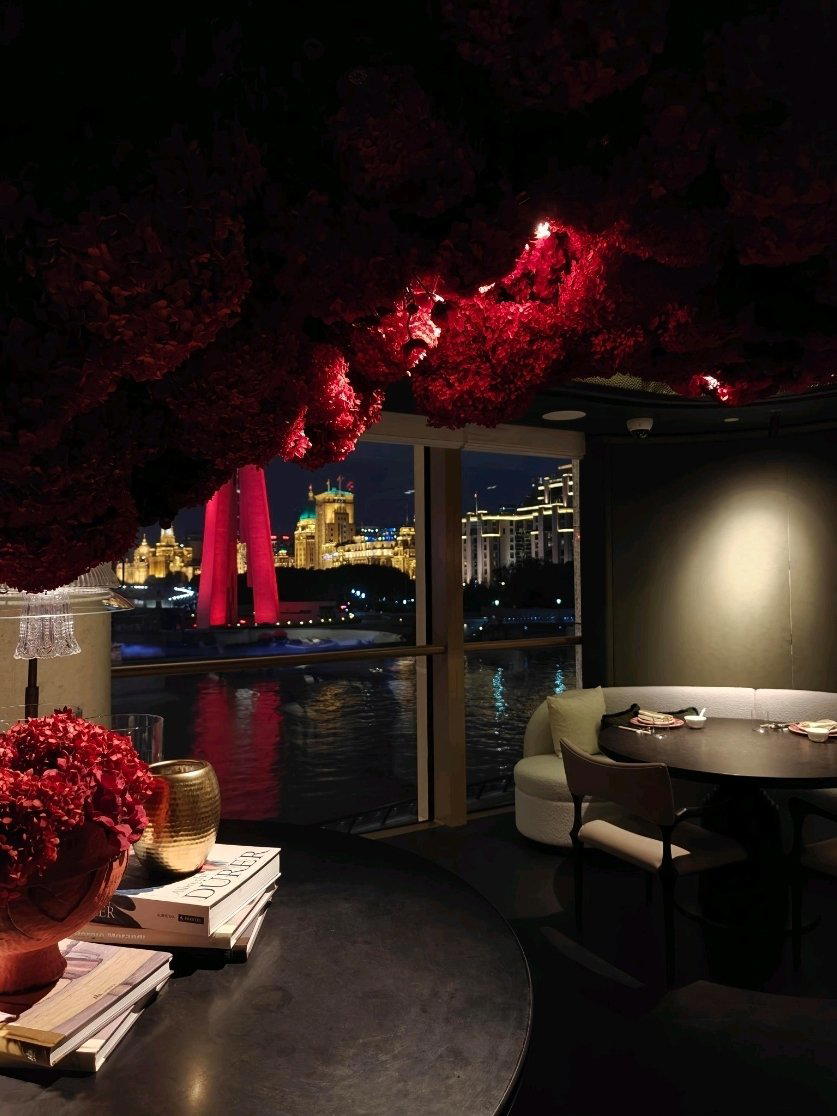
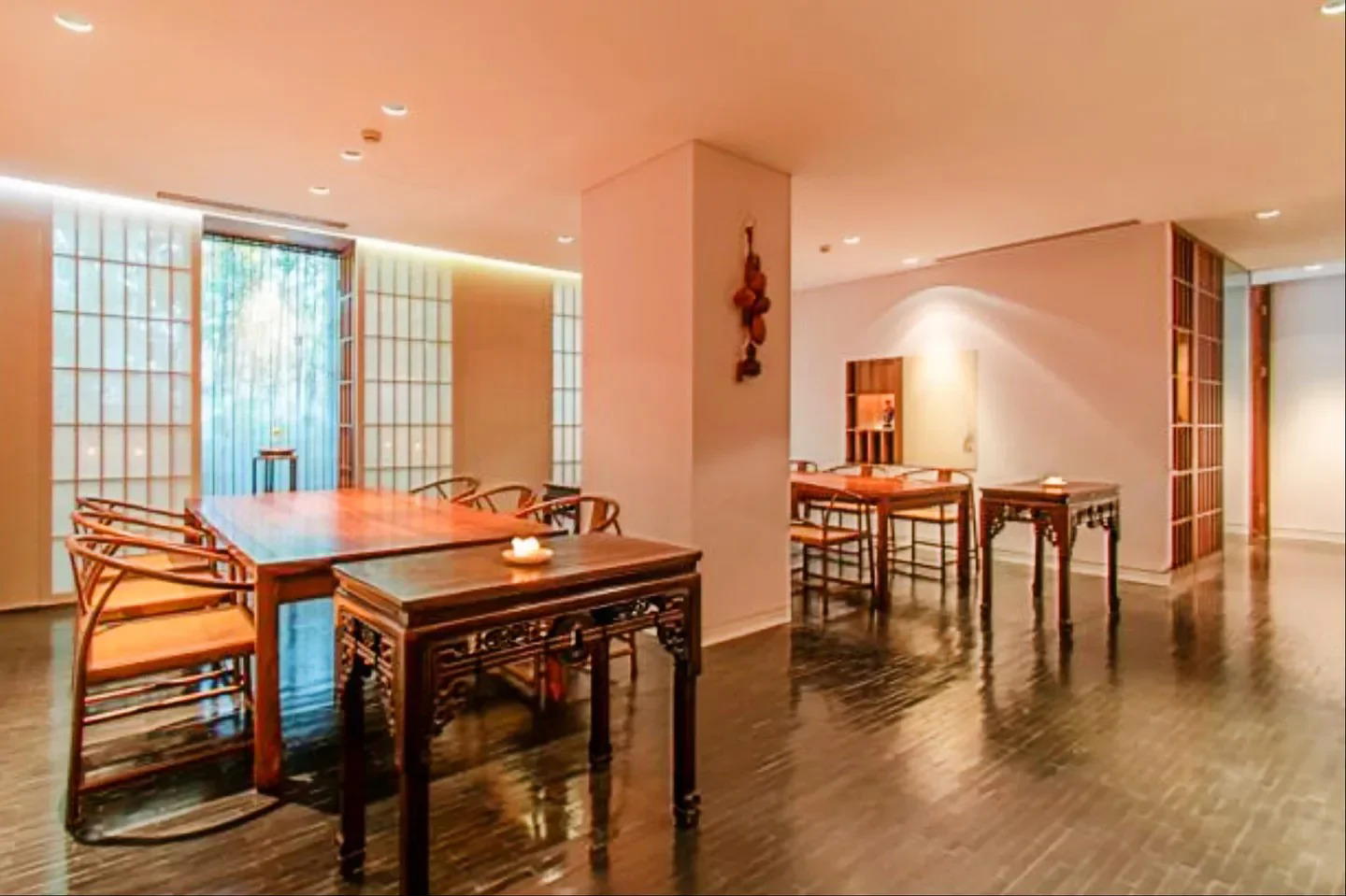
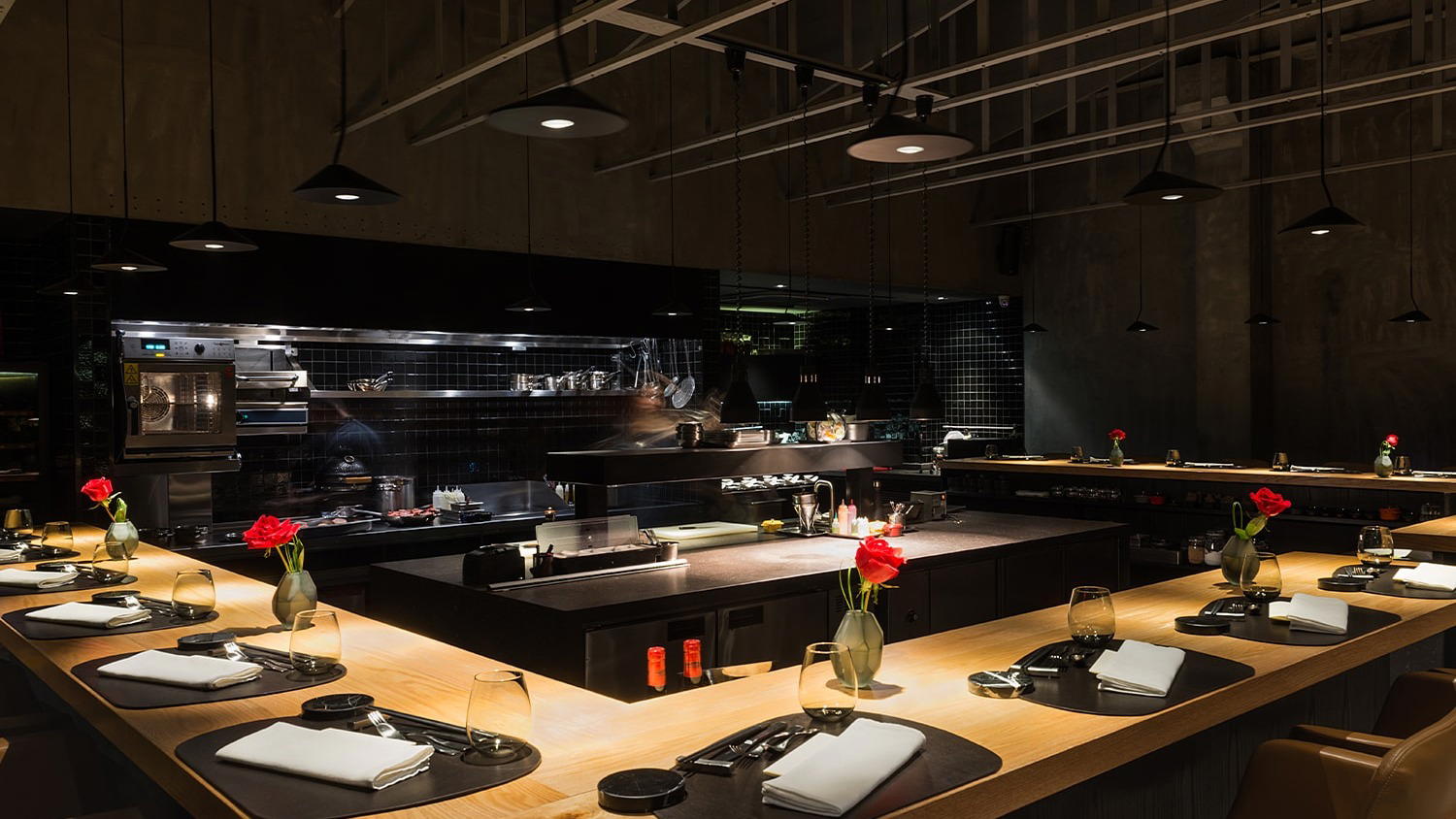
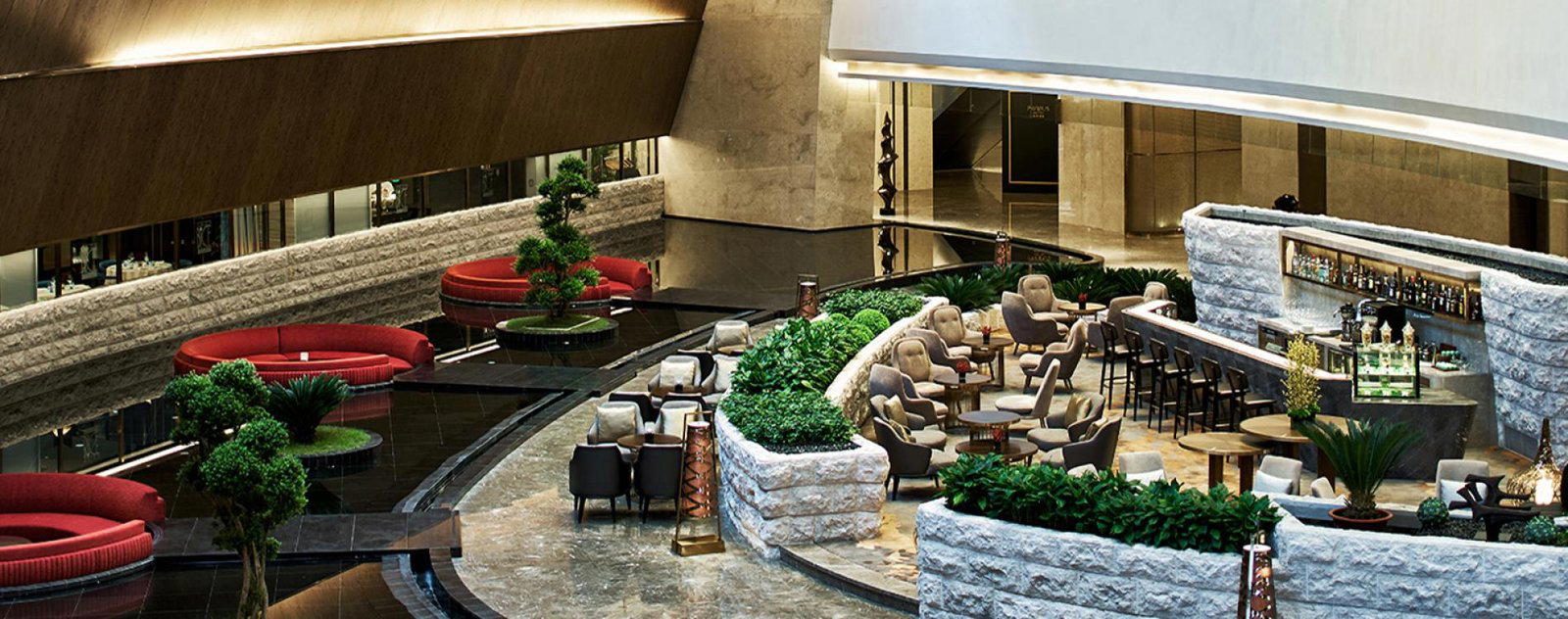
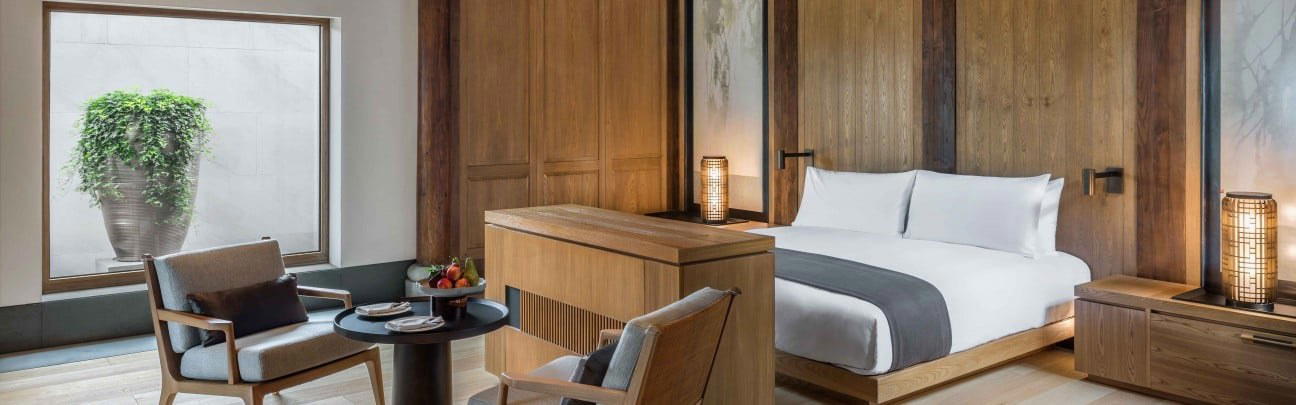
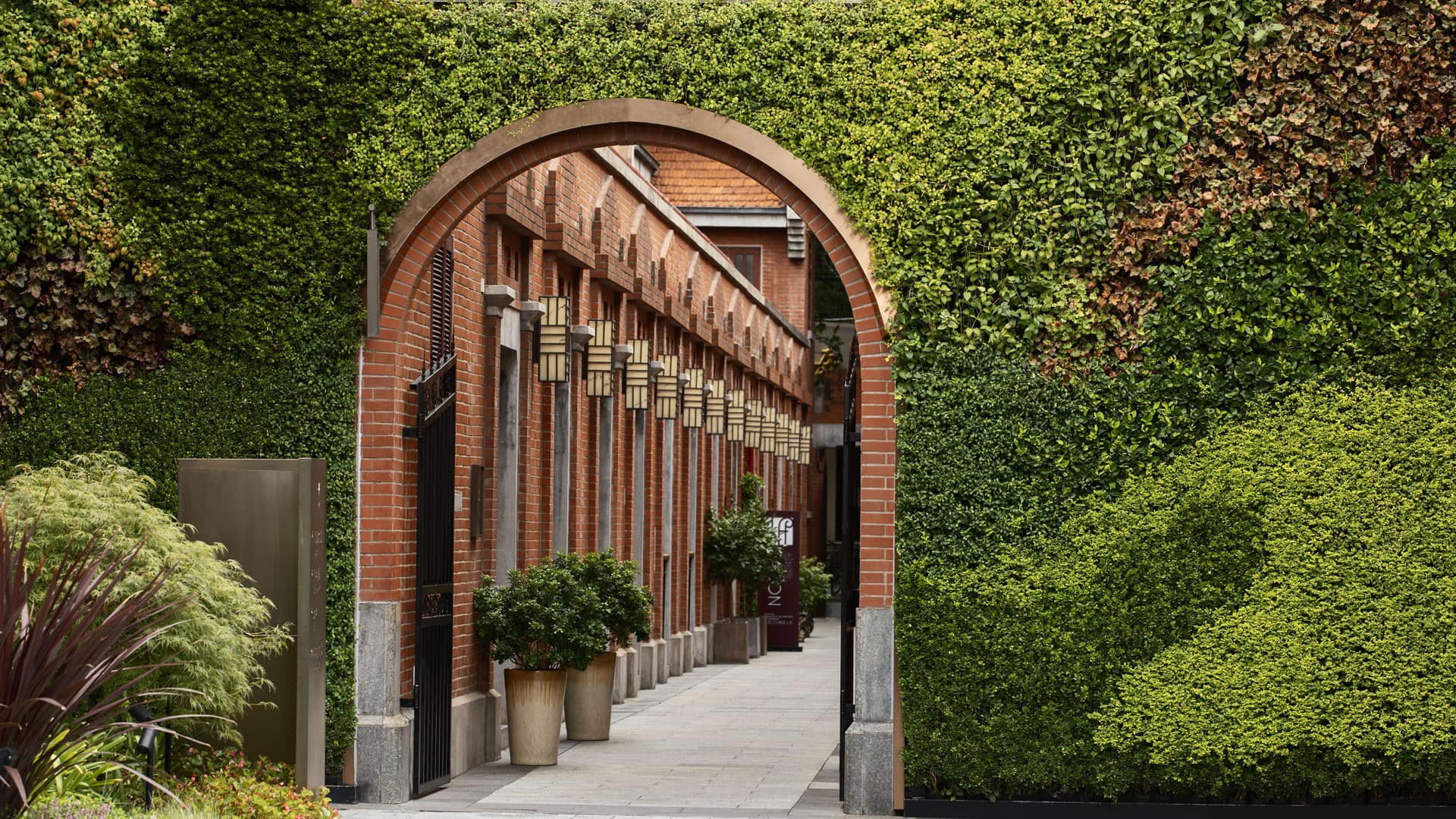
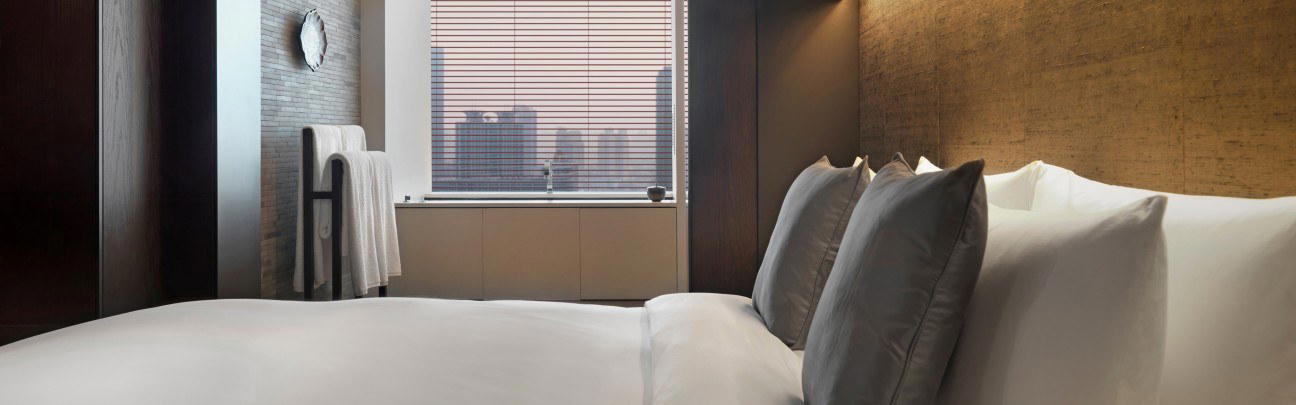
At a Glance
- Elegant
- Quiet
- Scenic
- Trendy
- Modern
- Sophisticated
- Family
- Group Dining
- Special Occasion
- Celebration
- Date Night
- Business Dinner
- Design Destination
- Hotel Restaurant
- Private Dining
- Panoramic View
- Waterfront
- Courtyard
- Extensive Wine List
- Craft Cocktails
- Local Sourcing
- Sustainable Seafood
- Waterfront
- Garden