Commune sits in Songjiang, a Shanghai district where dining reads differently from the Bund-and-Jing’an circuit. With no public award, chef, cuisine, price, or booking format attached, it is better understood through place: a suburban Shanghai address that asks diners to think beyond the city’s usual central-restaurant map.
Pearl is the En Primeur Club membership app — saves, bookings, and concierge access live there. Same editors, same standards.
- Address
- Shang Hai Shi, Song Jiang Qu, CN Shanghai Songjiang District Chen Hua Road No. 5888 邮政编码: 201619 (G Floor)
- Phone
- 86-21-67661888
- Directions
- Get directions
 Saves & bookings on Pearl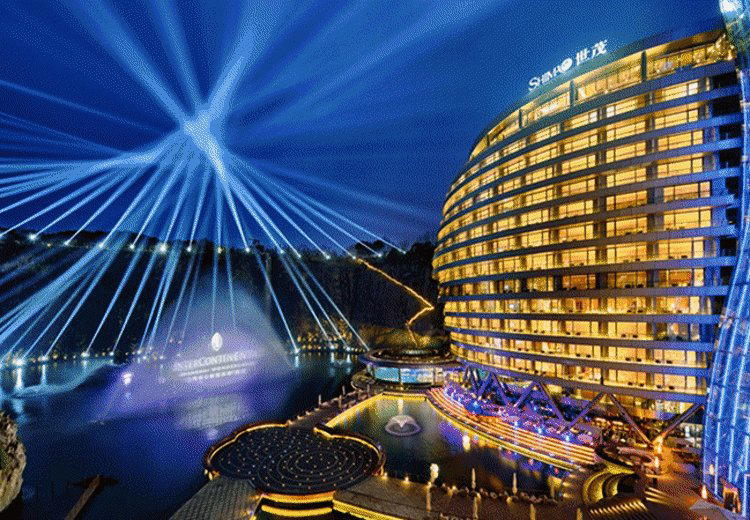
Approaching Shanghai dining through Songjiang changes the temperature of the conversation. The city’s restaurant culture is often framed by riverfront hotels, Xuhui heritage rooms, Jing’an malls, and destination counters built for expense-account evenings. Out in Songjiang, the rhythm is less tied to skyline theatre and more to the spread of metropolitan Shanghai: universities, residential compounds, weekend leisure clusters, and large-format developments that sit beyond the familiar visitor circuit.
That geography matters. A meal here is not competing with the same immediate pressures as a Bund dining room or a French Concession address, where room design, wine markups, chef visibility, and reservation friction often do as much work as the plate. Commune belongs to a different Shanghai: the city as a polycentric region, not a single downtown dining strip. For travellers, that makes the decision less about chasing a trophy table and more about whether Songjiang is already part of the day’s route.
Songjiang puts the restaurant outside Shanghai's usual dining shorthand
Shanghai’s restaurant map has become unusually legible. Pudong and the Bund carry the hotel dining narrative; Xuhui and Huangpu hold much of the old-city and Shanghainese conversation; Jing’an and Changning absorb international formats and polished casual rooms. Songjiang sits at another remove, which gives any restaurant there a different editorial role. It is part of the wider urban fabric rather than the compressed central circuit where visitors compare tasting menus within a few metro stops.
That separation can be useful. Diners looking at central Shanghai might compare polished Cantonese rooms such as 100 Century Avenue Cantonese, steakhouse formats such as 100 Century Avenue Steakhouse or 1515 West Chophouse (Steakhouse), and more heritage-led Chinese rooms such as 102 House (Cantonese) and 102 House Shanghai. Songjiang asks a different question: does the restaurant make sense as part of a district-based plan, rather than as the anchor for a central Shanghai evening?
That is the useful lens for Commune. With no public cuisine category, chef attribution, award record, price band, or seating format to anchor it, the venue should not be read as a trophy booking. Its value is contextual: it gives the Songjiang side of Shanghai a place marker in a city whose English-language dining conversation often narrows too quickly to the Bund, Xintiandi, and the former French Concession.
The better comparison is district logic, not chef-led prestige
Shanghai has enough award-led and chef-led rooms that absence of that information is meaningful. When a venue carries Michelin recognition, a named chef, a tasting-menu format, or a clear price tier, those details place it immediately inside a competitive set. Commune does not carry those signals publicly, so the practical reading changes. It is not a restaurant to assess through the same frame as a documented fine-dining counter or a hotel flagship with a declared culinary identity.
That does not make the address irrelevant. It makes the planning question more specific. In a city this large, location is not a footnote; it shapes the meal. Songjiang is a substantial southwestern district, and dining there generally serves a different pattern of movement from central Shanghai: local residents, people already in the district, and visitors whose itinerary includes the area for reasons beyond dinner. A central detour purely for the restaurant needs stronger evidence than is publicly attached here.
For broader Shanghai planning, use the district as the filter. The city’s restaurant scene can be scanned through our full Shanghai restaurants guide, while overnight strategy often changes the value of a Songjiang meal, particularly when cross-city transfers are involved; compare options through our full Shanghai hotels guide. If the evening is drink-led, the bar map sits elsewhere in the city, covered in our full Shanghai bars guide. For travellers building a wider itinerary, our full Shanghai experiences guide and our full Shanghai wineries guide help separate destination dining from day-structure decisions.
How to read Commune within a China itinerary
China dining research rewards precision. A Beijing duck room, a Hangzhou heritage address, a Xiamen local-specialist stop, and a Shanghai suburban restaurant do not answer the same need. That is why cross-city comparisons should be handled by purpose rather than rank. A traveller mapping Chinese regional dining might look at 1949 - Duck de Chine in Beijing for capital-city roast duck context, 1913 in Hangzhou for another eastern-city dining reference, 1927 Dong Yuan Si Chu in Xiamen or 1980烧肉粽 in 厦门市 for Fujian-linked planning, 167 Shan Hai Li in Fuzhou for another coastal city, and #8 in Chengdu for a Sichuan itinerary. Those links serve a different editorial job from a Songjiang address: they help define route logic across cities.
For readers outside China comparing casual Asian formats abroad, places such as Jōdo Saké Bar in Los Angeles and Onigiri Time in Pasadena show how strongly format can clarify expectations before arrival. Commune offers fewer public signals, so the stronger recommendation is conditional. It fits a Shanghai plan when Songjiang is already on the map; it is a weaker candidate for a single-night visitor choosing among central, better-documented rooms.
A Minimal
Comparable venues by cuisine and price in the same metro.
| Venue | Cuisine | Price |
|---|---|---|
| Ren He Guan (Xuhui) | Shanghainese | ¥¥ |
At a Glance
- Trendy
- Lively
- Modern
- Energetic
- Industrial
- Group Dining
- Family
- Casual Hangout
- Celebration
- After Work
- Late Night
- Design Destination
- Standalone
- Beer Program
- Craft Cocktails
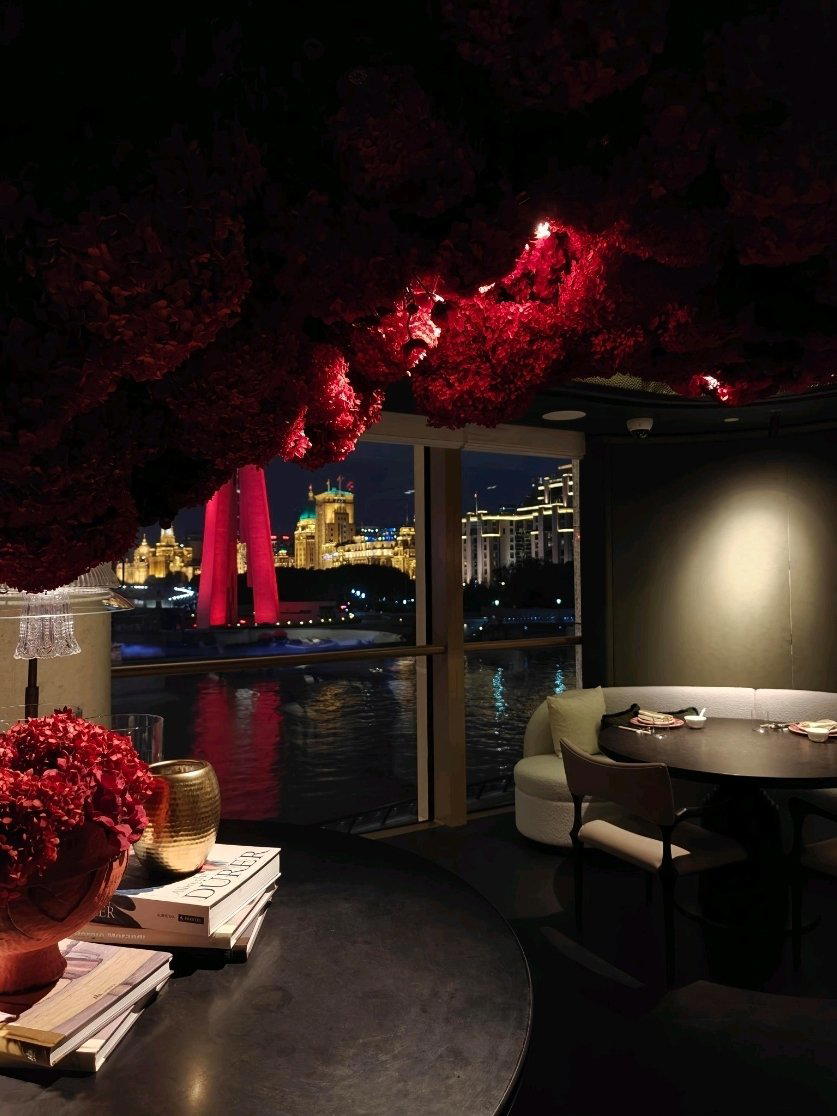
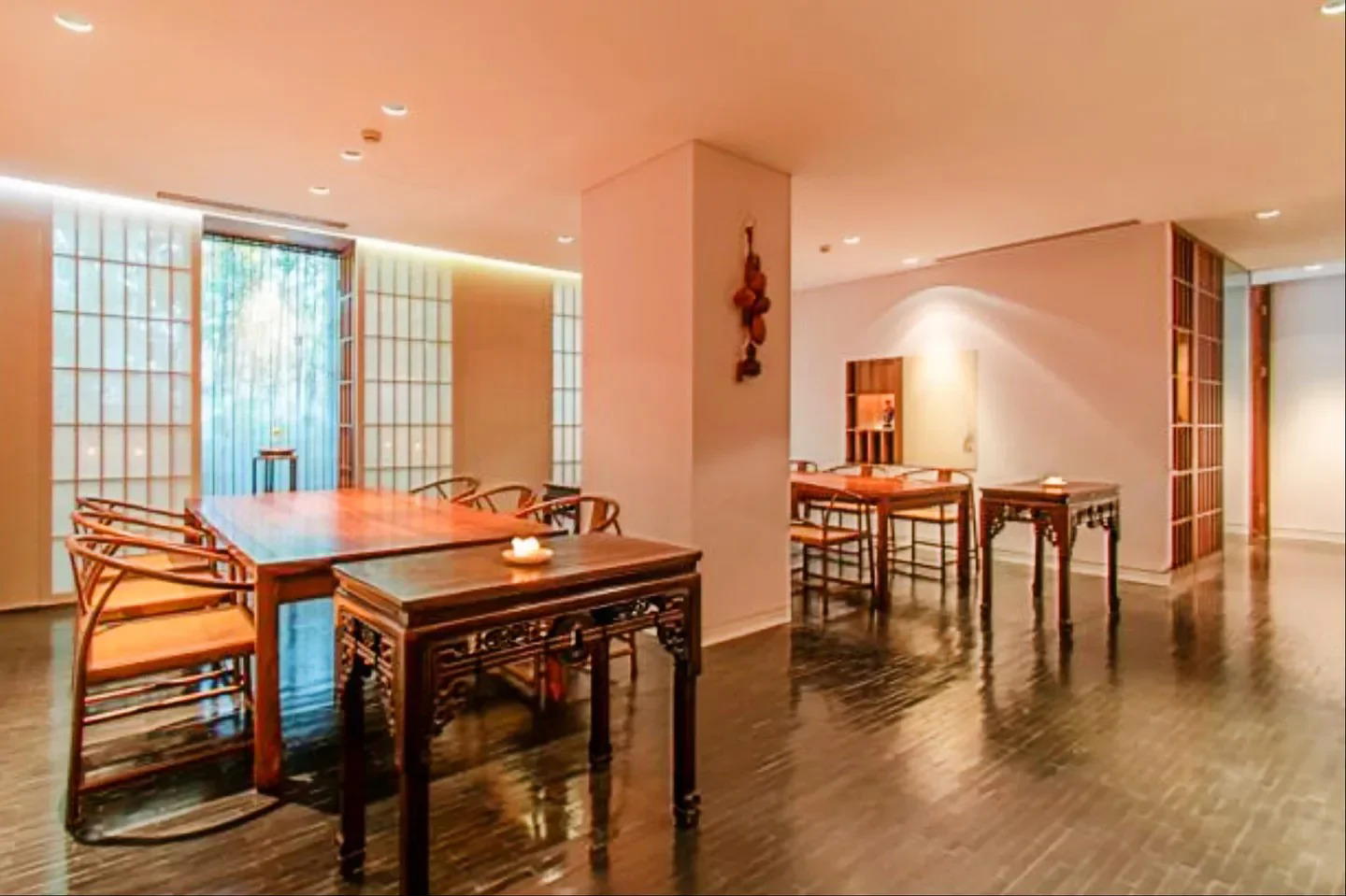
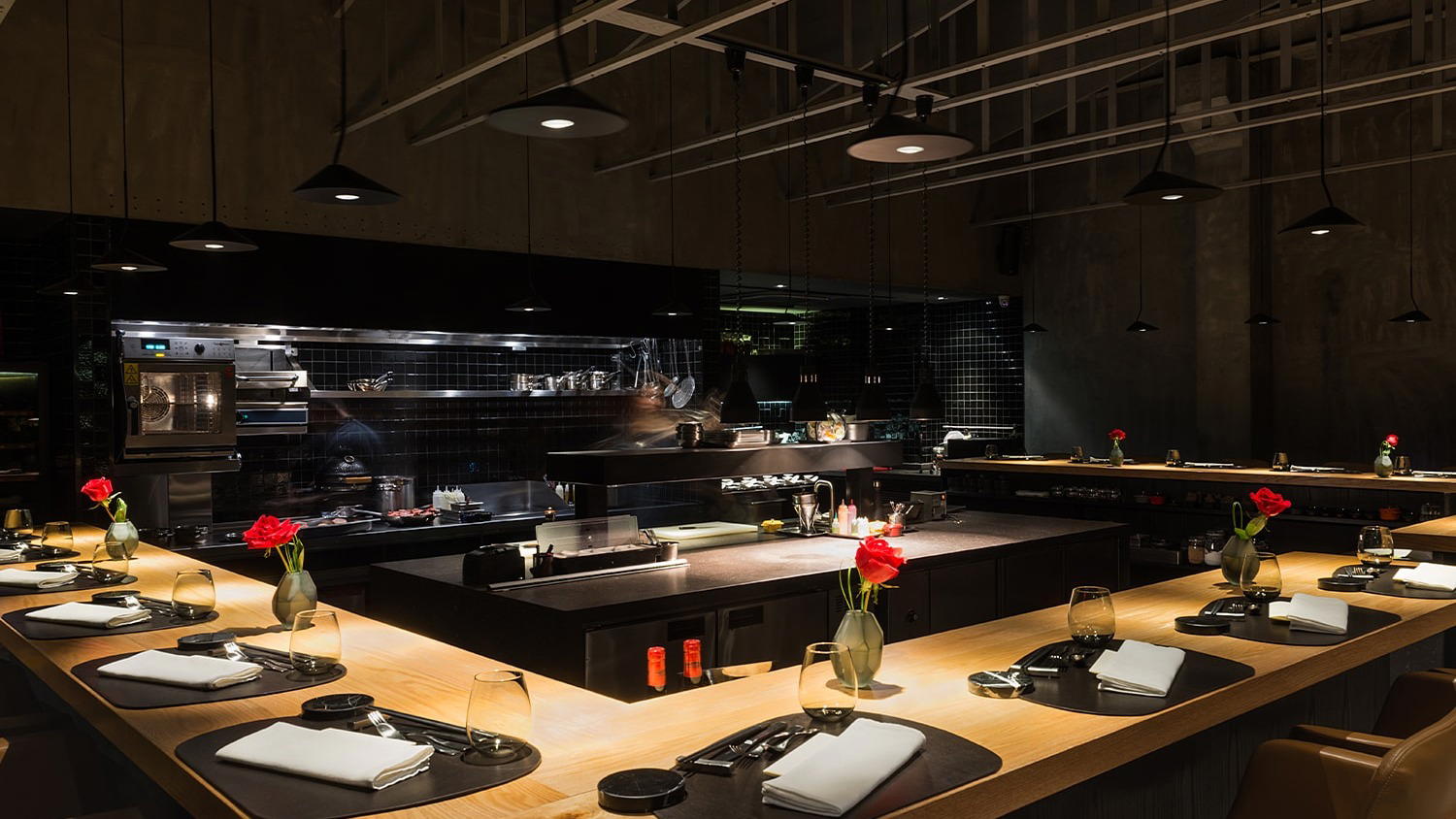
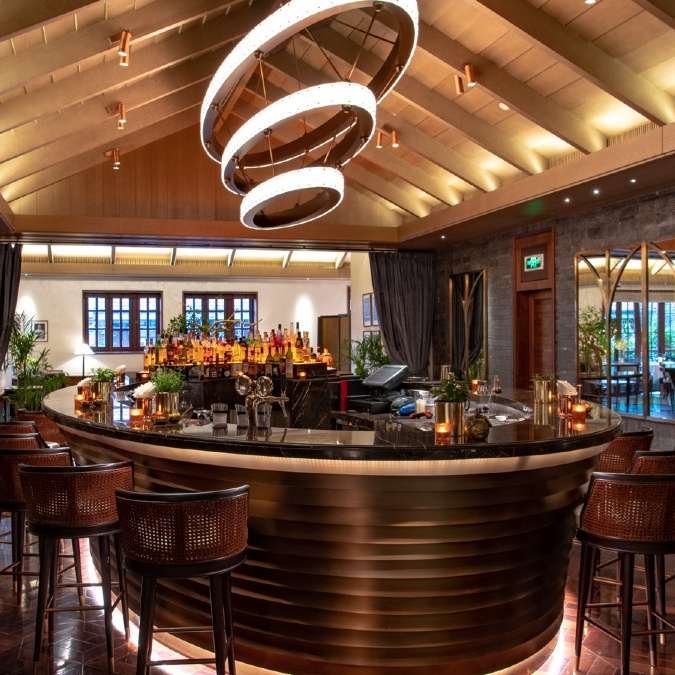
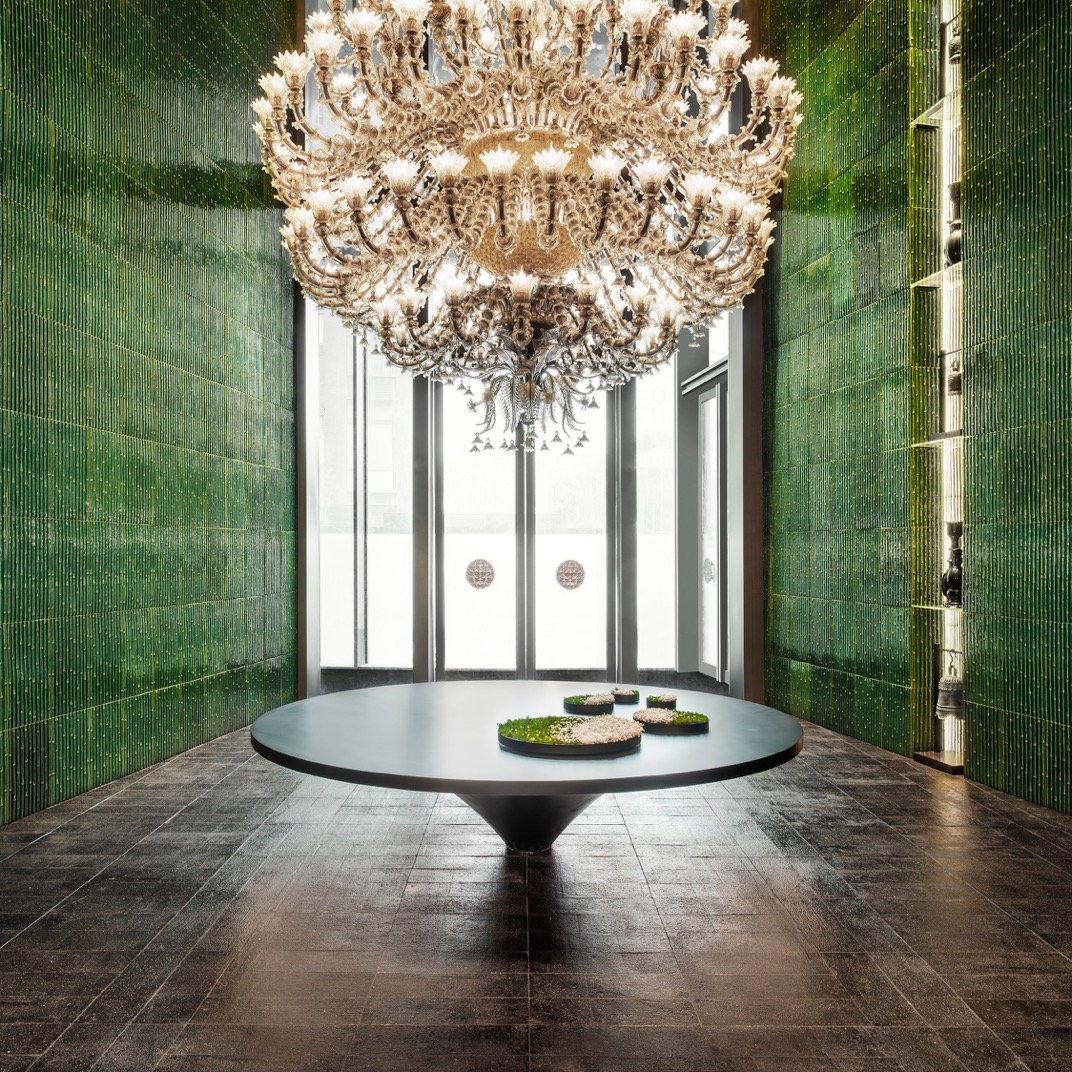
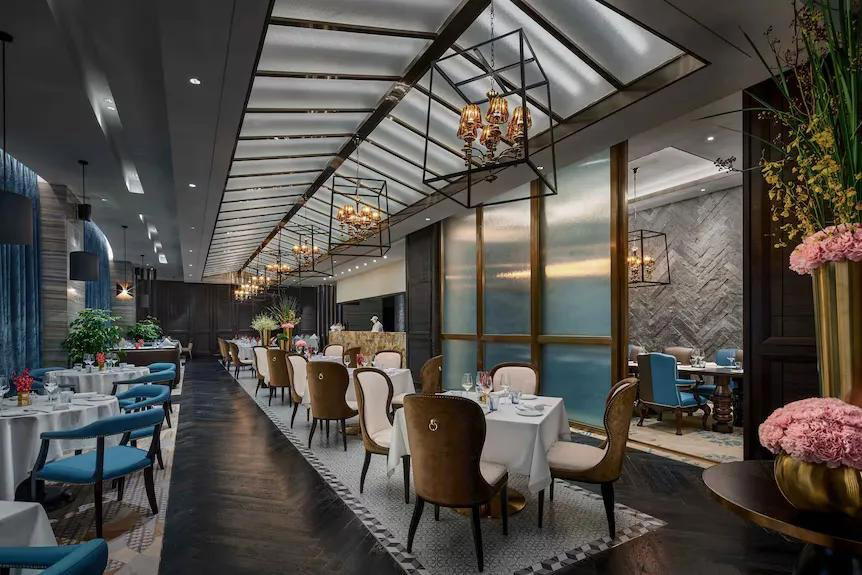
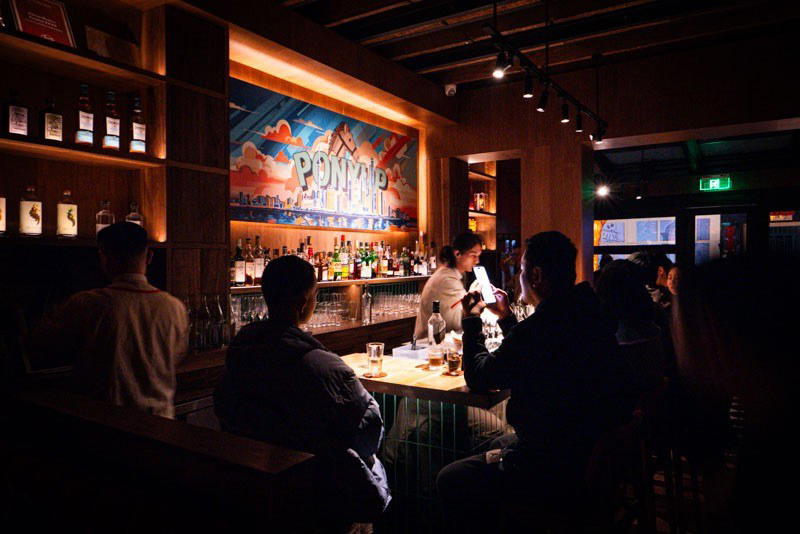
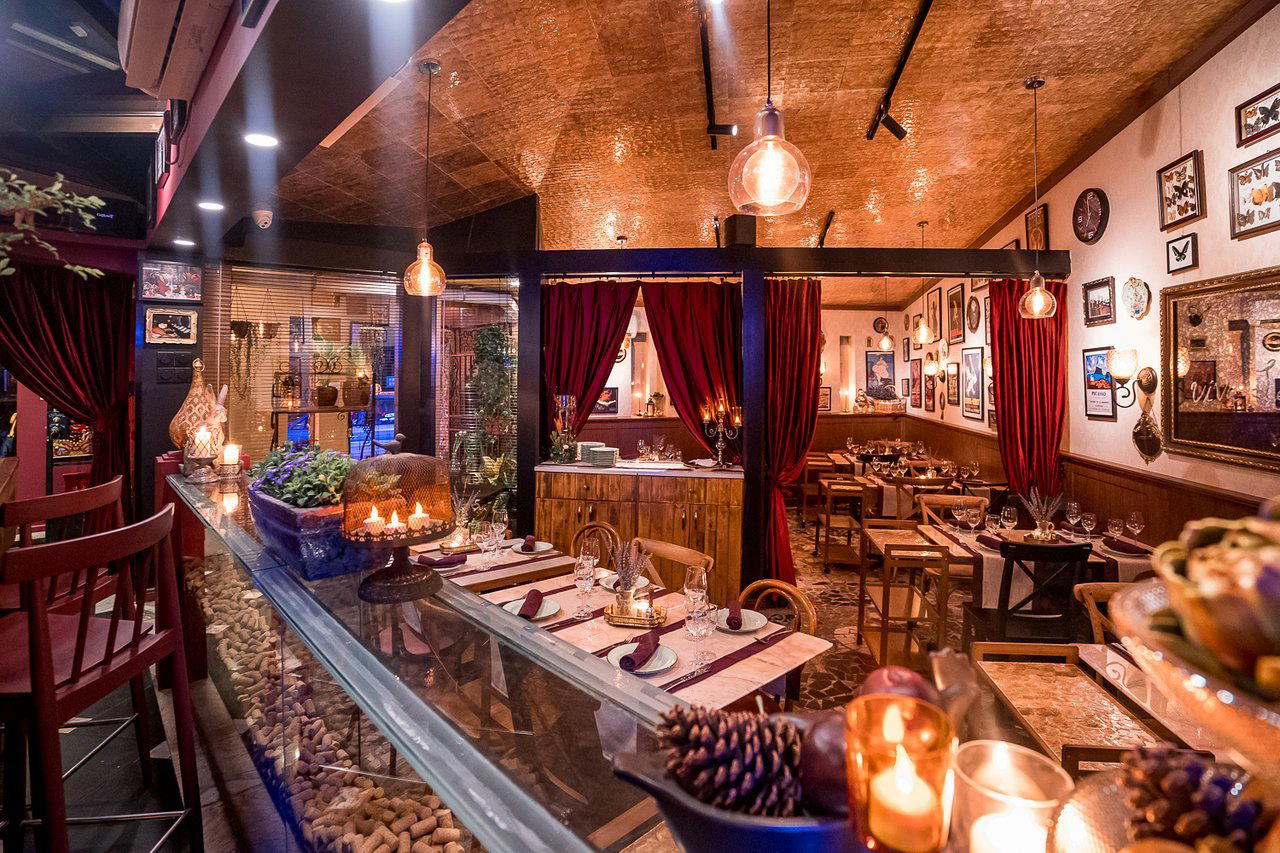
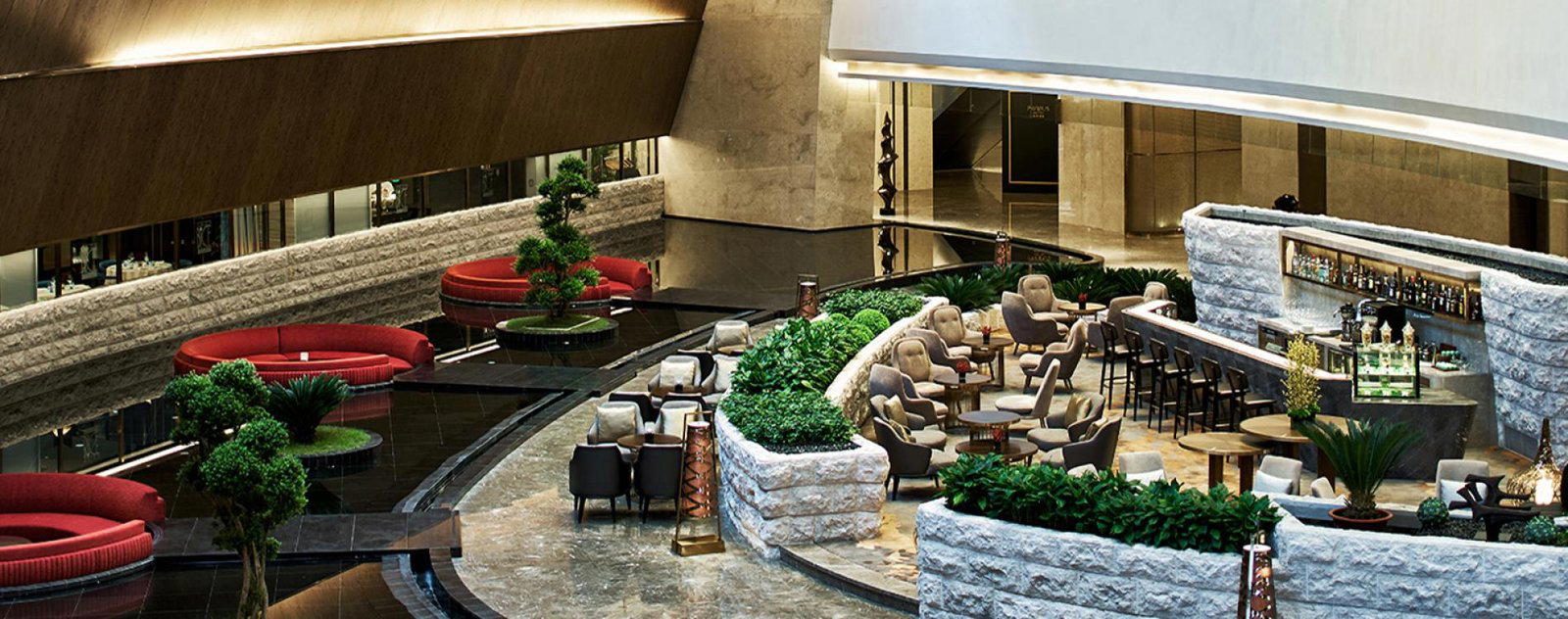
Design‑driven and club‑like, with open interiors, mood lighting, music, and long bar hours that create an energetic third‑place atmosphere for both daytime diners and late‑night partiers.