
On the main corso of one of Sicily's most architecturally preserved Baroque towns, Caffè Sicilia has anchored Noto's pastry and gelato culture for generations. It operates at the intersection of raw ingredient sourcing and traditional confectionery craft, drawing visitors from across the island and beyond. For anyone tracing Sicilian sugar work back to its Arab and Baroque roots, this address on Corso Vittorio Emanuele is the reference point.
Pearl is the En Primeur Club membership app — saves, bookings, and concierge access live there. Same editors, same standards.
- Address
- Corso Vittorio Emanuele, 125, 96017 Noto SR, Italy
- Phone
- +39931835013
- Website
- caffesicilia.it
 Saves & bookings on Pearl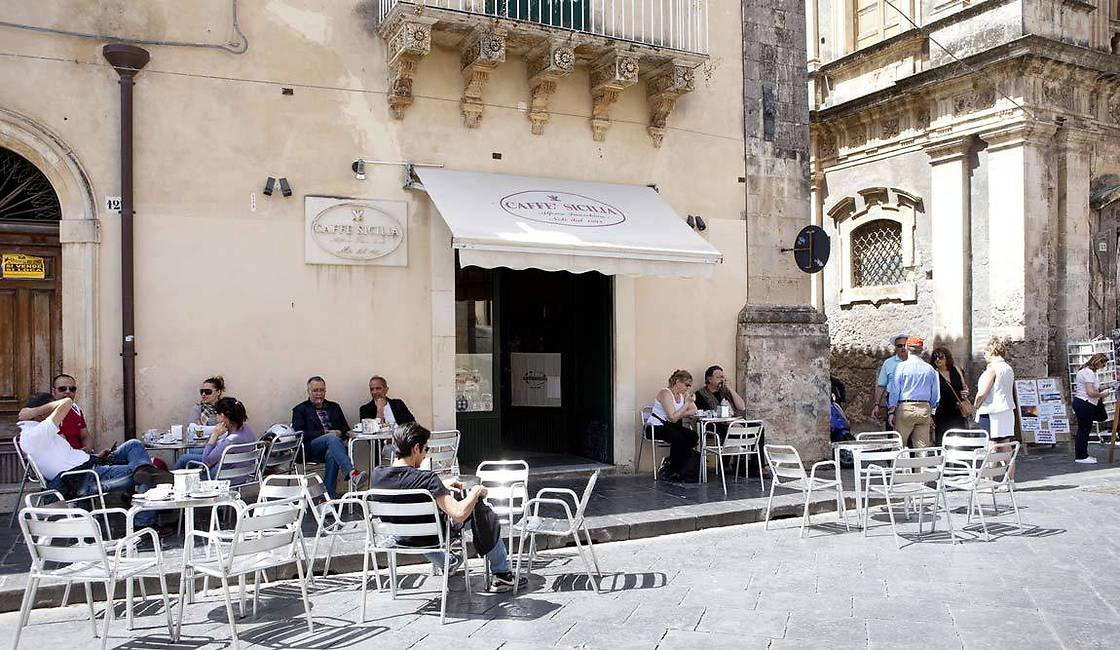
Where Noto's Baroque Stage Meets Its Oldest Sweet Tradition
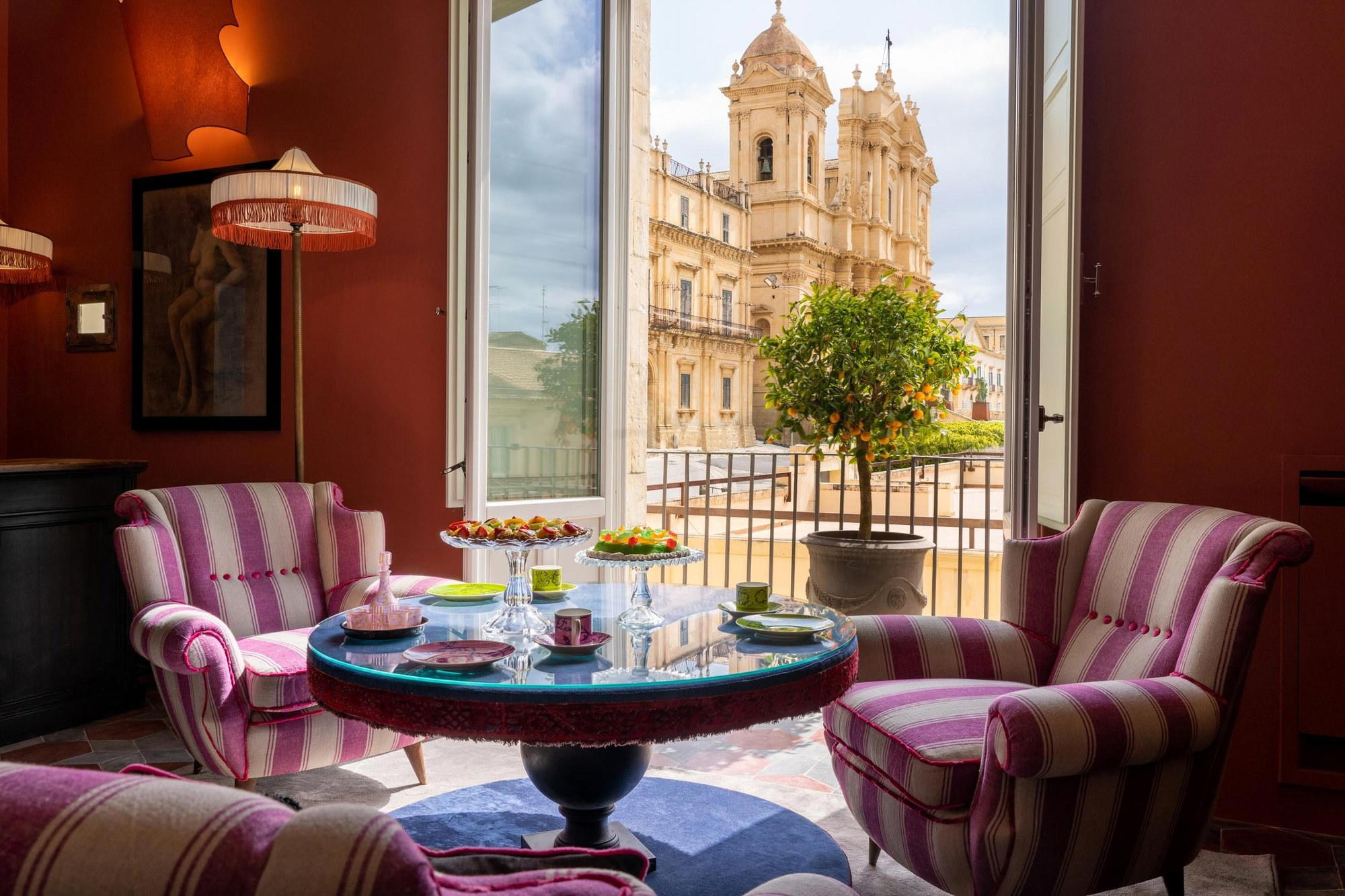
Corso Vittorio Emanuele runs like a spine through Noto's UNESCO-listed centro storico, flanked by honey-coloured limestone facades that glow amber in the afternoon sun. The street is built for promenading, and generations of Notons have done exactly that, stopping at Caffè Sicilia at number 125 as a matter of civic ritual rather than tourist impulse. The bar opens onto the corso. The air carries almond and citrus before you reach the counter.
This is not a patisserie operating on the logic of novelty. Caffè Sicilia sits inside a longer tradition of Sicilian confectionery that dates to the Arab occupation of the island, when sugar, almonds, and citrus arrived together and permanently altered the local pantry. The marzipan, the granita, the cassata, these are not regional curiosities but the residue of a trade history stretching back a thousand years. Understanding that context is the most useful frame for what Caffè Sicilia does and why it matters within Noto's dining scene.
Sourcing as the Defining Discipline
Sicily's pastry tradition has always been ingredient-dependent in a way that, say, French pâtisserie is not. French technique can compensate for mediocre butter; Sicilian granita cannot compensate for an inferior almond or a chalky pistachio. The raw material is the product, which means sourcing decisions at a place like Caffè Sicilia carry more editorial weight than they might elsewhere.
The almonds used here come from the Avola variety, grown in the Val di Noto, the same corridor of southeastern Sicily that gives the town its name and its agricultural character. Avola almonds are shorter and rounder than Californian cultivars, with a higher oil content that produces a more intense, slightly bitter note in almond-based preparations. The pistachios, if used seasonally, trace to Bronte on the slopes of Etna, where volcanic soil produces a smaller nut with a more pronounced flavour than Turkish or Iranian equivalents. These are specific geographic claims, not marketing language: the Bronte pistachio holds a Protected Designation of Origin under EU law.
Citrus from the Sicilian interior, carob from the hillside groves above Ragusa, wild strawberries from the Hyblaean plateau, the surrounding region functions as a larder in a way that broader Italian regions rarely can. Noto sits within one of the densest concentrations of high-quality agricultural product in the Mediterranean, and Caffè Sicilia's relevance is partly a function of geography. Proximity to source is not incidental here; it is structural.
Caffè Sicilia Within Noto's Dining Range
Noto has developed a credible fine-dining tier over the past decade. Crocifisso operates at the contemporary end of the local market, while Principe di Belludia reaches the creative and premium tier. Orti di Villadorata anchors country cooking, and both Il San Corrado di Noto and Terrazza Villadorata extend the choice for visitors willing to explore the town's full hospitality range.
Caffè Sicilia occupies a different register entirely. It is not competing with the evening tasting-menu set. It operates as a daytime institution serving the corso's foot traffic alongside more deliberate visitors who come specifically for what the bar produces. In a town where the architectural and culinary heritage are closely braided, the caffè functions as a point of continuity, the kind of address that predates the fine-dining tier and will likely outlast its fashions.
Compared to Italy's most formally decorated restaurants, Osteria Francescana in Modena, Le Calandre in Rubano, or Enoteca Pinchiorri in Florence, Caffè Sicilia stands apart from Michelin scaffolding. Its authority comes from decades of consistent production. That is a meaningful distinction in Italy, where the Bar / Caffè category has historically been evaluated by a different set of criteria than the restaurant trade.
Planning a Visit
The town is compact and the corso pedestrianised, so arriving by car means parking at the periphery and walking in, which is the correct way to approach a Baroque city built at the scale of human movement rather than motorised transit.
How Caffè Sicilia Fits a Broader Italy Itinerary
Visitors building a longer Italian itinerary will find Caffè Sicilia a useful southern stop. The island's pastry tradition exists largely independently of the mainland restaurant circuit, and an afternoon on the Noto corso sits comfortably alongside more formally structured meals elsewhere, at Quattro Passi in Marina del Cantone, Uliassi in Senigallia, or Reale in Castel di Sangro further north. For those extending beyond Italy, the sourcing logic that governs Caffè Sicilia's approach finds parallels at technically meticulous addresses like Le Bernardin in New York City or Lazy Bear in San Francisco, where the quality of raw material is treated as the foundational variable rather than an afterthought.
Sicily's food culture repays attention at the granular level. A granita made from Avola almonds, consumed on a limestone corso in the early morning, is an argument about place and ingredient in the same way a great wine is. Caffè Sicilia makes that argument with consistency, which is the only measure that counts across decades.
Quick Comparison
Comparable venues nearby, for context on price, style, and recognition.
| Venue | Cuisine | Price | Awards | Notes |
|---|---|---|---|---|
| Caffè SiciliaThis venue — the venue you are viewing | Sicilian Pastry & Granita | $$ | , | |
| Terrazza Villadorata | Sicilian Italian Osteria | $$$ | , | centro storico |
| Il San Corrado di Noto | Creative Sicilian Fine Dining | $$$$ | contrada Belludia | |
| Orti di Villadorata | Modern Sicilian Fine Dining | $$$$ | Michelin Plate | Contrada Portelle |
| Principe di Belludia | Creative Sicilian Fine Dining | $$$$ | Michelin Plate | contrada Belludia |
| Crocifisso | Modern Sicilian Fine Dining | $$$$ | Michelin 1 Star | Upper Noto |
At a Glance
- Classic
- Iconic
- Cozy
- Casual Hangout
- Special Occasion
- Historic Building
- Standalone
- Local Sourcing
- Street Scene
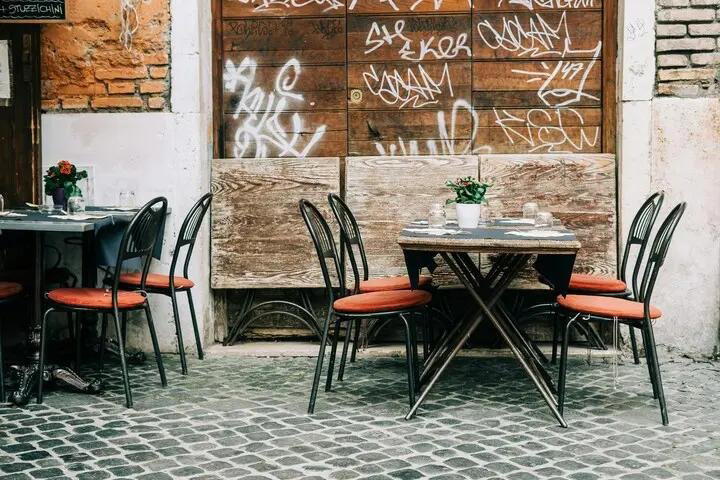
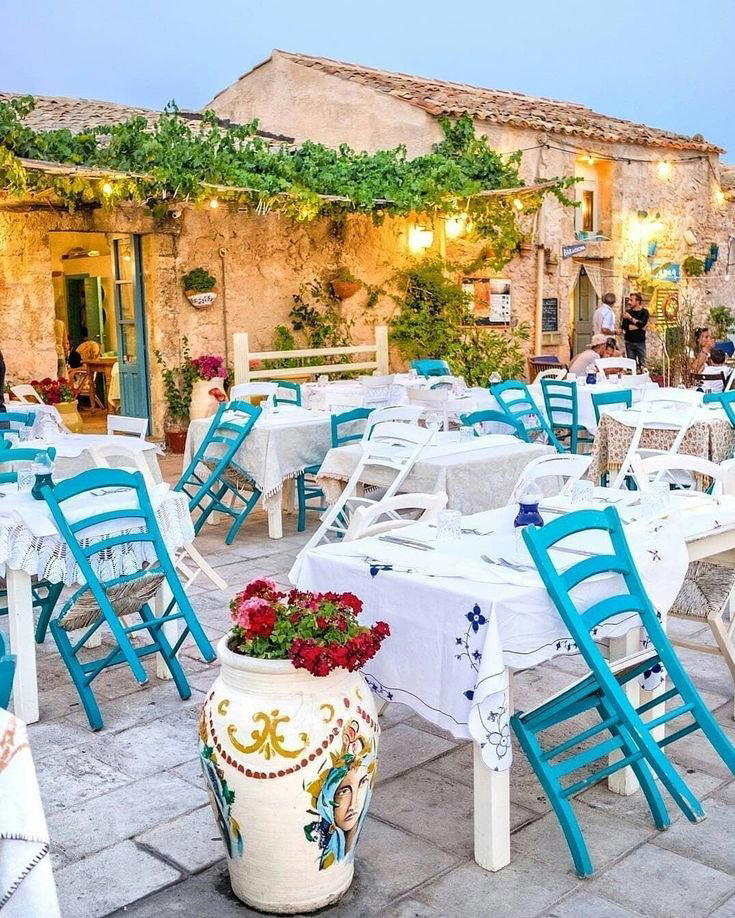
Charming historic café with street-side tables perfect for people-watching amid Noto's baroque architecture, offering a cozy yet lively atmosphere.