

1 Michelin Key · Mr & Mrs Smith Seal of Approval
A late 19th-century rural estate turned Michelin Key-recognised eco-resort in the Val di Noto UNESCO zone, Country House Villadorata spreads across 57 acres of biodynamically farmed land outside Noto. Sixteen rooms and Ecosuites sit within a landscape of ancient olive groves, almond trees, and citrus orchards, with a farm-to-table restaurant and mineral salt pool rounding out one of Sicily's more grounded luxury propositions.

Pearl is the En Primeur Club membership app, where members save venues, book tables and use the concierge.
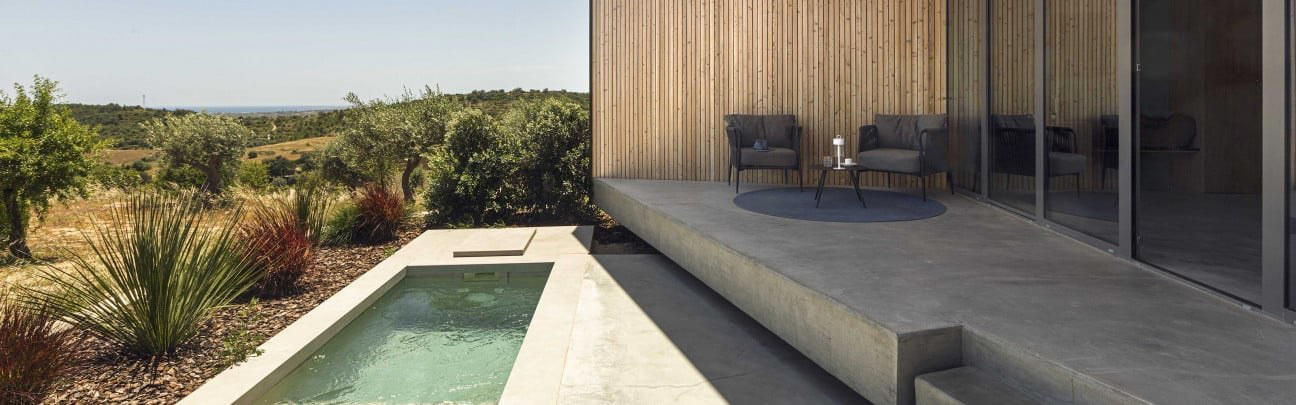
Where the Land Defines the Architecture
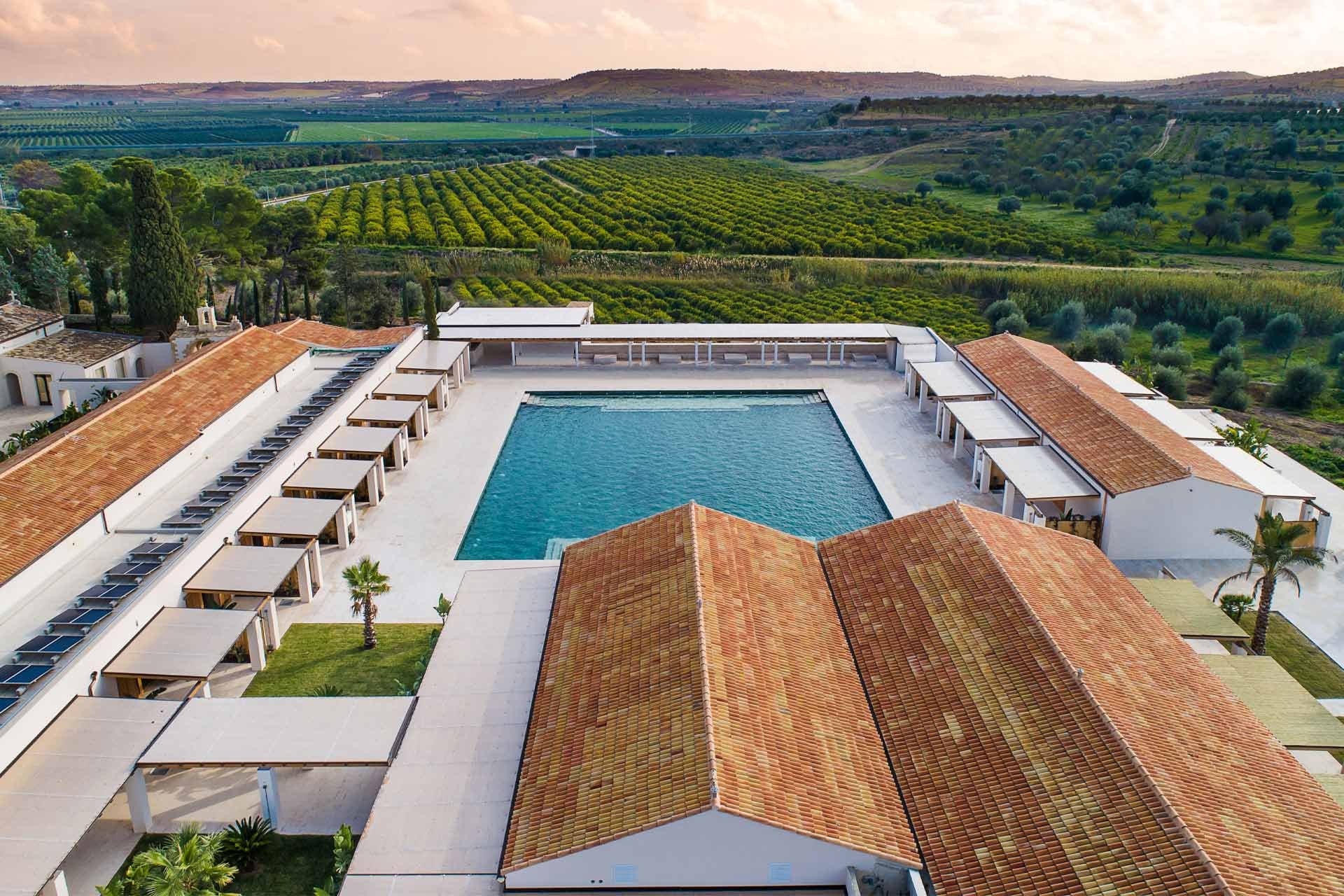
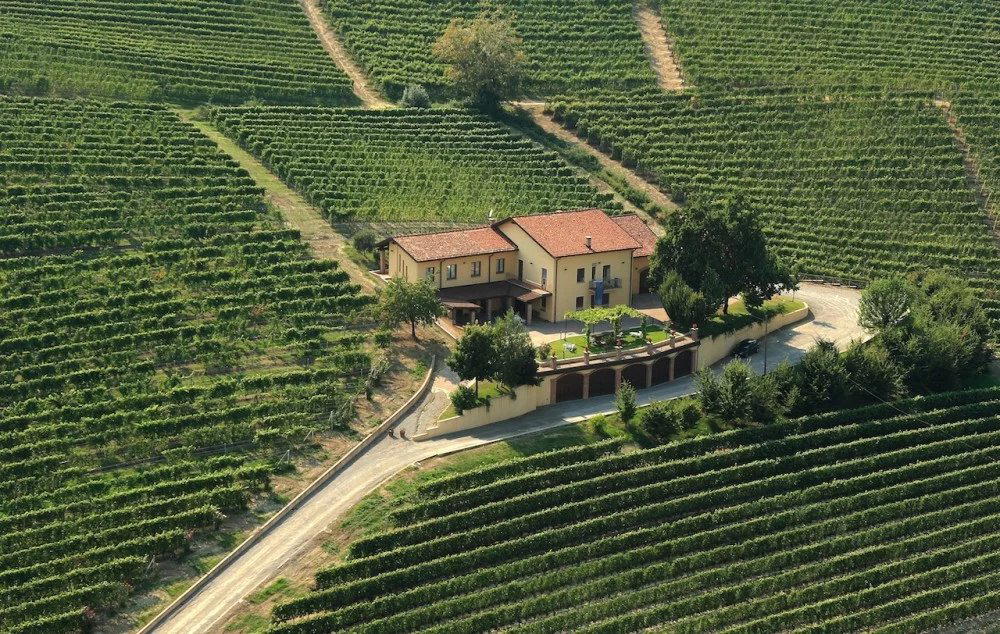
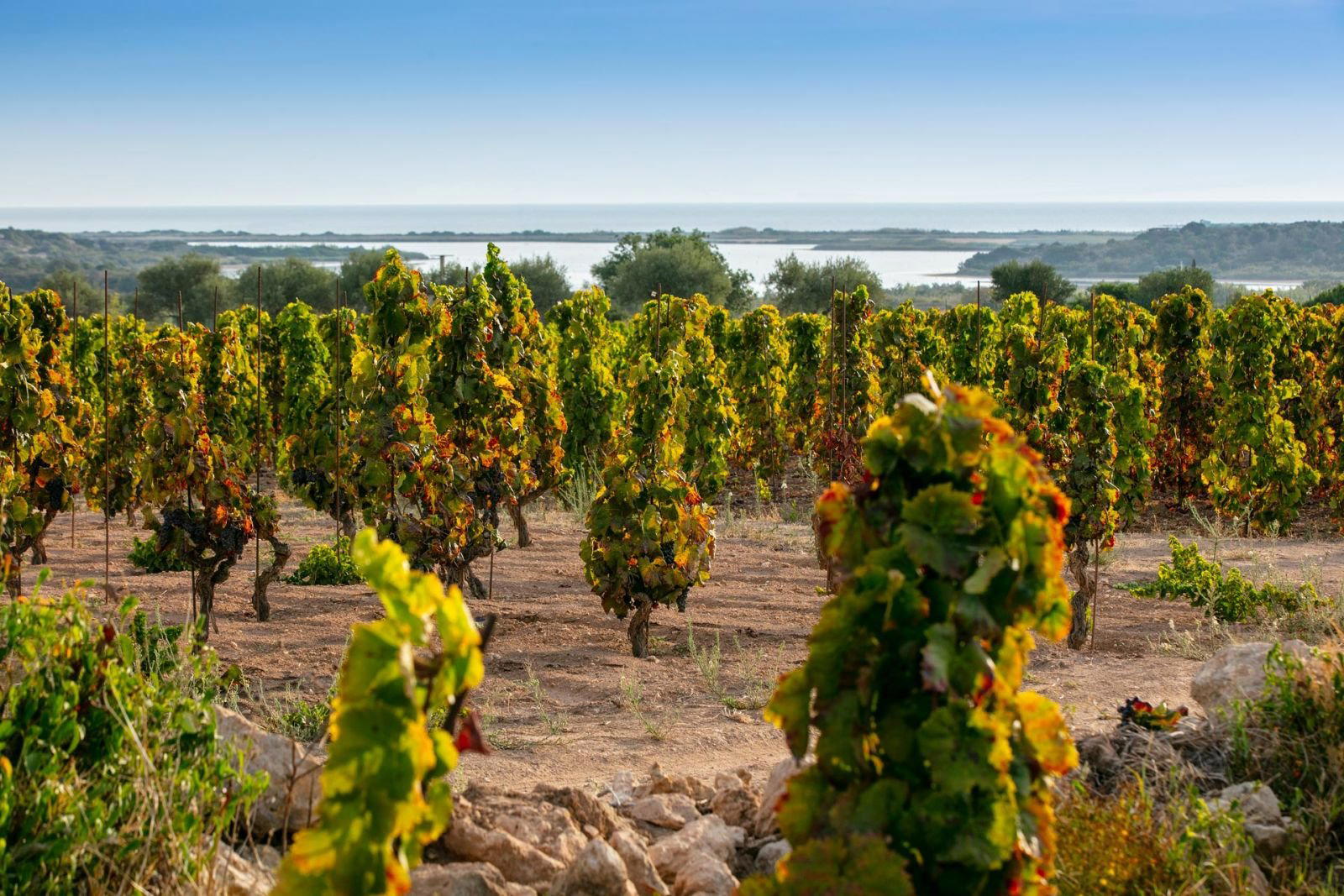
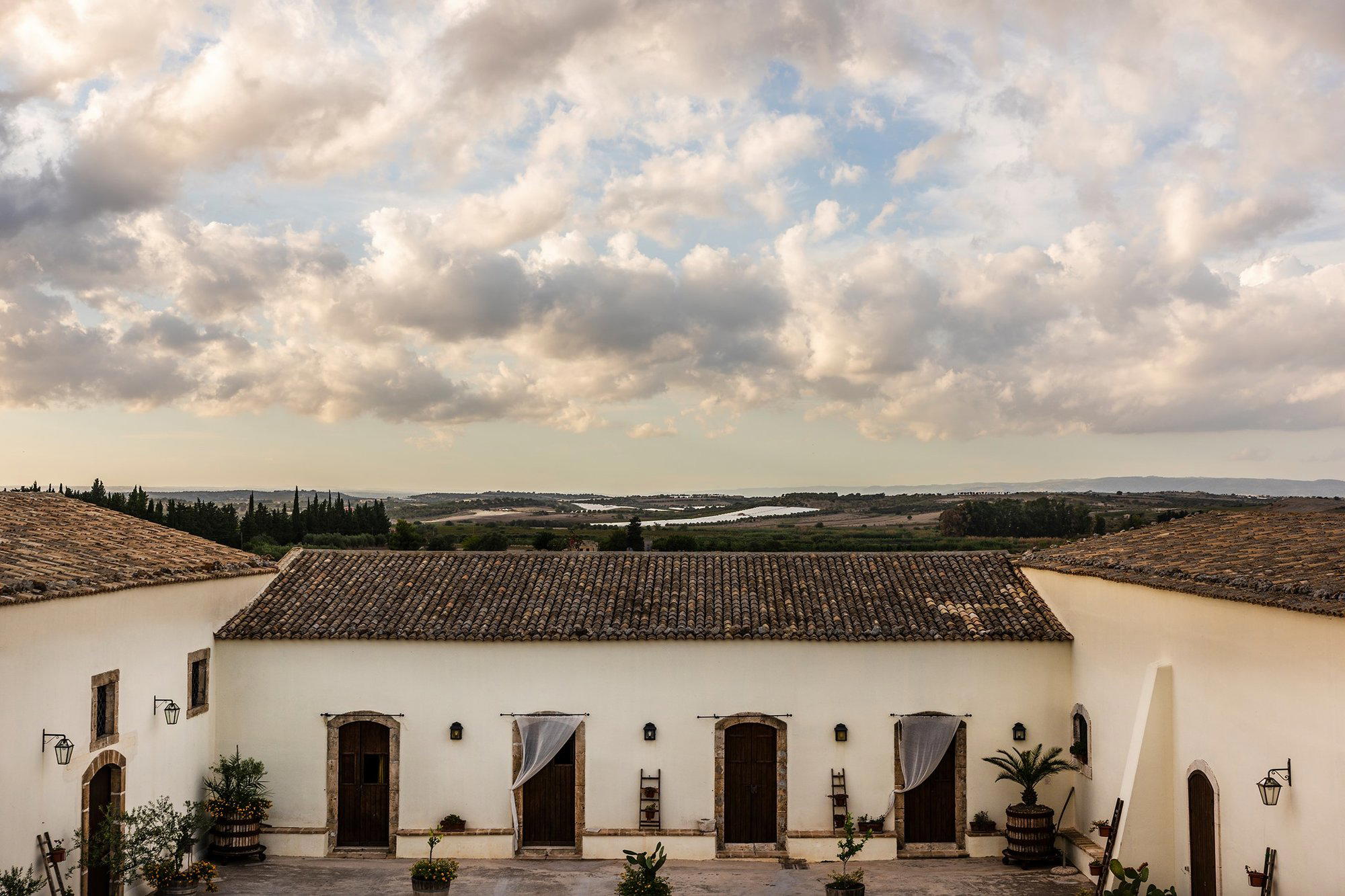
The approach to Country House Villadorata tells you something before you reach the door. The road leading into the estate passes through 57 acres of working Sicilian countryside: ancient olive trees, almond groves, citrus orchards, and a small vineyard laid out in the Val di Noto, the UNESCO World Heritage zone that produced some of the finest Baroque architecture in the Mediterranean. The buildings you eventually arrive at belong to a late 19th-century rural estate, and the restoration has been careful not to override the agricultural character that gave the property its identity in the first place.
This points to a pattern increasingly visible across premium rural hospitality in Italy. At estates like Rosewood Castiglion Del Bosco in Montalcino or Borgo Egnazia in Savelletri di Fasano, the physical property and its working land have become integral to the hospitality proposition rather than decorative backdrop. Villadorata sits firmly in that category: the estate functions as a biodynamic farm, and that relationship between soil and structure shapes everything from the design choices to what arrives on the plate.
The Architecture of a Working Estate
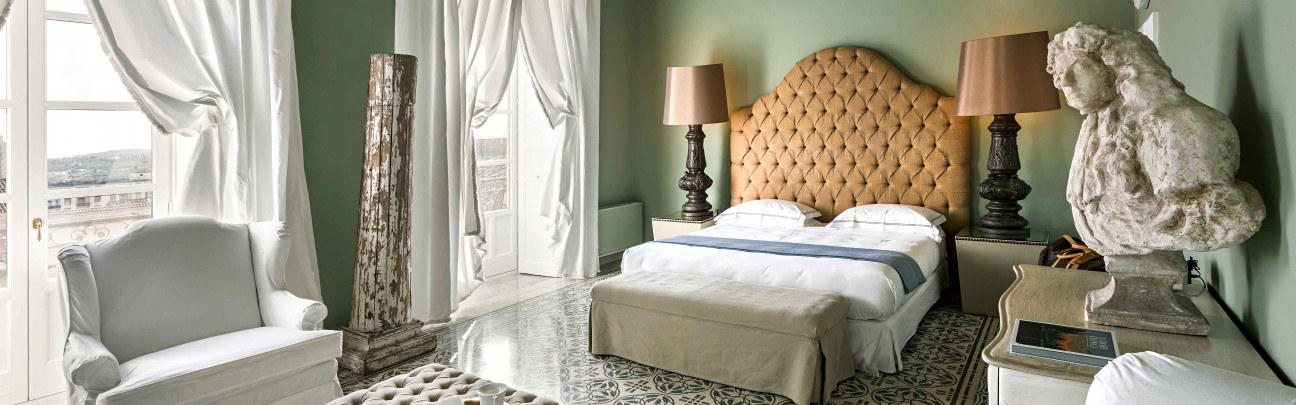
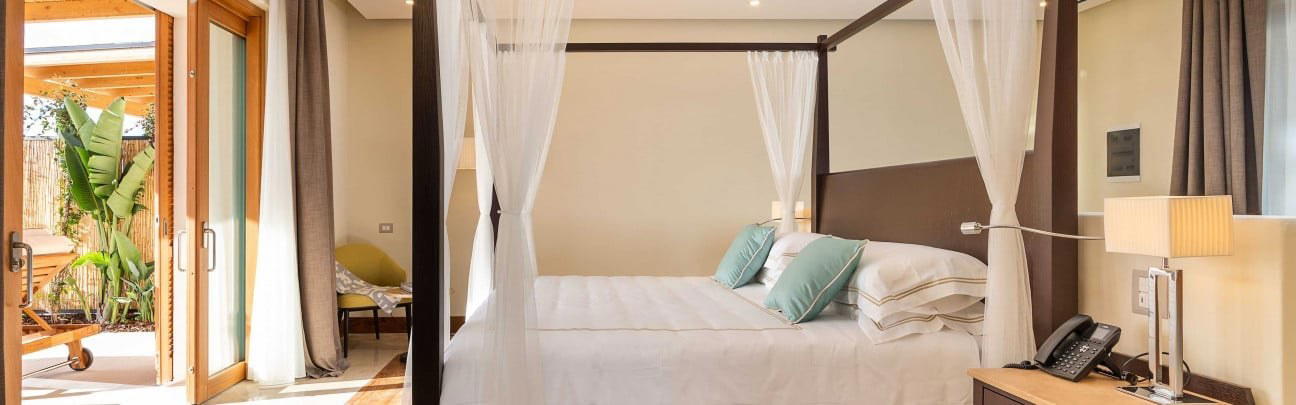
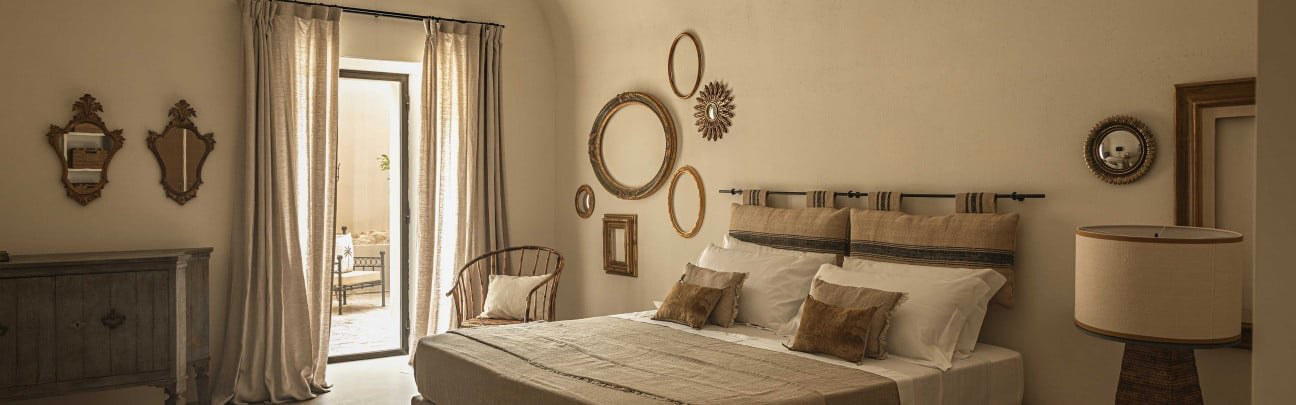
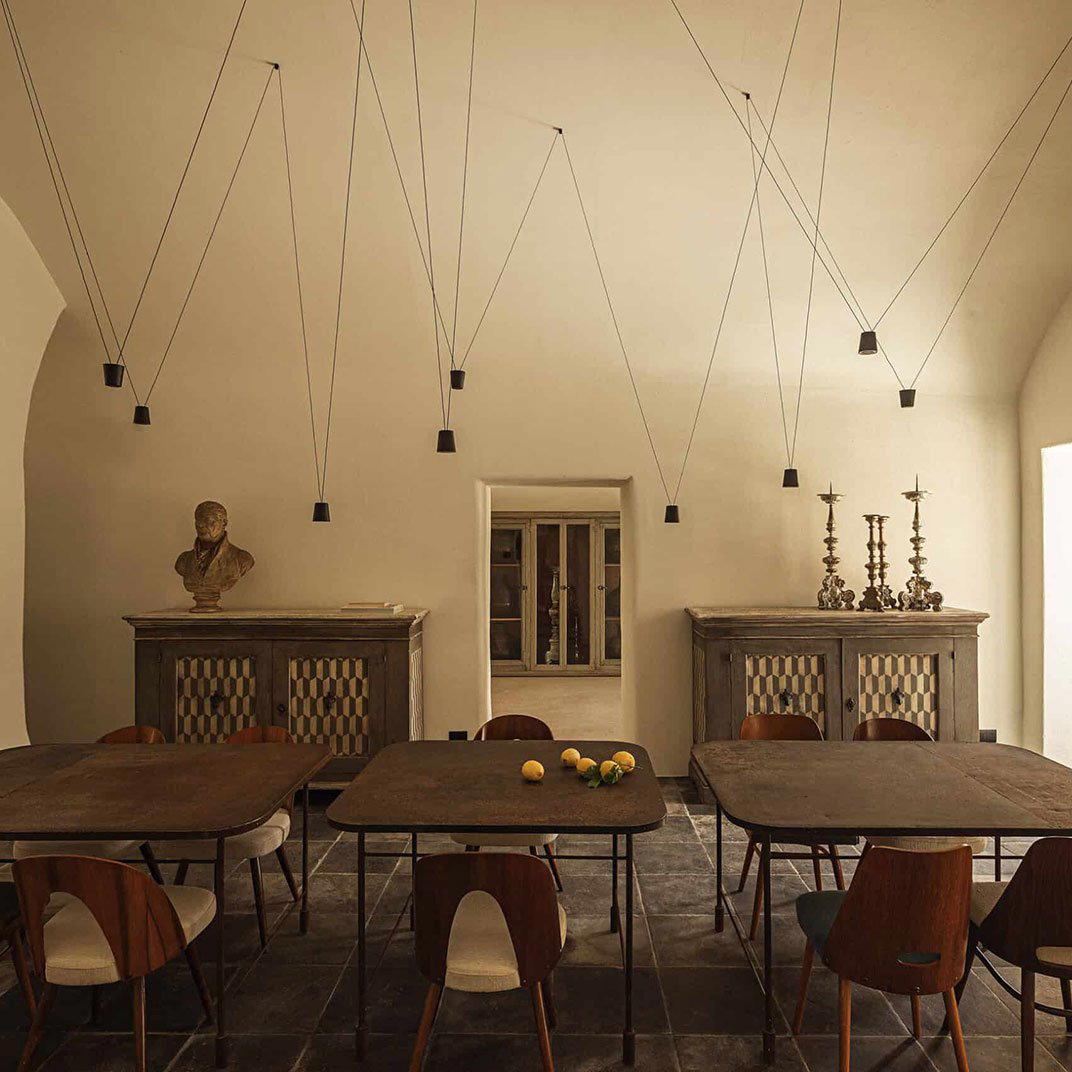
Across the 16 rooms, the estate offers meaningfully different spatial arrangements rather than a single standardised product. Accommodations are distributed either around the historic core of the 19th-century farm buildings or positioned in more secluded corners of the property, where the sense of separation from other guests is considerable. The design language across both zones prioritises local materials and restraint over statement interiors, which sits in contrast to some of the more design-forward rural conversions appearing across southern Italy.
The Ecosuites represent the most considered architectural gesture on the property. Sustainably constructed and refined in their detailing, these units include private hot tubs and have been designed with a level of finish that distinguishes them clearly from the standard room tier. The sustainability framing here is structural rather than cosmetic: the building methods and materials are part of the brief, not applied afterwards as a marketing category.
The estate's extra virgin olive oil appears in the artisanal bath products available in rooms, which closes a loop between the productive land outside and the domestic experience inside. It is a detail that could easily read as gimmick, but in context it functions as evidence of how consistently the estate has integrated its agricultural identity across different guest touchpoints.
The Val di Noto Setting
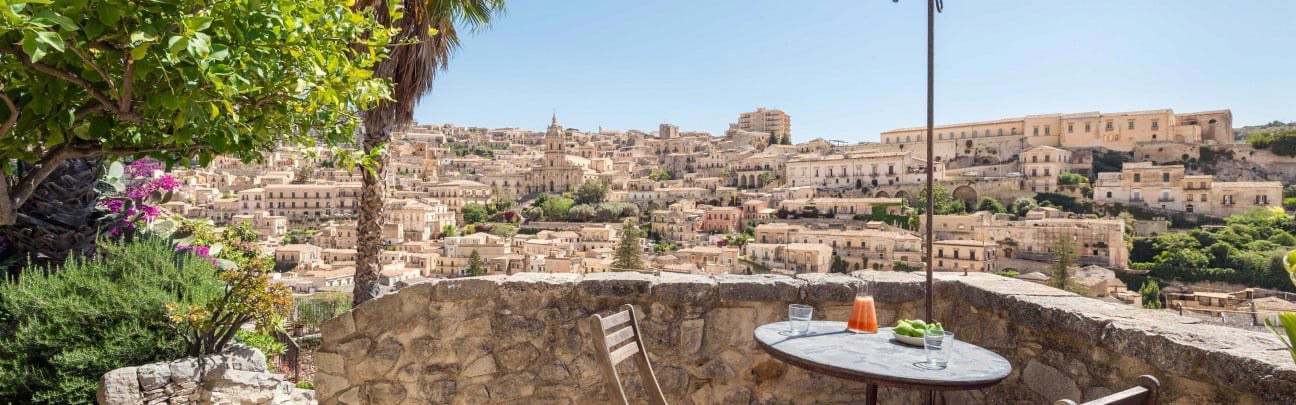
Noto itself sits at the southern edge of Sicily, and the Val di Noto designation covers one of the densest concentrations of late Baroque civic architecture in the world, rebuilt after the 1693 earthquake flattened the earlier settlements. The UNESCO listing reflects the coherence of that post-earthquake reconstruction period: the towns of Noto, Ragusa, Modica, Scicli, and Caltagirone were rebuilt within a compressed timeframe, producing a stylistic consistency that distinguishes the zone from other Baroque centres in Europe.
Staying at Villadorata places guests in the countryside surrounding this heritage zone rather than inside Noto's urban fabric. That distinction matters practically. The estate's walking trails give access to the agricultural landscape on foot, which is not something most of Noto's town-based accommodation can offer. For those who want proximity to the Baroque town centre combined with a retreat into rural surroundings, the positioning creates a different rhythm than staying in-town at a property like Q92 Noto Hotel.
The estate's companion property, Seven Rooms Villadorata, operates within Noto's historic centre and offers a fundamentally different urban experience. The two properties serve different versions of the Noto visit: the town palazzo for those who want to be inside the Baroque streetscape, and the country house for those who want the land itself as their primary context. Other Noto-area options worth considering include Hotel Il San Corrado di Noto and Masseria della Volpe. For broader context on eating and staying in the area, the full Noto guide covers the range of options across categories.
Orti di Villadorata and the Zero-Kilometre Kitchen
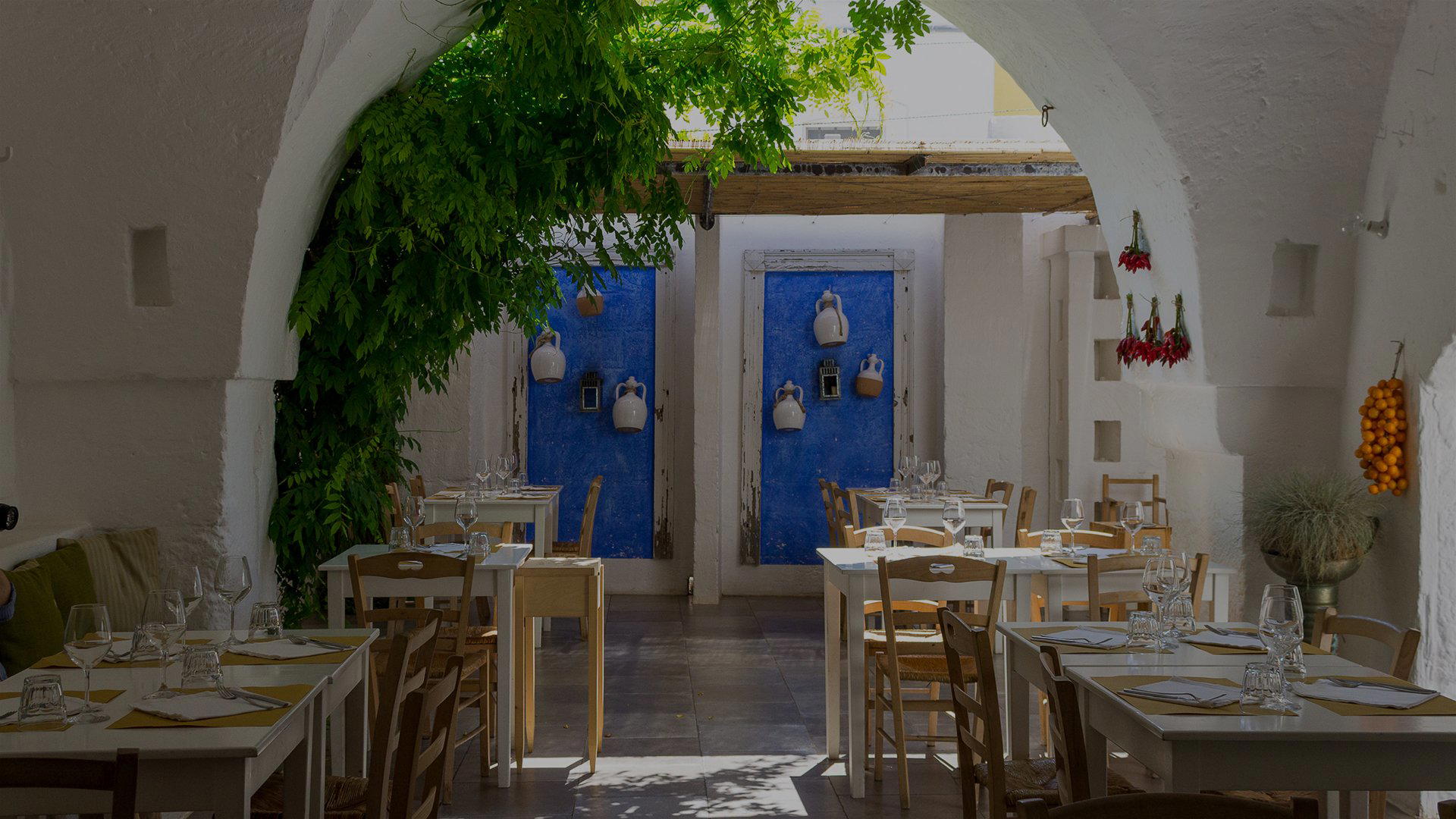
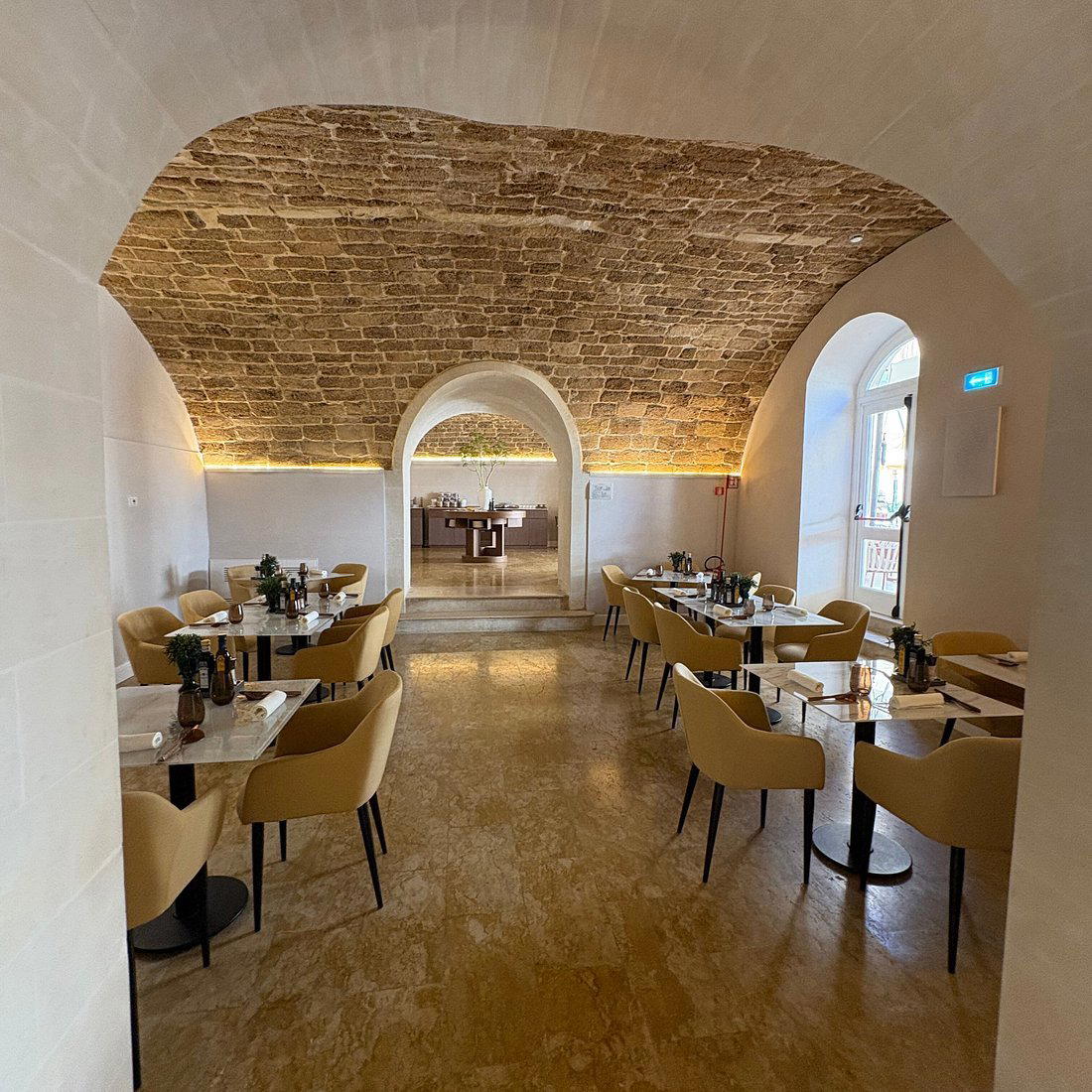
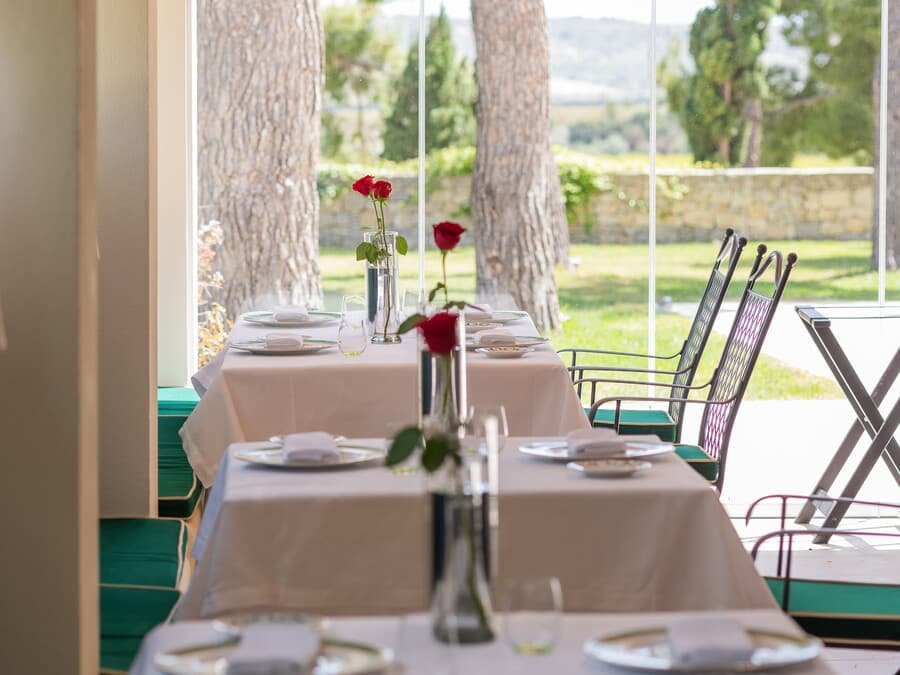
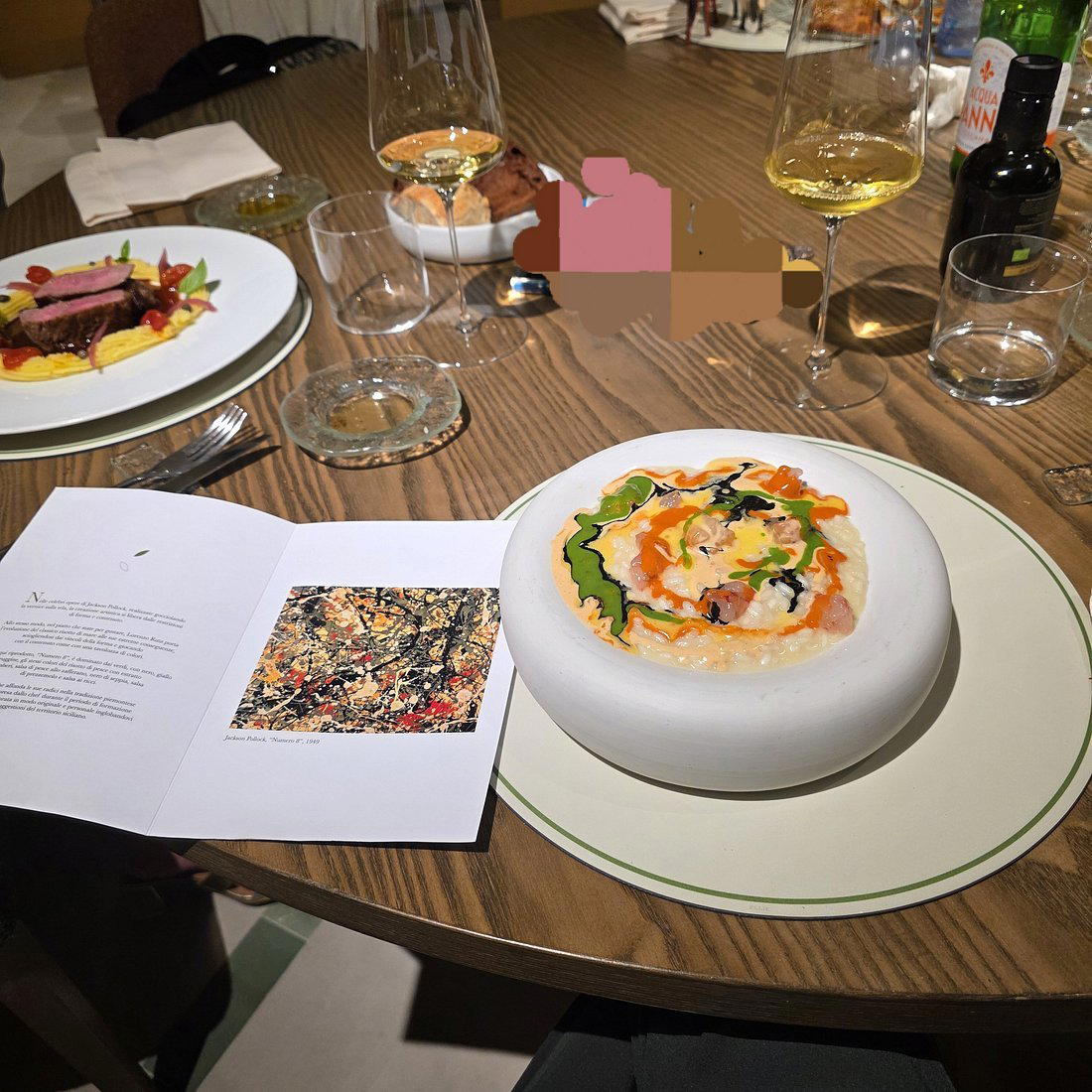
The on-site restaurant, Orti di Villadorata, operates on a zero-kilometre produce model drawing directly from the estate's biodynamic farm. The menu follows seasonal availability rather than a fixed repertoire, which in a biodynamic context means the kitchen's range shifts more dramatically across the year than a conventional farm-to-table operation would allow. The olive oil, citrus, almonds, and garden vegetables that define the estate's agricultural identity are the same ingredients that define the cooking.
This model connects Villadorata to a broader movement in Italian hospitality where the restaurant exists to express the estate's land rather than to operate as an independent dining destination. It places the property in a different competitive set from hotels with celebrity-chef partnerships or Michelin-starred dining rooms that function primarily as urban destination restaurants. The cooking here is accountable to the harvest, which is a different kind of constraint than menu engineering.
Recognition and Peer Positioning
Villadorata received a Michelin Key in 2024, placing it in the opening cohort of properties recognised under Michelin's hotel evaluation programme, which launched that year. The Key designation signals endorsement of the overall hospitality experience rather than dining alone, and in that context it positions Villadorata alongside properties that have made the physical environment and guest experience as coherent as any tasting menu.
Across Italy, the eco-resort format with working land, minimal intervention design, and agricultural identity has produced a distinct category of property, represented elsewhere by estates like Borgo San Felice Resort in Castelnuovo Berardenga and Casa Maria Luigia in Modena.
For comparison, properties in the Italian rural luxury tier that emphasise design identity more explicitly include Castello di Reschio in Lisciano Niccone and Corte della Maestà in Civita di Bagnoregio, while those oriented more toward coastal luxury sit at properties like Borgo Santandrea on the Amalfi Coast or Il San Pietro di Positano. Villadorata's agricultural and biodynamic emphasis gives it a distinct positioning within this broader Italian conversation.
Planning Your Stay
The estate sits at Contrada Portelle, outside Noto in the province of Syracuse, placing it within reach of the Val di Noto's principal Baroque towns by car. The mineral salt pool and walking trails mean the property functions as a destination in itself rather than purely as a base for day trips, and the 57 acres of grounds give guests meaningful space without requiring departure from the estate. With 16 rooms across different configurations and Ecosuite tiers, availability moves seasonally, and the Michelin Key recognition from 2024 has increased external attention on the property. Guests planning around peak Sicilian summer months would do well to book well ahead. Room pricing is not currently published in standardised form across booking channels, so direct contact with the estate is the recommended route for accurate rate information.
Fast Comparison
Comparable venues nearby, for context on price, style, and recognition.
| Venue | Cuisine | Price | Awards | Notes |
|---|---|---|---|---|
| Country House VilladorataThis venue (the venue you are viewing) | Rustic elegance blending 19th-century Sicilian architecture with contemporary minimalist design, emphasizing natural materials and organic surroundings. | Not listed | 1 Michelin Key · Mr & Mrs Smith Seal of Approval | Not listed |
| Masseria della Volpe | Restored Sicilian masseria eco-resort with traditional rural architecture and contemporary comforts. | $300–500 | 1 Michelin Key | Noto |
| Braccialieri | Boutique luxury resort and eco-villa retreat on a rural estate. | $300–500 | Michelin Selected · Town & Country Hotel Awards | Val di Noto |
| Seven Rooms Villadorata | Historic princely palace restored as intimate boutique hotel | $500–750 | 1 Michelin Key · Mr & Mrs Smith Seal of Approval | Centro Storico |
| Hotel Il San Corrado di Noto | Contemporary luxury resort in restored farmhouse | Not listed | Michelin Selected · Mr & Mrs Smith Seal of Approval | Noto countryside |
| Q92 Noto Hotel | Restored 18th-century baroque palazzo blending classic grandeur with modern luxury. | Not listed | Michelin Selected · Small Luxury Hotels of the World Member | Corso Vittorio Emanuele |
Recognition history
Dated appearances from independent guides and award organizations, with the underlying list record or original source where available.
Michelin 1 Key
Michelin
Mr & Mrs Smith Seal of Approval
Mr & Mrs Smith
Full recognition history (4 entries)
Michelin 1 Key
Michelin
Michelin 1 Key
Michelin
Continue exploring
More in Noto
Hotels in Noto
All hotels in Noto →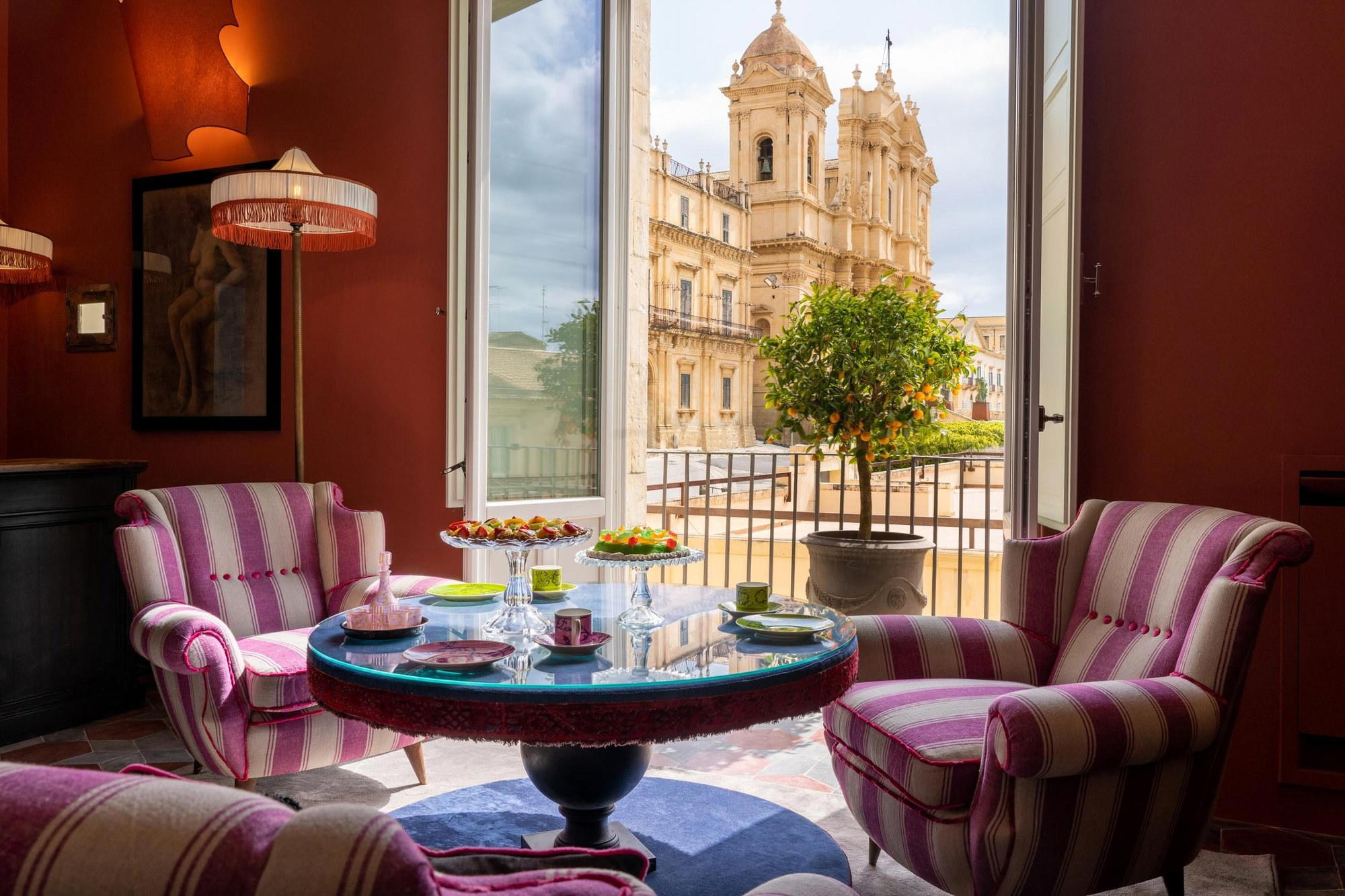

Details
- Romantic
- Quiet
- Scenic
- Elegant
- Sophisticated
- Honeymoon
- Romantic Getaway
- Anniversary
- Weekend Escape
- Wellness Retreat
- Private Villa
- Garden
- Terrace
- Panoramic View
- Private Dining
- Historic Building
- Design Destination
- Wi Fi
- Pool
- Spa
- Room Service
- Concierge
- Restaurant
- Bicycle Rental
- Airport Transfer
- Garden
- Vineyard
Serene and refined countryside retreat with warm Mediterranean light, natural materials, vintage furnishings, and an atmosphere of understated luxury enhanced by fragrant gardens and panoramic views of rolling hills and distant sea.