Caffe Luna
Our verdict
A fixture on Hargett Street since the 1990s, Caffe Luna has earned its place as one of downtown Raleigh's most enduring dining addresses. The crowd that fills its tables night after night tells its own story: this is a room where regulars return on instinct, not occasion. For visitors trying to read the city through its restaurants, that kind of sustained loyalty is worth paying attention to.

Pearl is the En Primeur Club membership app — saves, bookings, and concierge access live there. Same editors, same standards.
- Address
- 136 E Hargett St, Raleigh, NC 27601
- Phone
- (919) 832-6090
- Hours
- Mon ClosedTue–Thu 5–9 PMFri–Sat 5–10 PMSun Closed
- Website
- cafeluna.com
- Directions
- Get directions
- Booking
- Book on OpenTable
The menu
What to order
- Lasagna
- Pollo alla Griglia
- Rigatoni with Smoked Bacon
- Tiramisu
- Caesar Salad
The Room That Raleigh Keeps Coming Back To
There is a particular kind of restaurant that a city produces only once or twice per generation: not the one that opens with press coverage and a celebrity name attached, but the one that quietly becomes part of the furniture of daily life. On East Hargett Street in downtown Raleigh, Caffe Luna has occupied that position for decades. The address is not hard to find, but the reason people keep returning is harder to pin down in a single sentence. It has something to do with familiarity, and something to do with consistency, and something to do with the way a room that has seen a city change around it manages to feel both rooted and relevant at once.
Downtown Raleigh's dining character has shifted considerably over the past fifteen years. The blocks around Hargett and Fayetteville have absorbed wave after wave of new openings, from the Southern-focused ambition of places like Poole's Downtown Diner and Death and Taxes to the contemporary Indian cooking at Azitra and the Mediterranean-Indian crossover at Ajja. Caffe Luna predates much of that energy and has watched several waves of competitors arrive and, in some cases, depart. That kind of longevity in a competitive urban dining market is its own form of credential.
What the Regulars Know
The strongest signal about any restaurant's real quality is not its press coverage in the year it opened, but the composition of its dining room five or ten years later. At Caffe Luna, the tables on a midweek evening fill with a mix of professionals who work nearby, couples marking anniversaries they have marked here before, and solo diners who pull out a book and order without looking at the menu. That last detail matters: a room where people order from memory is a room where the kitchen has earned trust over time.
This is how enduring neighborhood restaurants operate in Italian-inflected dining traditions across American cities. The model is not built around tasting menus or rotating seasonal concepts, but around a core that people can rely on and return to. Raleigh's Italian dining scene sits in a different competitive tier from the destination-driven Italian programs you find at places like Le Bernardin in New York City or the farm-integration precision of Single Thread Farm in Healdsburg. Caffe Luna belongs to an older and arguably more democratic tradition: the neighborhood trattoria model that measures success in return visits rather than in reservation difficulty.
Italian-American restaurants of this type tend to develop an unwritten menu alongside the printed one. Regulars know what to ask for, what time the kitchen is at its most focused, and which tables offer better acoustics for conversation. That institutional knowledge, accumulated across years of visits, is what separates a genuinely local institution from a restaurant that merely has a long lease.
Hargett Street in Context
East Hargett Street has become one of the more concentrated blocks for dining and nightlife in central Raleigh, with foot traffic that sustains the kind of casual drop-in culture that Italian restaurants have historically depended on. The street-level position and the pull of the neighborhood mean that Caffe Luna draws as much from walk-in traffic as from advance planning, which reflects how long-standing Italian-format restaurants tend to operate in American cities where the dining culture is not yet primarily reservation-driven.
For a broader read on how downtown Raleigh's dining scene fits together across neighborhoods and price points, the full Raleigh restaurants guide maps the current picture in detail. Italian dining occupies a specific band within that map, sitting between the casual wine-bar format represented by Barcelona Wine Bar Raleigh and the more formal Italian-American experience at Anthony's La Piazza and Anthony's La Piazza Prime. Caffe Luna has historically occupied the middle of that range: approachable enough for a Tuesday dinner, serious enough for a Saturday celebration.
The Broader Frame: Longevity as Editorial Evidence
It is worth understanding what sustained operation in a changing downtown actually signals. Cities like Raleigh have seen accelerating restaurant turnover since 2015, driven by rising real estate costs, shifting dining habits, and the compressed attention cycle of social media. Against that backdrop, restaurants that have held their ground for multiple decades are not simply lucky. They have solved for something that newer openings often miss: the gap between first impressions and repeat visits.
The model that Caffe Luna represents has analogues across American dining. At the highest tier of this kind of sustained critical respect, you find places like The French Laundry in Napa, Blue Hill at Stone Barns in Tarrytown, and The Inn at Little Washington, all of which built their reputations over decades rather than seasons. Caffe Luna operates at a different scale and price point, but the underlying logic of longevity as a trust signal is the same.
For visitors approaching Raleigh through its restaurant scene for the first time, places like Smyth in Chicago, Lazy Bear in San Francisco, Providence in Los Angeles, Addison in San Diego, Atomix in New York City, Emeril's in New Orleans, and Atelier Moessmer Norbert Niederkofler in Brunico set a global benchmark for what serious dining commitment looks like across different categories. Caffe Luna is not in competition with those rooms. It competes on a different axis: accessibility, reliability, and the kind of local embedding that makes a restaurant feel less like a destination and more like a place you happen to know.
Planning Your Visit
Caffe Luna sits at 136 East Hargett Street in downtown Raleigh, within walking distance of the central business district and easily accessible from most of the city's downtown hotels. Given the restaurant's long-established reputation and the density of dining options on this block, arriving early or calling ahead is advisable on weekends. Visitors who prefer more spontaneous plans may find weeknight evenings more accommodating for walk-in seating. For current hours, reservation policies, and menu details, contacting the restaurant directly or checking current listings is the most reliable approach, as operational details shift seasonally in most Italian-format restaurants of this scale.
Frequently asked questions
Where is Caffe Luna in Raleigh?
Caffe Luna is located at 136 E Hargett St, Raleigh, NC 27601, Raleigh.
Is Caffe Luna a good option for a weeknight dinner near downtown Raleigh's central business district?
At 136 East Hargett Street, Caffe Luna sits within walking distance of the central Raleigh business district, making it a practical choice for post-work dining on weeknights. The restaurant's sustained operation in a block with high foot traffic suggests it accommodates both planned dinners and less structured visits. Confirming current hours directly with the venue is advisable before a weeknight trip.
What do people recommend at Caffe Luna?
Caffe Luna has operated long enough on East Hargett Street that returning regulars rather than first-time visitors drive its reputation. The dishes most requested tend to reflect the kitchen's consistent output rather than seasonal novelty. For current menu specifics, checking directly with the restaurant before your visit is the practical move.
Do they take walk-ins at Caffe Luna?
Caffe Luna is located at 136 East Hargett Street in a block that draws steady foot traffic from the central Raleigh business district, which means walk-in availability varies by day and time. Evenings on weekends carry higher demand given the concentration of dining and nightlife on that stretch of Hargett. Arriving early or contacting the restaurant directly gives you the clearest picture of same-day availability.
What's Caffe Luna best at?
The clearest evidence of what Caffe Luna does well is its sustained presence in downtown Raleigh, a market where restaurant turnover runs high. Longevity at a single address on East Hargett Street signals a dining room that has retained a local base across multiple shifts in the city's restaurant scene. That kind of repeat custom is built on consistent execution rather than novelty.
How does Caffe Luna handle allergies?
Downtown Raleigh restaurants of this standing typically adjust for common allergens when given advance notice. Confirming specifics with the kitchen before arrival remains the safest course.
Should I splurge on Caffe Luna?
Caffe Luna sits on East Hargett Street in a downtown Raleigh block that covers a range of price points, and its durability in that competitive environment suggests a value proposition that works for its local base. Without a published price range, the best gauge is to check the current menu before booking. If the room keeps filling with regulars year after year, the pricing tends to reflect what the market consistently finds reasonable.
Cuisine and Awards Snapshot
Comparable venues nearby, for context on price, style, and recognition.
| Venue | Cuisine | Price | Notes |
|---|---|---|---|
| Caffe LunaThis venue — the venue you are viewing | Tuscan Italian | $30–50 | Not listed |
| Cafe Tiramisu | Authentic Northern Italian | $30–50 | Wakeview |
| Il Falò Wood-Fired Kitchen | Wood-Fired Italian | $30–50 | Leesville Hollow |
| Encore Ristorante | Italian Steakhouse | $50–100 | Wakefield Park |
| Gravy | Italian Trattoria | $30–50 | Fayetteville Street |
| Anthony's La Piazza Prime | Upscale Italian Steakhouse | $30–50 | Glenwood South |
Details
- Elegant
- Romantic
- Classic
- Cozy
- Date Night
- Business Dinner
- Group Dining
- Celebration
- Private Event
- Historic Building
- Private Dining
- Open Kitchen
- Extensive Wine List
- Sommelier Led
- Local Sourcing
- A La Carte
- Family Style
- Wine
- Vegetarian Friendly
- Vegan Options
- Gluten Free Options
Current opening hours
- Monday
- Closed
- Tuesday
- 5–9 PM
- Wednesday
- 5–9 PM
- Thursday
- 5–9 PM
- Friday
- 5–10 PM
- Saturday
- 5–10 PM
- Sunday
- Closed
Hours can change for holidays and private events. Last verified .
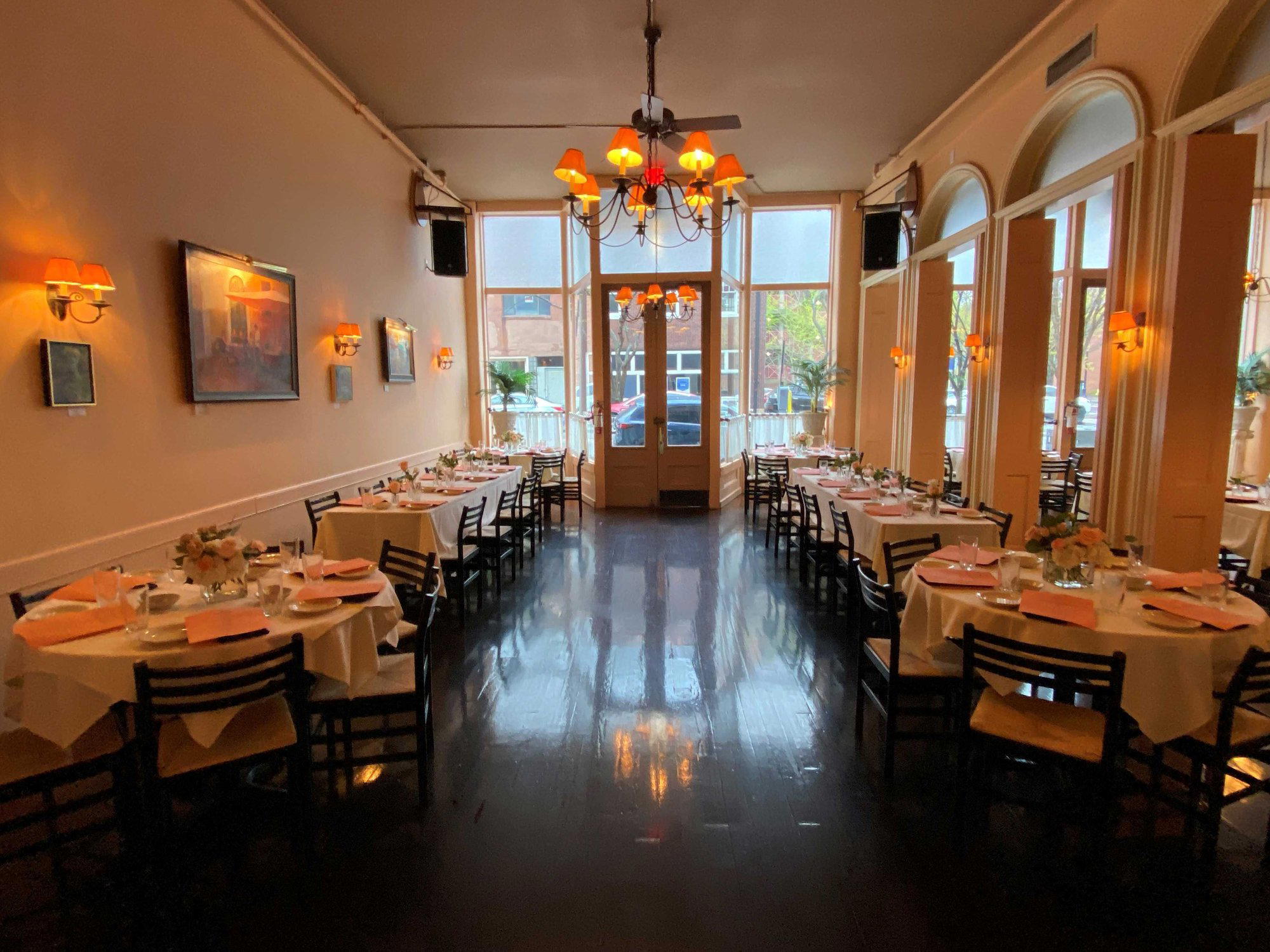
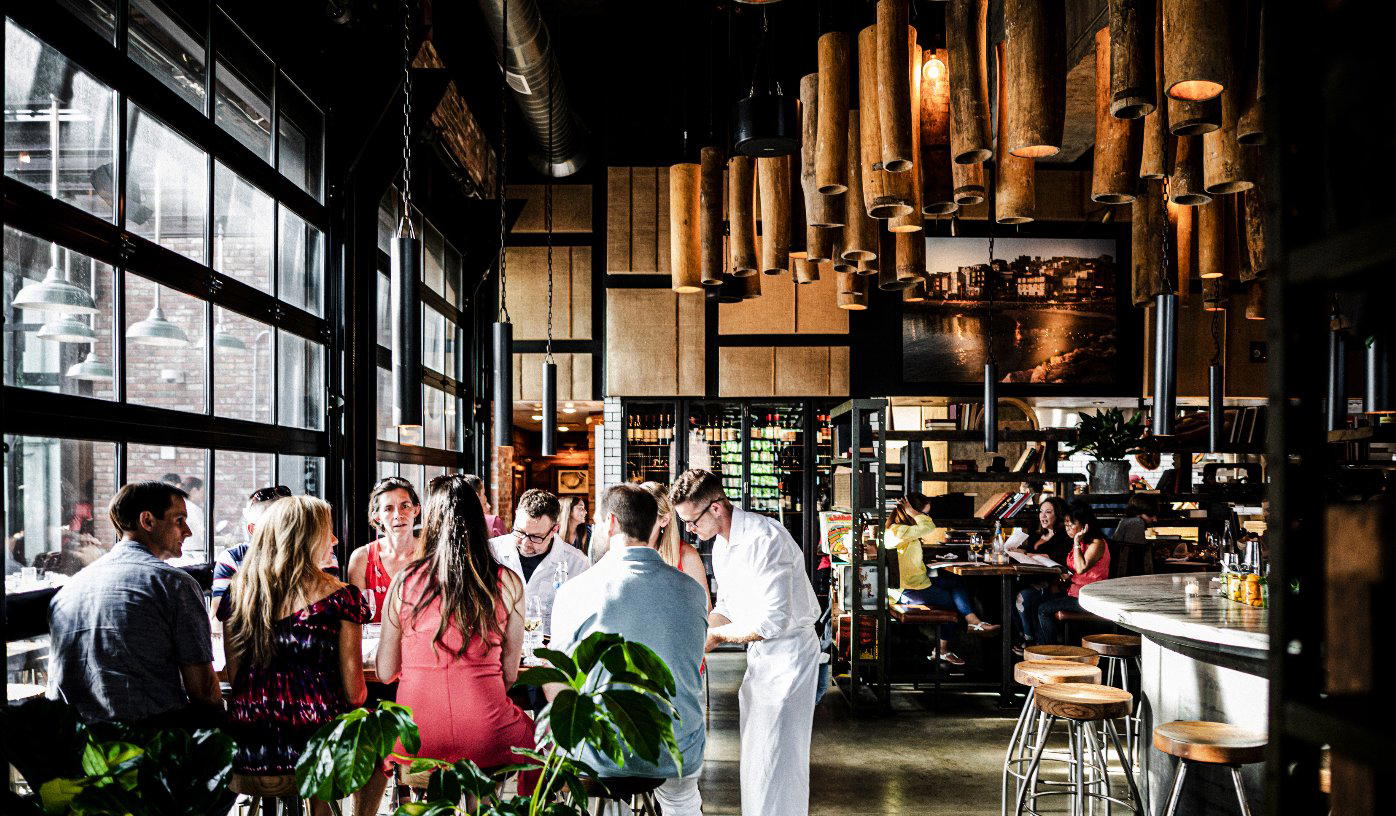
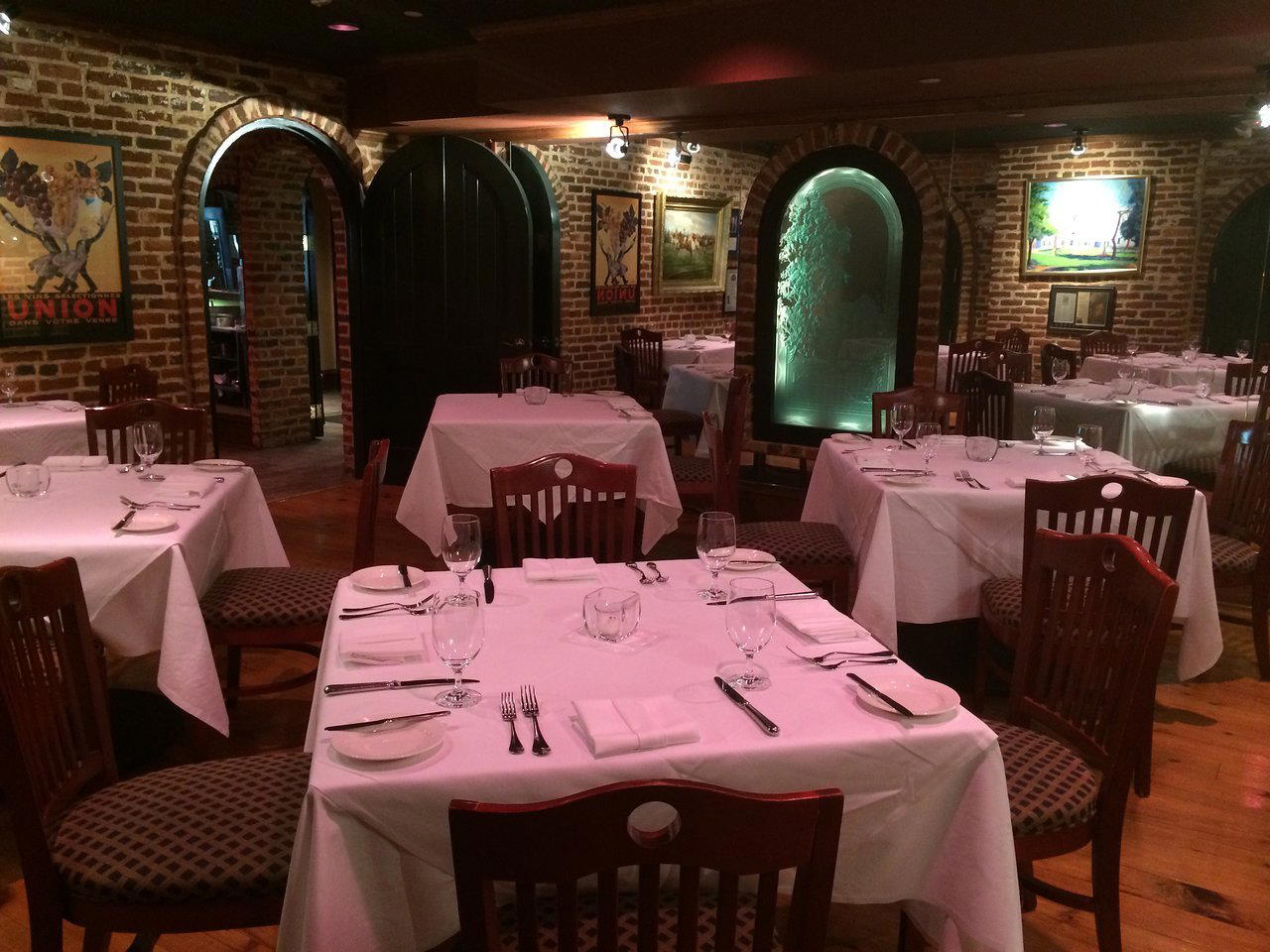
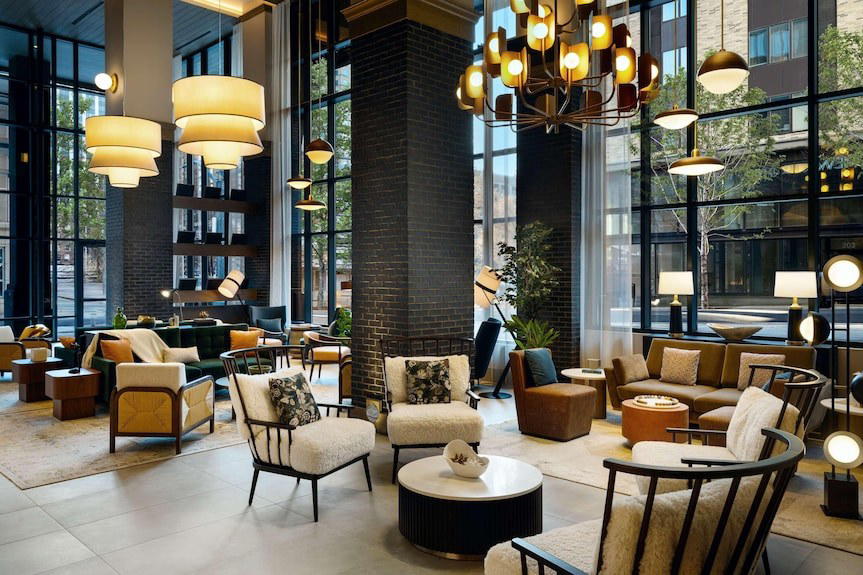
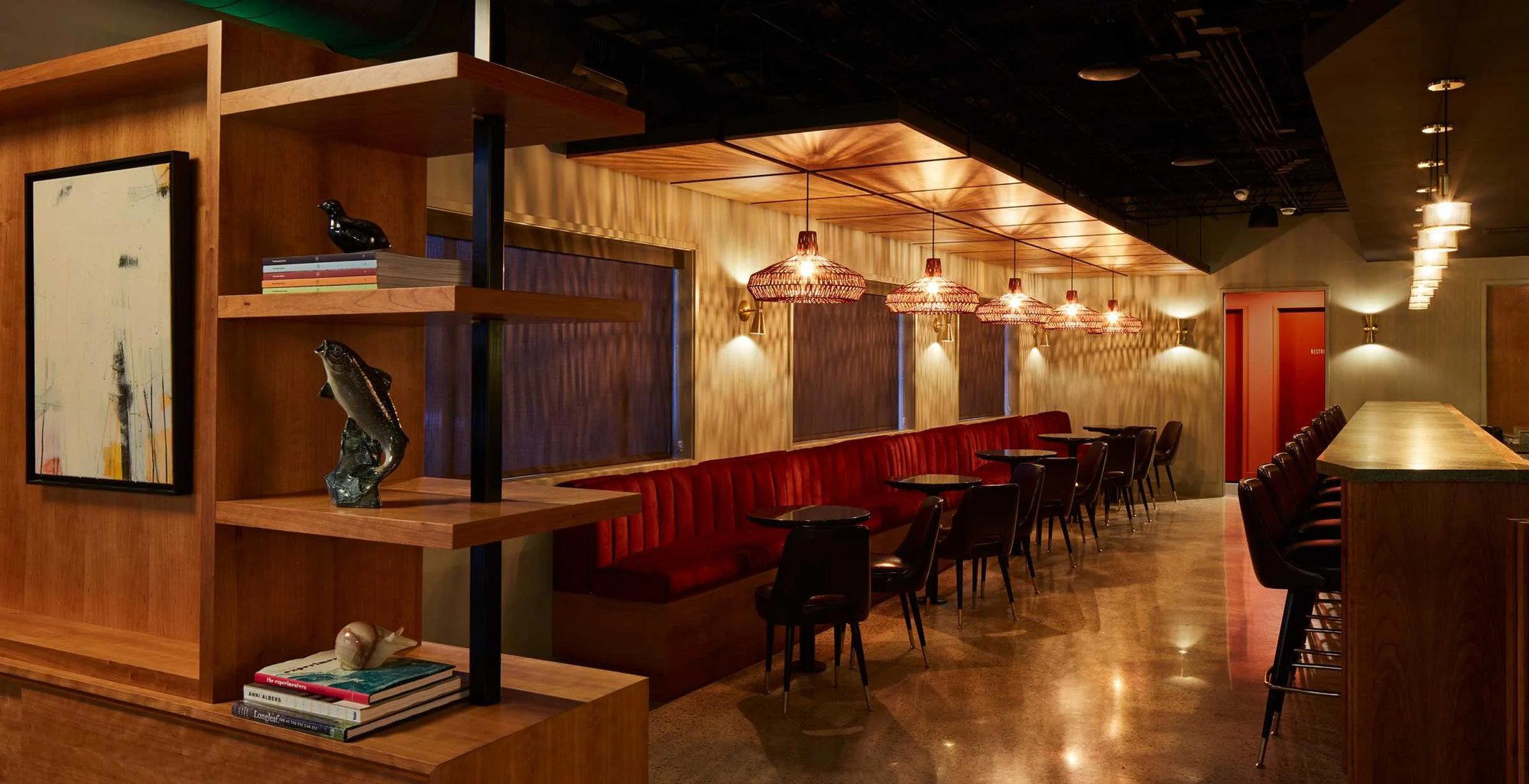
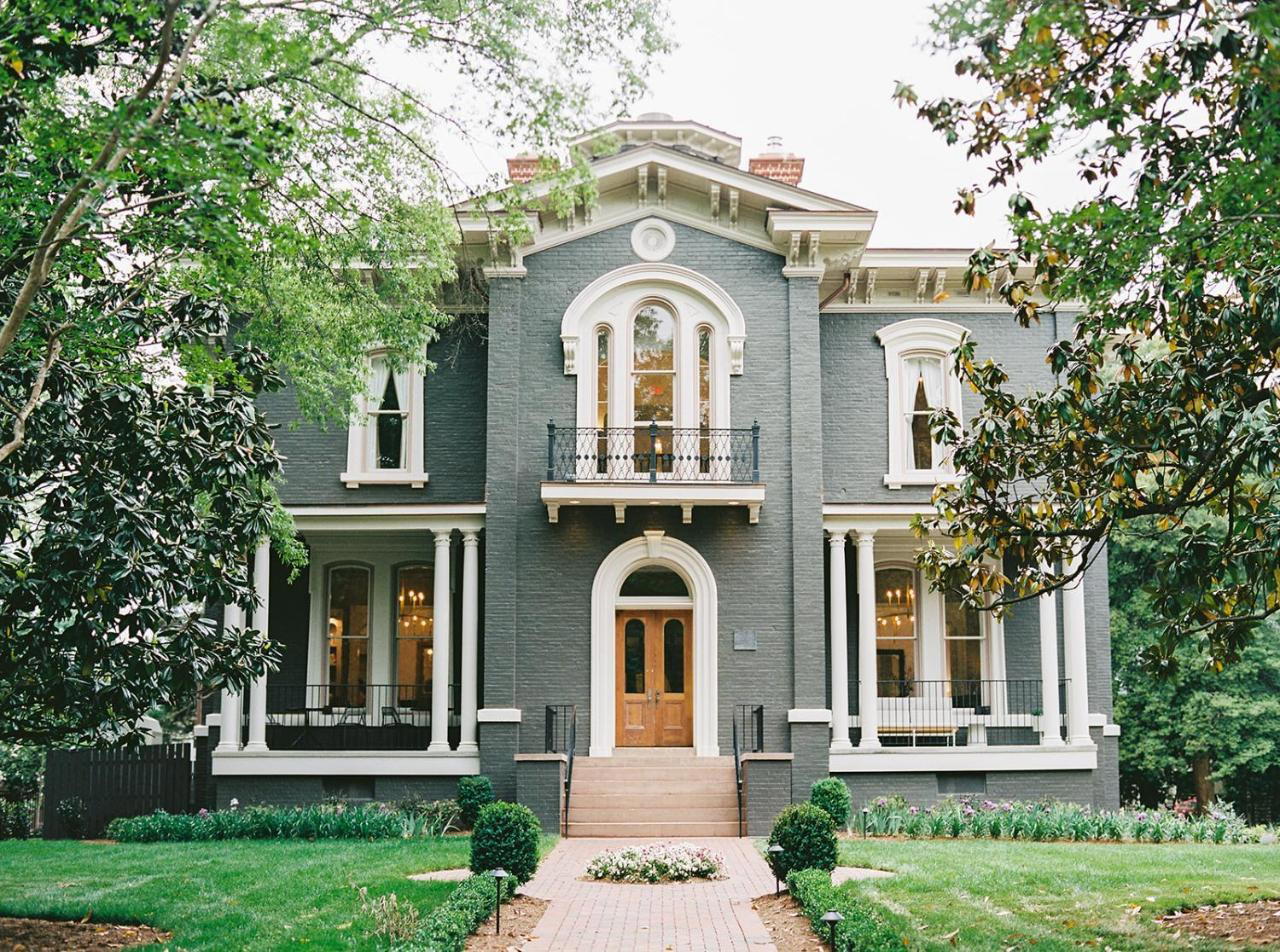
Warm and inviting with natural light flooding through floor-to-ceiling windows in the main dining room, creating an elegant yet comfortable atmosphere.