Perched on Level 5 of Sydney's Customs House, Cafe Sydney occupies one of the most commercially significant dining addresses in the city: harbour views framed by the Bridge, a room that reads the CBD's daily rhythm, and a kitchen focused on Australian produce with a clear coastal lean. For a long lunch with visiting clients or a dinner that earns its setting, few addresses in the city centre compete on all three counts.
Pearl is the En Primeur Club membership app — saves, bookings, and concierge access live there. Same editors, same standards.
- Address
- Level 5 Customs House, 31 Alfred St, Sydney NSW 2000, Australia
- Phone
- +61 2 9251 8683
- Website
- cafesydney.com
- Directions
- Get directions
 Saves & bookings on Pearl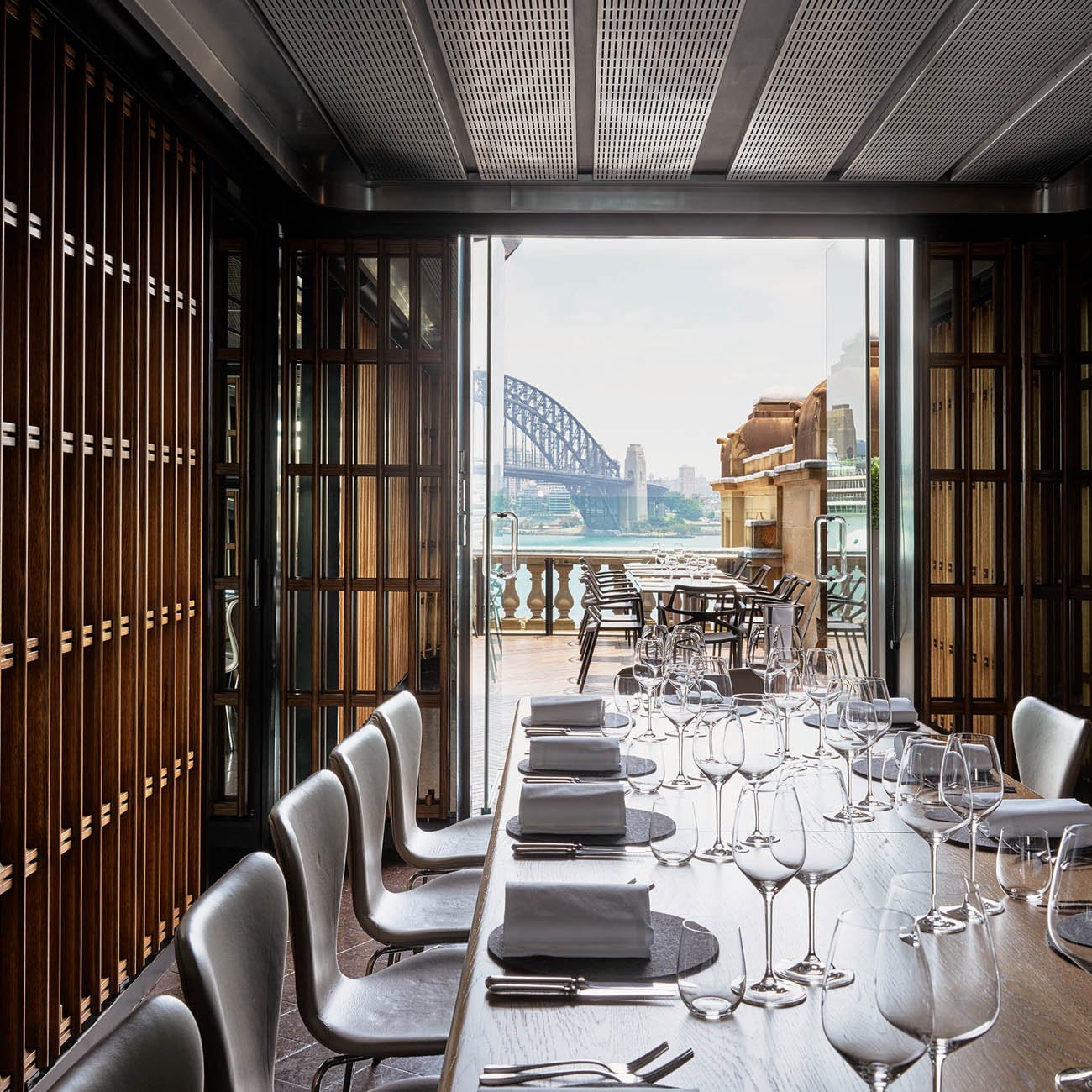
A Room That Does the Work Before the Food Arrives
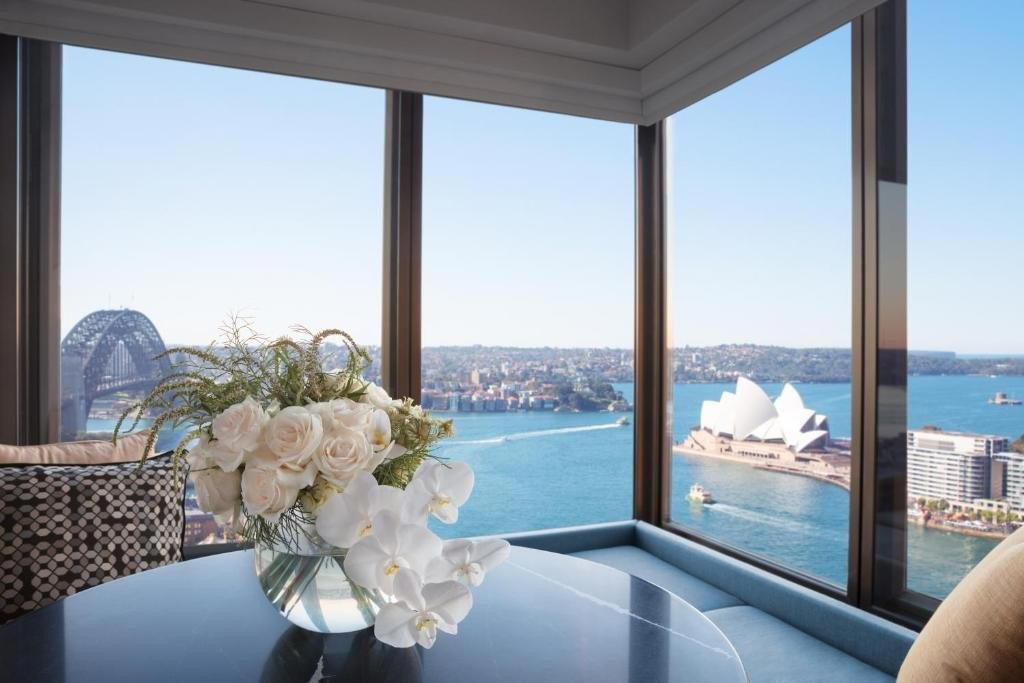
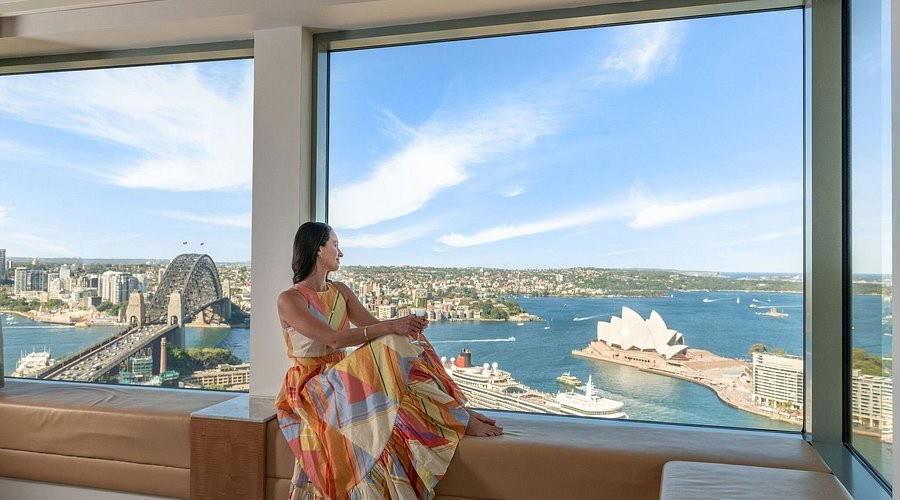
The approach matters here. You take the lift inside Customs House, a heritage sandstone building on Alfred Street that dates to 1885 and sits at the eastern edge of Circular Quay. When the doors open on Level 5, the room delivers immediately: a wraparound terrace, harbour light coming in from the north, and a sightline to the Sydney Harbour Bridge that no amount of interior design can replicate. Sydney's premium dining scene has always traded on location as much as on the plate, and Cafe Sydney sits at the sharper end of that equation. This is a room that sets an expectation, and the kitchen's job is to meet it.
That dynamic, where setting and produce must work in tandem, shapes how the better Sydney dining rooms are assessed. Rockpool (Australian Cuisine) and Bennelong operate in similarly loaded architectural spaces; each has had to build a kitchen program serious enough to justify the address. At Cafe Sydney, the Circular Quay position places it in direct conversation with the harbour-facing tier of the city's restaurant offering, a category where the clientele skews toward international visitors, corporate lunches, and occasion diners rather than the neighbourhood regulars who drive places like 10 William St.
Australian Produce at the Harbour's Edge
Sydney's position as a coastal city with access to some of Australia's most productive fishing grounds, farms, and pastoral land has made ingredient provenance a defining editorial theme for its better restaurants. The question is rarely whether a kitchen uses Australian produce; it is how specifically, and to what depth. The restaurants that have built lasting reputations in this city, from Saint Peter (Australian Seafood) to Ormeggio at The Spit in Mosman, have done so by committing to a sourcing philosophy that goes beyond seasonal lip service.
Cafe Sydney's coastal orientation makes sense given its geography. The harbour is visible from the table; the logical extension of that is a menu that reads the water as a primary ingredient source. The NSW coast and surrounding waters supply some of the country's most sought-after seafood: Sydney rock oysters from the Clyde River, wild kingfish, Morton Bay bugs, and Blue Eye trevalla all circulate through the better harbour-adjacent kitchens. Across Australia's broader fine dining circuit, restaurants like Pipit in Pottsville and Salt Water Restaurant in Cairns have built their entire identity around proximity to a specific coastline; the same logic applies here, though scaled to a larger, more commercially active room.
Sourcing credibility in the Australian context is increasingly attached to regionality rather than just nationality. Kitchens that can trace a piece of fish to a named boat or a cut of beef to a named property are operating at a different register than those working through distribution intermediaries. This is the tier that Brae in Birregurra and Attica in Melbourne occupy, where provenance is architecture rather than garnish. Whether the Cafe Sydney kitchen operates at that level of specificity is a question leading answered by the menu on the night, but the category it occupies, harbour-facing, produce-led, with a seafood emphasis, places it in a recognisable lineage of Australian coastal dining.
Where It Sits in the Sydney Dining Picture
Sydney's restaurant market has stratified fairly sharply over the past decade. At one end, small-format, chef-driven rooms with tight menus and verifiable sourcing credentials have captured most of the critical attention. At the other, larger-format venues with premium real estate have held the corporate and occasion-dining market. Cafe Sydney occupies the latter bracket, which is not a criticism but a useful orientation for anyone planning a visit. The comparison set is not 10 Pounds or 1021 Mediterranean; it is the group of venues where the room, the service infrastructure, and the occasion itself are as much the product as the cooking.
Internationally, the equivalent category is well-established. Le Bernardin in New York City and the better harbour-adjacent rooms in cities like Hong Kong and Singapore have demonstrated that high-volume, location-premium dining can sustain serious culinary ambition. The challenge, which every venue in this bracket faces, is ensuring that the kitchen keeps pace with what the room promises. For a venue like Cafe Sydney, the reference points are domestic: the produce-serious, occasion-appropriate rooms that have learned to serve 100 covers a night without becoming generic.
For a broader read on where Cafe Sydney sits within the full spectrum of Sydney dining, the EP Club Sydney restaurants guide maps the city by neighbourhood, format, and category. Across the rest of Australia, the sourcing-forward model is visible in places as varied as Botanic in Adelaide, Hentley Farm in Seppeltsfield, Laura at Pt Leo Estate in Merricks, and Provenance in Beechworth, each of which has built a distinct identity around where its ingredients come from. Lizard Island Resort in Lizard Island takes that logic to its furthest geographic point. The comparison is instructive: produce-driven ambition is no longer a metropolitan advantage.
For visitors using Sydney as an international entry point, Lazy Bear in San Francisco offers a useful transatlantic comparison for what a format-conscious, produce-anchored dining room looks like when the cooking matches the ambition of the address.
Planning a Visit
Customs House is a short walk from Circular Quay station and the ferry terminals, which makes Cafe Sydney one of the more logistically accessible premium dining addresses in the city, particularly for visitors staying in the CBD or arriving from the airport via the Eastern Suburbs line. The Level 5 position means the terrace is exposed to harbour winds in winter, so for anyone prioritising the outdoor experience, the warmer months between October and March offer the most reliable conditions. The room operates across lunch and dinner, and the lunch service, particularly midweek, captures the harbour light at its most useful. As a larger-format venue in a landmark building, walk-in availability is more plausible than at the tighter, booking-heavy rooms in Surry Hills or Paddington, though weekend dinner is a different calculation. Checking directly via the venue is advisable before assuming a table is available at short notice.
Quick Comparison
| Venue | Cuisine | Price | Awards |
|---|---|---|---|
| Cafe Sydney RestaurantThis venue — the venue you are viewing | This venue | Not listed | Not listed |
| Rockpool | Australian Cuisine | World's 50 Best | Australian Cuisine |
| Saint Peter | Australian Seafood | World's 50 Best | Australian Seafood |
| BENTLEY Restaurant & Bar | Australian Modern | Australian Modern | Not listed |
| Bennelong | Australian Cuisine | Australian Cuisine | Not listed |
Continue exploring
More in Sydney
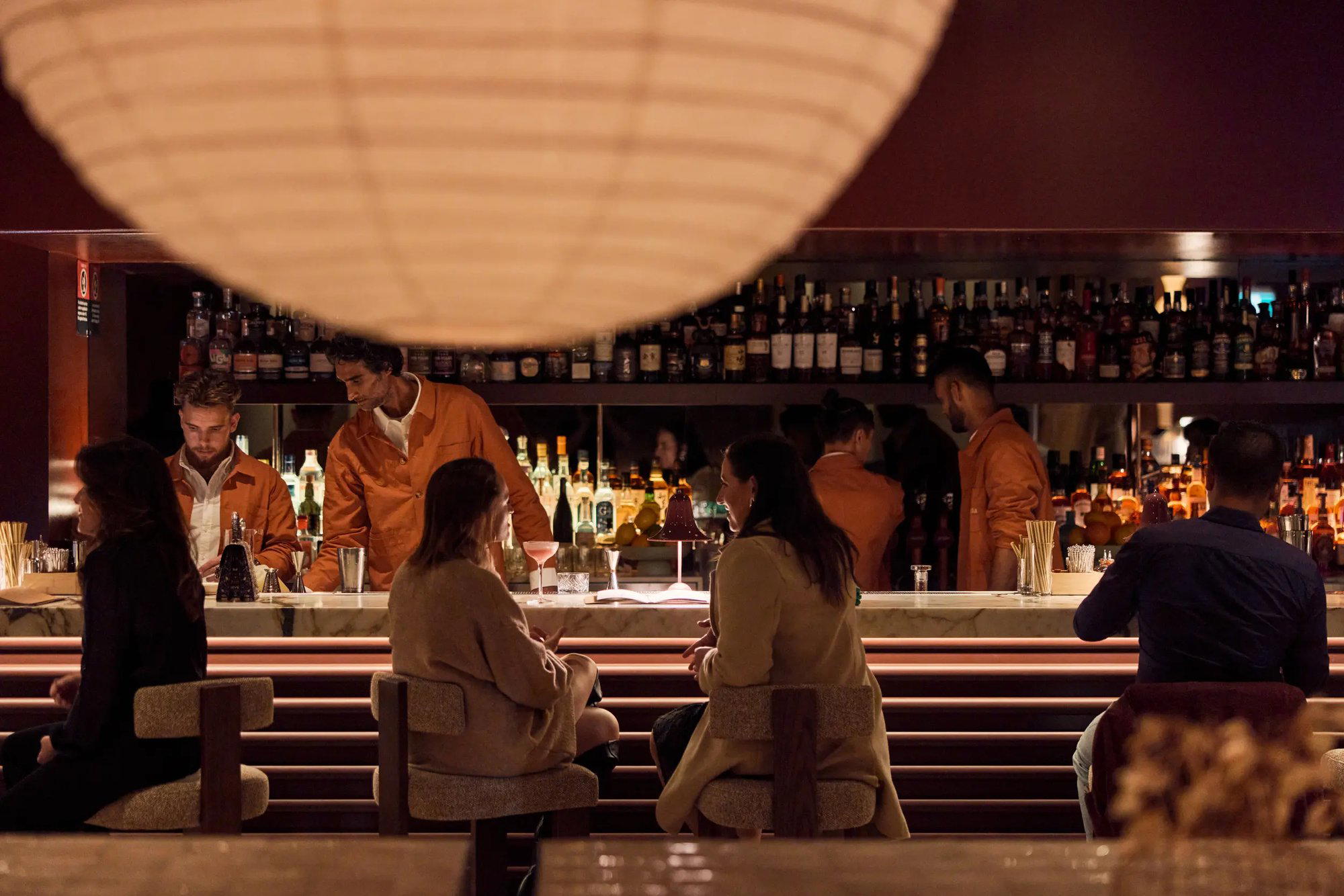
Restaurants in Sydney
Browse all →
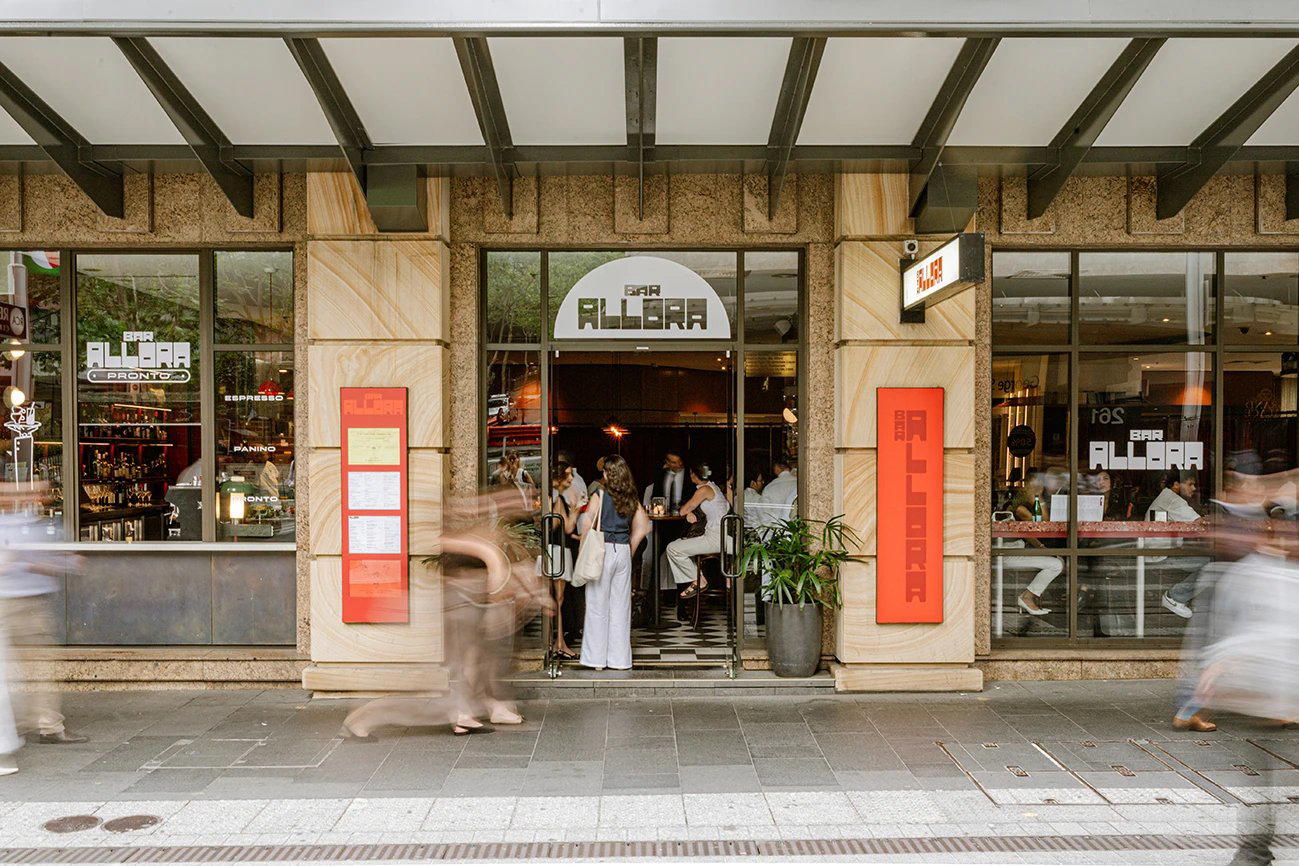
Bars in Sydney
Browse all →
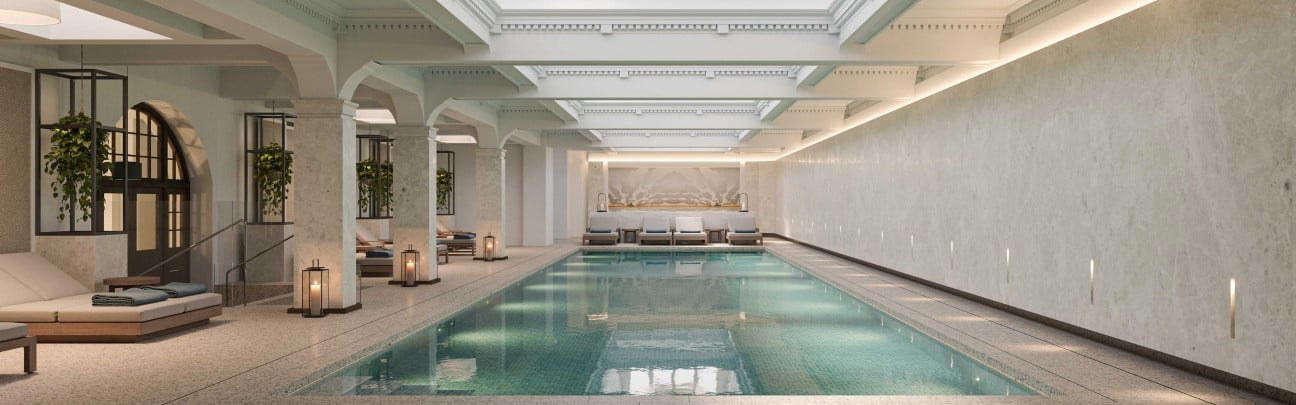
Hotels in Sydney
Browse all →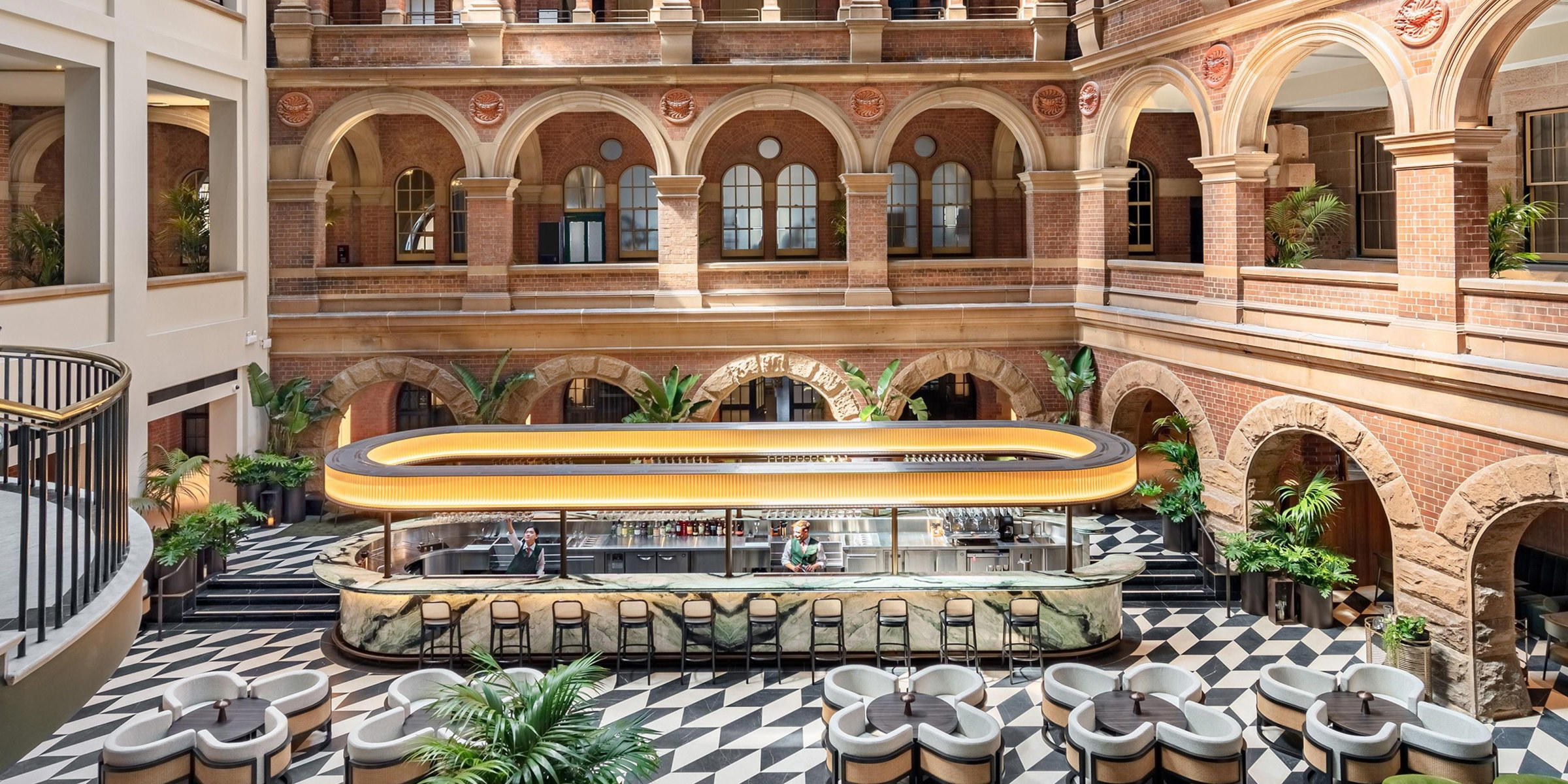

At a Glance
- Scenic
- Elegant
- Sophisticated
- Well Known
- Date Night
- Special Occasion
- Business Dinner
- Rooftop
- Waterfront
- Panoramic View
- Private Dining
- Extensive Wine List
- Local Sourcing
- Waterfront
- Skyline
Current opening hours
- Monday
- 12–10:30 PM
- Tuesday
- 12–10:30 PM
- Wednesday
- 12–10:30 PM
- Thursday
- 12–10:30 PM
- Friday
- 12–10:30 PM
- Saturday
- 12–10:30 PM
- Sunday
- 12–5 PM
Hours can change for holidays and private events. Last verified .
Relaxed contemporary interior with dramatic harbour views, lively atmosphere, and outdoor terrace.
Know Before You Go
- Getting there
- Level 5 Customs House, 31 Alfred St, Sydney NSW 2000, Australia