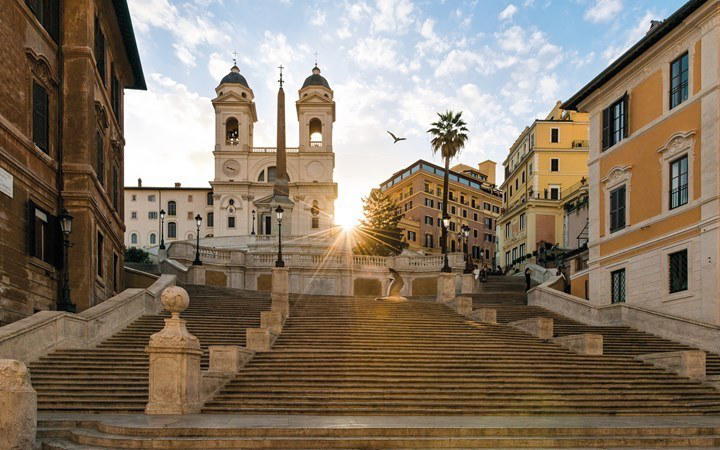
Café Romano Restaurant belongs to the Spanish Steps side of Rome, where dining is shaped as much by shopping streets, hotel lobbies, and aperitivo traffic as by old trattoria habits. With no published awards, chef, price, or format attached, it reads as a city-centre address to judge by setting and sourcing priorities rather than trophy signals.
Pearl is the En Primeur Club membership app — saves, bookings, and concierge access live there. Same editors, same standards.
- Address
- Via Borgognona, 4M, 00187 Roma RM, Italy
- Phone
- +39 06 6998 1700
- Website
- collezione.starhotels.com
- Directions
- Get directions
 Saves & bookings on Pearl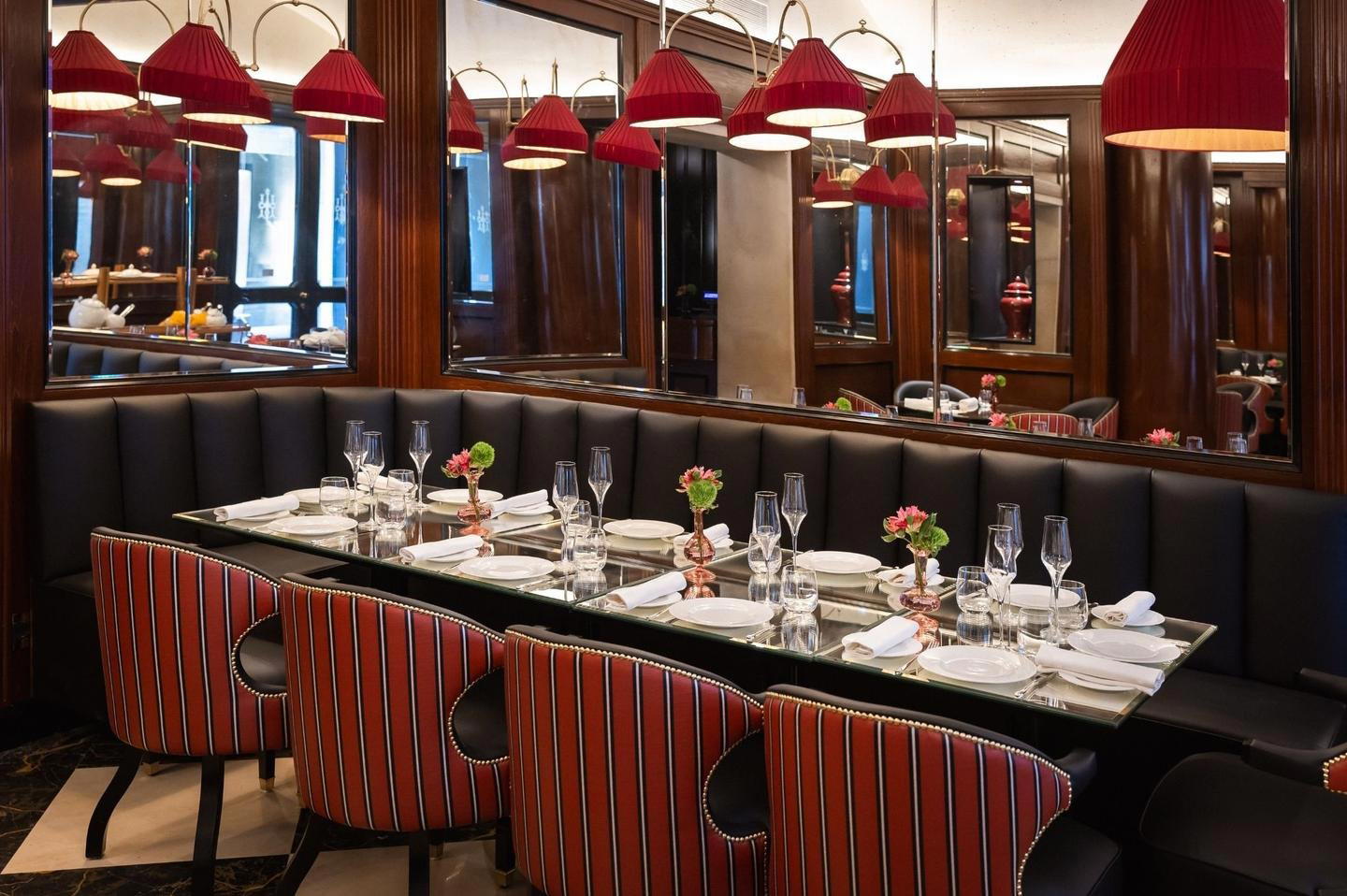
Rome’s polished central dining routes have their own rhythm, where the sound is less market-stall bargaining than rolling suitcases, café spoons, and shop doors opening onto narrow stone streets. In this part of the city, a restaurant has to deal with a difficult brief: serve visitors without flattening the meal into souvenir dining, and serve locals without pretending the setting is somewhere quieter or more hidden than it is.
That tension is the useful way to read Café Romano Restaurant. Its setting places it in Rome, a city where ingredient choices matter because the temptation toward generic menus is constant. Roman dining has never been only about abundance; it is about economy, seasonality, and a precise sense of where food comes from. A central restaurant earns attention when those categories remain legible rather than buried under international comfort dishes.
Rome dining rewards ingredient discipline over spectacle
Rome is not a single dining culture. Some rooms tilt toward markets, old local habits, and late-night trattoria energy; others place more weight on room, pacing, and ease of access. The food has to be readable to a traveller who may have only one dinner in the city, yet it should not lose the local logic of sourcing, seasonality, restraint, and a sense of place.
Café Romano Restaurant sits inside that second pattern. Its value is best read through the harder question of whether a central Roman table can keep the produce conversation serious. In Rome, ingredient sourcing is editorially relevant because busy dining areas can pull restaurants toward sameness. A menu that stays close to the city’s pantry gives the meal a reason to belong here rather than anywhere with polished floors and travellers passing through.
The comparison set in Rome is mixed. Ristorante Mascagni and Sorelle Fontana Restaurant sit in the same broad city orbit, while Pastificio Guerra, Zuma, and Ciampini Bistrot give travellers other ways to think about dining plans in Rome. Against that field, Café Romano Restaurant is better understood as part of the polished Rome restaurant category, where the question is not novelty but whether the kitchen keeps a sense of place in view.
What the Rome setting says about the meal
A restaurant in Rome often serves a particular city day: museum plans, shopping, hotel check-ins, and an early evening walk. That rhythm usually favours a composed room over rustic theatre. The risk is a menu designed to offend nobody. The reward, when handled well, is a meal that translates local ingredients for an international room without stripping them of their edges.
Ingredient-led dining depends on timing. Spring, summer, autumn, and winter each shift the balance of vegetables, richer dishes, lighter cooking, and more structured plates. None of those details needs reinvention. Rome’s confidence comes from repetition with standards. In a central dining room, the important editorial test is whether the kitchen treats ingredients as the subject, not as decorative proof of place.
For readers mapping the city by dining style, this address belongs in a broader Rome plan rather than as a trophy reservation. The city’s range runs from contemporary dining rooms to quick-service specialists, classic restaurants, hotel-adjacent meals, and all-day cafés. For a wider view, use Our full Rome restaurants guide alongside Our full Rome hotels guide, Our full Rome bars guide, Our full Rome wineries guide, and Our full Rome experiences guide.
How to place it within Italy's wider food map
Rome is often reduced to a short list of familiar dishes, but the better frame is supply. The surrounding countryside, coastal markets, cheese traditions, and vegetable canon help give the city its shape. That differs from other Italian dining registers, where regional identity may be expressed through street food, pizzerias, contemporary tasting formats, or more explicitly destination-led rooms. Across Italy, produce, format, and ambition shift from city to city.
That broader map matters because a Rome restaurant should not be judged by the same criteria as a destination tasting counter or a neighbourhood pizzeria. It is a central-city table, and the useful question is narrower: does it give the area a meal grounded in its setting, rather than a generic pause between plans? For travellers comparing formats beyond Italy, the same point holds: format changes, but sourcing and clarity are what keep a place from becoming interchangeable.
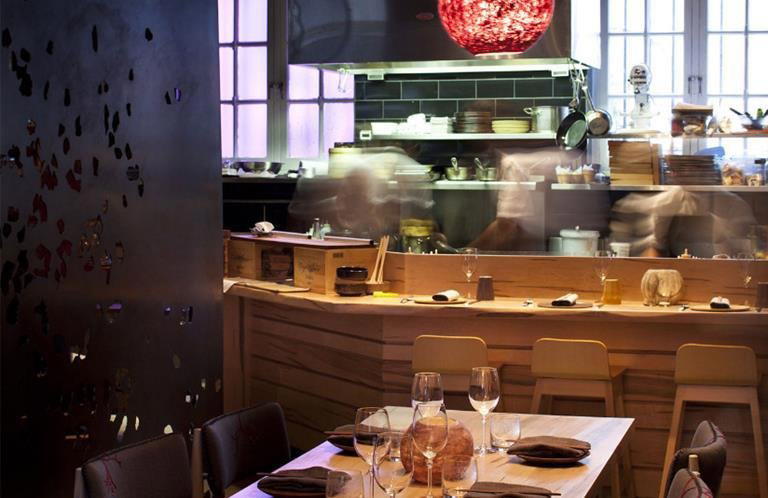
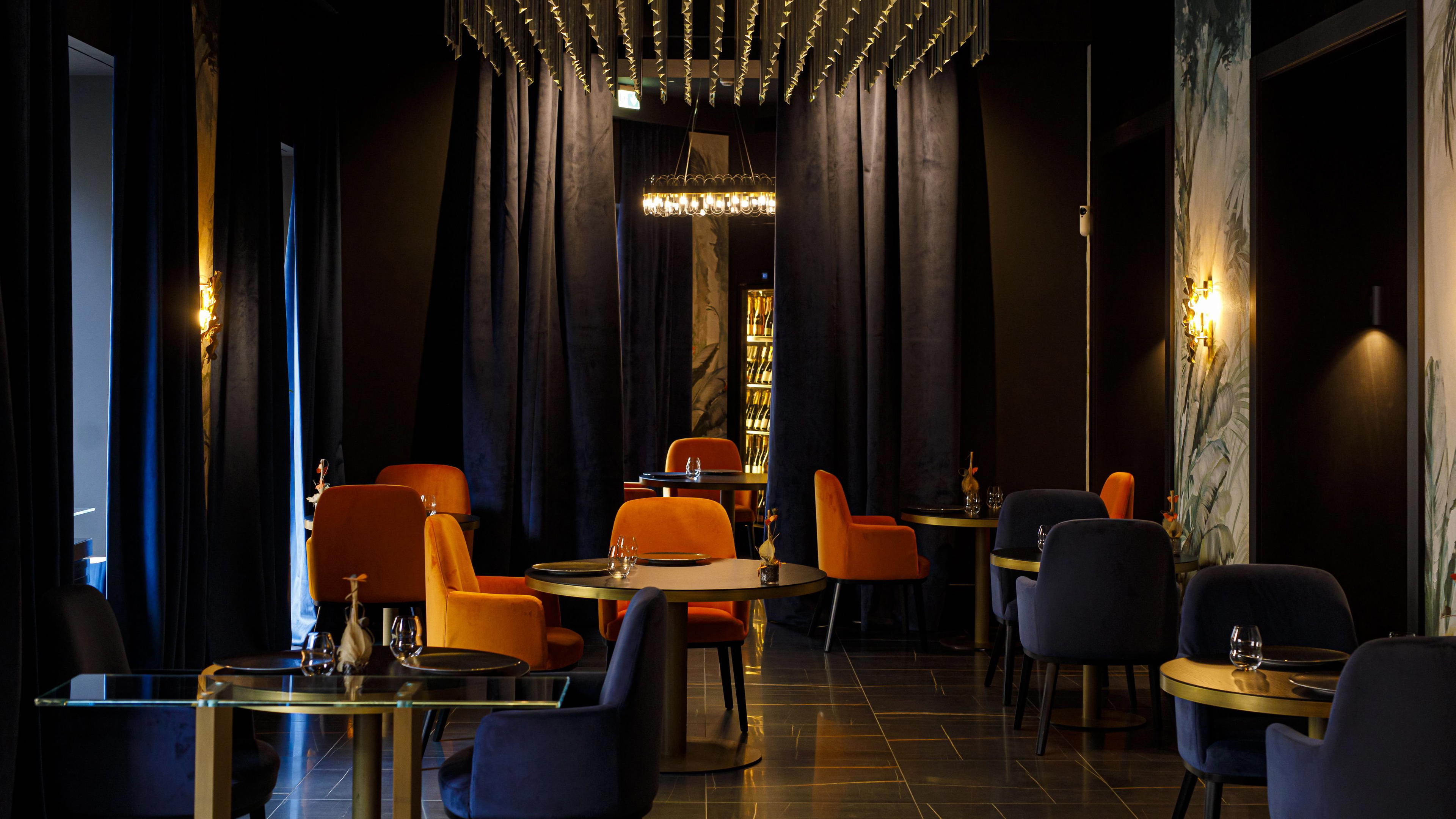
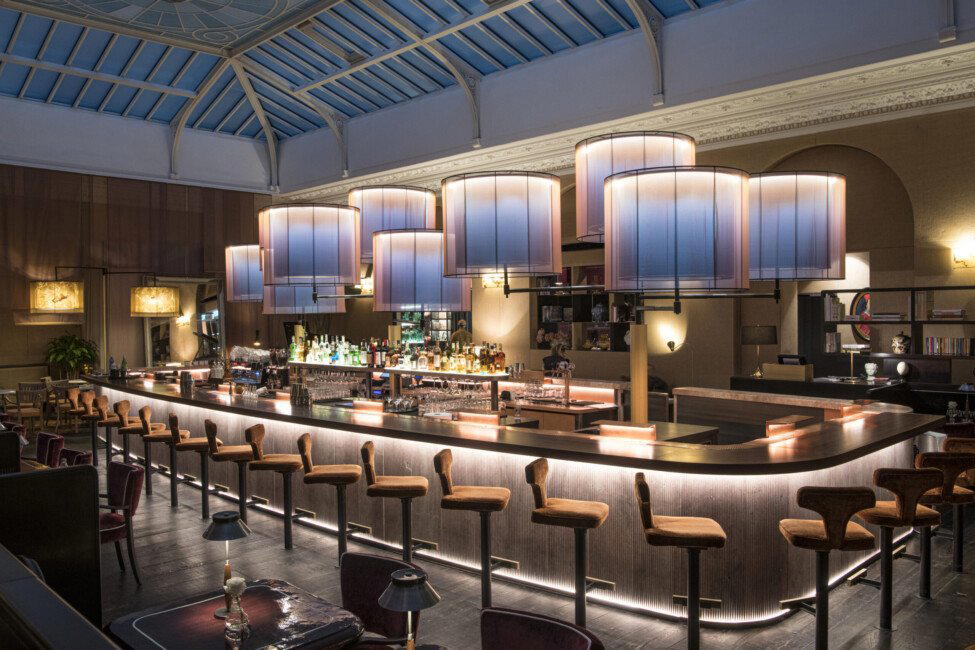
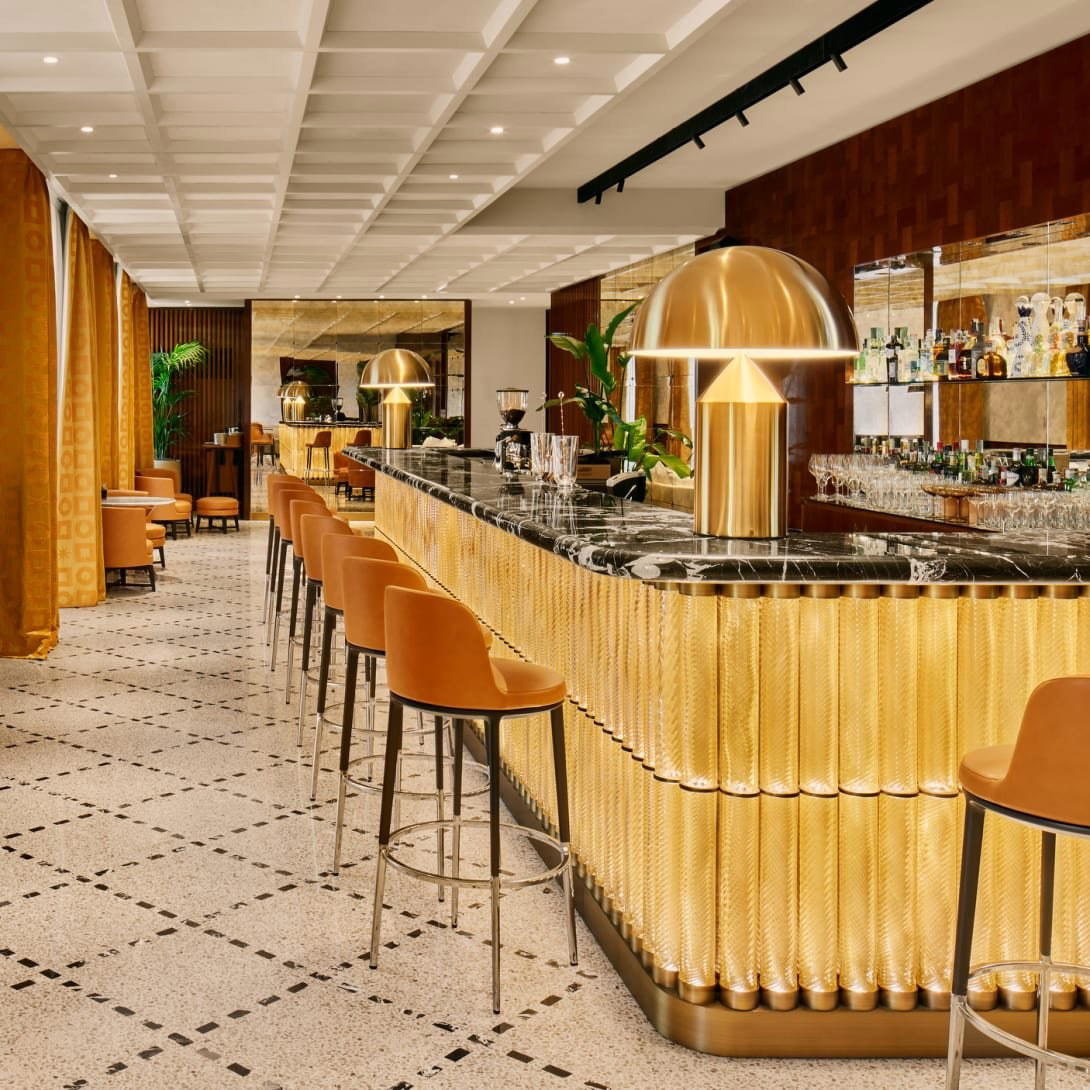

At a Glance
- Elegant
- Sophisticated
- Romantic
- Classic
- Well Known
- Date Night
- Business Dinner
- Celebration
- After Work
- Private Event
- Terrace
- Historic Building
- Design Destination
- Hotel Restaurant
- Extensive Wine List
- Craft Cocktails
- Local Sourcing
- Street Scene
Current opening hours
- Monday
- 7:30 AM–10 PM
- Tuesday
- 7:30 AM–10 PM
- Wednesday
- 7:30 AM–10 PM
- Thursday
- 7:30 AM–10 PM
- Friday
- 7:30 AM–10 PM
- Saturday
- 7:30 AM–10 PM
- Sunday
- 7:30 AM–10 PM
Hours can change for holidays and private events. Last verified .
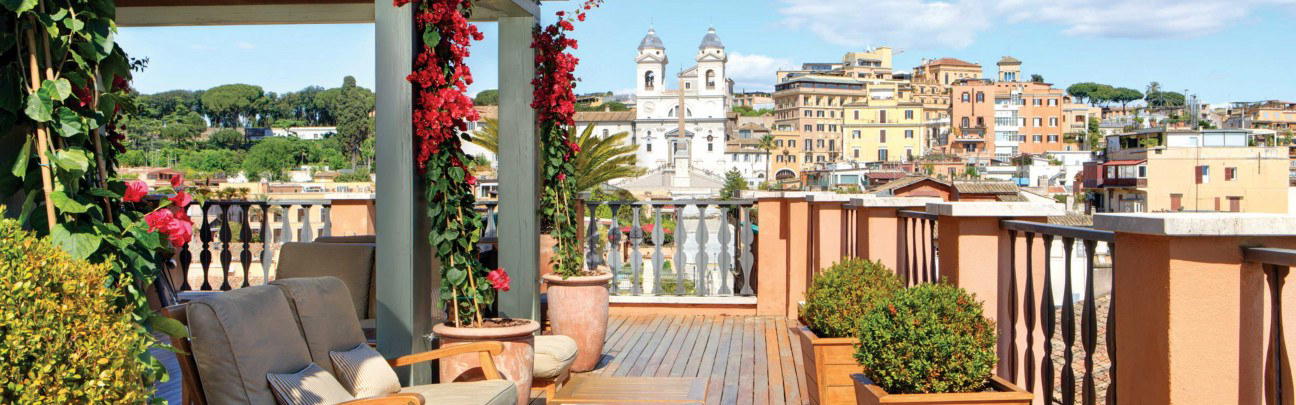
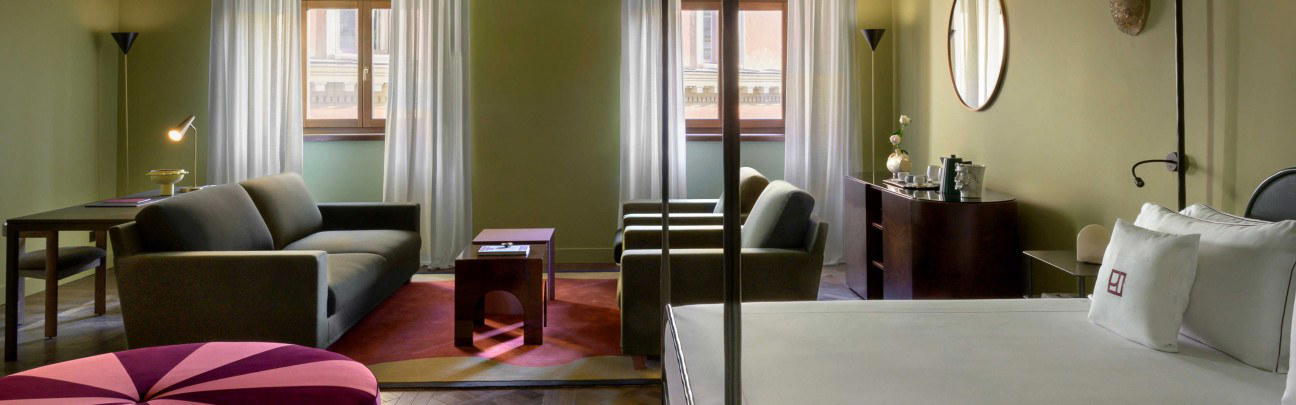
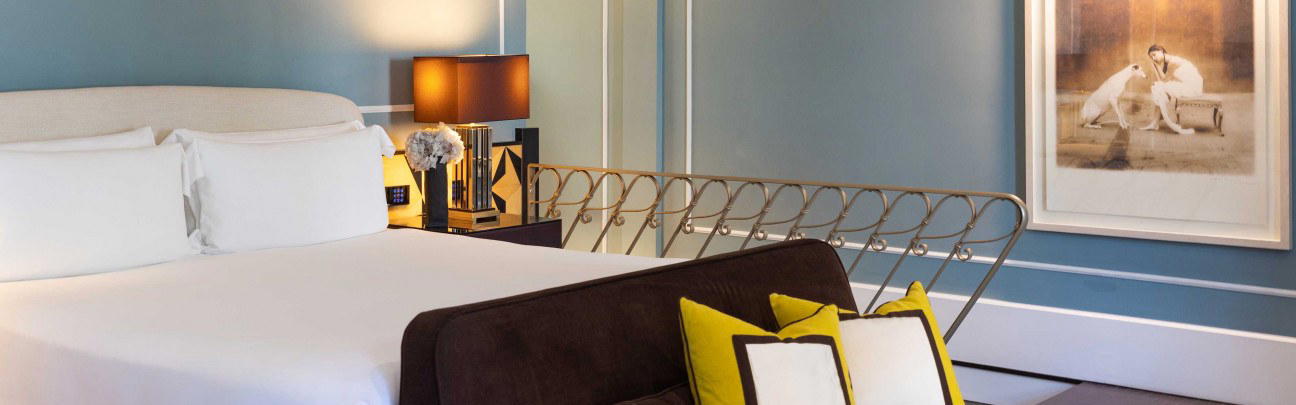
Cosmopolitan and refined, with an elegant hotel-restaurant setting and a stylish street-side terrace that feels intimate yet suited to business and romantic meals.
Know Before You Go
- Reservations
- Recommended
- Dress code
- Smart casual
- Getting there
- Via Borgognona, 4M, 00187 Roma RM, Italy