Cafe Katja

On Orchard Street in the Lower East Side, Cafe Katja has built a loyal following around Austrian-leaning Central European cooking in a neighbourhood better known for its bodegas and vintage shops. The room is compact and candlelit, the wine list tilts toward Grüner Veltliner and Riesling, and the kitchen sends out the kind of food that makes you cancel whatever you had planned next. A reliable counter-programme to New York's tasting-menu orthodoxy.
Pearl is the En Primeur Club membership app — saves, bookings, and concierge access live there. Same editors, same standards.
- Address
- 79 Orchard St, New York, NY 10002
- Phone
- +12122199545
- Website
- cafekatja.com
- Directions
- Get directions
 Saves & bookings on Pearl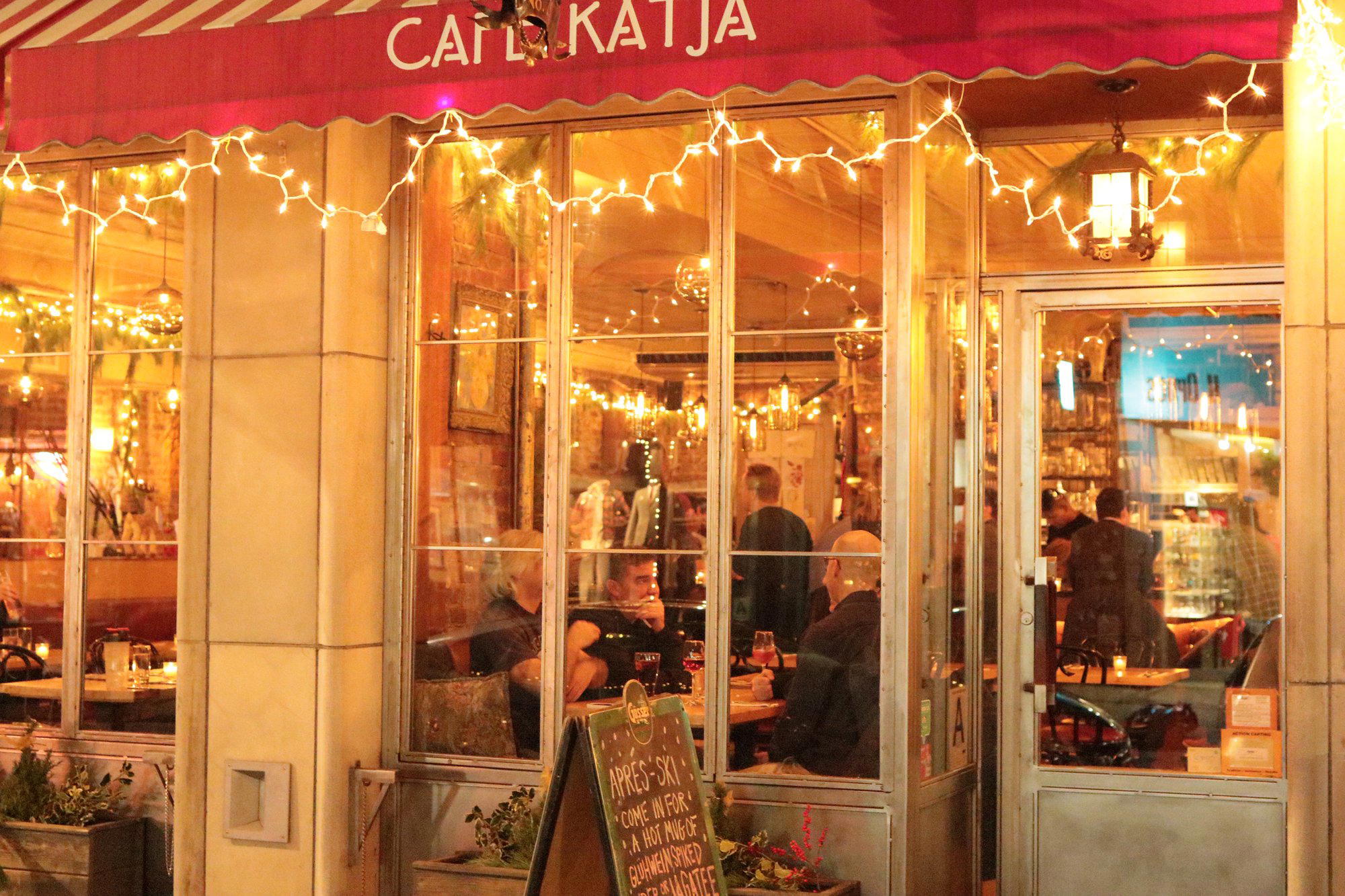
Orchard Street and the Case for Central European Cooking
New York's Lower East Side has cycled through enough identities over the past century to make most neighbourhood labels feel temporary. What has proved durable, oddly, is the area's tolerance for unfashionable European cooking. The Jewish dairy restaurants are mostly gone, but the appetite for food that prioritises substance over spectacle remains. Cafe Katja, at 79 Orchard Street, sits inside that longer tradition, serving Austrian and Central European food in a room that resists the renovation pressure applied to almost every other block south of Delancey.
In a New York dining market where the prestige tier runs through tasting-menu counters at places like Le Bernardin, Atomix, Eleven Madison Park, Masa, and Per Se, Cafe Katja occupies a different register entirely. It does not compete on format or ceremony. It competes on the less glamorous ground of consistency, wine value, and a regional cuisine that most of Manhattan treats as a curiosity. That position, held for years in the same room on the same street, is its own kind of credential.
The Room: Small, Warm, Unapologetically Dim
Central European tavern culture runs on a specific atmospheric contract: the room should feel like it has existed long enough to have absorbed the conversations of several generations of regulars. Cafe Katja honours that contract. The space is narrow, the light level sits well below what most contemporary restaurants consider acceptable, and the noise from neighbouring tables arrives as a low, companionable murmur rather than the wall of sound that afflicts larger rooms. Exposed brick, dark wood, and the kind of bar setup that invites you to sit and drink before you eat all contribute to an interior that reads as genuinely worn-in rather than designed to look that way.
This matters in the context of Lower East Side dining, where the aesthetic competition is fierce and the temptation to over-design is constant. The restaurant has largely resisted that temptation, and the room is better for it. What you get is a space that allows the food and wine to carry the experience, which is a more difficult thing to achieve than it sounds when the architecture is working against you.
The Food: Austria via Orchard Street
Austrian cooking in its proper form is a cuisine of patience and fat: slow braises, cured meats, dumplings that take time to understand, and pastry that rewards the kitchen's willingness to not rush. The Central European table also tends toward generous portions and a certain indifference to the caloric anxieties that shape so much of New York's restaurant culture. The restaurant operates in that tradition, with a kitchen that sends out food calibrated for eating rather than photographing.
The wine program deserves specific attention. Austrian whites, particularly Grüner Veltliner and Riesling from the Wachau and Kamptal regions, are still chronically underrepresented on New York wine lists despite offering particularly food-compatible acidity profiles available at their price points. The restaurant has built its list around exactly these wines, making it one of the more instructive places in the city to drink Austrian white with food designed to match it. This is the kind of institutional knowledge that takes years to develop and is not easily replicated by restaurants that treat wine as an afterthought. For comparison, European-rooted restaurants elsewhere in the United States, such as Frasca Food and Wine in Boulder, have built entire reputations around this same principle of regional food-and-wine coherence.
How Cafe Katja Fits the Broader Scene
The American dining conversation in recent years has tilted hard toward farm-driven tasting menus and hyper-local sourcing narratives. Restaurants like Blue Hill at Stone Barns in Tarrytown, Single Thread Farm in Healdsburg, and Smyth in Chicago have defined one version of what serious American cooking looks like. Further afield, places like Lazy Bear in San Francisco, Providence in Los Angeles, Addison in San Diego, The Inn at Little Washington, and Emeril's in New Orleans each represent a different strand of American culinary ambition. The restaurant does not belong to any of these conversations. It belongs instead to the older, quieter tradition of the European neighbourhood restaurant that earns its place through repetition rather than reinvention.
That positioning is increasingly rare in New York, where the economics of hospitality push restaurants toward either volume (fast casual, delivery) or high-margin tasting menus. The mid-register wine bar with serious food and a fixed address has become harder to sustain, which makes the restaurant's continued presence on Orchard Street notable. Compare the commitment to European regional specificity at places like Atelier Moessmer Norbert Niederkofler in Brunico or the decades-deep Italian regionalism of Dal Pescatore in Runate: the underlying logic is the same, even if the scale and context differ considerably. And for the European tasting-menu ceiling in American fine dining, The French Laundry in Napa remains the reference point against which all other American restaurants with French ambitions are measured.
Planning Your Visit
The restaurant is located at 79 Orchard Street, between Broome and Grand streets, a ten-minute walk from the Delancey Street and Essex Street subway stations. The Lower East Side is most active on weekend evenings, and the restaurant fills accordingly. Arriving early on a weeknight gives you a stronger chance of a quieter room and more attentive service. The format is a la carte, and the wine list rewards time spent exploring it. Walk-ins are welcome, and weekend evenings can fill quickly.
Credentials Lens
Comparable venues nearby, for context on price, style, and recognition.
| Venue | Cuisine | Price | Notes |
|---|---|---|---|
| Cafe KatjaThis venue — the venue you are viewing | Austrian | $$ | Not listed |
| Biergarten | Traditional German Biergarten | $$ | West Village |
| Allegretto | Dining | Not listed | New York City |
| Kiki's | Authentic Greek | $$ | Chinatown-Two Bridges |
| Morgenstern's BANANAS | Artisanal Soft Serve & Non-Dairy Ice Cream | $$ | Lower East Side |
| August Gatherings富瑤 | Modern Cantonese | $$ | SoHo-Little Italy-Hudson Square |
Recognition history
Dated appearances from independent guides and award organizations, with the underlying list record or original source where available.
Opinionated About Dining Casual in North America Recommended
Opinionated About Dining
Continue exploring
More in New York City
Restaurants in New York City
Browse all →
Bars in New York City
Browse all →
Hotels in New York City
Browse all →




At a Glance
- Cozy
- Rustic
- Intimate
- Casual Hangout
- Brunch
- Family
- Standalone
- Beer Program
Current opening hours
- Monday
- 5–10 PM
- Tuesday
- 5–10 PM
- Wednesday
- 11:30 AM–3:30 PM, 5–10 PM
- Thursday
- 11:30 AM–3:30 PM, 5–10 PM
- Friday
- 11:30 AM–3:30 PM, 5–11 PM
- Saturday
- 12–3:30 PM, 5–11 PM
- Sunday
- 12–3:30 PM, 5–10 PM
Hours can change for holidays and private events. Last verified .
Casual brick-walled beer hall atmosphere with pleasant, family-friendly surroundings.