A neighbourhood café on Cluny's central street, Chez Sissis occupies the kind of spot that Burgundian market towns depend on: a place where locals gather over coffee in the morning and linger over a straightforward lunch. In a town defined by its Romanesque abbey and agricultural surrounds, this is the informal counterpoint to Cluny's more formal dining options, approachable, rooted in local rhythm, and worth knowing about before you arrive.
 Discover on Pearl
Pearl is the En Primeur Club membership app — saves, bookings, and concierge access live there. Same editors, same standards.
- Address
- 4 Rue municipale, 71250 Cluny, France
- Phone
- +33385500163
- Website
- cafeducentre-cluny.fr
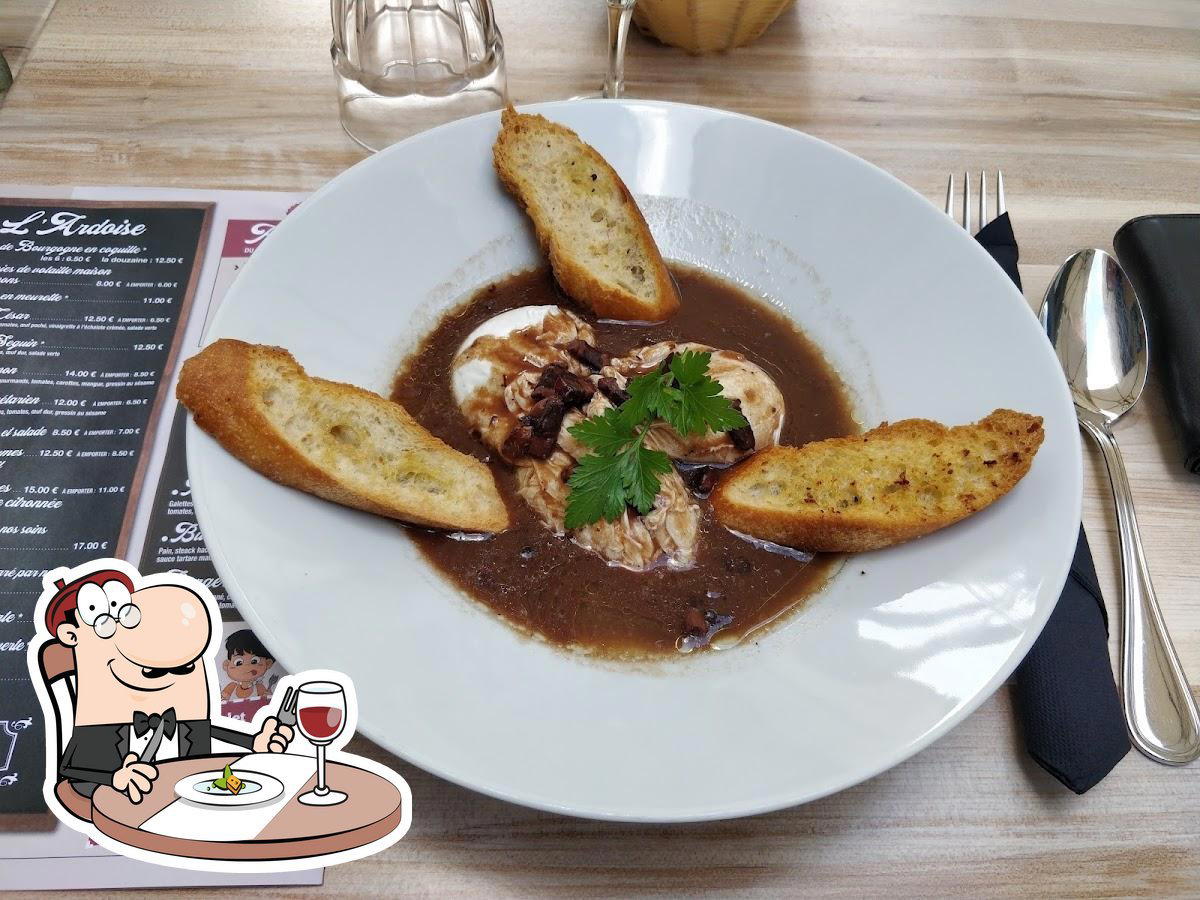
A Café at the Centre of a Burgundian Market Town
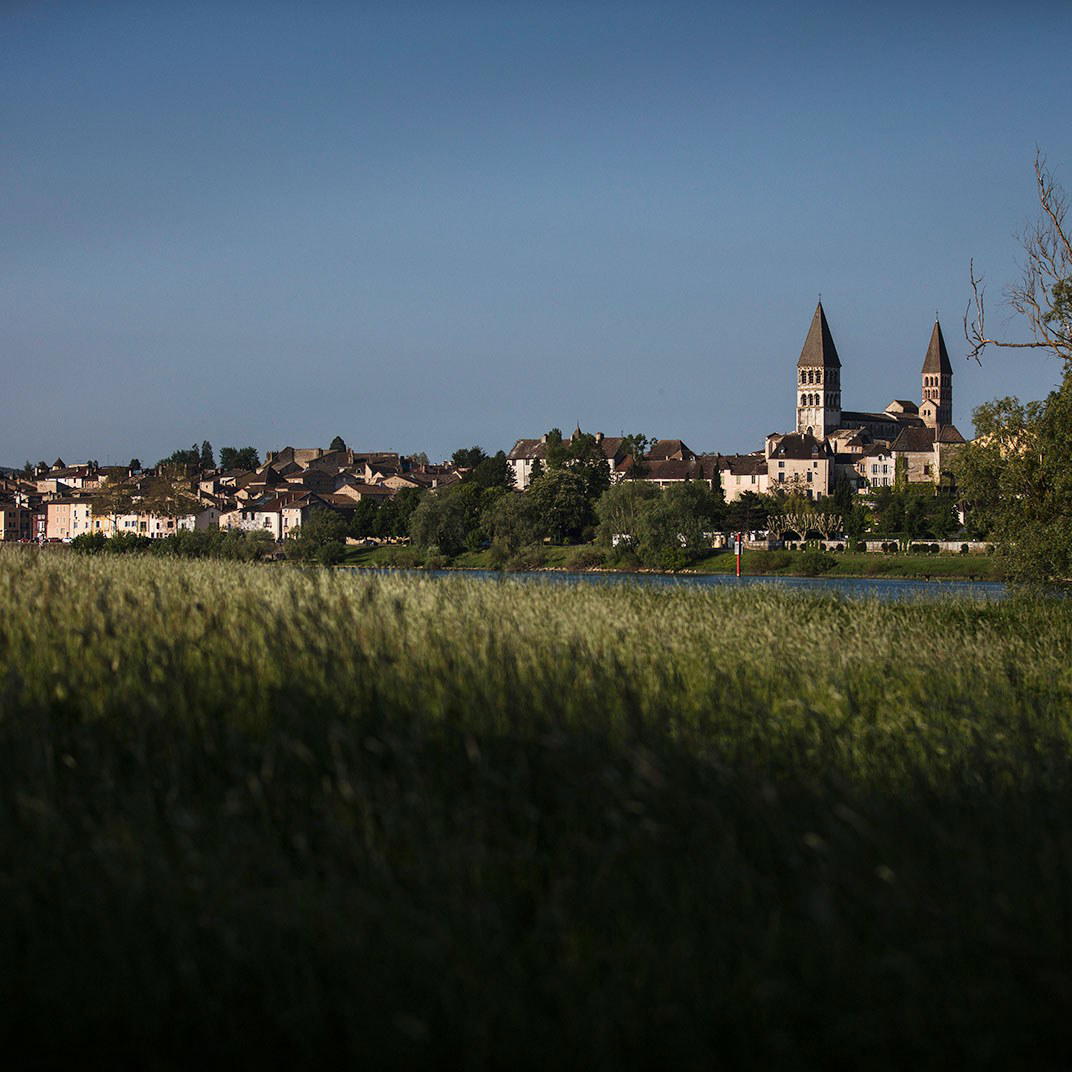
Cluny is a town that tends to be visited for one thing, the abbey, whose eleventh-century nave once made it the largest church in Christendom, and departed from quickly. That pattern is a missed read. The town itself, with its weekly market, its surrounding farmland, and its position in southern Burgundy between Mâcon and Chalon-sur-Saône, has a slower, more agricultural character that rewards an extra hour or two on foot. Café du centre "Chez Sissis", at 4 Rue municipale in Cluny, is the kind of place that makes that extra hour feel natural. It is a café in the French civic sense: a gathering point, a place where the morning coffee and the midday plate share equal standing.
In Burgundy, the café-restaurant occupies a distinct cultural register, separate from the region's well-documented fine dining tradition. While houses like Troisgros - Le Bois sans Feuilles in Ouches or Georges Blanc in Vonnas represent the upper end of French provincial gastronomy, the café-bistrot tier exists alongside that world rather than below it. It serves a different function: not tasting menus and ceremony, but the practical, daily meal that sustains market vendors, local tradespeople, and the occasional traveller who has figured out that this is where the town actually eats. Chez Sissis belongs to that tradition.
What the Surrounding Land Puts on the Plate
Southern Burgundy's food identity is inseparable from its agricultural geography. The Charolais breed, which produces some of France's most respected beef, originates from the plateau just west of Cluny. Bresse, the controlled-origin zone for the nation's most protected poultry designation, is less than an hour to the east. Saône-et-Loire, the département in which Cluny sits, is also home to a range of small-scale vegetable producers and cheesemakers whose output circulates through regional markets and local kitchens rather than making it to export lists.
In a café at this address, the sourcing conversation is less formal than at a destination restaurant, but the raw material available is considerable. The weekly market in Cluny draws producers from across the Mâconnais and Charolais areas, making fresh, seasonal supply accessible to any kitchen willing to use it. At the café tier, this rarely translates into written provenance notes or tasting menus built around named farms. What it does mean is that a plat du jour, the midday dish that defines the daily rhythm of French café culture, can be built around genuinely good primary ingredients simply prepared. A Charolais-based stew or a grilled chicken sourced from the Bresse corridor requires very little intervention to be worth eating.
This regional depth is what distinguishes the café meal in agricultural Burgundy from the same format in an urban setting. Paris has its brasseries and zinc-countered bistros; what they rarely have is a small farm within twenty kilometres supplying the day's meat. In Cluny, that proximity is structural. It shapes what a kitchen at this level can serve even without the resources or ambitions of a Flocons de Sel in Megève or a Mirazur in Menton.
How Chez Sissis Sits in Cluny's Dining Tier
Cluny's restaurant options are modest in number and span a clear range. At the more formal end, Hostellerie d'Héloïse carries the traditional cuisine banner with a more structured dining room experience. Le Comptoir offers a middle register. Chez Sissis operates at the most informal level: a café rather than a restaurant, a place where the format is defined by flexibility and local use rather than by a curated menu architecture. For a visitor spending time in the abbey, the surrounding medieval streets, or the Haras National stud farm on the edge of town, it functions as the practical midday option, the choice you make when you want to eat where Cluny eats, not where it performs.
The Experience: What to Expect
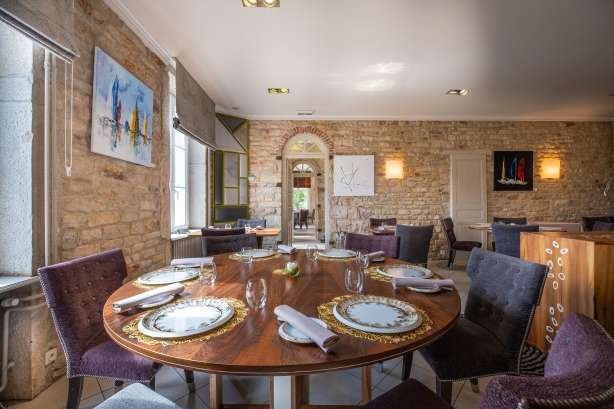
French café culture has its own grammar, and Rue municipale addresses in market towns tend to follow it closely. The morning shift runs on coffee, the lunch service on a short menu, typically a plat du jour alongside a few fixed options, and the late afternoon on conversation. The physical environment at a café of this type is functional and social rather than designed: tiled floors, mirrored walls, a zinc or laminate counter, tables positioned for conversation across them rather than intimate facing pairs. The noise level during a busy lunch is a feature, not a flaw. This is communal eating, the format that French provincial life has practised for two centuries.
Visitors conditioned by the multi-course formality of France's starred restaurant circuit, places like Alléno Paris au Pavillon Ledoyen, Bras in Laguiole, or Auberge de l'Ill in Illhaeusern, will find the register here sharply different. That difference is the point. The café operates as a social equaliser in small French towns: the table next to you is as likely to be occupied by the farmer who supplied the kitchen as by a passing tourist. That proximity is rare at any other price point.
Planning Your Visit
Cluny sits roughly 25 kilometres north of Mâcon and is accessible by regional train from Lyon (approximately 90 minutes) or by car from the A6 autoroute. The town is compact enough to cover on foot, and the café's Rue municipale address puts it within a short walk of the abbey, the market square, and the main concentration of medieval architecture. Lunch is the primary window for a café visit of this type, the plat du jour format is a midday convention in French café culture, and the kitchen rhythm is built around it. Arriving during standard French lunch hours, roughly noon to 14h, is the most reliable approach for first-time visitors. Given Cluny's scale and the café's local orientation, this is a walk-in-friendly experience.
How It Stacks Up
Comparable venues nearby, for context on price, style, and recognition.
| Venue | Cuisine | Price | Awards | Notes |
|---|---|---|---|---|
| Café du centre "Chez Sissis"This venue — the venue you are viewing | Traditional French Bistro | $$ | , | |
| Le Comptoir | Traditional French Burgundian Bistro | $$ | , | Cluny Centre |
| Hostellerie d'Héloïse | Refined Seasonal French Bistro | $$$ | Bib Gourmand | Cluny |
| La Cuisine | Modern French Bistro | $$ | , | Quartier Haut et Coeur des Pentes |
| Café Luna | French Bistro with Spanish Accents | $$ | , | Quartier Quartiers Anciens |
| Grive | Modern French Bistro with Tapas | $$ | , | Quartier Quartiers Anciens |
At a Glance
- Cozy
- Classic
- Rustic
- Casual Hangout
- Family
- Group Dining
- Standalone
- Historic Building
- Beer Program
- Local Sourcing
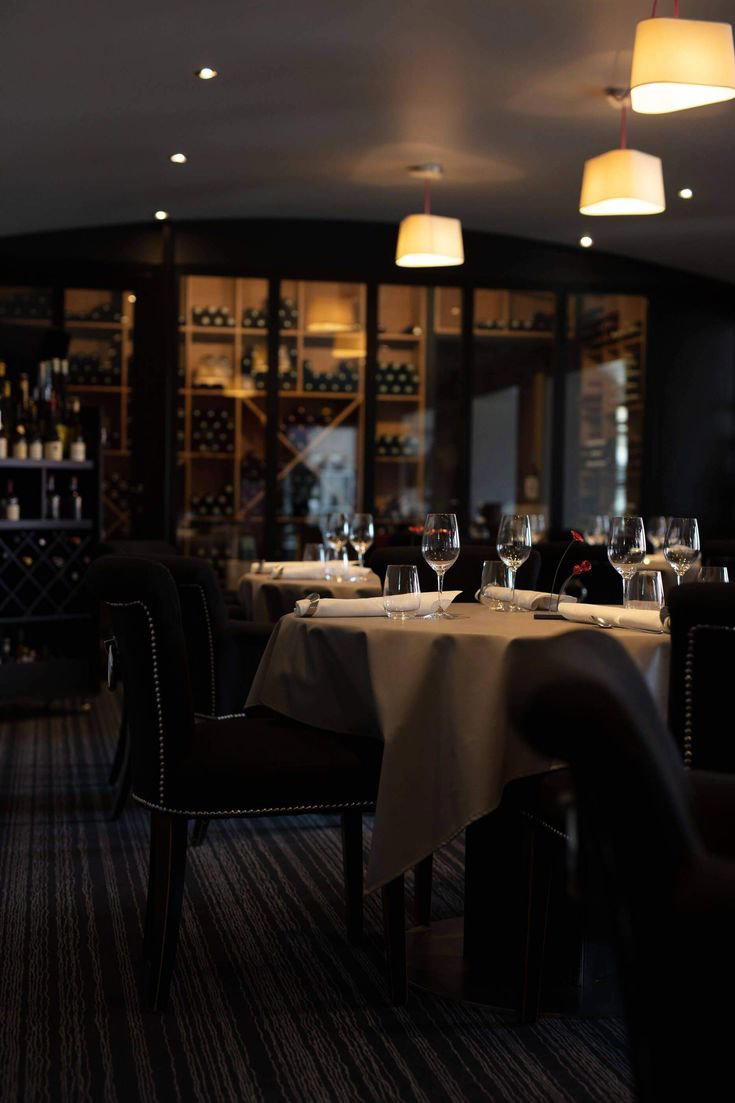
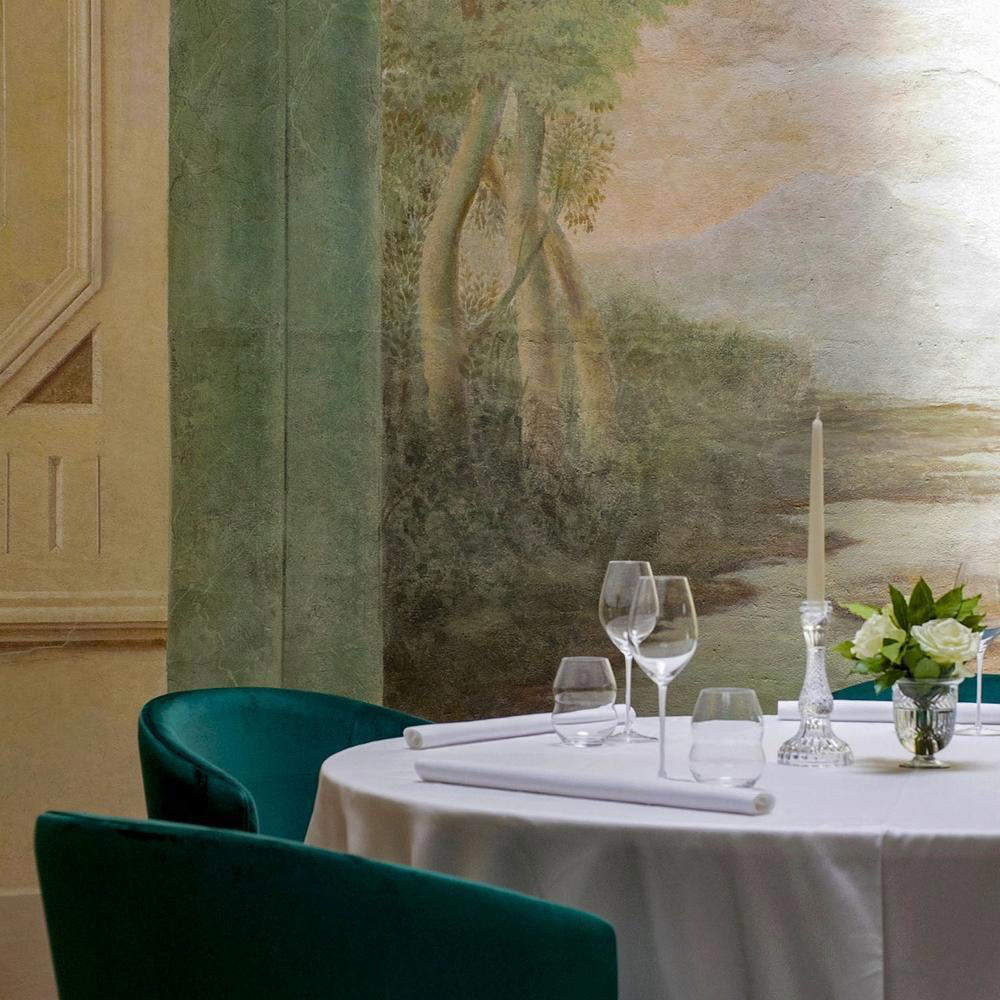
Warm and convivial with an old-fashioned long bar, Art Deco charm, and a relaxed family-friendly atmosphere that encourages lingering.