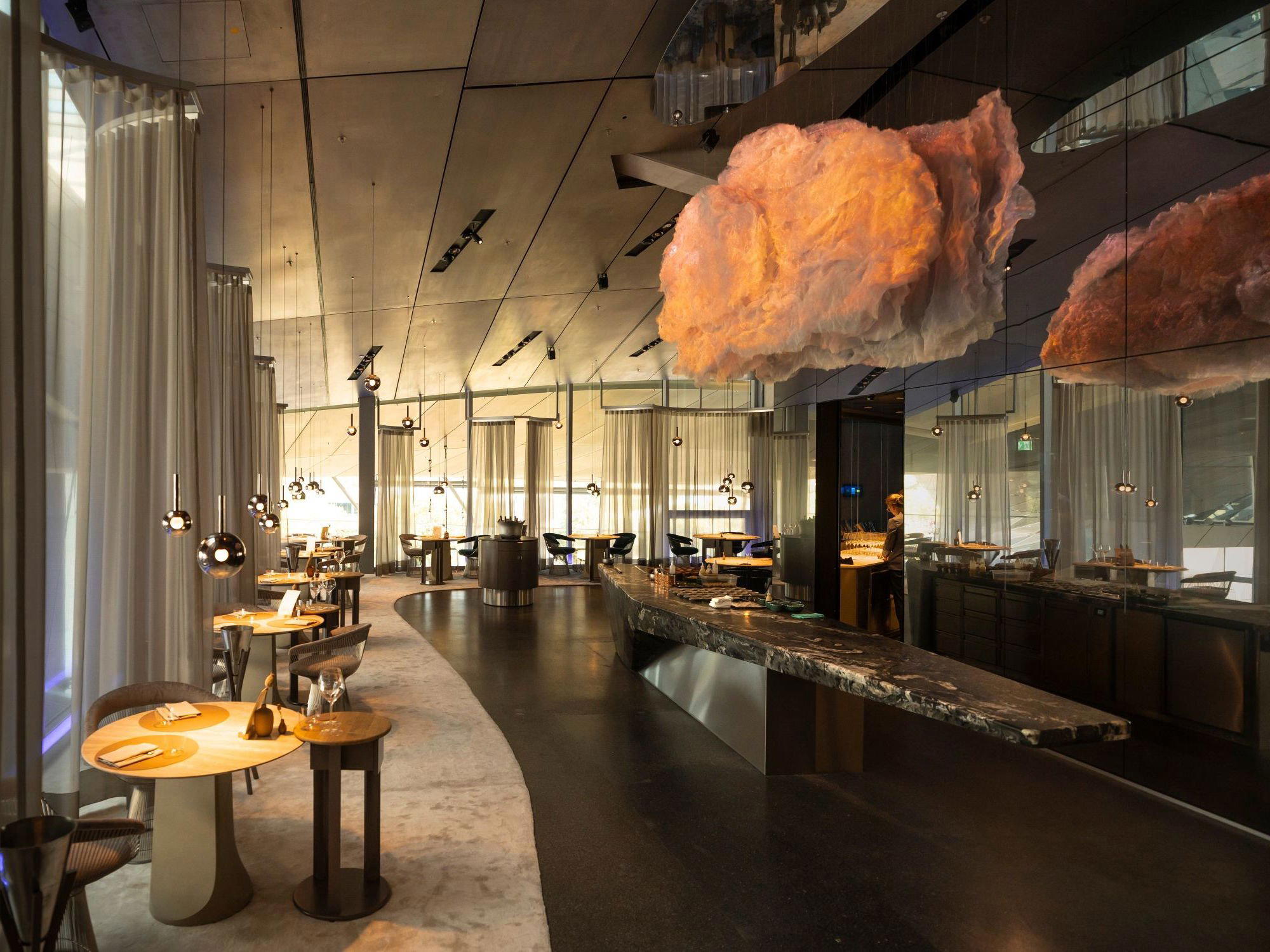
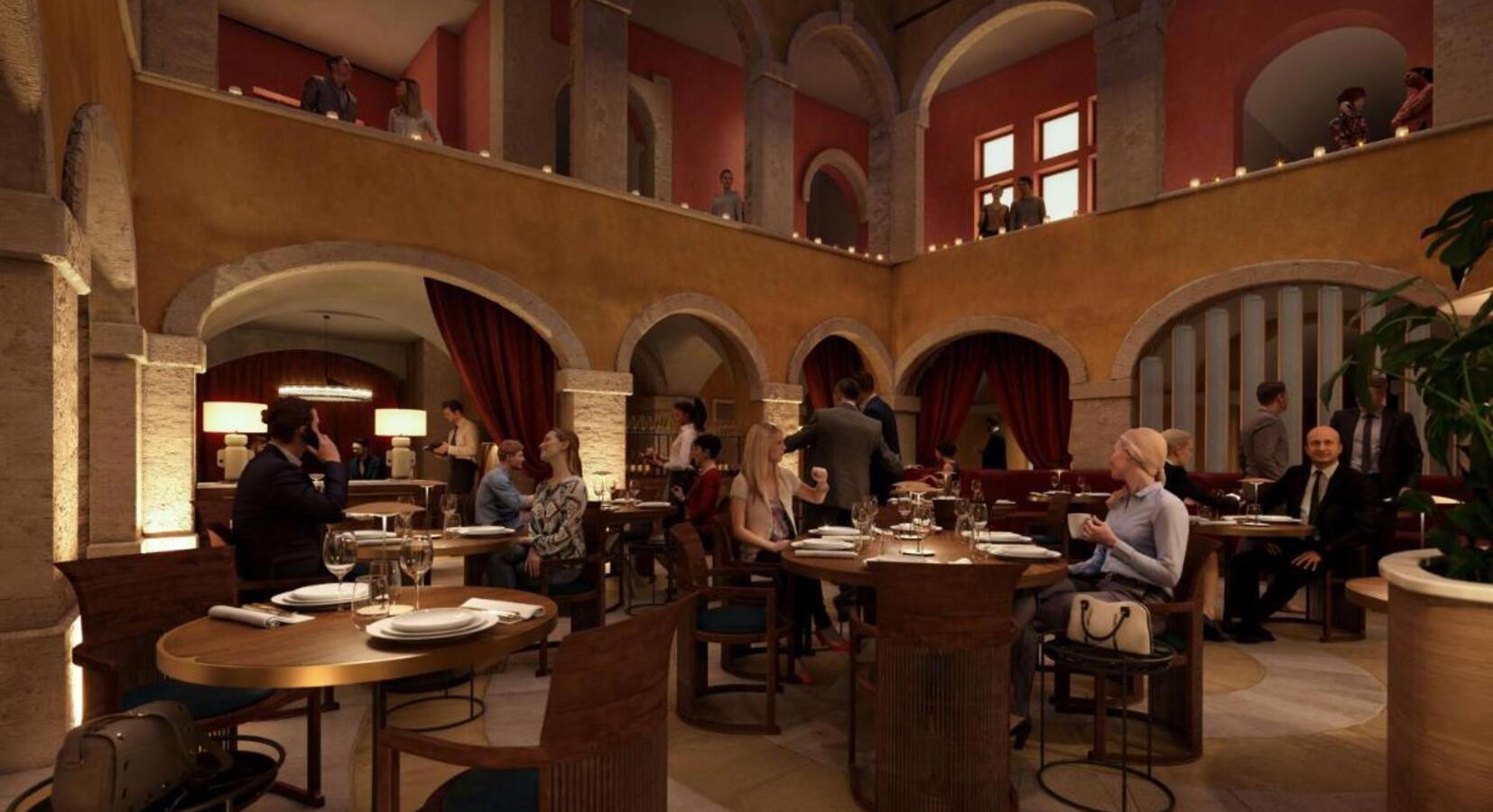
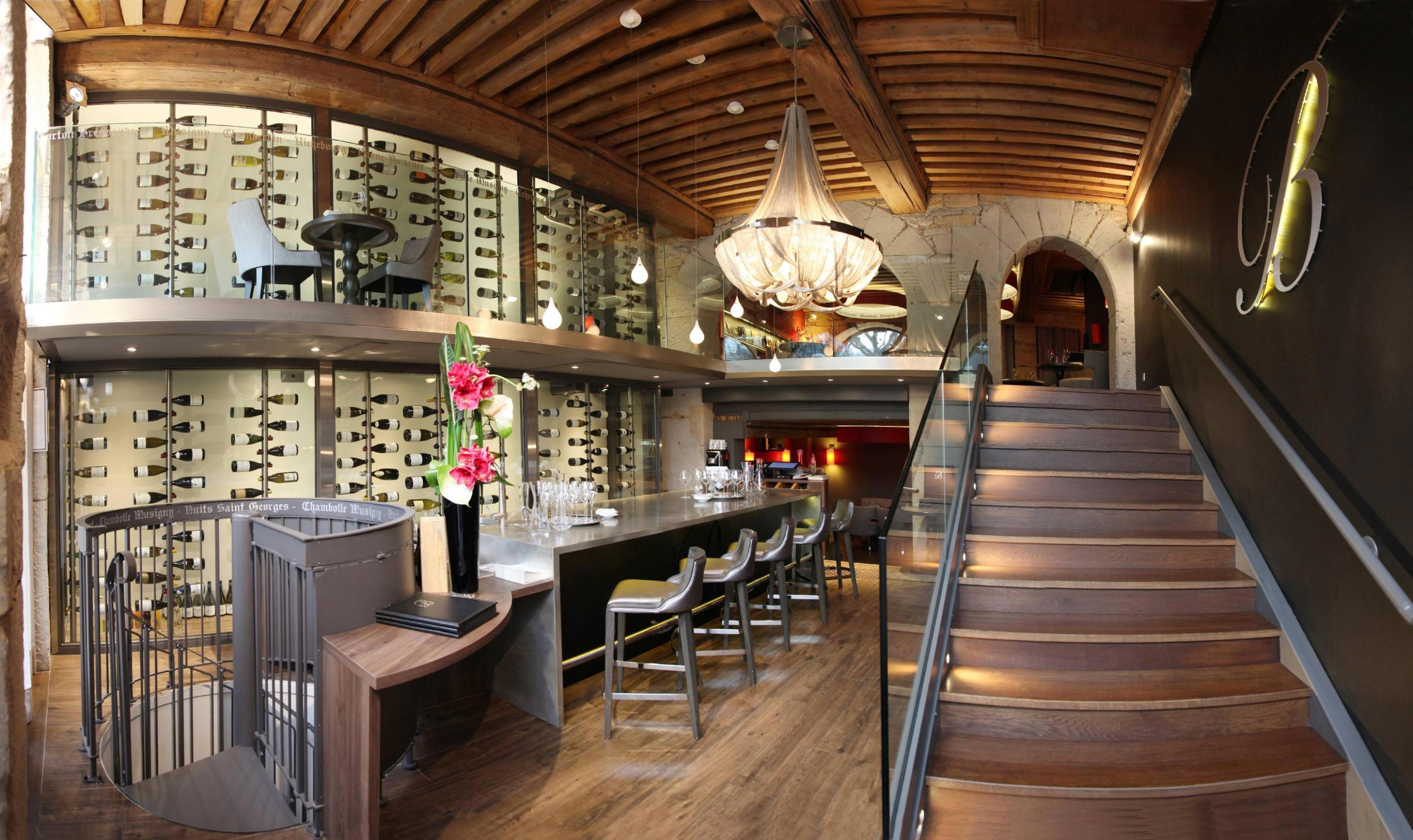
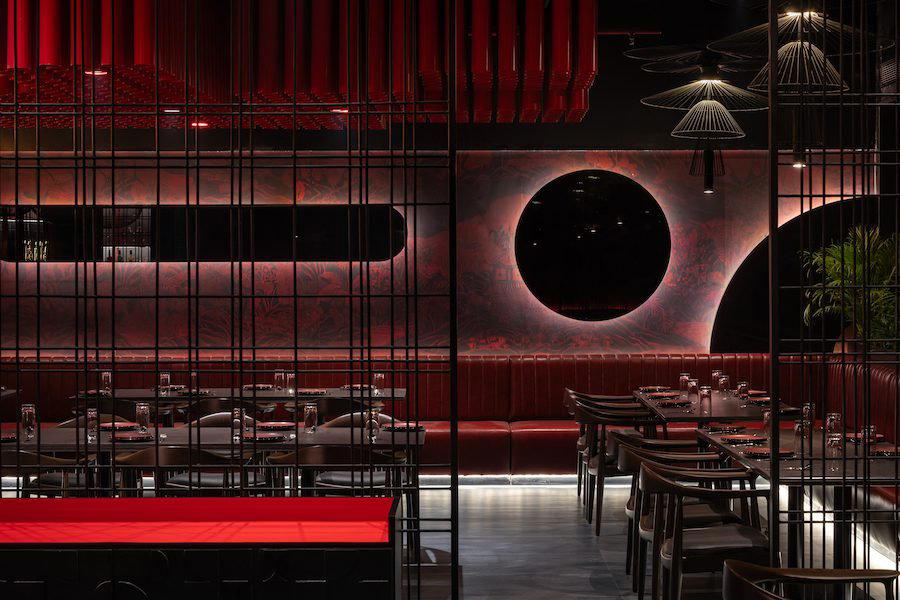
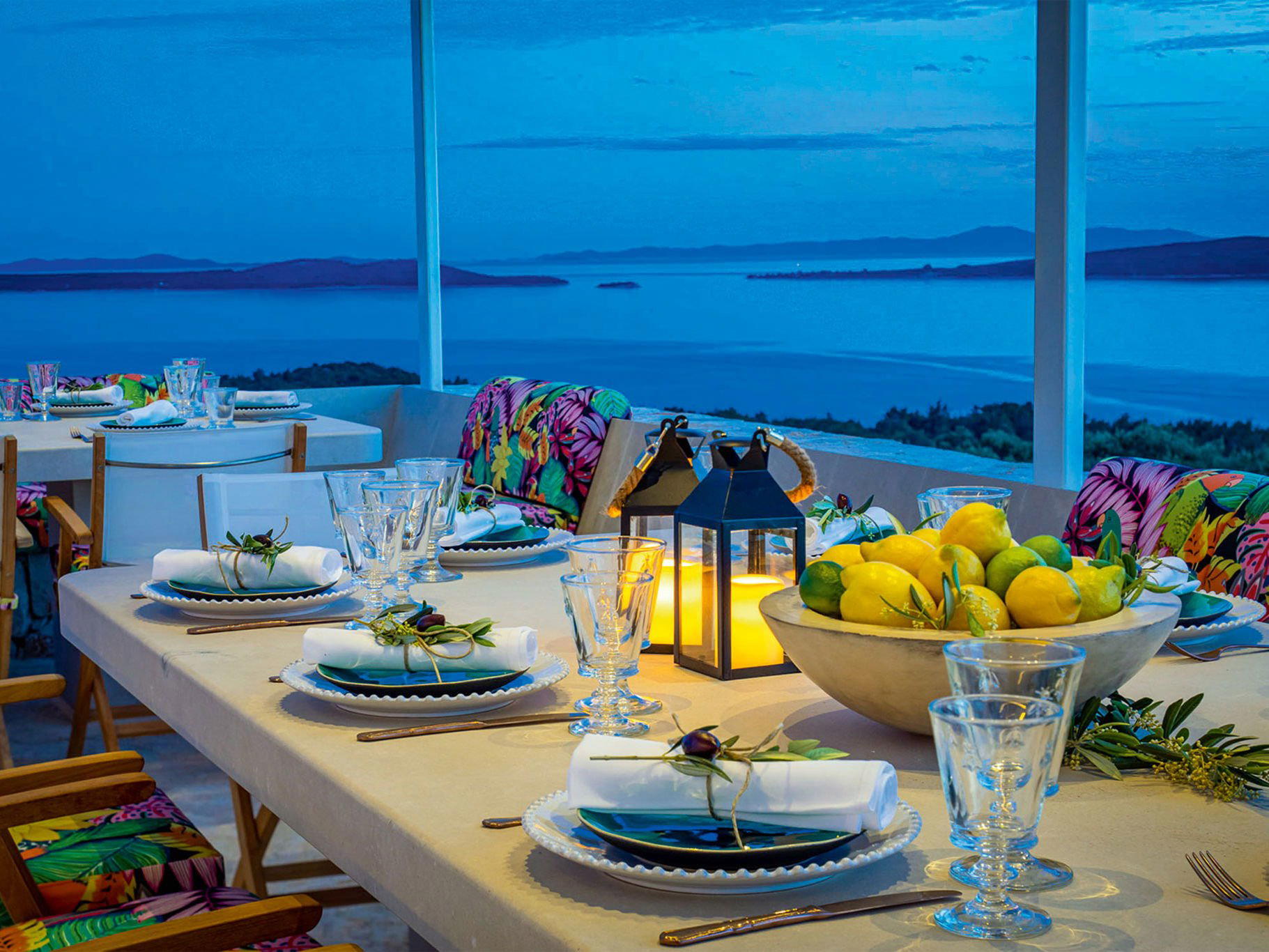
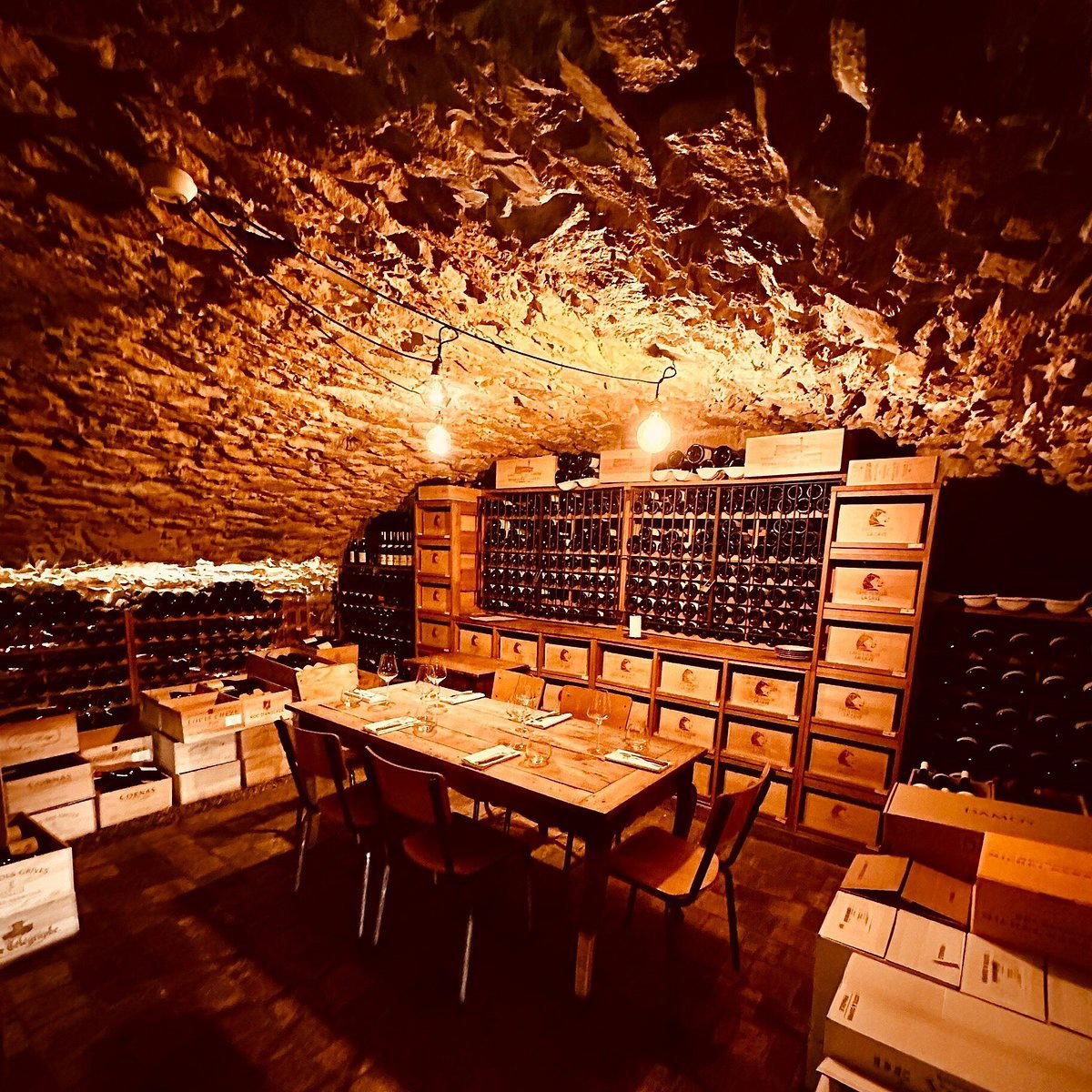
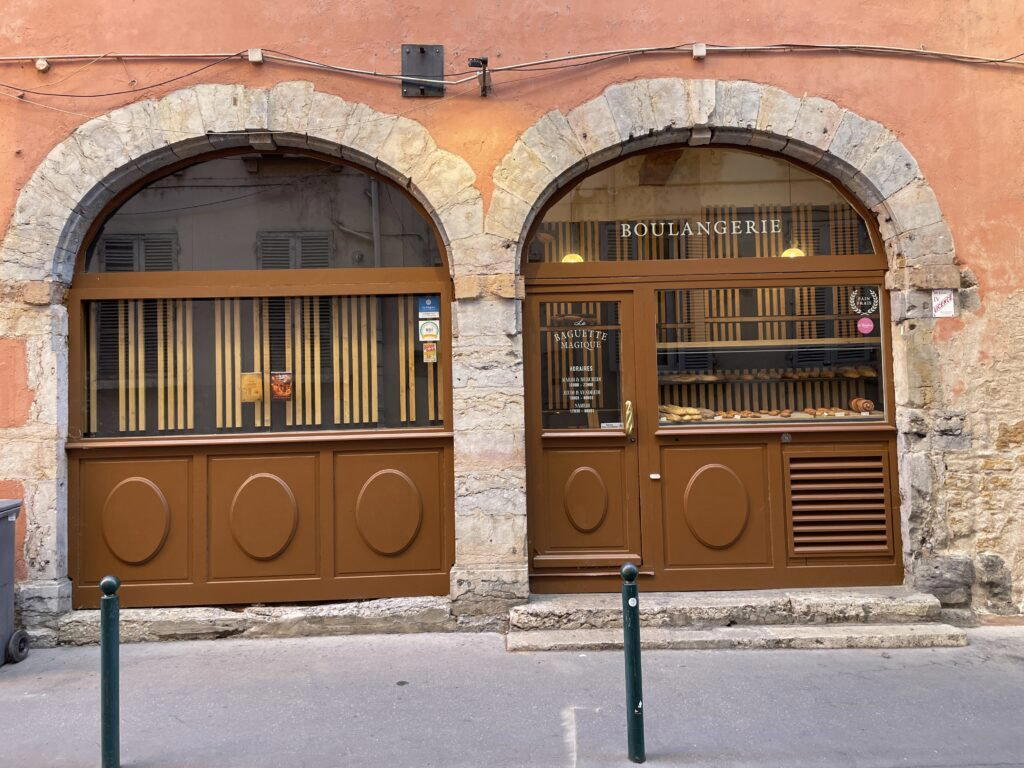
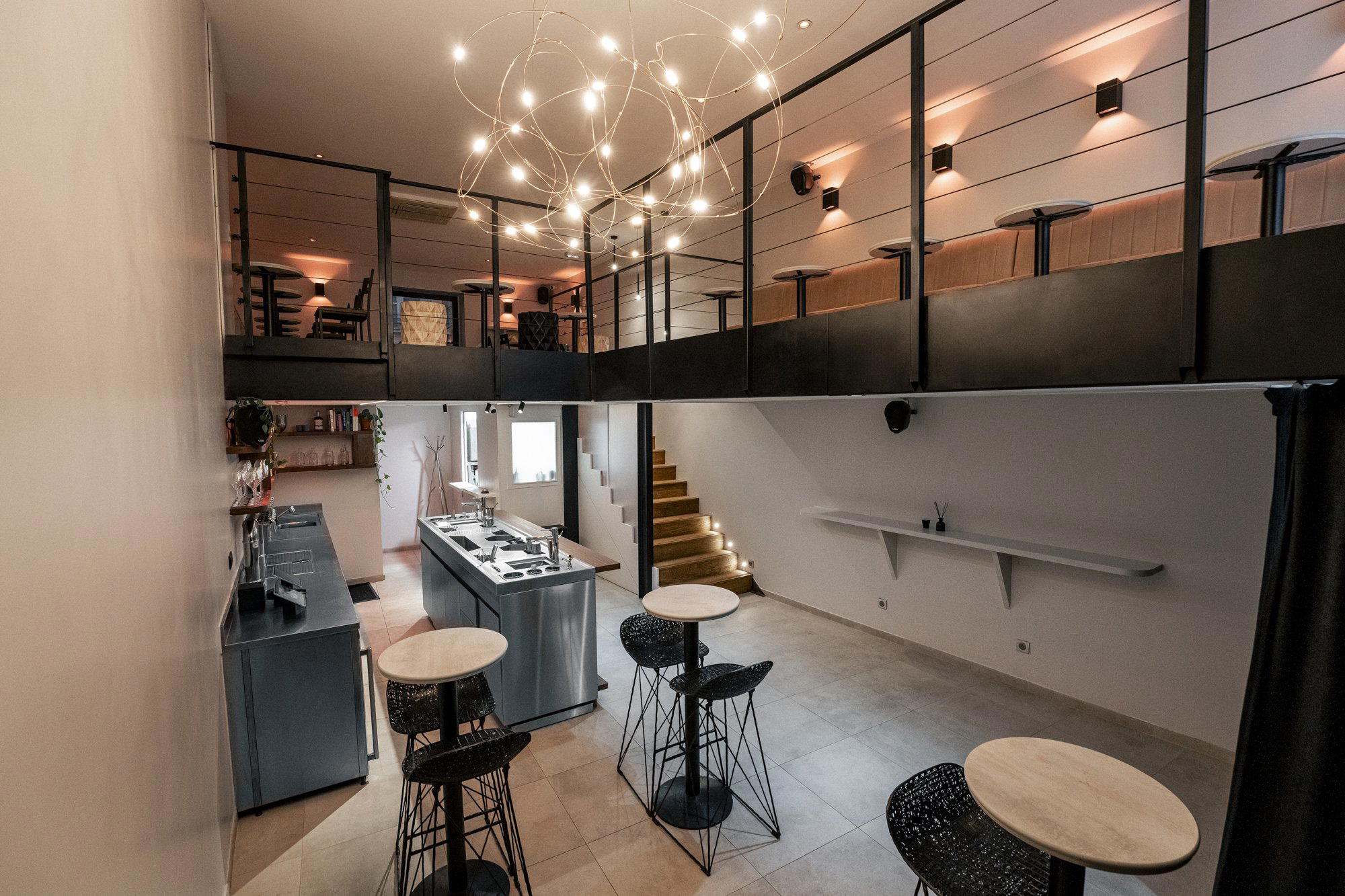
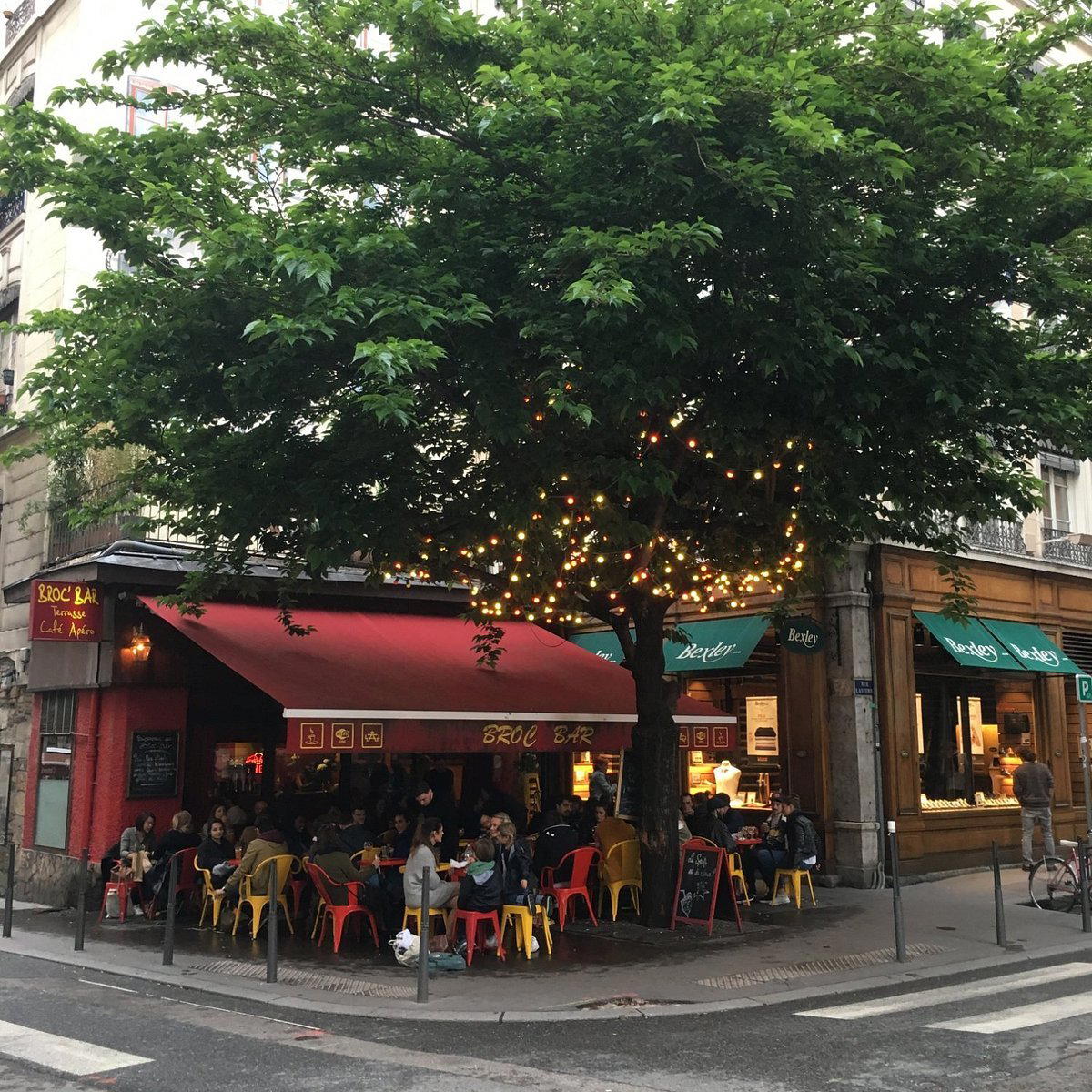
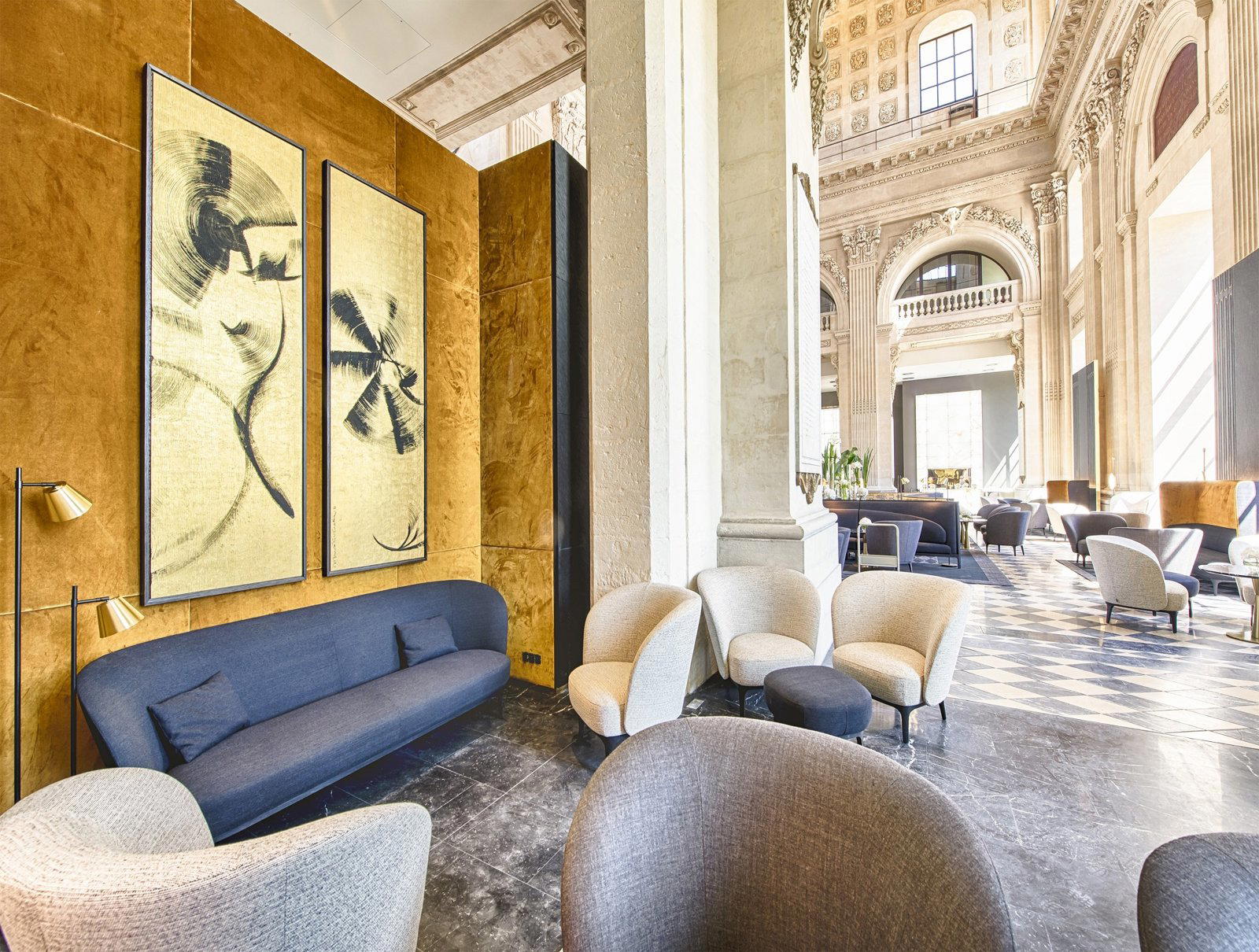
That rhythm is not distinctive to any single address. It is present at La Mère Brazier, the institution on rue Royale that codified what Lyonnais grand dining means, and it shapes the pacing at addresses across the city's fine-dining tier, including Le Neuvième Art and Takao Takano, both of which carry Michelin recognition and operate with menus calibrated to two hours or more at the table. The ritual is the baseline expectation, not a premium feature.
Vieux-Lyon and the Question of Register
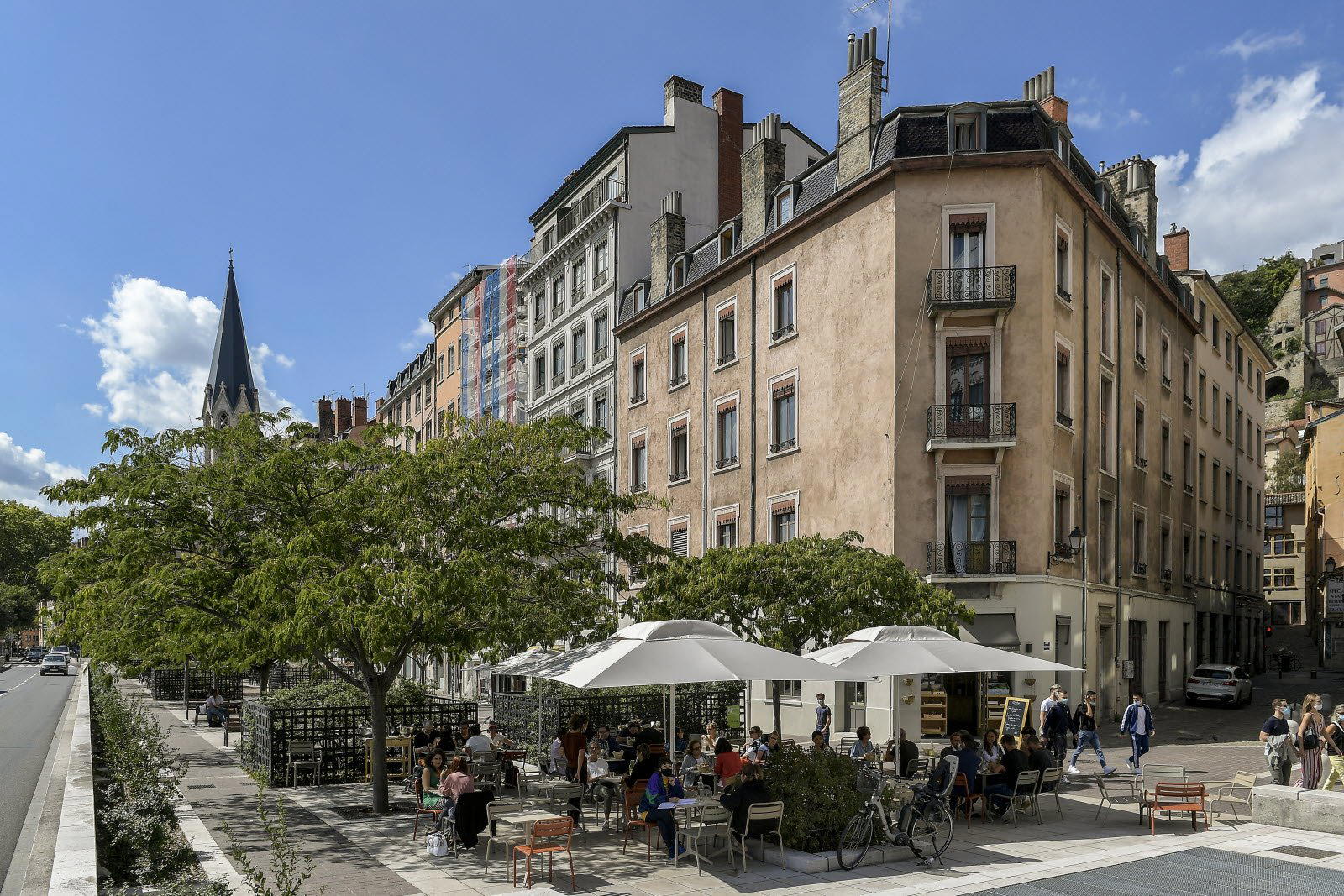
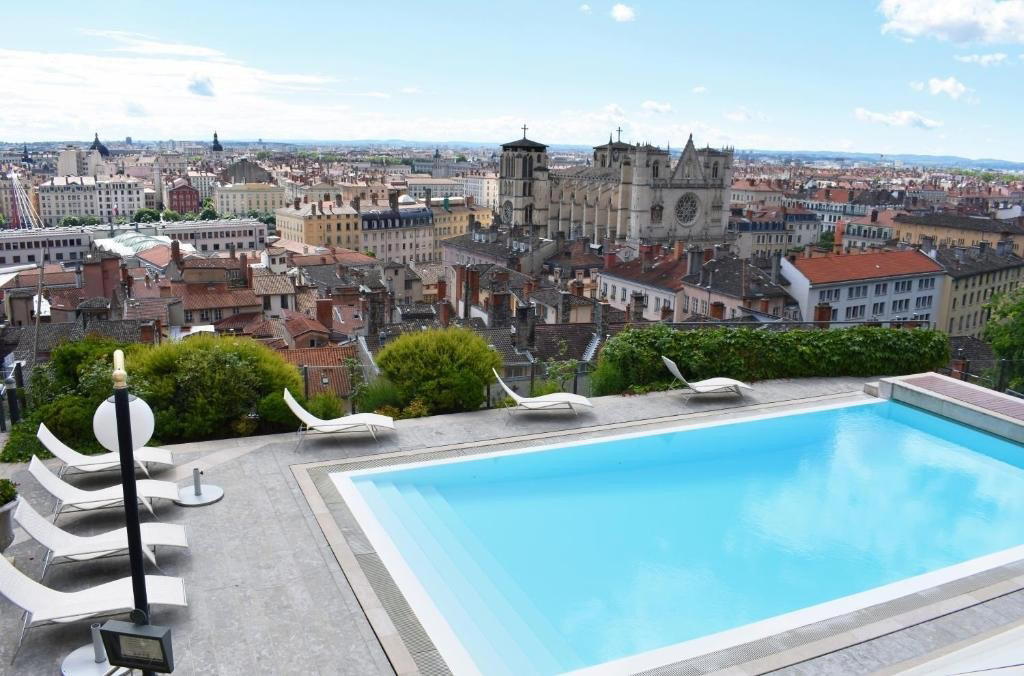
Lyon's 5th arrondissement has a tiered dining scene within a small geographic footprint. The tourist pressure around Saint-Jean cathedral generates a category of restaurants that exist primarily to convert foot traffic, while a separate layer, less visible from the street, operates for regulars and destination visitors who have done the work of finding them. Grive's address, on the corner of Place Benoît Crepu, places it in a part of Vieux-Lyon where that second category tends to concentrate. The square itself is a reference point rather than a thoroughfare, which tends to filter the clientele toward those who came specifically rather than those who wandered in.
In this, Vieux-Lyon operates similarly to other preserved French urban quarters where address specificity functions as a soft selection mechanism. The same dynamic applies, at a different scale and price tier, to addresses like Au 14 Février, which draws a committed dining public to a residential stretch of the 1st arrondissement. Lyon rewards the traveller who has thought about where to go before arriving.
Lyon in the Broader French Fine Dining Context
France's serious dining addresses are geographically distributed in ways that still surprise visitors expecting concentration in Paris. The regions carry significant weight. Troisgros in Ouches, Flocons de Sel in Megève, Auberge de l'Ill in Illhaeusern, and Bras in Laguiole collectively demonstrate that the country's most deliberate cooking often happens at a remove from the capital. Lyon sits at the centre of that regional argument. The city's density of Michelin-recognised addresses per capita has been noted for decades, and Paul Bocuse's Auberge du Pont de Collonges north of the city remains the reference point for how seriously the region takes its culinary identity.
Within Lyon itself, the spectrum runs from destination tasting menus, as at Le Neuvième Art, to the more ingredient-led modern approach of Burgundy by Matthieu, with traditional bouchon culture forming a third, separate register beneath both. Grive occupies a street-level position in the 5th arrondissement from which a visiting diner can read most of that range without crossing the Saône.
For a wider map of where these addresses sit relative to each other, our full Lyon restaurants guide places them in neighbourhood and price-tier context.
How to Approach a Meal in This Quarter
The practical conventions of dining in Vieux-Lyon are worth stating plainly. The neighbourhood is walkable from the Vieux-Lyon metro station on Line D, and the cobbled streets between Saint-Jean and the Saône quays are navigable on foot even in poor weather if you know where you are headed. Lunchtime in this district tends to carry more flexibility than evening service; midday in Lyon retains a seriousness that many other European cities have abandoned, and a long lunch here is not treated as an extravagance but as a functioning social institution.
Reservations in the quarter vary by address. The more recognised rooms book out several weeks in advance, particularly for Friday and Saturday evenings. For addresses on quieter squares such as Place Benoît Crepu, weekday lunch often offers more availability than weekend dinner without sacrificing the quality of the experience, and in some cases the room is quieter and the service more considered for it.
Dress in this part of Lyon reads as smart-casual as a floor, with the understanding that the evening register in a well-established room leans toward the put-together side of that range. The Lyonnais dining public tends to dress for the occasion without performance; turning up in resort wear at a serious address would register as a mismatch with the room.
The Comparative Field Beyond Lyon
Visitors who move between France's serious dining cities will find that Lyon's particular quality, technical seriousness without the self-consciousness that can accompany Parisian prestige dining, positions it differently from addresses like Alléno Paris au Pavillon Ledoyen or Assiette Champenoise in Reims. The city's dining culture is less interested in its own image than most French cities of comparable culinary standing, which produces a different quality of attention in the room, less theatre, more meal.
For comparison at the international level, the deliberateness of pacing and ritual in Lyon's serious addresses sits closer to what you find at Le Bernardin in New York, where the meal is structured to be experienced rather than rushed, than to the more conceptual, counter-service orientation of addresses like Atomix. The Lyonnais table is a classical one, and Vieux-Lyon remains the neighbourhood where that classicism is most legibly on display. For those also considering southern French addresses, AM par Alexandre Mazzia in Marseille and Mirazur in Menton offer instructive counterpoints in approach and register. And Au Crocodile in Strasbourg demonstrates how differently Alsace interprets French fine dining formality within its own regional frame.
Planning Your Visit
Grive is located at the croisement of 1 rue du Viel Renversé and Place Benoît Crepu in Lyon's 5th arrondissement, within walking distance of the Vieux-Lyon metro station. Prospective visitors should confirm current opening hours, booking policies, and format directly.