
Cafe Domusshu Himeji ten belongs to Himeji’s practical café culture rather than the temple-of-gastronomy circuit: early service, yoshoku-adjacent cooking, family utility, and a local almond-butter association give it a clear place in the city’s everyday dining map. Its selection for Tabelog Cafe WEST “Tabelog 100” 2025 adds a useful quality signal for travelers sorting serious casual stops from routine coffee shops.
Pearl is the En Primeur Club membership app — saves, bookings, and concierge access live there. Same editors, same standards.
- Address
- 1 Chome-7 Ichikawadai, Himeji, Hyogo 670-0822, Japan
- Phone
- +81 79-289-1120
- Website
- muche.jp
 Saves & bookings on Pearl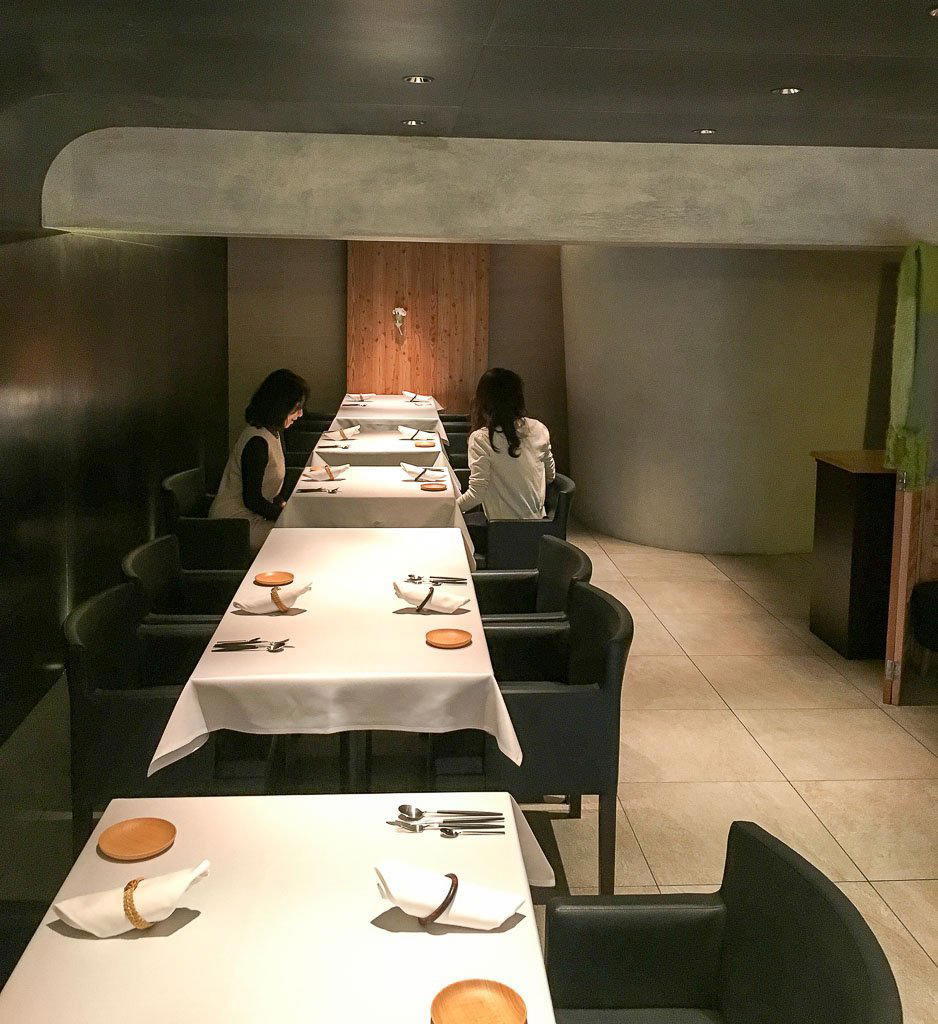
Approaching Himeji’s eastern side, the dining rhythm changes from station-front speed to suburban utility: larger rooms, car access, families, and cafés that work across several parts of the day rather than one narrow service window. In that setting, Cafe Domusshu Himeji ten reads less like a boutique coffee counter and more like a Japanese café-cafeteria hybrid, the kind of place where morning service, yoshoku, drinks, terrace seating, and family dining sit under one roof.
That format matters in Himeji. The city’s international attention usually gathers around the castle and the rail corridor, but its casual food culture is broader than a tourist lunch circuit. Cafés here often function as breakfast rooms, social spaces, light-meal counters, and car-friendly neighborhood restaurants. For travelers, the distinction is useful: this is not the same decision as choosing a beef skewer stop such as Kushiyaki Kobe beef, a station-area meal at Eiyo Ken Himeji ekimae ten, or a bakery run to Bakery Lamp. Cafe Domusshu Himeji ten sits in the all-day café lane, where breadth, accessibility, and local habit carry as much weight as a single headline dish.
Almond butter and the Himeji café habit
The useful lens here is sourcing in the everyday sense: not rare seafood or luxury beef, but the way a local café identity can form around a spread, a breakfast routine, and the ingredients that make a morning table recognizable. The venue is publicly associated with almond butter, available for order, and that detail places it in a specific Kansai café tradition where toast, coffee, and yoshoku-adjacent plates often anchor the day before lunch menus take over.
Yoshoku is often misread by visitors as a minor Western import. In Japan, it is its own category, shaped by domestic tastes and café infrastructure: rice plates, fried items, sauces, sandwiches, toast, coffee service, and family-friendly portions rather than formal French technique. The categories listed for this address, café, cafeteria, and Japanese-style Western cuisine, point to that broader tradition. Ingredient sourcing here is not about a chef’s tasting-menu manifesto; it is about consistency, recognisable staples, and products that can travel from breakfast into take-home orders.
The Tabelog Cafe WEST “Tabelog 100” 2025 selection gives that casual format an external signal. Café awards in Japan are often more revealing than they first appear because the category is crowded and intensely local. A high-end dinner room can impress through ceremony; a café has to survive repeat use. Recognition in this lane suggests that the operation has relevance beyond convenience, especially in a city where visitors often overlook non-castle dining patterns.
A large-room café rather than a narrow counter
Scale changes the experience. With 130 seats, single seating available, counter seating, sofa seating, and an open terrace listed among the facilities, this is built for mixed use rather than a small specialist format. That affects the editorial read: a solo breakfast, a family meal, and a friend-group stop are all plausible here, whereas many of Japan’s more obsessive cafés trade on smallness and scarcity.
The room’s utility also separates it from tighter urban café culture in Osaka, Kyoto, and Tokyo, where space constraints can turn a simple coffee break into a queue-management exercise. For contrast across Japan’s café and casual dining spectrum, .cafe in Osaka, [ki:] in Kyoto. 鮪と炭火焼き うお炭 秋葉原店 in Tokyo, and.know in Kumamoto show how wildly different a casual Japanese meal can feel depending on density, format, and city expectations. Himeji’s version is more practical, more spacious, and more oriented toward repeated local use.
There is also a hospitality clue in the family and pet-friendly notes. Children are welcome, private rooms are not part of the setup, and terrace seating is listed as pet-friendly. That combination points to an open café model rather than a hushed room. It will suit travelers who want a low-friction meal in Himeji without turning lunch into a formal reservation project.
Where it fits in a Himeji itinerary
The strongest case for this stop is not rarity; it is fit. Himeji visitors often need one meal that absorbs practical needs: an early start, a child-friendly room, a casual table, or a pause outside the station crush. Cafe Domusshu Himeji ten answers that brief while carrying enough recognition to justify attention from travelers who normally filter hard for quality signals.
Within the city, it belongs on the same planning map as our full Himeji restaurants guide, but it serves a different purpose from destination dinner. Pair it with the broader trip rails in our full Himeji hotels guide, our full Himeji bars guide, our full Himeji wineries guide, and our full Himeji experiences guide if the day needs structure beyond a single meal.
For readers building a wider Japan casual-dining route, the comparison set should stay category-aware. This is not chasing the same mood as -Grilled beef Sukiyaki- KAMAKURA TANUKIAN 鎌倉 たぬき庵 in Kamakura, (Shoku) Vietnam in Kawasaki, [Curry Senmon Ten] Maruyama Kyoju. in Sapporo, or #肉といえば松田 奈良本店 in Kashihara. Nor does it occupy the same Japanese-food-abroad conversation as Jōdo Saké Bar in Los Angeles or Onigiri Time in Pasadena. Its value is local and functional: a Himeji café with award recognition, almond-butter identity, and the room to handle everyday dining without ceremony.
Fast Comparison
Comparable venues by cuisine and price in the same metro.
| Venue | Cuisine | Price | Notes |
|---|---|---|---|
| Cafe Domusshu Himeji tenThis venue — the venue you are viewing | Japanese Cafe / Yoshoku | $$ | Not listed |
| Kushiyaki Kobe beef | Kobe Beef Kushiyaki | $$ | Honmachi |
| Eiyo Ken Himeji ekimae ten | Standing Chinese dumpling bar | $$ | Ekimaecho |
| Bakery Lamp | Bakery café and burger shop | $ | Honmachi (near Himeji Castle) |
| Tonkatsu Kawakyu | Kagoshima Black Pork Tonkatsu | $$ | Chuocho |
| 東家 本店 | 盛岡わんこそばの老舗 | $$ | 中ノ橋通 |
Recognition history
Dated appearances from independent guides and award organizations, with the underlying list record or original source where available.
Tabelog 100 #11 · No. 11
Tabelog · Tabelog 100 - Cafe - WEST - 2025
Continue exploring
More in Himeji
Restaurants in Himeji
Browse all →
Hotels in Himeji
Browse all →
Wineries in Himeji
Browse all →
At a Glance
- Cozy
- Classic
- Family
- Casual Hangout
- Group Dining
- Brunch
- Standalone
Current opening hours
- Monday
- 7 AM–9:30 PM
- Tuesday
- 7 AM–9:30 PM
- Wednesday
- 7 AM–9:30 PM
- Thursday
- 7 AM–9:30 PM
- Friday
- 7 AM–9:30 PM
- Saturday
- 7 AM–9:30 PM
- Sunday
- 7 AM–9:30 PM
Hours can change for holidays and private events. Last verified .
A casual, family-friendly neighborhood cafe with a lively but comfortable feel, suited to breakfast through dinner service.