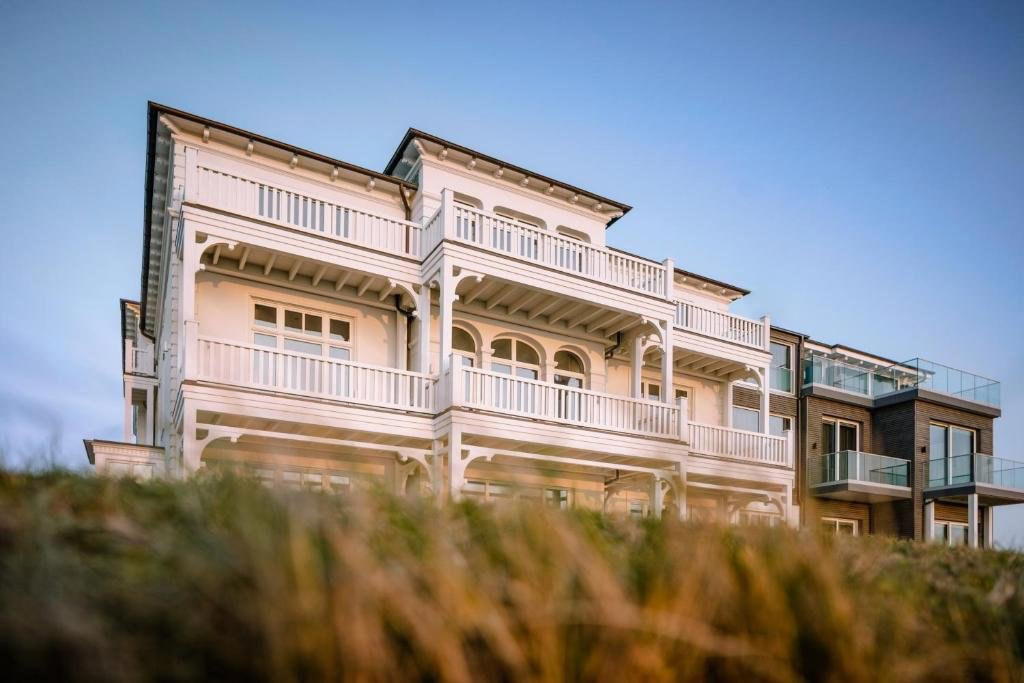
On Germany's smallest inhabited North Sea island, Cafe del Mar Juist occupies a stretch of the Strandpromenade where the dunes give way to the waterfront. The setting shapes the offer: an island accessible only by ferry or small aircraft, where the sourcing conversation starts with geography and ends with whatever the tides and local fishermen allow.
Pearl is the En Primeur Club membership app — saves, bookings, and concierge access live there. Same editors, same standards.
- Address
- Strandpromenade 7, 26571 Juist, Germany
- Phone
- +4949359228989
- Website
- juist-gastronomie.de
- Directions
- Get directions
 Saves & bookings on Pearl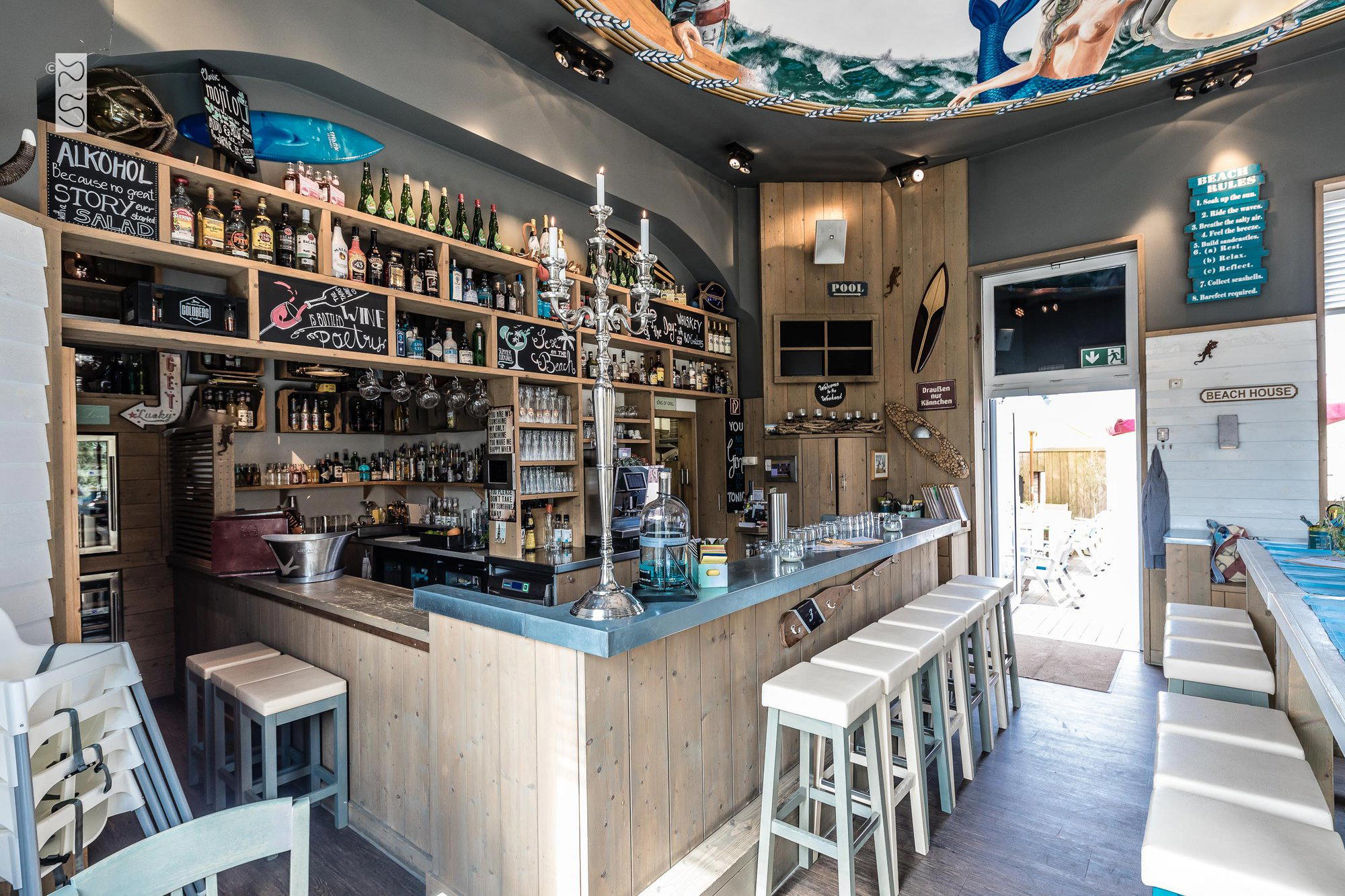
The North Sea at the Table
Juist is among the most restricted environments for a restaurant to operate in Germany. The island sits roughly twelve kilometres long and barely a few hundred metres wide, accessible only by tidal ferry from Norddeich or by Wattenmeer air service, with both routes subject to weather and tide schedules. There are no private cars on Juist. Goods arrive by horse-drawn cart or by hand. For any kitchen on the island, those constraints are not atmospheric detail — they are the supply chain. Whatever arrives on Juist arrives deliberately, and whatever grows or swims nearby carries a sourcing argument that most coastal restaurants have to manufacture artificially.
Cafe del Mar Juist, at Strandpromenade 7, sits within that geography. The Strandpromenade runs along the island's northern shoreline, and the approach from the village is, by design, unhurried: no traffic, no noise beyond the wind off the Wattenmeer, and a horizon that changes colour with the tide. The North Sea dictates the mood here in ways that a mainland beachfront address simply cannot replicate.
What Island Supply Chains Actually Mean for a Kitchen
The sourcing reality on Juist points toward a particular kind of cooking, even where a specific menu cannot be confirmed. The North Sea produces flatfish, crab, shrimp, and seasonal catch that the broader German coastal kitchen has relied on for centuries. Wadden Sea shrimp, known locally as Krabben, are hand-sorted and among the most labour-intensive shellfish products on any German menu — the processing ratio means that a significant volume of raw catch yields a modest finished weight. On the North Sea islands, that product travels almost no distance from water to kitchen.
That proximity is the ingredient story that island dining can tell honestly. Where a restaurant in a city like Hamburg sources North Sea fish through multiple distribution steps, an island kitchen is working with a supply chain measured in hours and kilometres rather than days and hundreds of kilometres. The Restaurant Haerlin in Hamburg operates with impeccable technique and access to exceptional product, but the sourcing distance alone separates it categorically from what a Juist kitchen can do with the same raw materials.
This is also what separates island restaurant culture from the fine-dining circuit that runs across Germany's interior. The highly technical end of German cooking, from Aqua in Wolfsburg to Schwarzwaldstube in Baiersbronn and Vendôme in Bergisch Gladbach, operates from a different logic: a chef-driven, technique-forward model where the sourcing is curated but the primary argument is what happens in the kitchen. On an island like Juist, the primary argument is often the place itself.
The Atmosphere the Address Creates
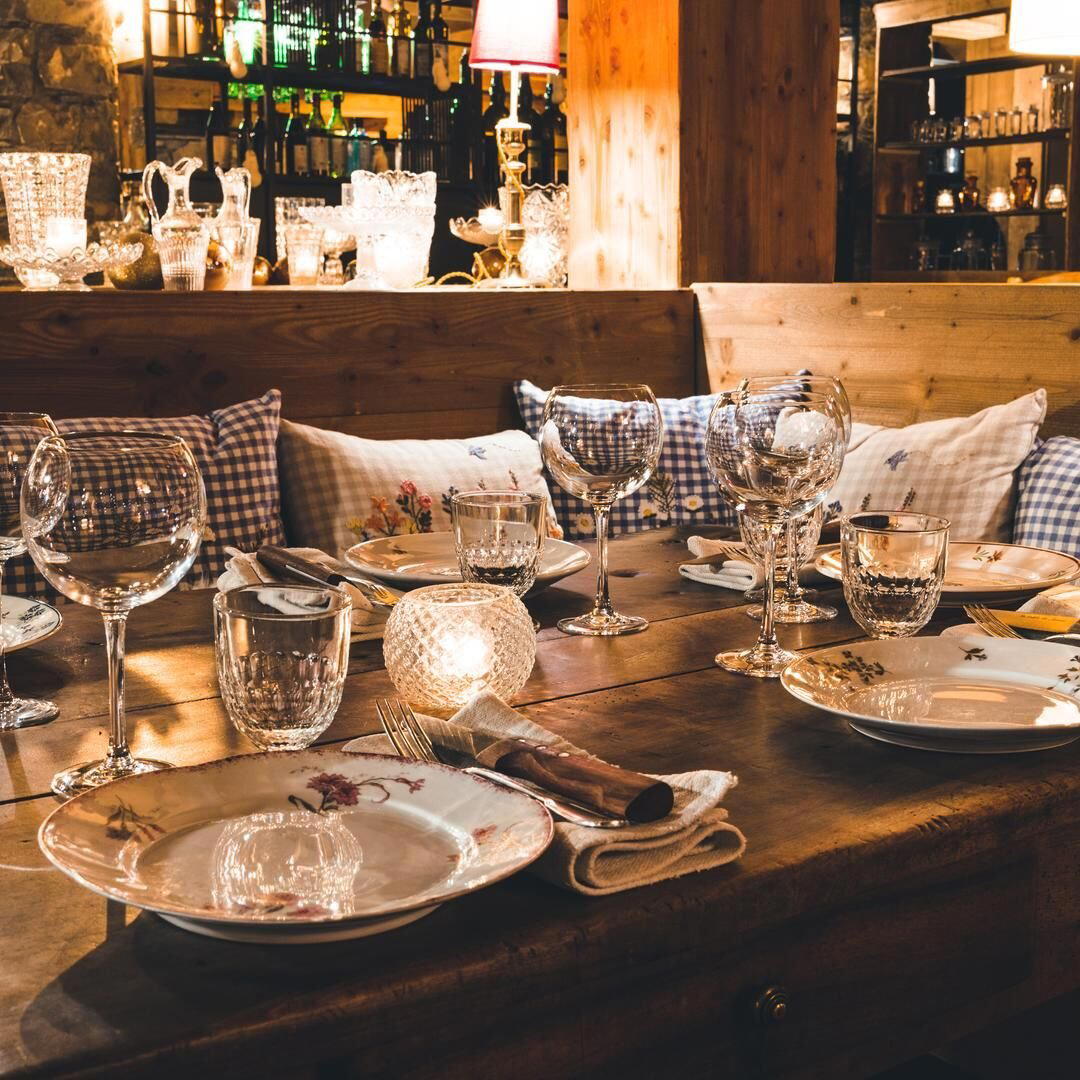
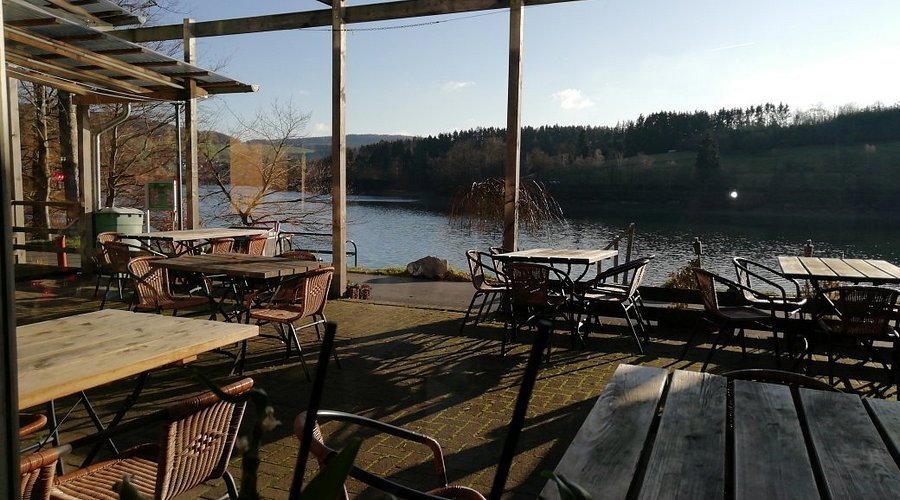
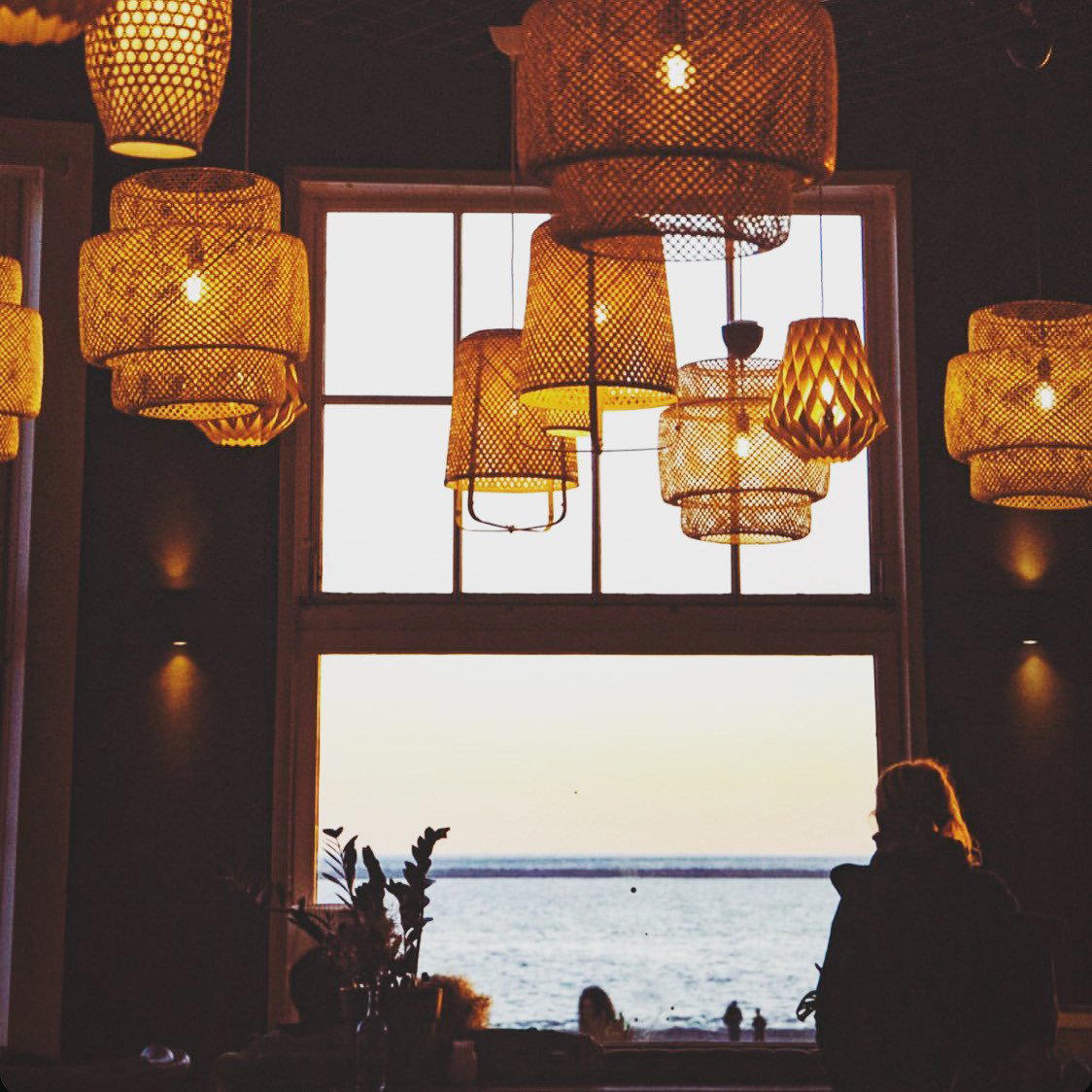
The Strandpromenade on Juist operates at a pace that is noticeably different from mainland resort dining. Car-free islands create a particular hospitality rhythm: guests arrive on foot or by bicycle, time is less fragmented, and the relationship between a meal and its surroundings becomes more direct. A table near the waterfront here is not competing with street traffic or parking logistics, the view is uninterrupted Wattenmeer, a UNESCO World Heritage Site that stretches across the horizon in shifting greens and silvers depending on tide and light.
That setting pushes the experience toward the casual end of the coastal dining spectrum, which is not a criticism. Germany's North Sea island restaurants generally occupy a different register than the country's fine-dining circuit. The point of comparison for Cafe del Mar Juist is not CODA Dessert Dining in Berlin or Victor's Fine Dining by Christian Bau in Perl. It is the broader category of destination dining where the address does meaningful work alongside whatever is on the plate.
Internationally, the analogy holds in places like coastal Maine or along the Breton coast in France, where proximity to source and geographic inaccessibility create a hospitality proposition that technique-driven restaurants elsewhere cannot replicate. The Le Bernardin model in New York City is one approach to serious seafood, controlled, refined, urban. Island dining is a different model entirely, and the two are not competing.
Juist in the Context of German Island Dining
Among the East Frisian Islands, Juist occupies the quietest position in every sense. Borkum and Norderney both carry more infrastructure and a broader range of restaurants and bars. Juist, with a resident population measured in hundreds rather than thousands, attracts visitors specifically because it offers fewer options, not more. The dining scene on the island is small by consequence, and each restaurant on the Strandpromenade carries more weight within that ecosystem than a comparable address would on a larger island.
For visitors arriving via the Wattenmeer ferry or the small-aircraft service from Norddeich, the journey itself frames expectations. This is not spontaneous dining, the logistics of getting to Juist require planning, and that planning tends to produce visitors with more time and more tolerance for a slower pace than mainland restaurant-goers. The audience self-selects toward people for whom a meal with an uninterrupted view of a World Heritage coastline is a sufficient reason to be there. For those visitors, Danzer's on Juist and the island's other addresses collectively form a small but coherent dining scene worth exploring. See our full Juist restaurants guide for a complete picture of what the island offers across formats and price points.
Planning a Visit
Getting to Juist requires working around tidal ferry schedules from Norddeich, operated by Reederei Norden-Frisia, or booking the small Wattenmeer air service that operates from the same departure point. The ferry crossing runs approximately one hour and is tide-dependent, meaning departure times shift daily and advance planning is essential, particularly in summer when capacity fills early. Once on the island, the Strandpromenade is walkable from the ferry landing. Specific opening hours, booking requirements, and seasonal availability for Cafe del Mar Juist should be confirmed directly with the venue ahead of travel, as island operations frequently adjust outside peak summer months.
Visitors building a wider German dining itinerary might use Juist as the coastal counterpoint to inland destinations. The restaurant culture at places like Schanz in Piesport, Bagatelle in Trier, or ES:SENZ in Grassau operates from a fundamentally different premise than island dining, and the contrast is worth experiencing across a trip rather than treating either mode as the default. Other technically ambitious addresses such as Waldhotel Sonnora in Dreis, JAN in Munich, ammolite in Rust, ATAMA by Martin Stopp in Sankt Ingbert, and AUGUST in Augsburg round out a picture of what serious German cooking looks like when the argument is technique. Juist argues something different: place, tide, and what the sea provides that day.
Comparable Spots, Quickly
| Venue | Cuisine | Price | Awards |
|---|---|---|---|
| Cafe del Mar JuistThis venue — the venue you are viewing | This venue | Not listed | Not listed |
| Aqua | Contemporary German, Italian/Japanese, Creative | €€€€ | Michelin 3 Star |
| Schwarzwaldstube | French, Classic French | €€€€ | Michelin 3 Star |
| CODA Dessert Dining | Creative | €€€€ | Michelin 2 Star |
| Vendôme | Modern European, Creative | €€€€ | Michelin 2 Star |
| Tantris | Modern French, French Contemporary | €€€€ | Michelin 2 Star |

At a Glance
- Scenic
- Cozy
- Casual Hangout
- Date Night
- Waterfront
- Terrace
- Beer Program
- Waterfront
Current opening hours
- Monday
- 5 PM–1 AM
- Tuesday
- 5 PM–1 AM
- Wednesday
- 5 PM–1 AM
- Thursday
- 5 PM–1 AM
- Friday
- 5 PM–1 AM
- Saturday
- 5 PM–1 AM
- Sunday
- Closed
Hours can change for holidays and private events. Last verified .
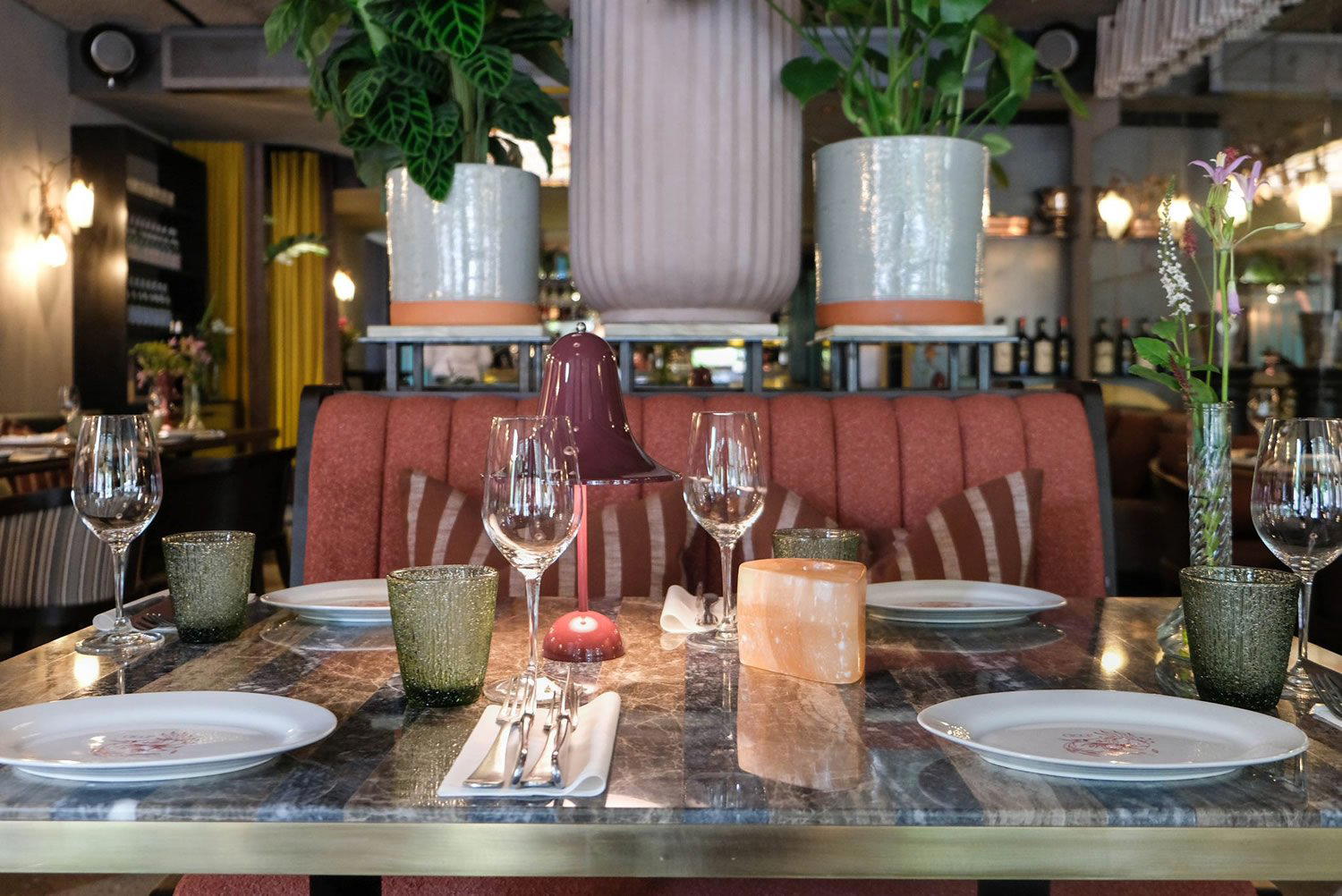
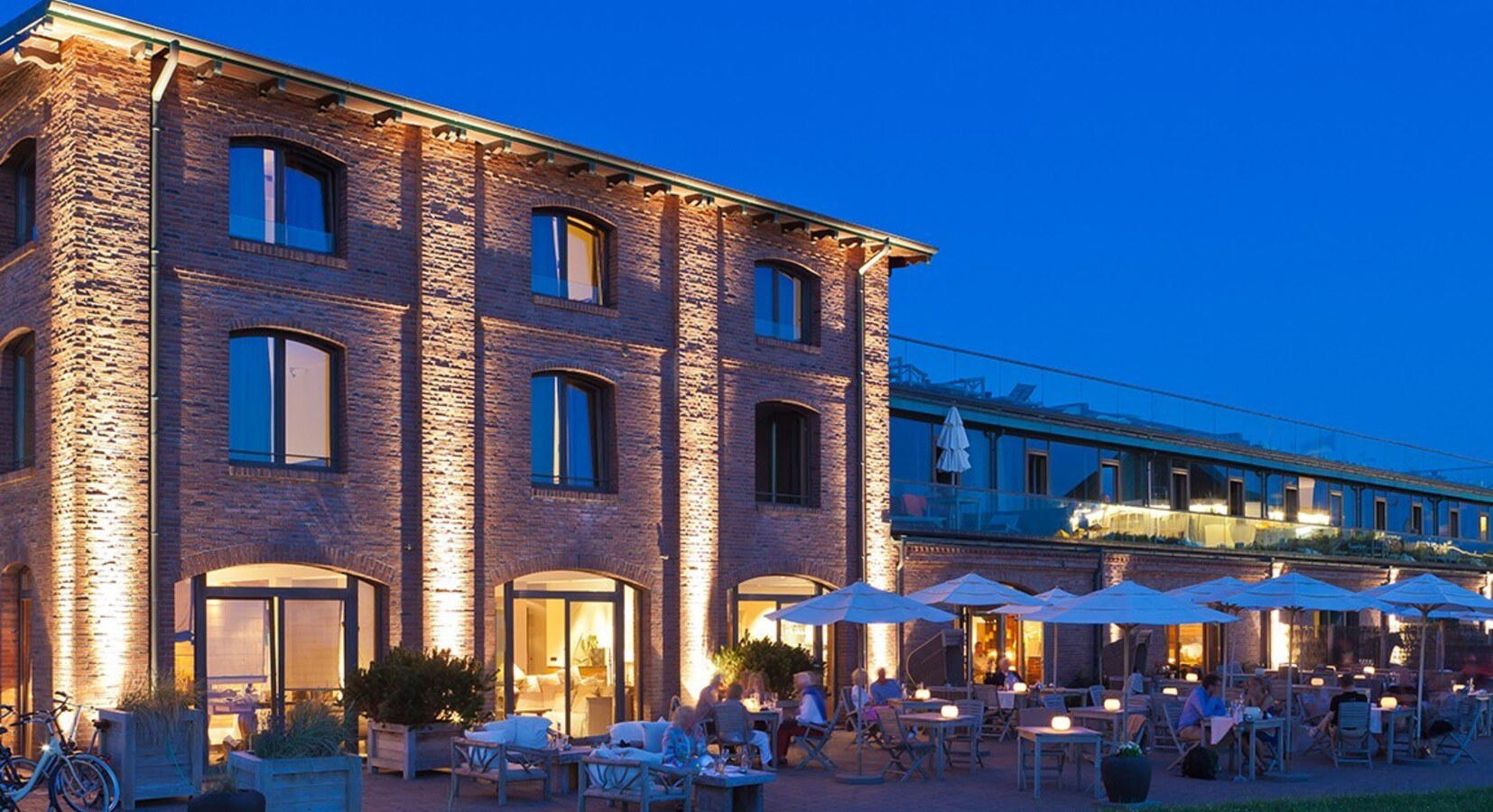
Schönes Ambiente with beachside terrace seating.