Pio Pio 6
Pio Pio 6 serves Peruvian rotisserie chicken at 702 Amsterdam Ave, with Juanita's Chicken and Green Sauce setting a practical, casual frame for lunch or dinner.
Pearl is the En Primeur Club membership app — saves, bookings, and concierge access live there. Same editors, same standards.
- Address
- 702 Amsterdam Ave, New York, NY 10025
- Phone
- +12126653000
- Website
- piopio.com
- Directions
- Get directions
 Saves & bookings on Pearl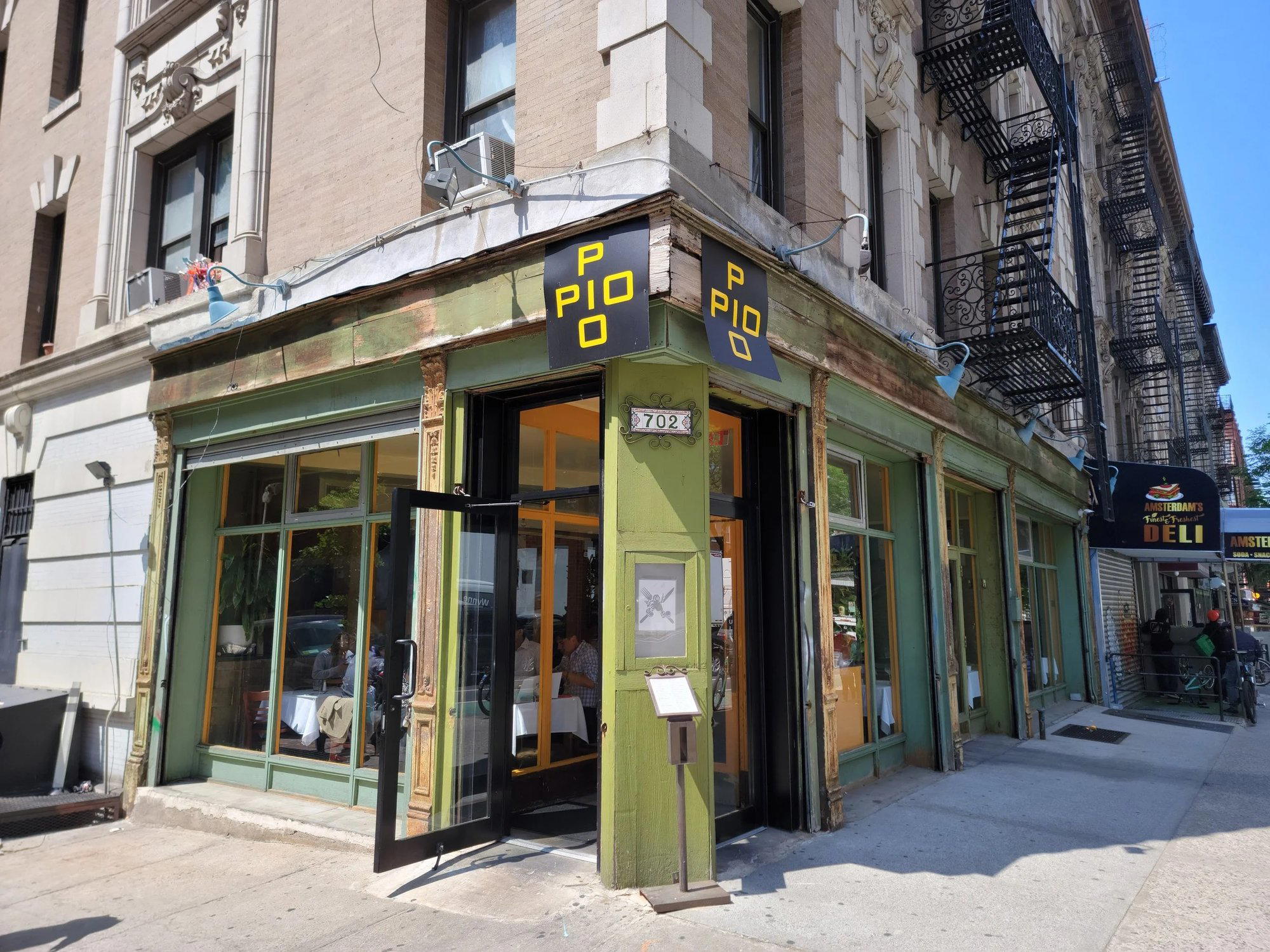
Rotisserie Chicken on the Upper West Side: A Peruvian Dining Ritual Worth Understanding
Peruvian rotisserie, or pollo a la brasa, arrived in New York City through a wave of Latin American immigration that reshaped the outer boroughs and, eventually, pushed into Manhattan neighborhoods where the format was less expected. The Upper West Side, a stretch of Amsterdam and Columbus Avenues defined by pre-war apartments and family-oriented dining, became one of those entry points. Pio Pio, as a multi-location group, has long served this tradition in New York City. The sixth location, at 702 Amsterdam Ave, operates within that longer arc: a neighborhood restaurant anchored to a specific culinary ritual rather than a trend.
The ritual itself matters more than any single dish. Pollo a la brasa is a communal format by design. The bird arrives whole or in halves, accompanied by aji verde, the green herb sauce that functions as the structural counterpart to the chicken's wood-fire char. The meal is meant to be shared, pulled apart, sauced liberally, and eaten without particular ceremony. In Lima, rotisserie houses are working-class staples open late into the evening, and that informality travels well. New York's version of the format, at its better addresses, retains the directness of the original: no tasting menus, no composed plates, no pacing imposed by a kitchen that wants to control the narrative. The table controls the pace. You eat when the food arrives, you share as much as you want, and the meal ends when the chicken is gone.
Where Pio Pio 6 Sits in the New York Dining Picture
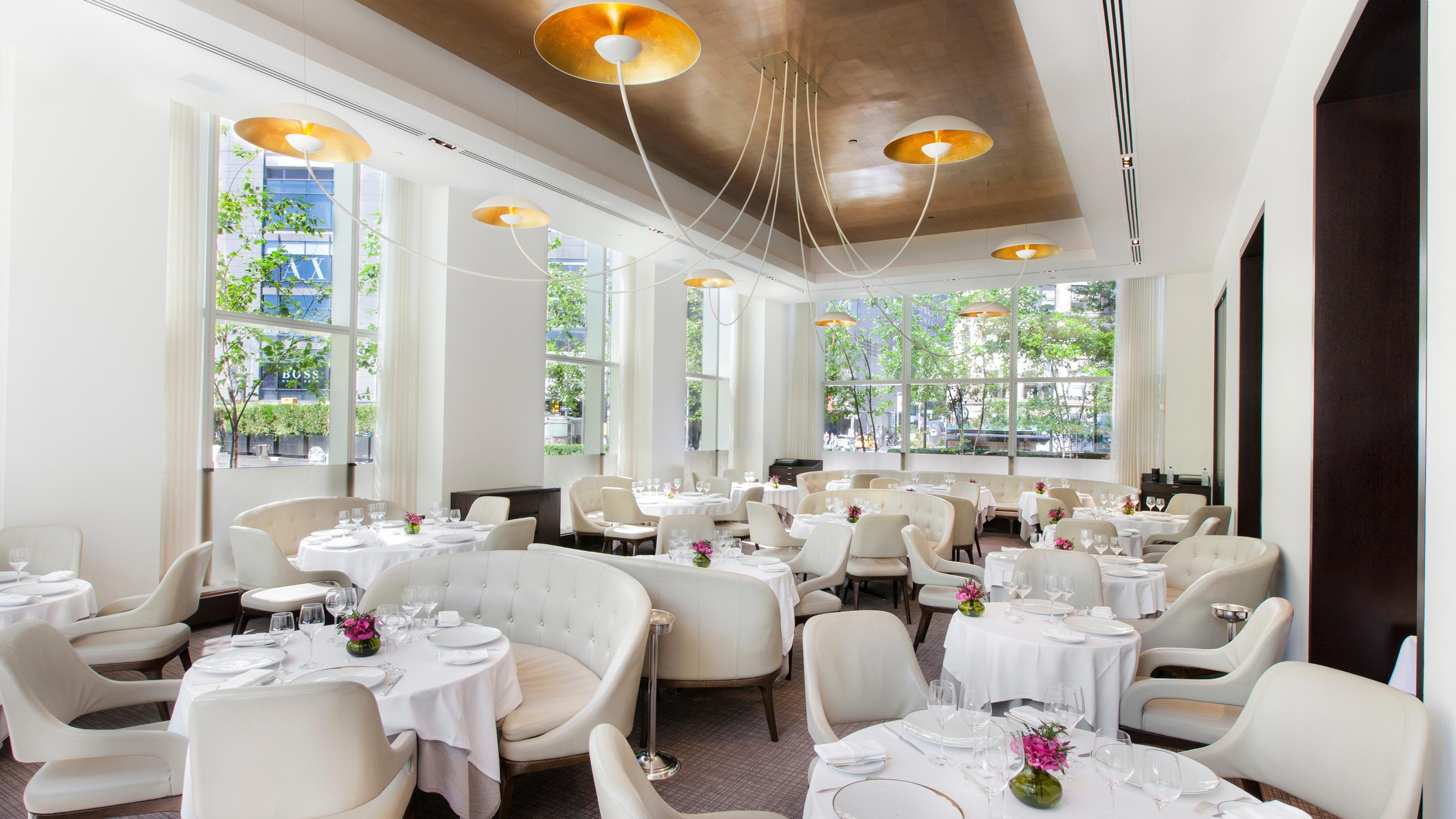
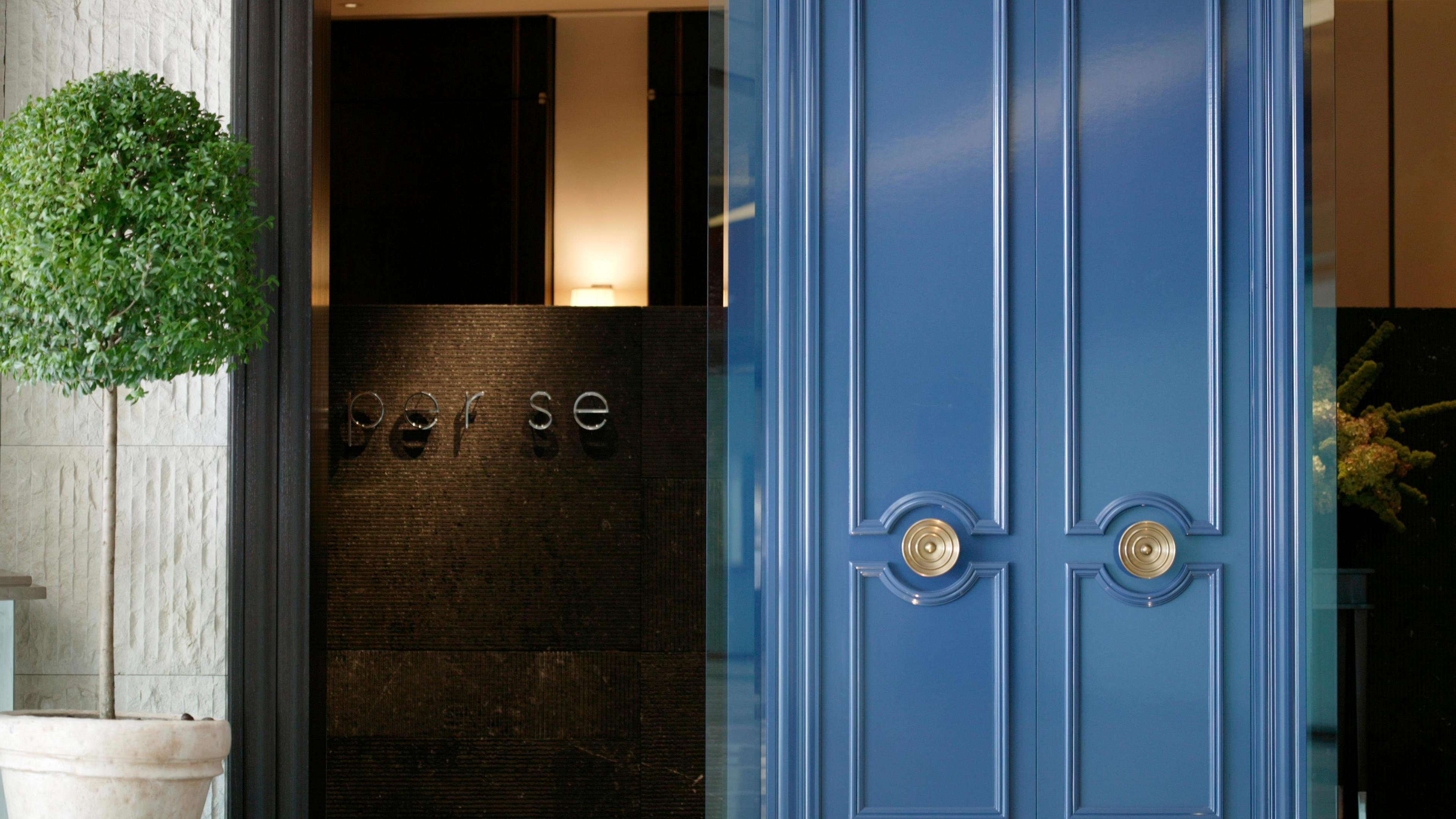
New York's restaurant spectrum runs from the counter-service rotisserie shop to the prix-fixe temples that define the city's international reputation. Le Bernardin, Masa, and Per Se occupy the formal end of that register, where a single dinner can exceed several hundred dollars per person and the meal's structure is entirely the kitchen's to dictate. Atomix and Jungsik New York represent a middle tier, where serious culinary technique meets a more modern, design-conscious room. Pio Pio 6 operates in a different register entirely, one where the value proposition is not technique or prestige but fidelity to a format that has fed millions of people across South America without requiring any of those things.
That positioning is not a consolation prize. The leading rotisserie traditions in New York are judged by different criteria: the quality of the bird, the complexity of the marinade, the heat management of the spit, and the quality of the accompanying sauces. A well-executed pollo a la brasa is a specific achievement that has nothing to apologize for when placed alongside the tasting-menu tier. The audiences are different, the occasions are different, and the measure of success is different. For context on the broader New York dining scene and how neighborhood options map across the city,
The Dining Ritual at a Peruvian Rotisserie House
Understanding how to eat at a place like Pio Pio 6 makes the experience more rewarding. The format is not designed for solitary dining. A party of two can share a half-bird; a group of four or more should consider a whole bird plus sides. The sides, in most Peruvian rotisserie formats, include plantains, rice, fries, and various small accompaniments, none of which are afterthoughts. The aji verde, in particular, should be treated as a central component of the meal rather than a condiment. It carries acid, fat from avocado in some versions, and herb intensity from cilantro, and it changes the character of every bite it touches.
The pacing at a rotisserie house is determined by the kitchen's output rather than a choreographed sequence. Food arrives when it is ready. There is no amuse-bouche, no bread course, no intermezzo. This directness is a feature, not an absence of sophistication. In cities like Lima, Buenos Aires, and increasingly in New York neighborhoods with dense Latin American communities, this format represents a developed and deliberate approach to shared eating. The absence of ceremony is the ceremony.
For travelers who have eaten their way through the high-concept American dining circuit, from Alinea in Chicago to The French Laundry in Napa to Blue Hill at Stone Barns in Tarrytown, a Peruvian rotisserie house operates as a productive counterpoint. The format asks nothing of you in terms of knowledge or deference. It asks only that you show up hungry and willing to share.
Upper West Side Context
Amsterdam Avenue between the 70s and 100s is not a destination dining corridor in the way that the West Village or the Lower East Side function for trend-forward restaurants. It is a residential strip where longevity matters more than novelty. Restaurants that survive on Amsterdam Avenue for more than a few years do so because they serve a genuine neighborhood function, feeding families, building regulars, and holding a consistent place in local routines. Multi-location groups like Pio Pio have managed this on the Upper West Side by maintaining a consistent format across addresses rather than evolving each location independently.
That approach mirrors strategies seen at durable restaurant groups across other American cities. The ability to hold a neighborhood position across multiple decades and multiple locations reflects something different from the chef-driven ambition that produces restaurants like Single Thread Farm in Healdsburg, Providence in Los Angeles, or Lazy Bear in San Francisco. It reflects operational discipline and an understanding of what a specific community actually wants to eat on a Tuesday night.
Planning Your Visit
| Venue | Cuisine | Price Tier | Booking Lead Time | Format |
|---|---|---|---|---|
| Pio Pio 6 | Peruvian Rotisserie | $ (casual) | Walk-in likely | Shared plates, communal |
| Le Bernardin | French Seafood | $$$$ | Weeks in advance | Prix-fixe tasting |
| Per Se | French Contemporary | $$$$ | Weeks in advance | Prix-fixe tasting |
| Atomix | Modern Korean | $$$$ | Months in advance | Counter omakase |
The restaurant is located at 702 Amsterdam Ave in the Upper West Side, For broader US dining comparisons outside New York, the group's format sits in a different tier from destination restaurants like Addison in San Diego, The Inn at Little Washington, Bacchanalia in Atlanta, or Emeril's in New Orleans, and internationally from 8 1/2 Otto e Mezzo Bombana in Hong Kong or Alain Ducasse Louis XV in Monte Carlo. The point of comparison is not prestige but category clarity: knowing what a venue is for helps you decide whether it fits your plans.
A Minimal comparable set
Comparable venues nearby, for context on price, style, and recognition.
| Venue | Cuisine | Price | Notes |
|---|---|---|---|
| Pio Pio 6This venue — the venue you are viewing | Not listed | $$ | Not listed |
| Cafe Bar J.F. | Not listed | $$ | Williamsburg, South American Tavern / Peruvian-leaning New American |
| Pio Pio 2 | Not listed | $$ | Jackson Heights, Authentic Peruvian Rotisserie Chicken |
| Landmark Cevicheria | Not listed | $$$ | Carroll Gardens-Cobble Hill-Gowanus-Red Hook, Peruvian & Mexican Cevicheria |
| Inti | Hell's Kitchen, Authentic Peruvian | $$ | Not listed |
| Paulie Gee’s | Not listed | $$ | East Village, Wood-Fired Neapolitan Pizza |
Continue exploring
More in New York City
Restaurants in New York City
Browse all →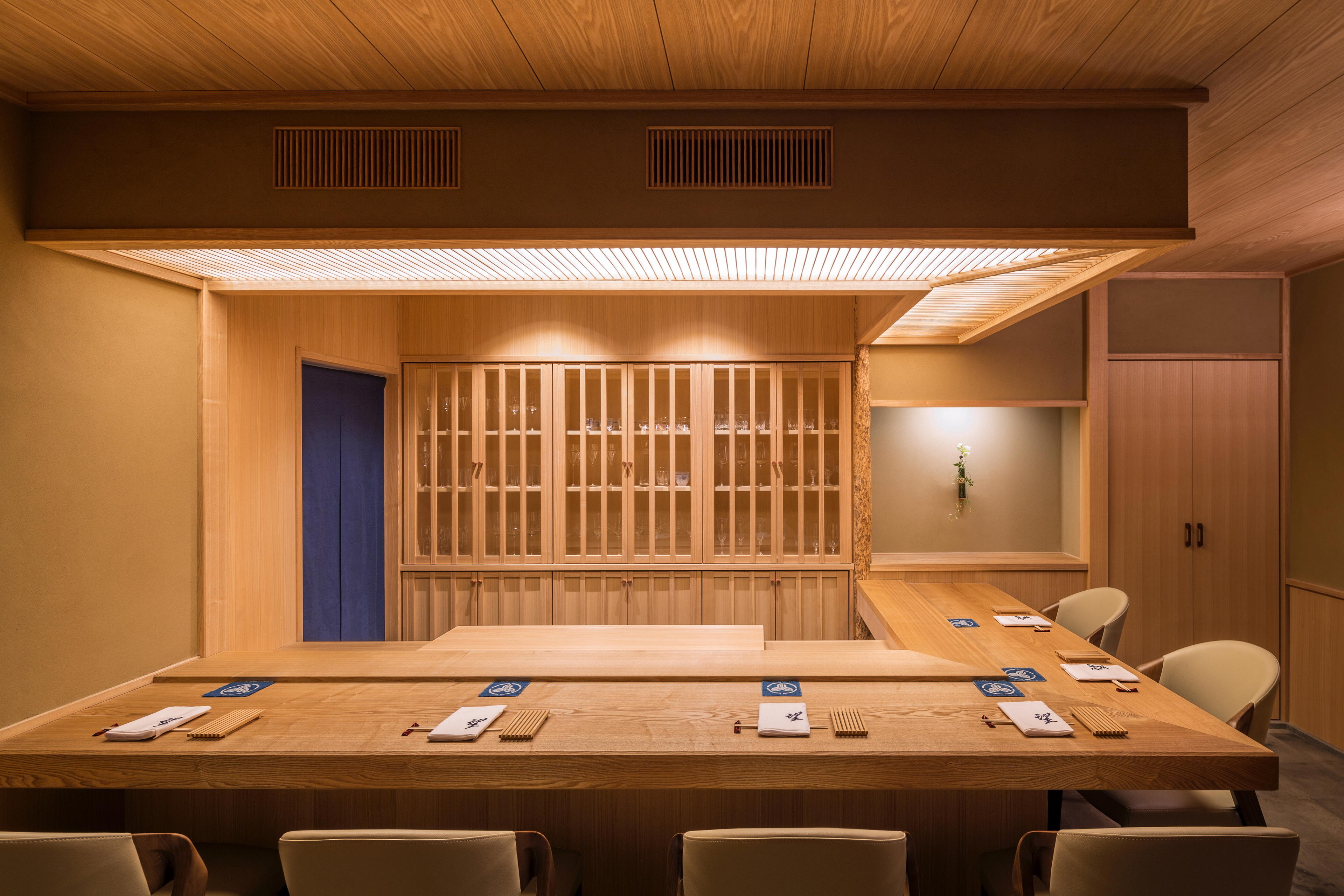
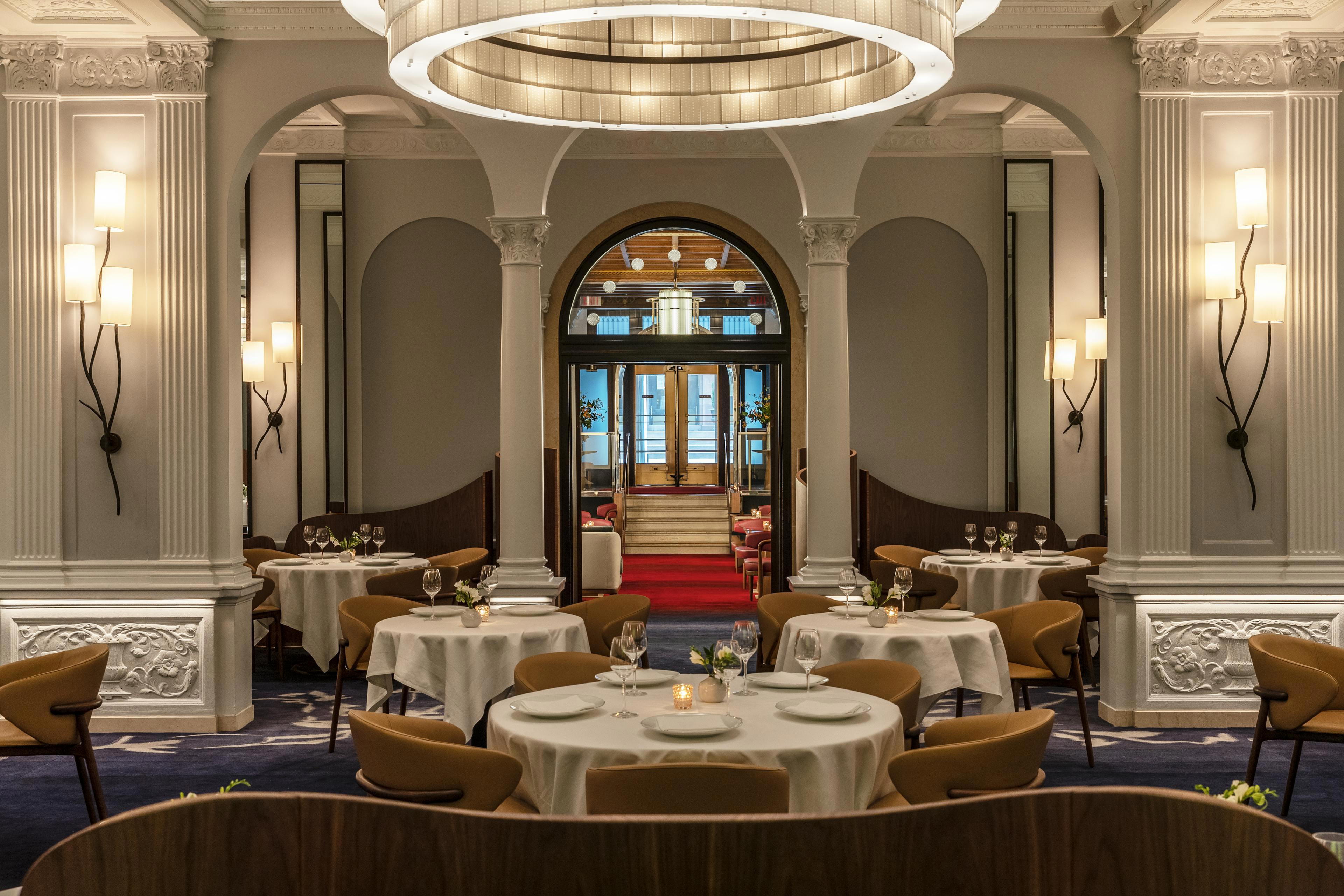
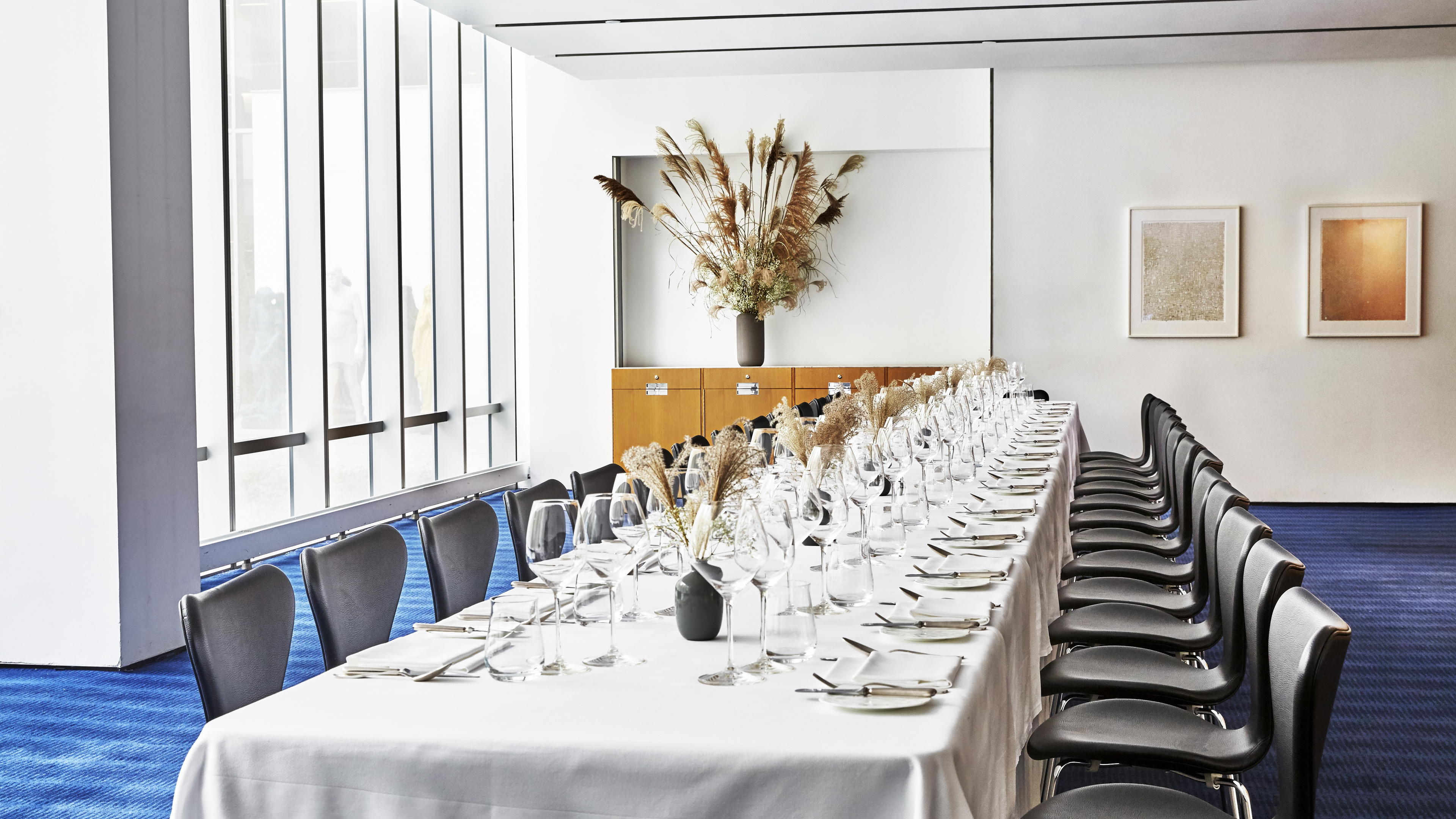
Bars in New York City
Browse all →


Hotels in New York City
Browse all →







At a Glance
- Lively
- Casual
- Group Dining
- Family
- Casual Hangout
Current opening hours
- Monday
- 11 AM–10 PM
- Tuesday
- 11 AM–10 PM
- Wednesday
- 11 AM–10 PM
- Thursday
- 11 AM–10 PM
- Friday
- 11 AM–11 PM
- Saturday
- 11 AM–11 PM
- Sunday
- 11 AM–10 PM
Hours can change for holidays and private events. Last verified .
Casual and cheerful atmosphere focused on hearty Peruvian comfort food with a lively neighborhood vibe.