Thongmoun Aunt Noodle Soup
Our verdict
A morning institution in Luang Prabang, Thongmoun Aunt Noodle Soup serves the kind of khao piak sen and rice-based broths that anchor daily life in northern Laos. The format is simple, the hours early, and the crowd local. For visitors tracing the city's food culture beyond its French-colonial dining rooms, this is where the day begins in earnest.

Pearl is the En Primeur Club membership app, where members save venues, book tables and use the concierge.
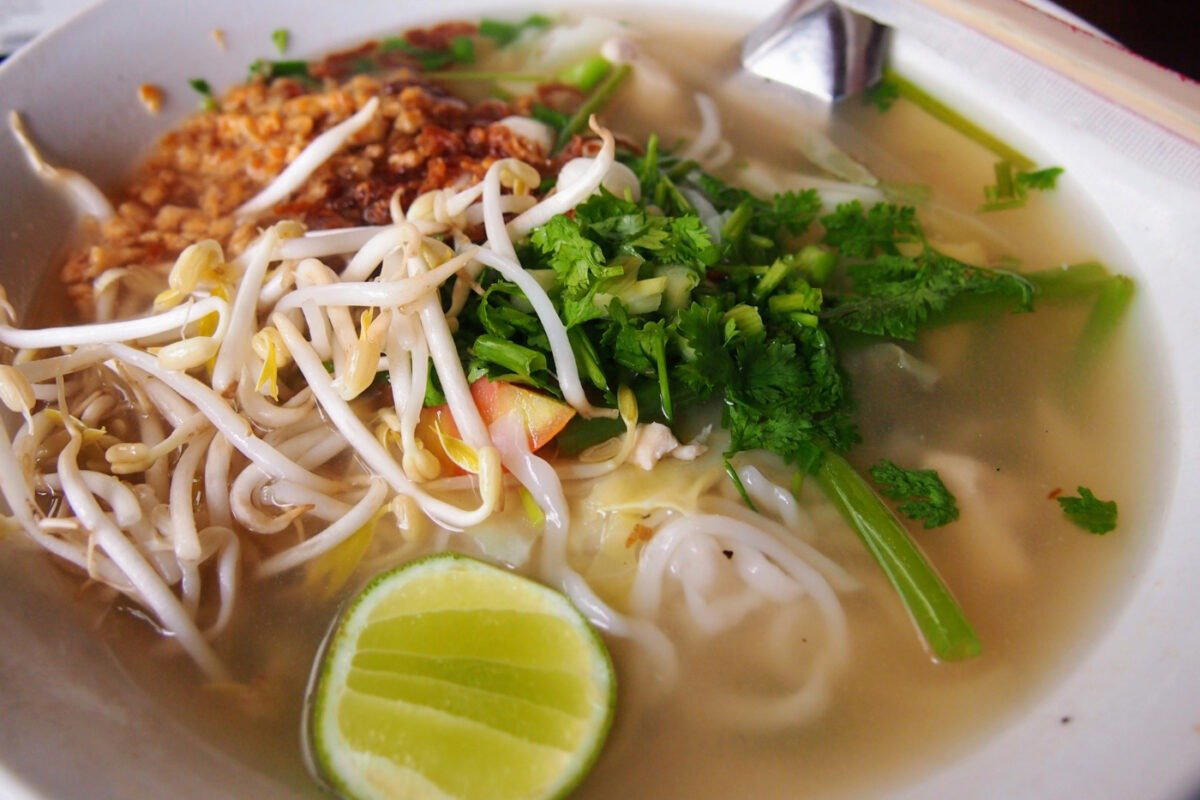
The menu
What to order
- Luang Prabang Feu
- Pork Noodle Soup
Broth Before the Temples Open
In Luang Prabang, the morning belongs to ritual. Monks file through the streets at dawn for the tak bat almsgiving, and within the hour, the city's noodle shops fill with residents settling in for breakfast. This is not incidental, it is the structure of the day. Noodle soup in northern Laos occupies the same cultural register as dim sum in Guangzhou or a bowl of pho in Hanoi: a shared morning grammar that cuts across age, occupation, and neighbourhood. Thongmoun Aunt Noodle Soup sits inside that tradition, operating as a local breakfast point rather than a destination built for tourism.
That distinction matters. Luang Prabang's dining scene has bifurcated over the past decade as UNESCO-protected status and growing visitor numbers brought French-inflected hotel restaurants and international menus alongside the city's older food culture. Properties like 3 Nagas Hotel Luang Prabang sit at the formal end of that spectrum, serving Lao cuisine in composed, seated formats designed for dinner. Thongmoun sits at the other end: a neighbourhood noodle shop where the product, the price point, and the hour of service reflect how the city actually eats when it isn't performing for visitors.
The Noodle Tradition of Northern Laos
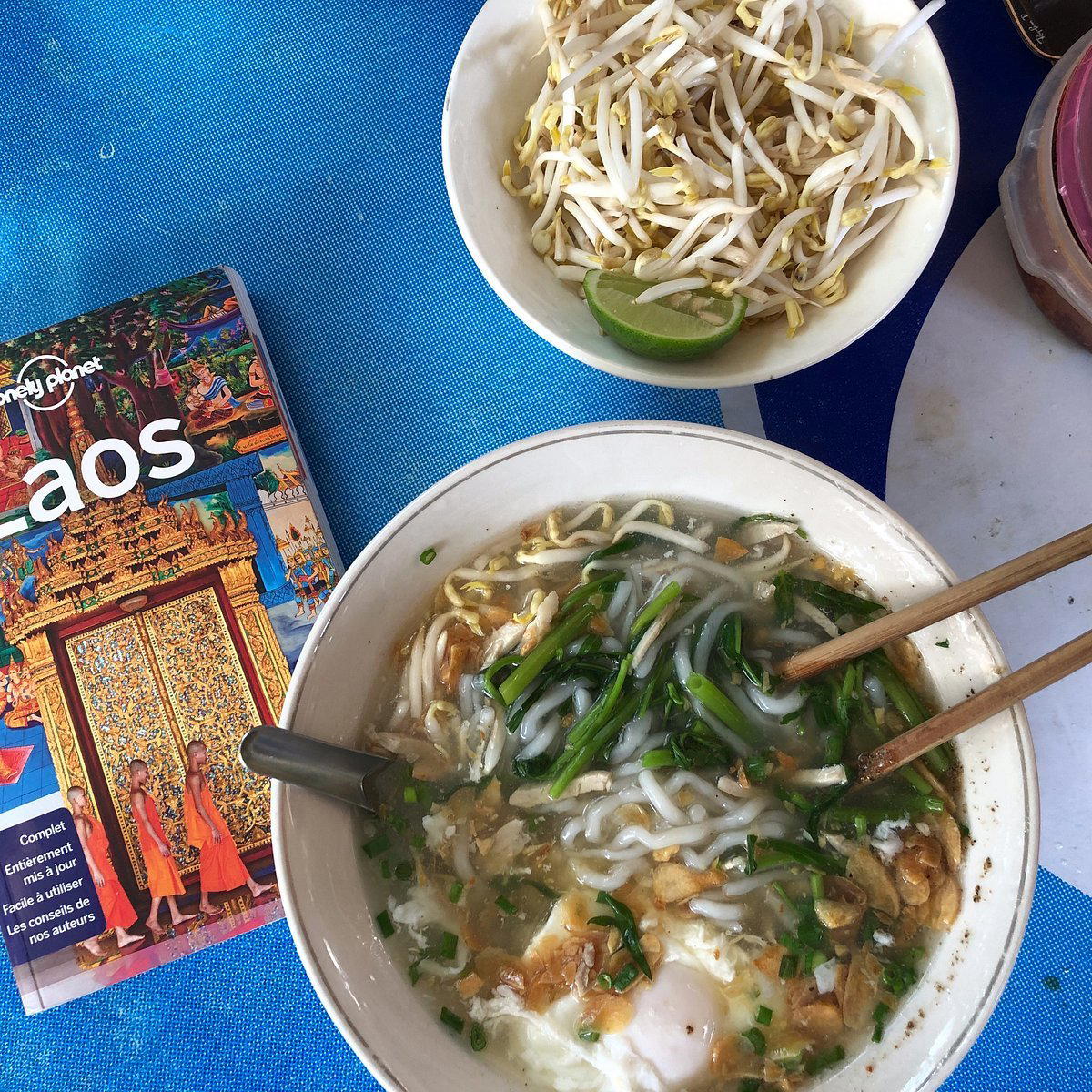
Khao piak sen, a thick, hand-pulled rice noodle soup, is arguably the defining breakfast dish of northern Laos. Unlike the thinner rice vermicelli used in many Southeast Asian broths, khao piak sen has a sticky, slightly gelatinous texture that comes from the fresh-milled rice flour used in its preparation. The broth is typically long-cooked with pork or chicken bones, seasoned with fish sauce, and finished at the table with a standard set of condiments: lime wedges, fresh herbs, dried chilli flakes, and sometimes a spoonful of fermented paste. The result is a dish that rewards slow eating, the noodles continue to absorb the broth as the bowl sits, shifting the texture as you work through it.
This is a cuisine shaped by geography and agricultural practice rather than fine-dining lineage. The Mekong basin's rice culture underpins almost every element of the Lao diet, and the noodle shop is where that culture shows up in its most direct, unreconstructed form. For context on how Lao noodle culture has been formalised into a dining experience, our full Luang Prabang restaurants guide maps how the city's food scene distributes across registers and neighbourhoods.
Where This Fits in the City's Food Scene
Luang Prabang's food culture operates across several distinct registers. At the formal end, French-trained kitchens and hotel dining rooms serve composed Lao dishes alongside continental menus, a legacy of the colonial period that never fully left the city's culinary identity. In the middle tier, traveller-facing restaurants on Sisavangvong Road and the night market offer familiar pan-Southeast Asian formats. And at the base, the city's morning noodle shops and wet markets serve the food that residents return to daily, independent of tourism cycles.
Thongmoun Aunt Noodle Soup operates in that third register. Compared to more formal expressions of Lao cooking, a morning noodle shop asks very little of its customer: arrive early, order simply, eat quickly, and make room for the next person. The social contract is different from a dinner restaurant, and so is the rhythm. In cities like Vientiane, similar formats have been subject to a quiet gentrification, Cafe Ango in Vientiane represents a more curated approach to Lao food culture, with a design-led setting and broader menu. Luang Prabang's noodle shops have remained more resistant to that shift, in part because the city's preservation status has constrained commercial development in ways that protect older business formats.
Planning a Visit
Noodle shops in Luang Prabang operate on morning hours, typically opening before 7am and closing by late morning once the broth is gone. Arriving later in the morning often means a diminished selection or a closed shutters. The format requires no reservation and no particular preparation beyond showing up at the right hour. Pricing at local noodle shops in the city sits firmly in the budget tier by any international measure, making them among the most accessible food experiences available to visitors. No website or phone contact is listed for Thongmoun, which is consistent with how most morning noodle shops in the city operate, they are found by walking, by asking locally, or by following the early-morning foot traffic.
For visitors whose itinerary also includes formal dining, the contrast between a morning bowl at a local noodle shop and an evening at a more composed setting captures something essential about how Luang Prabang's food culture stratifies. The same city that supports hotel dining in the register of 3 Nagas also sustains a dense network of breakfast shops where the food has not changed meaningfully in decades. Both are worth your time, and the sequence, noodles at dawn, something more considered at dinner, is a reasonable structure for a day in the city.
Frequently asked questions
Is Thongmoun Aunt Noodle Soup good for families?
A noodle shop operating on morning hours in Luang Prabang suits families well, the format is casual, portions are straightforward, and the timing aligns naturally with an early sightseeing day. Children eating alongside adults is standard at this type of local shop. The brevity of the stop (most guests are in and out within 30 minutes) keeps restless travellers manageable.
Is Thongmoun Aunt Noodle Soup better for a quiet night or a lively one?
Neither, this is a morning operation that closes once the broth runs out, typically by late morning. There are no evening hours. The atmosphere during service is the practical hum of a busy local breakfast spot in Luang Prabang, not a destination for nightlife or a slow dinner.
How does Thongmoun Aunt Noodle Soup fit into the morning tak bat ritual circuit in Luang Prabang?
The almsgiving procession (tak bat) moves through Luang Prabang's streets at dawn and is typically finished within 30 to 40 minutes, leaving visitors looking for a natural next stop. A noodle shop like Thongmoun Aunt, operating before 7am and closing by late morning, slots directly into that rhythm, making it a practical anchor for structuring an early Luang Prabang morning. The pairing of the monk procession and a bowl of khao piak sen is how many locals begin the day.
What's the signature dish at Thongmoun Aunt Noodle Soup?
Khao piak sen, the thick, hand-pulled rice noodle soup that defines the breakfast culture of northern Laos, is the dish this type of shop is built around. Unlike the thinner vermicelli common elsewhere in Southeast Asia, khao piak sen uses a heavier, silkier noodle that holds broth differently and is specific to this region.
Should I book Thongmoun Aunt Noodle Soup in advance?
No reservation system applies at a shop of this kind in Luang Prabang. The constraint is not a booking, it is timing. Arriving late means the broth may be finished, so the practical rule is to come before 8am. No phone number or website is listed for advance contact.
What do critics highlight about Thongmoun Aunt Noodle Soup?
What positions it within Luang Prabang's food conversation is its role in the city's morning ritual culture, a local counterpoint to the hotel dining rooms and French-trained kitchens that occupy the formal end of the city's food scene.
Is Thongmoun Aunt Noodle Soup good for vegetarians?
Traditional khao piak sen in northern Laos is built on a pork or chicken bone broth, so vegetarians should ask directly about the base before ordering. No menu data is confirmed. In Luang Prabang generally, vegetarian modifications at local noodle shops are possible but not guaranteed.
Budget Reality Check
Comparable venues nearby, for context on price, style, and recognition.
| Venue | Cuisine | Price | Notes |
|---|---|---|---|
| Thongmoun Aunt Noodle SoupThis venue (the venue you are viewing) | Lao Noodle Soup (Feu) | $1–10 | Not listed |
| 3 Nagas Hotel Luang Prabang | Traditional Lao Cuisine | $30–50 | Vatnong Village, Traditional Lao Cuisine |
| Tamarind | Authentic Lao Cuisine | $10–20 | Ban Wat Sene, Authentic Lao Cuisine |
| Manda de Laos | Traditional Laotian Family Cuisine | Not listed | Ban Thatluang, Traditional Laotian Family Cuisine |
| Xieng Thong Noodle Soup | Traditional Lao Khao Piak Sen Noodle Soup | $1–10 | near Wat Xieng Thong, Traditional Lao Khao Piak Sen Noodle Soup |
| Kimsatcat Korean Restaurant | Korean Restaurant | Not listed | Luang Prabang, Korean Restaurant |
Continue exploring
More in Luang Prabang
Restaurants in Luang Prabang
All restaurants in Luang Prabang →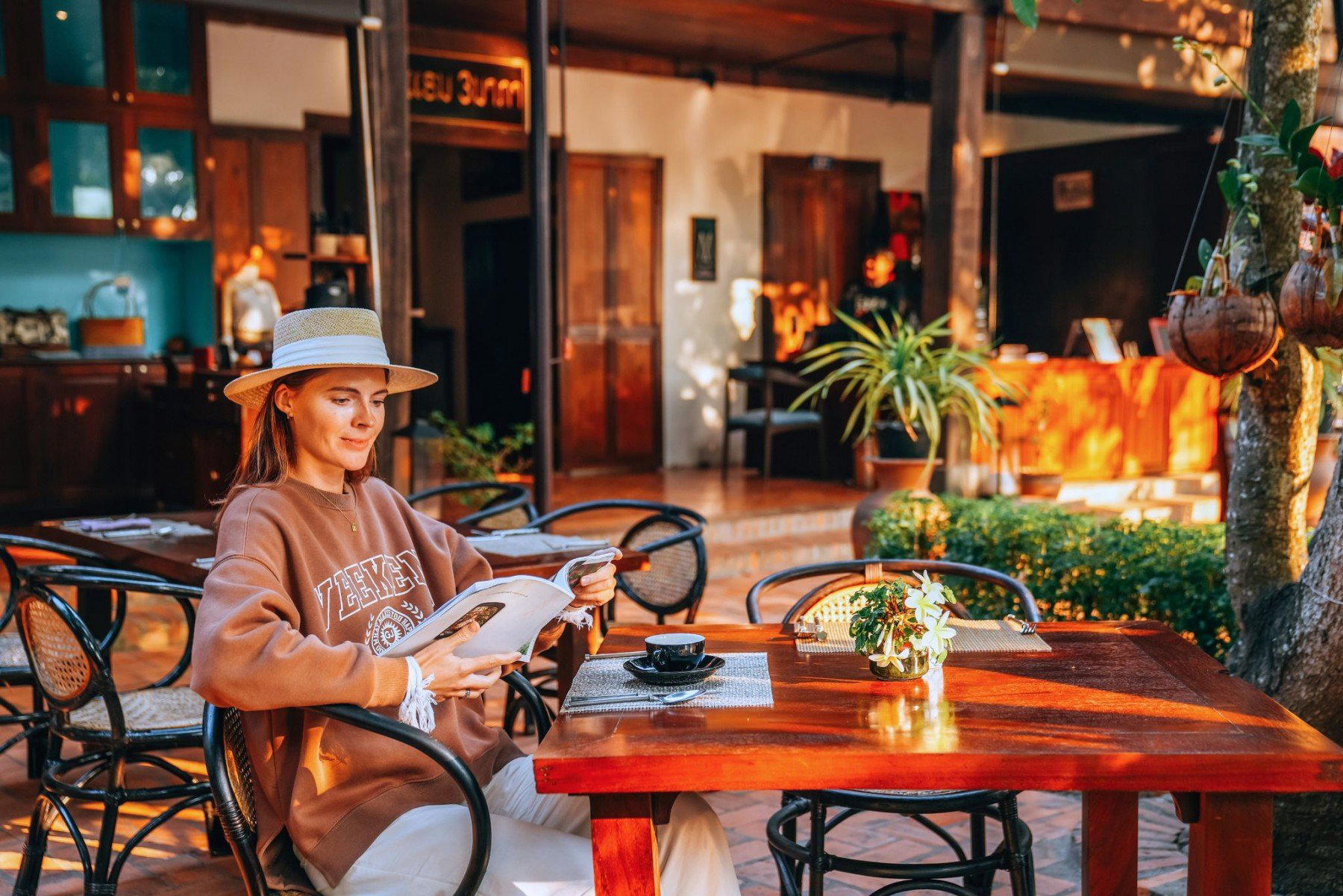
Details
- Rustic
- Casual Hangout
- Standalone
- A La Carte
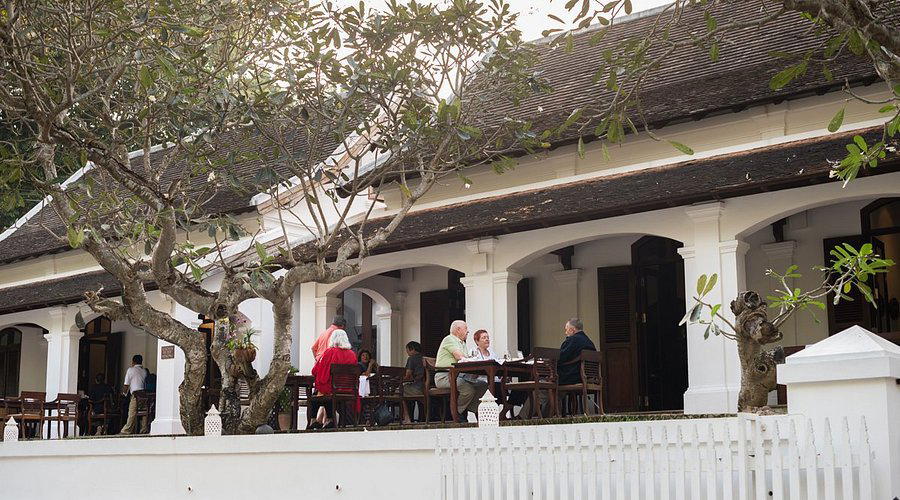
Casual street-side stall with outdoor seating and simple, authentic Lao cooking atmosphere.