Set on Norrassan Road in Ban That Luang, Manda de Laos occupies a position within Luang Prabang's small but serious table of restaurants that take traditional Lao cuisine seriously. It sits in the same bracket as Tamarind and L'Elephant as a destination address for visitors who treat the meal as part of the cultural itinerary, not an afterthought to temple-hopping.
 Discover on Pearl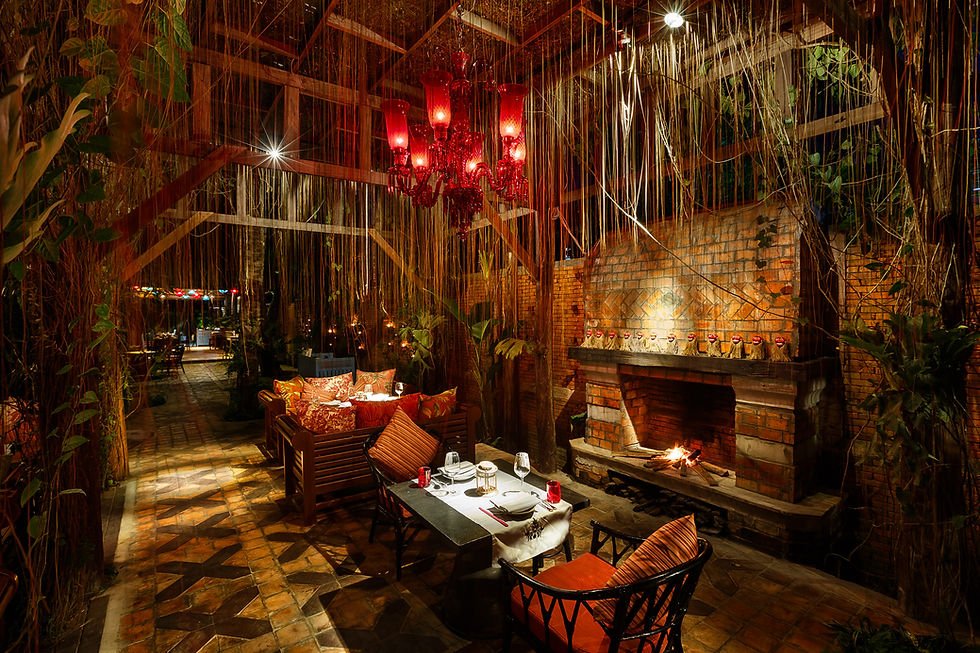
Eating in Luang Prabang: What the Restaurant Scene Actually Looks Like
Luang Prabang operates on a small dining economy shaped by its UNESCO World Heritage designation and the particular kind of traveller that status attracts. The city draws visitors who have already been to Bangkok and Chiang Mai, who know the difference between a tourist-facing pad thai and a considered regional menu, and who arrive in Laos specifically because it sits outside the well-worn Southeast Asian circuit. That context matters when placing Manda de Laos on the map: the restaurant at Unit 1, Ban That Luang, 10 Norrassan Road, is not competing with street stalls on the night market strip or the international cafes clustered near the peninsula tip. It occupies a different register entirely.
Luang Prabang's serious restaurant tier is thin. You can count the addresses that a food-focused traveller would put on their list on one hand, and several of them — Tamarind, L'Elephant Restaurant Français, and 3 Nagas Hotel Luang Prabang — occupy the same short mental list as Manda de Laos. What separates them is partly format, partly setting, and partly the question of whether they read as fundamentally Lao in orientation or as international kitchens that happen to be located in Laos. Manda de Laos, by its name and its address in a neighbourhood removed from the most tourist-dense streets, signals the former.
The shortlist, unlocked.
Hard-to-book tables, cellar releases, and concierge-planned trips.
Get Exclusive Access →The Neighbourhood and What It Signals
Ban That Luang, the village quarter where Manda de Laos sits, sits at a meaningful remove from the Sisavangvong Road corridor where most visitor-facing commerce concentrates. Norrassan Road runs through a quieter patch of the city, the kind of address that requires a tuk-tuk ride or a deliberate ten-minute walk rather than a chance encounter while browsing the night market. In a city this compact, that distance is editorial: restaurants that locate themselves away from the foot-traffic arteries are, almost by definition, betting on reputation and word-of-mouth rather than passing trade.
That geographic positioning places Manda de Laos in a pattern common to other considered dining addresses in smaller Southeast Asian heritage cities. The properties that tend to endure and develop genuine local credibility, rather than cycling through tourist footfall, are typically the ones that sit one neighbourhood back from the busiest streets. Compare this to how addresses in Hoi An or Luang Prabang itself have historically developed: the tables that last are rarely the ones with the most prominent shopfront. By choosing Ban That Luang, Manda de Laos communicates something about its intended audience before the menu is even opened.
Lao Cuisine in Context: The Tradition Behind the Table
Lao food remains one of the least-codified major cuisines in mainland Southeast Asia. Where Thai cooking has been systematically exported through cooking schools, international restaurants, and government promotion programmes, Lao cuisine has stayed largely domestic. The flavour architecture, built around sticky rice, fermented fish paste (padaek), fresh herbs, and the charred, smoky depth of dishes cooked over open flame, is genuinely distinct from its Thai and Vietnamese neighbours, but it rarely appears with accuracy on menus outside Laos itself. That gap creates an opportunity for restaurants like Manda de Laos and Tamarind, both of which operate in Luang Prabang as addresses where the cuisine is treated as the point rather than the backdrop.
The challenge for any restaurant working in this tradition is calibrating between authentic technique and accessible presentation for an international visitor base. Luang Prabang's dining economy is not primarily local: the visitors who fill the better tables are largely European, North American, and increasingly East Asian travellers for whom this may be their first encounter with Lao flavour. That audience dynamic shapes how kitchens like this one structure their menus, which is a different constraint from what kitchens at addresses like Le Bernardin in New York City or Amber in Hong Kong operate under, where a local fine dining market provides a consistent reference point. The restaurants doing the most interesting work in Luang Prabang are threading that needle.
Planning a Visit: Practical Notes
Reaching Manda de Laos from the central peninsula is direct by tuk-tuk, and most accommodation in the city can arrange transport. Given the address is in Ban That Luang rather than on the main drag, walking after dark requires some familiarity with the neighbourhood layout. Luang Prabang's high season runs from November through February, when temperatures are cooler and visitor numbers peak; tables at the better addresses fill more quickly during this window, and some planning ahead is worth the effort. The shoulder months of October and March offer a lighter crowd without the heat of the late dry season. Travellers arriving during the Lao New Year period in April should expect significant disruption to normal restaurant operations across the city.
For broader dining context in Luang Prabang, including street food, cafe culture, and the night market food strip, see our full ຫລວງພະບາງ restaurants guide. Those planning a longer Laos itinerary should also consider Cafe Ango in Vientiane, which represents a different register of the country's emerging food culture in the capital. For a more casual Luang Prabang meal before or after, Xieng Thong Noodle Soup in Luang Prabang fills the morning slot well and anchors the local breakfast tradition. The city also supports a small but genuine roster of international alternatives: Secret Pizza and Kimsatcat Korean Restaurant speak to the diversity of the visitor base, though they occupy a different category from the Lao-focused dining addresses.
Where Manda de Laos Sits in the Peer Set
The short list of restaurants in Luang Prabang that a serious food traveller would prioritise includes Tamarind, for its cooking class programme and considered Lao menu; L'Elephant, which brings a French-colonial lens to the table; 3 Nagas, which operates within a hotel context and draws on heritage property appeal; and Manda de Laos. These four addresses rarely compete directly for the same meal, partly because Luang Prabang's visitor base tends to spread meals across different registers, and partly because each occupies a slightly different neighbourhood zone and format. They function less as rivals than as a collective argument that Luang Prabang can support a genuine dining scene rather than just a feeding infrastructure for tourists.
For travellers who cross-reference against larger fine dining benchmarks, the comparison is instructive: destinations like Alinea in Chicago or Alain Ducasse- Louis XV in Monte Carlo operate in cities where the dining culture is deep and self-sustaining. Luang Prabang is building something more provisional, in a city where the physical infrastructure is fragile and the visitor economy is the primary engine. That context makes the restaurants here more interesting, not less: they are doing considered work in genuinely constrained conditions, and the better ones carry that constraint with intention.
Frequently Asked Questions
- What dish is Manda de Laos famous for?
- Specific signature dishes are not confirmed in available records. Manda de Laos operates within the Lao culinary tradition, which centres on sticky rice, fresh herb preparations, and dishes built around fermented and grilled ingredients. For verified menu detail, reaching out directly through the restaurant or your accommodation is the most reliable route.
- Should I book Manda de Laos in advance?
- During Luang Prabang's high season (November to February), advance reservation is worth arranging for any address in the city's serious dining tier. The pool of considered restaurants in the city is small, and the visitor volume during peak months means tables at well-regarded addresses fill faster than the city's size might suggest. Contact via your hotel concierge is typically the most practical approach.
- What makes Manda de Laos worth seeking out?
- The case rests on location and orientation: Ban That Luang is a considered address away from the tourist corridor, which tends to self-select for restaurants working with genuine intent rather than passing footfall. In a city where the serious dining tier is thin, Manda de Laos sits within the small group of addresses that treat Lao cuisine as the subject of the meal rather than its backdrop. For broader Luang Prabang context, see also Tamarind and L'Elephant Restaurant Français.
- Is Manda de Laos good for vegetarians?
- Lao cuisine includes a broad range of vegetable-forward preparations, fermented sauces, and herb-based dishes that can accommodate vegetarians, though the tradition also makes significant use of fish paste and dried shrimp as flavour bases. Without confirmed menu data, it is worth checking directly before visiting. Luang Prabang as a city has reasonable vegetarian options across its dining scene, particularly at addresses like Tamarind which has historically offered cooking classes that address dietary requirements.
- How does Manda de Laos compare to other Luang Prabang restaurants for a first-time visitor to Lao cuisine?
- For visitors encountering Lao food for the first time, the city's small tier of considered restaurants provides a more structured introduction than street food alone. Manda de Laos, positioned in the Ban That Luang neighbourhood at 10 Norrassan Road, sits alongside Tamarind as an address where the cuisine is the focus rather than a concession to tourist preferences. The combination of Lao flavour traditions (sticky rice, fermented preparations, herb-forward dishes) and a setting removed from the main strip makes it a reference point for the broader Luang Prabang dining scene rather than just one option among many.
A Lean Comparison
A quick look at comparable venues, using the data we have on file.
Need a table?
Our members enjoy priority alerts and concierge-led booking support for the world's most difficult tables.
Get Exclusive AccessThe shortlist, unlocked.
Hard-to-book tables, cellar releases, and concierge-planned trips.
Get Exclusive Access →