Café Amalfi
Our verdict
Café Amalfi sits on Beach Club Drive in Myrtle Beach's northern resort corridor, occupying a position that reflects the broader Italian-inflected dining trend along the South Carolina coast. The address places it within reach of the Grand Strand's hotel cluster, where beach proximity shapes both the clientele and the expectations diners bring to the table. For visitors weighing the area's Italian options, it belongs in the same conversation as the corridor's other sit-down venues.

Pearl is the En Primeur Club membership app, where members save venues, book tables and use the concierge.
The Italian Dining Register Along the Grand Strand
Myrtle Beach has never been a single-note resort town, at least not at the table. The Grand Strand's dining scene divides roughly into three tiers: the waterfront casual bracket, a middle range of chain and semi-independent venues, and a smaller cluster of sit-down restaurants that position themselves against regional Italian or continental traditions. Café Amalfi operates within that third tier, drawing its identity from the Amalfi Coast reference that has become a shorthand in American resort dining for something more composed than fried seafood and beach-shack fare. The name does real work in this market: it signals a tonal shift before a diner walks through the door.
The address at 10000 Beach Club Drive places the restaurant squarely inside Myrtle Beach's northern resort corridor, where large hotel complexes dominate the streetscape and dining decisions are often made within a half-mile radius of where guests are staying. That geography matters for understanding what a restaurant like this is trying to accomplish. It is not competing with downtown Charleston's restaurant row or the tighter culinary markets of Columbia. It is competing for the attention of travelers who want a step up from the buffet line without driving twenty minutes inland. Within that frame, the Italian coastal reference is a reasonable editorial choice for a menu and a room.
What the Name Promises: Menu Architecture and the Amalfi Reference
Italian-named restaurants in American beach resort settings tend to follow one of two approaches. The first is broad-spectrum Italian-American: pastas, pizzas, veal parmigiana, the kind of menu that prioritizes recognizability over regional specificity. The second is more curated, drawing from the southern Italian and Campanian coastal tradition that the Amalfi name actually references: seafood-forward preparations, citrus-driven sauces, lighter pasta formats, and an emphasis on Mediterranean produce. The distinction matters because it determines how the menu is structured, which in turn shapes the entire dining experience.
A restaurant that commits to the Amalfi register tends to organize its menu around the interplay between land and sea, with seafood carrying more weight than meat and with the kitchen leaning on olive oil, preserved lemon, capers, and fresh herbs rather than heavy cream-based reductions. Whether Café Amalfi's kitchen fully inhabits that framework or uses the name more loosely as a mood-setter is the central question any informed diner would bring to the table. In the absence of a published menu or documented dish list, the most useful framing is structural: the name sets an expectation of lightness and coastal specificity, and the kitchen's execution either narrows or widens the gap between that promise and what arrives on the plate.
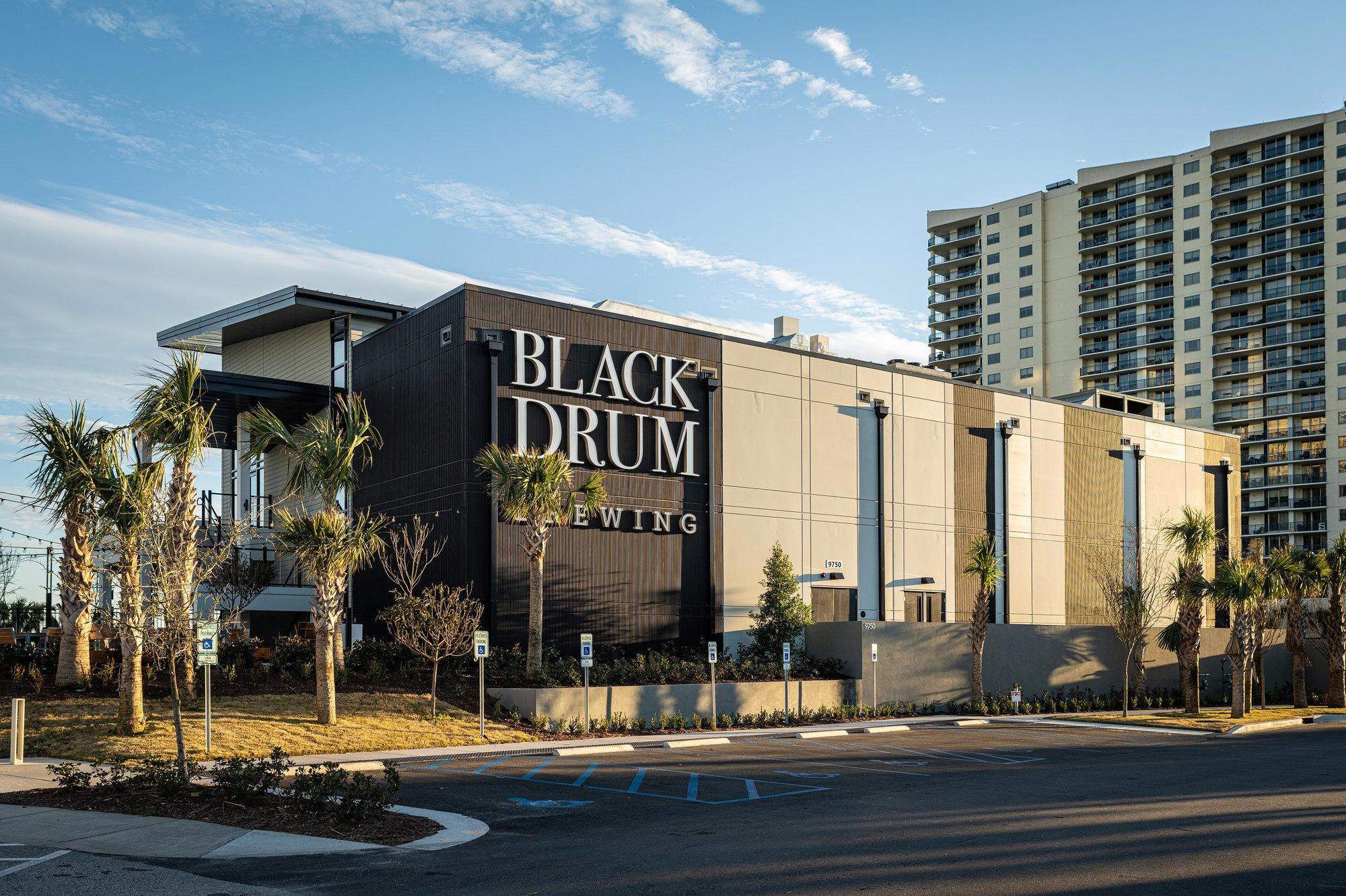
For comparison within the region, venues like Atmosphera Restaurant and Bistro B occupy adjacent positions in Myrtle Beach's mid-to-upper dining register. Aspen Grille and Black Drum pull from different culinary traditions but serve the same demographic of travelers looking for a deliberate dinner rather than a convenience meal. Cafe Old Vienna offers a useful contrast point as another European-inflected option in the same city.
Southern Italian in a Resort Context: What the Tradition Looks Like at Its Clearest
The Amalfi Coast dining tradition, at its most specific, means something particular. Restaurants in Positano, Ravello, and Praiano built their menus around what fishing boats brought in that morning, supplemented by the lemon groves that cover the terraced hillsides above the water. Scialatielli, a thick, short pasta native to the region, appears in seafood-heavy preparations. Totani e patate, a stew of squid and potatoes, is a fixture. The limoncello culture of the coast shows up not just in digestivi but in sauces and marinades. These are specific, documented elements of a regional tradition.
American restaurants referencing the Amalfi Coast rarely replicate that specificity wholesale, and they probably should not. The ingredient sourcing alone makes a direct translation difficult outside of Italy's supply chains. What the better American interpretations carry forward is the structural logic: lighter over heavier, seafood-forward, citrus as a primary flavor tool, pasta as a vehicle for the sea rather than for meat-based ragus. That structural logic is transferable, and it is the lens through which a menu at a restaurant with this name should be read.
For travelers who want a calibration point from the American fine dining end of the Italian-influenced spectrum, venues like Le Bernardin in New York City show what seafood-first precision looks like at the highest tier, while Providence in Los Angeles demonstrates how coastal Mediterranean thinking translates into a contemporary American tasting format. At the destination end, The French Laundry in Napa, Smyth in Chicago, and Addison in San Diego anchor the national conversation around what serious American restaurants look like at the top of their respective markets. Blue Hill at Stone Barns in Tarrytown, Lazy Bear in San Francisco, Single Thread Farm in Healdsburg, Atomix in New York City, Emeril's in New Orleans, The Inn at Little Washington, and Atelier Moessmer Norbert Niederkofler in Brunico round out the broader context for how culinary identity and place interact at the level of destination dining. These are not direct competitors to a Myrtle Beach Italian restaurant, but they are useful reference points for understanding what commitment to a culinary tradition looks like when it is fully executed.
Planning a Visit: What to Know Before You Go
Café Amalfi is located at 10000 Beach Club Drive, within the northern hotel corridor of Myrtle Beach, making it accessible on foot for guests staying in that stretch of the Grand Strand and a short drive for those based further south. Given the resort-adjacent location, dinner service during peak summer months draws from a dense tourist population, and arriving with a reservation rather than walking in cold is the more reliable approach. Current hours, booking methods, and pricing are best confirmed directly through the venue ahead of your visit, as resort-corridor restaurants in this market adjust their schedules seasonally. For a broader view of where Café Amalfi fits within the city's dining options, the full Myrtle Beach restaurants guide maps the scene across neighborhoods and price points.
Frequently asked questions
How do I find Café Amalfi?
Café Amalfi is located at 10000 Beach Club Dr, Myrtle Beach, SC 29572, Myrtle Beach.
Is Café Amalfi a good option for guests staying at Myrtle Beach resort hotels near Beach Club Drive?
Café Amalfi's address at 10000 Beach Club Drive positions it directly inside the northern hotel corridor of Myrtle Beach, making it one of the few sit-down Italian options accessible on foot from that cluster of resort properties. For guests staying in that stretch, it removes the need to drive toward the busier central strip for a full dinner. The Amalfi Coast framing, if executed with accuracy, would distinguish it from the Italian-American comfort menus common to resort-adjacent dining in South Carolina.
What do people recommend at Café Amalfi?
Café Amalfi takes its name from the Amalfi Coast tradition, which typically centres on seafood, citrus, and olive oil rather than the heavier red-sauce register of Italian-American cooking. Given that positioning at 10000 Beach Club Drive in Myrtle Beach, a resort corridor with reliable access to Atlantic seafood, dishes drawing on that coastal Italian model are the likely focal point. Without a published menu on record, the safest approach is to ask the kitchen what is freshest on arrival.
What's the best way to book Café Amalfi?
No booking link or phone number is currently documented for Café Amalfi at 10000 Beach Club Drive, Myrtle Beach. Guests staying in the northern hotel corridor can check directly at the restaurant, or search for current reservation availability through third-party platforms such as OpenTable or Resy using the Beach Club Drive address as a reference point.
What's the standout thing about Café Amalfi?
The address at 10000 Beach Club Drive places Café Amalfi inside Myrtle Beach's northern resort corridor, separating it from the denser, more tourist-facing strip further south. That positioning, combined with a name that signals a specific Italian coastal register rather than generic Italian-American, puts it in a different category from most Grand Strand options at a comparable location.
How does Café Amalfi handle allergies?
Southern Italian cooking as a tradition relies heavily on shellfish, gluten-containing pastas, and tree nuts such as pine nuts and almonds, so guests with relevant allergies should check the venue's official channels before visiting the Beach Club Drive location.
Is Café Amalfi worth it?
What the location at 10000 Beach Club Drive, Myrtle Beach does suggest is a sit-down Italian option within walking distance of the northern resort hotels, a practical advantage for guests who want to avoid driving south into heavier traffic. Whether the kitchen executes the Amalfi Coast register with discipline is the question worth answering in person.
Reputation First
| Venue | Cuisine | Price | Awards |
|---|---|---|---|
| Café AmalfiThis venue (the venue you are viewing) | Italian with American Influences | $30–50 | Not listed |
| Oak Prime | Modern American Steakhouse | Not listed | Michelin Plate |
| Aspen Grille | Modern Southern Steakhouse | $50–100 | Not listed |
| Atmosphera Restaurant | Eastern European & Mediterranean Comfort | $10–20 | Not listed |
| Bistro B | Modern American Bistro with Sushi | Not listed | Not listed |
| Black Drum | Carolina BBQ & Seafood | $30–50 | Not listed |
Continue exploring
More in Myrtle Beach
Details
- Romantic
- Elegant
- Cozy
- Date Night
- Family
- Brunch
- Special Occasion
- Waterfront
- Hotel Restaurant
- Sustainable Seafood
- Waterfront
- A La Carte
- Vegetarian Friendly
- Gluten Free Options
Current opening hours
- Monday
- 6:30–10 AM, 12–4 PM, 5–10 PM
- Tuesday
- 6:30–10 AM, 12–4 PM, 5–10 PM
- Wednesday
- 6:30–10 AM, 12–4 PM, 5–10 PM
- Thursday
- 6:30–10 AM, 12–4 PM, 5–10 PM
- Friday
- 6:30–10 AM, 12–4 PM, 5–10 PM
- Saturday
- 6:30–10 AM, 12–4 PM, 5–10 PM
- Sunday
- 6:30–10 AM, 12–4 PM, 5–10 PM
Hours can change for holidays and private events. Hours as of .
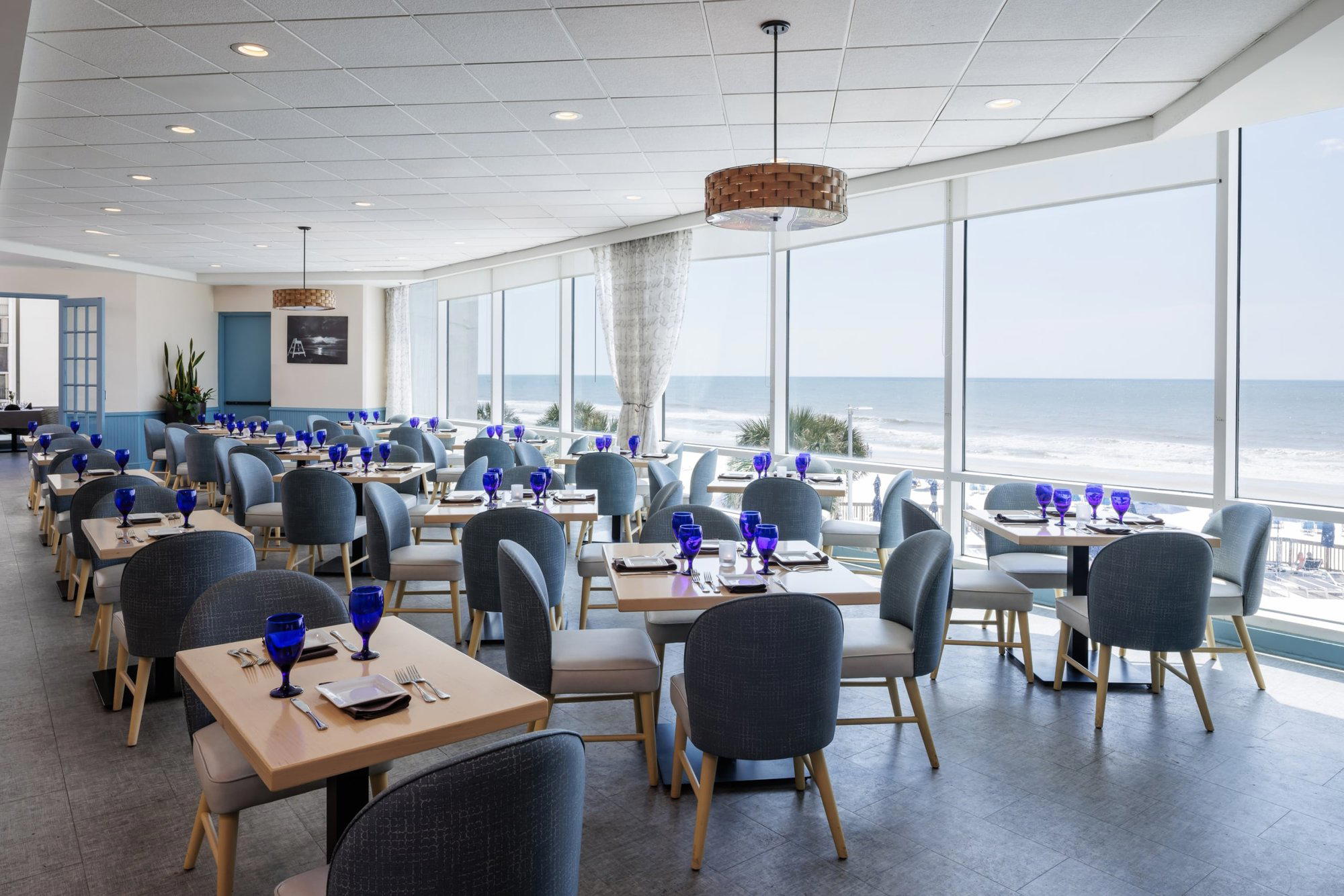
Airy and romantic atmosphere with natural light and shoreline views through floor-to-ceiling windows.