Aspen Grille
Our verdict
Aspen Grille at 5101 N Kings Hwy occupies a stretch of Myrtle Beach's main restaurant corridor where the kitchen's relationship with coastal and regional sourcing sets the tone. The cooking here draws on the South Carolina coast's proximity to fresh seafood and farm country, placing it among the more ingredient-focused options in the Myrtle Beach dining scene.

Pearl is the En Primeur Club membership app, where members save venues, book tables and use the concierge.
The menu
What to order
- Rack of Lamb
- Panko Crusted NC Mountain Trout
- Shrimp and Grits
- Dry-Aged USDA Prime Steaks
Where Myrtle Beach's Coastal Supply Chain Meets the Plate
North Kings Highway in Myrtle Beach is one of those restaurant strips that rewards attention beyond the billboard noise. The buildings along this stretch run from casual seafood shacks to mid-market dining rooms that take their sourcing seriously, and Aspen Grille at 5101 N Kings Hwy sits inside that second category. Approaching from the highway, the address is close to the kind of commercial density that defines this part of the Grand Strand, yet once inside the dining room, the operational focus shifts clearly toward the kitchen's relationship with its ingredients rather than the volume-tourist proposition that dominates much of the surrounding corridor.
Myrtle Beach occupies a position on the South Carolina coast that gives its better kitchens a genuine sourcing advantage. The Atlantic fishery sits minutes away, the ACE Basin and Lowcountry farmland are within a day's supply-chain reach, and the state's tradition of coastal cooking, rooted in rice culture, shellfish, and smoke, provides a culinary grammar that distinguishes the region's food from generic American beach dining. Restaurants along the Grand Strand that commit to working within that tradition rather than around it tend to produce cooking with more character and more honesty on the plate. Aspen Grille's positioning on Kings Highway places it in reach of both the hotel-corridor visitor and the local diner who knows where to look.
The Case for Sourcing-Led Cooking in a Beach Market
The tension in any beach resort market is between throughput and quality. High-volume tourist destinations like Myrtle Beach generate pressure on kitchens to prioritize turnover and broad accessibility over the kind of deliberate sourcing that defines the country's better regional tables. At venues like Blue Hill at Stone Barns in Tarrytown or Single Thread Farm in Healdsburg, ingredient provenance is the explicit organizing principle, with menus built season by season around what the land and water produce. That level of farm-to-table integration represents one end of the spectrum. The more instructive comparison for Myrtle Beach is the tier of American regional restaurants, places like Smyth in Chicago or Addison in San Diego, that embed sourcing discipline into a format accessible to a broader dining public without sacrificing the quality of the raw materials.
South Carolina's coastal food tradition is built on a short list of exceptional ingredients: blue crab, oysters from ACE Basin and Bulls Bay, shrimp from the barrier island waters, heirloom grits from mills like Anson and McEwen and Sons, and the stone-ground corn products that anchor Lowcountry cooking. Restaurants that draw on these ingredients, even partially, produce food with a regional specificity that mass-market alternatives cannot replicate by switching suppliers or adjusting seasoning. The grains taste of the land. The shellfish carry the salinity of specific tidal waters. The sourcing is not decorative; it determines what ends up in the bowl or on the plate.
For context on how seriously ingredient provenance can shape a restaurant's identity even outside the fine-dining tier, consider what Emeril's in New Orleans did for Louisiana regional sourcing in a mid-market format, or how Providence in Los Angeles built its reputation primarily through the quality and traceability of its seafood. At the highest end of the category, venues like Le Bernardin in New York City have demonstrated for decades that rigorous sourcing is not a luxury add-on but the operational foundation on which everything else rests.
The Myrtle Beach Restaurant Context
Myrtle Beach's dining scene has been expanding its range in the past decade, moving beyond the all-you-can-eat seafood buffet model that once defined the tourist-facing offer. Several restaurants in the mid-market to upper-mid-market tier now bring a more considered approach to sourcing, plating, and service. Atmosphera Restaurant, Bistro B, Black Drum, and Café Amalfi each occupy distinct positions in that evolving picture, ranging from Italian coastal formats to American bistro cooking. Cafe Old Vienna holds its own lane with a European continental approach that has served a loyal local following. The broader dining map for the city is detailed in our full Myrtle Beach restaurants guide.
Aspen Grille occupies the North End of this geography, near the intersection of the hotel strip and the quieter residential neighborhoods that back up against the Intracoastal Waterway. That location matters in practical terms: the customer mix at this address tends to skew slightly more toward returning visitors and local residents than the transient tourist flow closer to the Boardwalk, which generally allows for a kitchen culture less dominated by peak-volume pressure.
Planning a Visit
The North Kings Highway corridor is accessible by car from most Grand Strand hotels within fifteen minutes, and parking along this stretch is generally less constrained than venues closer to the Boardwalk. Visitors planning a meal here should confirm current hours and booking availability directly, as operational details including reservation windows, hours, and seasonal schedule adjustments are leading verified through current local sources rather than assumed from historical data. The South Carolina coast's high season runs from Memorial Day through Labor Day, when demand across the Kings Highway restaurant strip intensifies and walk-in availability at better venues narrows considerably. Planning a weeknight visit during shoulder season in April, May, September, or October generally offers the most comfortable experience without sacrificing the range of what the kitchen is producing.
Pricing at the mid-market tier of the Myrtle Beach dining scene tends to run below comparable quality levels in Charleston or Columbia, which makes the Grand Strand a reasonable value proposition for visitors already in the area. The comparison to how sourcing-focused restaurants price at the national fine-dining level, say The French Laundry in Napa or The Inn at Little Washington, is instructive mainly in demonstrating that ingredient quality does not have to arrive at those price points to matter. Regional American cooking that draws on genuinely good local supply chains can deliver substantive food at accessible price levels when the market supports it. Atomix in New York City and Atelier Moessmer Norbert Niederkofler in Brunico each demonstrate, at opposite ends of the cultural spectrum, that what a kitchen buys determines what it can cook. That principle applies equally at the scale of a beach-market dining room on the Grand Strand.
Frequently asked questions
What's Aspen Grille's location?
Aspen Grille is located at 5101 N Kings Hwy, Myrtle Beach, SC 29577, Myrtle Beach.
Is Aspen Grille a good option for dining away from the Myrtle Beach boardwalk crowd?
Located at 5101 N Kings Highway, Aspen Grille sits north of the densest boardwalk and Ocean Boulevard tourist concentration, which tends to mean a quieter room and less competition for parking. The North Kings Highway corridor serves a mix of locals and resort visitors who actively seek out sit-down restaurants over the strip's higher-volume options. For travelers staying anywhere along the Grand Strand, the address is reachable by car from most hotels within fifteen minutes.
What should I eat at Aspen Grille?
Aspen Grille sits on the North Kings Highway corridor in Myrtle Beach, a stretch that draws restaurants oriented toward fresh coastal product. Given the venue's positioning in that market, seafood-driven plates are the logical starting point. For current menu specifics, checking directly with the restaurant before your visit is advisable, as seasonal availability along the Grand Strand shifts throughout the year.
How far ahead should I plan for Aspen Grille?
Myrtle Beach's tourist calendar compresses demand heavily between Memorial Day and Labor Day, so reservations earlier in the week at Aspen Grille will be easier to secure than weekend slots during peak summer. Outside the summer season, the North Kings Highway corridor sees lighter foot traffic, and walk-in availability tends to improve. Contacting the restaurant directly at 5101 N Kings Hwy will confirm current lead times.
What is Aspen Grille known for?
Aspen Grille occupies a position on North Kings Highway in Myrtle Beach that favors ingredient-driven cooking over the high-volume buffet format that long defined dining in this resort market. The restaurant operates in a city that has been broadening its dining range over the past decade, and Aspen Grille fits within that shift toward more kitchen-focused, sit-down experiences. Specific signature dishes and accolades are best confirmed with the venue directly.
Can Aspen Grille adjust for dietary needs?
No formal dietary accommodation policy is documented in available venue records for Aspen Grille. In practice, restaurants along the Myrtle Beach coastal corridor frequently work with common restrictions given the breadth of their tourist clientele. Calling ahead to 5101 N Kings Hwy, Myrtle Beach, SC 29577 before your visit remains the most reliable way to confirm what the kitchen can accommodate.
Is eating at Aspen Grille worth the cost?
Price range data for Aspen Grille is not on public record, which makes direct comparison to the broader Myrtle Beach dining market difficult. What is clear is that the restaurant operates in a resort city where competition ranges from value-driven buffets to more considered, produce-focused kitchens. If Aspen Grille's approach aligns with the sourcing-led side of that spectrum, the cost-to-quality ratio is likely to compare favorably against similar Grand Strand options.
Side-by-Side Snapshot
Comparable venues nearby, for context on price, style, and recognition.
| Venue | Cuisine | Price | Notes |
|---|---|---|---|
| Aspen GrilleThis venue (the venue you are viewing) | Modern Southern Steakhouse | $50–100 | Not listed |
| Atmosphera Restaurant | Eastern European & Mediterranean Comfort | $10–20 | Market Common |
| New York Prime | New York-Style Steakhouse | Not listed | North Myrtle Beach |
| Strong Waters Craft Cocktails & Kitchen | Modern American Gastropub with Coastal Seafood | $30–50 | Ocean Boulevard |
| Lava Korean Steakhouse | Korean Steakhouse with Table-Top Grilling & Sushi | $30–50 | Myrtle Beach |
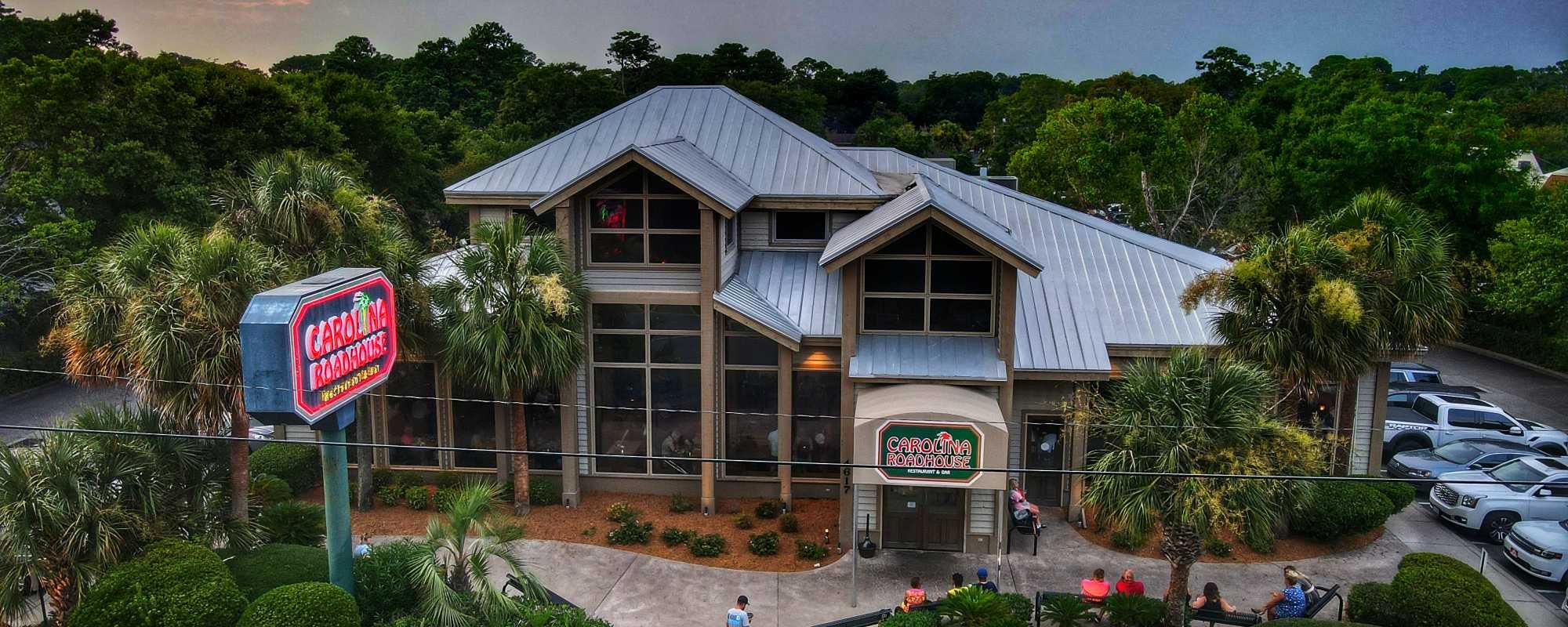
| Carolina Roadhouse | American Steakhouse & Seafood | $30–50 | central Myrtle Beach |
Continue exploring
More in Myrtle Beach
Details
- Elegant
- Sophisticated
- Cozy
- Intimate
- Date Night
- Special Occasion
- Celebration
- Live Music
- Extensive Wine List
- Craft Cocktails
- Local Sourcing
- A La Carte
- Vegetarian Friendly
- Vegan Options
- Gluten Free Options
Current opening hours
- Monday
- Closed
- Tuesday
- 4:30–9:30 PM
- Wednesday
- 4:30–9:30 PM
- Thursday
- 4:30–9:30 PM
- Friday
- 4:30–10 PM
- Saturday
- 4:30–10 PM
- Sunday
- 4:30–9:30 PM
Hours can change for holidays and private events. Hours as of .
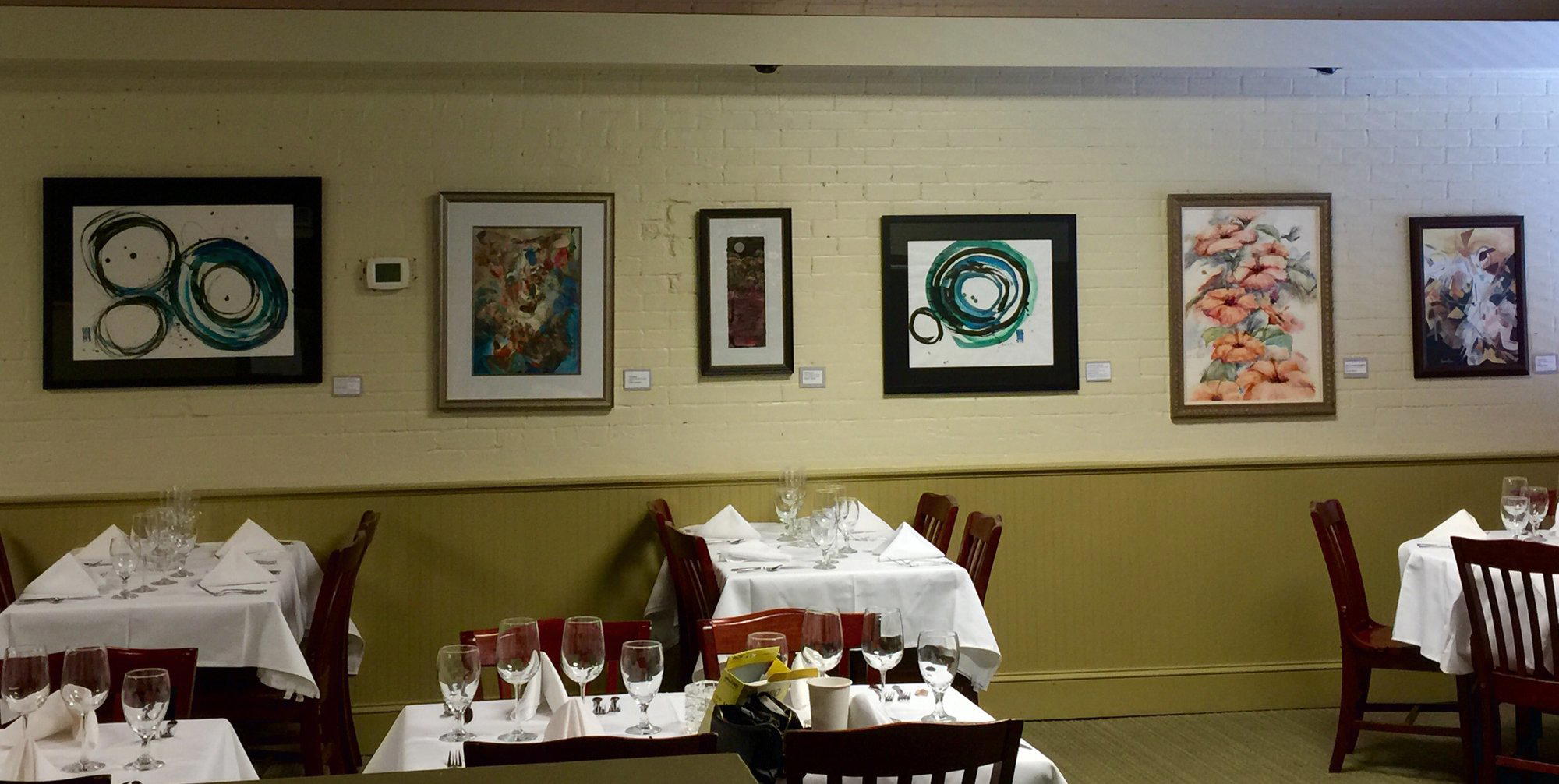
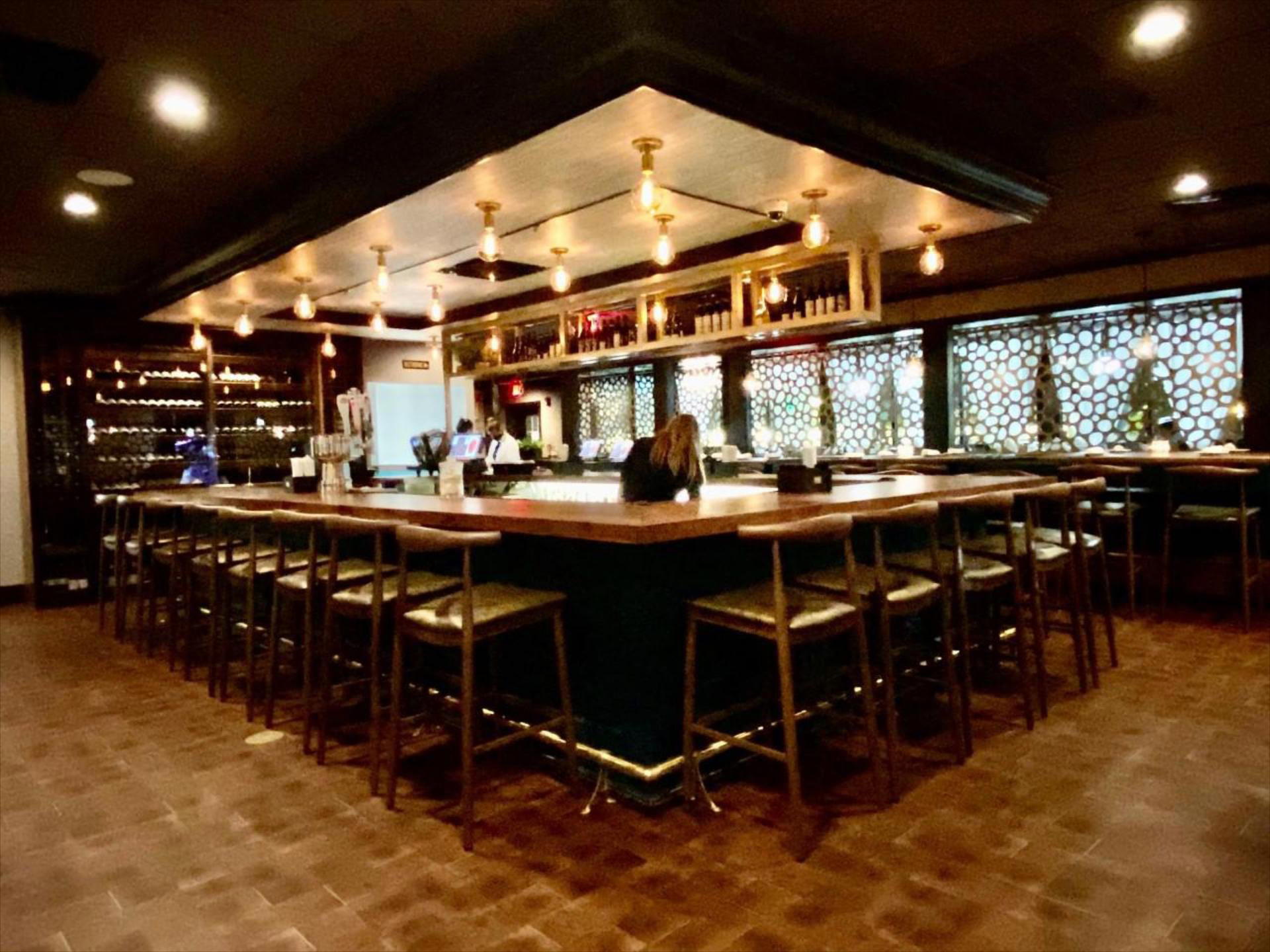
Upscale yet casual and relaxing with warm wood finishes, softly-lit atmosphere, original artwork, and crisp white tablescapes.