Rosi at The Beaumont Mayfair


Michelin Plate · Wine Spectator Best of Award of Excellence
Our verdict
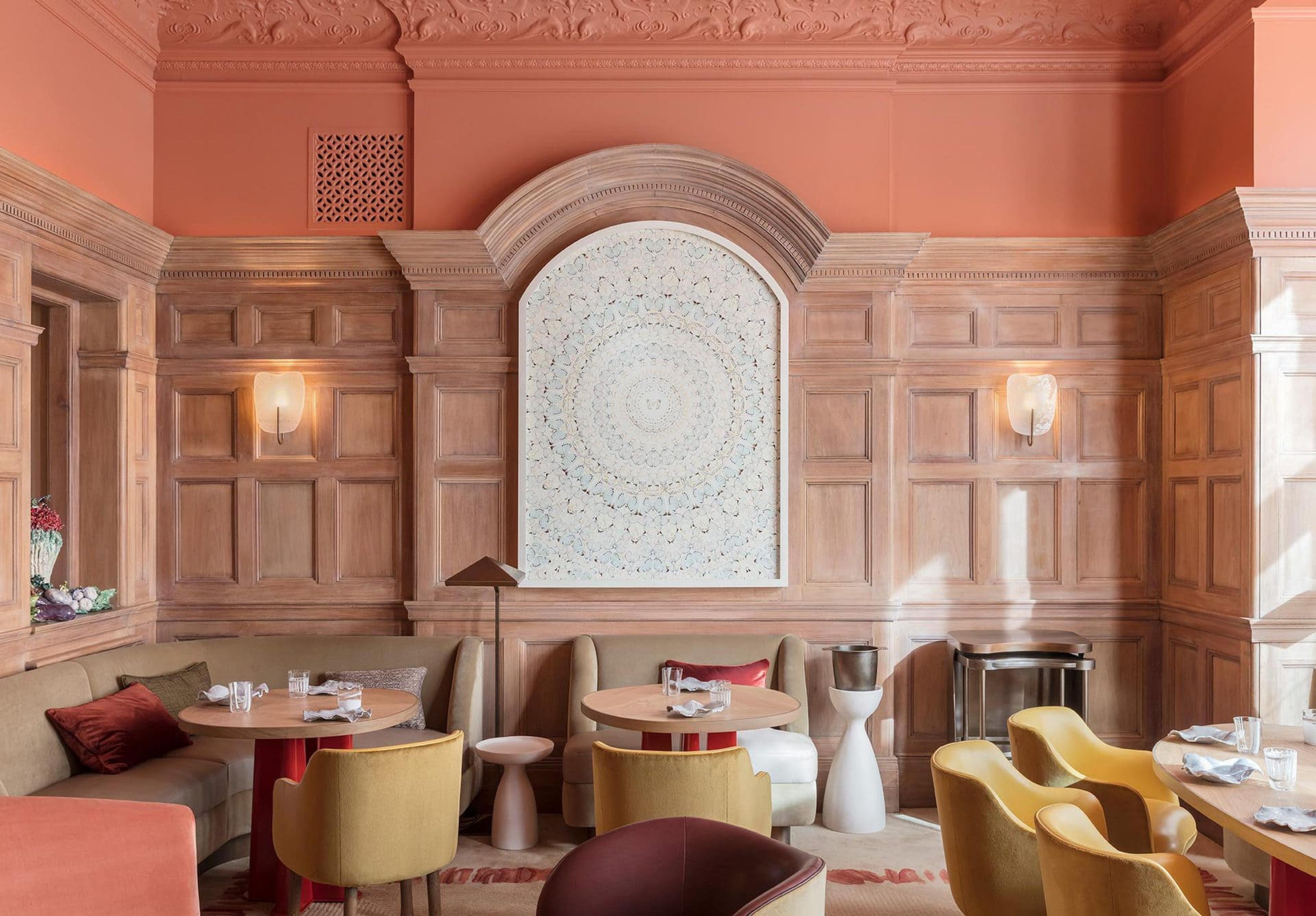
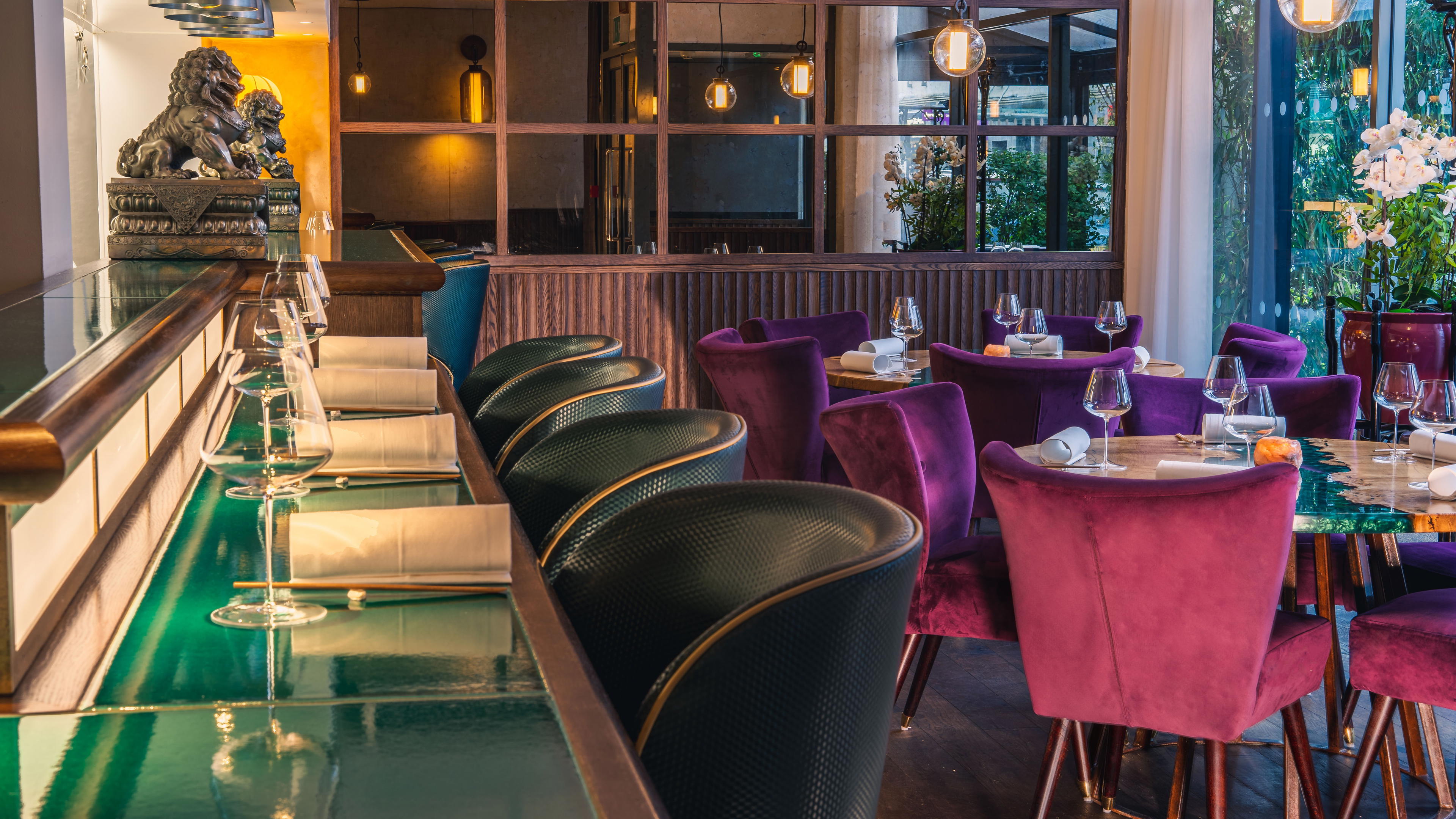
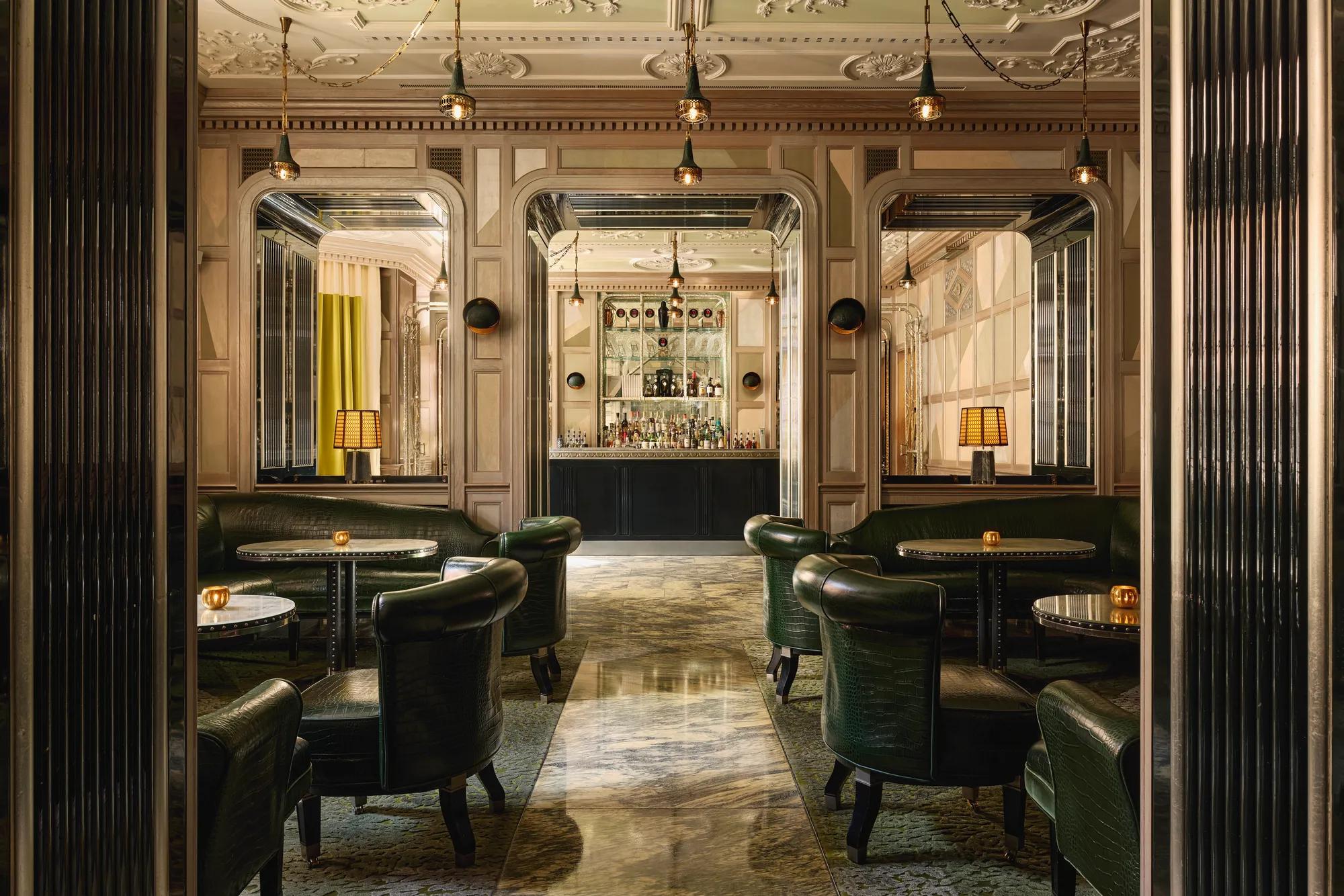
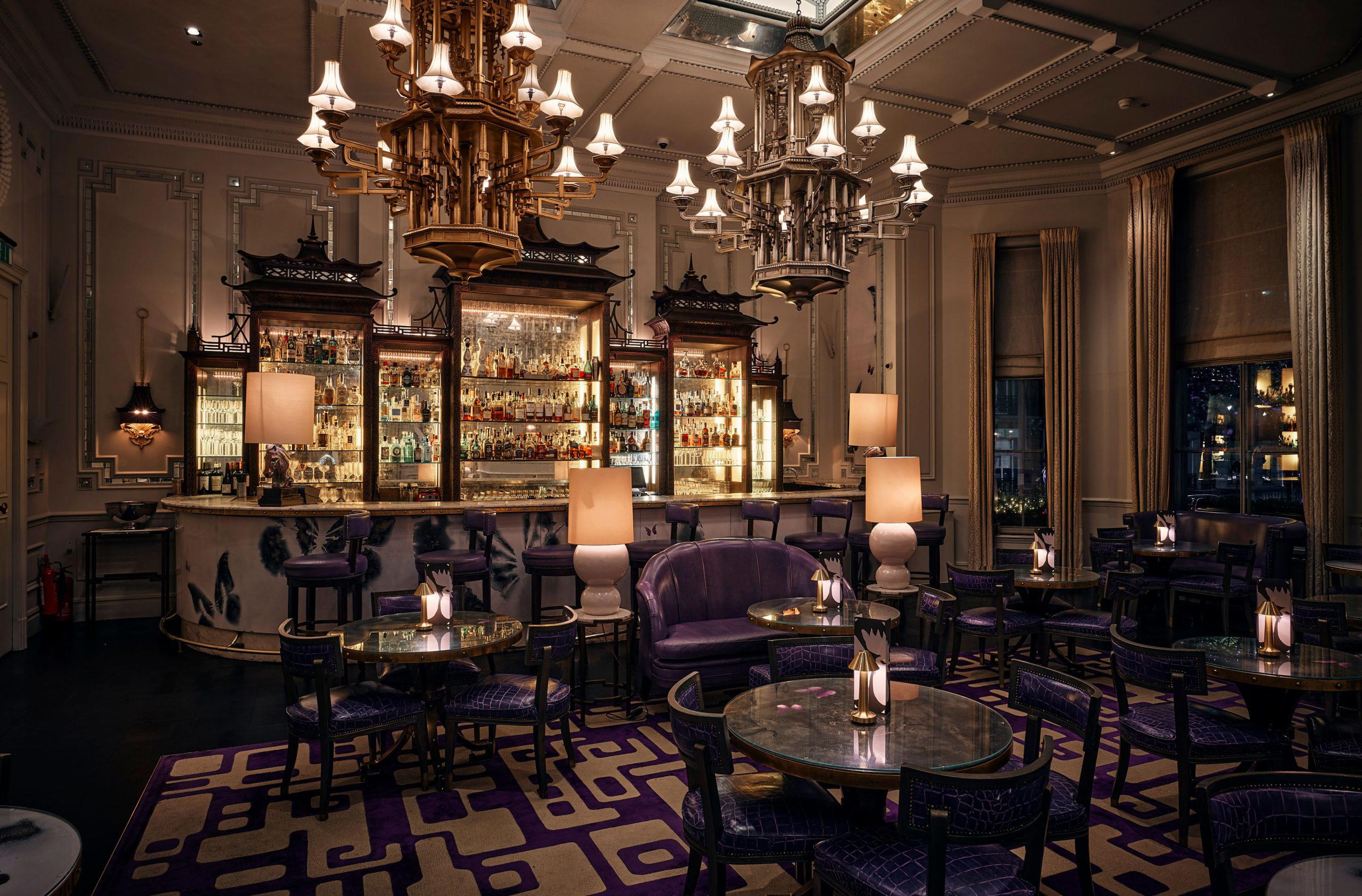
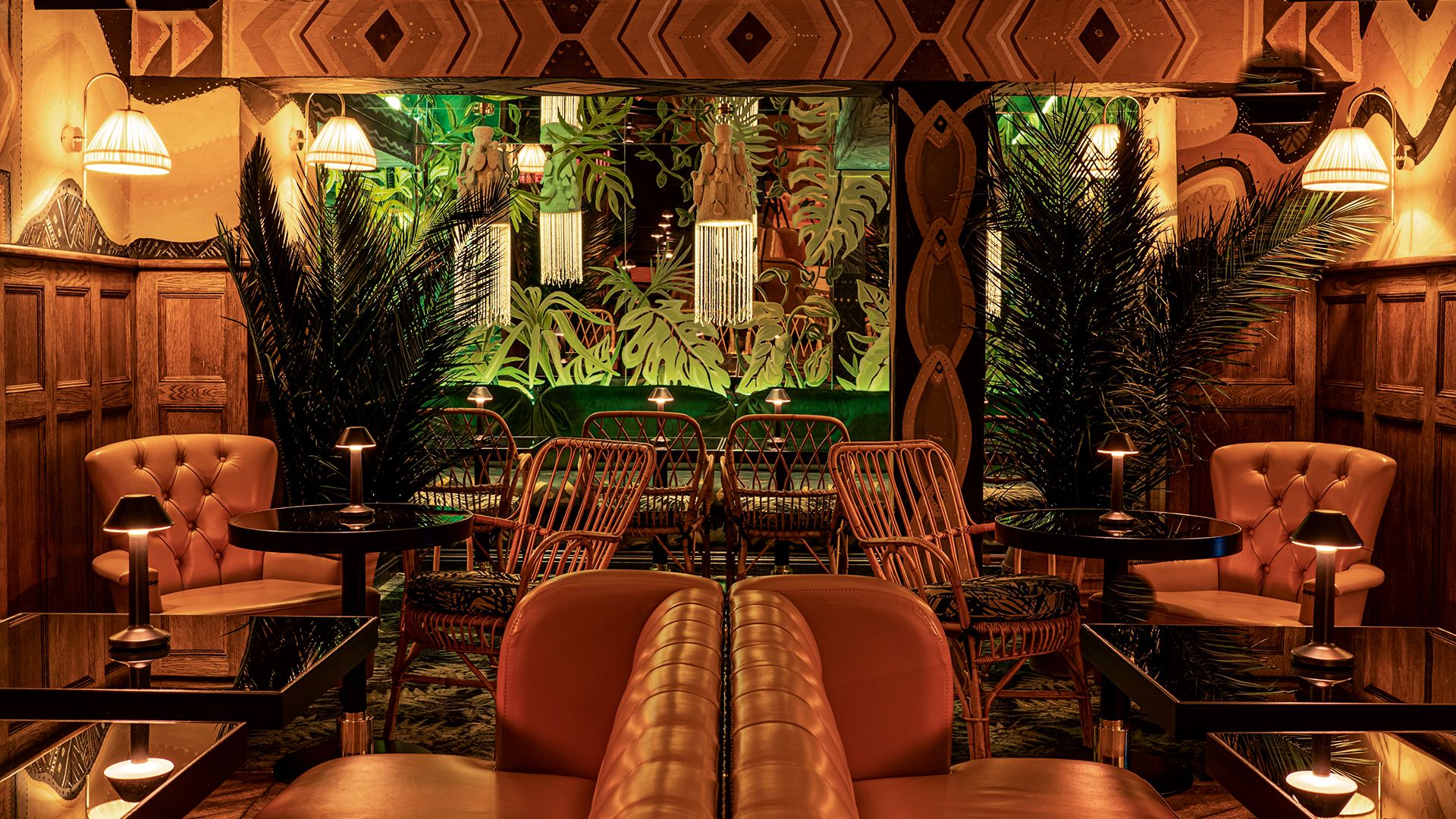
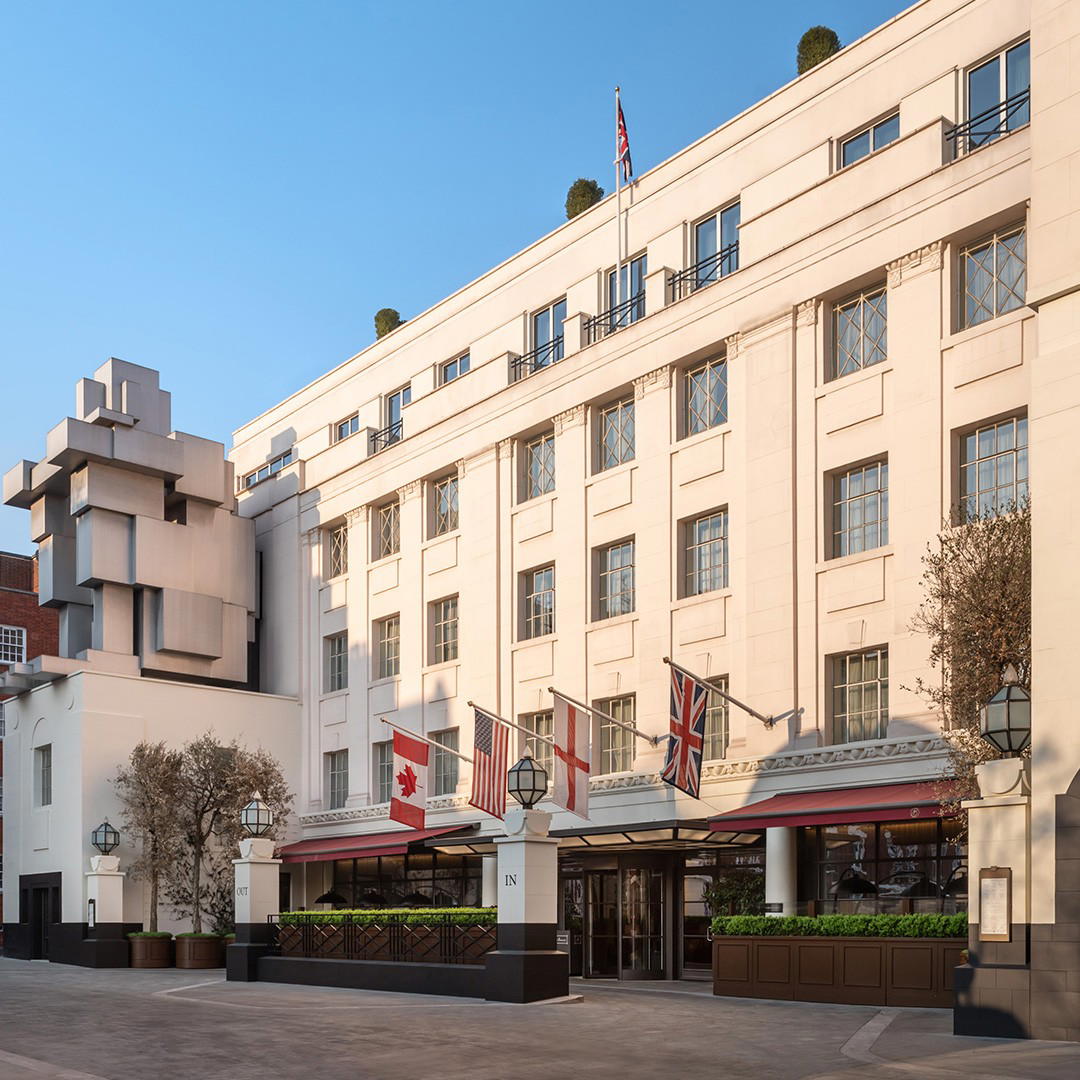
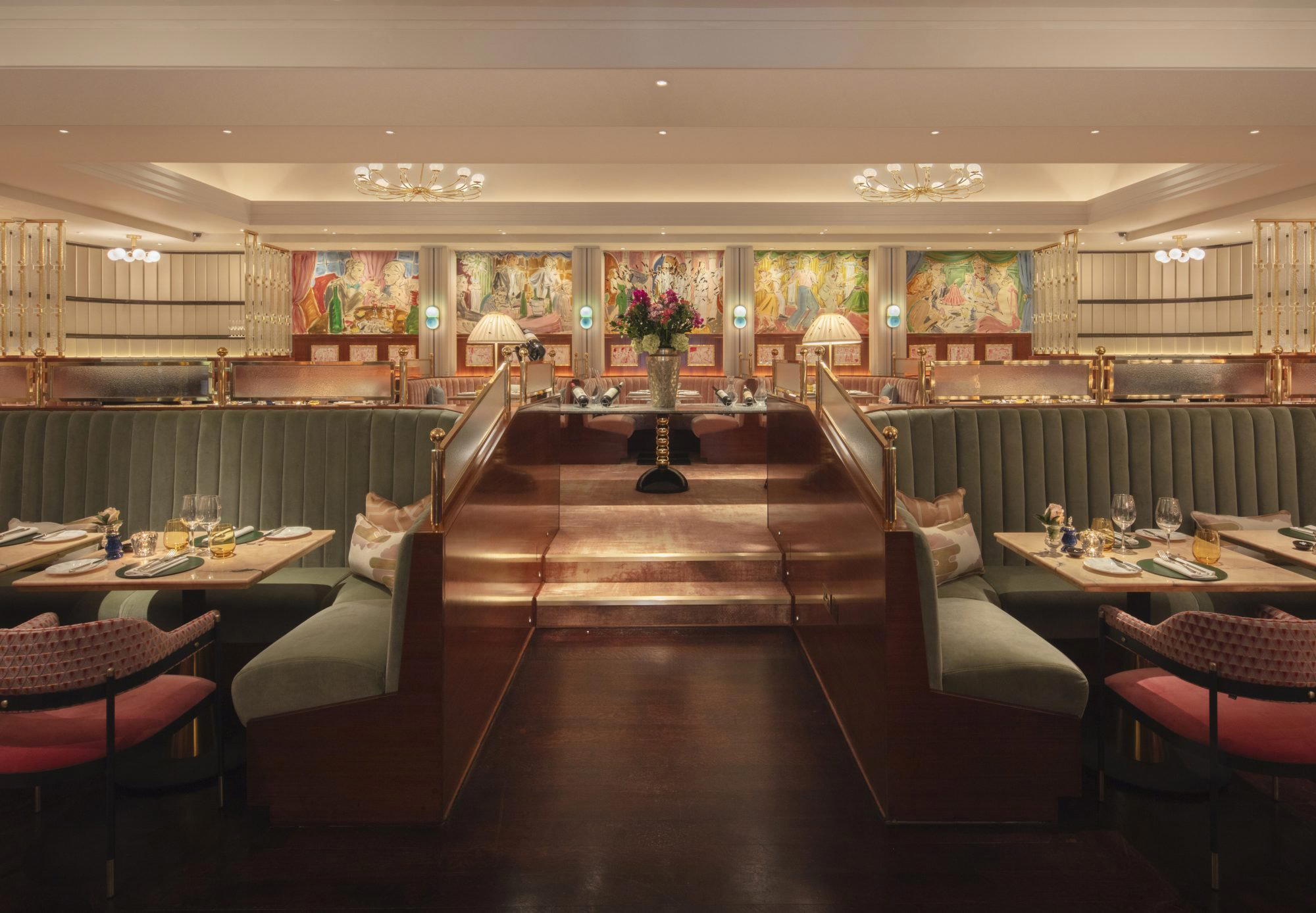
Inside The Beaumont Hotel's art deco interiors in Mayfair, Rosi serves a menu of traditional British dishes reframed with considered luxury touches. Oysters, caviar, suet pudding, and John Dory fish fingers sit alongside a customisable sundae that closes the meal on a deliberately playful note. Luke Edward Hall's friezes set the visual register: bold colour against soothing pastels.

Pearl is the En Primeur Club membership app, where members save venues, book tables and use the concierge.
The menu
What to order
- Pork pie
- Chicken Diane
- Halibut
- Rosi Sundae
Art Deco Dining in Mayfair: What Rosi Gets Right About the British Table
There is a particular kind of confidence in a Mayfair dining room that commits, fully, to the idea of Britain. Not the invented heritage of a gastro-pub chalkboard, nor the modernist abstraction of a tasting menu that happens to source from Kent. Rosi, inside The Beaumont Hotel on Balderton Street, makes a different wager: that the canon of traditional British food, given the right room and the right sourcing, needs no apology and no reinvention. It is a position that sits in productive tension with so much of what surrounds it. A short walk from The Beaumont, the question of what defines contemporary London dining at the highest level is answered very differently at Ikoyi or The Clove Club. Rosi does not enter that conversation. It steps back, and in doing so, occupies a narrower but well-defined position.
The Room as Opening Statement
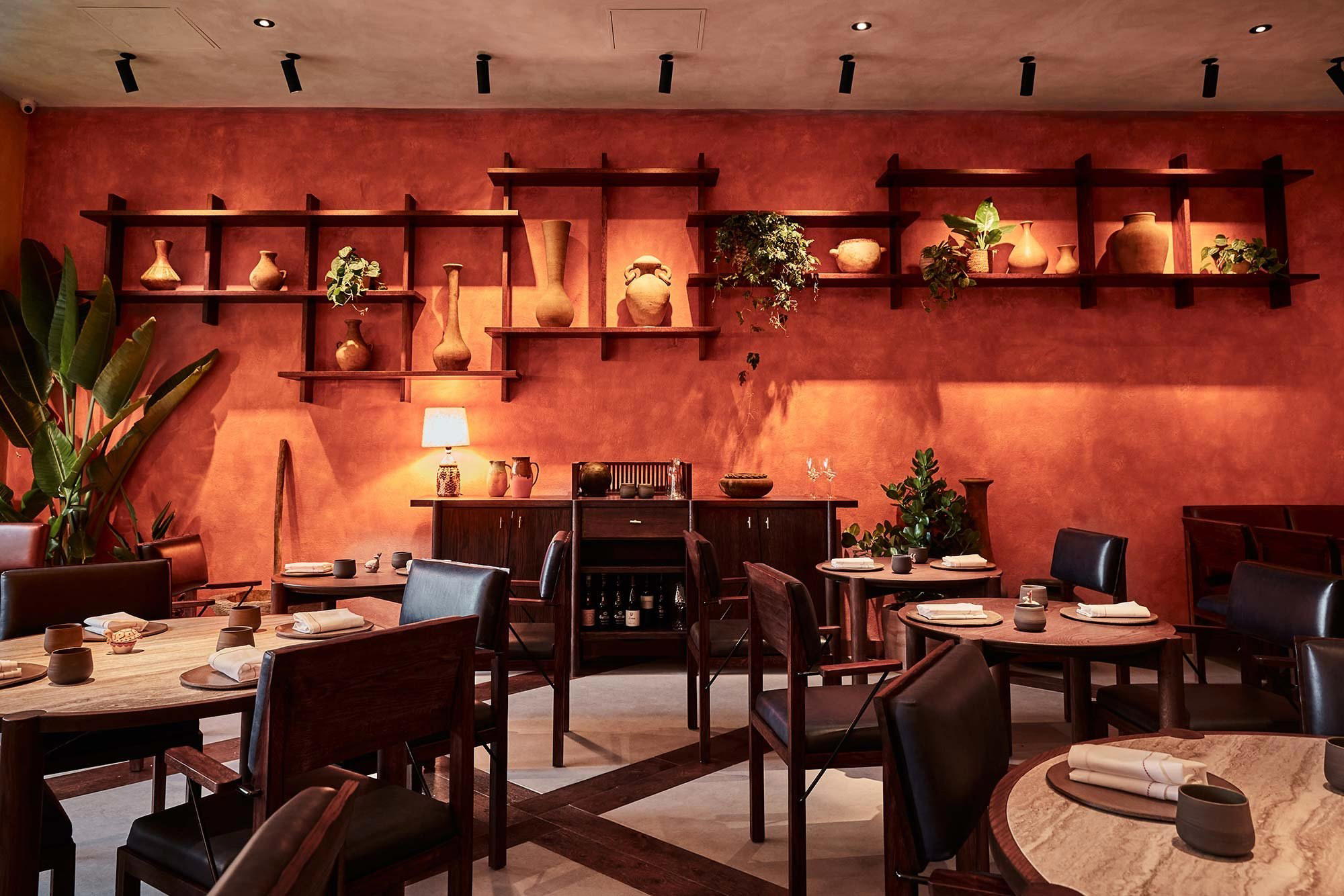
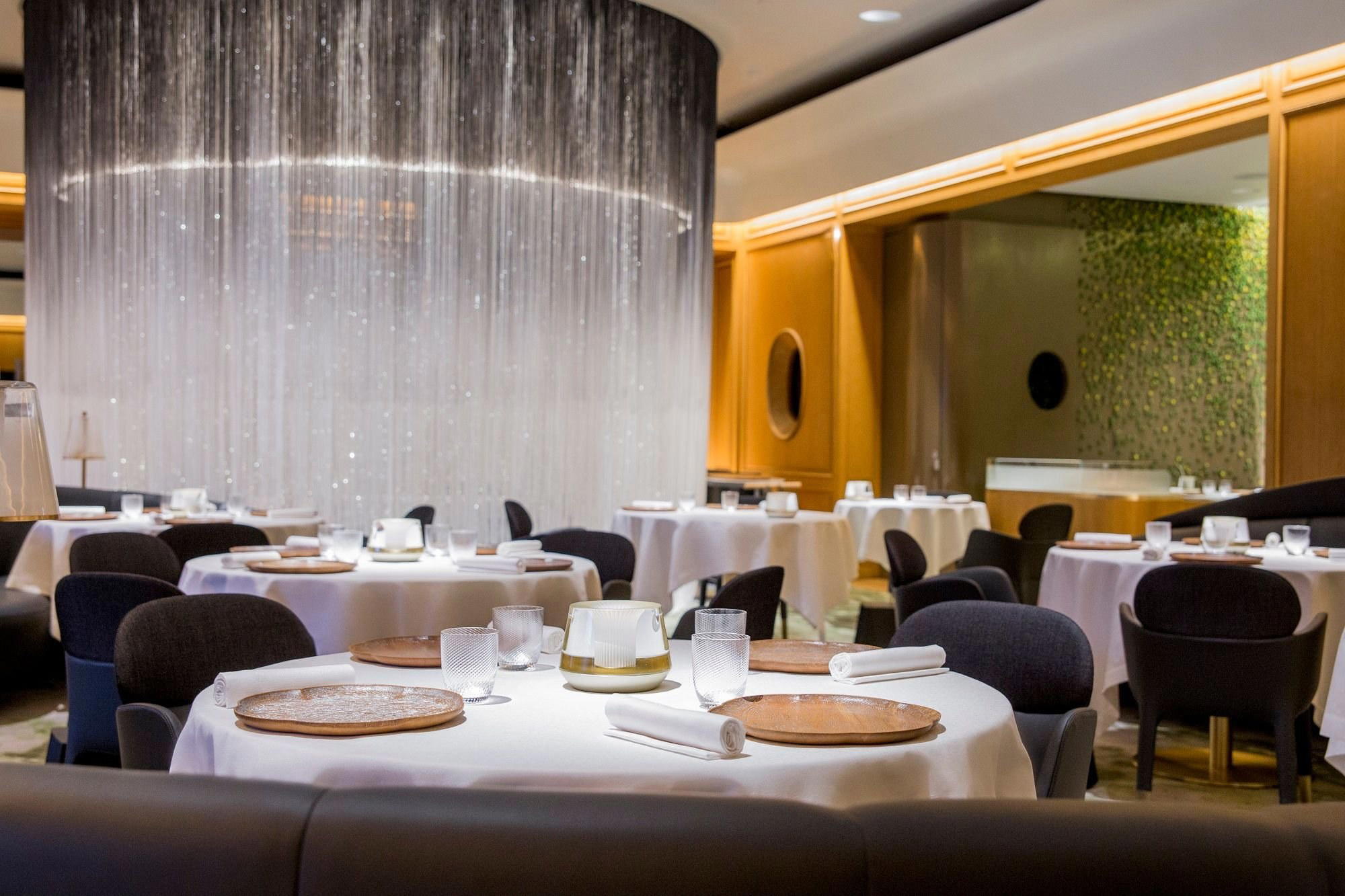
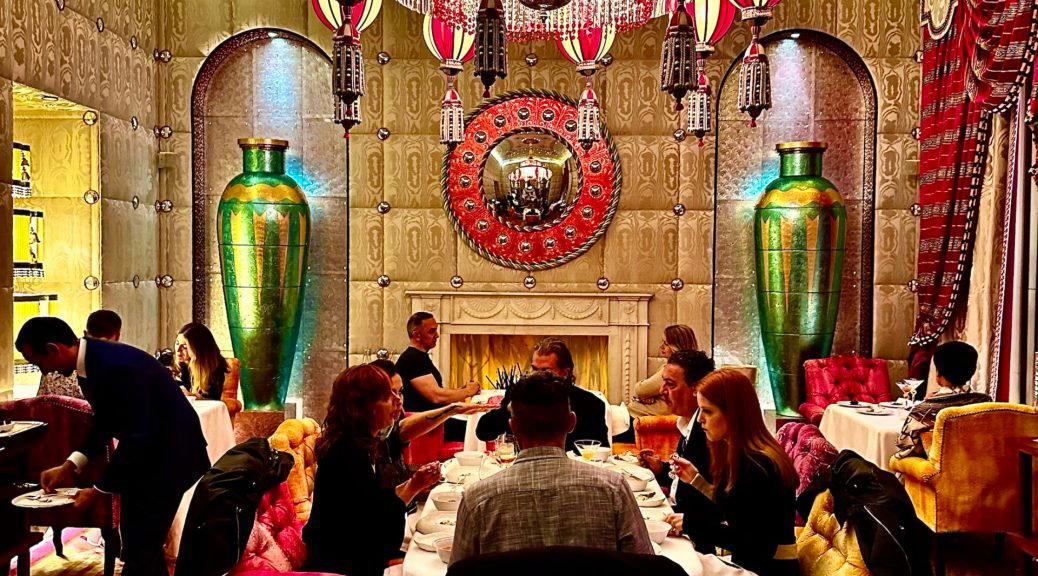
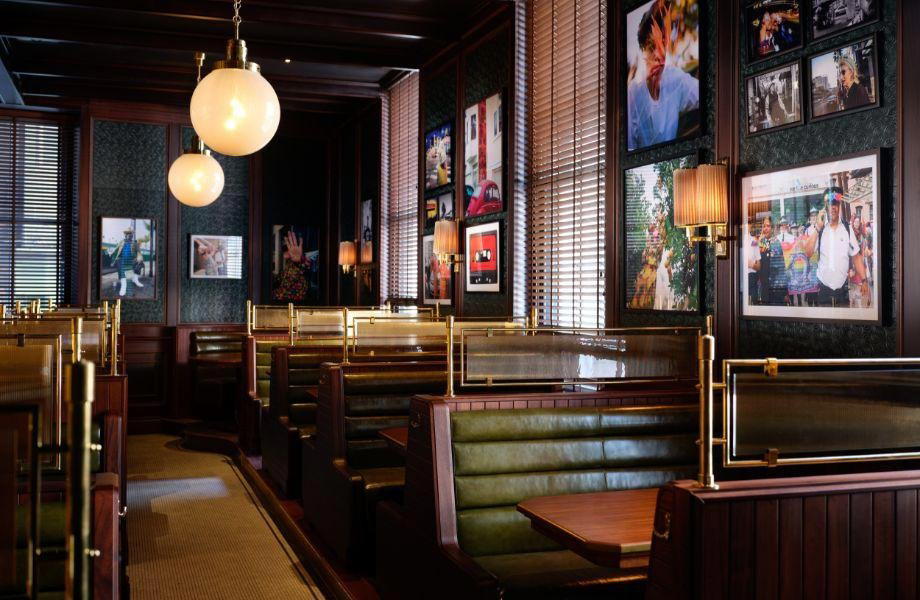
The physical environment at Rosi announces its intentions before a menu arrives. The Beaumont Hotel's art deco architecture is not merely a backdrop: its geometry and proportion set a register that the dining room sustains through pastel shades and the bold friezes of artist Luke Edward Hall. Hall's work has appeared in collaborations across fashion and interiors, and here it functions as something between decoration and punctuation, lending colour to a palette that might otherwise read as restrained. The effect is a room that feels curated rather than themed, and the distinction matters when the menu it frames is one built on British classics. The setting signals that the meal ahead is not casual. You are meant to sit properly, to take your time, to order more than you planned.
The Ritual of the British Menu
Rosi's menu operates as a structured progression through reference points of the British table, each dish carrying enough familiar weight to feel like a ritual rather than a sequence of choices. This is the dining logic of the country house hotel and the established London dining room: a known grammar that places comfort and occasion in the same sentence. It belongs to a tradition that Waterside Inn in Bray, Gidleigh Park in Chagford, and Hand and Flowers in Marlow each occupy in their own register, though Rosi's hotel context in central London gives it a different pace and a different clientele.
The meal opens with the choice of oysters and caviar, both signals that the kitchen is operating at a price point where luxury additions are expected rather than exceptional. The seafood cocktail includes lobster, situating it above the retro nostalgia bracket that a lesser version of the same dish might occupy. The fish fingers, made from John Dory rather than a commodity white fish, are the clearest example of the menu's approach: a familiar form given a materially different ingredient, with no visual or structural theatrics to announce the upgrade. The steak and ale suet pudding represents the menu's most direct engagement with the vernacular British tradition, a dish that requires confidence to serve in a Mayfair hotel dining room and reads differently from the vantage point of somewhere like CORE by Clare Smyth, where British ingredients are the starting point for a more technically demanding conversation.
The meal closes with a sundae built on a design-your-own format, which is the one moment where Rosi steps outside the grammar of the formal British dining ritual. It is a deliberate lightening of register, a signal that the room is not interested in solemnity for its own sake. The playfulness is earned by the seriousness of what preceded it.
Where Rosi Sits in London's Wider Restaurant Picture
London's premium restaurant market has, over the past decade, divided into recognisable tiers. At the furthest point of culinary ambition, a small cluster of multi-Michelin-starred rooms, among them Alain Ducasse at The Dorchester and The Ledbury, set the technical benchmark. Below that tier but overlapping with it in price, a wider group of serious dining rooms operates across multiple formats and cuisines. Rosi does not position itself in either of those categories. Its competitive set is the hotel dining room that prioritises comfort, occasion, and a clear British identity over innovation for its own sake. Within that set, the quality of its sourcing and the legibility of its menu put it closer to the considered end of the spectrum.
For comparison, the approach Rosi takes to the British table is structurally different from what restaurants in other markets do with their own vernacular canon. Emeril's in New Orleans works within an American regional tradition with a different relationship to luxury additions; Le Bernardin in New York City has built its identity around the total refinement of a single protein category. Rosi's project is narrower in geographic scope but similarly coherent: it takes a national canon seriously and serves it with appropriate materials.
Elsewhere in the United Kingdom, restaurants that work with British tradition at a similar level of seriousness include Moor Hall in Aughton, L'Enclume in Cartmel, and hide and fox in Saltwood, though each arrives at a very different conclusion about what that seriousness requires. L'Enclume and Moor Hall operate through technically elaborate tasting menus; Rosi's commitment is to legibility and ease, which is its own discipline. See our full London restaurants guide for a broader mapping of the city's dining scene, and our guides to London bars, London wineries, and London experiences for a complete picture of what the city offers.
Know Before You Go
- Address: The Beaumont Hotel, 8 Balderton Street, Brown Hart Gardens, Mayfair, London
- Setting: Hotel dining room within an art deco property; friezes by Luke Edward Hall
- Menu style: Traditional British with luxury sourcing; à la carte format
- Booking: Contact The Beaumont Hotel directly; hotel dining rooms at this level in Mayfair typically fill weekend services two to four weeks in advance
- Neighbourhood: Mayfair, close to Bond Street station; within walking distance of Grosvenor Square
Frequently asked questions
How do I find Rosi?
Rosi is located at The Beaumont Hotel, 8 Balderton Street, Brown Hart Gardens, Mayfair, London.
What awards or recognition does Rosi have?
Rosi has received recognition including: Inside the luxurious art deco confines of The Beaumont Hotel, Rosi is decked out in soothing pastel shades, with eye-catching friezes from artist Luke Edward Hall lending a bold splash of colour. Here, the menu offers a roll-call of traditi….
What do regulars order at Rosi?
The steak and ale suet pudding is the kitchen's most direct statement of purpose, a classical British preparation that anchors the menu. From there, the seafood side of the menu carries weight: the seafood cocktail includes lobster, and the fish fingers are made from John Dory rather than the cheaper white fish typical of the format. Oysters and caviar open proceedings for those who want the full range.
How far ahead should I plan for Rosi?
Rosi sits inside The Beaumont Hotel on Balderton Street in Mayfair, which means it draws both hotel guests and a local clientele of residents and regulars. Demand at hotel dining rooms operating at this level in central London typically warrants booking at least one to two weeks ahead, with weekend tables filling earlier. Contacting the hotel directly is the most reliable route to securing a reservation.
What is Rosi known for?
Rosi is known for a menu built around traditional British dishes, served inside The Beaumont Hotel's art deco dining room in Mayfair. The room itself is a draw: artist Luke Edward Hall contributed friezes that work against the soothing pastel scheme to give the space a distinct visual identity. The kitchen's approach runs from oysters and caviar through to a 'design your own' sundae, covering the full register of the British table rather than a narrow section of it.
Cuisine and Awards Snapshot
Comparable venues nearby, for context on price, style, and recognition.
| Venue | Cuisine | Price | Awards | Notes |
|---|---|---|---|---|
| RosiThis venue (the venue you are viewing) | Modern British | $50–100 | Michelin Plate · Wine Spectator Best of Award of Excellence | Not listed |
| The Perfectionists' Cafe | Modern British Comfort Food | Not listed | Not listed | Heathrow |
| La Fromagerie | Artisanal Cheese & Charcuterie Café | $30–50 | Not listed | Marylebone |
| Cadet | Modern British Small Plates | $50–100 | Michelin Bib Gourmand · Star Wine List | Mildmay |
| Kitty Fishers | Modern British Wood-Fired | $50–100 | The Good Food Guide GFG Good | Mayfair |
| Pippin's | Modern British Gastropub | $50–100 | Michelin Plate | Earl's Court |
Recognition history
Dated appearances from independent guides and award organizations, with the underlying list record or original source where available.
Michelin Plate
Michelin
Wine Spectator Best of Award of Excellence
Wine Spectator