Caché
Caché occupies a quiet stretch of 9th Avenue in San Francisco's Inner Sunset, positioning itself within a city where the gap between neighborhood dining and Michelin-tier tasting menus has narrowed considerably over the past decade. The address alone places it outside the Financial District circuit, which shapes both its character and its booking logic. Readers planning a visit should approach it as they would any serious Inner Sunset table: with lead time and an understanding of the local dining rhythm.
Pearl is the En Primeur Club membership app — saves, bookings, and concierge access live there. Same editors, same standards.
- Address
- 1235 9th Ave, San Francisco, CA 94122
- Phone
- +14155718164
- Website
- cache-sf.com
- Directions
- Get directions
 Saves & bookings on Pearl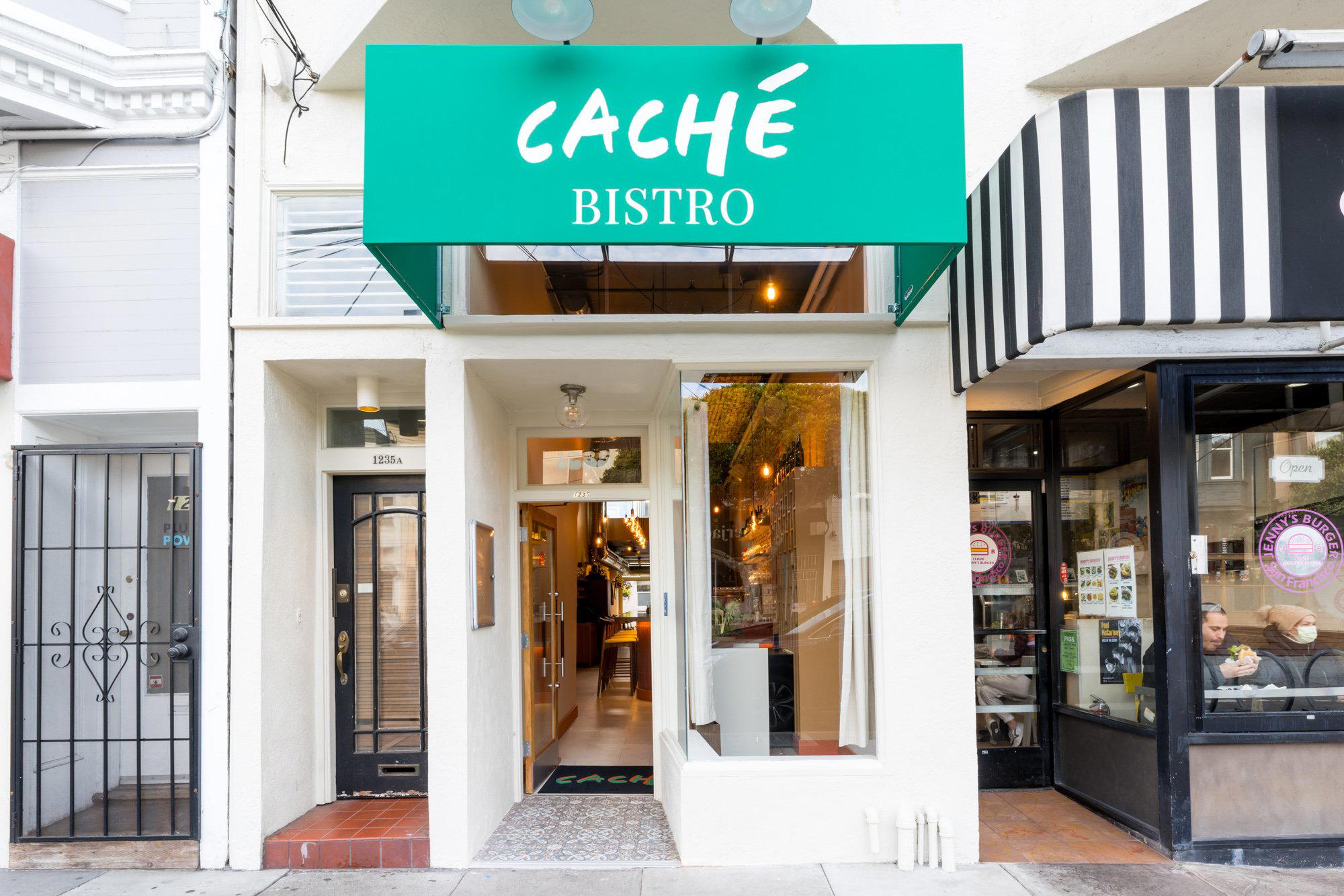
The Inner Sunset Table and What It Signals
San Francisco's dining scene has long sorted itself by neighborhood as much as by price tier. The Financial District and SoMa carry the institutional weight of venues like Benu and Saison, where Michelin recognition and prix-fixe formats set the terms. The Inner Sunset operates differently. Along 9th Avenue, the format is quieter, the foot traffic more residential, and the dining expectations shaped by a clientele that lives nearby rather than commutes for the occasion. Caché sits at 1235 9th Ave inside that ecosystem, which is the first piece of context any visitor needs before thinking about booking.
That address is not a liability. Some of the city's most serious cooking over the past fifteen years has emerged from neighborhoods well outside the Downtown corridor, a pattern visible in cities like Chicago, where Smyth operates with comparable neighborhood displacement from the city's formal dining center. The question for any Inner Sunset table is whether the neighborhood identity is incidental or constitutive of what the restaurant does. At Caché, the answer shapes the entire planning logic.
Approaching the Booking
The editorial angle that matters most for Caché right now is logistical: what does a prospective diner actually need to know before committing to a reservation? The venue takes reservations and recommends planning ahead. That combination, in San Francisco's current dining market, typically points toward one of two operating models: a small-format room that books through a third-party reservations platform, or a venue still in an early or transitional phase where direct discovery is part of the experience.
Across the city's comparable tier, the Lazy Bear and Atelier Crenn bracket of $$$$ contemporary dining, booking windows of four to eight weeks are standard, with particularly competitive slots (Friday and Saturday prime time) going faster. Whether Caché operates on that cadence or runs a tighter, more accessible reservation window is something the venue's own channels will confirm. The practical instruction is the same either way: identify the booking platform first, then work backward from your preferred date.
For context on what disciplined pre-planning looks like at the $$$$ end of California's restaurant spectrum, The French Laundry in Napa and Single Thread Farm in Healdsburg both require reservations months in advance and treat the booking process itself as part of the guest experience. Caché's Inner Sunset positioning suggests a less pressurized window, but that assumption should be confirmed rather than relied upon.
Where Caché Sits in the San Francisco comparable set
San Francisco's upper dining tier is unusually compressed by global standards. A city of under a million residents supports multiple three-Michelin-star tables, Quince, Benu, Atelier Crenn, Saison among them, alongside a dense mid-market of ambitious, technically serious kitchens that operate without that formal recognition but compete on food quality and experience design. That mid-market is where most of the city's interesting dining decisions happen, and it is the segment most relevant to Caché's 9th Avenue location.
The comparison table below places Caché alongside its closest documented peers for planning purposes.
| Venue | Neighborhood | Price Tier | Booking Lead Time (typical) | Format |
|---|---|---|---|---|
| Caché | Inner Sunset | Not confirmed | Not confirmed | Not confirmed |
| Lazy Bear | Mission | $$$$ | 4-6 weeks | Progressive American tasting |
| Atelier Crenn | Cow Hollow | $$$$ | 6-8 weeks | Modern French tasting |
| Benu | SoMa | $$$$ | 4-6 weeks | French-Chinese tasting |
| Quince | Jackson Square | $$$$ | 4-8 weeks | Italian contemporary |
The Inner Sunset as Dining Context
A restaurant at 9th Avenue and Irving operates in a neighborhood that has historically produced serious, under-documented cooking. The Inner Sunset's dining character is defined less by formal recognition than by consistency and community tenure: restaurants here survive on repeat local business, which tends to produce kitchens more focused on craft than on press cycles. That dynamic has parallels in other American cities, Frasca Food and Wine in Boulder is a useful comparison point, a venue that built its reputation through neighborhood roots rather than a high-visibility address.
For visitors arriving from outside the Bay Area, the Inner Sunset requires a deliberate transit choice.
National Context for a Neighborhood Address
Placing Caché in a national frame requires acknowledging that particularly consequential American restaurants of the past decade have operated at neighborhood scale rather than destination scale. Blue Hill at Stone Barns in Tarrytown and The Inn at Little Washington are outlier cases where the address itself became the draw. More representative is the pattern where a kitchen in a secondary neighborhood builds a following that eventually draws visitors from further afield, a trajectory visible at Providence in Los Angeles and Addison in San Diego, both of which achieved formal recognition from addresses that required a deliberate decision to seek them out.
Both are legitimate positions in a city with San Francisco's density of serious cooking.
Planning Your Visit
One reliable planning approach is to confirm reservations directly, since Caché is located at 1235 9th Ave. Arrive in the Inner Sunset with time to orient; the neighborhood does not have the signage density of a tourist corridor, and the block identity of 9th Avenue is quieter than comparable stretches in the Mission or Hayes Valley. That quiet is part of what the area offers.
For readers building a San Francisco itinerary around multiple serious meals, the city's $$$$ tier, Lazy Bear, Atelier Crenn, Benu, Quince, and Saison will require the longest booking lead times and the advance planning. Caché's position outside that formally documented tier may mean more scheduling flexibility, which has its own value in a city where the leading tables are consistently oversubscribed. Atomix in New York City and Le Bernardin, where reservation strategy is as deliberate as the menu itself.
Where the Accolades Land
Comparable venues nearby, for context on price, style, and recognition.
| Venue | Cuisine | Price | Notes |
|---|---|---|---|
| CachéThis venue — the venue you are viewing | Modern French Bistro with Seafood Focus | $$ | Not listed |
| Café de la Presse | Classic French Bistro | $$ | Financial District/South Beach |
| Cafe des Amis | Classic French Brasserie | $$ | Cow Hollow |
| Le Cafe du Soleil | French Café | $$ | Hayes Valley |
| Les Clos | Modern French Bistro | $$$ | SOMA |
| Zazie | Provençal French Bistro | $$ | Haight Ashbury |
Continue exploring
More in San Francisco
Restaurants in San Francisco
Browse all →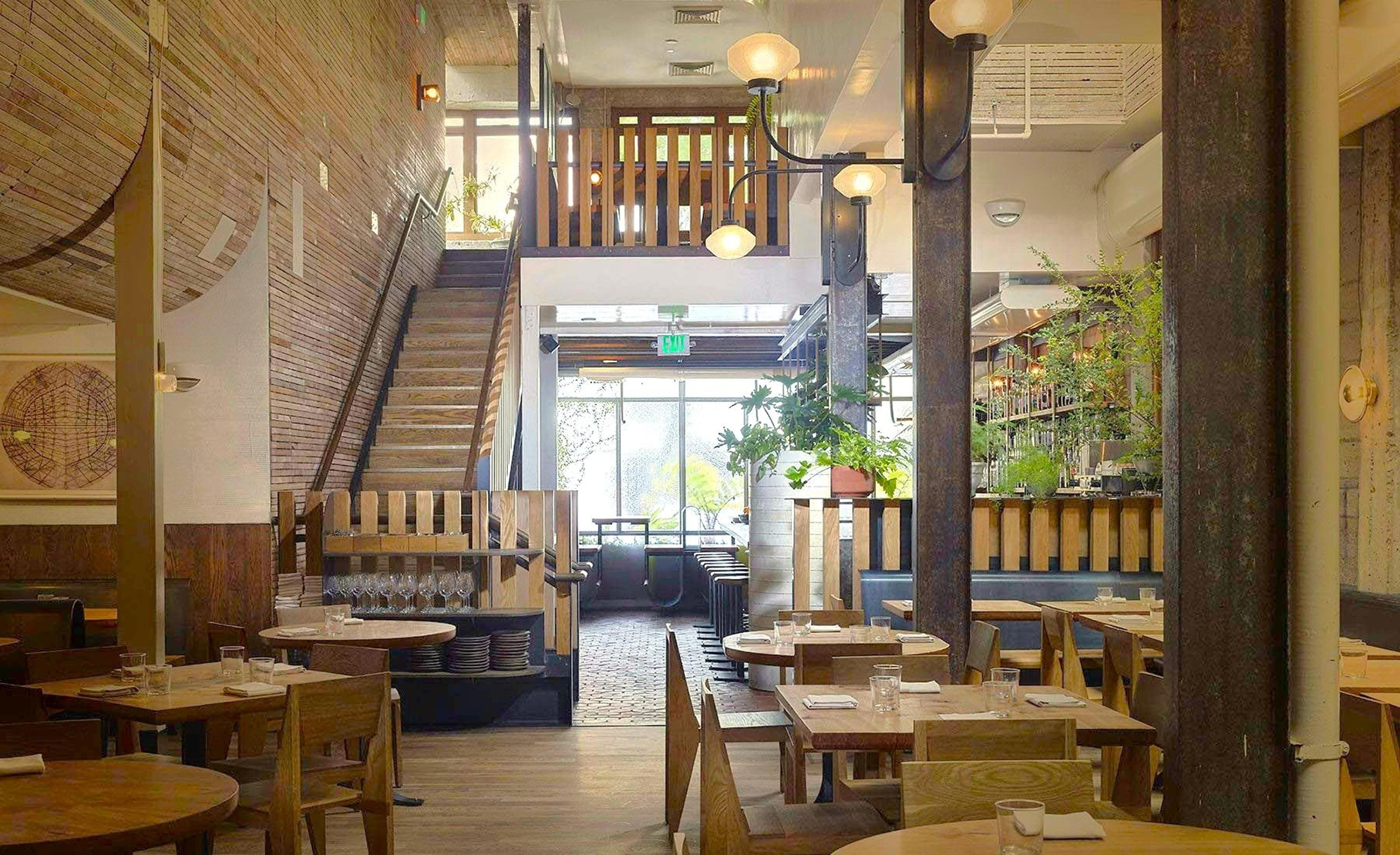
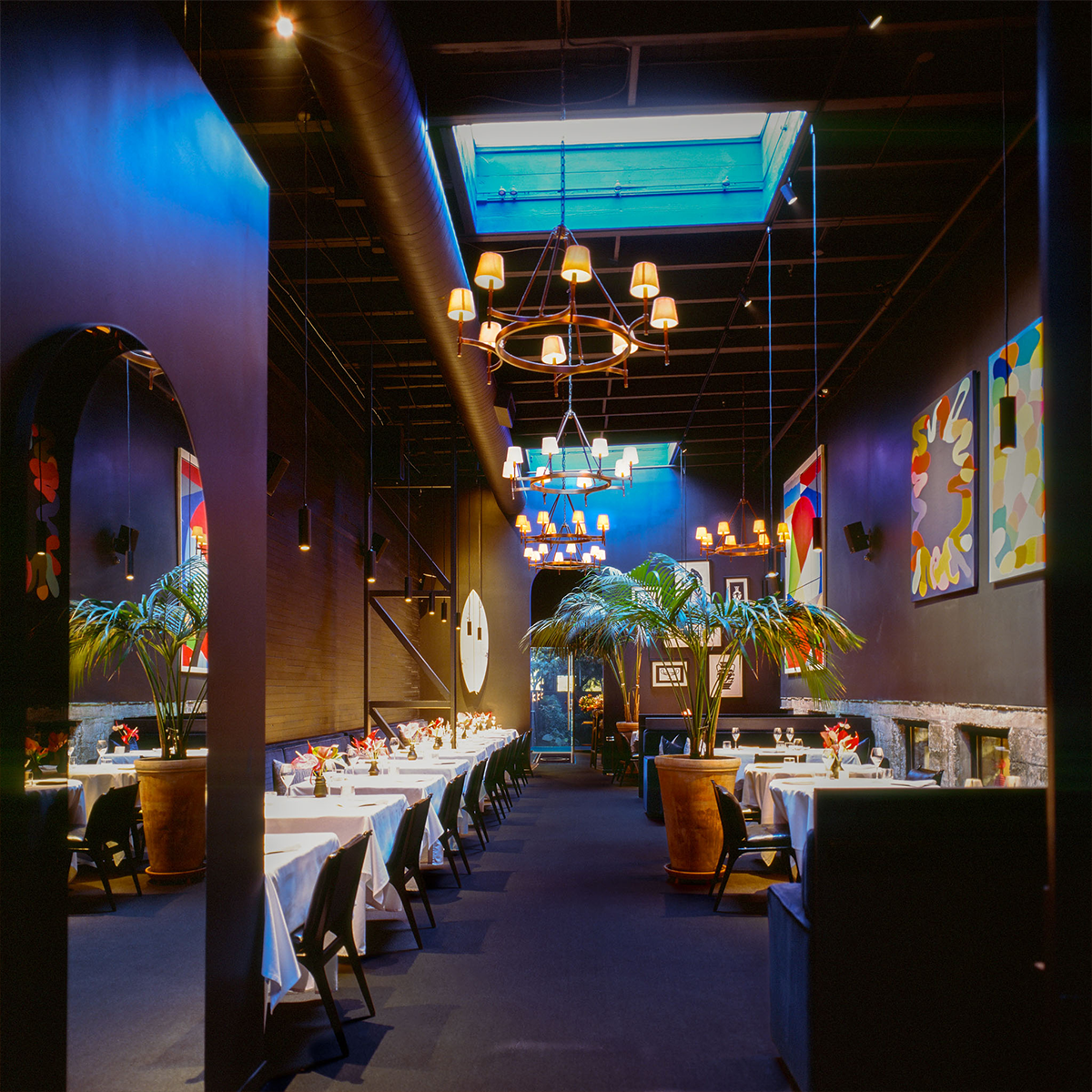
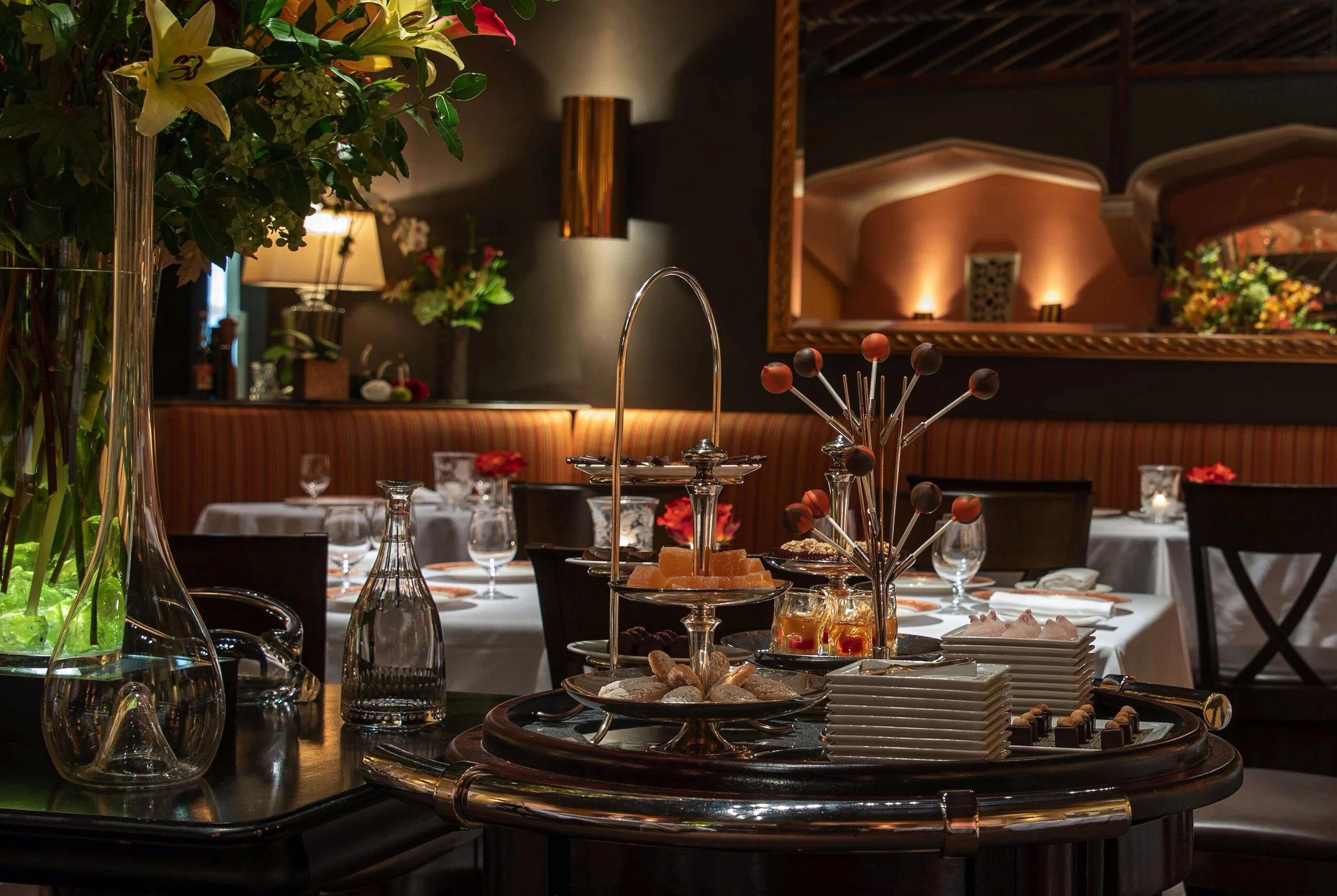
Bars in San Francisco
Browse all →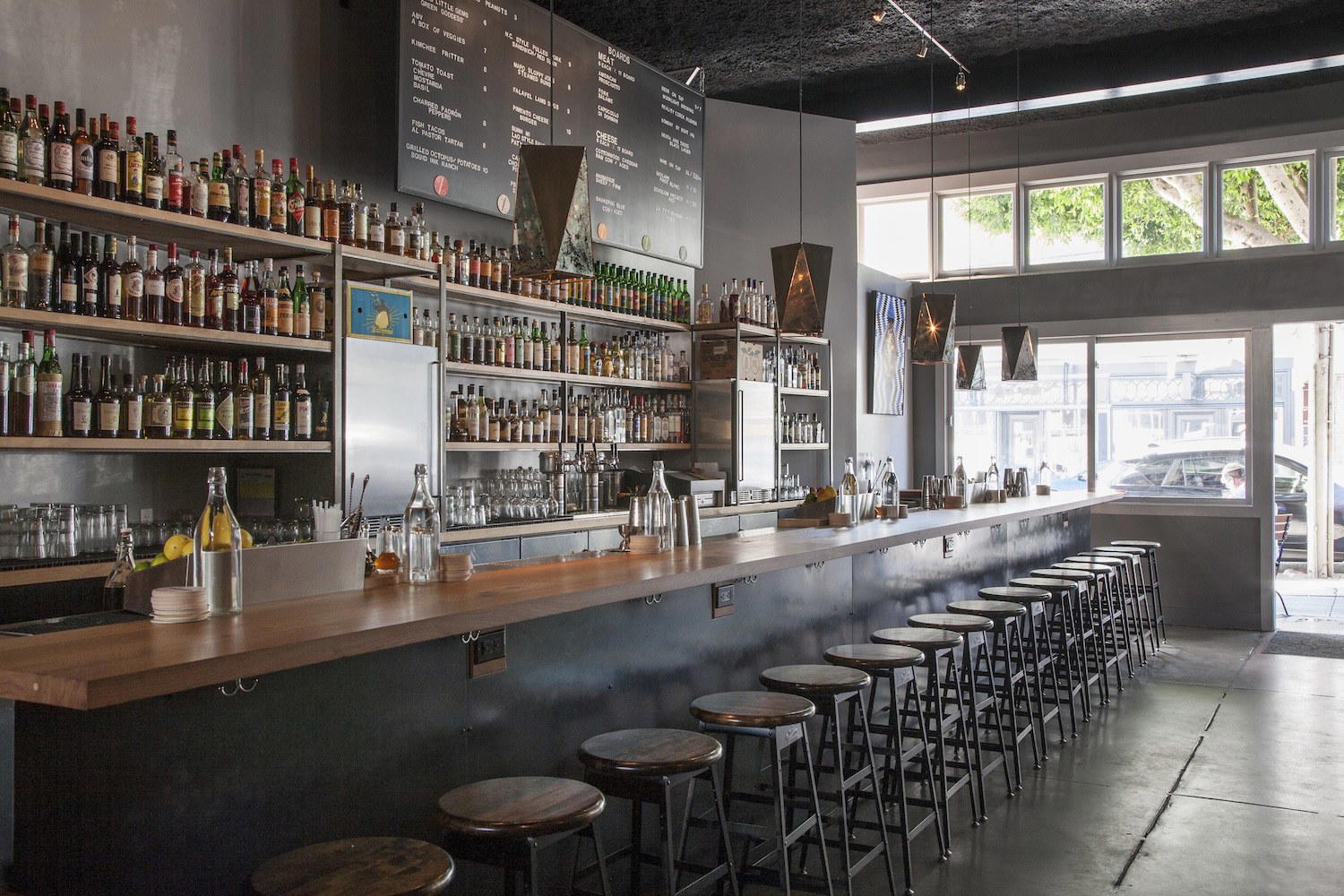
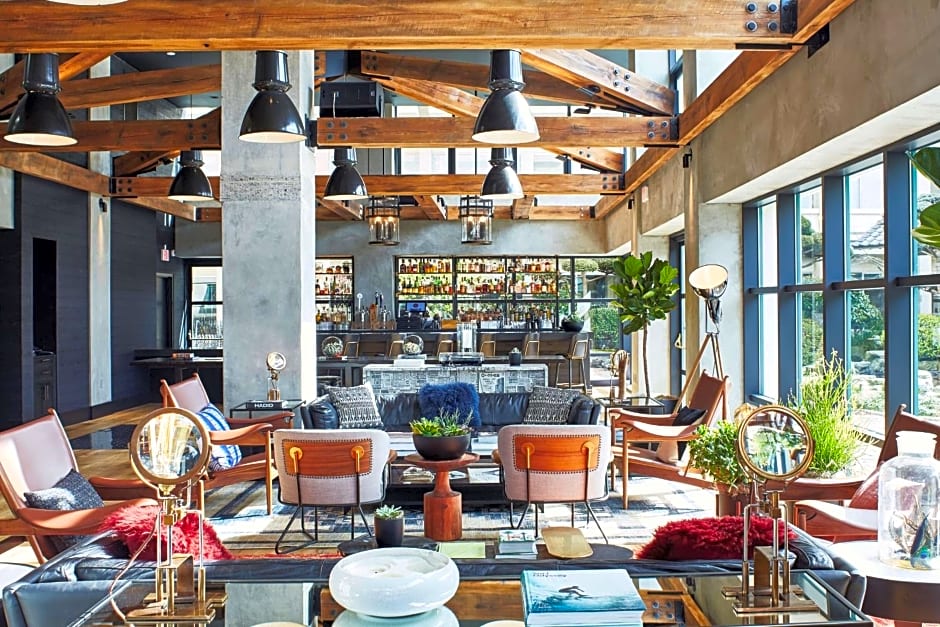
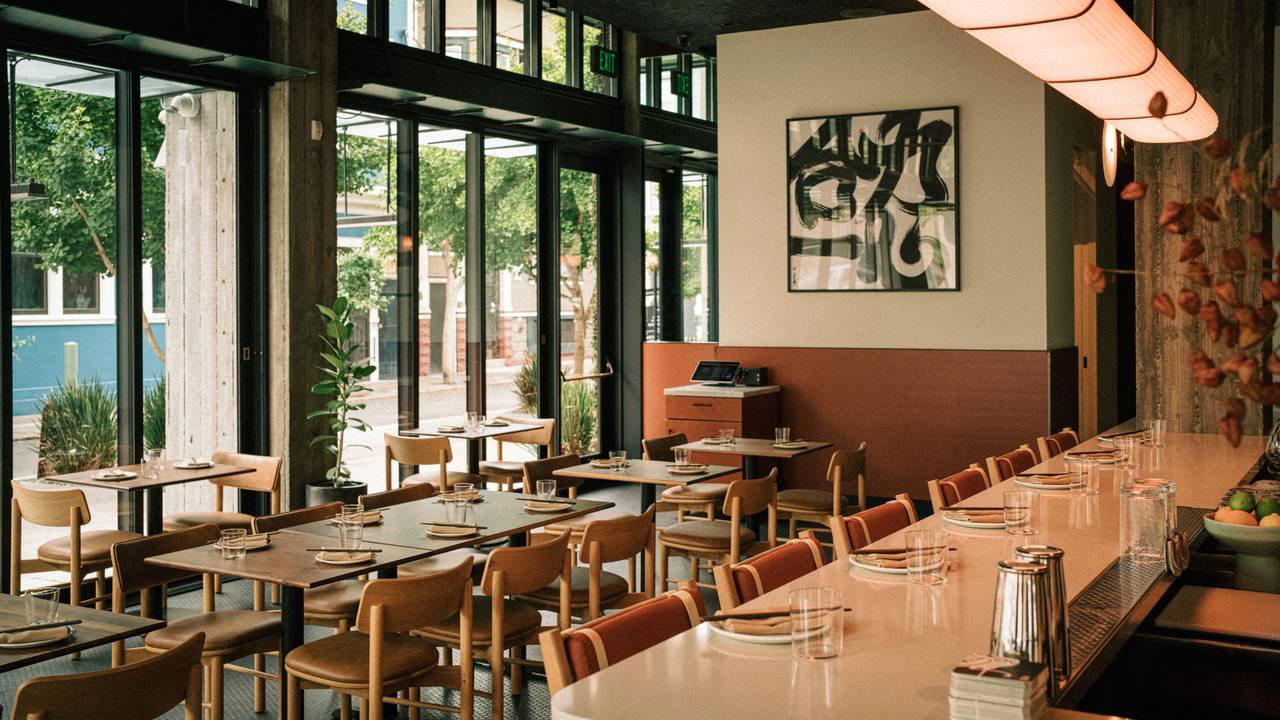
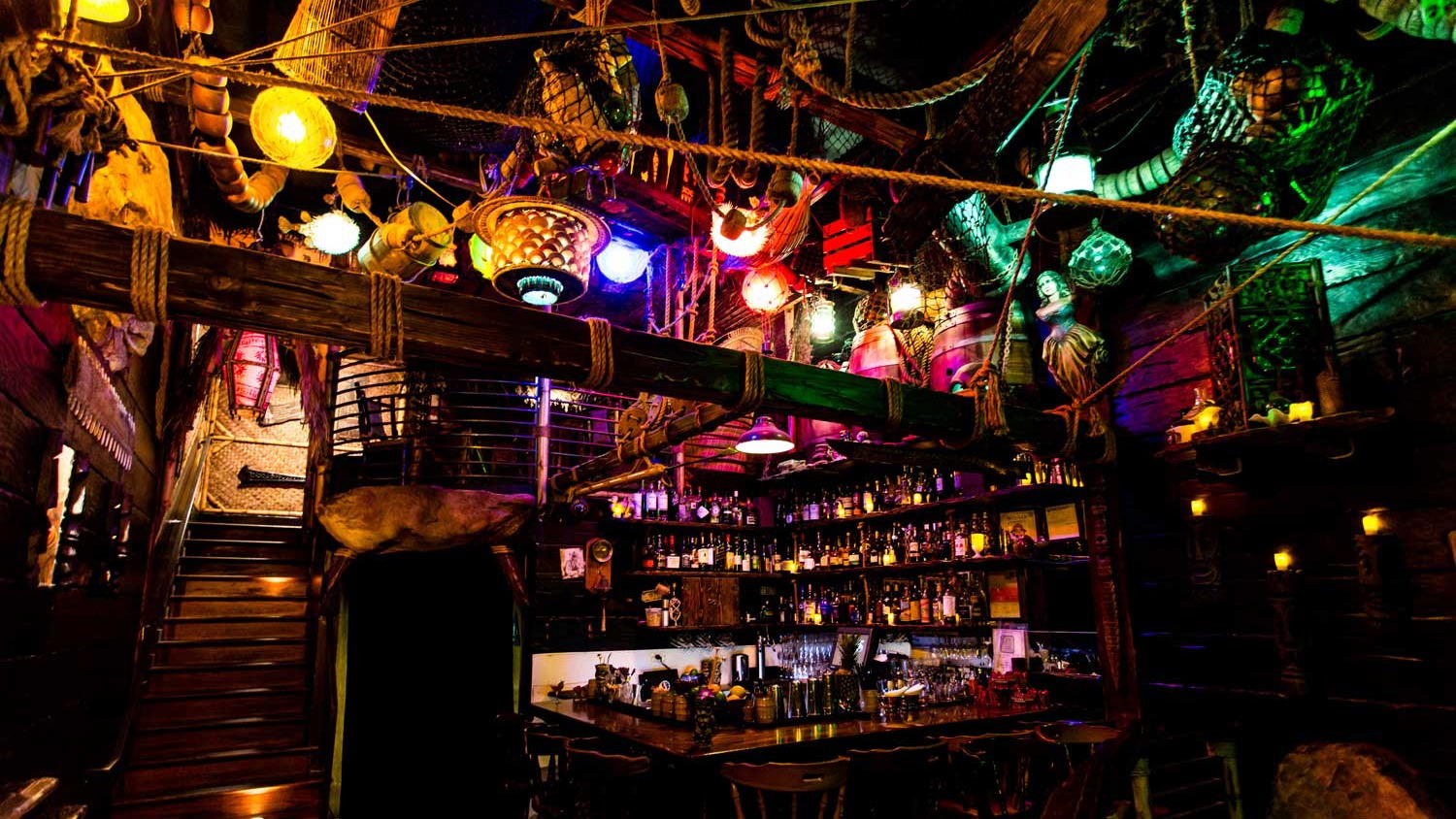
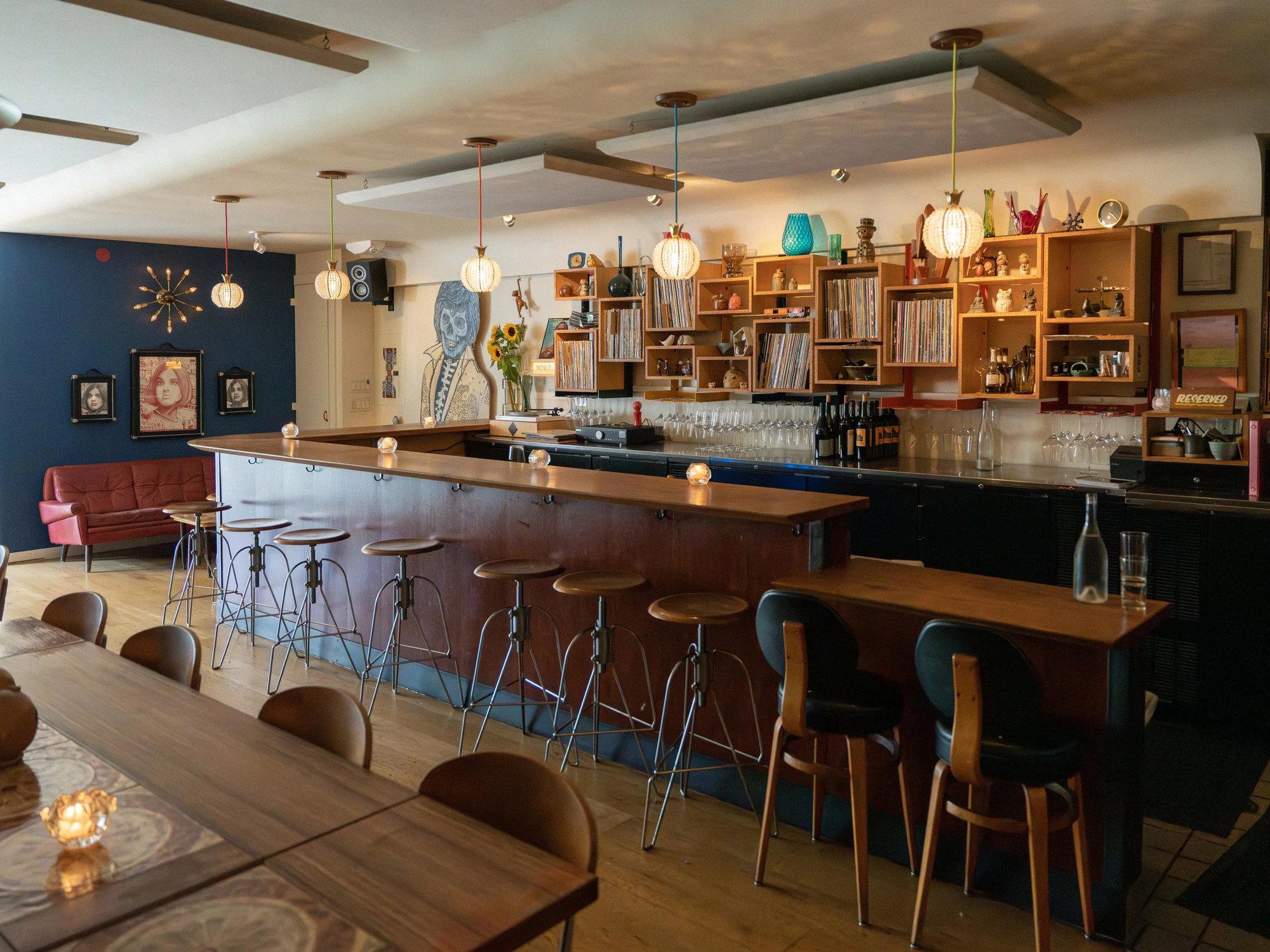
Hotels in San Francisco
Browse all →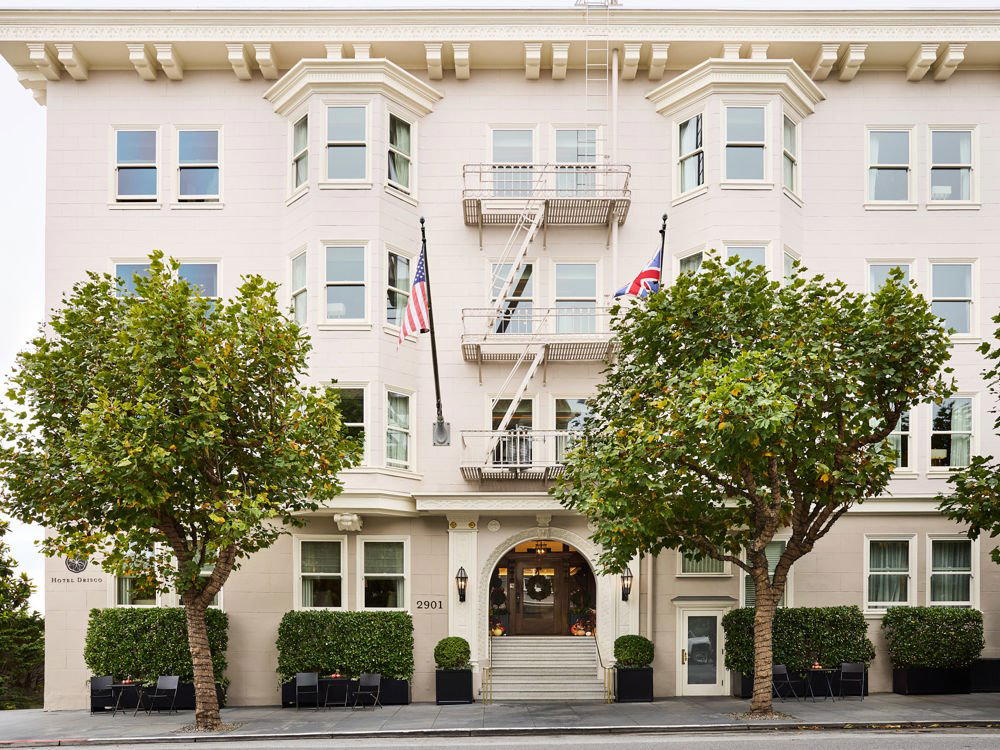
At a Glance
- Modern
- Sophisticated
- Trendy
- Date Night
- Casual Hangout
- Brunch
- Group Dining
- Courtyard
- Open Kitchen
- Standalone
- Natural Wine
- Craft Cocktails
- Local Sourcing
- Natural Wine
- Farm To Table
Current opening hours
- Monday
- 5–9 PM
- Tuesday
- Closed
- Wednesday
- 5–9 PM
- Thursday
- 11 AM–2 PM, 5–9 PM
- Friday
- 11 AM–2 PM, 5–9:30 PM
- Saturday
- 11 AM–2 PM, 5–9:30 PM
- Sunday
- 11 AM–2 PM, 5–9 PM
Hours can change for holidays and private events. Last verified .
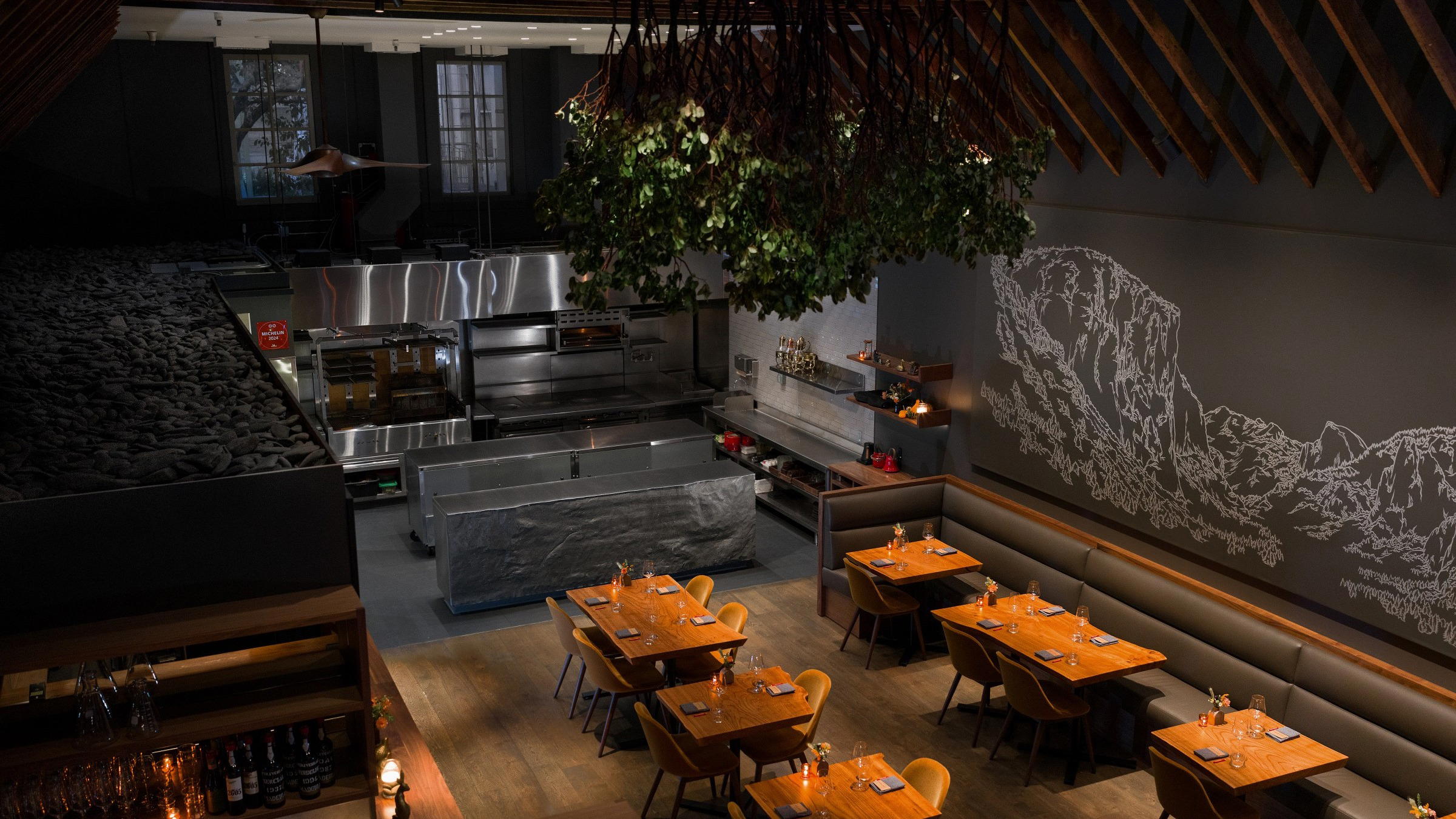
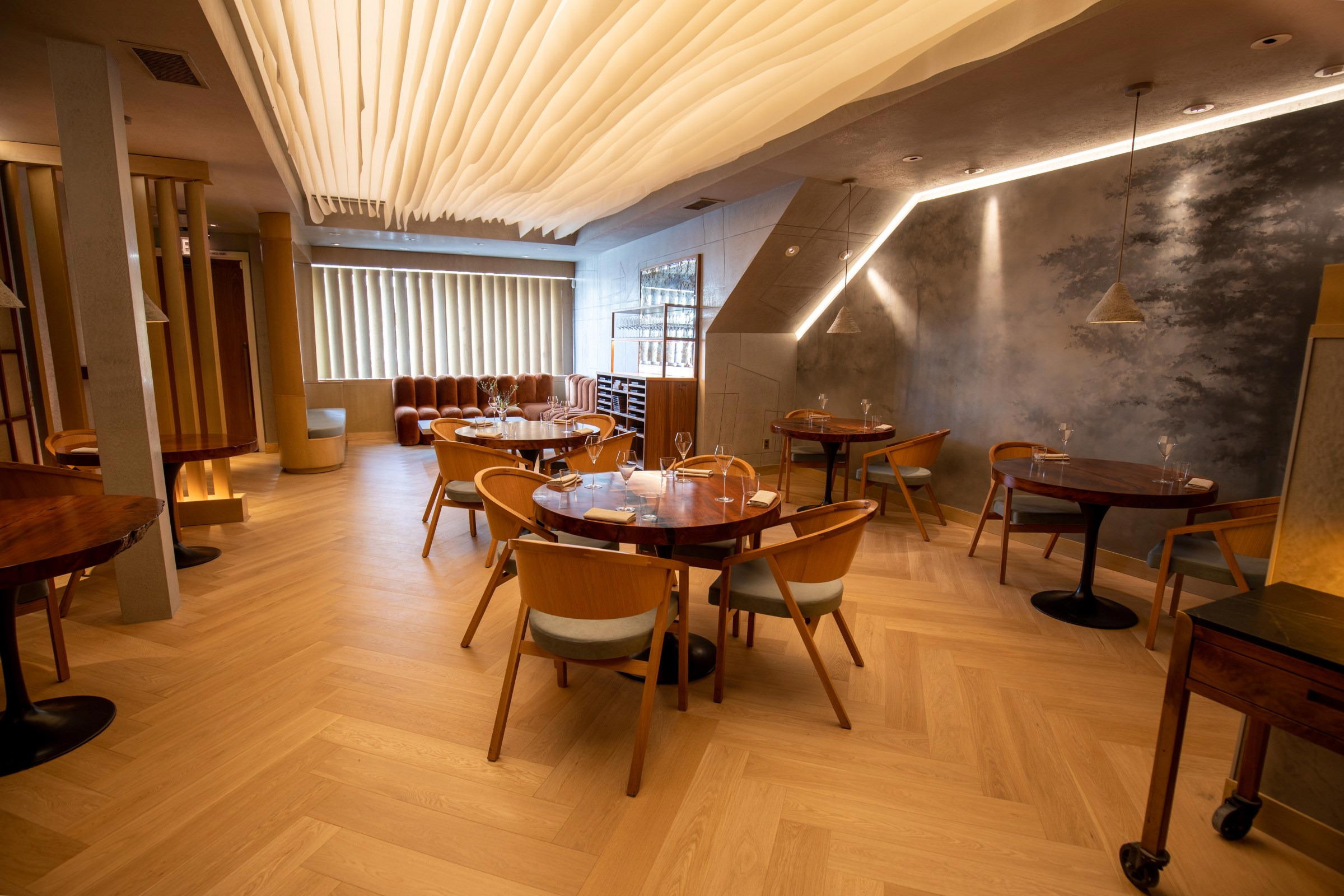
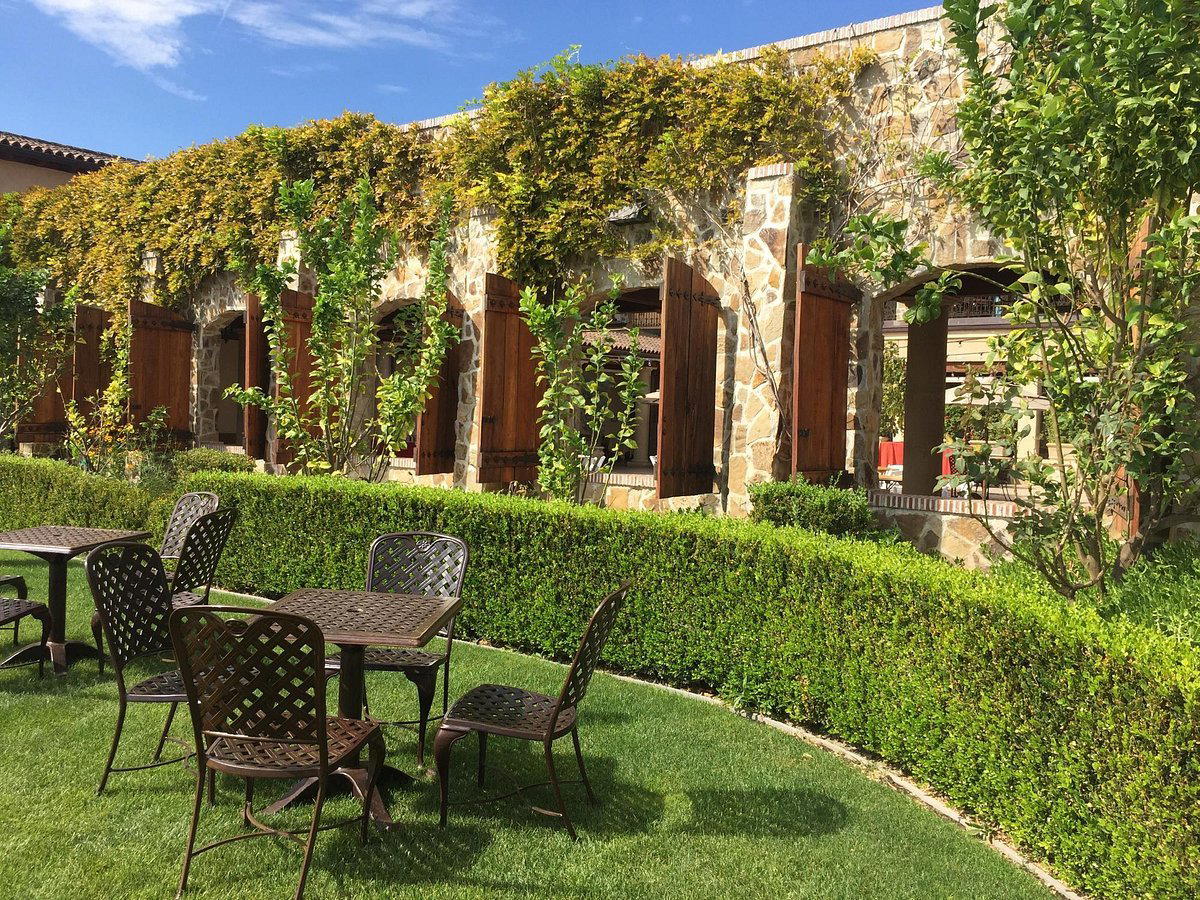
Winding dining room with mustard tones and abstract murals, relaxed yet refined atmosphere with a hidden courtyard brushed with warm colors.