Byblos
Our verdict
Byblos brings the layered flavors of the Eastern Mediterranean to Philadelphia's Rittenhouse Square corridor, where Middle Eastern culinary traditions have found a serious foothold among the city's more established dining options. Located on South 18th Street, it occupies a part of the city where French bistros and New American tasting menus have long set the tone, making its presence a useful counterpoint to the neighborhood's prevailing registers.

Pearl is the En Primeur Club membership app — saves, bookings, and concierge access live there. Same editors, same standards.
- Address
- 116 S 18th St, Philadelphia, PA 19103
- Phone
- (215) 568-3050
- Hours
- Daily 6 PM–2 AM
- Directions
- Get directions
- Booking
- Book on OpenTable
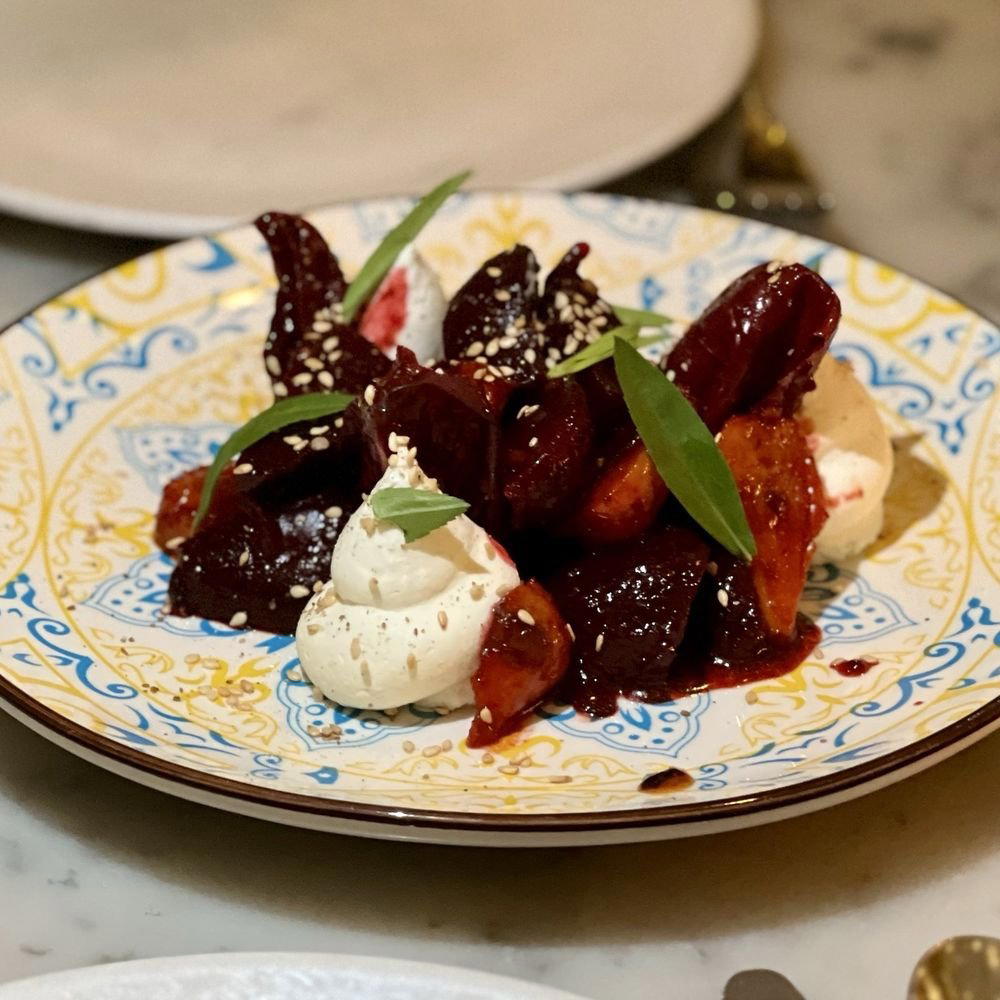
The menu
What to order
- Hummus
- Falafel
- Lamb chops
Where Rittenhouse Square Meets the Eastern Mediterranean
South 18th Street in Philadelphia's Rittenhouse Square neighborhood runs a particular kind of gauntlet: French-leaning rooms, New American tasting menus, and a handful of well-regarded neighborhood staples that have been booking out weeks in advance for years. My Loup and Fork represent the kind of precise, ingredient-driven cooking that Philadelphia diners have come to expect from the area. Into this context, Byblos arrives with a different reference point entirely: the Eastern Mediterranean, a culinary tradition built on shared plates, layered spice, and a relationship with time and fermentation that predates most Western fine dining conventions by centuries.
The name itself signals the orientation. Byblos is among the oldest continuously inhabited cities in the world, located on the Lebanese coast, and its invocation here is not incidental. Lebanese and broader Levantine cooking occupies a distinctive position in American dining right now: it sits between the fast-casual shawarma category and the kind of ambitious tasting-menu territory occupied by Atomix in New York City or Smyth in Chicago. Philadelphia's Byblos appears to work in the middle ground of that spectrum, where hospitality culture and flavor complexity matter more than format rigidity.
The Sensory Register of the Room
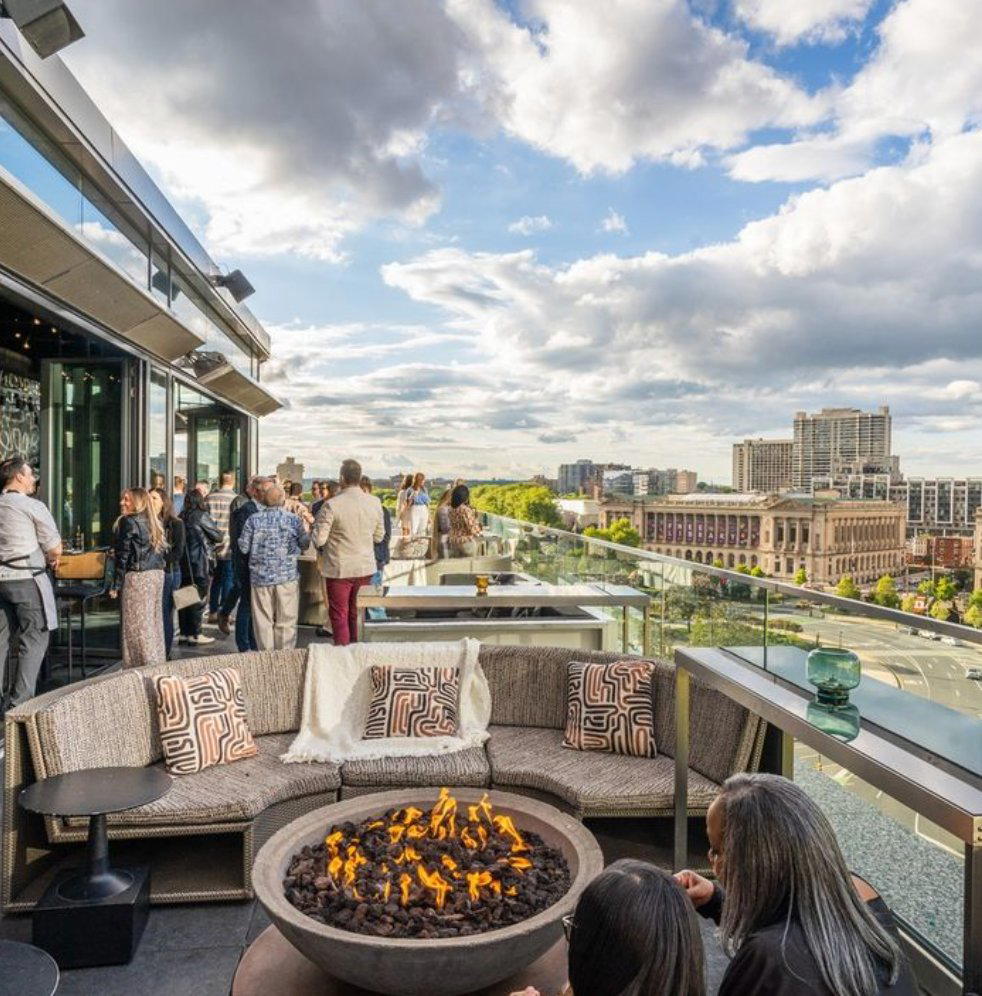
Eastern Mediterranean dining spaces tend to operate on a different sensory logic than the hushed reverence of a French tasting room or the spare minimalism of a Japanese counter. There is typically warmth in the materials: wood, tile, textile. The aromas that reach you before the food arrives carry smoke, dried herb, and citrus rather than the butter-forward signals of a Continental kitchen. Sound tends toward the convivial rather than the controlled.
In the Rittenhouse corridor, where places like Friday Saturday Sunday have built reputations on a particular kind of polished American casualness, a room oriented around mezze and communal sharing reads as a deliberate stylistic choice. The format encourages a different pace of eating: courses arrive less as a procession and more as an accumulation, with the table filling and then slowly emptying over the course of an evening.
This approach connects Byblos to a broader shift in how American diners engage with Middle Eastern food at the table-service level. The category has moved well past the hummus-and-pita shorthand. Restaurants that take Levantine cuisine seriously are now working with za'atar, sumac, pomegranate molasses, preserved lemon, and long-cooked meats in ways that reward attention rather than speed. Compare this trajectory to what South Philly Barbacoa has done for Mexican regional cooking in Philadelphia: a cuisine once flattened into a single category is now understood, by diners willing to engage with it, as deeply specific and varied.
Philadelphia's Positioning Among American Dining Cities
Philadelphia sits in an interesting position relative to New York, Washington, and Boston when it comes to international culinary representation. Its dining scene is considerably more affordable than Manhattan's, which means cuisines that struggle to find a sustainable price point in New York can find an audience in Philadelphia at a lower barrier to entry. At the same time, the city has enough engaged diners — built partly through institutions like Mawn on the Cambodian and Pan-Asian side — to support serious cooking that doesn't announce itself with awards or celebrity-chef credentials.
The Eastern Mediterranean sits in a particularly productive zone here. Lebanese, Israeli, and Turkish cooking traditions have a built-in advantage for modern American diners: they are vegetable-forward by default, generous with acid and herb, and structured around sharing rather than individual portions. These are qualities that resonate with how a significant portion of Philadelphia diners currently want to eat, regardless of their familiarity with the specific culinary geography involved.
For context across the broader American fine dining map, the ambition visible at places like Le Bernardin in New York City, The French Laundry in Napa, or Blue Hill at Stone Barns in Tarrytown represents the formal tasting-menu tier. Byblos operates in a different register: the kind of serious neighborhood restaurant where the cooking is the draw but the format remains accessible, closer in spirit to what Lazy Bear in San Francisco does for communal dining culture, minus the prix-fixe structure.
Seasonal Timing and When to Go
Rittenhouse Square itself changes meaningfully with the season. In warmer months, the square draws foot traffic that spills into the surrounding restaurant corridor, and tables at well-regarded spots fill earlier and stay full longer into the evening. For a restaurant oriented around shared plates and a slower pace of eating, spring and early summer tend to produce the most comfortable experience: long evenings, a neighborhood in motion, and a format that rewards time rather than efficiency.
Philadelphia winters concentrate dining indoors, and the warmth implied by Levantine cooking traditions, spice, smoke, slow-cooked protein, maps well onto cold-weather eating. The tradeoff is that December through February sees heavier competition for tables across the Rittenhouse corridor, with Friday Saturday Sunday and comparable spots often booking out further in advance than usual. Planning a visit to Byblos in the shoulder months of March or October tends to offer more flexibility while the cooking remains seasonally grounded.
How Byblos Fits Into a Philadelphia Dining Itinerary
A useful Philadelphia itinerary tends to alternate between the city's established fine dining tier and its more specific, cuisine-driven options. The former is well represented in the Rittenhouse corridor; the latter requires moving around the city. Byblos fits naturally into an evening anchored in Rittenhouse, where the proximity to the square makes it easy to combine with a walk through the neighborhood before or after. For a broader view of what Philadelphia's restaurant scene currently offers, our full Philadelphia restaurants guide maps out the range.
Diners who want to understand where Byblos sits in American terms might also consider how Levantine cooking is being handled at the more formally ambitious end of the market: Providence in Los Angeles, Addison in San Diego, and The Inn at Little Washington in Washington all operate in the French-influenced American fine dining tradition rather than the Levantine one, which makes Byblos's presence in this peer city conversation a reminder of how much culinary territory remains outside that dominant formal mode.
Planning Your Visit
| Venue | Cuisine | Neighborhood | Format | Booking Lead Time |
|---|---|---|---|---|
| Byblos | Eastern Mediterranean / Lebanese | Rittenhouse Square | Shared plates / mezze | Confirm directly |
| Friday Saturday Sunday | New American | Rittenhouse Square | A la carte / tasting | Several weeks recommended |
| Fork | New American | Old City | A la carte | 1-2 weeks typical |
| Jean-Georges Philadelphia | French | Rittenhouse Square | A la carte / tasting | 1-2 weeks typical |
| Mawn | Cambodian / Pan-Asian | Pennsport | Shared plates | Confirm directly |
Byblos is located at 116 S 18th Street, Philadelphia, PA 19103.
Frequently asked questions
Where is Byblos located?
Byblos is located at 116 S 18th St, Philadelphia, PA 19103, Philadelphia.
How does Byblos compare to other Middle Eastern restaurants in Philadelphia?
Philadelphia's Levantine and Middle Eastern restaurant presence has grown in recent years, but table-service options operating at the Rittenhouse Square level remain a smaller subset of that scene. Byblos at 116 S 18th St sits in a neighborhood defined by higher price-point dining rooms, which places it in a different category from the city's counter-service or fast-casual Middle Eastern spots. For diners seeking a sit-down, shared-plate Levantine experience in central Philadelphia rather than in the outer neighborhoods where much of the city's Middle Eastern community dining concentrates, Byblos addresses a gap in the market.
What's the must-try dish at Byblos?
At a Levantine table-service restaurant in Philadelphia's Rittenhouse Square tier, the kitchen's identity tends to show in its handling of spice-layered proteins and acid-driven cold preparations — think long-cooked lamb, charred vegetables, and herb-forward dips. Rather than chasing a single dish, ordering across the shared-plate format gives the fullest read on the kitchen's range. Ask your server which preparations arrived most recently on the menu, as Levantine kitchens at this level rotate based on seasonal produce availability.
Should I book Byblos in advance?
The S 18th Street corridor in Rittenhouse Square is one of Philadelphia's most consistently booked dining stretches, particularly on Thursday through Saturday evenings. Restaurants in this neighborhood with a defined culinary identity and shared-plate format tend to fill quickly because tables turn more slowly when a group is working through multiple courses. Reserving at least several days ahead is advisable for weekend visits; weekday walk-in availability tends to be more forgiving.
What's Byblos best at?
Byblos operates within a culinary tradition where kitchen strength reveals itself through spice calibration, acid balance, and the patience required for long-cooked preparations — the hallmarks that separate serious Levantine cooking from its more cursory imitators. In Philadelphia's Rittenhouse Square dining tier, where French-leaning and New American rooms dominate the block, that Eastern Mediterranean specificity is itself a distinction. The shared-plate format also makes it one of the more flexible options in the neighborhood for groups with varied appetites.
A short peer table to compare basics side-by-side.
| Venue | Cuisine | Price | Awards |
|---|---|---|---|
| ByblosThis venue — the venue you are viewing | Authentic Lebanese & Mediterranean | $30–50 | Not listed |
| Friday Saturday Sunday | Modern American Tasting Menu | $100–150 | 1 Michelin Star · World's 50 Best #40 |
| Fork | Seasonal New American | Not listed | James Beard Award Outstanding Restaurateur #1 · Wine Spectator Award of Excellence |
| South Philly Barbacoa | Authentic Mexican Barbacoa Taqueria | $10–20 | James Beard Award Best Chef: Mid Atlantic · Chef's Table Featured on Chef's Table |
| Jean-Georges Philadelphia | Modern French Fine Dining | $200–300 | La Liste Top Restaurants · Wine Spectator Best of Award of Excellence |
| Helm | Seasonal New American Small Plates | $50–100 | Not listed |
Continue exploring
More in Philadelphia
Restaurants in Philadelphia
Browse all →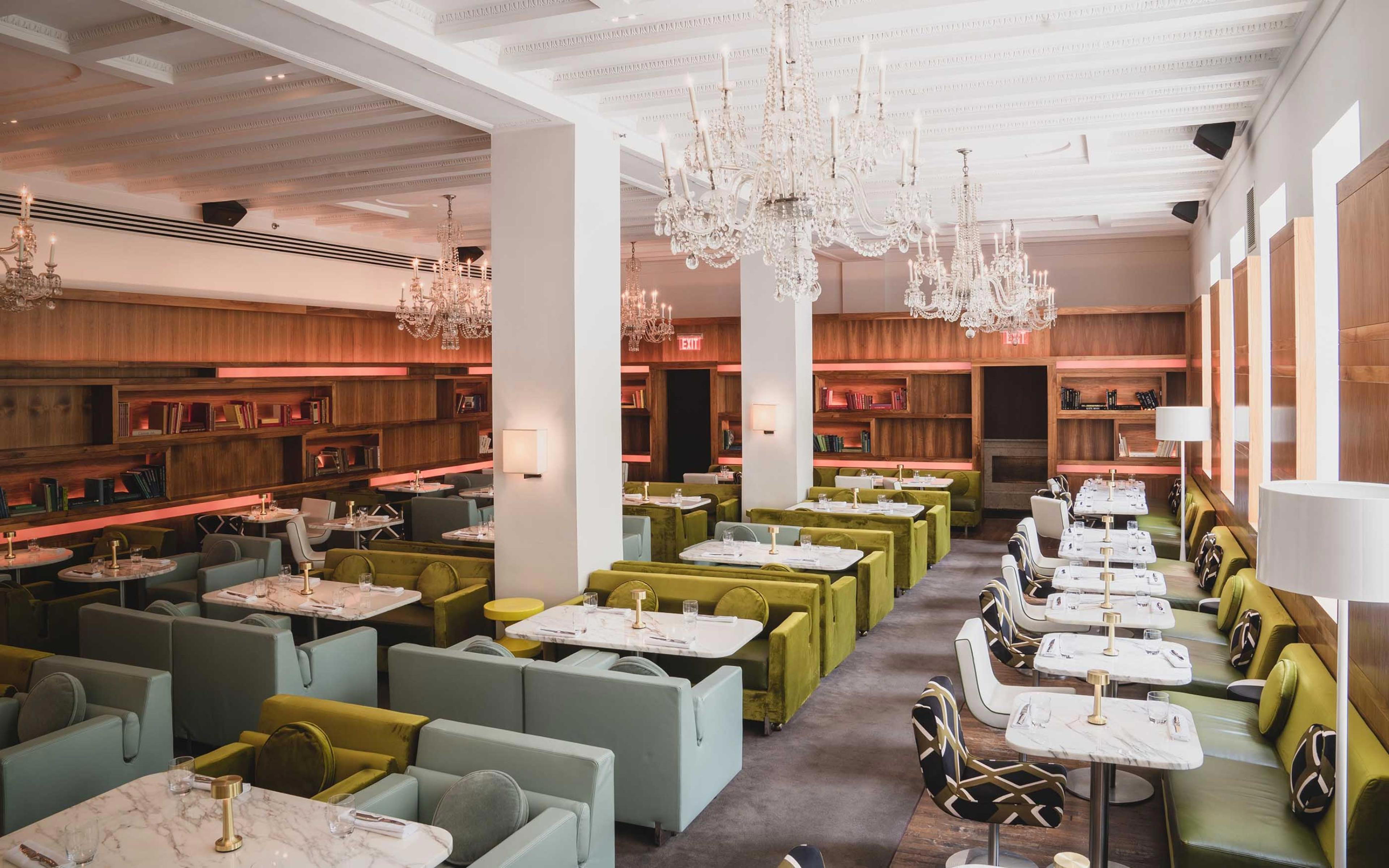
Bars in Philadelphia
Browse all →
Details
- Lively
- Trendy
- Energetic
- Date Night
- Casual Hangout
- Late Night
- Live Music
- A La Carte
- Vegetarian Friendly
- Vegan Options
- Gluten Free Options
Current opening hours
- Monday
- 6 PM–2 AM
- Tuesday
- 6 PM–2 AM
- Wednesday
- 6 PM–2 AM
- Thursday
- 6 PM–2 AM
- Friday
- 6 PM–2 AM
- Saturday
- 6 PM–2 AM
- Sunday
- 6 PM–2 AM
Hours can change for holidays and private events. Last verified .
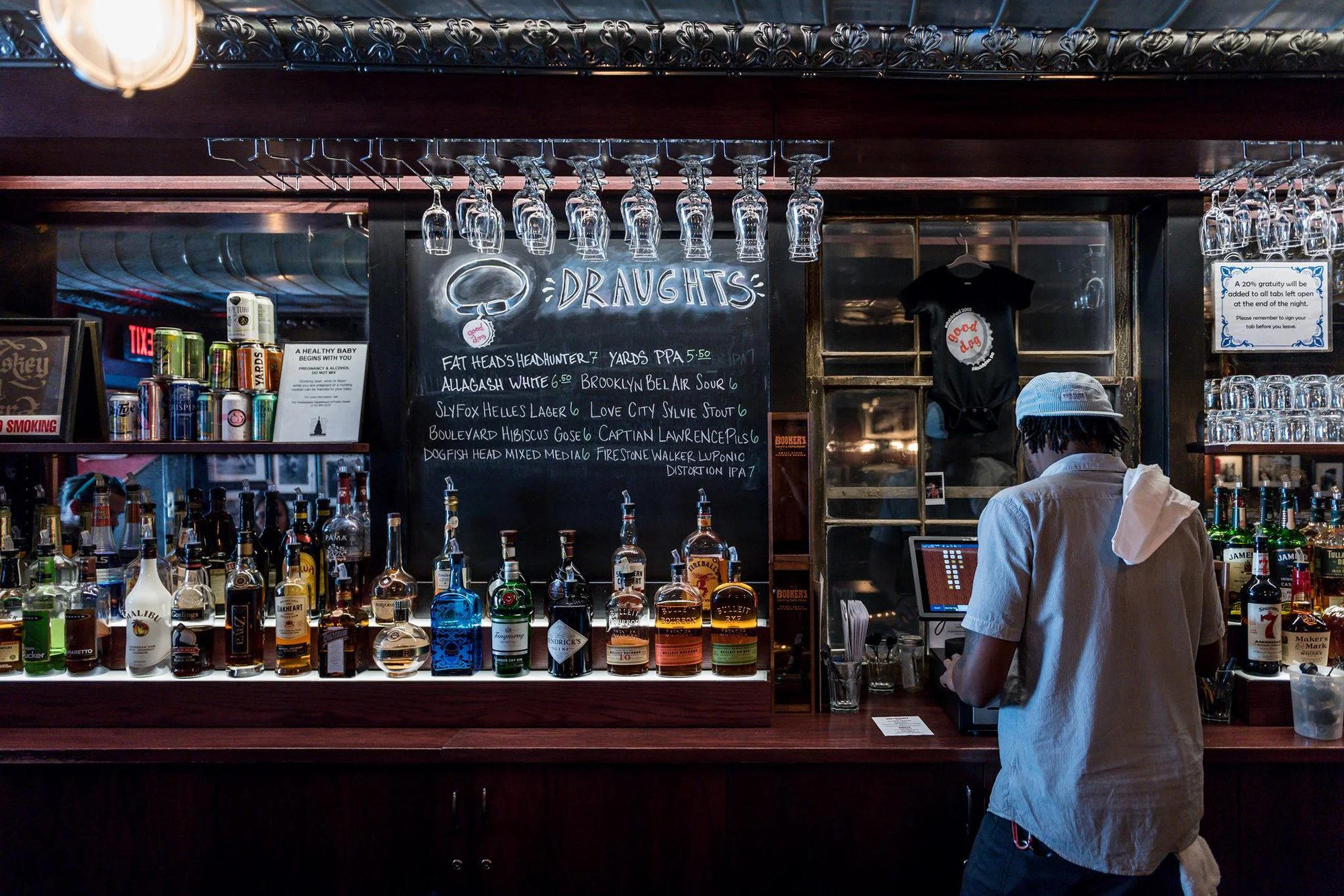
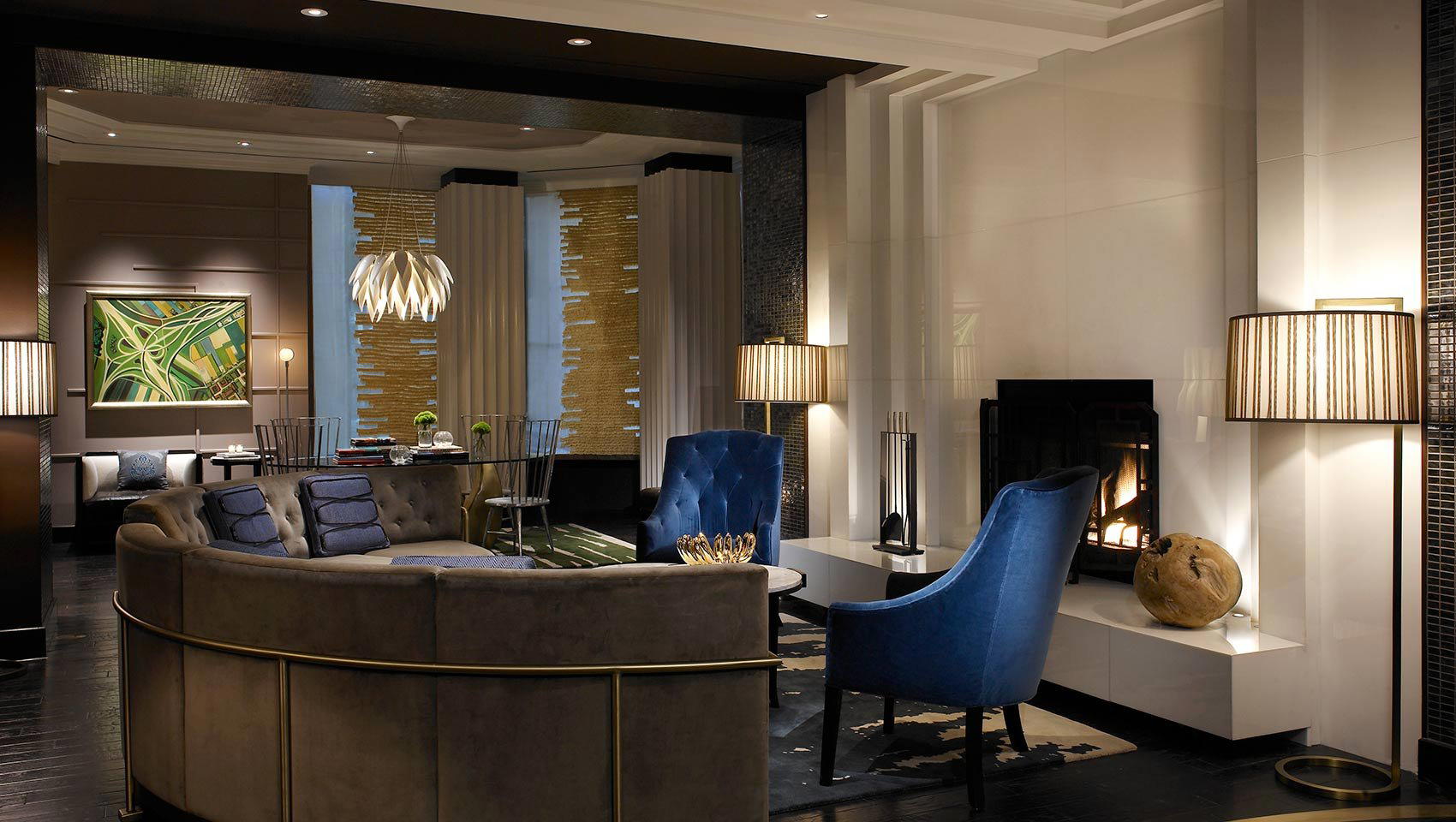
Smoky dark ambiance with low seating, cozy yet electrifying atmosphere enhanced by music and hookah.