BUTTELLINHO RESTAURANTE
Our verdict
Situated on Rua Afonso Menegoto in Farroupilha, Rio Grande do Sul, Buttellinho Restaurante operates in a region where Italian-descended culinary traditions run deep and ingredient provenance matters as much as technique. The restaurant draws from the agricultural richness of the Serra Gaúcha, a zone that supplies some of southern Brazil's most serious dining tables. For visitors exploring the grape-and-grain heartland of Rio Grande do Sul, it represents a grounded, regionally anchored option.

Pearl is the En Primeur Club membership app, where members save venues, book tables and use the concierge.
The menu
What to order
- Bife à parmigiana
Farroupilha and the Ingredient Belt of Serra Gaúcha
The Serra Gaúcha occupies an unusual position in the Brazilian culinary conversation. While the country's prestige dining tends to concentrate in São Paulo and Rio de Janeiro, where restaurants like D.O.M. in São Paulo and Oteque in Rio de Janeiro define the high-end national benchmark, the highland interior of Rio Grande do Sul operates on a different logic. Here, the source of the food is the story. The region's Italian immigrant heritage, dating to the late nineteenth century, produced not just a wine industry but an agricultural culture built around smallholder production: cured meats, fresh pasta, stone-milled polenta, and vegetables grown at altitude in a climate that rewards density of flavour over volume.
Farroupilha sits at the centre of this zone, a town whose address book includes working vineyards, family cheesemakers, and produce growers who supply both local tables and the increasingly attentive restaurants of Porto Alegre. Dining here is less about spectacle and more about proximity: the shortest possible distance between soil and plate. That context shapes what restaurants in this corridor can and should be doing with their kitchens.
Buttellinho Restaurante, addressed at Rua Afonso Menegoto, 220, in the São Luís neighbourhood of Farroupilha, operates inside that framework. The street-level address in a residential quarter signals the kind of establishment that local knowledge finds before outside press does, the type of place that functions as a neighbourhood anchor before it registers on regional radar. In a town of this scale and culinary character, that positioning is neither a liability nor a marketing angle; it is simply the operating logic of community-rooted dining.
The Sourcing Logic of the Serra Gaúcha
Across the Serra Gaúcha, the most consistent differentiator between restaurants that merely cook local ingredients and those that build a genuine identity around them is sourcing discipline. The region's smallholder farms produce cured pork products that rival Italian equivalents in curing time and fat quality; its altitude dairy operations supply cheeses with acidity and paste structure that mass-market Brazilian dairy cannot replicate; its winter crops, particularly root vegetables and brassicas, develop in cool conditions that concentrate sugar and texture in ways that warm-climate growing does not allow.
Restaurants in this corridor that take sourcing seriously tend to build menus around what the supply chain can actually deliver at a given moment rather than around a fixed printed card. The result is a dining rhythm more common to European provincial restaurants than to Brazilian city dining: shorter menus, stronger seasonal rotation, and a kitchen whose ambitions scale to what the nearby farms can provide rather than to imported prestige ingredients. This approach runs through the regional tradition that connects Farroupilha to the wider Serra Gaúcha dining scene, placing it in the same ingredient-first conversation as regionally rooted Brazilian restaurants elsewhere in the country, such as Manu in Curitiba or Mina in Campos do Jordão.
The wine dimension adds another layer to the sourcing picture. Farroupilha is an active participant in Rio Grande do Sul's sparkling wine production, specifically in the appellation structure that governs Moscatel and Chardonnay-based espumantes from this highland zone. A kitchen in this town that pays attention to local viticulture has ready access to a cellar context that most Brazilian restaurants have to import from elsewhere. Pairing a locally sourced plate with a Serra Gaúcha sparkling wine is not an affectation here; it is the most direct expression of what the place actually produces.
Placement in the Regional Dining Picture
The Serra Gaúcha's dining scene occupies a distinct tier in southern Brazil's hospitality geography. Gramado, about thirty kilometres to the northwest, has developed a higher-profile tourist dining circuit, with establishments like Primrose in Gramado and Castelo Saint Andrews calibrated for visitors arriving with clear expectations about European-inflected service and presentation. Farroupilha operates at a quieter register, with less tourist infrastructure and correspondingly more opportunity for restaurants that earn local loyalty rather than tourist throughput.
That distinction matters for the visitor who arrives here with the right expectations. Farroupilha is not a destination dining city in the way that São Paulo functions for restaurants like Olivetto in Campinas-adjacent metropolitan dining. It is a town where the agricultural context is the draw, and where the most rewarding meals tend to emerge from kitchens that have built genuine supply relationships with the surrounding farms rather than from those optimised for visiting press or award cycles. For Brazilian regional dining comparisons at a national scale, the contrast with urban-anchored operations is worth reading alongside coverage of venues like Birosca S2 in Belo Horizonte or Manga in Salvador, both of which move through the same tension between regional specificity and broader recognition.
Planning a visit to Buttellinho requires working with limited advance information: no booking platform, hours schedule, or price confirmation is available through public channels at the time of writing. The most practical approach is to contact the restaurant directly upon arrival in Farroupilha, as is common with neighbourhood-tier restaurants of this type across the Serra Gaúcha. Visitors building an itinerary around the region's dining should consult our full Farroupilha restaurants guide for additional context on the town's table. For broader Brazilian regional comparisons, the cooking at Orixás in Itacaré and State of Espírito Santo in Rio Bananal offer useful reference points for how ingredient-led regional kitchens perform across different Brazilian geographies. Those curious about how the discipline of sourcing and place translates to international fine dining contexts might also look at Le Bernardin in New York City or Lazy Bear in San Francisco, where provenance is similarly central to the kitchen's identity, even if the production context differs entirely.
Frequently asked questions
Does BUTTELLINHO RESTAURANTE work for a family meal?
Buttellinho sits on Rua Afonso Menegoto in Farroupilha, a city where community dining is part of the Serra Gaúcha's social fabric. Restaurants in this region have historically served multigenerational tables, and nothing in the venue's profile suggests otherwise. For confirmation on seating configurations or group arrangements, contacting the restaurant directly before visiting is advisable.
What should I expect atmosphere-wise at BUTTELLINHO RESTAURANTE?
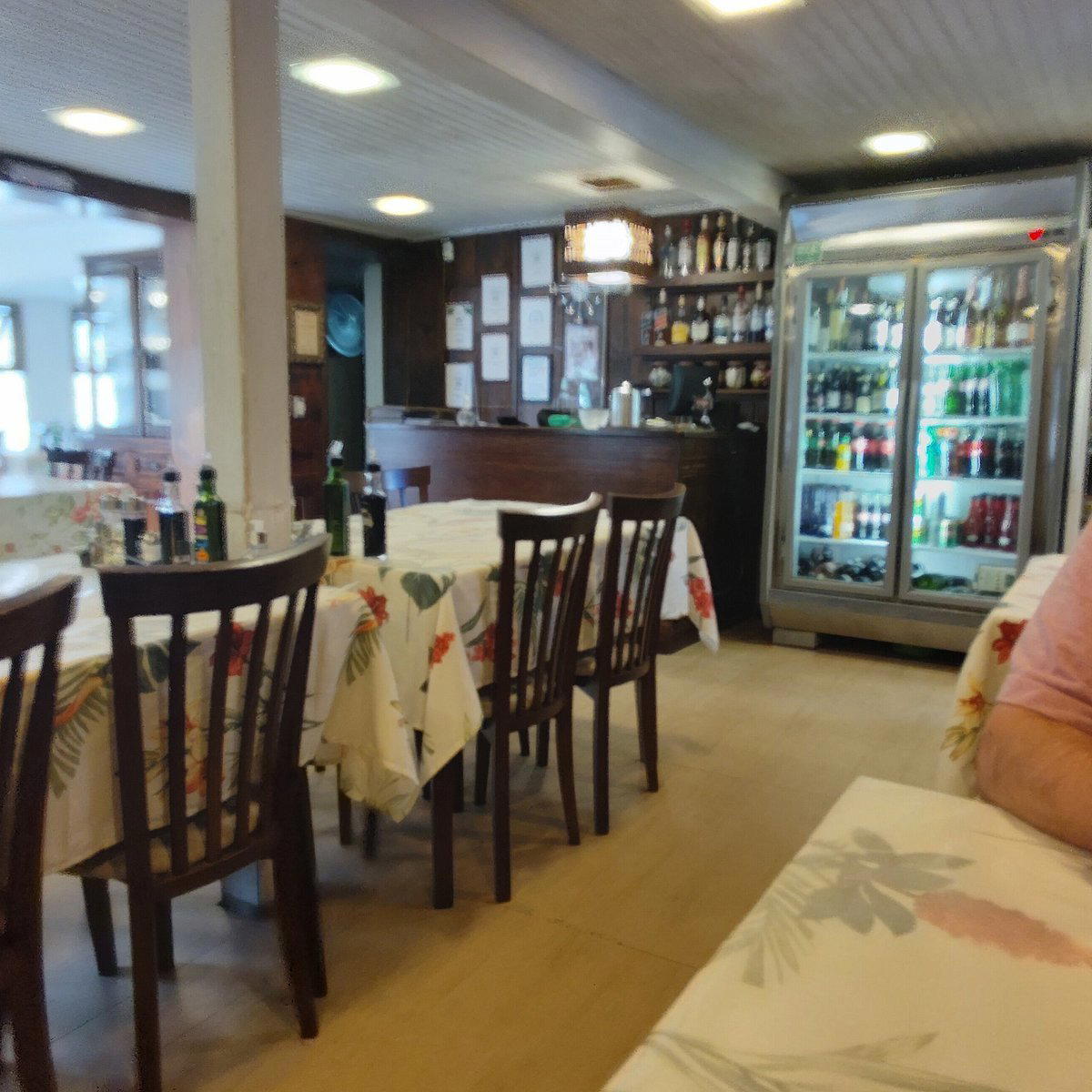
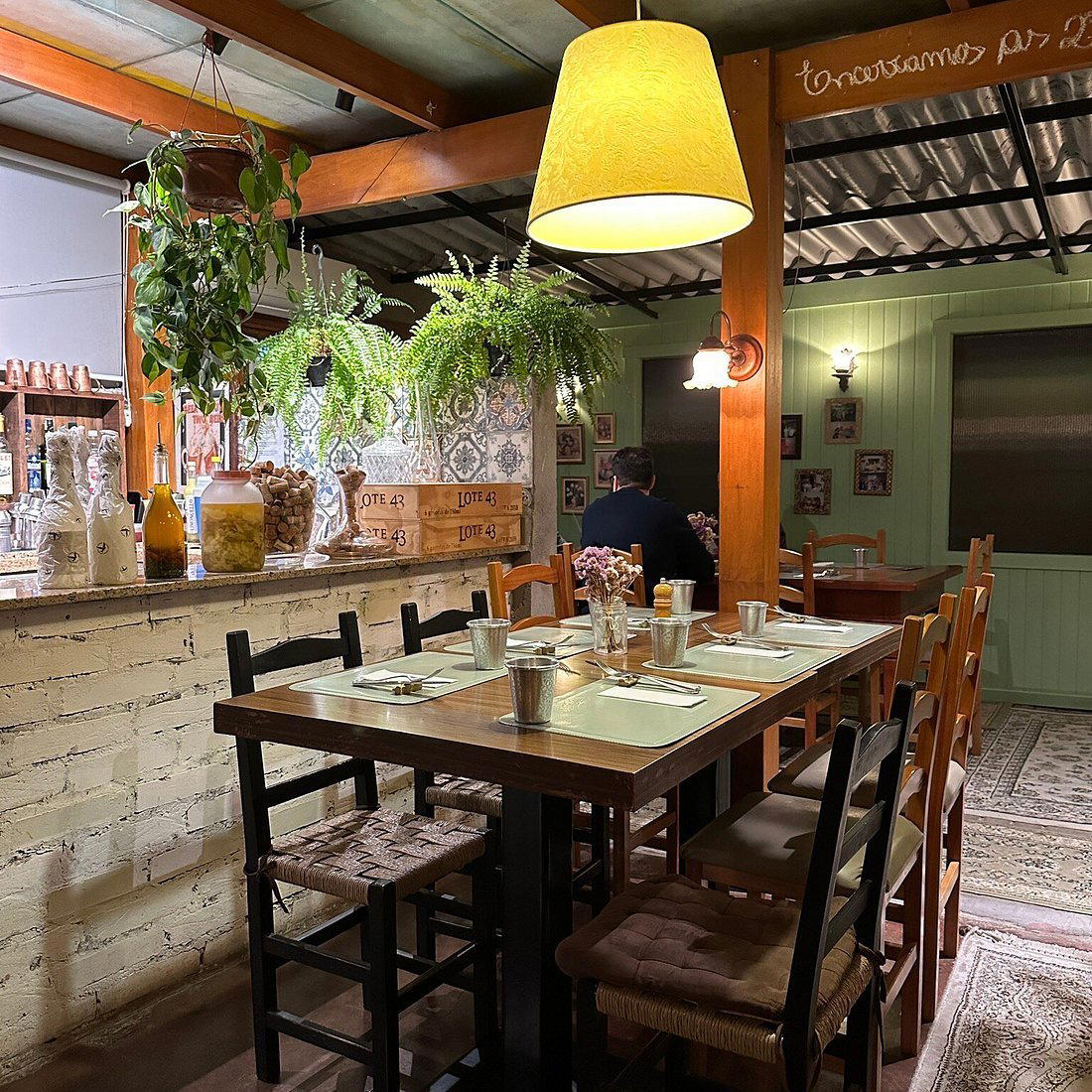
Farroupilha occupies a quieter register than the more tourist-saturated towns of Serra Gaúcha, which shapes how its restaurants feel, less performance, more neighbourhood rhythm. Buttellinho, located in the São Luis district, reflects that local character rather than the polished resort aesthetic found further northwest in Gramado. Expect a setting oriented toward regulars and regional visitors rather than international tour groups.
Is BUTTELLINHO RESTAURANTE a good option for visiting during Serra Gaúcha wine season?
Farroupilha sits within the Serra Gaúcha wine belt, a region that produces a significant share of Brazil's sparkling wine and is increasingly noted for still reds from Bento Gonçalves and surrounding municipalities. Restaurants in this area, including those on Rua Afonso Menegoto, tend to see increased traffic during harvest events and regional wine festivals concentrated in the autumn months.
What dish is BUTTELLINHO RESTAURANTE famous for?
What is well established is that Serra Gaúcha restaurants at this tier draw from an ingredient belt that includes Italian-descended charcuterie, local wines, and produce from smallholder farms across the region. Visiting with that regional context in mind will frame the menu more accurately than any single dish claim.
What part of town is BUTTELLINHO RESTAURANTE in?
BUTTELLINHO RESTAURANTE is located at Rua Afonso Menegoto, 220 - São Luis São Luis, Farroupilha - RS, 95180-000, Brazil, Farroupilha.
Should I book BUTTELLINHO RESTAURANTE in advance?
Farroupilha draws visitors during harvest season and regional food events tied to the Serra Gaúcha wine calendar, which can compress availability at local restaurants. Planning ahead by at least a few days during peak regional periods is a practical baseline.
What do critics highlight about BUTTELLINHO RESTAURANTE?
In the Serra Gaúcha context, restaurants that earn editorial attention typically do so through sourcing discipline and fidelity to the region's Italian and Azorean food traditions rather than through format novelty. Buttellinho's position in Farroupilha places it within that conversation, though independent verification from named sources is the appropriate standard before drawing conclusions.
How It Stacks Up
Comparable venues nearby, for context on price, style, and recognition.
| Venue | Cuisine | Price | Notes |
|---|---|---|---|
| BUTTELLINHO RESTAURANTEThis venue (the venue you are viewing) | Brazilian and Italian | $10–20 | Not listed |
| Trippy Açaiteria Novo Hamburgo | Brazilian Açaí Buffet | $1–10 | Centro |
| Trippy Açaiteria Campo Bom | Brazilian Açaí | Not listed | Campo Bom |
| Açougue Central | Modern Brazilian Churrascaria | $30–50 | Vila Madalena |
| Di Paolo Garibaldi | Traditional Italian Galeto | $20–30 | Garibaldi |
| Lobby Café | Brazilian Café | $10–20 | Belem |
Continue exploring
More in Farroupilha
Restaurants in Farroupilha
All restaurants in Farroupilha →
Bars in Farroupilha
Browse all →
Hotels in Farroupilha
Browse all →
Wineries in Farroupilha
Browse all →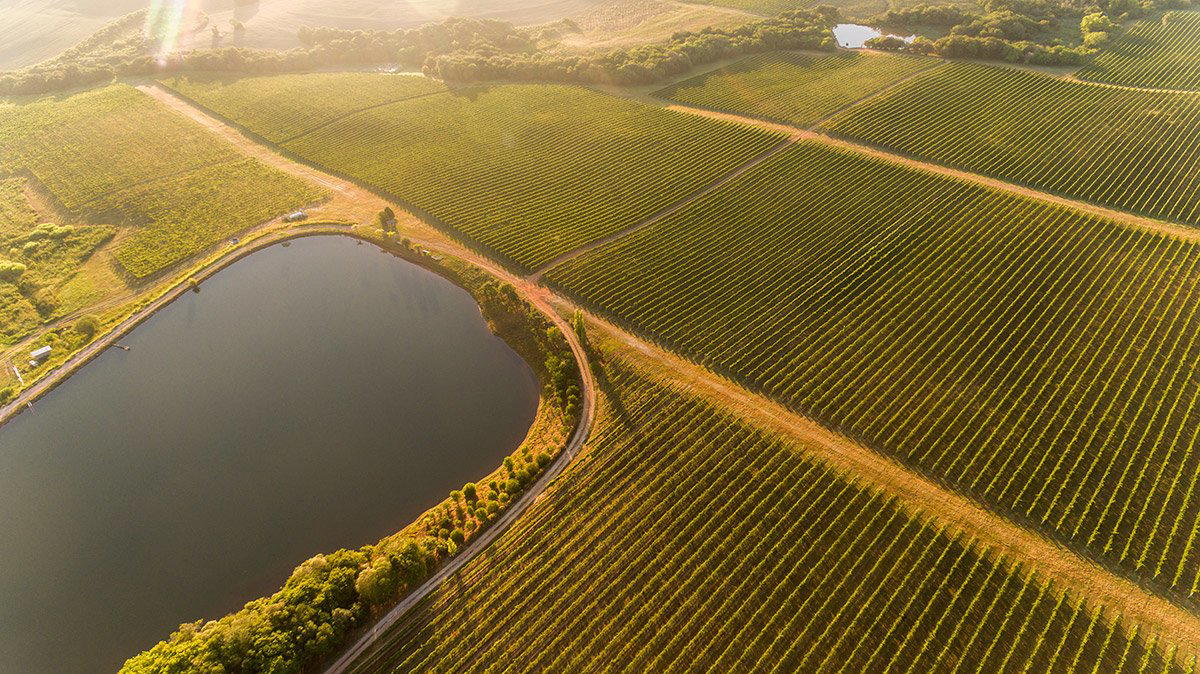

Details
- Cozy
- Casual Hangout
- Local Sourcing
- A La Carte
Current opening hours
- Monday
- Closed
- Tuesday
- 11 AM–3 PM, 6:30–10:30 PM
- Wednesday
- 11 AM–3 PM, 6:30–10:30 PM
- Thursday
- 11 AM–3 PM, 6:30–10:30 PM
- Friday
- 11 AM–3 PM, 6:30–10:30 PM
- Saturday
- 11 AM–3 PM, 6:30–10:30 PM
- Sunday
- 11 AM–3 PM, 6:30–10 PM
Hours can change for holidays and private events. Hours as of .
Nice atmosphere with good service; not fancy but comfortable and pleasant per guest reviews.