Burntwood Tavern
Our verdict
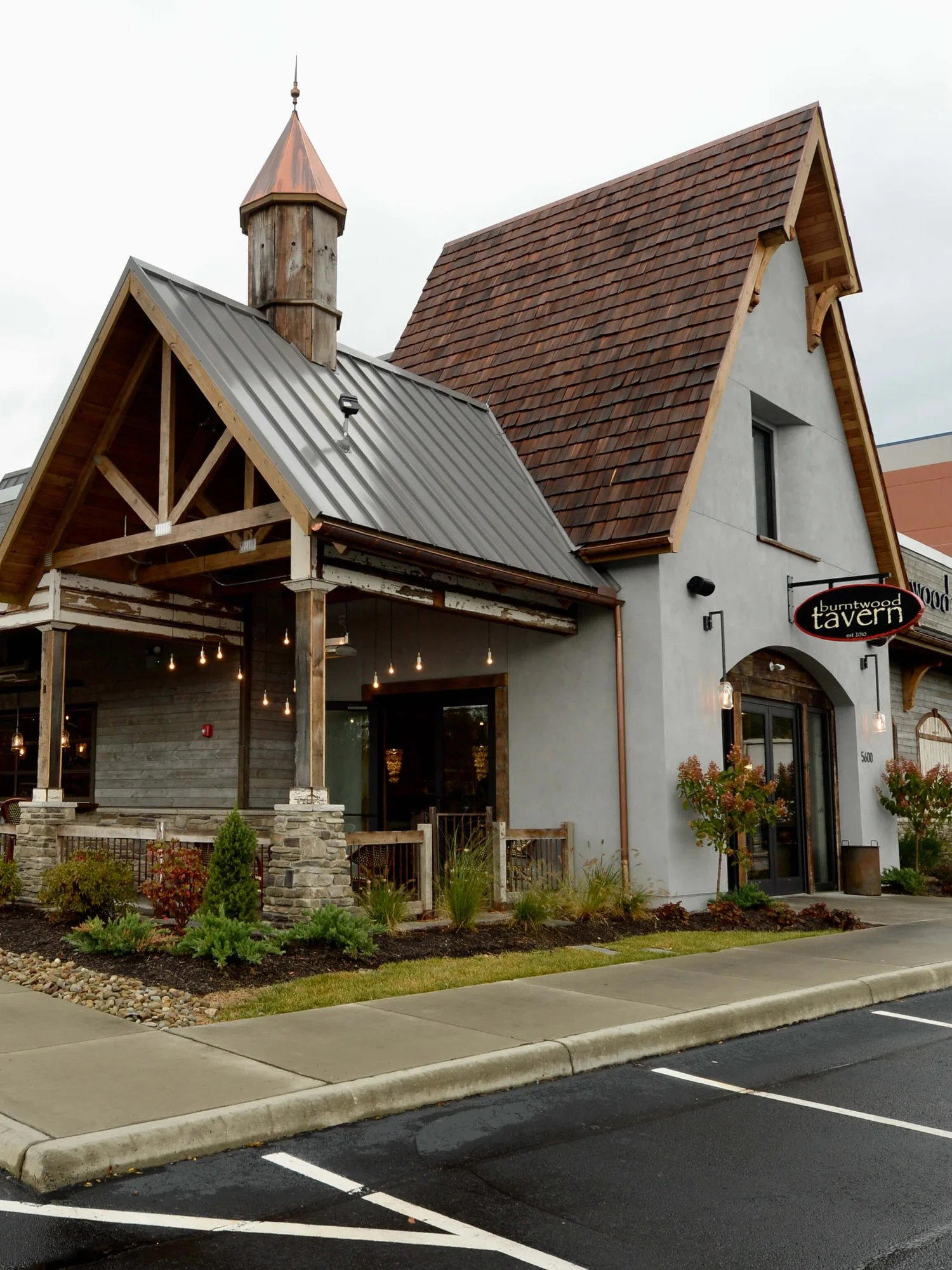
Burntwood Tavern at 5600 Great Northern Blvd occupies a familiar position in North Olmsted's casual dining scene: a neighborhood gathering place where the emphasis falls on accessible American fare in a setting that reads more living room than dining room. The tavern format rewards regulars over destination seekers, placing it firmly in the mid-market tier of greater Cleveland's suburban restaurant circuit.

Pearl is the En Primeur Club membership app — saves, bookings, and concierge access live there. Same editors, same standards.
- Address
- 5600 Great Northern Blvd, North Olmsted, OH 44070
- Phone
- (440) 455-9428
- Hours
- Mon–Thu 11 AM–9 PMFri–Sat 11 AM–10 PMSun 10 AM–9 PM
- Website
- burntwoodtavern.com
- Directions
- Get directions
- Booking
- Book on OpenTable
The menu
What to order
- Burntwood Burger
- BWT SMASH
- Double Smash Burger
- Steak Frites
- Glazed Salmon
The Suburban Tavern as a Dining Category
American tavern dining has always operated on a different logic than destination restaurants. Where places like Le Bernardin in New York City or The French Laundry in Napa ask diners to travel toward them, the tavern moves in the other direction — it situates itself inside a community and earns loyalty through repetition rather than occasion. Burntwood Tavern on Great Northern Boulevard in North Olmsted operates in that tradition. It is not a pilgrimage destination, and it does not position itself as one. What it offers instead is the kind of reliable, low-threshold dining that defines how most Americans actually eat out most of the time.
That positioning matters, especially in the context of greater Cleveland's suburban west side, where strip-mall proximity and mid-market price points shape the competitive environment. The Great Northern corridor, anchored by the Great Northern Mall, draws a cross-section of Olmsted-area residents who are not necessarily tracking Michelin coverage or consulting our full North Olmsted restaurants guide before choosing where to eat on a Tuesday. Burntwood sits squarely in that pragmatic tier.
Sourcing and the Tavern Kitchen
The ingredient-sourcing conversation in American dining tends to concentrate around high-end operators. Restaurants like Blue Hill at Stone Barns in Tarrytown, Single Thread Farm in Healdsburg, or Smyth in Chicago have made provenance the organizing principle of entire menus, with farm relationships and seasonal constraints driving every dish. That model works at a price point that absorbs the cost of hyper-local supply chains.
The tavern format operates under different constraints. Volume requirements and price-point ceilings narrow the sourcing options available to mid-market operators, which means the kitchen typically works with regional distributors rather than direct farm relationships. The result is a menu built around consistency and accessibility rather than seasonal variation. This is not a criticism of the model — it is simply what the tavern format requires to function. The same logic governs comparable operations across the Midwest, from Columbus to Detroit, where the casual American grill occupies a specific and durable niche in the dining ecosystem.
What this means in practice is that the appeal of a place like Burntwood is less about where the food originates and more about how reliably it arrives. Tavern regulars are not typically asking about the provenance of their burger's beef or the origin of the fish on the menu. They are asking whether the kitchen delivers what they expect, at a price that makes return visits easy. Sourcing transparency, in this context, matters less than sourcing consistency.
For diners who prioritize documented provenance and seasonal ingredient cycles, the better reference points are Oyster Oyster in Washington, D.C., Bacchanalia in Atlanta, or The Wolf's Tailor in Denver, all of which have built their kitchen identities around specific sourcing commitments. Burntwood belongs to a different and equally legitimate category: the neighborhood tavern that feeds its community rather than makes a philosophical statement about ingredients.
The Physical Experience
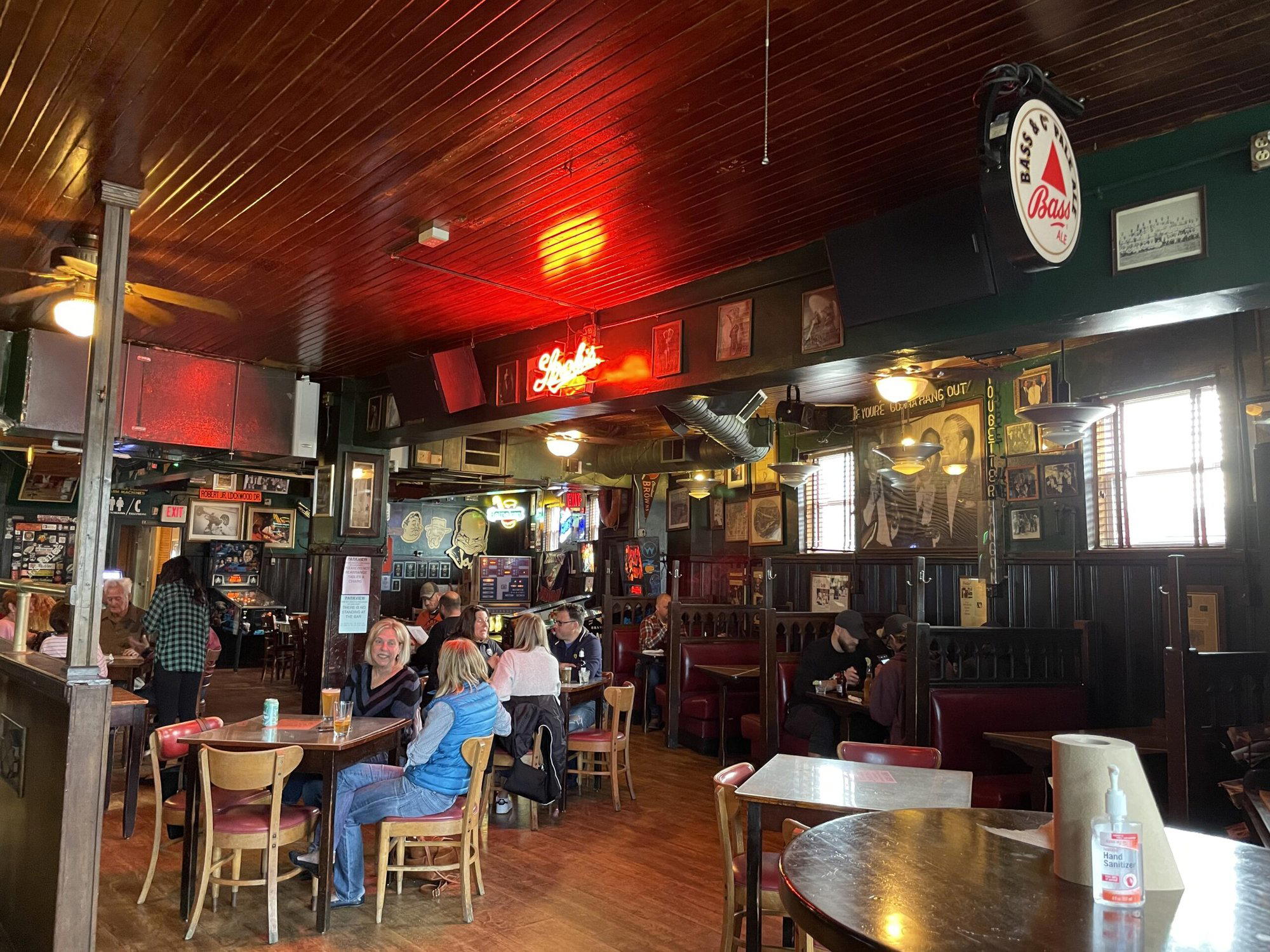
Tavern design in the American Midwest has converged on a recognizable vocabulary: dark wood finishes, exposed brick or reclaimed material accents, ambient lighting calibrated to read as warm rather than dramatic, and a bar anchoring the room's social energy. The format signals approachability. There is no dress code implied by the architecture, no formality built into the table spacing, no choreography expected of the diner. You arrive, you sit, the room does not require anything of you beyond showing up.
This is a deliberate design choice with real commercial logic behind it. The tavern environment lowers the activation energy for a dining visit, it removes the friction that comes with occasion-dining, and that removal is what produces repeat traffic. Regulars do not need a reason to return to a place that never asks them to dress up, book ahead, or bring a special occasion to justify the meal. The room does the work of saying: this is for you, on any night.
Where It Sits in the Broader Scene
The Cleveland-area dining scene spans a wide range, from the ambitious progressive American kitchens in downtown Cleveland to the suburban casual operators that do the highest volume of covers in any given week. Burntwood occupies the latter end of that range, which is also the end that feeds the largest number of actual local diners on a regular basis.
For readers tracking the higher end of American dining more broadly, the contrast is instructive. Lazy Bear in San Francisco, Addison in San Diego, and Atomix in New York City operate in a register defined by chef credentials, sourcing narratives, and prix-fixe formats that treat each meal as a singular event. Providence in Los Angeles, Frasca Food and Wine in Boulder, ITAMAE in Miami, and Atelier Moessmer Norbert Niederkofler in Brunico all make ingredient origin central to the dining proposition. Emeril's in New Orleans and The Inn at Little Washington represent a different tier again: destination dining built around named culinary identities.
Burntwood Tavern operates outside all of those frameworks, and that is precisely its function. It is a neighborhood anchor, not a destination. The reader who arrives expecting the sourcing intentionality of a farm-driven kitchen or the technical precision of a tasting-menu counter will be in the wrong room. The reader who wants a dependable mid-market meal in North Olmsted, without the friction of reservation systems and occasion-dining expectations, is in the right one.
Planning Your Visit
Burntwood Tavern sits at 5600 Great Northern Boulevard in North Olmsted, Ohio 44070, within the commercial cluster surrounding the Great Northern Mall. The location is car-dependent, as most of this corridor is, and parking is standard suburban lot format with no notable constraints. Given the tavern's position in the casual, high-frequency dining tier, walk-in visits are the norm rather than the exception, though busier weekend evenings may involve a wait.
Frequently asked questions
Is Burntwood Tavern child-friendly?
Burntwood Tavern operates within the commercial cluster near Great Northern Mall in North Olmsted, a suburban setting that draws a broad cross-section of diners rather than an exclusively adult crowd. The tavern format — casual seating, approachable food — generally accommodates families, though calling ahead to confirm current setup is advisable before arriving with young children.
Is Burntwood Tavern formal or casual?
The tavern category in the American Midwest runs decidedly casual, and Burntwood Tavern in North Olmsted fits that pattern. Expect dark wood finishes and a relaxed atmosphere at 5600 Great Northern Blvd — there is no indication of a dress code or formal dining expectation here.
How does Burntwood Tavern fit into the broader Cleveland-area dining scene?
Burntwood Tavern occupies the suburban casual tier of the Cleveland-area dining range, positioned well outside the progressive American kitchens concentrated in downtown Cleveland. Its North Olmsted address at 5600 Great Northern Blvd places it in a commercial suburban context, serving as a neighbourhood anchor rather than a destination draw for diners crossing the metro.
What do regulars order at Burntwood Tavern?
For the most accurate read on what the kitchen does consistently well, checking recent guest reviews tied to the North Olmsted location at 5600 Great Northern Blvd is the most reliable approach.
What's Burntwood Tavern's location?
Burntwood Tavern is located at 5600 Great Northern Blvd, North Olmsted, OH 44070, North Olmsted.
Do I need a reservation for Burntwood Tavern?
Given its position in a high-traffic suburban commercial corridor near Great Northern Mall, walk-in availability likely varies by day and time — weekend evenings are generally the tightest window at suburban taverns of this type.
Side-by-Side Snapshot
Comparable venues nearby, for context on price, style, and recognition.
| Venue | Cuisine | Price | Notes |
|---|---|---|---|
| Burntwood TavernThis venue — the venue you are viewing | Chef-Driven American Tavern Fare | $30–50 | Not listed |
| Mitchell's Ice Cream | Homemade Ice Cream | Not listed | Avon |
| Cafe 56 Grill | Modern American Farm-to-Table | Not listed | Eastgate Shopping Center |
| Heck's Café | American Burgers and Brunch | $20–30 | Ohio City |
| Nautica Queen | American Buffet Cruise | Not listed | Warehouse District |
| BrewWall | Craft Pizza and Beer Hall | $20–30 | Broadview Heights |
Continue exploring
More in North Olmsted
Restaurants in North Olmsted
Browse all →
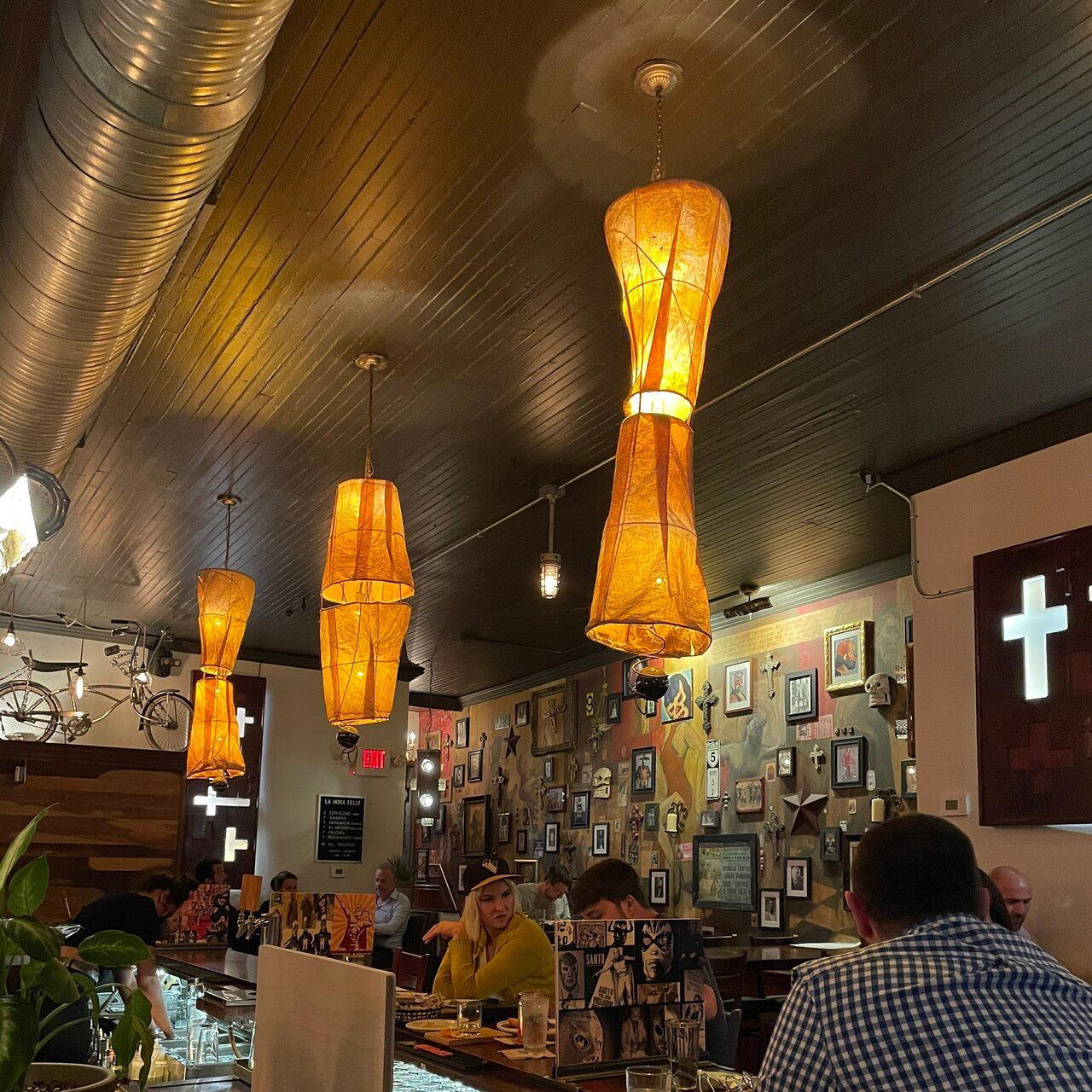
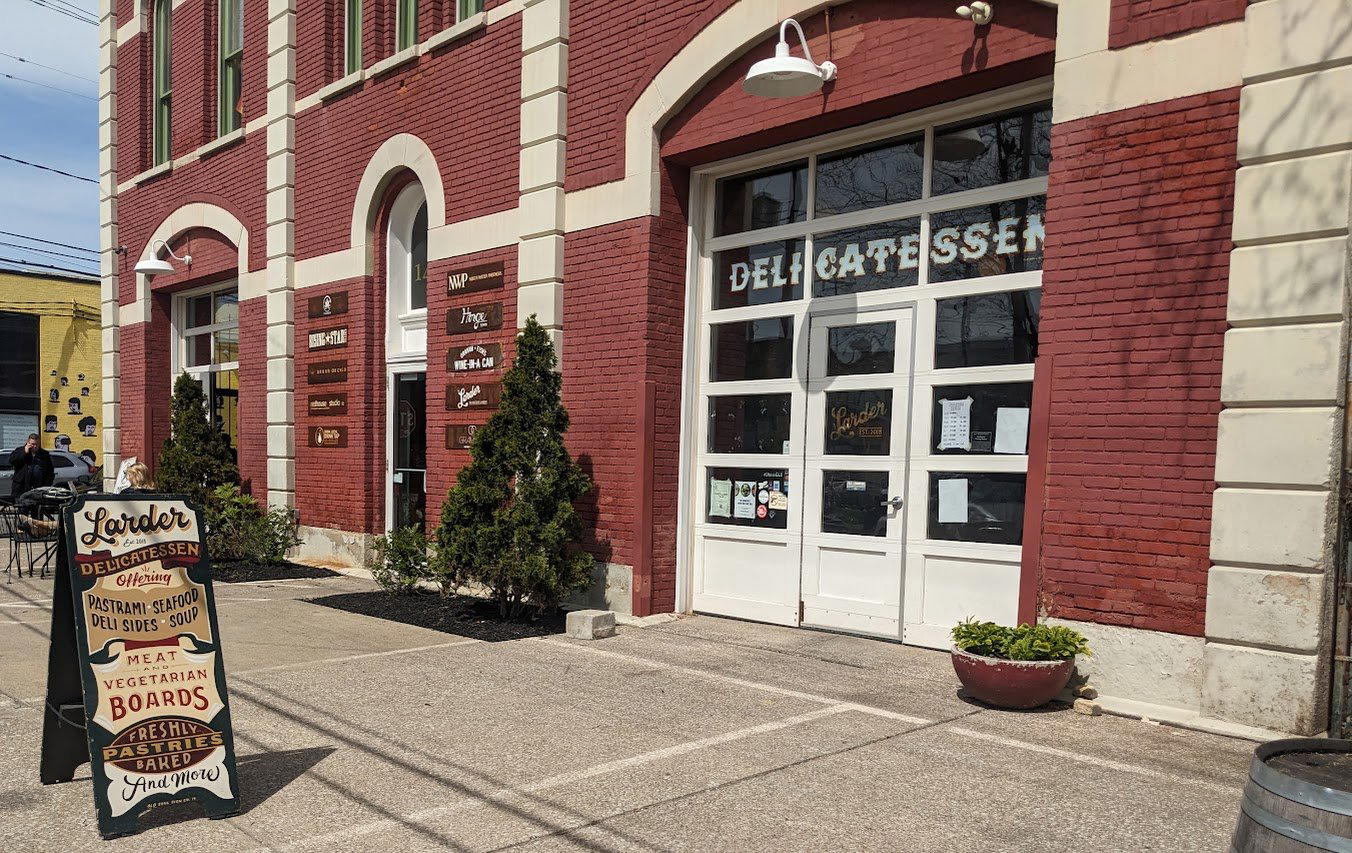
Bars in North Olmsted
Browse all →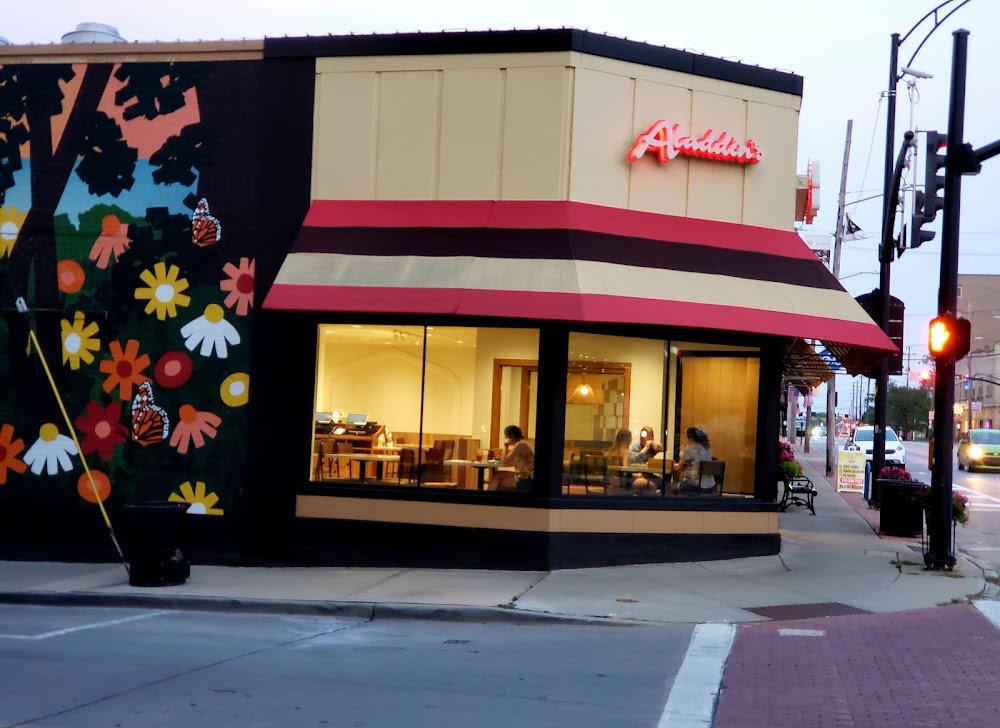
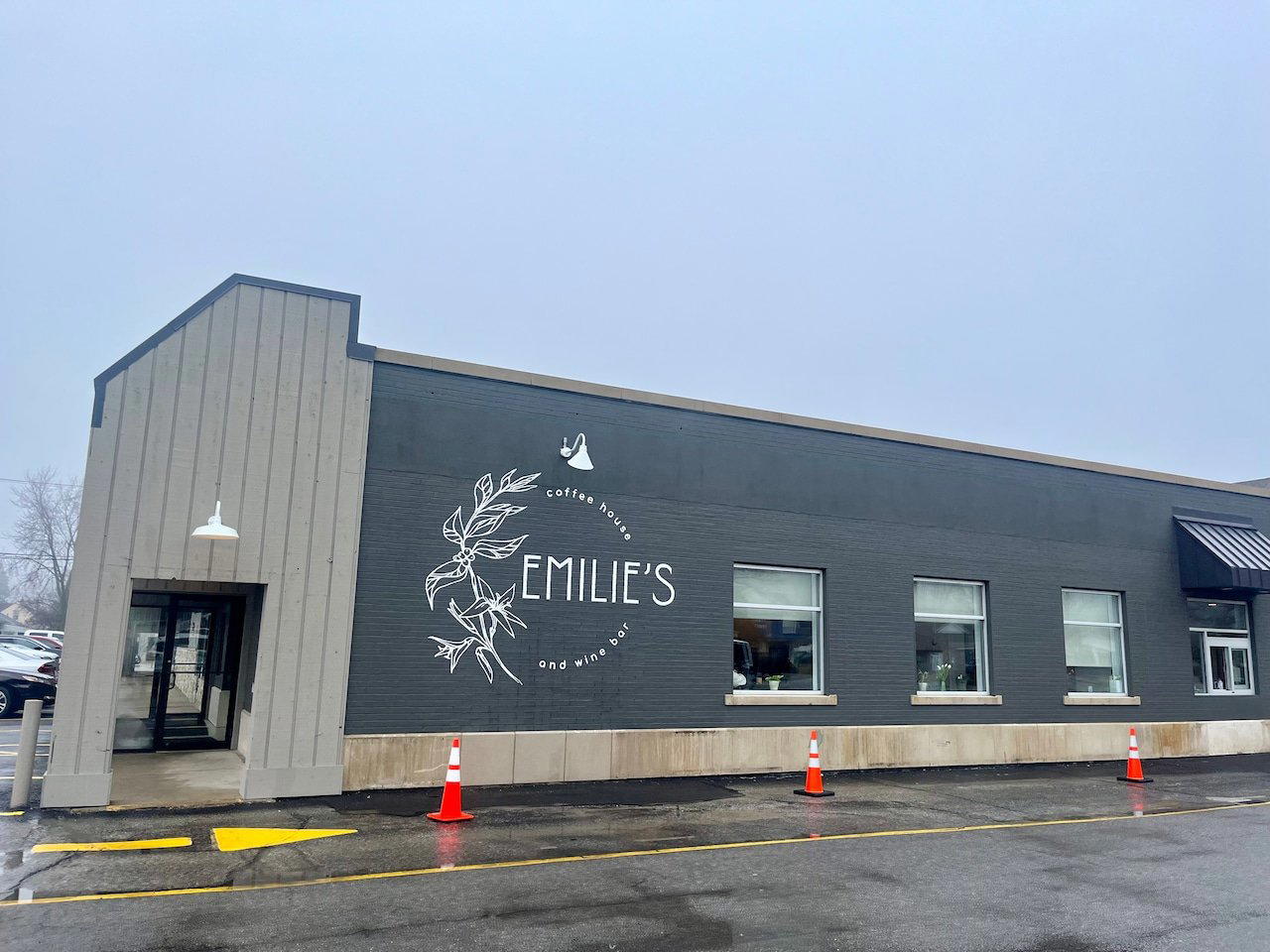

Details
- Rustic
- Cozy
- Lively
- Classic
- Casual Hangout
- Group Dining
- After Work
- Family
- Celebration
- Private Dining
- Terrace
- Open Kitchen
- Standalone
- Craft Cocktails
- Beer Program
- A La Carte
- Handcrafted Cocktails
- Craft Draught Beer
- House Infused Vodkas
- Vegetarian Friendly
Current opening hours
- Monday
- 11 AM–9 PM
- Tuesday
- 11 AM–9 PM
- Wednesday
- 11 AM–9 PM
- Thursday
- 11 AM–9 PM
- Friday
- 11 AM–10 PM
- Saturday
- 11 AM–10 PM
- Sunday
- 10 AM–9 PM
Hours can change for holidays and private events. Last verified .
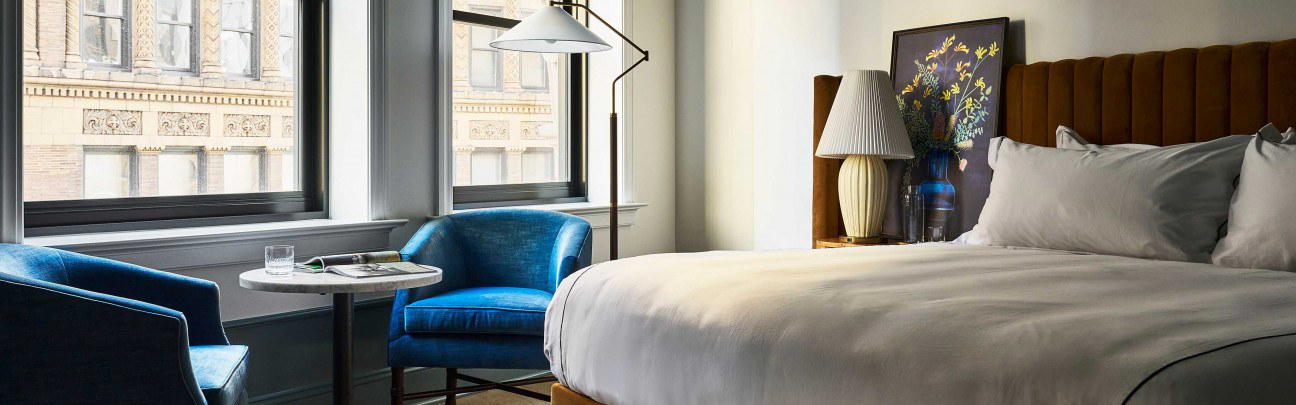
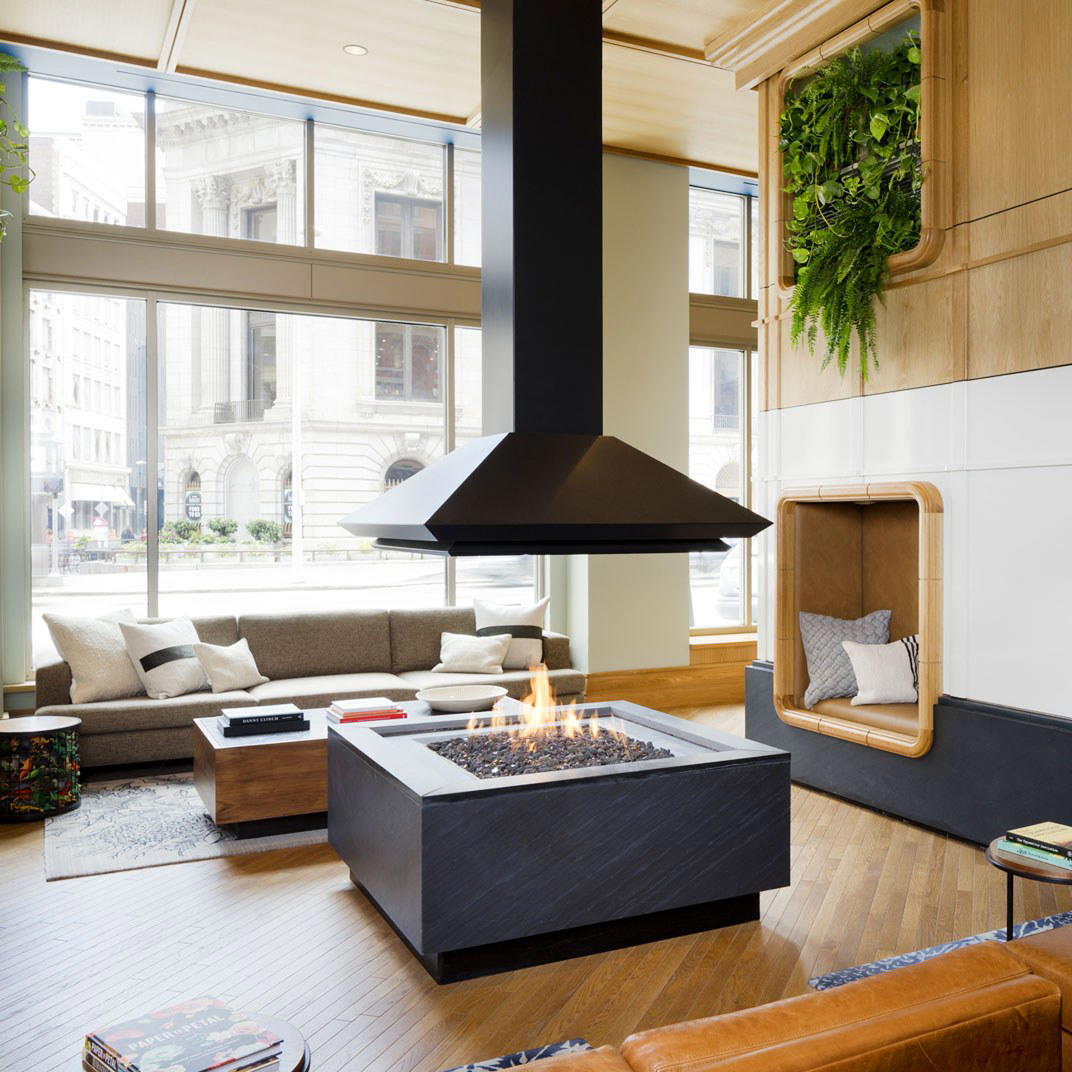
Warm and inviting with rich character, modern rustic warmth enhanced by reclaimed wood accents and hand-blown glass lighting throughout the space.