Burguerato Mix Gastronômico
Rio das Ostras and the Case for Coastal Informality Rio das Ostras sits roughly 180 kilometres east of Rio de Janeiro along the Costa do Sol, a stretch of coastline that has grown steadily from fishing community to mid-sized city without ever...
Pearl is the En Primeur Club membership app — saves, bookings, and concierge access live there. Same editors, same standards.
- Address
- Vilagge - Estrada professor Leandro faria Sarzedas, R. Estr. Nova do Contorno, 416 - loja 1, Rio das Ostras - RJ, 28895-638, Brazil
- Phone
- +5522997145276
- Website
- app.cardapioweb.com
- Directions
- Get directions
 Saves & bookings on Pearl
Rio das Ostras and the Case for Coastal Informality
Rio das Ostras sits roughly 180 kilometres east of Rio de Janeiro along the Costa do Sol, a stretch of coastline that has grown steadily from fishing community to mid-sized city without ever quite committing to either identity. The restaurant scene reflects that ambivalence: it runs on fresh Atlantic catches, grilled meats sourced from the cattle country inland, and the kind of casual mixed-format eating that Brazilians call mix gastronômico for good reason. Burguerato Mix Gastronômico, addressed on the Estrada Nova do Contorno in the Vilagge district, operates precisely within that local register. The name itself telegraphs the format before you arrive: this is not a single-cuisine address, and it is not trying to be. For context on how that compares to the structured tasting-menu tier in Rio de Janeiro state, see Oteque in Rio de Janeiro, which represents the opposite end of the formality spectrum.
The Physical Setting: What the Address Signals
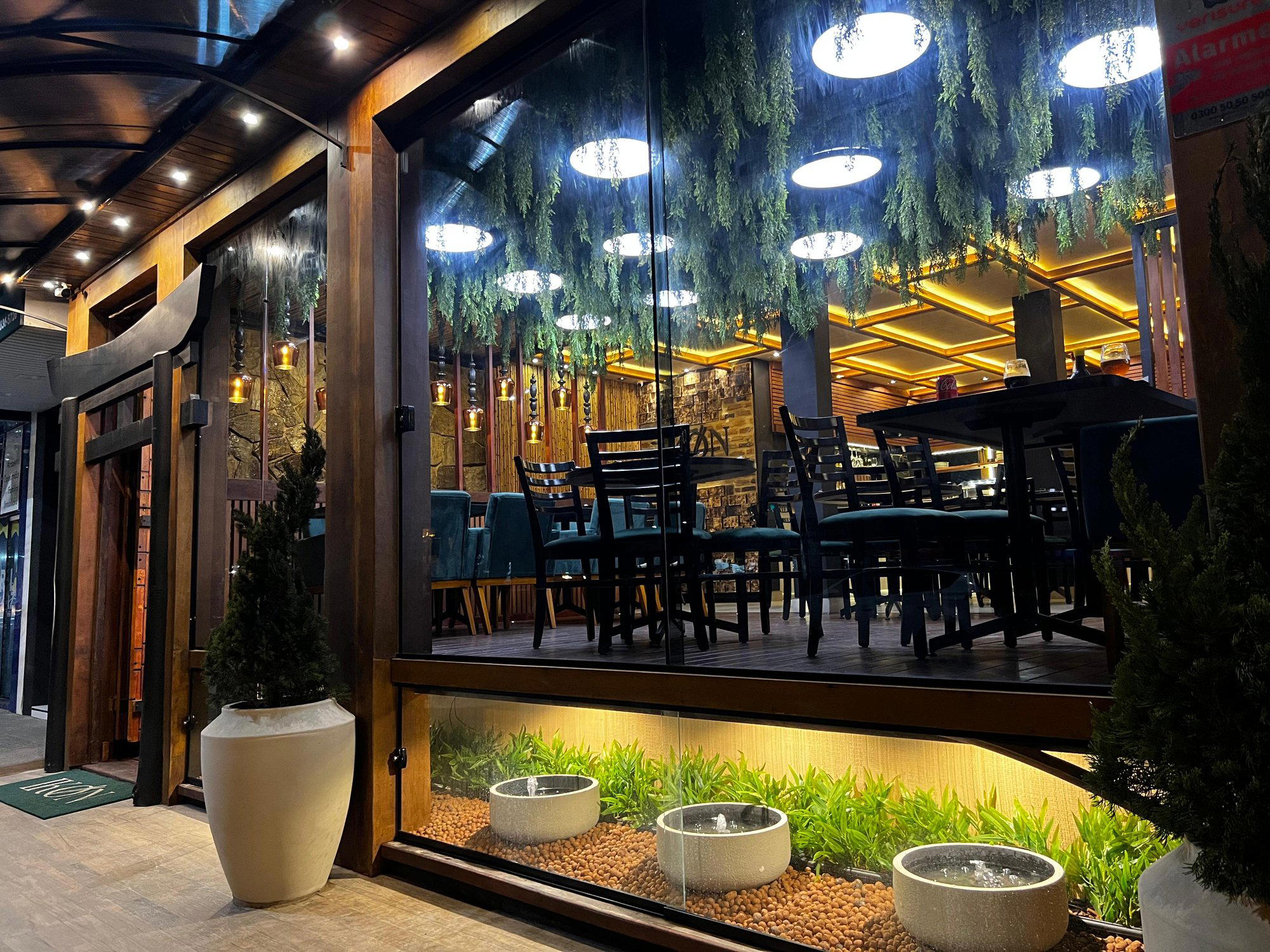
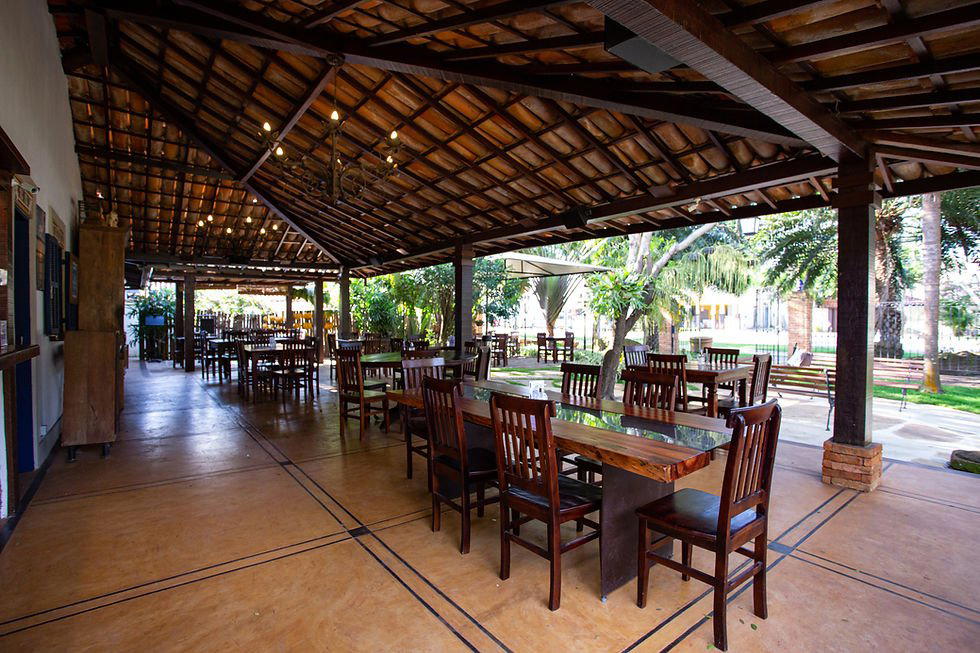
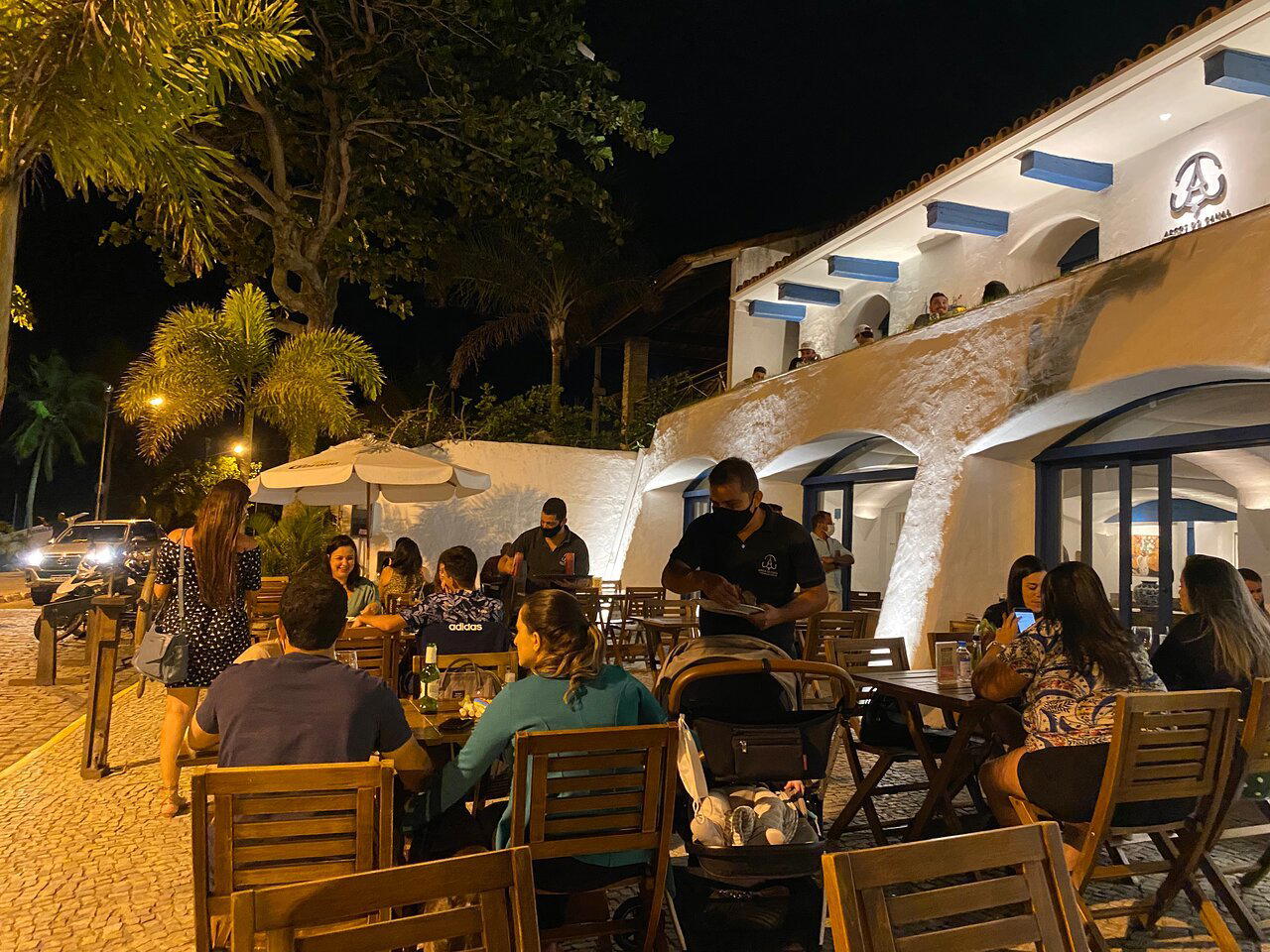
Strip-mall addresses in Brazilian coastal towns carry a specific social meaning: they are community anchors, not destination restaurants. The Vilagge strip on the Estrada Nova do Contorno is the kind of road where residents make a weekly ritual of a Saturday lunch, not the kind where visitors plan a month in advance. Arriving at loja 1, the ground-floor retail unit, you are entering a format that prioritises accessibility over theatre. The neighbourhood dining culture along the Costa do Sol tends toward covered outdoor or semi-open seating, ambient noise from adjacent tables, and the implicit understanding that a table will not be rushed. That ethos shapes what a mixed-format house like this can and should deliver. Compare that with the different register of D.O.M. in São Paulo, where chef Alex Atala’s Amazonian ingredient sourcing operates at the four-symbol price tier and carries international critical weight. Both are Brazilian, but they are answering entirely different questions about what a restaurant should be.
Ingredient Sourcing Along the Costa do Sol
The eastern coast of Rio de Janeiro state has a sourcing geography that works in favour of mixed-format kitchens. The Atlantic shelf here produces a different catch profile than further south: robalo, tainha, and various local shellfish species move through the market in Macaé and the smaller fish landing points that supply restaurants in Rio das Ostras. Beef from the interior of Rio de Janeiro state and northern Espírito Santo travels a short distance to the coast; the supply chain is tighter than it looks on a map. For comparison, the regional sourcing model across the border in Espírito Santo is explored in the context of State of Espírito Santo in Rio Bananal, which draws on capixaba culinary tradition. The mix gastronômico model matters here precisely because it allows a kitchen to respond to what is landing and what is coming in from the surrounding farmland, rather than being locked to a single-protein menu. Burger-forward formats in coastal Brazil have increasingly moved toward incorporating local fish, regional cheese from Minas Gerais, and house-made condiments built from ingredients like cumari pepper and jambu, though those specific applications at this address cannot be confirmed from available data.
For a comparison of how similar coastal and regional sourcing plays out in Bahia, Orixás | North Restaurant in Itacaré demonstrates how a restaurant can embed local ingredient identity into a format with some international reference points. The gap between that approach and a more casual mixed-grill-and-burger model is one of ambition and price tier, not principle.
The Mix Gastronômico Format: What It Actually Means
Brazilian gastronômico labelling on a casual restaurant carries a specific local meaning that is easy to misread from outside. It does not signal a tasting menu or a fine-dining aspiration. It signals a kitchen that takes its ingredients and technique seriously within an informal, approachable format. The burger component is typically the anchor protein; the “mix” element refers to the breadth of the menu rather than fusion in the international sense. Sides, salads, and daily specials sit alongside the core offer. This is not a format that holds still: the mix element responds to what is available, which is why sourcing geography matters to understanding the menu logic. For Brazilian restaurants operating at a higher price tier with a more codified tasting format, Manu in Curitiba and Manga in Salvador each demonstrate how regional Brazilian identity can anchor a more structured dining experience. Burguerato sits at the accessible end of that same interest in Brazilian ingredient identity, applied to a format that works for a Tuesday evening as easily as a weekend lunch.
How It Sits in the Rio das Ostras Scene
Rio das Ostras does not have a deep bench of ambitious restaurant addresses, which is partly what gives a place like Burguerato its local relevance. The city’s dining economy runs on beach proximity, family formats, and price points that reflect a working coastal city rather than a resort. A mixed-format address that maintains some ingredient integrity occupies a specific niche in that context: it serves locals looking for something with more kitchen investment than a basic lanchonete, without the positioning or pricing of a destination address. For those arriving from Rio de Janeiro and calibrating expectations, the reference points are Birosca S2 in Belo Horizonte and Mina in Campos do Jordão, both of which represent the kind of casual-serious positioning that Brazilian cities outside the main centres have become good at producing.
Planning a Visit
The Vilagge district of Rio das Ostras is accessible by car from the BR-101 corridor; public transport options from the city centre exist but are limited for evening visits. Confirm current hours before visiting, especially outside peak summer season when coastal Rio de Janeiro restaurants often adjust their schedules. Dress expectations in this format are casual throughout the week. Rio das Ostras draws day visitors and weekenders from the greater Rio metropolitan area; arrival timing in the early evening on weekdays will typically encounter shorter waits than a Saturday lunchtime. For those travelling the Costa do Sol corridor and looking to extend the itinerary inland or into other Brazilian states, Olivetto in Campinas and Primrose in Gramado represent different expressions of how Brazilian restaurants have absorbed international culinary reference points. For those interested in how the burger format specifically has developed into a more technically serious register internationally, Aero Burguer e Grill in Santa Cruz do Sul provides a southern Brazilian comparison point.
Side-by-Side Snapshot
Comparable venues nearby, for context on price, style, and recognition.
| Venue | Cuisine | Price | Notes |
|---|---|---|---|
| Burguerato Mix GastronômicoThis venue — the venue you are viewing | Pizza and Artisan Burgers | $$ | Not listed |
| Casa do Sardo | Sardinian Italian | $$ | São Cristóvão |
| BOTA | Italian & Mediterranean Seaside | $$$ | Glória |
| COLTIVI ☕️Café & 🍕Pizzaria | Italian Pizza Café | $$$ | Humaitá |
| Grado | Italian Handmade Pasta | $$$ | Jardim Botânico |
| Benedetto Pizzaria | Italian Pizza | $ | Centro |
Continue exploring
More in Rio Das Ostras
Restaurants in Rio Das Ostras
Browse all →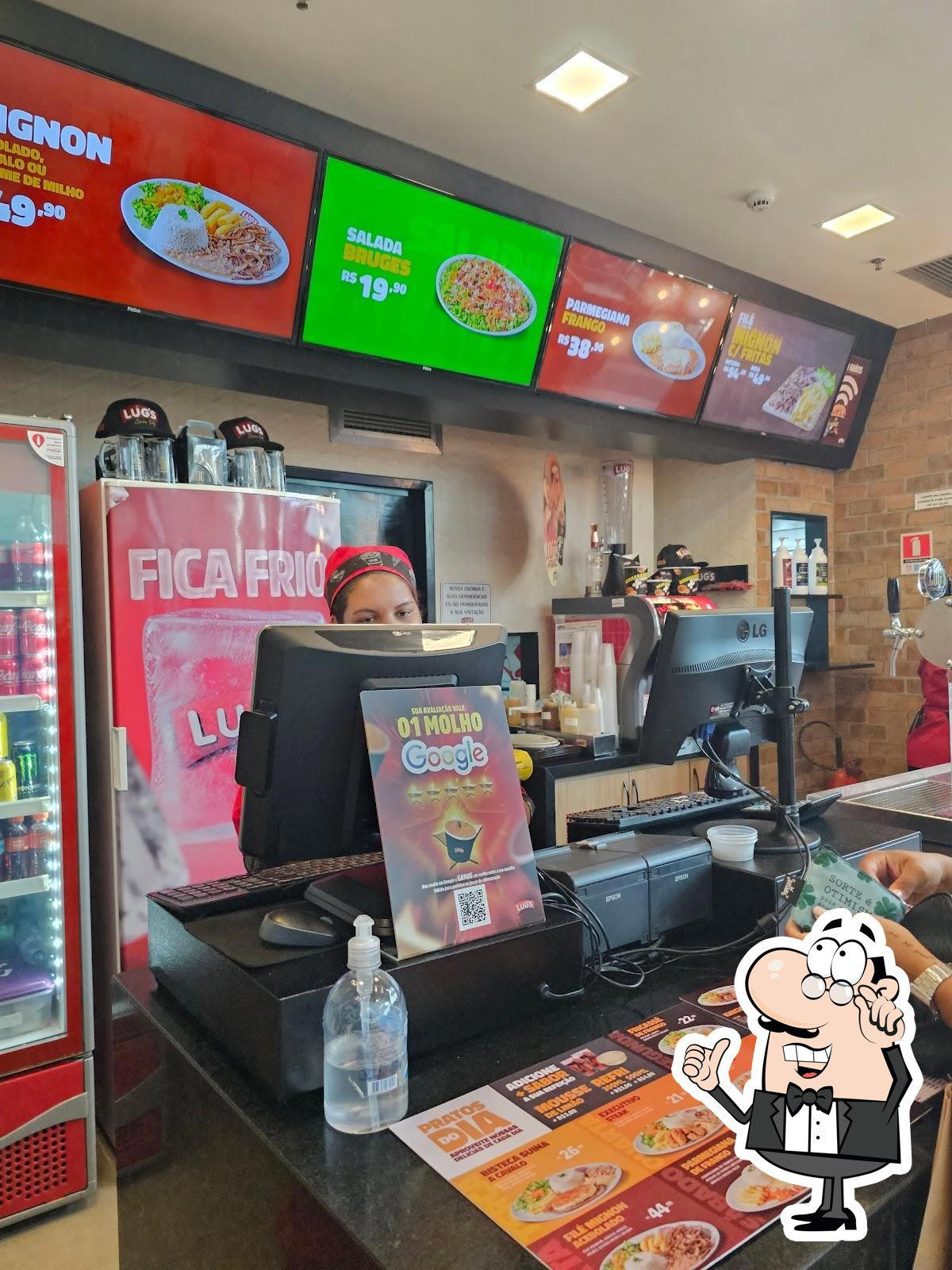
At a Glance
- Lively
- Cozy
- Casual Hangout
Current opening hours
- Monday
- 11 AM–11:30 PM
- Tuesday
- 11 AM–11 PM
- Wednesday
- 11 AM–11:30 PM
- Thursday
- 11 AM–11:30 PM
- Friday
- 11 AM–11:30 PM
- Saturday
- 11 AM–11:30 PM
- Sunday
- 4:30–11:30 PM
Hours can change for holidays and private events. Last verified .
Encantadora atmosphere with friendly staff.