
World Best Burgers World's 101 Best Burgers #23
Our verdict
Bunsen on Wexford Street occupies the casual end of Dublin's dining register, where the menu's deliberate narrowness is the point. In a city increasingly drawn to tasting menus and seasonal pivots, this Portobello spot has built its reputation on the discipline of doing very little, very well. For visitors mapping Dublin's food scene, it sits at a different coordinate than the Michelin tier — and that contrast is worth understanding.

Pearl is the En Primeur Club membership app — saves, bookings, and concierge access live there. Same editors, same standards.
- Address
- 36 Wexford St, Portobello, Dublin 2, D02 PW56, Ireland
- Phone
- +353 1 552 5408
- Hours
- Mon–Wed 12–9:30 PMThu–Sat 12–10:30 PMSun 12–9:30 PM
- Website
- bunsen.ie
- Directions
- Get directions
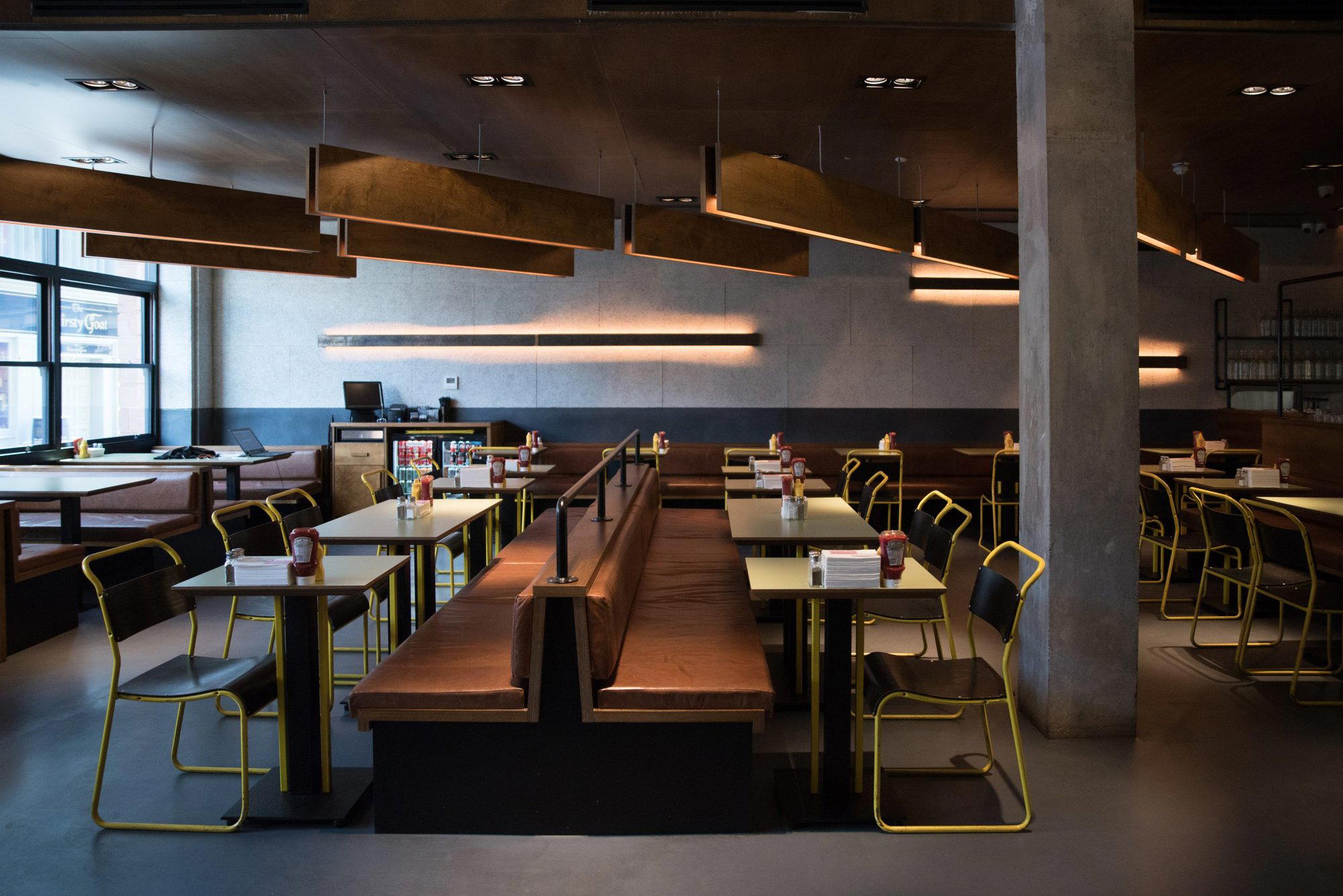
The Case for a Short Menu in a City of Long Ones
Dublin's restaurant culture has spent the past decade reaching upward. Chapter One by Mickael Viljanen operates at the level of two Michelin stars and a kitchen shaped by Nordic precision. Patrick Guilbaud holds Ireland's only two-star address. Glovers Alley and Bastible represent a wave of modern Irish kitchens wrestling with provenance, technique, and the expectations that come with critical attention. Against that backdrop, Bunsen on Wexford Street occupies a deliberately different position: a burger restaurant with a menu short enough to read in under thirty seconds.
That restraint is not a limitation — it is the editorial statement. In a city where ambition often expresses itself through the expansion of courses and ingredients, Bunsen's menu architecture argues that depth comes from repetition and refinement, not range. The logic is familiar to anyone who has watched a Japanese ramen shop or a Parisian steak-frites counter operate for decades: you narrow the offering until every variable within it is controlled. What Bunsen offers is a small roster of burgers, sides, and shakes, held to a format that has not required significant revision since the restaurant opened in 2013.
Wexford Street and the Portobello Register
The address on Wexford Street places Bunsen inside Portobello, one of Dublin's more consistently populated food neighbourhoods. The street itself connects the Grand Canal end of the city to Camden Street's bar and restaurant corridor, drawing foot traffic from both the residential terraces above and the offices closer to the centre. It is a neighbourhood that tolerates casual formats well — the kind of block where a well-executed burger fits more naturally than a tasting menu. D'Olier Street and Glovers Alley represent Dublin's more formal dining tier; Bunsen represents the opposing pole, where the room is spare, the transaction is fast, and the focus stays entirely on what arrives on the tray.
The interior follows that logic. The design is tight and functional, stripped of the decorative padding that signals ambition in more expensive rooms. Counter seating faces the street; tables fill the remaining floor. There is no theatrical kitchen reveal, no ambient music curated to suggest a mood. The room is a delivery mechanism for the menu, and it makes no apology for that hierarchy.
Menu Architecture as Argument
Structure of Bunsen's menu is what makes it worth examining seriously. Across much of the casual dining category, operators expand menus under competitive pressure, adding chicken options, seasonal specials, loaded variants, until the original proposition becomes hard to locate. Bunsen has resisted that pull. The menu remains organised around a small number of burger configurations, a handful of sides, and milkshakes. That is the whole document.
What a short menu signals to a kitchen is significant. When there are fewer items to execute, the margin for inconsistency narrows. The beef, the bun, the cook temperature, the condiment ratios, these become the only variables in play, and they receive the kind of attention that a thirty-item menu cannot allocate. This is the same logic that governs the counter format at high-end omakase, where a narrow offering creates the conditions for mastery, even if the price point and cultural register are entirely different. The discipline is comparable even when the food is not.
For a broader view of how Ireland's dining culture operates across different price tiers and formats, our full Dublin restaurants guide maps the city's options from Michelin-starred rooms to neighbourhood institutions. Bunsen belongs firmly in the latter category, but understanding where it sits requires knowing what surrounds it.
Bunsen in the Irish Casual Dining Context
Ireland's casual dining sector has been slow to develop the kind of focused, single-concept operators that define certain American and British markets. The burger category in Dublin has expanded considerably since 2013, with both local independents and international groups competing for the same customer. Within that field, Bunsen's longevity is relevant data: staying in operation for over a decade in a competitive urban market, without significant format changes, suggests the model has held its ground against both trend cycles and new entrants.
The contrast with Ireland's fine dining circuit is worth holding in mind. Liath in Blackrock and Aniar in Galway represent a tradition of chef-led, produce-driven dining where the menu is an expression of sourcing philosophy and technique. Bastion in Kinsale and Chestnut in Ballydehob operate in a similar register at a regional level. dede in Baltimore and Terre in Castlemartyr extend that fine dining ambition into Cork and beyond. Bunsen operates in a parallel universe from all of these, one where the ambition is structural rather than culinary: build a format that can sustain itself through consistency rather than innovation.
That parallel universe has international counterparts. In the United States, the focused-menu burger format has produced operators who compete with fast-casual chains not on price but on execution quality. Lazy Bear in San Francisco represents the opposite end of the same spectrum, a restaurant where menu length and format complexity are maximised. The point is not that one approach is superior; it is that both reflect conscious choices about what a restaurant is trying to do, and Bunsen's choice is coherent on its own terms.
Planning a Visit
Bunsen operates across multiple Dublin locations, with the Wexford Street address in Portobello being the original. Walk-in dining is the standard mode of entry, no booking infrastructure exists in the traditional sense, which keeps the operation lean and the queue visible from the pavement. Visiting outside peak lunch and dinner windows, typically mid-afternoon on weekdays, reduces waiting time. The meal moves quickly by design; this is not a room where lingering over a second bottle is the point. Budget accordingly for a casual spend, with burgers, a side of fries, and a shake representing the complete format the menu is built around.
For visitors building a broader Dublin itinerary that includes both casual and formal dining, The Morrison Room in Maynooth, Campagne in Kilkenny, The Oak Room in Adare, and Homestead Cottage in Doolin represent the range of serious eating available within a reasonable drive of the capital. Bunsen, by contrast, works as a city-centre lunch stop on a day already packed with other plans.
Frequently asked questions
What's Bunsen's location?
Bunsen is located at 36 Wexford St, Portobello, Dublin 2, D02 PW56, Ireland, Dublin.
Does Bunsen have multiple locations in Dublin, and which one opened first?
Bunsen operates across several Dublin locations, with the Wexford Street address in Portobello, Dublin 2 being the original site. That address is where the single-concept burger format was established before the model expanded elsewhere in the city. For first-time visitors, the Portobello location remains the reference point for understanding what Bunsen set out to do.
What dish is Bunsen famous for?
Bunsen built its reputation on burgers, operating one of the most deliberately constrained menus in Dublin's casual dining sector. The Wexford Street location in Portobello is the original, and the approach across all sites stays the same: a short list of burgers and sides with no diversions into broader casual dining categories. That focus is the point, not a limitation.
What's the best way to book Bunsen?
Bunsen operates on a walk-in basis at its Wexford Street address in Portobello, Dublin 2. There is no reservation system in place, which makes timing your visit around peak hours the practical approach. Weekday lunches and early evenings tend to move faster than Friday or Saturday dinner service.
Reputation First
Comparable venues nearby, for context on price, style, and recognition.
| Venue | Cuisine | Price | Awards | Notes |
|---|---|---|---|---|
| BunsenThis venue — the venue you are viewing | Classic American Burgers | $10–20 | World Best Burgers World's 101 Best Burgers #23 | Not listed |
| Captain's American Grill | American Grill | Not listed | Not listed | Royal Exchange B |
| CrackBird South William | Fried Chicken | Not listed | Not listed | Royal Exchange B |
| GBK South Anne Street | Gourmet Burgers | $20–30 | Not listed | Royal Exchange B |
| Mad Egg Millennium Walkway | Fried Chicken Sandos | $10–20 | Not listed | North City |
| Wishbone | American Chicken Wings & Comfort Food | $20–30 | Not listed | Inns Quay B |
Recognition history
Dated appearances from independent guides and award organizations, with the underlying list record or original source where available.
World Best Burgers World's 101 Best Burgers #23
World Best Burgers
Continue exploring
More in Dublin
Restaurants in Dublin
Browse all →
Bars in Dublin
Browse all →
Hotels in Dublin
Browse all →
Wineries in Dublin
Browse all →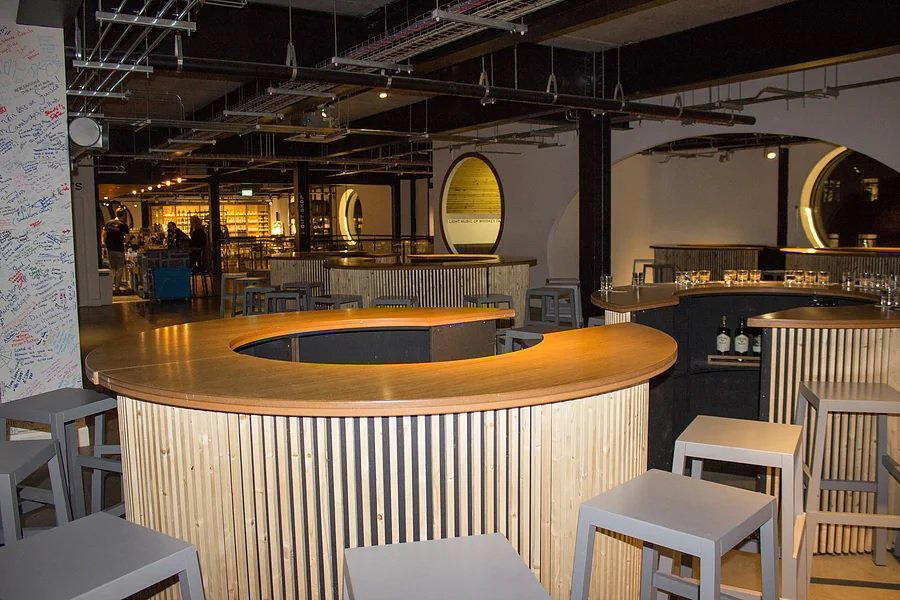
Details
- Trendy
- Lively
- Casual
- Casual Hangout
- After Work
- Standalone
- Beer Program
- Local Sourcing
- A La Carte
- Beer
- Cider
- Milkshakes
- Gluten Free Options
Current opening hours
- Monday
- 12–9:30 PM
- Tuesday
- 12–9:30 PM
- Wednesday
- 12–9:30 PM
- Thursday
- 12–10:30 PM
- Friday
- 12–10:30 PM
- Saturday
- 12–10:30 PM
- Sunday
- 12–9:30 PM
Hours can change for holidays and private events. Last verified .
Casual, energetic burger joint with a fun, satisfied atmosphere; simple, no-frills setting focused on quality food.