Bun Bo Hue Song Huong
Our verdict
On Story Road in San Jose's Vietnamese corridor, Bun Bo Hue Song Huong serves the spiced, lemongrass-forward beef noodle soup that defines Central Vietnamese cooking — a regional dish distinct from pho and rarely executed with this level of specificity outside Vietnam. The restaurant draws a loyal neighborhood following and functions as a reliable reference point for Hue-style cuisine in the South Bay.

Pearl is the En Primeur Club membership app — saves, bookings, and concierge access live there. Same editors, same standards.
- Address
- 929 Story Rd #2018, San Jose, CA 95122
- Phone
- (408) 549-3195
- Hours
- Mon–Thu 9 AM–8 PMFri–Sun 9 AM–9 PM
- Website
- bunbohuesonghuongsjc.com
- Directions
- Get directions
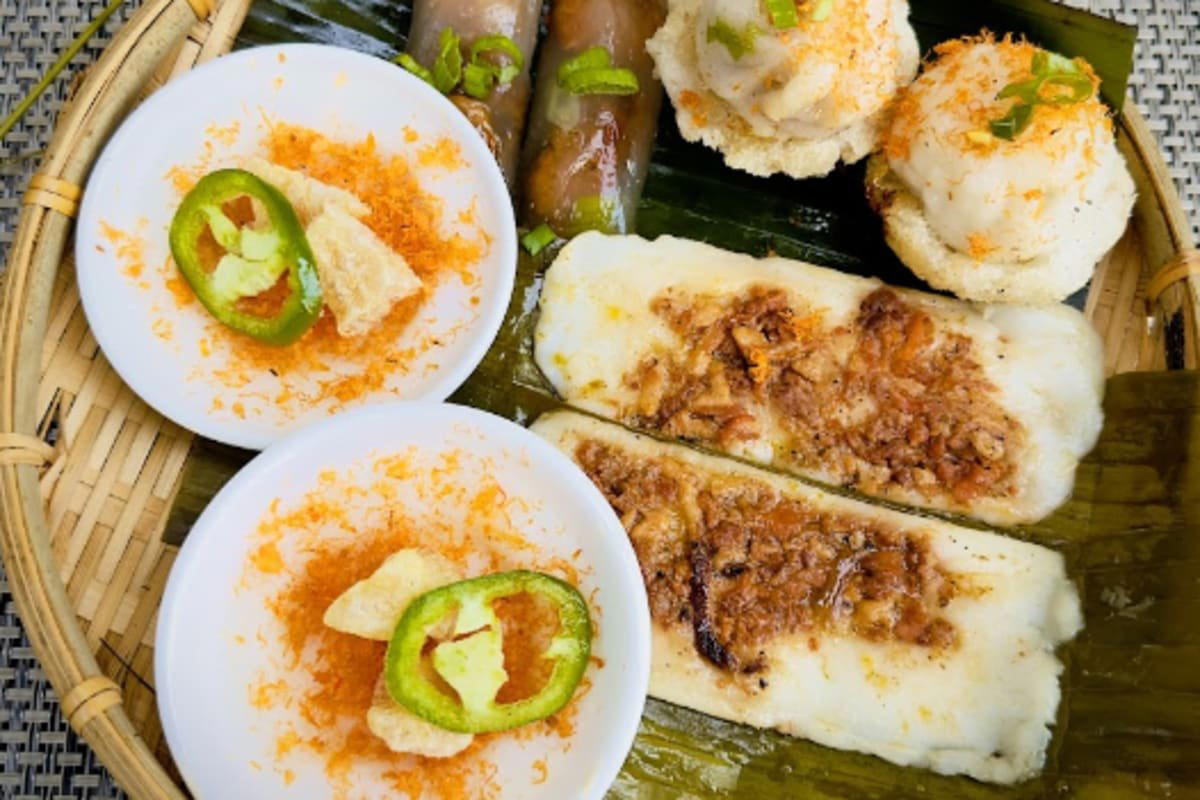
Story Road and the Bowl That Defines It
Story Road in East San Jose is one of the more instructive stretches of Vietnamese commercial life in California. The corridor runs through a community that built its food culture largely outside the tourist circuits, and the restaurants here answer to a local clientele with direct memory of what the food is supposed to taste like. Bun Bo Hue Song Huong, at 929 Story Road, sits inside that ecosystem. The name announces the program plainly: bun bo Hue, the lemongrass-and-shrimp-paste-spiked noodle soup from the former imperial capital of Hue in central Vietnam, prepared in the style of the Song Huong — the Perfume River that defines that city's geography and culinary identity.
The comparison to pho is worth making because most diners outside the Vietnamese community conflate the two. Pho, broadly speaking, is a northern dish built on long-simmered beef bones and defined by its clarity. Bun bo Hue is a central Vietnamese preparation: the broth is richer, redder, and carries a fermented shrimp paste called mam ruoc alongside lemongrass, chili, and annatto oil. The noodle is thicker and round rather than flat. The heat is present and intentional, not ornamental. A restaurant that takes this dish as its entire reason for existing operates in a different register than a general Vietnamese menu — it is making an argument about specificity over breadth.
The Ritual of the Bowl
The dining format at a bun bo Hue specialist follows its own internal logic, and understanding that logic changes how you experience the meal. The bowl arrives assembled but unfinished. A plate of accompaniments, typically raw banana blossom shredded fine, bean sprouts, fresh herbs, lime wedges, and sliced chilies, sits beside it, and the expectation is that you build toward the flavor profile you want. This is not the kind of eating where a dish arrives complete; it is participatory by design. The broth serves as the base argument, and the table additions are your response to it.
In Hue culinary tradition, this interactive quality reflects a broader philosophy about meal pacing. The soup is meant to be eaten hot, which means working through it with purpose rather than pausing for extended conversation. Regulars tend to know this. You see it in how the room operates: orders come quickly, bowls arrive without ceremony, and people are focused on the food. This is not a place that performs hospitality; it delivers a specific thing efficiently and well, which is its own form of respect for both the dish and the diner.
The restaurant sits within San Jose's broader Vietnamese dining corridor, which ranges from white-tablecloth ambitions at one end to focused single-dish specialists at the other. For context on the full range of the city's dining, the EP Club San Jose restaurants guide maps the wider scene. Bun Bo Hue Song Huong occupies the specialist tier, a category where depth of execution on a narrow menu matters more than range. This positions it differently from broader Vietnamese restaurants and entirely differently from the city's fine-dining anchors like Adega, which operates at the opposite end of the formality and price spectrum with its Michelin-starred Portuguese program.
Central Vietnamese Cooking in a Northern California Context
Hue cuisine occupies a specific position within Vietnamese regional cooking that is easy to underappreciate from the outside. The city was the seat of the Nguyen dynasty, and its food developed under that imperial influence: more elaborate in preparation, more assertive in spice, and more tied to ceremony than the street-food pragmatism associated with Saigon or the northern simplicity of Hanoi. Bun bo Hue is, paradoxically, one of the more democratic expressions of that tradition, a dish that was eaten widely but made with considerable care.
In the Bay Area, the Vietnamese population is large enough that regional specificity has room to exist. The South Bay in particular has a concentration of Central Vietnamese families whose food preferences have sustained specialists like this one. That community context matters for understanding why a single-dish restaurant can sustain itself here when it might not in a city with a smaller Vietnamese population. The same logic that allows a Sichuan-only restaurant to thrive in certain San Francisco neighborhoods, or that keeps a regional Italian osteria viable in New York, applies here: density of diaspora creates viable demand for specificity.
Across the broader American dining conversation, regional Vietnamese cooking has received less critical infrastructure than its counterparts in French, Italian, or Japanese categories. Institutions like Le Bernardin in New York City or The French Laundry in Napa operate within well-documented critical traditions. Vietnamese regional food, by contrast, has been evaluated mostly through the lens of value and accessibility rather than craft and specificity. That framing misses places like this one, which are doing something disciplined and regionally grounded regardless of price tier.
Where This Fits in San Jose's Eating Map
The Story Road address puts Bun Bo Hue Song Huong in a different gravitational field than downtown San Jose's restaurant row. East San Jose's dining culture is less concerned with ambiance programming and more concerned with whether the food is correct. Other neighborhood-anchored options in the broader city include Alma de Amón and Back A Yard Caribbean Grill, each serving a community clientele with strong cultural specificity in their respective traditions. Antipastos by DeRose and Augustine operate in a different register entirely. The point is that San Jose's dining map is more fragmented by neighborhood and cultural community than its reputation suggests, and Bun Bo Hue Song Huong makes sense specifically within its corridor rather than as a city-wide destination.
For diners accustomed to the ambient signals of the fine-dining tier, the kind of meal tracked by institutions like Lazy Bear in San Francisco or Alinea in Chicago, the experience here will feel categorically different. That difference is not a deficit. A single-dish specialist that gets its dish right is doing something that multi-concept kitchens rarely attempt: absolute commitment to one preparation, maintained over time, for a community that knows the difference.
Planning Your Visit
Bun Bo Hue Song Huong is located at 929 Story Road, Suite 2018, in San Jose, California 95122. The restaurant draws from a neighborhood clientele, which means weekend midday service tends to be the most active window, arriving early in a meal period is the most reliable way to find seating without a wait. Given the specialist format and the absence of a reservations system typical of this category, the visit is effectively walk-in. No dress code applies; the format is casual by nature and by community convention.
Frequently asked questions
Where is Bun Bo Hue Song Huong in San Jose?
Bun Bo Hue Song Huong is located at 929 Story Rd #2018, San Jose, CA 95122, San Jose.
How does Bun Bo Hue Song Huong differ from a standard pho restaurant in San Jose?
Pho originates in northern Vietnam and uses a clear, star-anise-forward beef broth; bun bo Hue, by contrast, comes from the central city of Hue and relies on lemongrass, fermented shrimp paste, and chili oil for a broth that is opaque, spicier, and more pungent. Restaurants that specialize in one dish rather than offering both tend to develop deeper technique in that preparation. The Story Road address in San Jose's East Side positions Song Huong within a corridor of focused Vietnamese specialists rather than the broad-menu format common in more tourist-facing dining districts.
What should I eat at Bun Bo Hue Song Huong?
The menu centers on bun bo Hue, the lemongrass-and-shrimp-paste-spiced beef noodle soup that is the defining dish of Hue, the former imperial capital of central Vietnam. That bowl is the reason to visit. Variations typically include different cuts of beef, pork knuckle, or blood cake, so ask at the counter what is available on a given day.
How hard is it to get a table at Bun Bo Hue Song Huong?
The Story Road address at Suite 2018 in San Jose places this spot inside a commercial strip serving a dense local Vietnamese community, where peak lunch hours move quickly and tables turn over fast. No reservation system is documented for this type of counter-service format. Arriving before the midday rush is the practical approach.
What do critics highlight about Bun Bo Hue Song Huong?
What draws attention at a specialist like this on Story Road is consistency and regional specificity: bun bo Hue is a narrow discipline, and a venue that commits to it exclusively signals kitchen focus that generalist pho shops rarely match.
Can Bun Bo Hue Song Huong handle vegetarian requests?
Traditional bun bo Hue broth is built on pork and beef bones with fermented shrimp paste, making a fully vegetarian version a structural departure from the dish. No vegetarian menu is documented for this San Jose location. Diners with strict dietary requirements should confirm directly with the restaurant before visiting.
Is Bun Bo Hue Song Huong worth the price?
No price range is formally documented, but Story Road Vietnamese restaurants in San Jose operate in a value-driven register where a full bowl typically costs well under $20. For a regionally specific Central Vietnamese preparation that differs meaningfully from the pho-dominated mainstream, the price-to-authenticity ratio at this category of specialist is hard to challenge.
Where It Fits
A short peer table to compare basics side-by-side.
| Venue | Cuisine | Price | Awards | Notes |
|---|---|---|---|---|
| Bun Bo Hue Song HuongThis venue — the venue you are viewing | Authentic Central Vietnamese | $10–20 | Not listed | Not listed |
| Luna Mexican Kitchen | Modern Mexican | $20–30 | Michelin Bib Gourmand | Mexican |
| Petiscos | Authentic Portuguese Small Plates | $30–50 | Michelin Bib Gourmand | Portuguese |
| Adega | Portuguese Fine Dining | $100–150 | Michelin Plate | Portuguese |
| LeYou | Modern Ethiopian | $20–30 | Michelin Plate | Ethiopian |
| Bar Tako | Mexican Robata | $30–50 | Not listed | Temporary Mexican–Japanese (raw bar, robata grill, tequila/mezcal/Japanese whisky) |
Continue exploring
More in San Jose
Restaurants in San Jose
Browse all →
Bars in San Jose
Browse all →

Hotels in San Jose
Browse all →
Details
- Cozy
- Classic
- Family
- Group Dining
- Casual Hangout
- A La Carte
Current opening hours
- Monday
- 9 AM–8 PM
- Tuesday
- 9 AM–8 PM
- Wednesday
- 9 AM–8 PM
- Thursday
- 9 AM–8 PM
- Friday
- 9 AM–9 PM
- Saturday
- 9 AM–9 PM
- Sunday
- 9 AM–9 PM
Hours can change for holidays and private events. Last verified .
Warm, inviting, clean atmosphere well-suited for family gatherings and casual dining.