Google: 4.8 · 915 reviews

Bülow Palais sits on Königstraße in Dresden's Inner Neustadt, bringing German fine dining to one of the city's most architecturally composed streets. Chef Quentin Welch leads the kitchen with an approach rooted in classical technique, earning a 4.8/5 rating across more than 800 Google reviews. A summer terrace overlooking Königstraße makes this a strong warm-weather address for serious dining in the city.
 Discover on Pearl
Pearl is the En Primeur Club membership app — saves, bookings, and concierge access live there. Same editors, same standards.
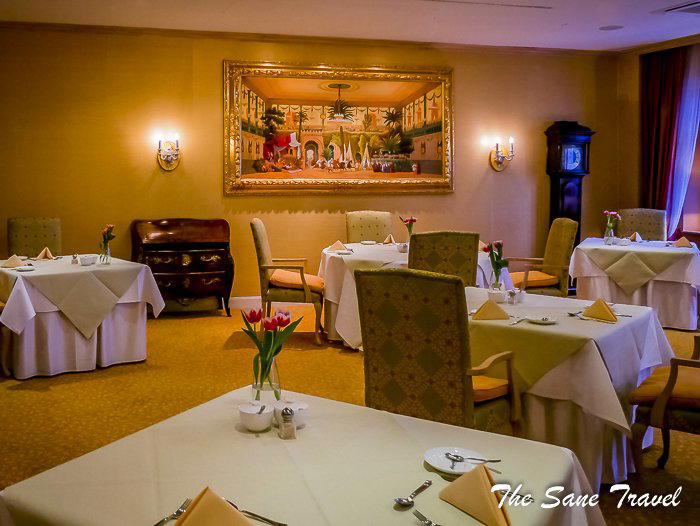
A Street That Sets the Tone
Königstraße in Dresden's Inner Neustadt is one of those rare central streets that manages to feel unhurried. Baroque-era facades line a pedestrian-friendly stretch that runs south from the Dreikönigskirche church toward the Elbe, and the address at number 14 — Bülow Palais — fits the architecture without apology. Approaching from Albertplatz, the building carries the formal weight you'd expect from a street designed to impress. What happens inside follows that logic: this is a venue where the physical setting and the culinary ambition are calibrated to the same register.
Dresden's fine dining scene operates in a smaller, more concentrated field than Munich or Berlin, which makes positioning clearer. elements holds a Michelin star at the €€€€ tier; Genuss-Atelier carries a star at €€€. Bülow Palais works the German fine dining category from a hotel setting, a format with its own logic: the kitchen must satisfy both dedicated dining guests and hotel residents, which tends to push menus toward range and confidence rather than narrow experimentation. Against that backdrop, a 4.8 out of 5 from 828 Google reviews is a signal worth reading seriously.
Quentin Welch and the German Fine Tradition
German fine dining, as a category, carries a specific set of expectations: classical French-influenced structure, regional product sourcing, precision in execution, and a certain seriousness about the table. The country's top tier , venues like Aqua in Wolfsburg, Vendôme in Bergisch Gladbach, and Schwarzwaldstube in Baiersbronn , defines the ceiling. Below that, a broader cohort of accomplished kitchens applies similar principles at a more accessible scale. Bülow Palais, under Chef Quentin Welch, works within that established framework.
The chef's lineage matters here, not as biography, but as professional positioning. In the German fine dining world, kitchen formation typically runs through classical European apprenticeships, with French technique as a base and regional German identity layered on leading. The trajectory of chefs at comparable addresses , JAN in Munich, ES:SENZ in Grassau, EssZimmer in Munich , reflects that pattern. At Bülow Palais, the kitchen output aligns with what that formation produces: composed plates, technically grounded, built to express both discipline and local character. The sustained quality visible in the review record suggests Welch has established a consistent direction rather than a kitchen still finding its footing.
The Terrace and the Summer Case
One of the more specific details that distinguishes Bülow Palais from its Dresden peers is the summer terrace overlooking Königstraße. Dresden summers run warm and the city's outdoor dining culture is genuine, not incidental. Königstraße itself, as a pedestrian street with restored Baroque architecture, provides a setting that most hotel terraces in the city cannot match. Dining outdoors on a warm evening on this particular stretch is a different experience from eating beside a car park or a side alley. The terrace is not a secondary feature; it functions as the primary reason to visit during the warmer months.
For context, the comparison set here isn't other hotel restaurants , it's the broader Dresden outdoor dining offer. Caroussel Nouvelle and Heiderand each bring distinct approaches to the city's contemporary dining room, but neither has the same Königstraße backdrop. Bülow Palais holds an advantage here that is purely geographical and not easily replicated.
Inner Neustadt as Context
The Inner Neustadt designation matters for how you plan a visit. This is the residential and cultural quarter north of the Elbe, architecturally distinct from the more tourist-heavy Altstadt across the river. The neighbourhood runs bookshops alongside cocktail bars, and its restaurant density at the mid-to-upper tier is growing. DELI operates at the international mid-range in the same area, pointing to a broader cluster of dining options that makes the Inner Neustadt a credible evening destination in its own right rather than a side trip from the historic centre.
Dresden by bike, flagged as one of the property's highlights, reflects the neighbourhood's character accurately. Königstraße and its connecting streets are flat, well-maintained, and manageable on two wheels, which matters if you're approaching from the Neustadt station (approximately 1 kilometre from the address) or from accommodation further into the district. For those arriving by car from Dresden International Airport , roughly 10 kilometres out , Königsbrücker Landstrasse runs directly into Albertplatz, from which Königstraße is the second right. The Dresden-Neustadt rail station, at 1 kilometre, makes the address direct on foot from the train network. Berlin Hauptbahnhof sits 190 kilometres away; Prague's main station is 140 kilometres, placing Bülow Palais within viable rail range for either city as a day or overnight destination.
Where It Sits in the German Fine Dining Conversation
Germany's fine dining geography is heavily weighted toward the west and south: the Rhine corridor, Bavaria, and Baden-Württemberg account for the majority of the country's recognised kitchen addresses. The east, including Saxony, has a thinner but growing layer of serious restaurants. Dresden occupies a specific position: it's a city with a confident cultural identity, a rebuilt historic core, and a dining scene that is smaller than its cultural weight might suggest. Within that, Bülow Palais occupies the formal end of the spectrum alongside elements and Genuss-Atelier, with Dieter Mueller in Gladbach and CODA Dessert Dining in Berlin representing the national range on either side.
For visitors approaching Dresden specifically for the food, the city's fine dining tier is compact enough to structure a two- or three-evening itinerary around. Bülow Palais serves the formal hotel-based dining slot in that itinerary, the kind of meal where the setting, the service architecture, and the kitchen all operate from the same set of assumptions. That coherence is part of what the review record reflects. Our full Dresden restaurants guide covers the wider field, and if you're planning accommodation, the Dresden hotels guide maps the broader property landscape. For pre- or post-dinner options, the Dresden bars guide covers the Inner Neustadt's drinking scene in detail, while the Dresden wineries guide and Dresden experiences guide round out the picture for longer stays.
In Context: Similar Options
These are the closest comparables we have in our database for quick context.
| Venue | Cuisine | Price | Awards | Notes |
|---|---|---|---|---|
| Bülow Palais | German Fine | HIGHLIGHTS: • INNER NEUSTADT • SUMMER TERRACE OVERLOOKING KÖNIGSTRASSE • DRESDEN… | This venue | |
| elements | Modern Cuisine | €€€€ | Michelin 1 Star | Modern Cuisine, €€€€ |
| Genuss-Atelier | Modern Cuisine | €€€ | Michelin 1 Star | Modern Cuisine, €€€ |
| Caroussel Nouvelle | Contemporary | €€€ | Contemporary, €€€ | |
| Schmidt's | Farm to table | €€ | Farm to table, €€ | |
| DELI | International | €€ | International, €€ |
Continue exploring
More in Dresden
Restaurants in Dresden
Browse all →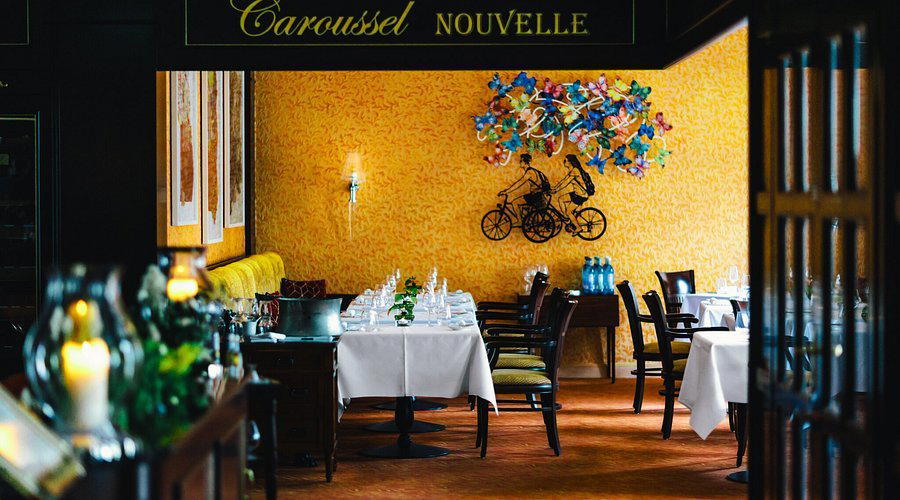
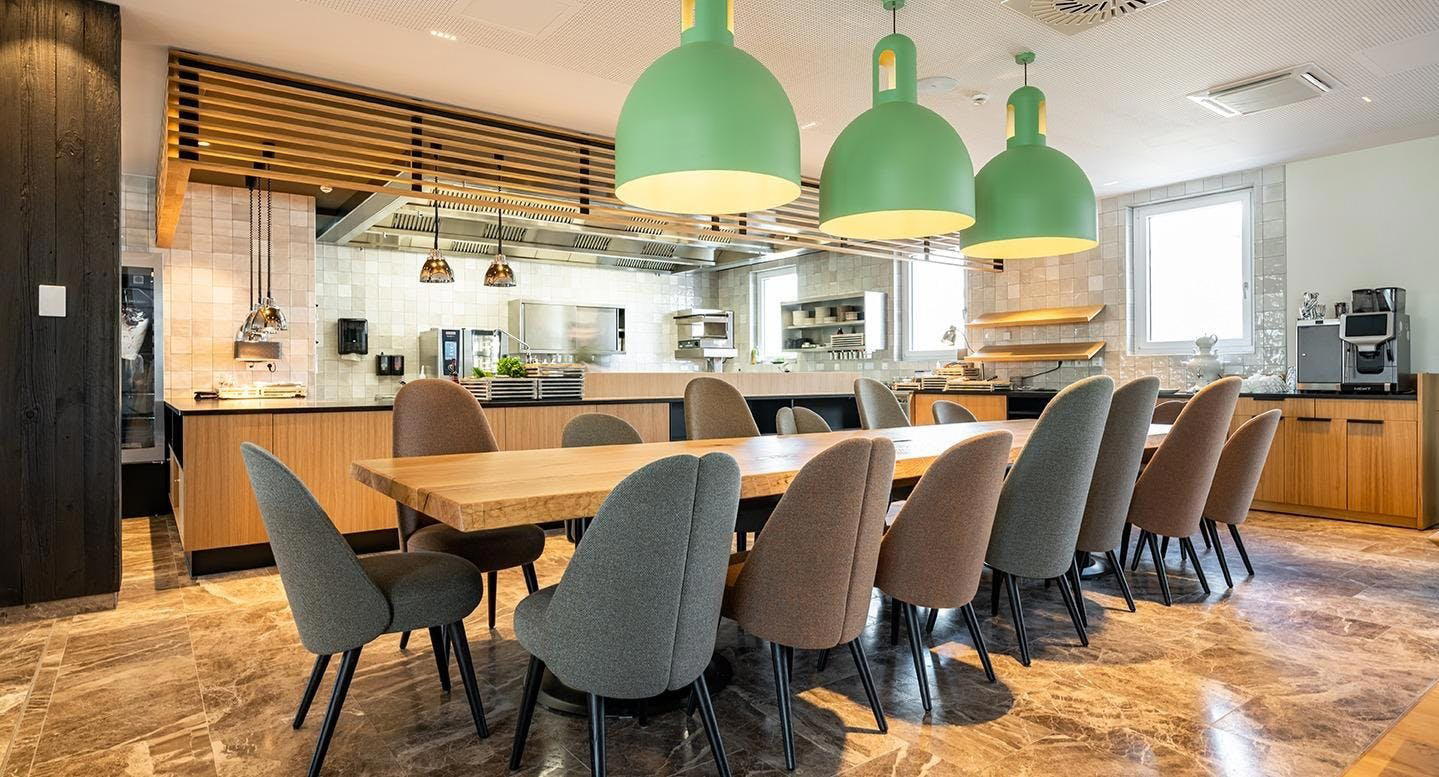
![[m]eatery restaurant in Dresden](https://cdn.enprimeurclub.com/storage/v1/object/public/images/restaurants/399cba83-7e5d-4a0c-9c34-707a5a37a8d2/hero1.jpg?width=3840&quality=75)
Bars in Dresden
Browse all →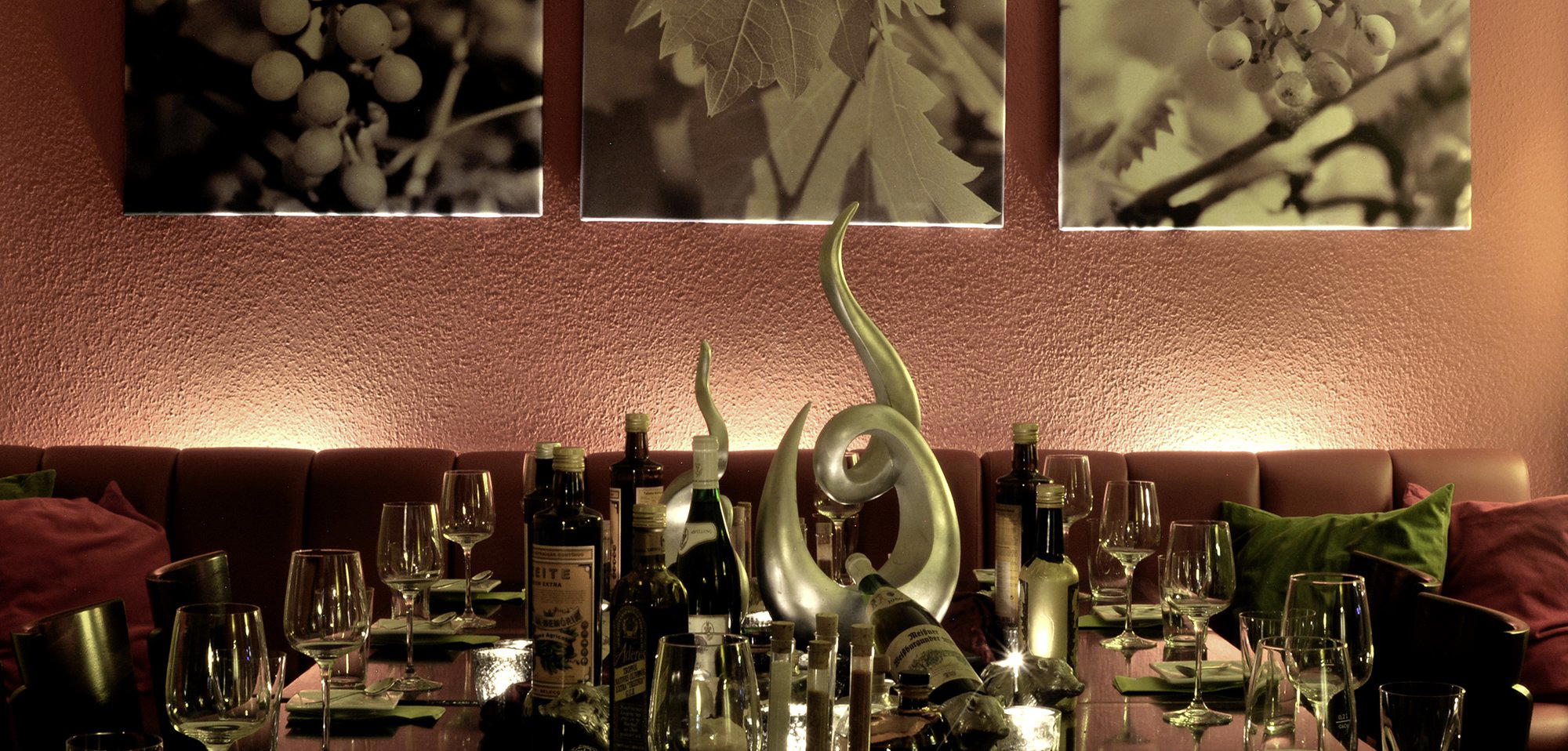
Hotels in Dresden
Browse all →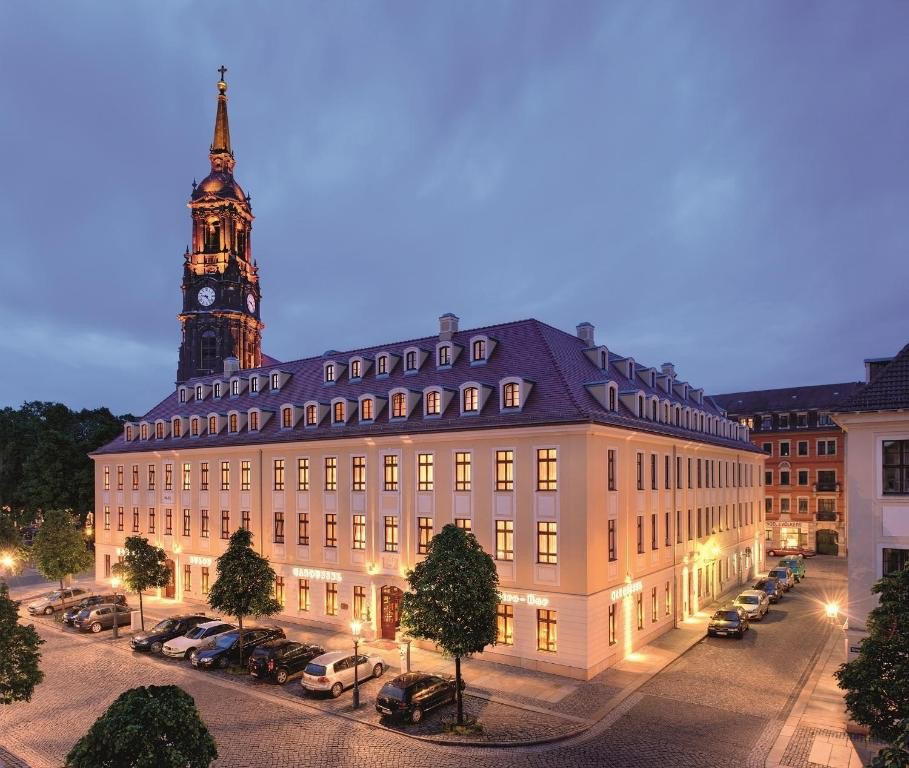
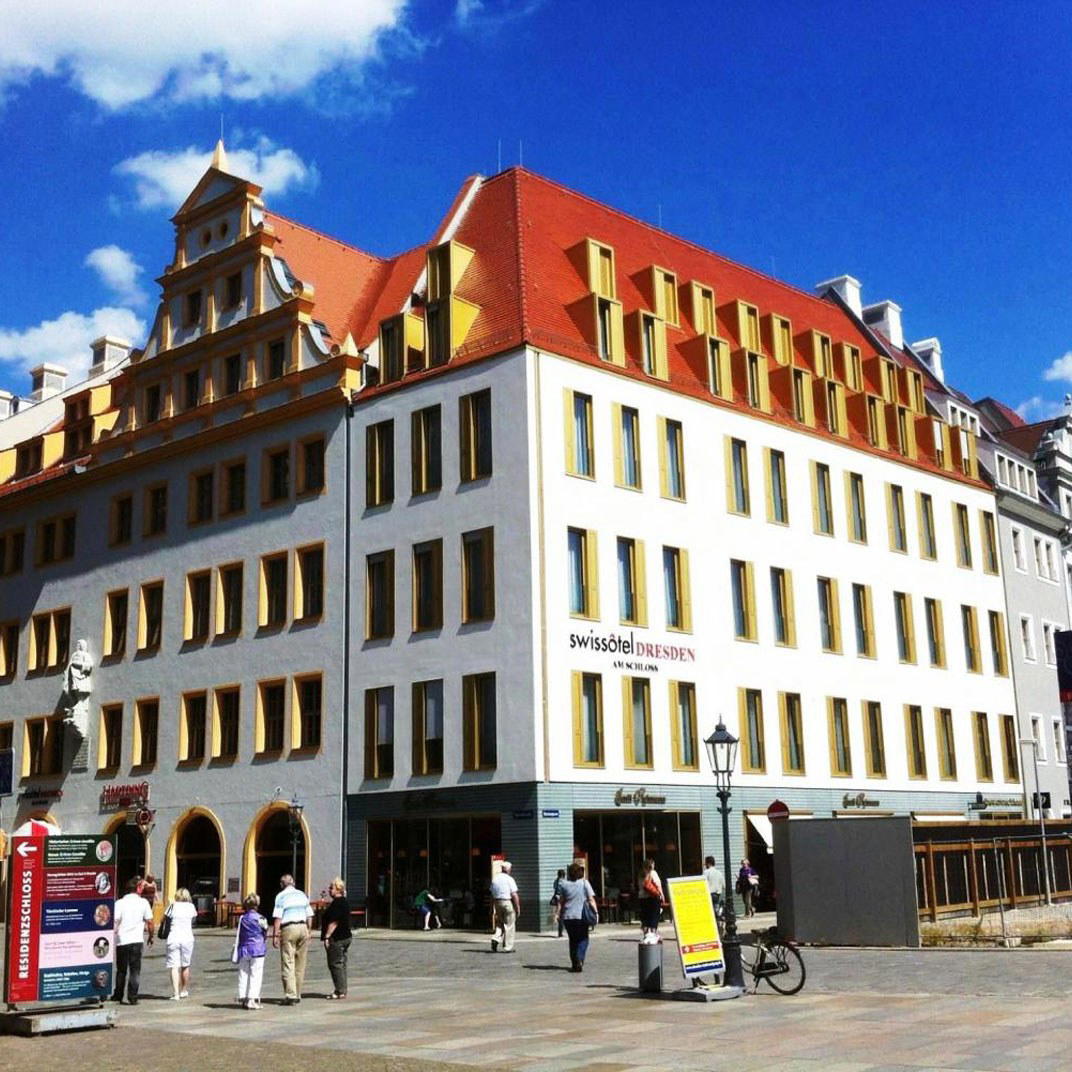
Wineries in Dresden
Browse all →
At a Glance
- Elegant
- Sophisticated
- Classic
- Romantic
- Date Night
- Business Dinner
- Special Occasion
- Celebration
- Historic Building
- Terrace
- Private Dining
- Hotel Restaurant
- Design Destination
- Extensive Wine List
- Sommelier Led
- Local Sourcing
Warm, luxurious atmosphere blending baroque and contemporary design with soothing music, candlelit dining, and meticulous attention to detail throughout the property.