Bucatini Caffè
Bucatini Caffè pairs Modern Italian Pasta with Pasta alla Vodka, Osso Buco, and Margherita Pizza, plus byob dinner service and conversational pacing.
Pearl is the En Primeur Club membership app — saves, bookings, and concierge access live there. Same editors, same standards.
- Address
- 1824 S 13th St, Philadelphia, PA 19148
- Phone
- +12159902821
- Website
- bucatinicaffe.com
- Directions
- Get directions
 Saves & bookings on Pearl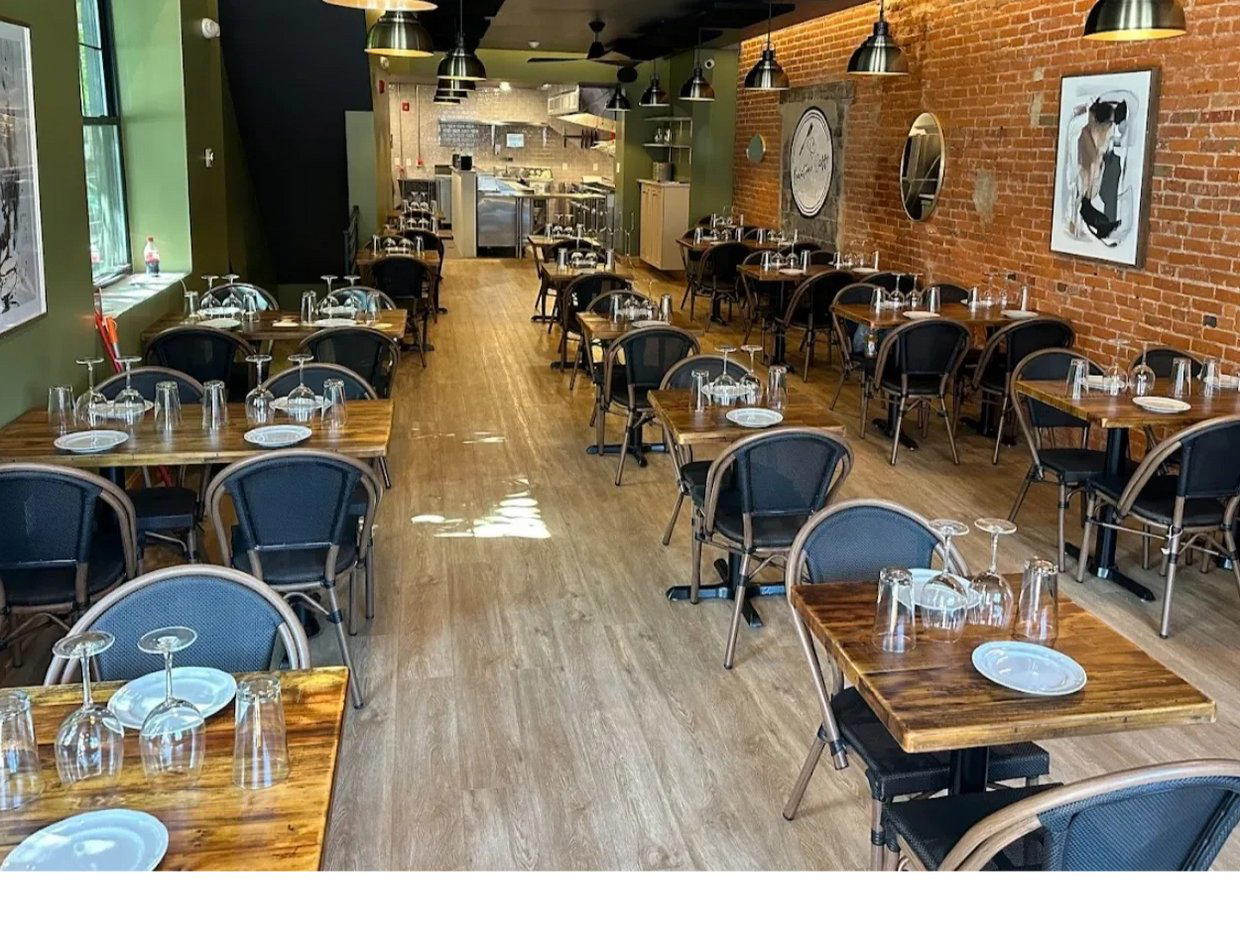
South Philadelphia's Italian-American Dining Tradition
South 13th Street has long served as one of Philadelphia's most concentrated corridors for Italian-American cooking, where red-sauce institutions and corner caffès have operated for generations alongside newer, more technique-conscious arrivals. The stretch around Bucatini Caffè sits in that layered context: a neighborhood where family recipes and old-world pasta forms carry genuine cultural weight rather than nostalgic performance. To understand what a place like this represents, it helps to understand South Philly's Italian-American identity first — a community that built its food culture around thrift, seasonality, and the kind of ingredient discipline that now gets framed as sustainability by restaurants with a very different price point.
Bucatini Caffè occupies 1824 S 13th St in the heart of that tradition. Its address puts it squarely in the residential grid of South Philadelphia, a neighborhood where dining happens at close quarters and regulars expect to be recognized. This is a very different operating context from the Center City venues that compete for national press attention, and it shapes what the room asks of you: proximity, familiarity, and a willingness to eat the way the neighborhood has always eaten.
The Broader Case for Pasta-Led, Low-Waste Cooking
Across American dining, the sustainability conversation has largely been driven by farm-to-table formats with tasting menus and sourcing manifestos. But the oldest model of low-waste, ingredient-conscious cooking predates that framing by decades — and pasta-led Italian-American kitchens in working-class urban neighborhoods like South Philly have practiced its principles since before it had a name. Bucatini, the long hollow pasta that gives this caffè its identity, is itself a study in efficiency: a shape designed for sauces that cling and extend, making the most of smaller quantities of richer ingredients. Carbonara, cacio e pepe, amatriciana, the classical Roman preparations that bucatini traditionally carries, are built around technique and restraint rather than volume or luxury product. A good kitchen working in this tradition produces cooking that is resourceful by design.
In South Philadelphia, that resourcefulness has long been expressed through whole-animal thinking, long braises from secondary cuts, and the use of preserved ingredients, salt-packed anchovies, cured meats, aged cheeses, that reduce dependence on fresh commodity supply chains. These are not marketing positions. They are the structural habits of a cuisine shaped by economic necessity and cultural continuity. Whether any individual venue in this corridor makes those habits explicit is less important than recognizing that the tradition itself carries them.
Where Bucatini Caffè Sits in the Philadelphia Dining Picture
Philadelphia's restaurant scene has become considerably more varied over the past decade. The city that once competed for national attention primarily through its cheesesteak identity now holds a much more complex dining map. Venues like Fork (New American) and Friday Saturday Sunday (New American) represent the ambitious end of the Center City conversation, while places like Kalaya and Mawn (Cambodian, Pan-Asian) have pushed the city's immigrant cooking into critical focus. My Loup (French-Inspired) occupies the refined neighborhood bistro tier. Bucatini Caffè operates further from that press-facing circuit, in the kind of South Philly setting where the audience is primarily local and the measure of success is return visits rather than reservation lead times.
That positioning has its own logic. South Philadelphia's Italian-American dining culture is one of the most historically dense in the American Northeast, and a caffè on S 13th St draws from a neighborhood identity that does not require external validation to function. For visitors coming from outside the city, the comparison set here is not the nationally reviewed dining rooms but the category of embedded neighborhood institutions that cities like New York, Boston, and Chicago have long protected as cultural infrastructure.
Nationally, the conversation about ethical sourcing and environmental responsibility in dining has been shaped by venues with significant resources: Blue Hill at Stone Barns in Tarrytown operates its own farm; Single Thread Farm in Healdsburg built an entire hospitality model around agricultural integration. At the other end of the format spectrum, Lazy Bear in San Francisco and Alinea in Chicago have pursued sustainability through tightly controlled tasting formats that reduce waste through portion precision. The neighborhood Italian-American caffè works from a different set of tools, bulk dry goods, preserved proteins, bones and scraps absorbed into sauces, but the structural outcome, a kitchen that throws away very little, is often the same.
Further afield, venues like Le Bernardin in New York City, The French Laundry in Napa, Providence in Los Angeles, Addison in San Diego, The Inn at Little Washington in Washington, Atomix in New York City, 8 1/2 Otto e Mezzo Bombana (Hong Kong) in Hong Kong, and Emeril's in New Orleans each represent formal dining at a scale where sustainability becomes a program with a named framework. Bucatini Caffè operates without that architecture, in a tradition where the sustainability is structural rather than stated, a useful reminder that the conversation is not always about who claims it most loudly.
Planning Your Visit
South Philadelphia's dining grid is most accessible by foot if you are already in the neighborhood, or by a short ride from Center City. S 13th Street sits within the traditional Italian Market corridor, an area that rewards spending time before and after any single meal. For a fuller picture of where Bucatini Caffè sits within Philadelphia's dining scene, see our full Philadelphia restaurants guide.
Know Before You Go
- Address: 1824 S 13th St, Philadelphia, PA 19148
- Neighbourhood: South Philadelphia, Italian Market corridor
- Reservations: Contact details not currently available, walk-in or direct inquiry recommended
- Price range: Not confirmed; South Philly neighbourhood format typically runs at accessible price points
- Nearest dining context: Italian Market corridor, walkable to multiple South Philly institutions
Continue exploring
More in Philadelphia
Restaurants in Philadelphia
Browse all →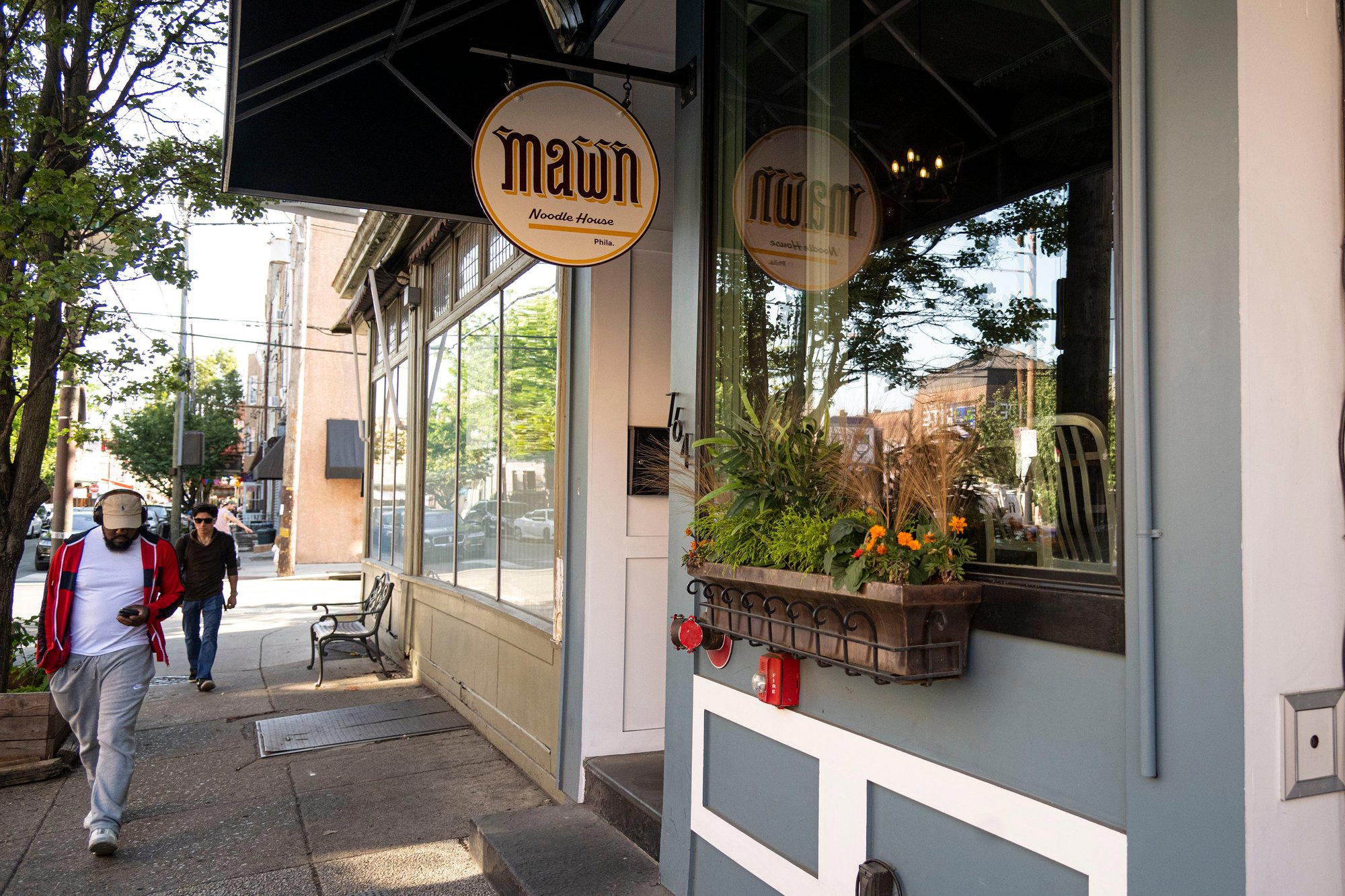
Bars in Philadelphia
Browse all →
At a Glance
- Cozy
- Warm
- Date Night
- Casual Hangout
- Standalone
- Byob
Current opening hours
- Monday
- 5–9 PM
- Tuesday
- 5–9 PM
- Wednesday
- 5–9 PM
- Thursday
- 5–9 PM
- Friday
- 5–9:30 PM
- Saturday
- 5–9 PM
- Sunday
- Closed
Hours can change for holidays and private events. Last verified .
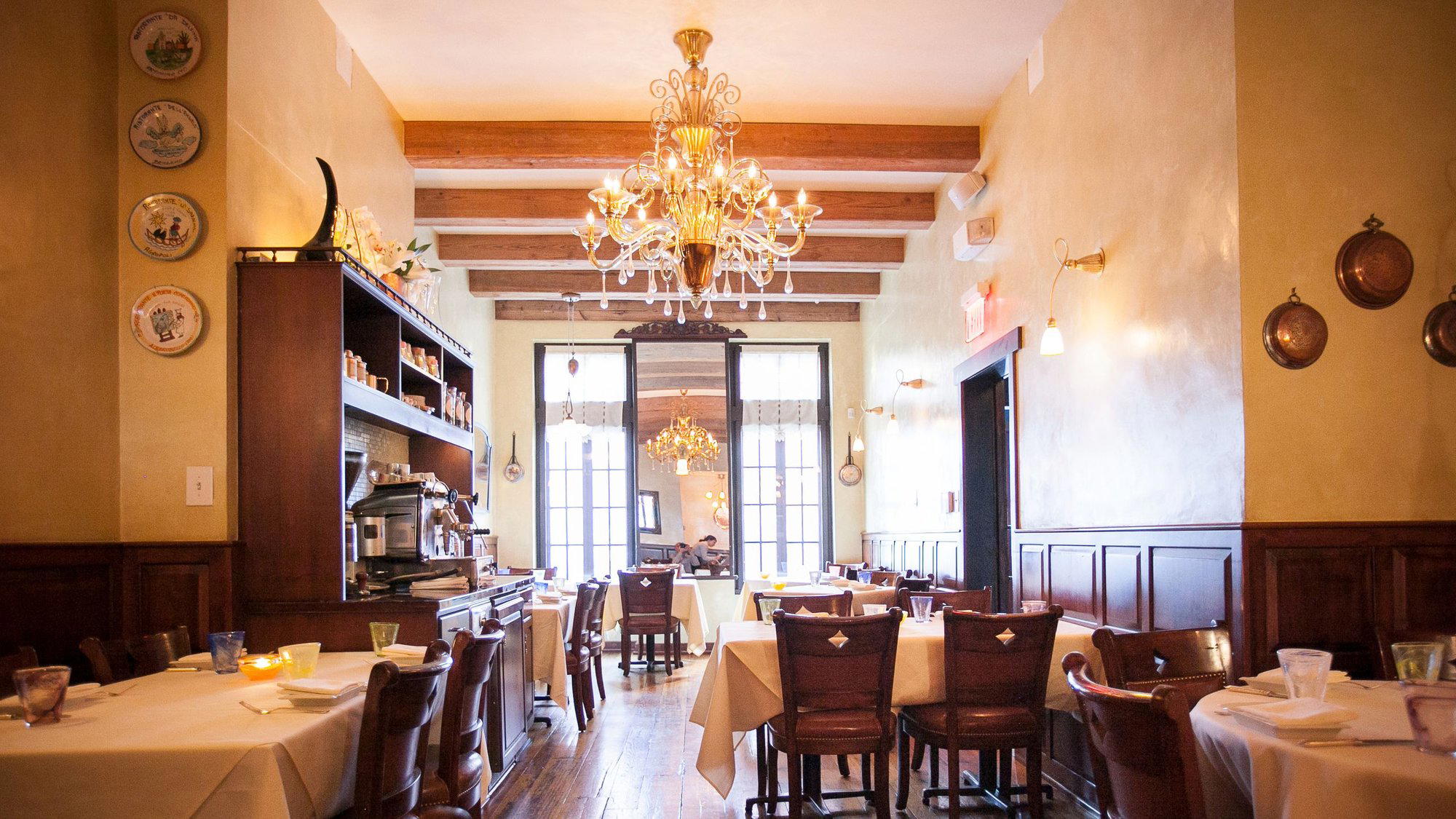
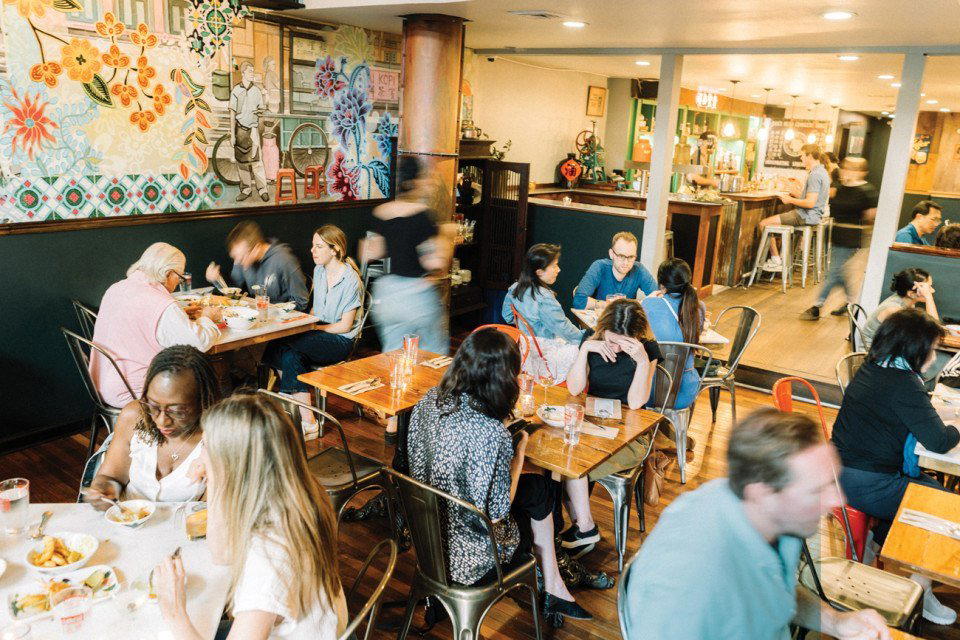
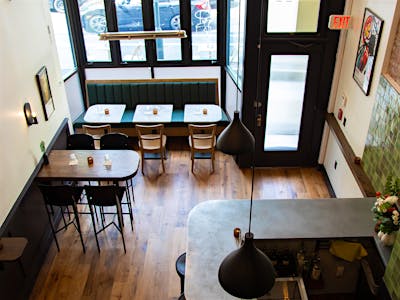
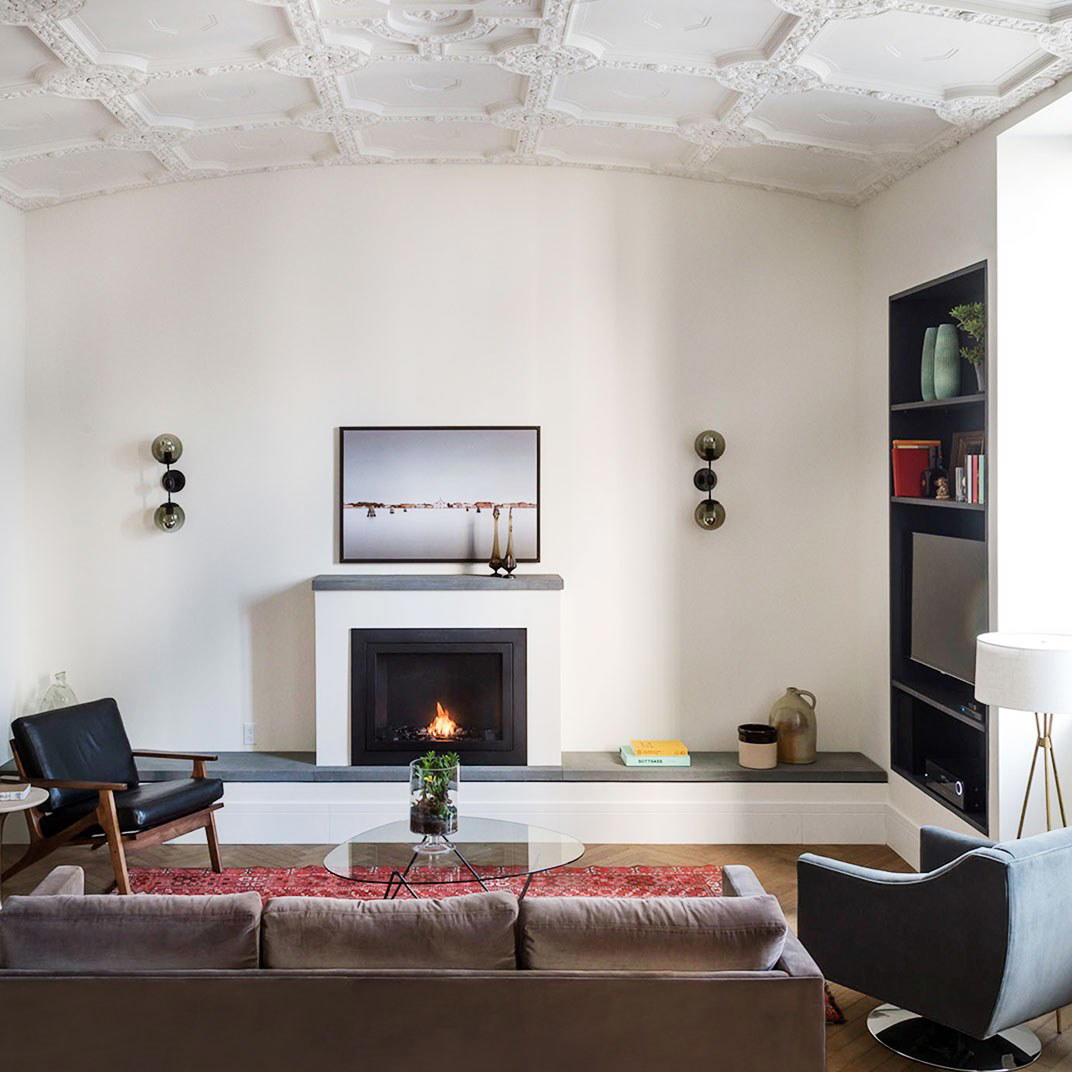
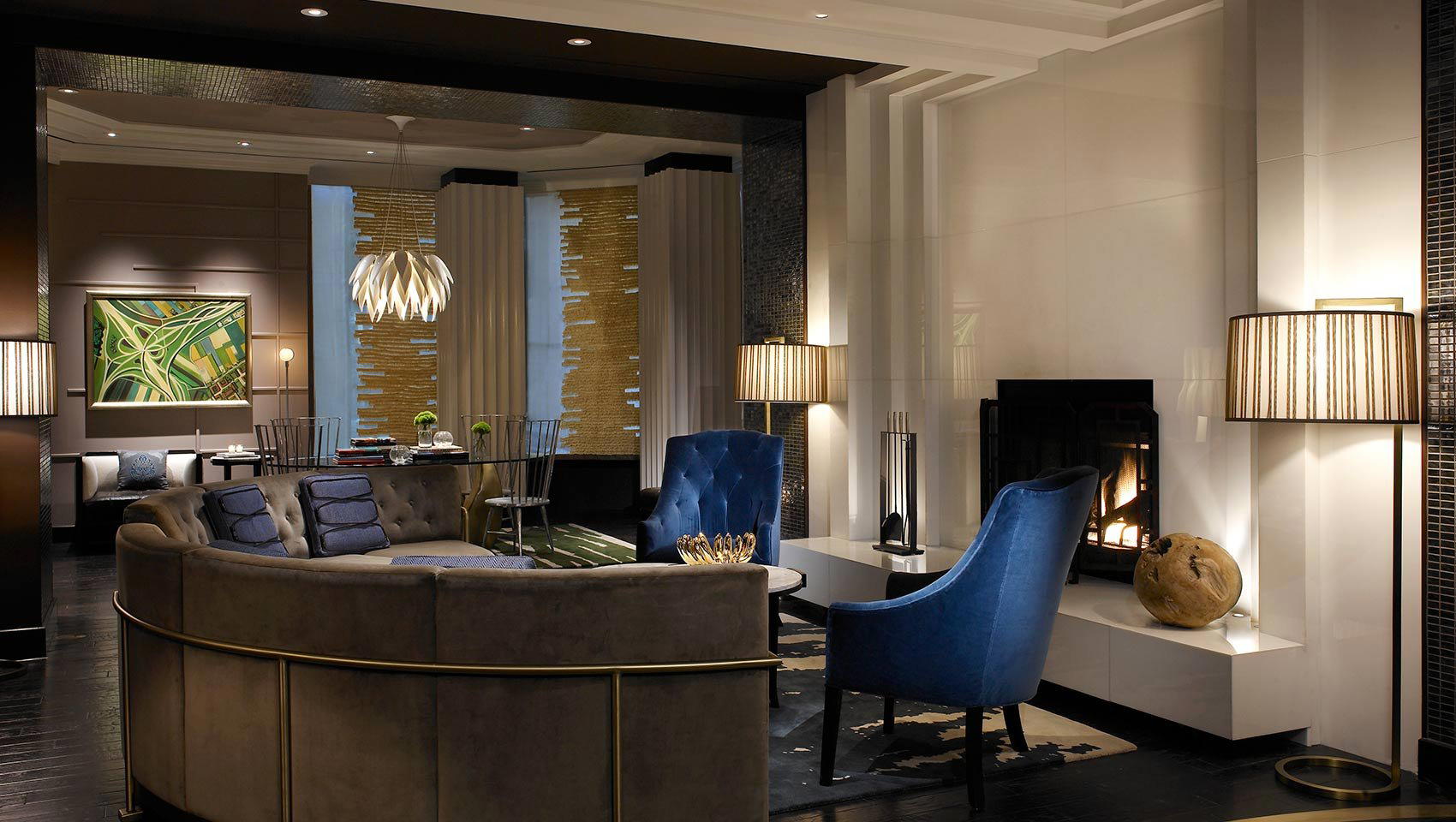
Warm and inviting atmosphere with relaxed, welcoming decor and cozy lighting.
Know Before You Go
- Getting there
- 1824 S 13th St, Philadelphia, PA 19148