Our verdict
Bruno Tinello operates out of Weiler in the Vorarlberg region of western Austria, a corner of the country where proximity to the Alps shapes what ends up on the plate. The address on Walgaustraße places it within the Walgau valley's network of producers and seasonal rhythms, positioning it alongside Austria's growing tier of regionally anchored restaurant cooking.

Pearl is the En Primeur Club membership app, where members save venues, book tables and use the concierge.
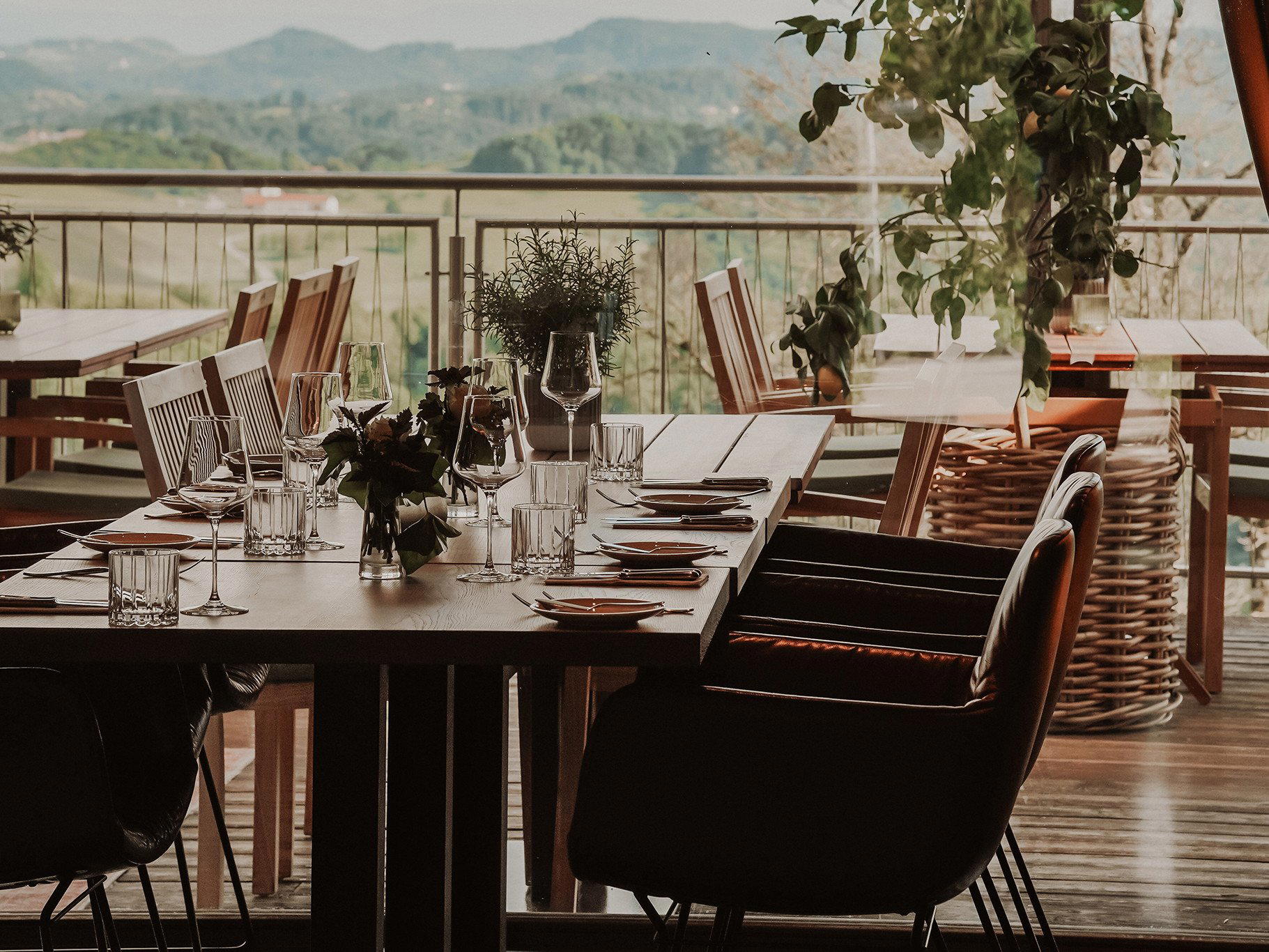
Where the Walgau Valley Meets the Plate
Western Austria's Vorarlberg region has spent the last decade producing a dining scene that operates on different terms from Vienna or Salzburg. The logic here is geographic before it is gastronomic: the Alps determine the growing seasons, the valley floors dictate what can be farmed, and the proximity to Switzerland and Liechtenstein means culinary influences arrive from multiple directions simultaneously. Bruno Tinello, on Walgaustraße in Weiler, sits inside this regional framework, a restaurant whose address in the Walgau valley immediately signals something about its relationship to local supply chains and seasonal produce. For context on how Weiler's dining options map against each other, our full Weiler restaurants guide covers the broader picture.
The Regional Sourcing Argument
Austria's most discussed restaurants have increasingly made ingredient provenance a structural feature of the menu rather than a marketing footnote. Döllerer in Golling an der Salzach built a reputation on what it calls Alpine cuisine, using high-altitude producers and valley-floor agriculture to anchor a contemporary tasting format. Landhaus Bacher in Mautern an der Donau has long run its kitchen on close producer relationships in the Wachau. The argument both venues make, implicitly and explicitly, is that where food comes from shapes what cooking can achieve, not simply as a philosophical position but as a practical one: seasonal constraints imposed by altitude and climate force a kind of editorial discipline on the kitchen that more temperate, supply-rich locations do not demand.
Vorarlberg restaurants operate in that same logic. The Walgau valley runs east to west between mountain ranges, catching weather patterns that create short growing windows for certain produce while extending others. A kitchen in Weiler that takes its sourcing seriously is working with a calendar shaped by snowfall dates and alpine meadow cycles rather than a wholesale distributor's year-round catalogue. This is a different kind of cooking discipline from what you find at Steirereck im Stadtpark in Vienna, which operates within reach of the Naschmarkt's permanent abundance, or Ikarus in Salzburg, which rotates guest chefs from across Europe through its kitchen. In Weiler, the regional sourcing argument is not a choice so much as a condition of geography.
The Atmosphere of a Smaller Austrian Town
Weiler is a small municipality in the Rhine valley flatlands of Vorarlberg, close enough to Feldkirch to benefit from the larger town's infrastructure while sitting at a remove from its traffic. Arriving on Walgaustraße, the physical environment carries the texture of functional rural Austria: farmhouses alongside newer builds, the Alps visible on clear days to the south and east, and the ambient quiet that characterises the area outside the ski season. Restaurants in settings like this tend to operate without the foot traffic that urban venues rely on, which means their clientele is by definition more deliberate, arriving with a reason rather than passing by.
This format of destination dining, practised well in places like Obauer in Werfen and Ois in Neufelden, puts different pressure on a kitchen than a city restaurant faces. Without walk-in trade, the transaction between kitchen and guest is more deliberate on both sides. The dining room at a place like this is rarely noisy in the way a Vienna brasserie is noisy; the register is lower, more considered, and the pacing of a meal tends to reflect that.
Austria's Western Dining Circuit
Vorarlberg has developed a cluster of serious restaurants that sit geographically apart from Austria's more internationally profiled dining belt. The Arlberg resorts have Gourmetrestaurant Tannenhof in Sankt Anton am Arlberg and Griggeler Stuba in Lech, both operating in a luxury ski-resort context where price points and seasonal calendars are partly set by the winter tourism economy. Ischgl runs Stüva on similar terms. Bruno Tinello in Weiler sits outside the resort circuit, in a valley-floor setting that does not fluctuate with ski lift openings and closings in the same way.
This distinction matters for how a restaurant sources and structures its menu. Resort-adjacent kitchens often work against the grain of local seasons because their peak demand arrives in winter, when alpine produce is at its most constrained. A restaurant in Weiler operates with a calendar that can follow the valley's actual agricultural rhythm more closely, opening possibilities that the resort format forecloses. Comparable approaches at different scales appear at Schwarzer Adler in Hall in Tirol and Restaurant 141 by Joachim Jaud in Mieming, both operating in western Austrian settings that sit outside the major resort corridors.
Placing Bruno Tinello in Wider Context
Austria's broader restaurant scene has fragmented into distinct tiers and regional identities over the past decade. Taubenkobel in Schützen am Gebirge in Burgenland, Kräuterreich by Vitus Winkler in Sankt Veit im Pongau, and Atelier Fischer in Sankt Gilgen each represent a different model of regionally grounded serious cooking, operating far from Vienna and each defined in part by its geographic constraints. Thaller - Gasthaus in Sankt Veit am Vogau holds a comparable position in the Styrian south. Bruno Tinello joins this tier of Austrian restaurants whose identity is formed by where they are as much as by what they cook.
For international comparison, the model has precedent: Lazy Bear in San Francisco built a format around deliberate, destination-oriented dining with strong sourcing commitments, and Le Bernardin in New York City demonstrates how a kitchen's relationship to a specific category of ingredient can become the foundational premise of an entire dining identity. The principle that ingredient origin shapes culinary character crosses geographic contexts; what varies is how local geography and supply networks define what that origin looks like in practice.
Planning Your Visit
Bruno Tinello is located at Walgaustraße 33, 6837 Weiler, Austria, reachable via Feldkirch, which sits approximately ten kilometres to the south and connects to the A14 motorway running through the Rhine valley. Given the limited available data on booking methods, hours, and price range, contacting the restaurant directly or checking current listings before planning is the sensible approach, particularly for weekend evenings when destination restaurants in smaller Austrian municipalities tend to fill from a catchment area well beyond the immediate village.
Frequently asked questions
What's the vibe at Bruno Tinello?
The address on Walgaustraße 33 in Weiler places the restaurant well outside the resort corridors of the Arlberg and away from Vorarlberg's larger urban centres like Bregenz or Dornbirn. That geography shapes the tone: this is a local, valley-floor setting rather than a destination-hotel dining room. Expect a grounded atmosphere that reflects the small-municipality character of the surrounding Walgau area.
Is Bruno Tinello part of Vorarlberg's broader regional dining scene, and how does it fit geographically?
Bruno Tinello's location at Walgaustraße 33 in Weiler places it in the Rhine valley flatlands of Vorarlberg, approximately ten kilometres north of Feldkirch, which is the region's main southern hub. Vorarlberg has developed a cluster of serious restaurants operating at a distance from Austria's internationally profiled dining belt in Vienna and Salzburg, with the western alpine region building its own identity around local sourcing and cross-border alpine traditions. Weiler sits within that circuit, making it a practical stop when combining dining with travel through the Walgau valley.
Where is Bruno Tinello located?
Bruno Tinello is located at Walgaustraße 33, 6837 Weiler, Austria, Weiler.
How far ahead should I plan for Bruno Tinello?
A few days to a week ahead is typically sufficient for mid-week visits to restaurants of this scale and setting; weekends in the Walgau region can see heavier local demand, so booking earlier is sensible.
In Context: Similar Options
| Venue | Cuisine | Price | Awards | Notes |
|---|---|---|---|---|
| Bruno TinelloThis venue (the venue you are viewing) | Italian Pizzeria | Not listed | Not listed | Not listed |
| Steirereck im Stadtpark | Modern Austrian Fine Dining | $200–300 | 3 Michelin Stars · World's 50 Best #30 | Creative |
| Döllerer | Modern Alpine Cuisine | $100–150 | 2 Michelin Stars · La Liste Top Restaurants | Contemporary Austrian, Innovative |
| Landhaus Bacher | Classic Austrian Fine Dining | $100–150 | 2 Michelin Stars · La Liste Top Restaurants | Austrian, Classic Cuisine |
| Obauer | Modern Austrian Fine Dining | $50–100 | 2 Michelin Stars · La Liste Top Restaurants | Classic Cuisine |
| Taubenkobel | Regional Austrian Fine Dining | Not listed | 2 Michelin Stars · La Liste Top Restaurants | Modern Austrian, French Contemporary |
Continue exploring
More in Weiler
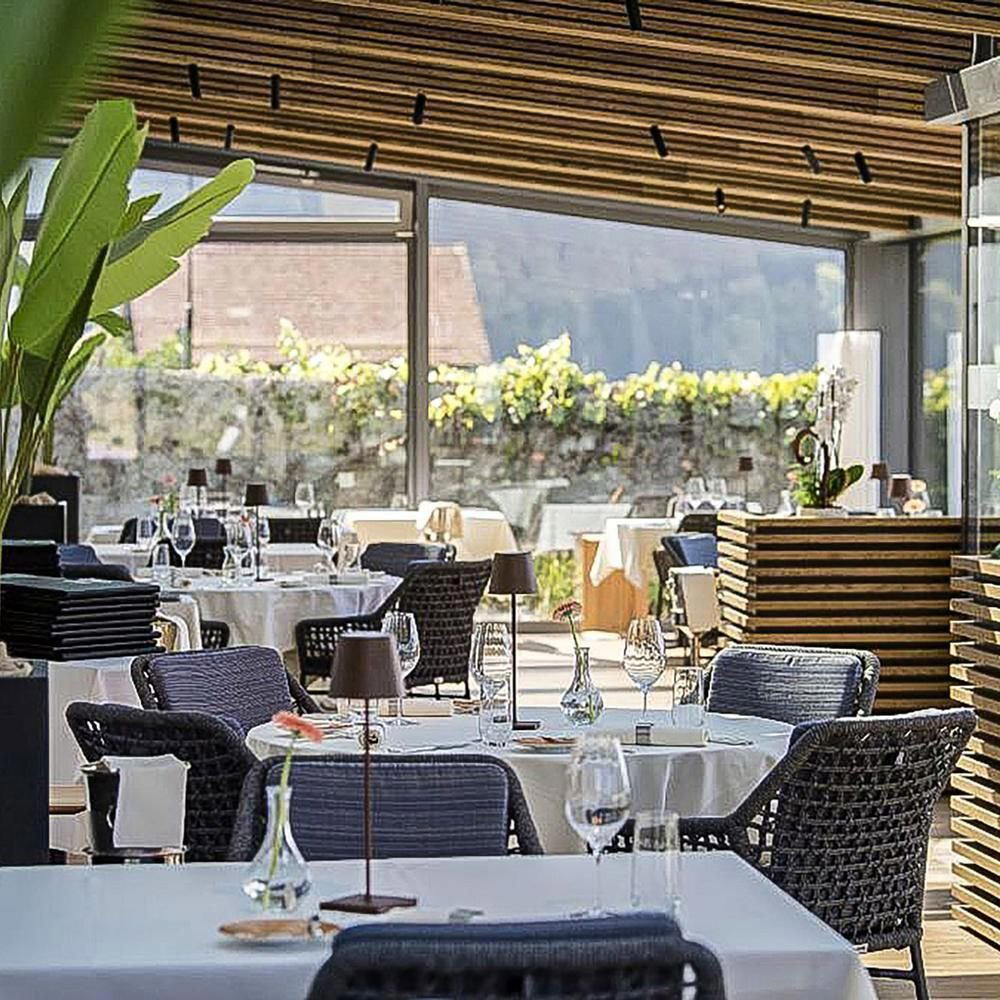
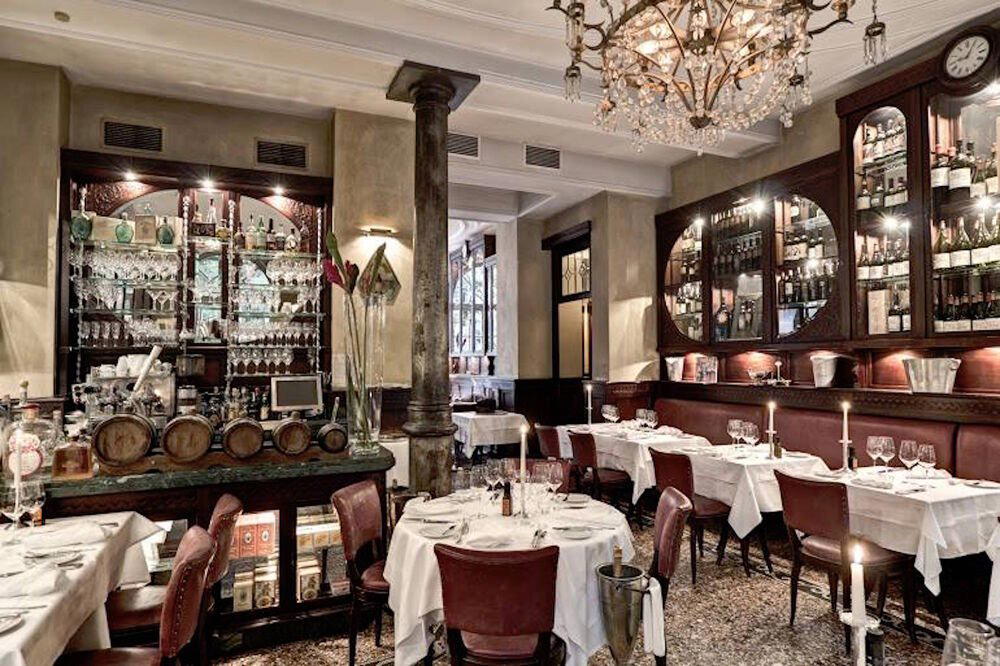
Restaurants in Weiler
All restaurants in Weiler →
Bars in Weiler
Browse all →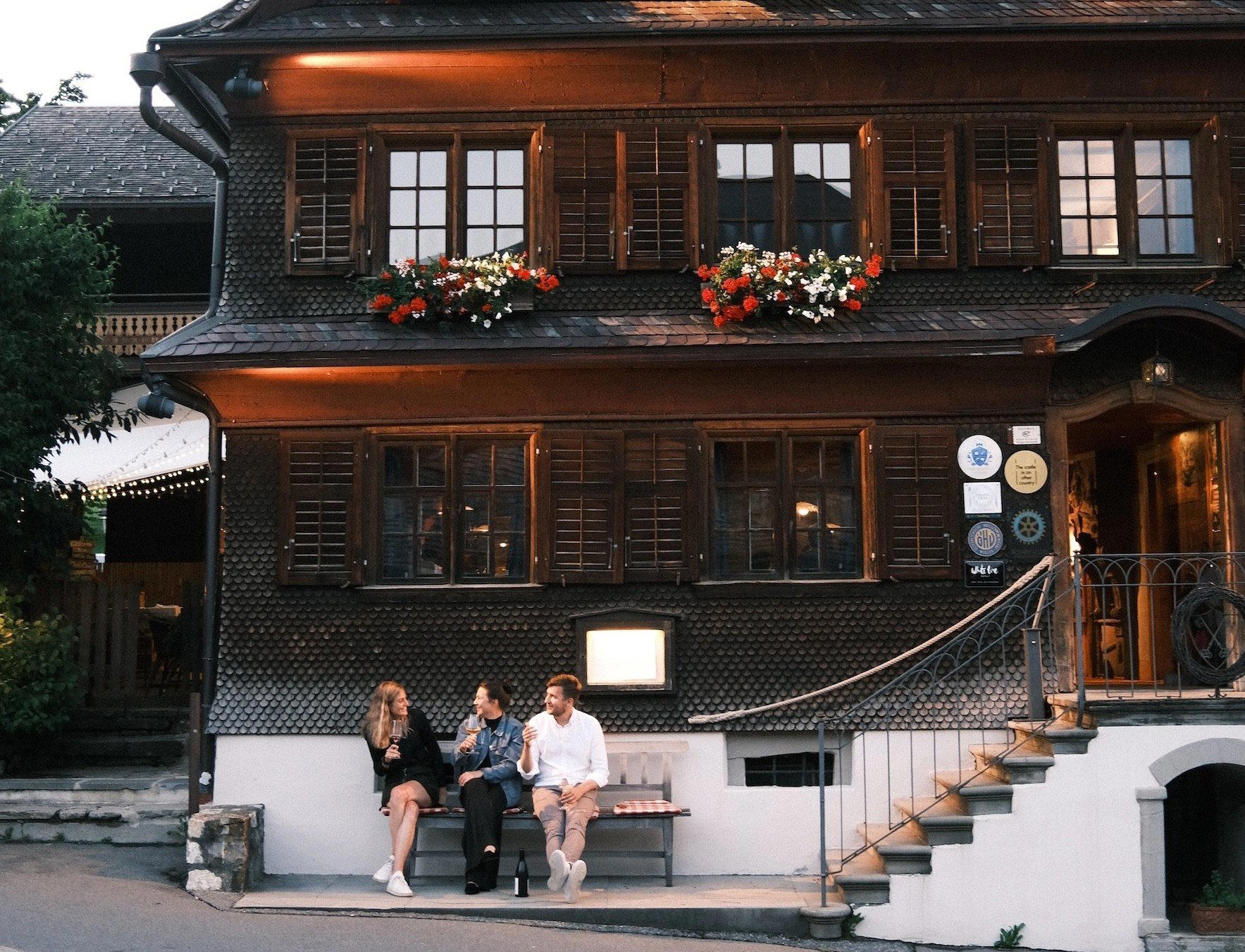

Details
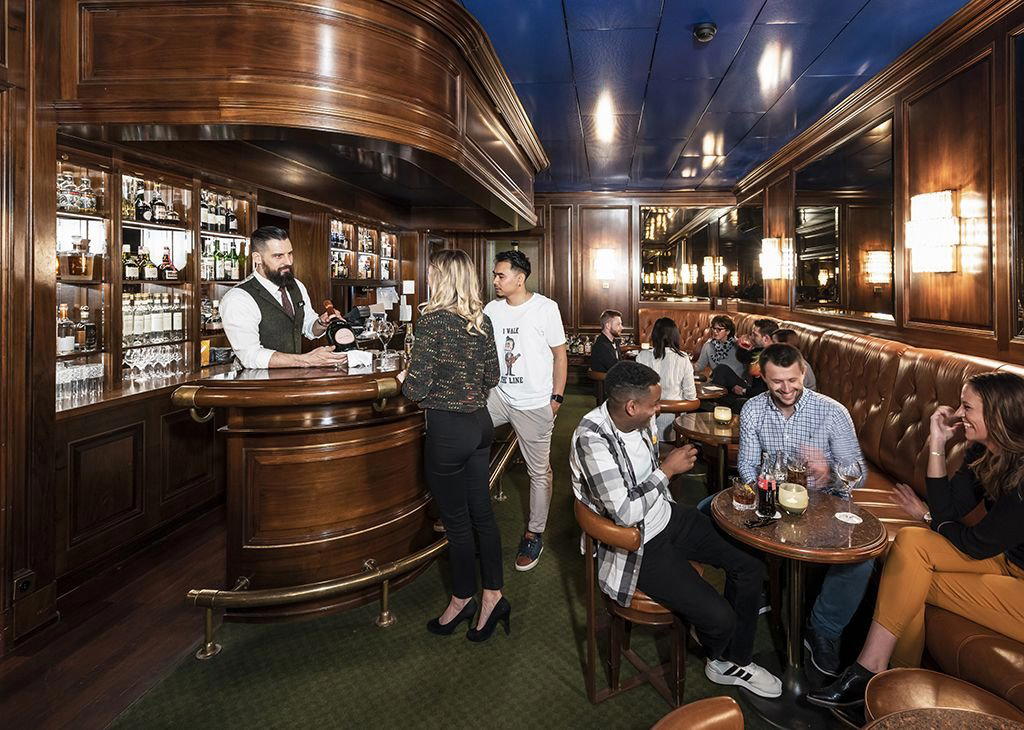
- Cozy
- Rustic
- Casual Hangout
- Family
- A La Carte
Current opening hours
- Monday
- Closed
- Tuesday
- Closed
- Wednesday
- 11:30 AM–2 PM, 5–10:30 PM
- Thursday
- 11:30 AM–2 PM, 5–10:30 PM
- Friday
- 11:30 AM–2 PM, 5–10:30 PM
- Saturday
- 11:30 AM–2 PM, 5–10:30 PM
- Sunday
- 11:30 AM–2 PM, 5–10 PM
Hours can change for holidays and private events. Hours as of .
Charming and cozy atmosphere with friendly staff.