
In the Flemish Brabant village of Mazenzele, Brun takes a sharing-format approach in which locally grown and organic vegetables hold equal footing with meat and fish. Chef Stefan De Bruyne builds the menu around seasonal produce sourced close to the restaurant, a model that has drawn recognition from sustainability-focused food critics. For travellers willing to leave Brussels behind, Brun offers a quieter, produce-driven alternative to the region's more formal dining rooms.
Pearl is the En Primeur Club membership app — saves, bookings, and concierge access live there. Same editors, same standards.
- Address
- Steenweg 21A, 1745 Opwijk, Belgium
- Phone
- +32 478 19 91 91
- Website
- brun.be
- Directions
- Get directions
 Saves & bookings on Pearl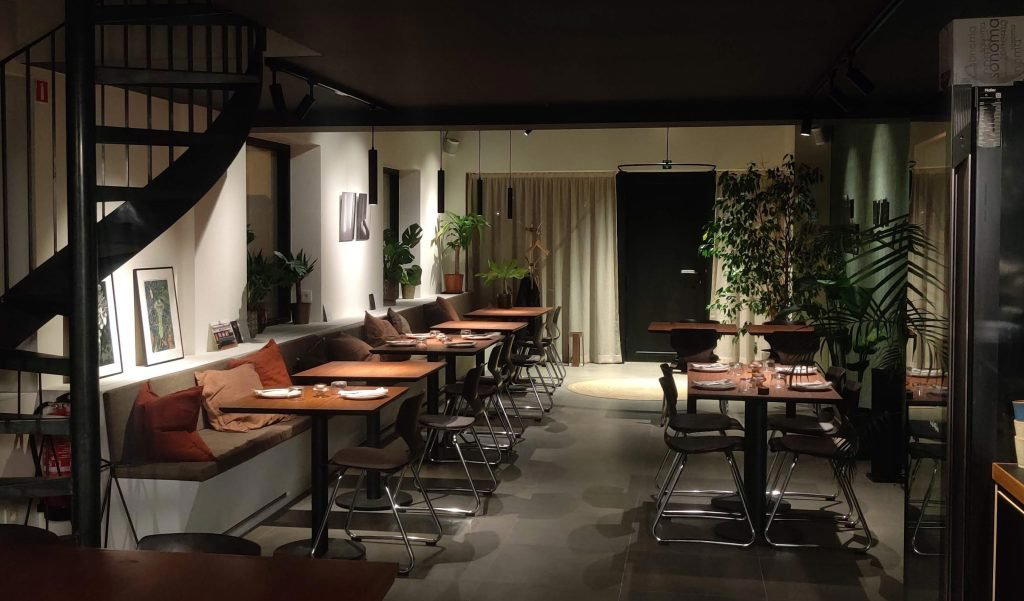
Countryside Flemish Brabant and the Case for Vegetable-Forward Sharing
Brun is a vegetable-centric Belgian restaurant in Opwijk, Belgium. The drive out of Brussels through Flemish Brabant is one of gradual decompression. The ring road gives way to provincial highways, then to village streets lined with flat-fronted brick houses and agricultural land. By the time you reach Mazenzele, a hamlet within the municipality of Opwijk, the city feels genuinely remote. It is in this context that Brun occupies a specific and deliberate position: a restaurant where the format, the sourcing, and the pace all reflect where it is rather than aspiring to replicate what is happening forty kilometres away in the capital.
Across Belgium, a generation of chefs at the €€€€ tier, from Boury in Roeselare to De Jonkman in Sint-Kruis and Castor in Beveren, operates within a modern Flemish creative tradition that prizes technique, local terroir, and tasting-menu discipline. Brun sits in a different register. That positioning is a considered choice, not a compromise.
Where the Produce Comes From
The ingredient sourcing argument at Brun starts with geography. Flemish Brabant is agricultural heartland: market gardens, smallholdings, and organic farms operate within a short radius of Opwijk, supplying produce that reaches a kitchen counter with a fraction of the transit time typical of urban restaurant supply chains. The menu is built around locally grown and certified organic vegetables as the structural core of what guests order rather than treating them as garnish or side.
The distinction matters in the wider Belgian context. In many Flemish restaurants, even those that signal commitment to local sourcing, vegetables function as supporting architecture for protein. At Brun, the sharing format inverts that hierarchy: guests select from a range of vegetable dishes alongside meat and fish options, which means a table can eat a meal in which vegetables account for the majority of what arrives. Brun has received recognition for its vegetable cooking and sourcing credentials, placing it within a small cohort of Belgian kitchens where this approach has been formally acknowledged rather than simply marketed.
We're Smart functions as a credible external signal in this category. Across Europe, the organisation assesses restaurants against measurable criteria related to vegetable content, sourcing provenance, and preparation skill. A positive We're Smart citation indicates that the vegetable focus at Brun is substantive enough to satisfy specialist scrutiny, not merely a menu label. For the growing number of diners who prioritise produce sourcing as a primary criterion, that citation carries weight analogous to what a Michelin Bib Gourmand signals about value-to-quality ratio. See our broader Opwijk (Mazenzele) restaurants guide for further context on the local dining scene.
The Sharing Format and What It Changes
Sharing menus in Belgian fine dining are not unusual, but their execution varies considerably. At the higher end, sharing can mean a succession of identical small plates arriving in a fixed sequence, which is structurally a tasting menu with looser plating conventions. At Brun, the format appears oriented toward genuine table-level choice, with guests assembling a meal from available dishes rather than following a predetermined arc. That distinction shapes the atmosphere: meals become more conversational, more contingent on the composition of your group, and more forgiving for guests with specific dietary preferences.
The simplicity and taste emphasis noted in the restaurant's positioning is not a reductive claim. In the Belgian tradition, simplicity in cooking often means rigour about ingredients and restraint about intervention, letting provenance do the argumentative work that technique might do elsewhere. Kitchens operating at the opposite end of that spectrum, such as Cuchara in Lommel or Zilte in Antwerp, demonstrate what technically complex Belgian cuisine looks like at its most ambitious. Brun makes a different argument: that a carrot grown organically ten kilometres away, prepared with care and served at a table among neighbours, is a sufficient proposition without architectural plating or multi-step technique.
Brun in the Belgian Vegetable-Forward Moment
Belgium's broader restaurant culture has been moving toward vegetable-centred cooking over the past decade, but the change has been uneven. Urban restaurants in Brussels and Ghent have led the shift, often under commercial and critical pressure to respond to dietary diversity and sustainability concerns. Rural restaurants have been slower to follow, partly because the economic model of a destination fine-dining room in the countryside has traditionally depended on protein-heavy classical menus to justify the drive. Brun's position as a neighbourhood restaurant in a small Flemish village that nonetheless commits to organic vegetable sourcing represents a more genuinely embedded version of that shift. It is not performing sustainability for an urban audience; it is sourcing from the land immediately around it and feeding the people who live nearby.
Chefs in Belgium and across northern Europe are increasingly structuring menus around what We're Smart and similar organisations have called a vegetable-first philosophy, and institutions from Bozar Restaurant in Brussels to Hof van Cleve in Kruishoutem have engaged with that conversation in different ways. Brun's contribution is to show what that philosophy looks like at the neighbourhood scale, outside the prestige circuit, where the sourcing relationships are direct and the audience is local.
Planning a Visit
Brun is located at Steenweg 21A in Opwijk (Mazenzele), approximately thirty kilometres northwest of Brussels, making it a realistic lunch or dinner destination for travellers based in the capital. The address sits in the Mazenzele part of the municipality, which is rural in character and requires a car or pre-arranged transport; public connections to this area are limited. Given the neighbourhood-restaurant positioning and sharing format, the experience is well-suited to groups of two to four who want a relaxed pace rather than a structured tasting progression. Reservations are recommended. For those planning a wider visit to the area, local guides cover the broader Flemish Brabant context.
For readers building a longer Belgian itinerary, restaurants such as Willem Hiele in Oudenburg, Bartholomeus in Heist, d'Eugénie à Emilie in Baudour, and L'Eau Vive in Arbre each operate outside the major cities with comparable commitments to regional sourcing, offering useful reference points for understanding how Belgian fine and semi-fine dining performs across the country's varied rural geographies. Further afield, Brun's approach to produce sourcing has international parallels at places like Le Bernardin in New York City and Emeril's in New Orleans, where ingredient provenance has long been treated as the primary editorial argument of the kitchen.
Comparable Spots, Quickly
Comparable venues nearby, for context on price, style, and recognition.
| Venue | Cuisine | Price | Notes |
|---|---|---|---|
| BrunThis venue — the venue you are viewing | Vegetable-Centric Belgian | $$ | Not listed |
| De Compagnie | Belgian Beer Cuisine | $$ | Antwerpen |
| Canapé | Modern Belgian Small Plates | $$ | Tervuren |
| Bachtecafe | Belgian Brasserie | $$ | Bachte-Maria-Leerne |
| Bella Via | Belgian Seafood | $$ | Neerpelt |
| De Veehoeve | Belgian-French Meat Restaurant | $$ | Kapellen |
Recognition history
Dated appearances from independent guides and award organizations, with the underlying list record or original source where available.
We're Smart World 2 Radishes
We're Smart World
Continue exploring
More in Opwijk (Mazenzele)
Restaurants in Opwijk (Mazenzele)
Browse all →
Bars in Opwijk (Mazenzele)
Browse all →
At a Glance
- Cozy
- Intimate
- Modern
- Date Night
- Special Occasion
- Open Kitchen
- Local Sourcing
Current opening hours
- Monday
- Closed
- Tuesday
- Closed
- Wednesday
- Closed
- Thursday
- Closed
- Friday
- 12–2 PM, 6:30–10 PM
- Saturday
- 6:30–10 PM
- Sunday
- Closed
Hours can change for holidays and private events. Last verified .
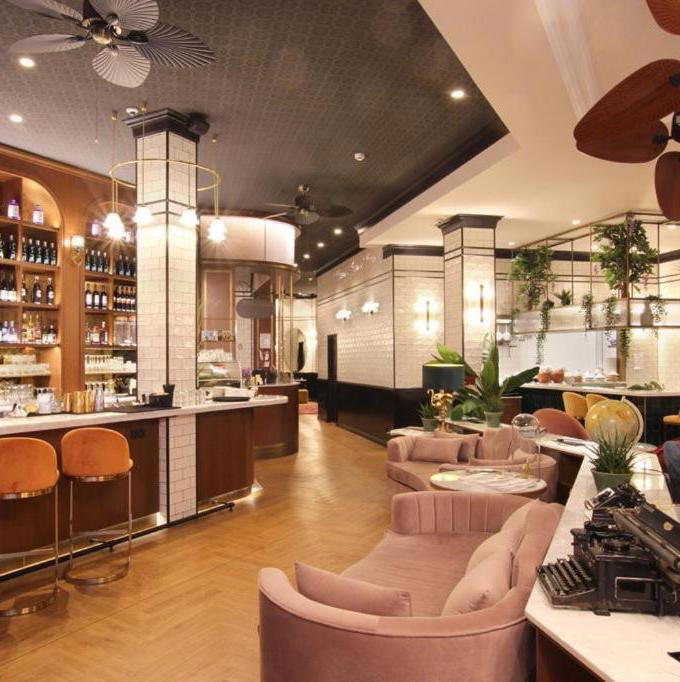
Warm, cozy, and contemporary interior with a relaxed, unpretentious atmosphere.