Bread Street brings Classic European cooking into Bangkok’s dining mix, a city better known internationally for Thai regional depth, Japanese counters, and hotel-led tasting rooms. The useful way to read it is not as a novelty, but as part of Bangkok’s appetite for imported formats that succeed when they adapt to local dining rhythms without turning into theme-park Europe.

Pearl is the En Primeur Club membership app — saves, bookings, and concierge access live there. Same editors, same standards.
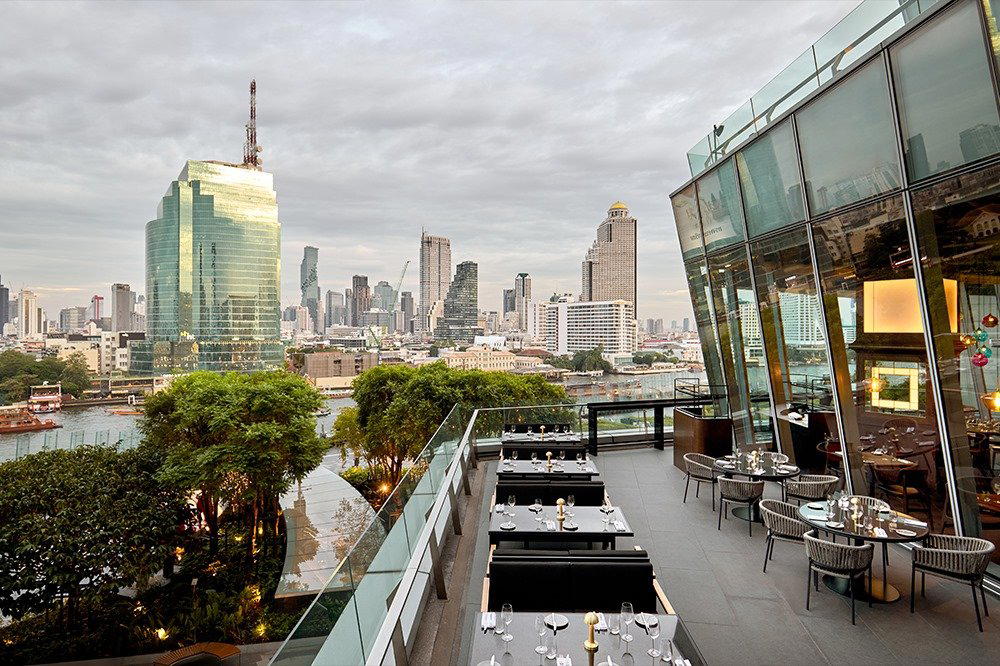
Bangkok’s restaurant rooms rarely sit still. Street-level grills, shopping-mall dessert queues, hotel dining rooms, shophouse tasting menus, and late-night cocktail bars all compete for the same evening appetite. Into that city steps Bread Street, a Classic European address whose interest lies less in imported nostalgia than in how European dining reads in a capital already fluent in heat, sourness, smoke, rice, noodles, and speed.
Classic European cooking in Bangkok has to answer a sharper question than it does in many Western cities: why choose butter, bread, roasts, sauces, and familiar Continental grammar when Thai regional food is everywhere and often more culturally immediate? The answer, when the format works, is pacing. European dining gives Bangkok a different tempo: slower sequencing, more emphasis on the table as a shared evening, and a menu structure that can feel deliberately legible in a city where choice often arrives at high volume.
Classic European cooking in a city built on sharper rhythms
Bangkok’s international dining culture has matured beyond the old hotel-versus-street-food binary. The city now absorbs outside cuisines through a local lens: Italian seafood rooms, Japanese counters, French-leaning tasting menus, steakhouse formats, bakeries, wine bars, and cocktail-led restaurants all sit beside Thai specialists rather than replacing them. Bread Street belongs to that imported-format category, with Classic European as the stated cuisine marker.
That label matters. “Classic European” implies a broad canon rather than a single national cuisine: the comfort of bread and pastry, the structure of starters and mains, the appeal of familiar sauces, and the expectation that the room supports conversation rather than spectacle. In Bangkok, where high-end dining can skew toward either elaborate tasting menus or casual intensity, this category can function as a middle register: polished enough for a planned meal, familiar enough not to require a dissertation before ordering.
The cultural tension is the point. Bangkok diners are not short on confident food traditions. Isan cooking, central Thai curries, Chinese-Thai noodles, seafood, and dessert cafés create a city where flavor memory is unusually strong. A European restaurant has to provide contrast, not superiority. For readers mapping that wider range, 100 Mahaseth (Thai, Isan) and 80/20 (Thai contemporary) show two different ways Thai cooking carries regional identity and modern technique, while Bread Street sits on the other side of the conversation: European familiarity as an evening format.
Bangkok's imported dining formats work when they respect the city
The stronger international restaurants in Bangkok tend not to behave as sealed cultural replicas. They adapt to local habits: group dining, mixed-generation tables, mall and hotel traffic, unpredictable rain, and the city’s tendency to fold dinner into a longer night out. Bread Street should be read through that lens. Its Classic European identity gives it a recognizable frame, but the Bangkok setting changes the stakes. The room is competing with Thai food that can be casual, rigorous, regional, and deeply specific within a few blocks.
That is why the useful reader decision is not “European or Thai?” but “what kind of night is this?” Thai specialists often deliver immediacy and regional detail; European rooms offer breadth, familiarity, and a table rhythm built around courses. A Bangkok itinerary can hold both. For a broader dining map, Our full Bangkok restaurants guide gives the city context, while drinks-led planning belongs in Our full Bangkok bars guide. If the evening extends beyond dinner, Our full Bangkok experiences guide and Our full Bangkok hotels guide help place the meal inside a larger stay.
The absence of public award positioning also shapes expectations. This is not a page to read as a trophy-room entry. Its relevance is categorical: Classic European cooking in Bangkok, where imported restaurant formats succeed by offering clarity, pacing, and a different register from the city’s more spice-driven tables. That can be useful for families, business meals, and travellers who want one dinner that does not require everyone at the table to commit to the same level of culinary risk.
How to place it within a Bangkok eating itinerary
The restaurant makes most sense as a counterweight in a schedule otherwise built around Thai regional food, dessert stops, and bars. Bangkok rewards contrast: one night can lean local and fiery, another can move toward European structure, another can be built around cocktails. #FindTheLockerRoom points to the city’s bar culture, while After You Dessert Cafe captures a different Bangkok habit entirely: the serious social life of sweets.
Travellers who want to understand Thailand beyond the capital should also look at how regional eating changes outside Bangkok. The national map runs from Phuket sweets at A Pong Mae Sunee in Phuket to local-format addresses such as รà¹à¸²à¸à¸à¸±à¸¡ à¸à¸²à¸à¸¹ à¸à¸´à¹à¸à¸¢à¹à¸²à¸ à¹à¸à¸à¸¸à¸à¹à¸à¸à¸¢à¸²à¸à¸à¸³ in Mueang Khon Kaen, à¸à¹à¸§à¸¢à¹à¸à¸µà¹à¸¢à¸§à¸«à¸¡à¸µà¹à¸à¸´à¸ สาà¸à¸² à¸à¸à¸à¸¡à¸´à¸à¸£à¸ าภà¸à¸¸à¸à¸£-หà¸à¸à¸à¸à¸²à¸¢ in Mueang Udon Thani, à¸à¹à¸§à¸¢à¹à¸à¸µà¹à¸¢à¸§à¹à¸à¹à¸¡à¸°à¸£à¸°à¸à¹à¸²à¸à¸à¸±à¸ in Mueang Nakhon Pathom, and สุà¸à¹à¸à¹à¸¥à¸à¸à¹ in Ban Fang. Those links matter because they show the scale of Thailand’s everyday dining culture, against which any European restaurant in Bangkok is inevitably measured.
International context can sharpen the reading too. Acqua Restaurant Bangkok reflects Bangkok’s appetite for European-rooted cooking, while overseas Japanese-leaning addresses such as Jōdo Saké Bar in Los Angeles and Onigiri Time in Pasadena show the same global pattern from the opposite direction: cuisines travel, but the host city decides how they are used.
The practical editorial verdict is simple: treat the restaurant as a Classic European option within Bangkok’s broader dining range, not as a substitute for eating locally. It is most useful when the itinerary needs a familiar European register between Thai regional meals, cocktail stops, and hotel-led evenings. For neighbourhood-level browsing, 266/1 Siam Square Soi 3 in Pathum Wan is another marker on the city map, and Our full Bangkok wineries guide rounds out the wider drinks-and-dining planning frame.
- Beef Wellington for 2
- Fish and Chips
- Sticky Toffee Pudding
- Spicy Tuna Tartare
- Seared Scallops
- Cod with Lemon
Reputation & Price
Comparable venues nearby, for context on price, style, and recognition.
| Venue | Cuisine | Price | Notes |
|---|---|---|---|
| Bread StreetThis venue — the venue you are viewing | Not listed | $$$ | Not listed |
| Artur | Makkasan, Classic French Steakhouse | $$$ | Not listed |
| Biscotti | Not listed | $$$ | Siam Square, Authentic Italian Fine Dining |
| Tsu Japanese Restaurant | Not listed | $$$ | Sukhumwit, Authentic Nagasaki Japanese Cuisine |
| Teens of Thailand | Talat Noi, Gin Bar | $$$ | Not listed |
| Pen Restaurant | Chong Nonsi, Thai Seafood | $$$ | Not listed |
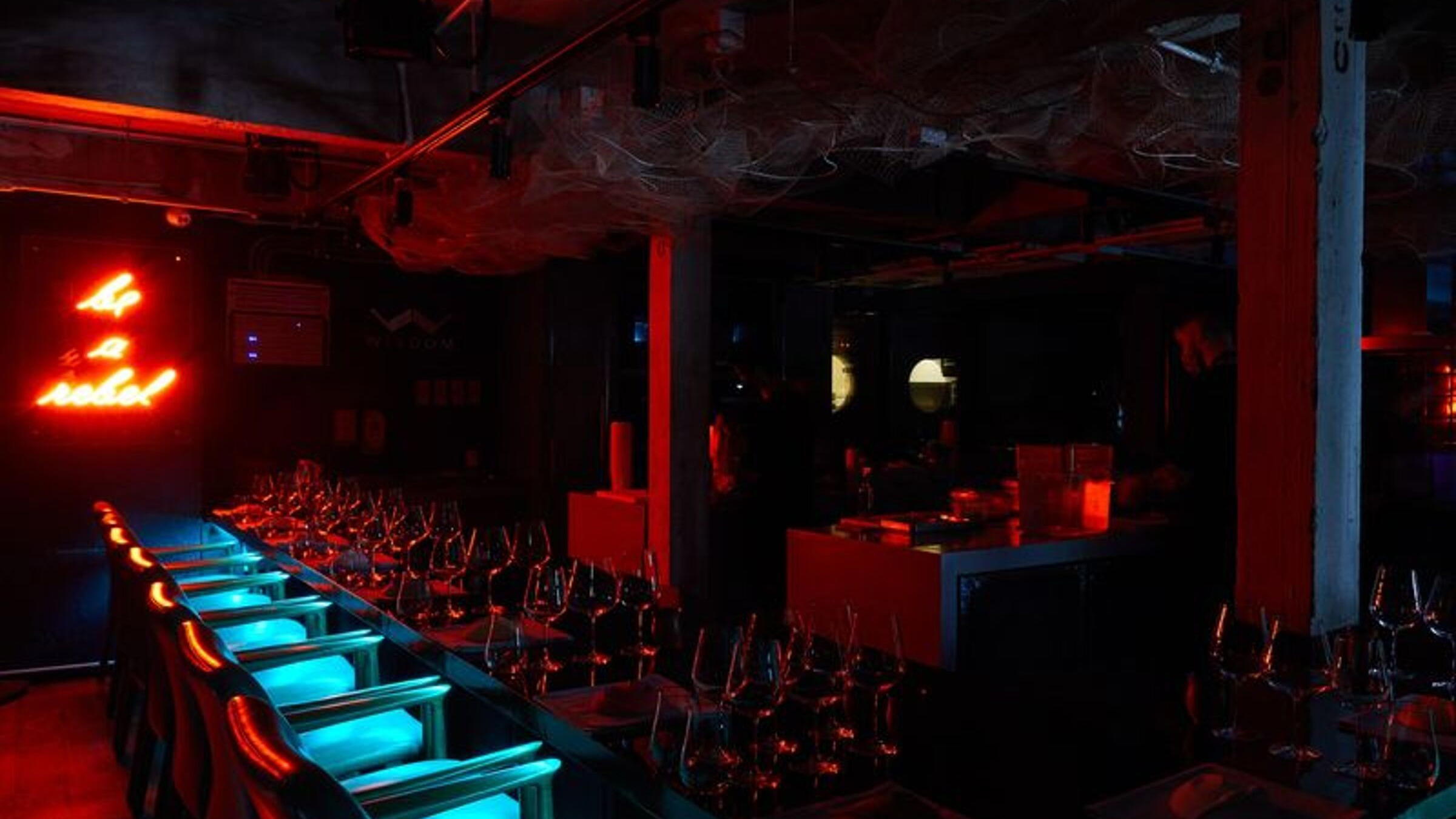
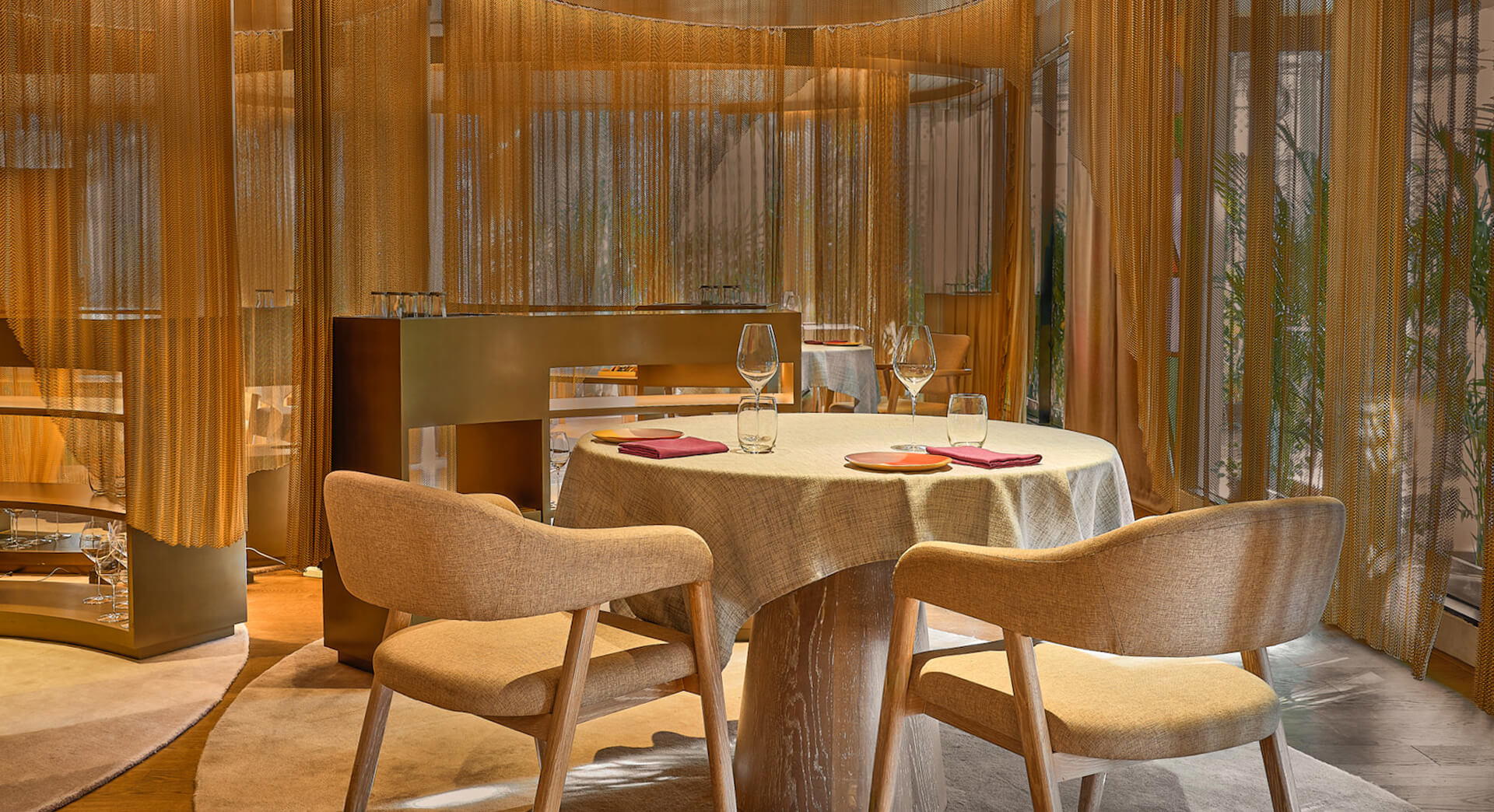
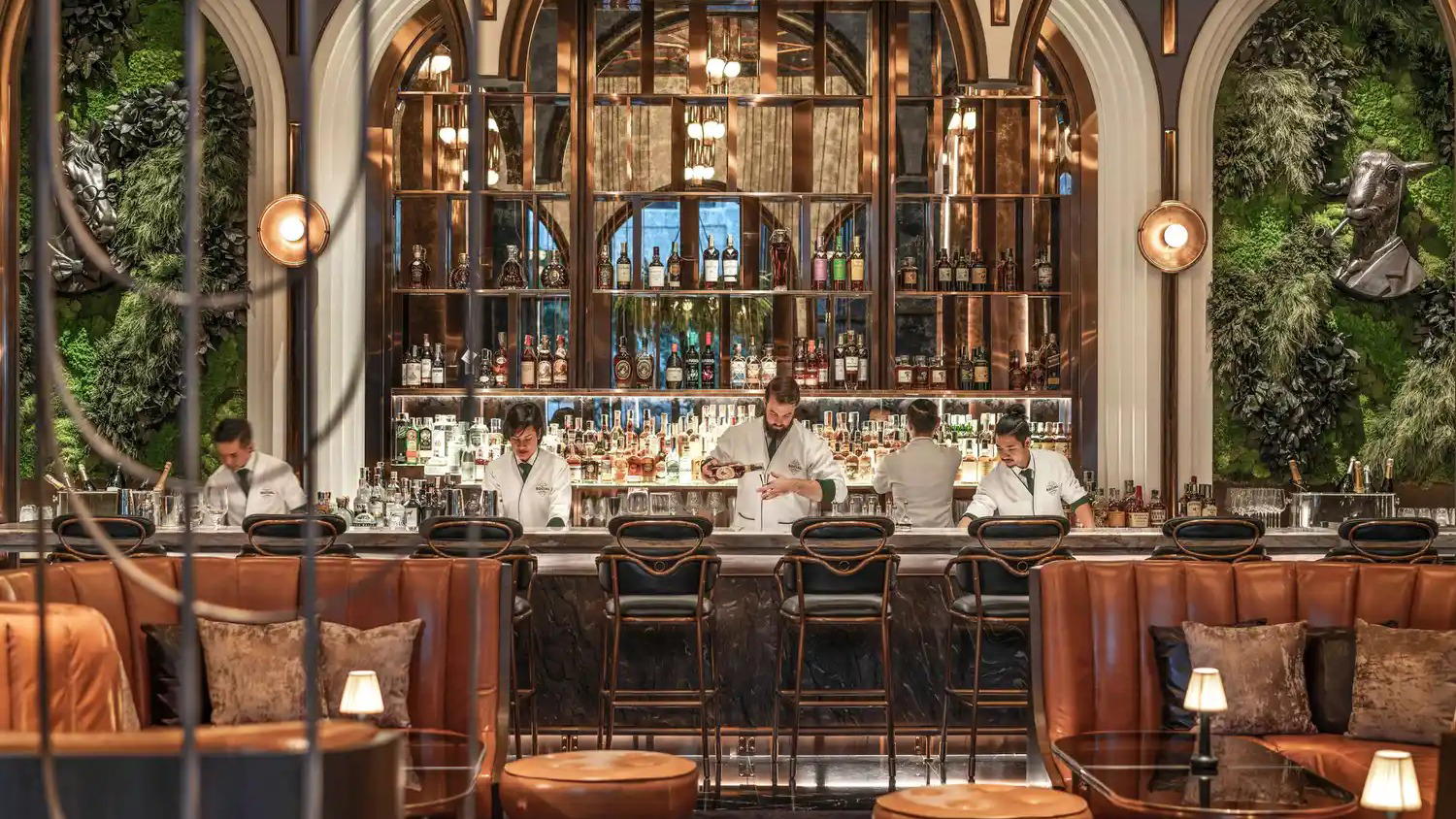
At a Glance
- Trendy
- Cozy
- Sophisticated
- Modern
- Energetic
- Celebration
- Group Dining
- Family
- Solo
- Date Night
- Open Kitchen
- Standalone
- Design Destination
- Craft Cocktails
- Extensive Wine List
- Beer Program
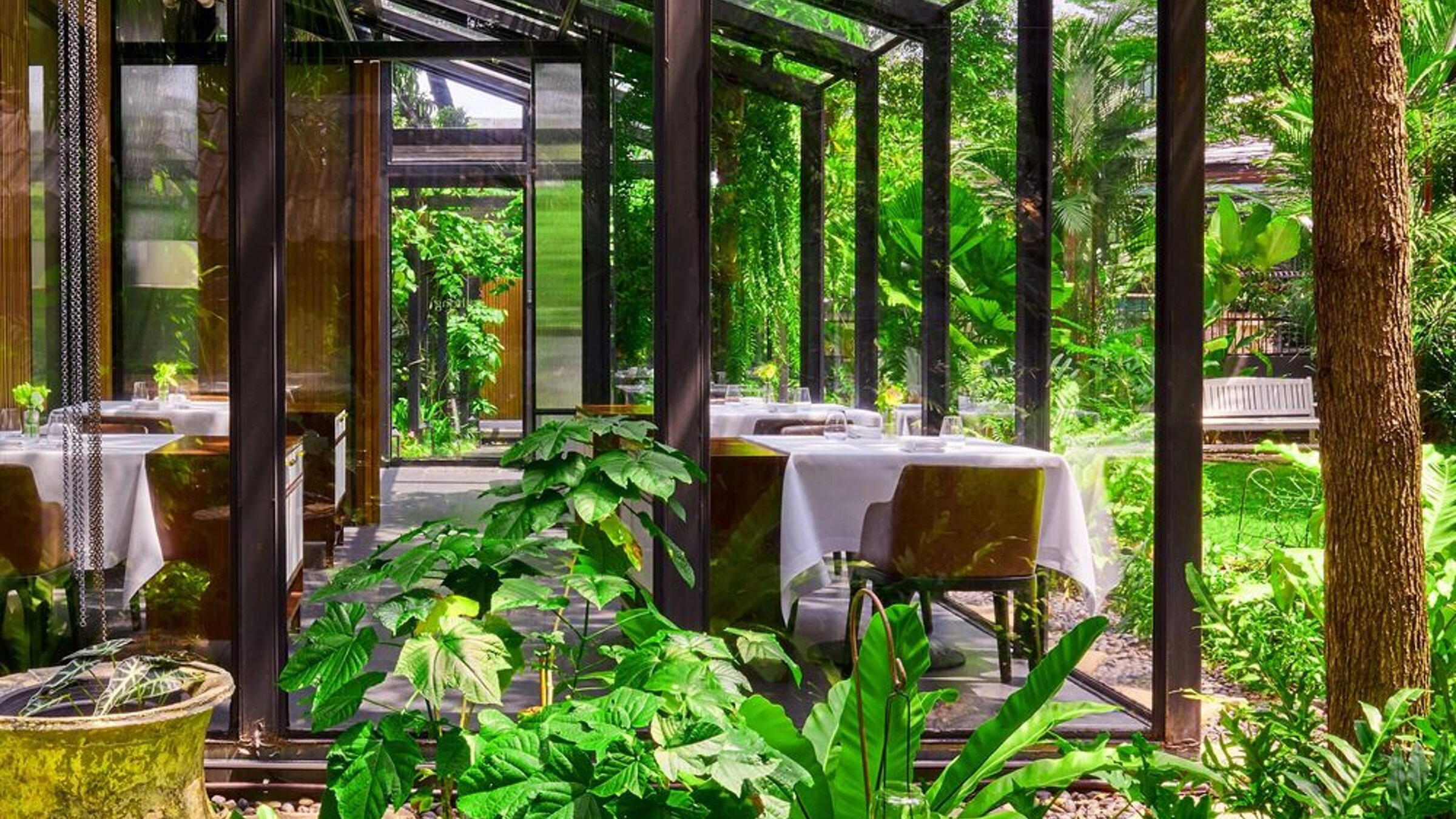
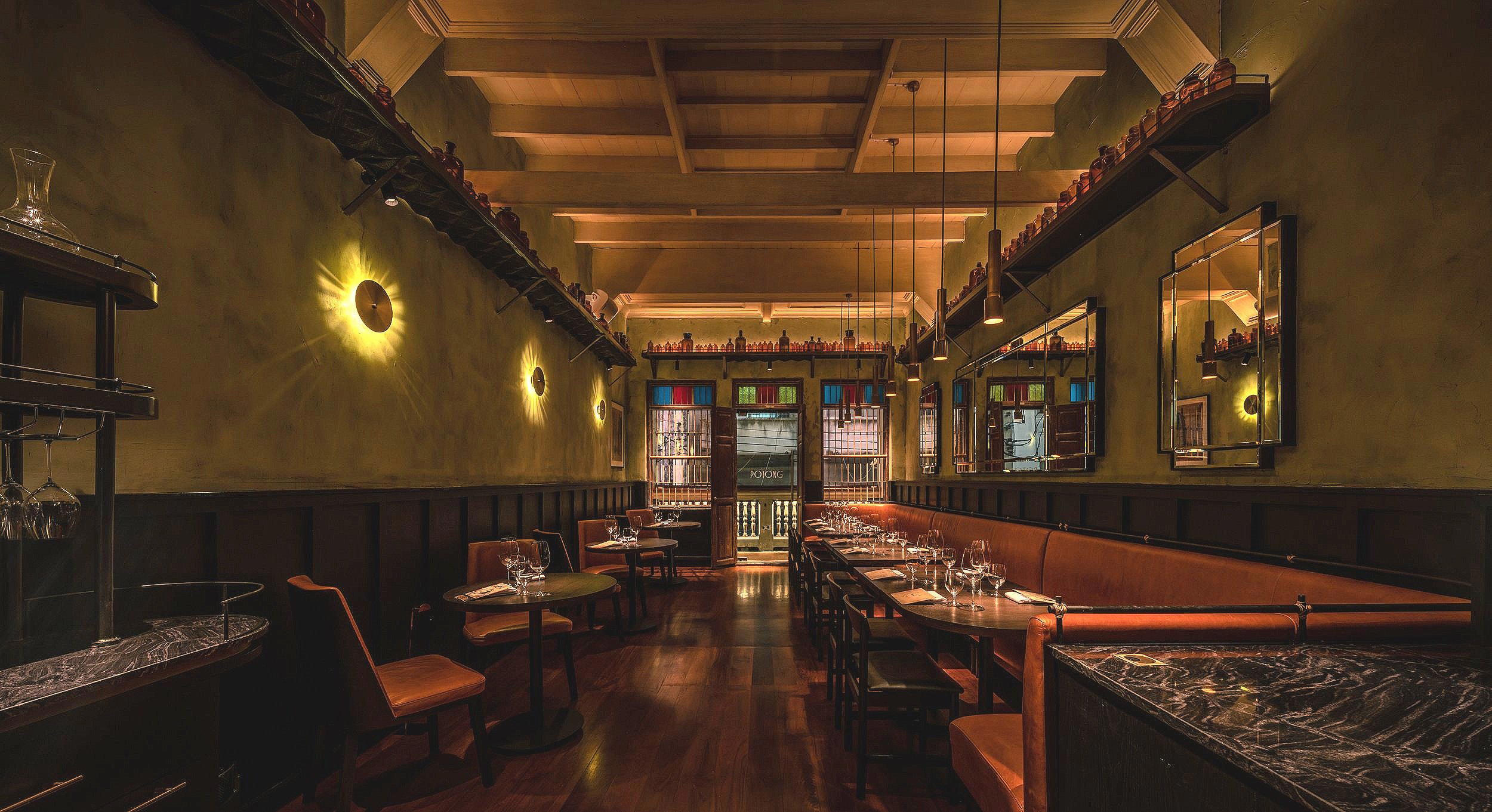
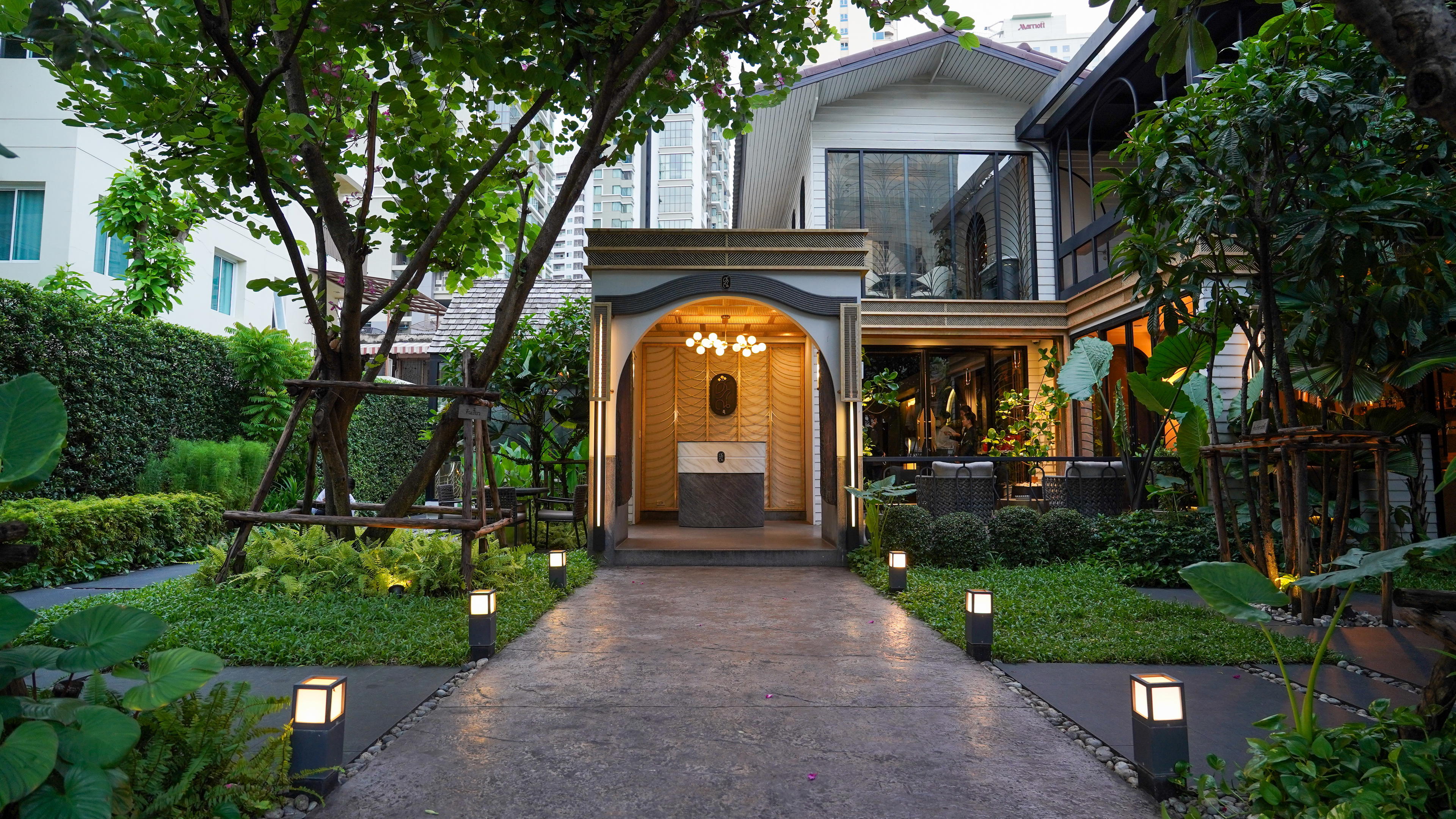
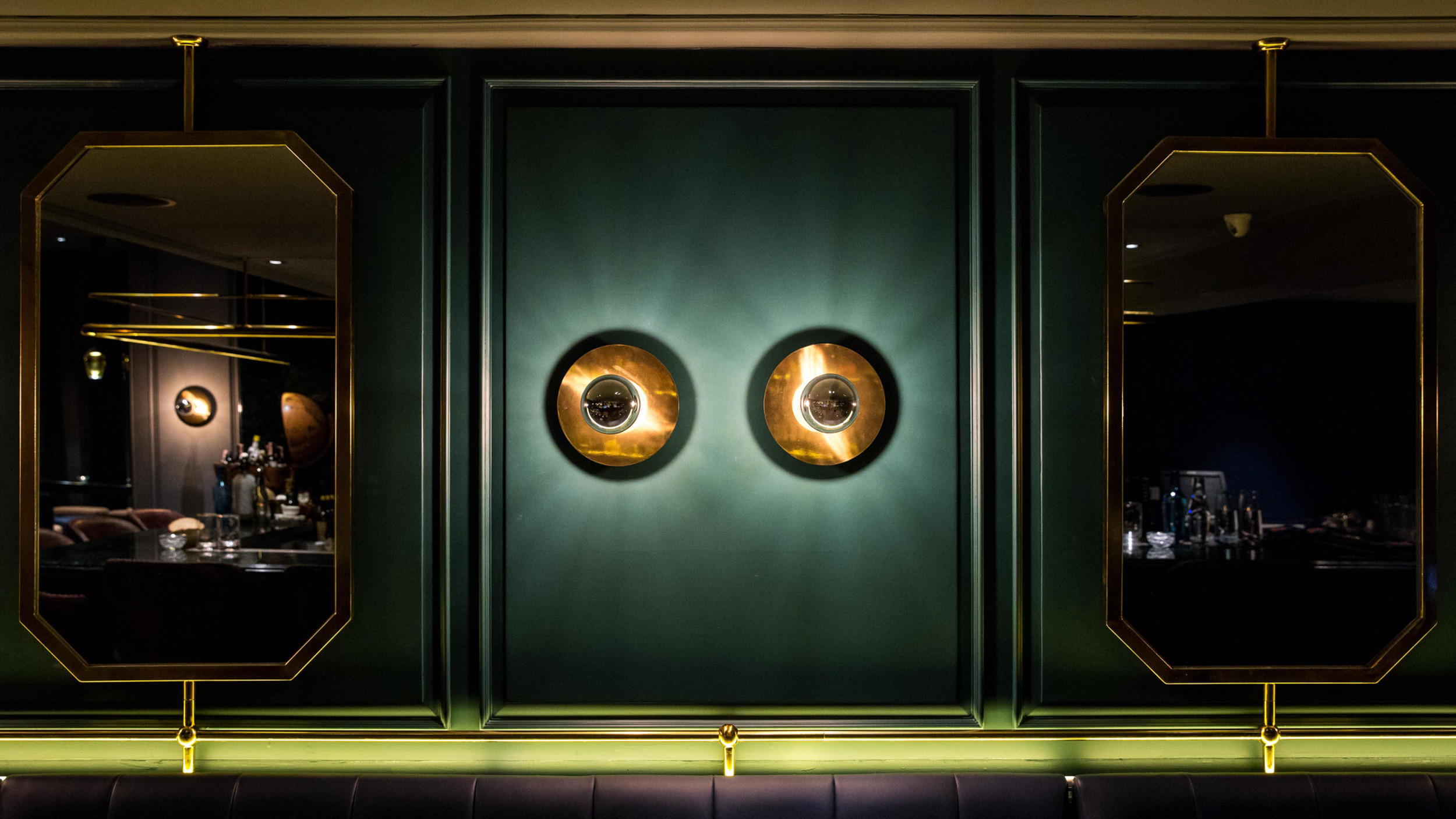
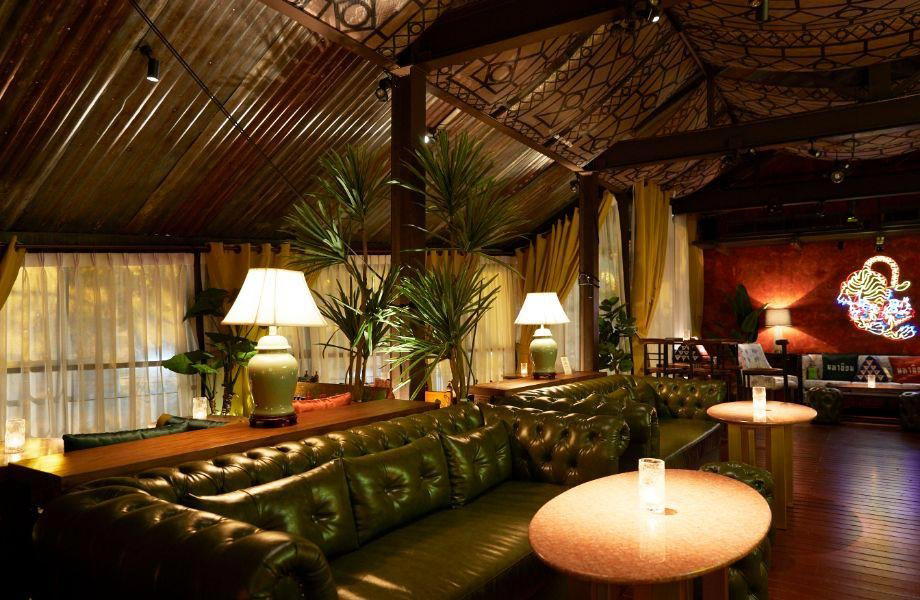
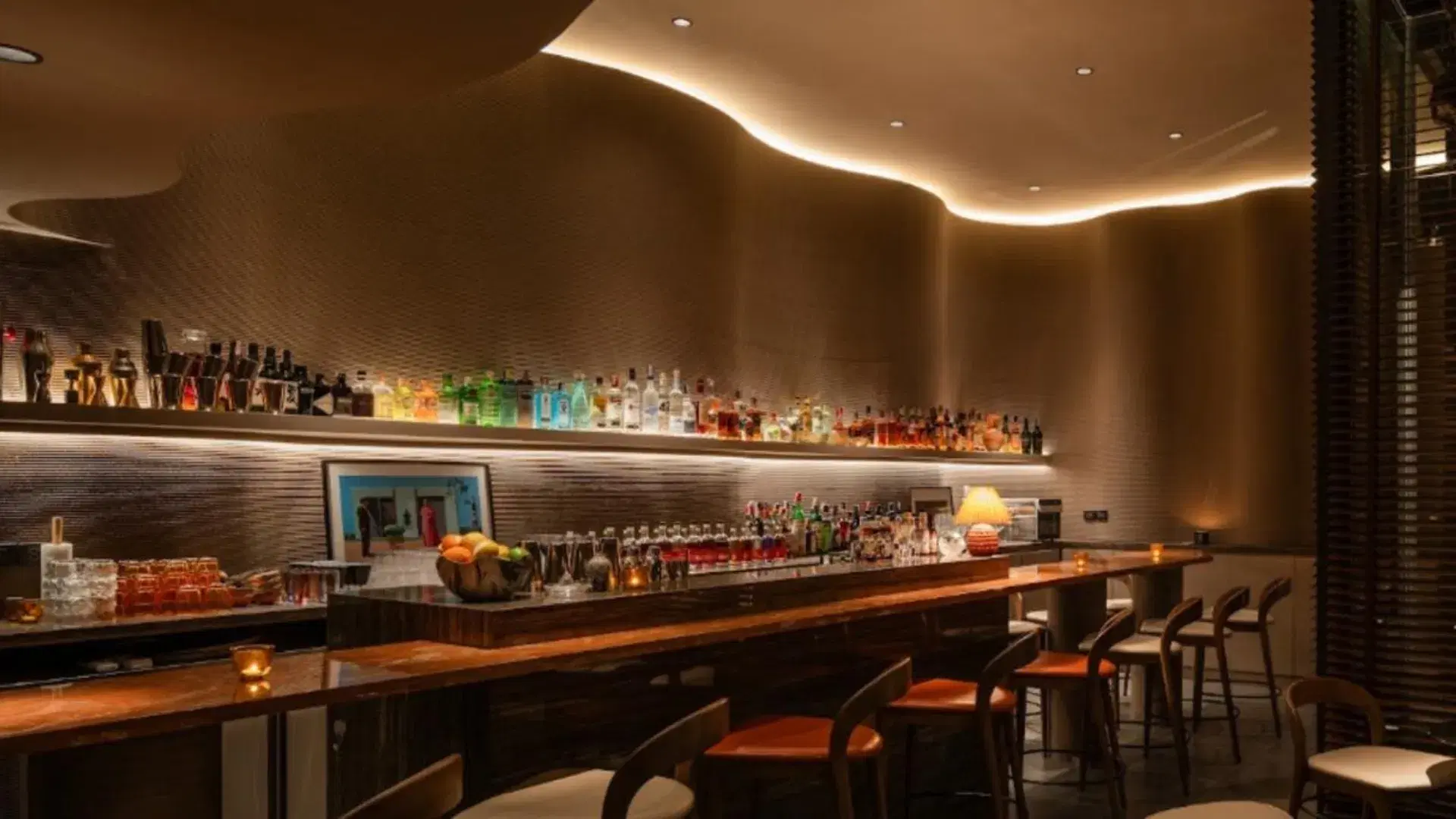
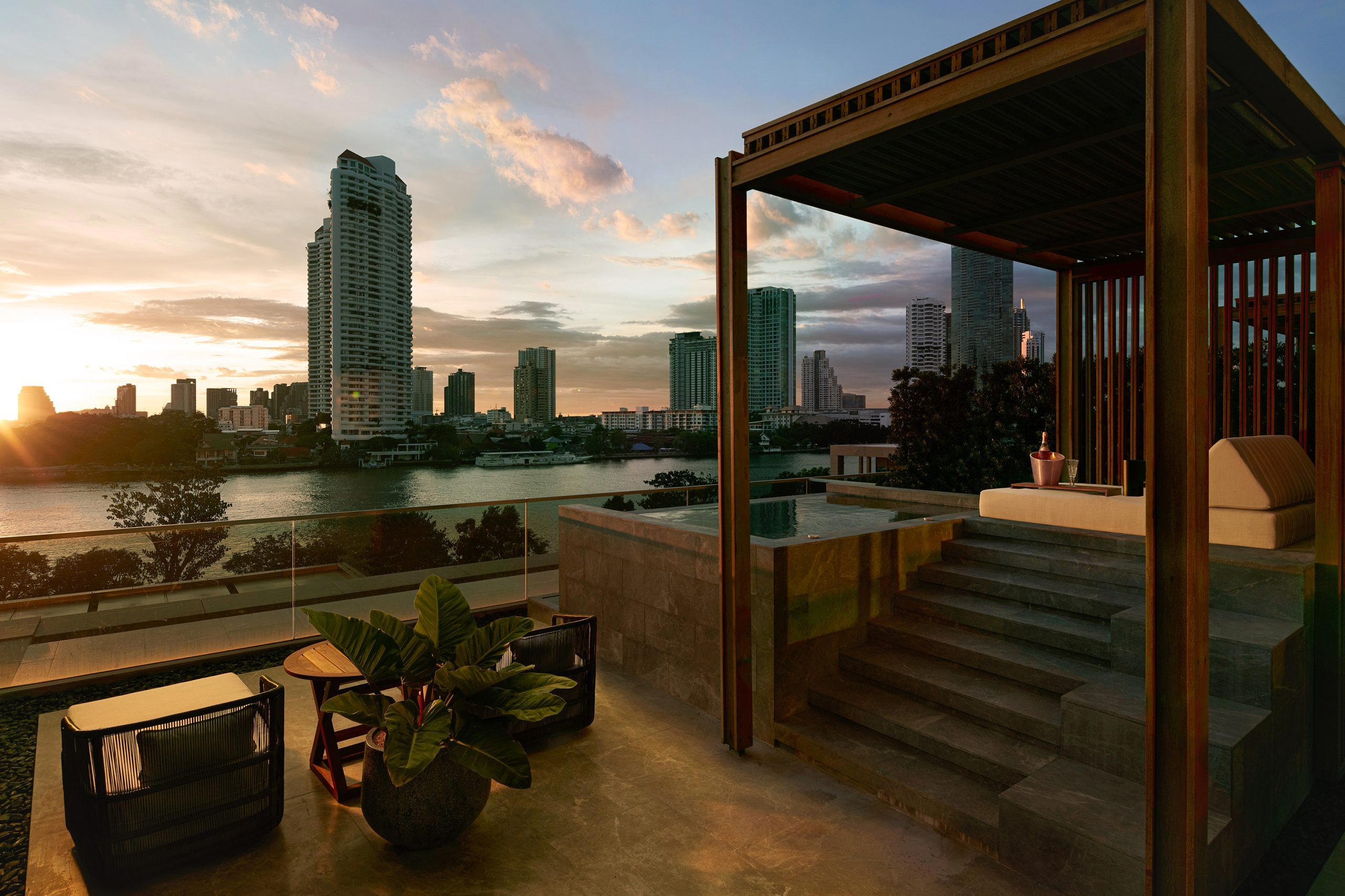
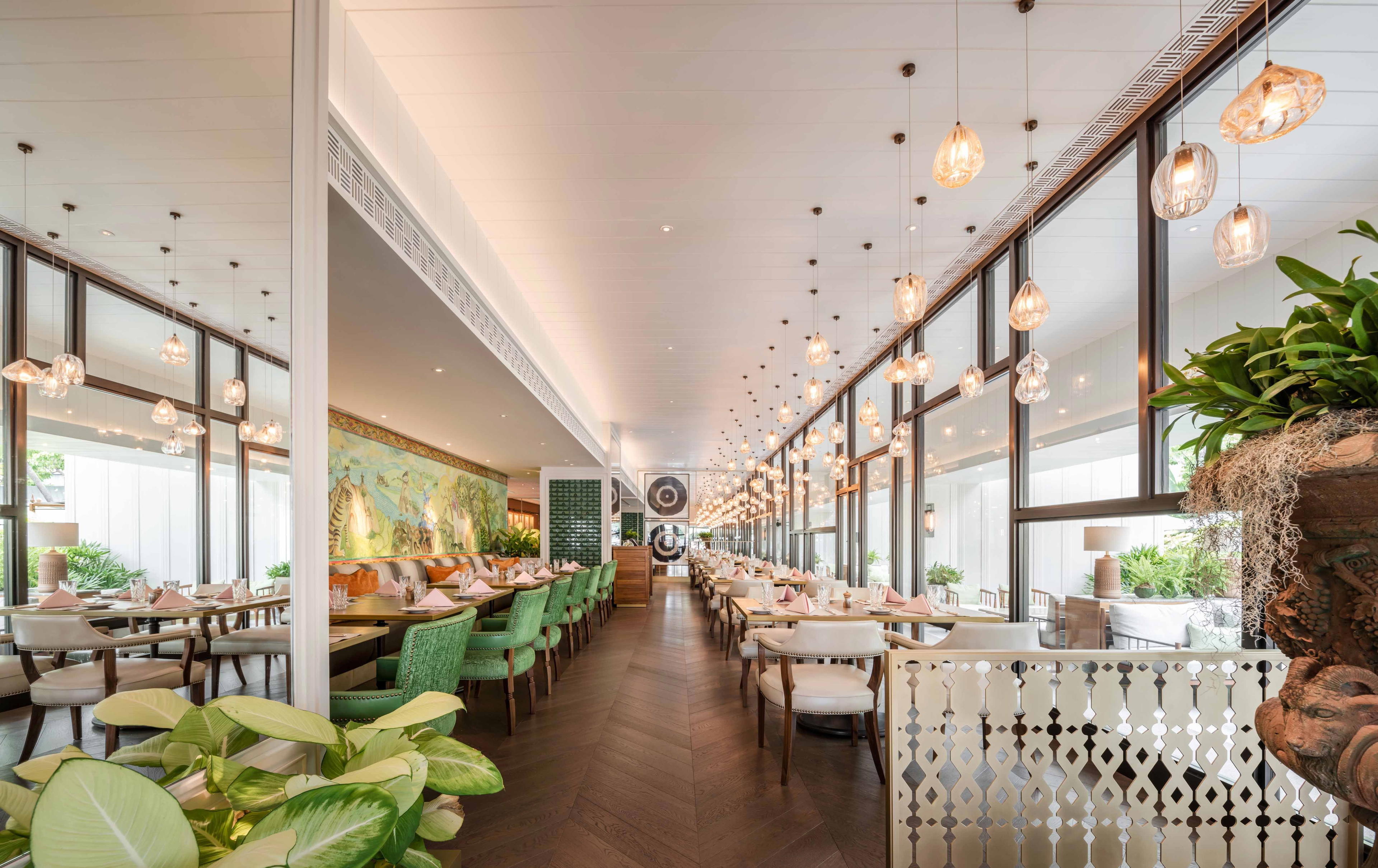
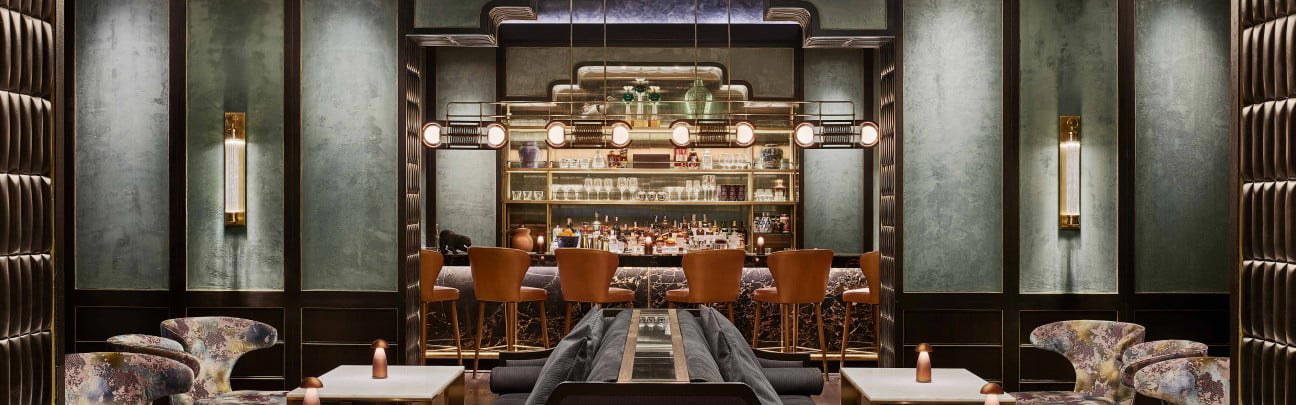
A cozy yet trendy, upscale urban space within a mall, with a lively atmosphere, open kitchen and bar, contemporary design, and polished but relaxed feel suited to families, tourists, and special occasions.