Brasserie Boulud Lincoln Center
Brasserie Boulud Lincoln Center brings the French brasserie format into one of New York City’s most performance-driven dining districts. The appeal is less about novelty than about fit: French brasserie cooking, a civic arts setting, and a room built for the pre- and post-theatre rhythm that defines this part of Manhattan.
Pearl is the En Primeur Club membership app — saves, bookings, and concierge access live there. Same editors, same standards.

Lincoln Center changes the tempo of dinner. The neighborhood fills in waves: early tables before curtain, later arrivals after applause, and a steady current of diners who want French cooking without the formality of a grand tasting-menu room. In that setting, Brasserie Boulud Lincoln Center belongs to a New York tradition that has always treated the brasserie as both restaurant and civic meeting point: open-ended, polished, and useful at several hours of the evening.
The French brasserie is often misunderstood as simply a room with mirrors, bread, and steak frites. Its deeper function is democratic by fine-dining standards. It can handle a solo diner, a family table, a business meal, or a late supper after a performance without requiring the ceremony of a gastronomic temple. New York has long adapted that Parisian model to its own habits: faster table turns, broader menus, and rooms that absorb theatre crowds, office traffic, and neighborhood regulars in the same service. Brasserie Boulud Lincoln Center sits inside that lineage rather than chasing a novelty format.
French brasserie culture, translated for the Lincoln Center rhythm
The Upper West Side around Lincoln Center has a specific restaurant need: flexibility without chaos. A proper brasserie answers that need because the format is built around range. French brasserie cooking typically moves between seafood, roast meats, composed salads, soups, charcuterie, and desserts with enough structure to feel classical but enough informality to remain practical. That breadth matters in this part of New York City, where tables may be seated before ballet, opera, jazz, film, or a concert, and where not every diner wants the same level of commitment.
What separates the brasserie from a bistro is scale and cadence. A bistro tends to feel personal and compact, often anchored by a short menu and neighborhood intimacy. A brasserie has a wider social brief. It is designed for volume, movement, and different appetites, yet the cooking still depends on recognisable French grammar: stocks, sauces, seasonal vegetables, shellfish, roasted proteins, and pastry. The format rewards consistency more than surprise. That is why the category remains durable in cities with serious cultural districts.
For readers mapping New York’s French brasserie spectrum, Boucherie NYC (French Brasserie) and Cluny Café (French Brasserie) show how the same tradition can tilt toward different neighborhoods and dining occasions. Brasserie Boulud Lincoln Center’s context is more performance-adjacent: the meal has to work before a fixed start time and after a late finish, which gives the room a different kind of pressure.
The appeal is format discipline, not novelty
New York dining often rewards restaurants that announce a sharp concept in a few seconds. The brasserie works differently. Its value is cumulative: a room that can host multiple types of evening, a menu language diners understand without translation, and a service style that can be polished without becoming stiff. In a city full of narrow formats, French brasserie dining remains useful because it lets the occasion lead.
That usefulness is especially clear near Lincoln Center. A destination omakase counter or tasting menu may suit a night built entirely around dinner, but this neighborhood often asks restaurants to support another main event. The French brasserie is one of the few European dining templates built for that job. It can be celebratory without demanding the whole evening, and it can be casual without feeling careless. The food tradition carries enough weight to satisfy diners who came for more than convenience.
Within the broader New York restaurant map, the contrast is instructive. Places such as & Sons Ham Bar, 'inoteca, and 1 or 8 (Sushi - Japanese) speak to more specialized appetites. A brasserie near Lincoln Center has to be broader by design. That breadth is not a compromise when handled with discipline; it is the point of the genre.
How to think about it within a New York dining itinerary
Brasserie Boulud Lincoln Center makes the most sense when dinner is tied to the neighborhood rather than treated as a stand-alone pilgrimage. The draw is the alignment between French brasserie cooking and the cultural calendar around Lincoln Center. For travellers, that makes it a practical anchor on an Upper West Side evening: familiar enough for mixed groups, structured enough for a polished meal, and rooted in a dining form that New York has repeatedly absorbed and reworked.
The smarter way to use a brasserie is to match it to the occasion. Before a performance, the format favors decisiveness and classic ordering. Afterward, it supports a slower table without requiring a heavy menu commitment. For families, the value lies in recognizable French categories rather than experimental sequencing. For visitors comparing neighborhoods, the setting also explains why Manhattan restaurants can feel so different over short distances: downtown dining may prize edge and compression, while Lincoln Center rewards poise, timing, and range.
For wider planning, use Our full New York City restaurants guide alongside Our full New York City hotels guide, Our full New York City bars guide, Our full New York City wineries guide, and Our full New York City experiences guide. Readers building a broader U.S. dining route can compare the category logic with Jōdo Saké Bar in Los Angeles, Onigiri Time in Pasadena, ¿Por Qué No? in Portland, 'Ai Love Nalo in Waimanalo Beach, 'āina in San Francisco, and 'Ama 'Ama in Kapolei. For brasserie context beyond New York, Brasserie Zédel, French Brasserie in London and Harper's, French Brasserie in Bangkok show how the French template travels: the bones remain familiar, while the city around it changes the pacing.
The verdict is clear: this is a French brasserie to consider when the evening revolves around Lincoln Center and the table needs range, polish, and timing. The tradition is the reason it works. In a district where dinner often has to share the stage, the brasserie remains one of the few formats built to play a supporting role with confidence.
In Context
Comparable venues nearby, for context on price, style, and recognition.
| Venue | Cuisine | Price | Awards | Notes |
|---|---|---|---|---|
| Brasserie Boulud Lincoln CenterThis venue — the venue you are viewing | $$$ | , | ||
| Brasserie Cognac Midtown East | $$$ | , | East Midtown-Turtle Bay, Classic French Brasserie | |
| Mino Brasserie | West Village, Modern French Brasserie | $$$ | , | |
| Petite Boucherie | West Village, Classic French Bistro | $$$ | , | |
| Nougatine | $$$ | 1 recognition | Upper West Side-Lincoln Square, Modern French Market-Driven Cuisine | |
| Cafe Luxembourg | $$$ | , | Upper West Side-Lincoln Square, French-American Brasserie |
Continue exploring
More in New York City
Restaurants in New York City
Browse all →Bars in New York City
Browse all →Hotels in New York City
Browse all →Wineries in New York City
Browse all →At a Glance
- Modern
- Elegant
- Lively
- Sophisticated
- Date Night
- Business Dinner
- Group Dining
- Celebration
- After Work
- Pre Theater
- Hotel Restaurant
- Standalone
- Extensive Wine List
- Craft Cocktails
- Local Sourcing
- Street Scene
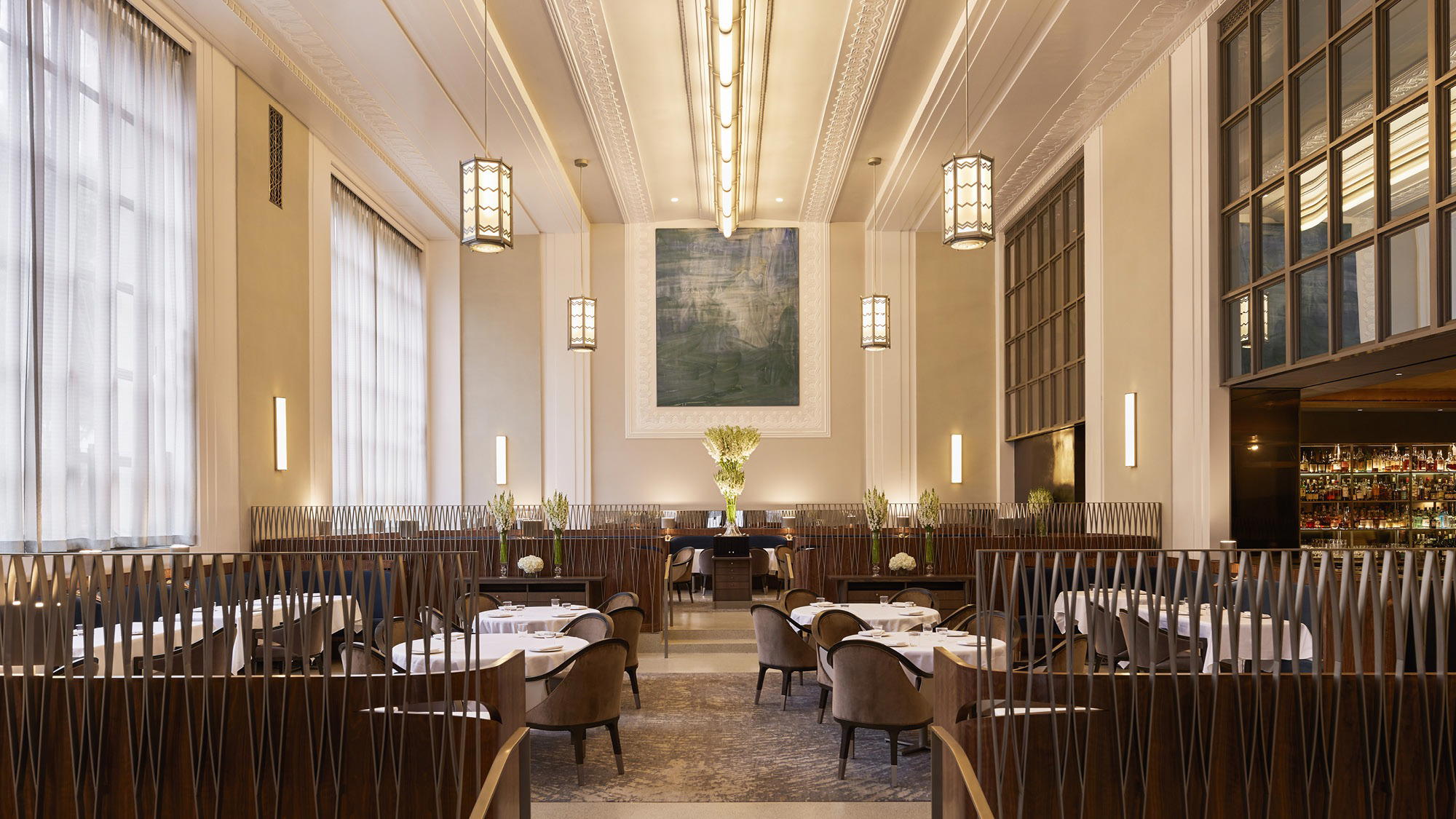
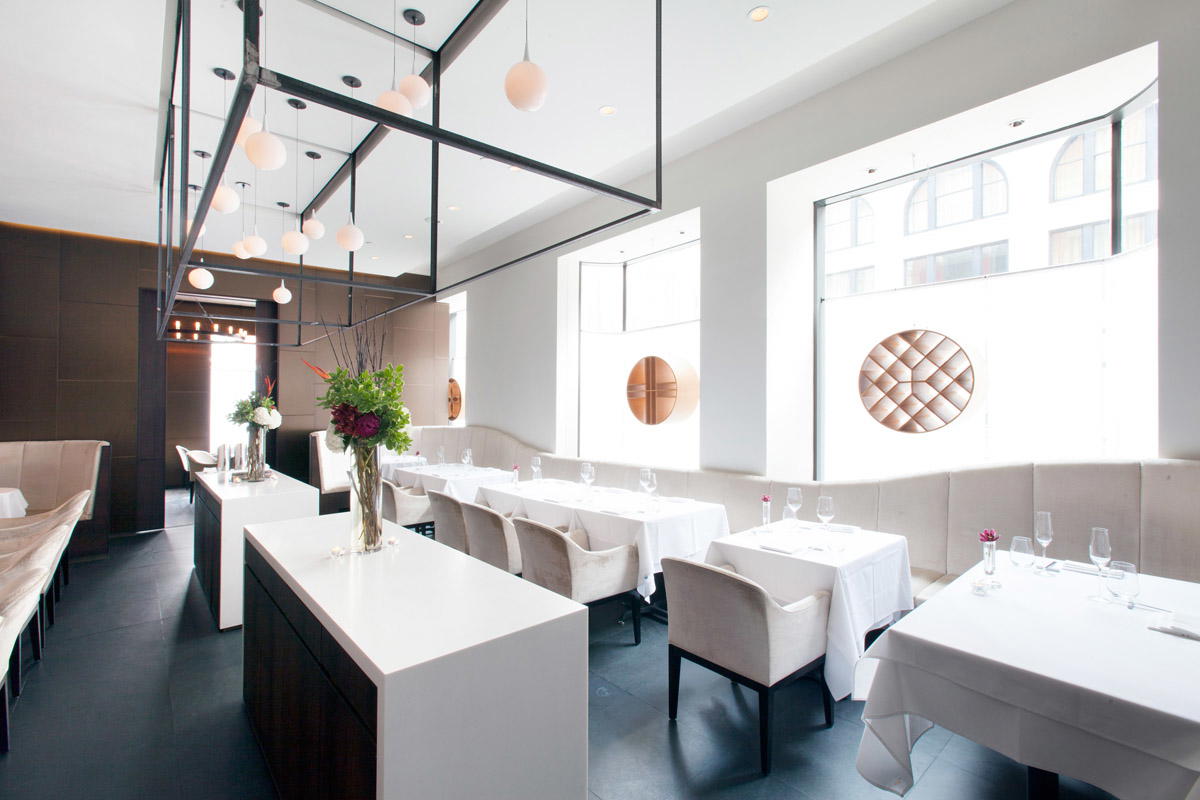
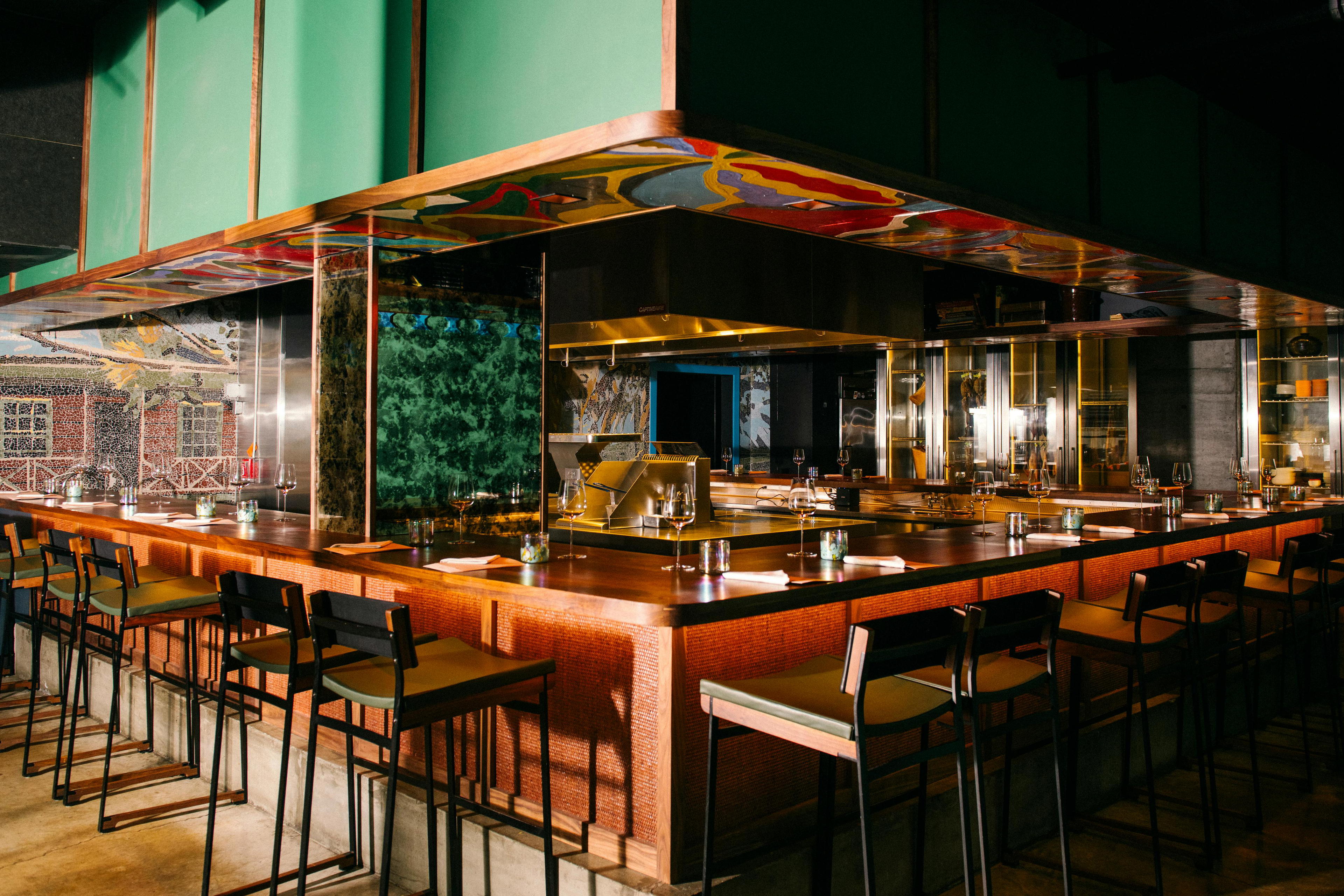
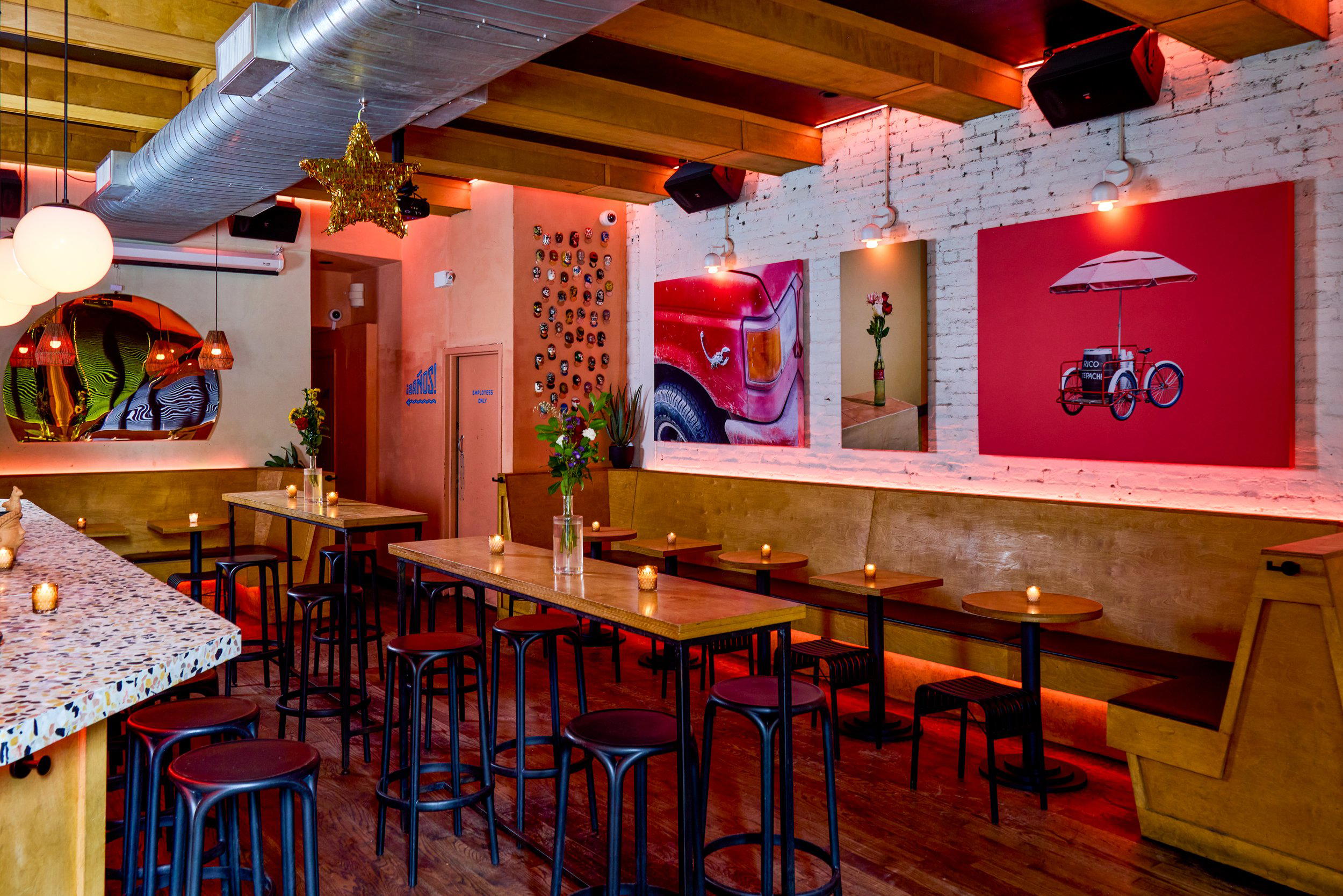
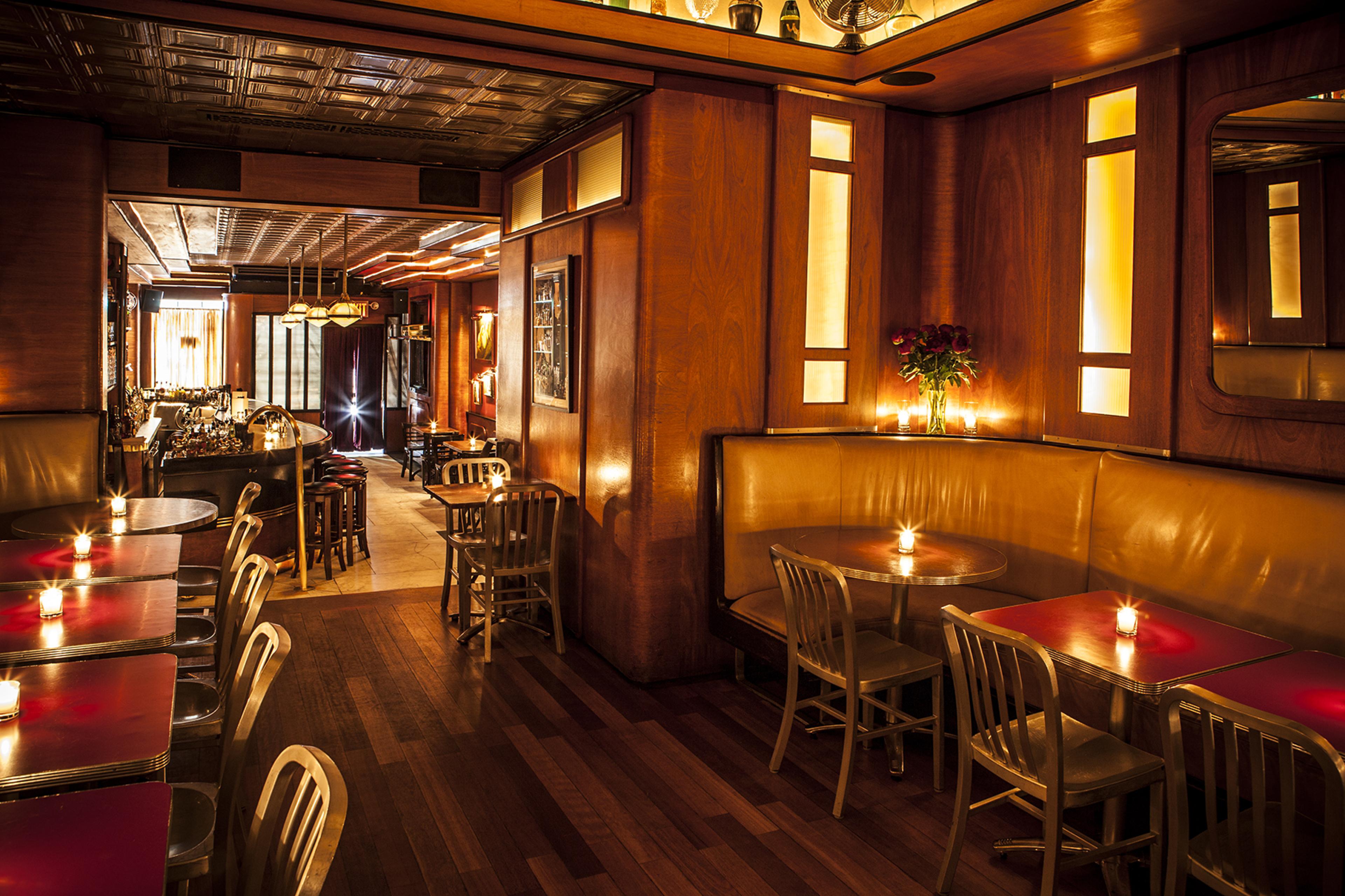
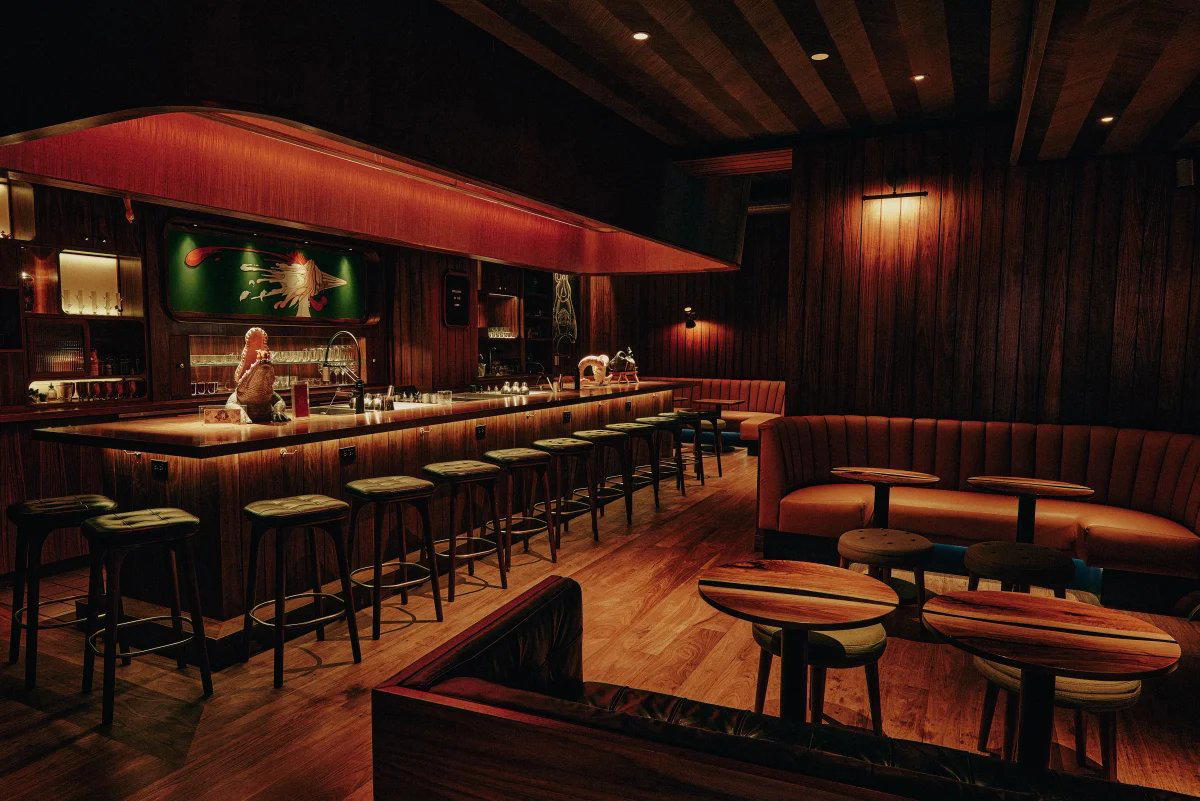
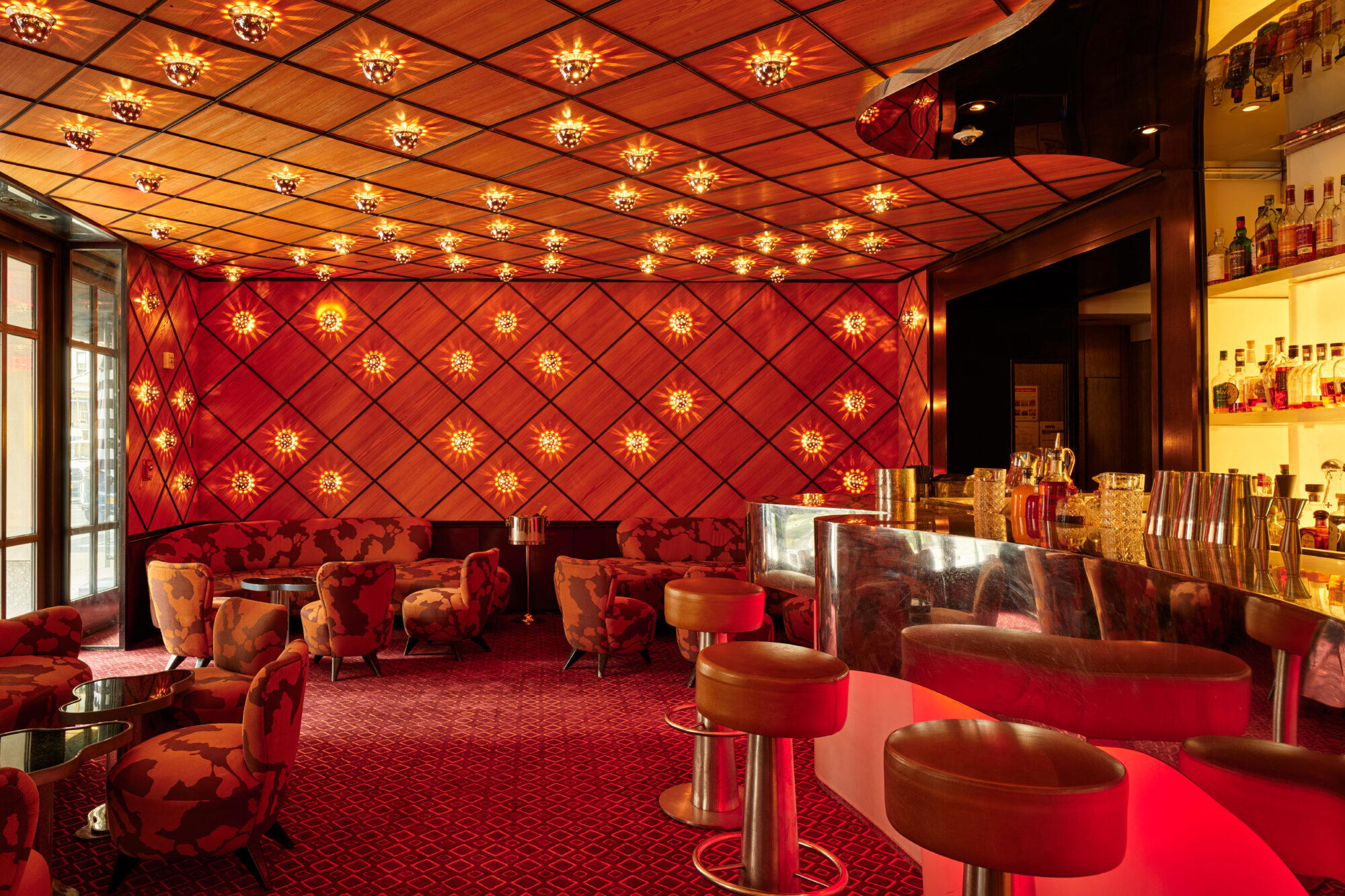
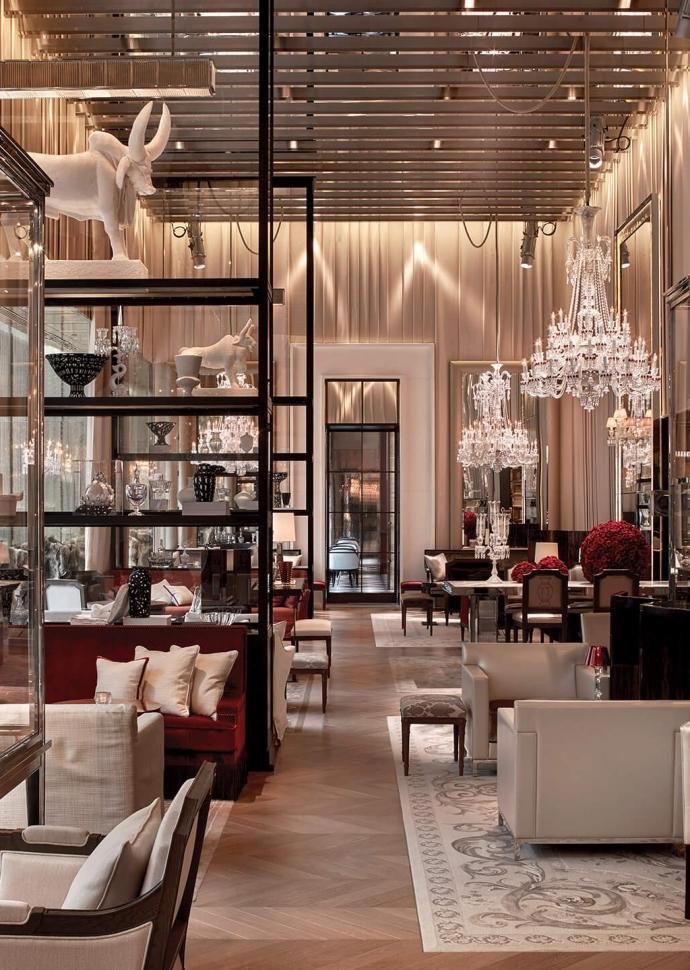
Contemporary French brasserie atmosphere with polished, modern design and an energetic pre-theater crowd, intended as a relaxed but refined setting for seasonal French dishes and wine.