Sushi House 77 sits on Lenartowicza street in central Rzeszów, representing the city's growing appetite for Japanese dining formats at a moment when Polish regional cities are quietly developing credible sushi scenes.
Pearl is the En Primeur Club membership app — saves, bookings, and concierge access live there. Same editors, same standards.
- Address
- Teofila Aleksandra Lenartowicza 17B/7, 35-051 Rzeszów, Poland
- Phone
- +48602177511
- Website
- sushihouse77.pl
- Directions
- Get directions
 Saves & bookings on Pearl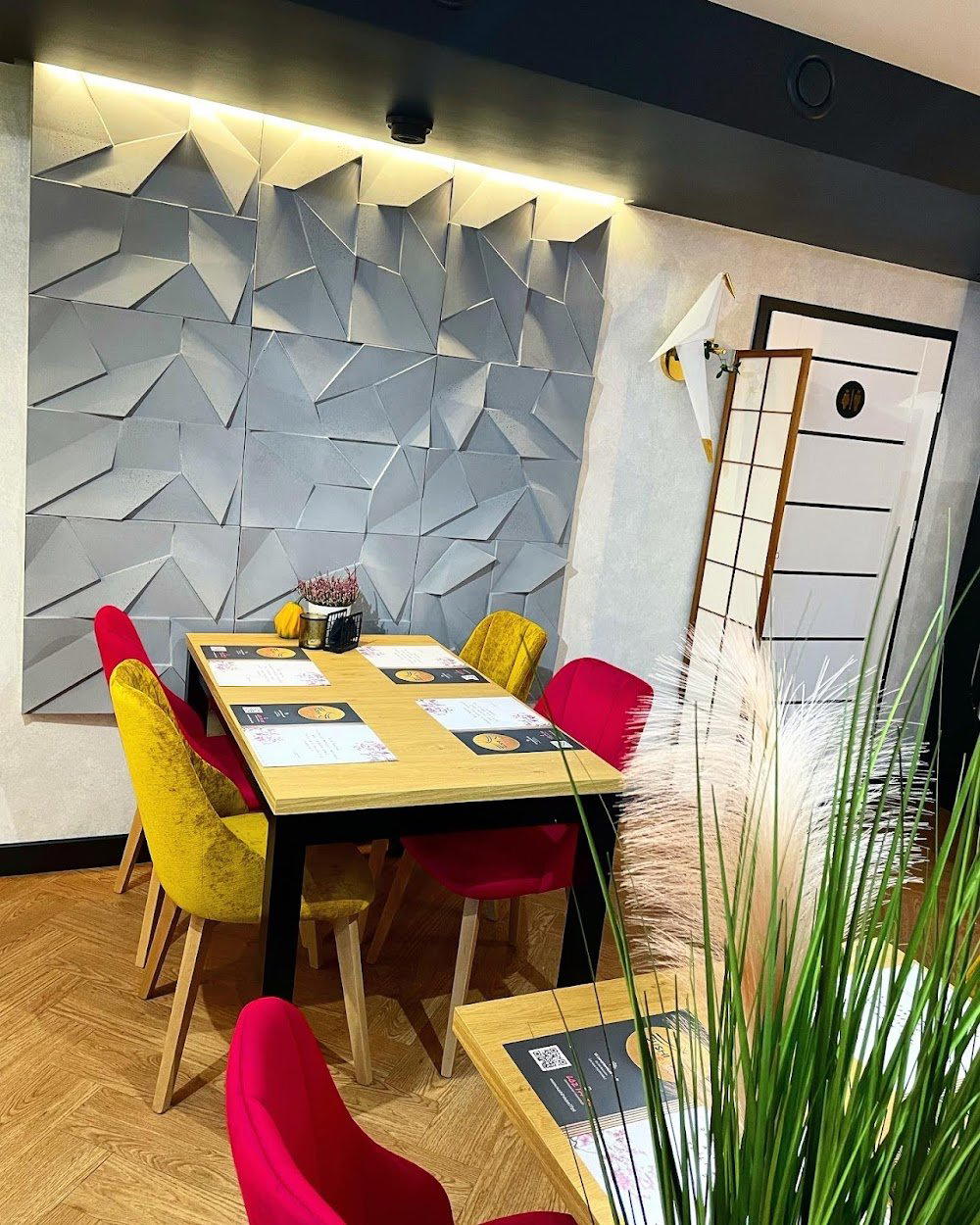
Japanese Dining in a Polish Regional Capital
Rzeszów is not the first Polish city that comes to mind when the conversation turns to Japanese cuisine. That distinction tends to go to Warsaw, Kraków, or Gdańsk, where established sushi programs have had a decade or more to find their footing, attract trained kitchen talent, and build the kind of repeat clientele that sustains a serious raw-fish counter. But the pattern of Japanese dining in Poland has been spreading outward from those metropolitan anchors. Mid-sized regional capitals — Rzeszów among them — now carry sushi addresses that would have been absent from the map ten years ago. Sushi House 77, located at Lenartowicza 17B/7 in the city centre, is part of that regional expansion, operating in a market that is still defining what Japanese dining means outside the major urban hubs. For context on how Rzeszów's dining scene fits together, our full Rzeszów restaurants guide maps the broader picture.
The Ritual of the Japanese Meal, Translated for a Polish Context
In Japan, the structure of a sushi meal carries meaning beyond the food itself. At an omakase counter in Tokyo or Osaka, the sequence of courses, the progression from lighter cuts to richer, fattier fish, the transition between nigiri and rolled formats, the timing of the warm soup that signals an approaching close, functions as a kind of choreography that the diner participates in by staying attentive. That formalism rarely transfers intact when sushi travels. What emerges instead in most European settings is a hybrid: some of the visual discipline of Japanese plating, combined with the more relaxed, multi-course pacing that European diners tend to expect. Polish sushi restaurants have generally followed this model, building menus around combination sets and à la carte rolls rather than counter-driven omakase sequences. The question any Rzeszów sushi address faces is how far it pushes toward the discipline of the source tradition, and how far it adapts to local expectations around portion size, value signalling, and the social rhythm of a meal shared across a table rather than consumed at a chef's counter. For comparison, Hashi Sushi in Gdańsk and Hattori Hanzo in Częstochowa illustrate how Japanese formats are being interpreted across different Polish regional cities.
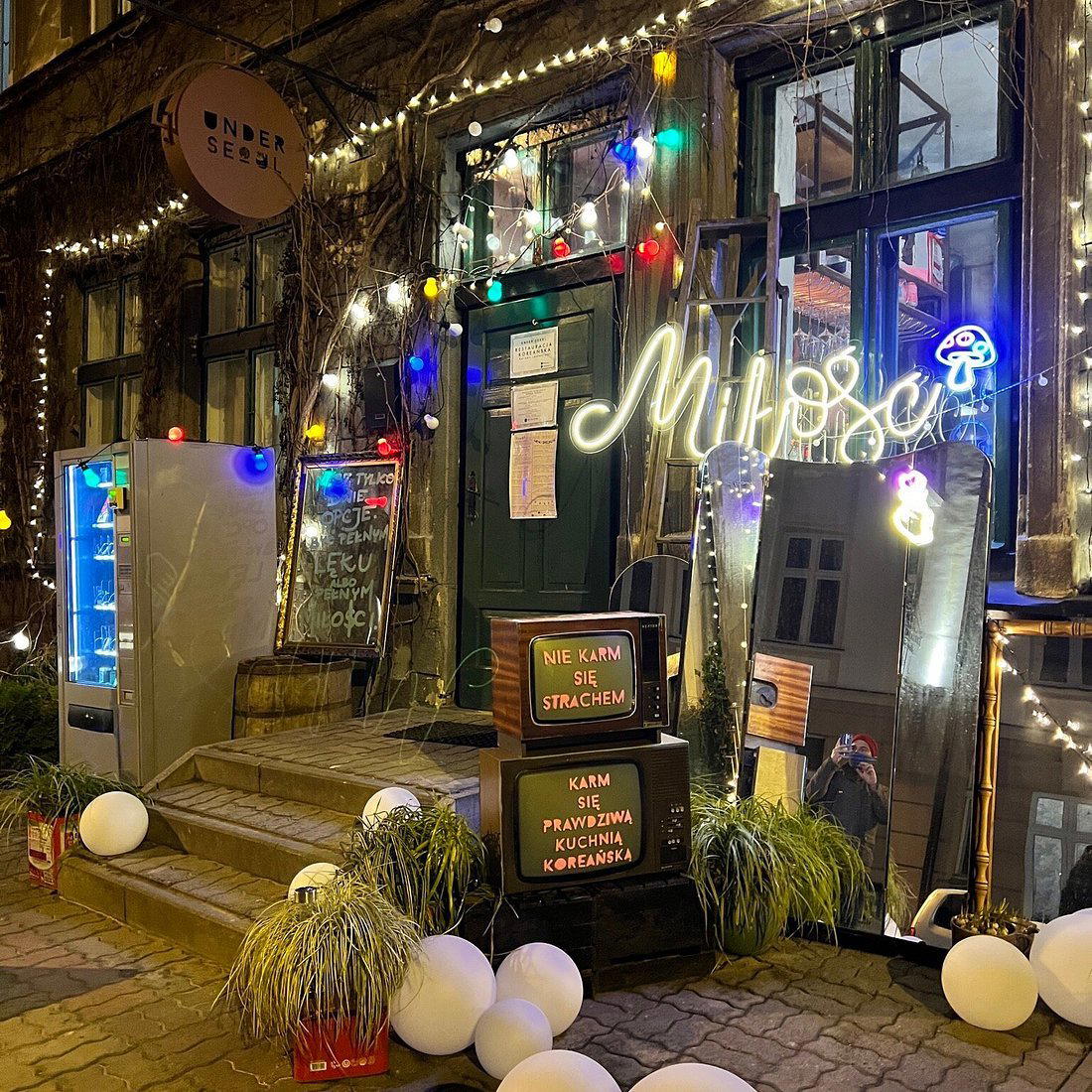
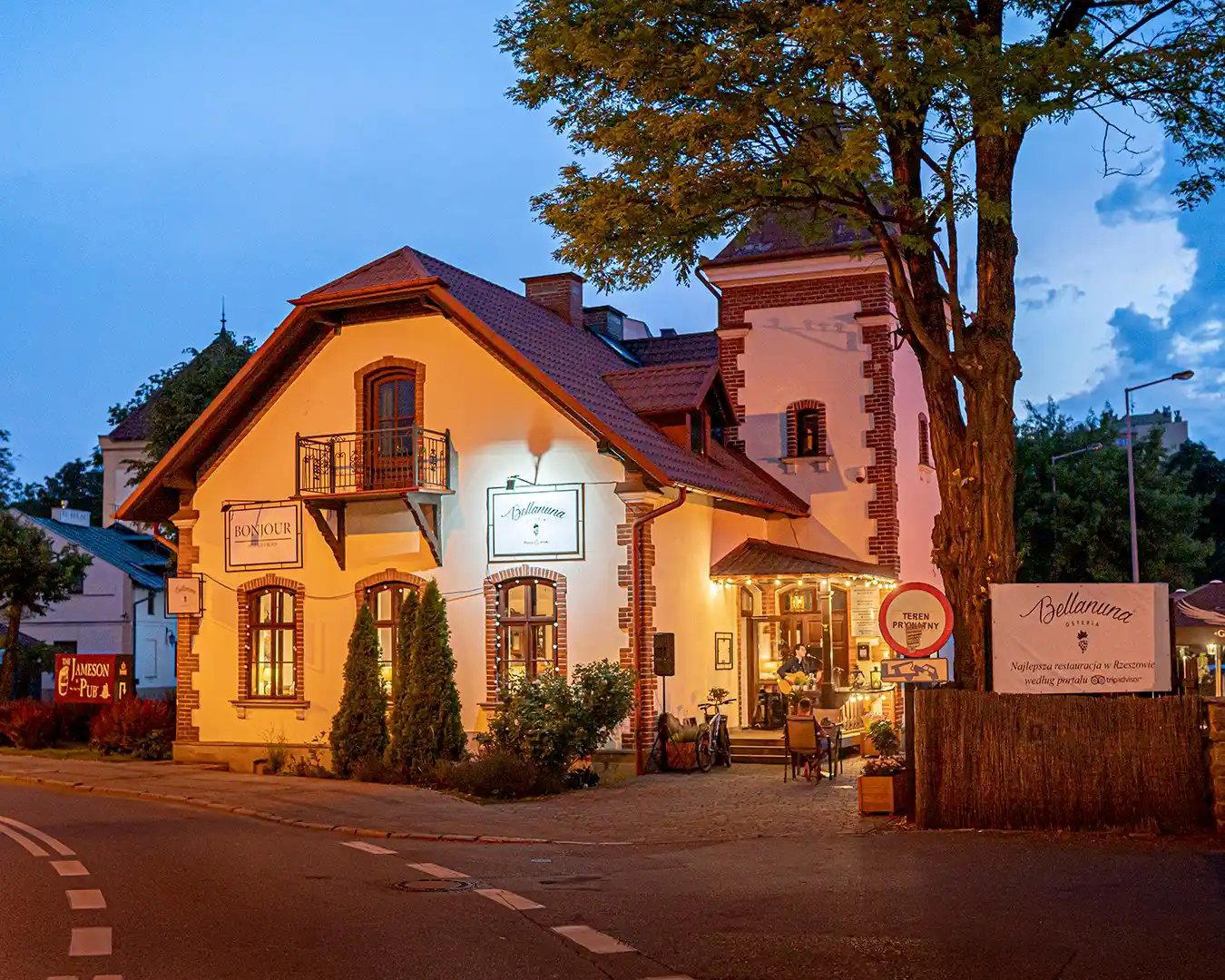
The address on Lenartowicza places Sushi House 77 within walking distance of Rzeszów's central pedestrian zone, an area that has seen consistent growth in restaurant and café openings over the past several years as the city's dining culture has matured. That central positioning matters for a Japanese restaurant in a regional market: it signals accessibility and signals an intention to draw from a broad cross-section of the city's dining public, not just a specialist niche. Among the city's other options, Włoska Restauracja Bellanuna, Braseria Pasieka, and Under SEOUL each occupy different points on the city's dining spectrum, and together they suggest a scene with more range than Rzeszów's size might initially imply.
How Sushi Etiquette Shapes the Experience
For diners approaching a sushi restaurant with some familiarity with Japanese dining customs, a few habits translate consistently across formats. Nigiri is traditionally eaten in a single bite, the rice ball is sized to make this possible, and splitting it disrupts both the structural integrity and the balance of rice-to-fish ratio the kitchen has calibrated. Soy sauce, where offered, is applied to the fish rather than the rice to avoid oversaturation. Pickled ginger functions as a palate reset between pieces, not as a condiment to be eaten alongside. These details matter more at higher-discipline counters, the kind operating in Tokyo's Ginza district, where venues like those comparable to Atomix in New York City or the French technique precision evident at Le Bernardin translate into an expectation of focused, attentive dining, but even in a regional Polish setting, arriving with some awareness of the meal's internal logic tends to produce a better result than treating a sushi menu as an interchangeable delivery format.
Polish sushi restaurants increasingly attract diners who have travelled to Japan or to more developed Japanese dining markets in Warsaw or Kraków, and that customer base applies pressure on quality and sourcing in ways that didn't exist a decade ago. The expansion of credible Japanese dining into cities like Rzeszów, Białystok (where Kwestia Czasu anchors a different kind of food culture), and Bydgoszcz reflects a broader shift in Polish dining expectations, one that parallels the rise of ambitious regional restaurants in other categories, from mountain kitchens like Giewont in Kościelisko to urban fine-dining programs like Bottiglieria 1881 in Kraków and Muga in Poznań.
Planning a Visit
Sushi House 77 is located at Teofila Aleksandra Lenartowicza 17B/7, 35-051 Rzeszów. Rzeszów's central address makes the restaurant accessible on foot from most of the city's hotels and from the main railway station, which sits roughly fifteen minutes away on foot. For travellers arriving by air, Rzeszów-Jasionka Airport serves the city with connections to Warsaw and several European hubs, making the city increasingly reachable as a destination in its own right rather than purely as a transit point. Those building a broader Rzeszów dining itinerary might also consider Górnik in Kraków, hub.praga in Warsaw, or Arco by Paco Pérez in Gdańsk as reference points for how Polish regional and urban dining is developing at different price points and ambition levels. Regional Italian formats are represented locally by Włoska Restauracja Bellanuna, and those seeking a Korean alternative will find Under SEOUL operating in a parallel niche to Sushi House 77's Japanese format. For a wider sweep of what Polish regional cities are producing across cuisine types, the Cudne Manowce in Olsztyn and Kuchnia Manhattan in Gorzów Wielkopolski illustrate how distinct the regional identities are becoming.

At a Glance
- Cozy
- Modern
- Casual Hangout
- Date Night
- Sake Program
Current opening hours
- Monday
- 12–9 PM
- Tuesday
- 12–9 PM
- Wednesday
- 12–9 PM
- Thursday
- 12–10 PM
- Friday
- 12–10 PM
- Saturday
- 12–10 PM
- Sunday
- 12–9 PM
Hours can change for holidays and private events. Last verified .
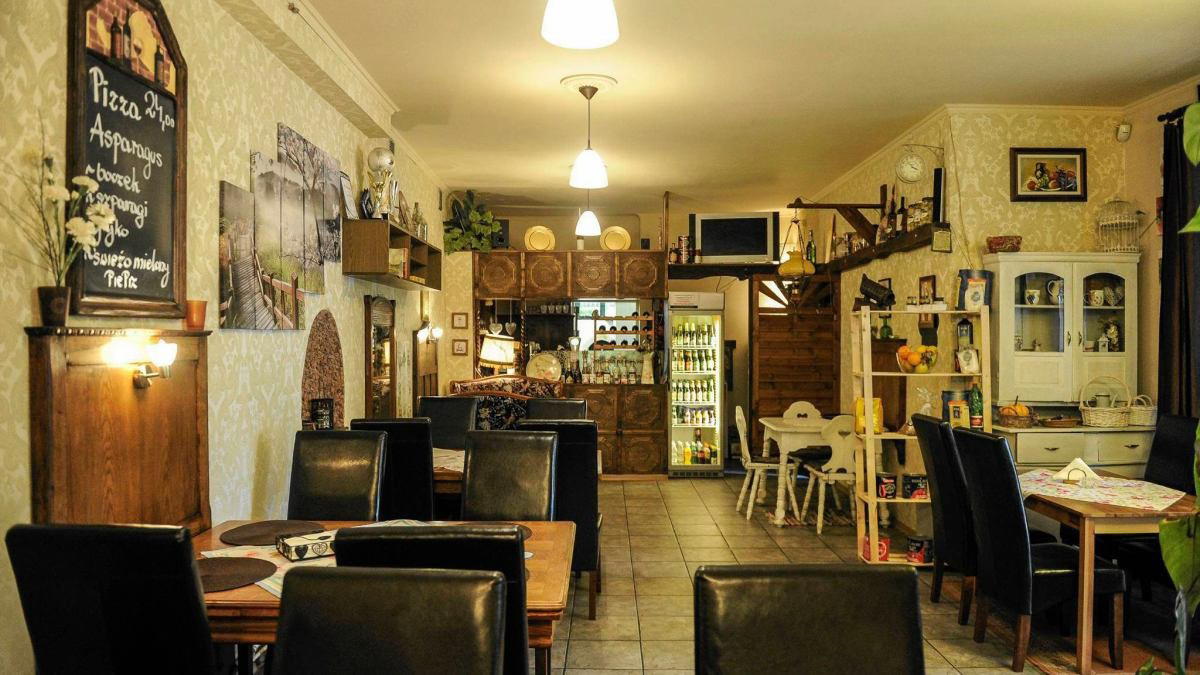
Cozy ambiance featuring Japanese-inspired decor.
Know Before You Go
- Getting there
- Teofila Aleksandra Lenartowicza 17B/7, 35-051 Rzeszów, Poland