Brännö Varv sits on Brännö island within the Gothenburg archipelago, reachable only by ferry from the mainland. The address alone — a working boatyard on an island where cars are banned — signals a dining format shaped entirely by place and season. For the Swedish west coast dining tradition, few settings press the point more directly.
Pearl is the En Primeur Club membership app — saves, bookings, and concierge access live there. Same editors, same standards.
- Address
- Långejorden 10, 430 85 Brännö, Sweden
- Website
- brannovarv.se
- Directions
- Get directions
 Saves & bookings on Pearl
A Boatyard at the Edge of the Gothenburg Archipelago
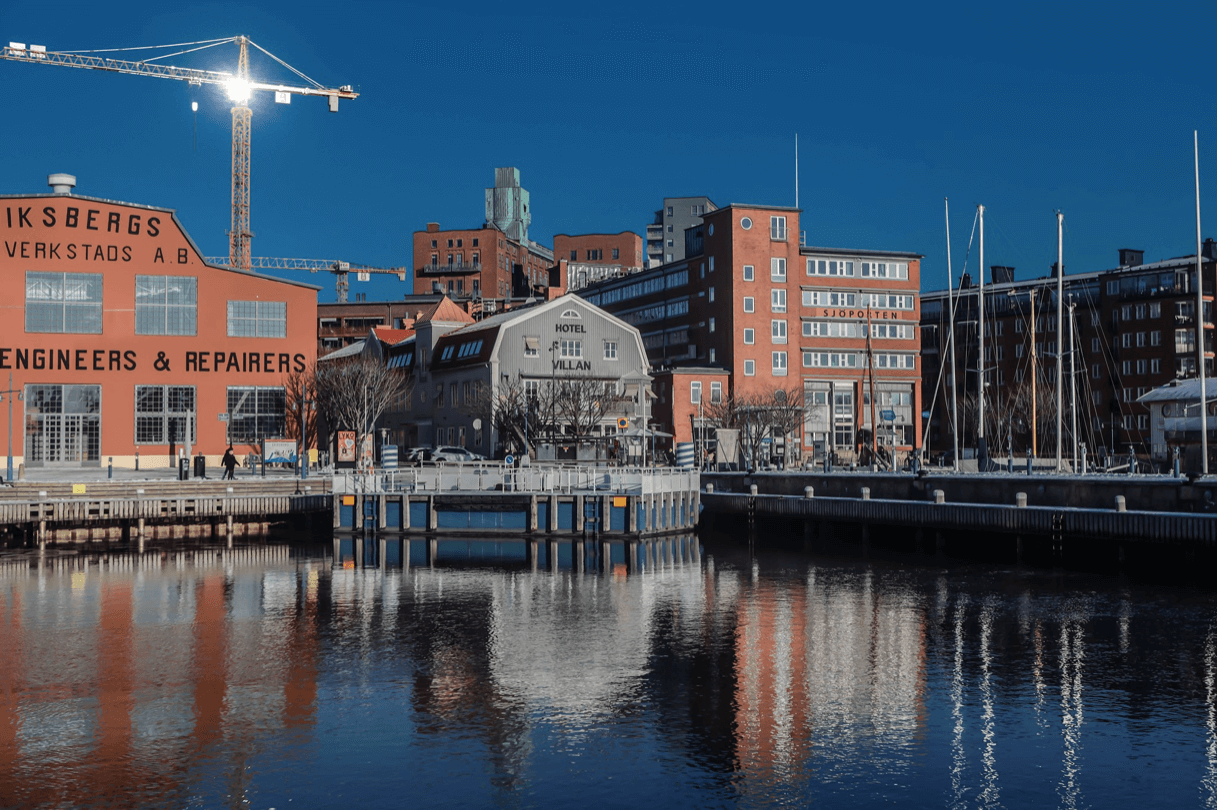
The ferry from Saltholmen to Brännö takes roughly forty minutes, threading through a chain of low granite islands where the Baltic light flattens in summer and the wind cuts hard by October. Brännö itself bans private cars, so arrival means walking or cycling along a single road to Långejorden, where the boatyard — Brännö Varv — sits at the water's edge. The approach is the preamble: by the time you arrive, the mainland is genuinely behind you, not just rhetorically. That physical separation is not incidental to what the place represents; it is the whole argument.
Dining in Sweden's island archipelagos has its own distinct logic, one that the country's celebrated New Nordic movement drew on heavily but rarely replicated in its original form. The wave of destination restaurants that followed Magnus Nilsson's template at Fäviken in Kall, remote, seasonal, ingredient-led, tended to transplant that sensibility into controlled, constructed environments. Brännö Varv operates differently. It is built into an existing community structure, a working boatyard on an inhabited island, which places it closer to the older Swedish tradition of skärgårdskök, archipelago kitchen, than to the modernist destination format.
What the Archipelago Setting Actually Means for the Table
Sweden's west coast, from the Bohuslän coast north of Gothenburg down through the Halland shore, has one of Scandinavia's most productive fishing grounds. Langoustine, crab, herring, and mackerel move through these waters seasonally, and the traditional logic of archipelago cooking was always proximity: what came off the boat in the morning arrived on the table by evening, with minimal mediation. That tradition eroded significantly through the late twentieth century as supply chains consolidated and tourist-facing restaurants defaulted to imported ingredients behind local branding.
The contemporary resurgence of serious cooking in the Swedish islands and coastal towns is partly a corrective response to that drift. Venues like Archipelago of Gothenburg on nearby Styrsö represent one version of that resurgence. Brännö Varv, at a boatyard address that signals working-life integration rather than curated destination dining, represents another, less formatted, more embedded in the rhythms of island life. The comparison matters because it maps out the range available to anyone spending time across the southern archipelago.
For context on what serious coastal cooking looks like further along the Swedish coastline, VYN in Simrishamn applies New Nordic rigour to the Österlen shoreline, while Vollmers in Malmö runs a two-Michelin-star program built on southern Swedish produce. Both operate at the formal end of the spectrum. The archipelago tradition that Brännö Varv sits inside is less about formal ambition and more about the relationship between place and plate as a lived daily reality rather than a constructed dining concept.
The Cultural Roots of Swedish Island Cooking
Swedish archipelago culture has been shaped by fishing communities, summer house traditions, and, on islands like Brännö, a year-round residential life that persists even as the mainland sprawl of Gothenburg has grown. The island's car ban is not a marketing gesture; it reflects a civic decision made decades ago to preserve a particular quality of life. Cooking within that context inherits different priorities than mainland restaurant culture. Seasonality is structural, not a menu note. Produce arrives by boat, which means supply logistics are weather-dependent. These constraints produce a kitchen discipline that is enforced by geography rather than adopted as an aesthetic.
This is the tradition that informs the serious cooking emerging across Sweden's smaller islands and coastal communities, a tradition that ÄNG in Tvååker and Knystaforsen in Rydöbruk engage with from their own inland-river and forest perspectives. The west coast archipelago version, as Brännö Varv exemplifies it, is defined specifically by maritime proximity: the smell of salt water, the presence of working boats, and the tidal rhythm of an island community that predates the restaurant trade by centuries.
That cultural rootedness is something that city-based programs, however technically accomplished, have difficulty reproducing. Hoze in Gothenburg and Frantzén in Stockholm represent the urban end of Swedish fine dining, high-technical, internationally referenced, operating within metropolitan peer sets that include Le Bernardin in New York City and similarly credentialed addresses. Brännö Varv is indexed to a completely different frame of reference: the island itself, its seasons, its boat traffic, and the community that stays through winter when the summer ferry crowds have gone.
Planning a Visit: Logistics and Timing
Getting to Brännö requires taking the Styrsöbolaget ferry from Saltholmen, on Gothenburg's western edge. The ferry network connects several southern archipelago islands, and Brännö is reached with a journey of roughly forty minutes depending on the route and time of day. Styrsö, which sits closer to the mainland, is a natural companion stop; our full Styrso restaurants guide maps the southern archipelago dining options in detail.
The practical implication of island access is that timing matters in a way it does not for mainland venues. Ferry schedules run regularly but not constantly, and missing a return sailing means an extended stay, which, depending on your plans, could range from inconvenient to welcome. Summer months bring reliable high-frequency service and the longest daylight hours; the archipelago in June and July operates under a particular quality of Nordic evening light that alters the experience of eating outdoors near the water. Off-season visits, from late September through April, mean fewer tourists, sharper air, and a more local rhythm, but require checking ferry timetables carefully before planning a return journey.
Given the venue's island position and the logistics involved in reaching it, advance planning is more about ferry schedules and travel coordination than traditional restaurant booking windows. For comparison across other Swedish coastal and regional addresses worth combining into a wider itinerary: Signum in Mölnlycke, PM & Vänner in Växjö, Bistro Jarlen in Halmstad, and Sydkustens at Pillehill in Skivarp each represent distinct points on the Swedish west and south coast dining circuit. Further afield, Claesgatan 8 in Malmo, Ribersborgs open-air bath in Slottsstaden, and Kitchenette Ågatan 3 in Örebro complete a broader Swedish itinerary for those moving between cities. For destination dining formats that share the remote, community-embedded ethos from a different country context, Lazy Bear in San Francisco offers a useful reference point, a restaurant that built its identity around communal format and place-specificity rather than conventional fine dining signals.
How Brännö Varv Styrso compares with similar nearby venues.
| Venue | Cuisine | Price |
|---|---|---|
| Sjömagasinet | Seafood | €€€ |
| Hoze | Sushi | €€€€ |
At a Glance
- Cozy
- Scenic
- Rustic
- Quiet
- Family
- Casual Hangout
- Group Dining
- Waterfront
- Terrace
- Garden
- Beer Program
- Local Sourcing
- Waterfront
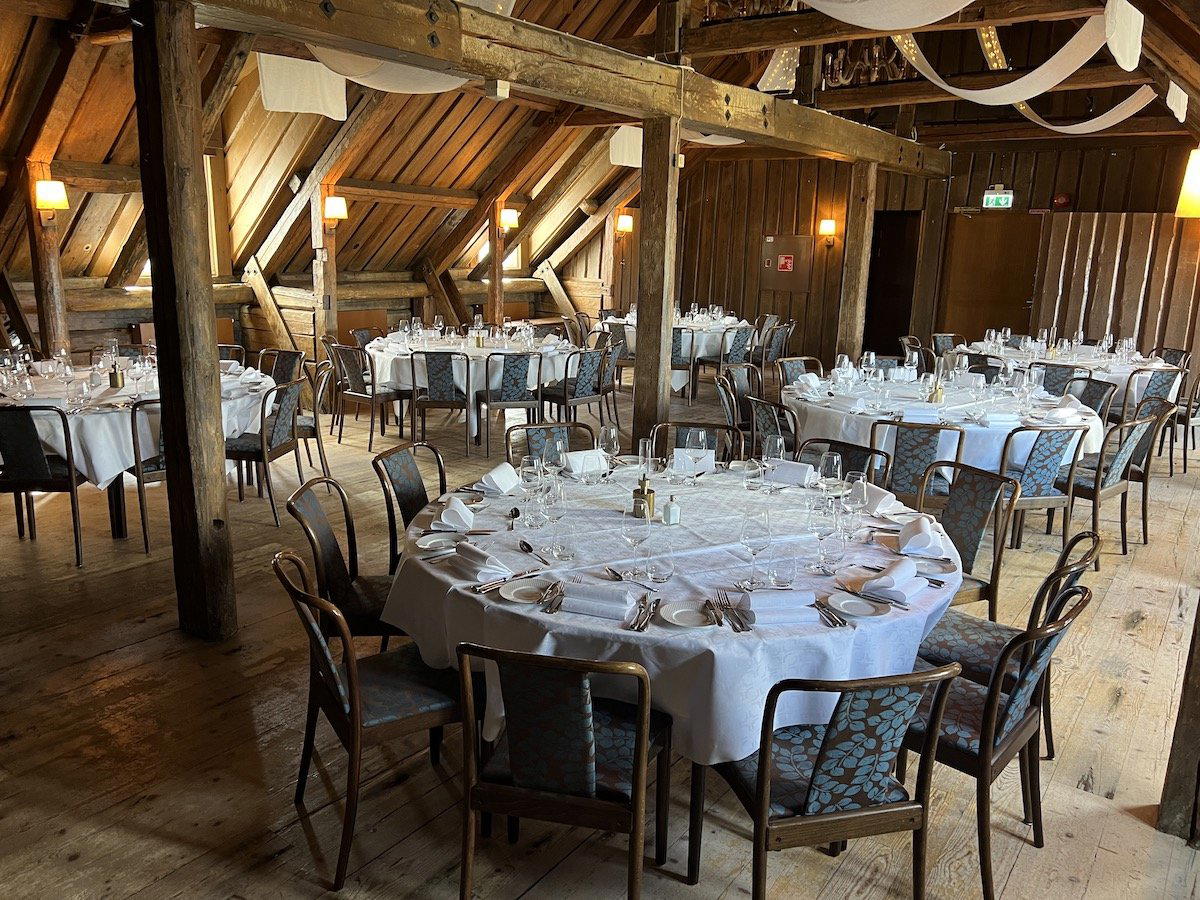
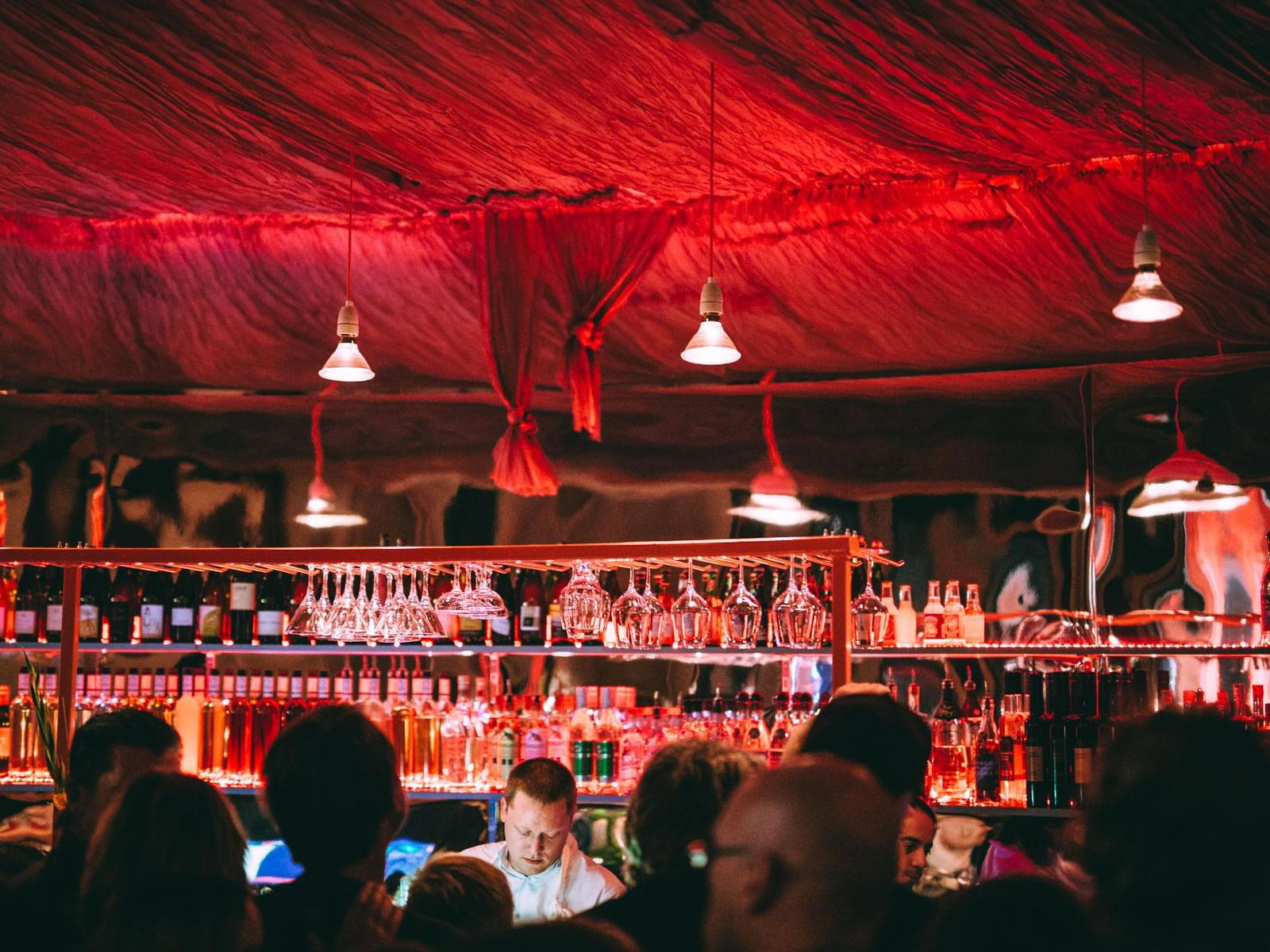
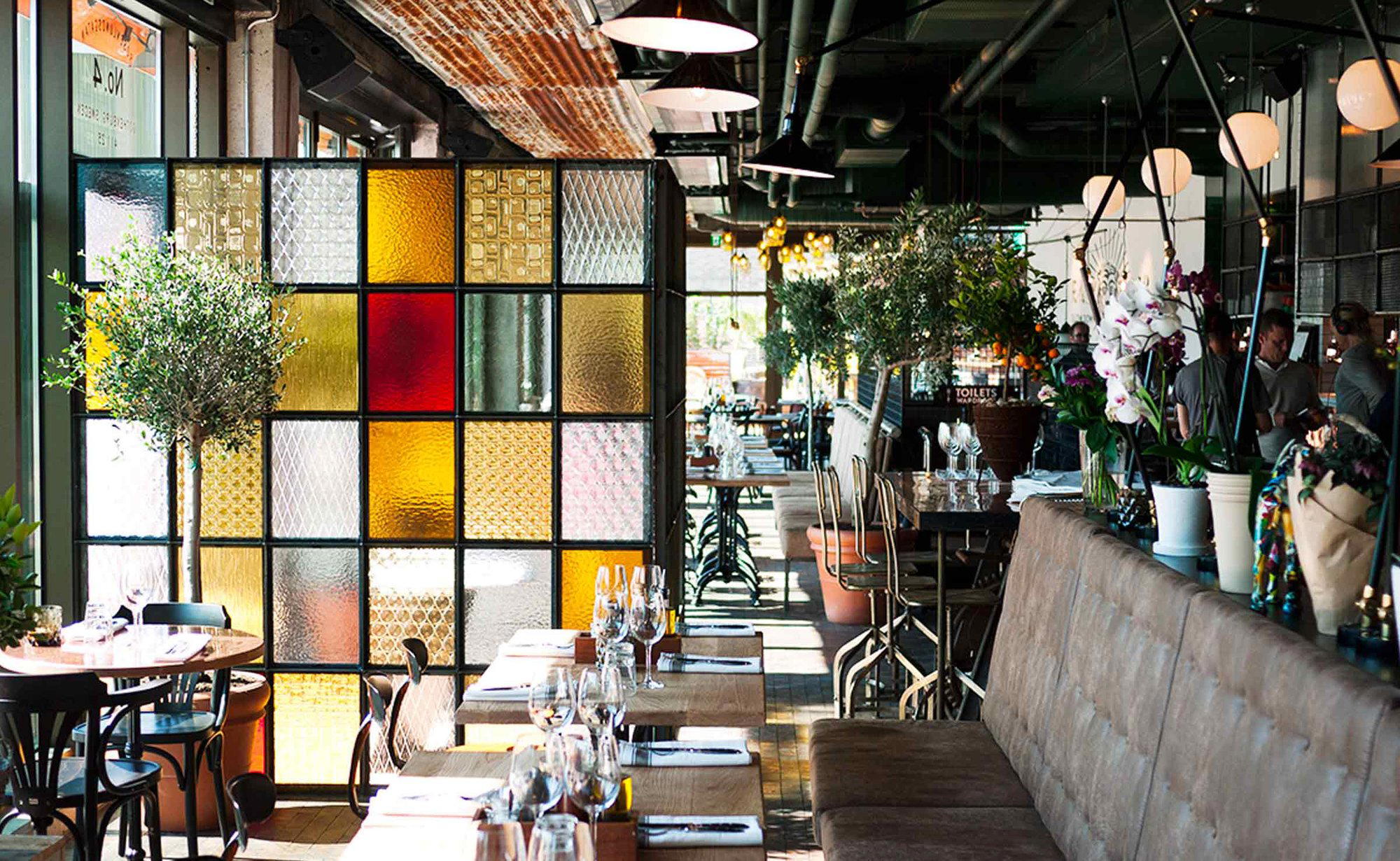
Warm and inviting with a relaxed, family-friendly atmosphere; guests describe it as a chill place to enjoy the sun with fresh sea views and local beer.
Know Before You Go
- Getting there
- Långejorden 10, 430 85 Brännö, Sweden