Boroa




Set inside a 15th-century farmhouse in Bizkaia's green interior, Boroa holds a Michelin star and an Opinionated About Dining Casual Europe ranking (No. 408, 2025) for its treatment of Basque culinary tradition. Chef Jabi Gartzia's kitchen works across three distinct menus and a seasonal à la carte, with hake, local produce, and Bay of Biscay seafood as recurring anchors. It is one of the more considered addresses in the Amorebieta-Etxano area.
Pearl is the En Primeur Club membership app — saves, bookings, and concierge access live there. Same editors, same standards.
- Address
- San Pedro de Boroa, 11, Astepe, 48340 Boroa, Bizkaia, Spain
- Phone
- +34 946 73 47 47
- Website
- boroa.com
- Directions
- Get directions
 Saves & bookings on Pearl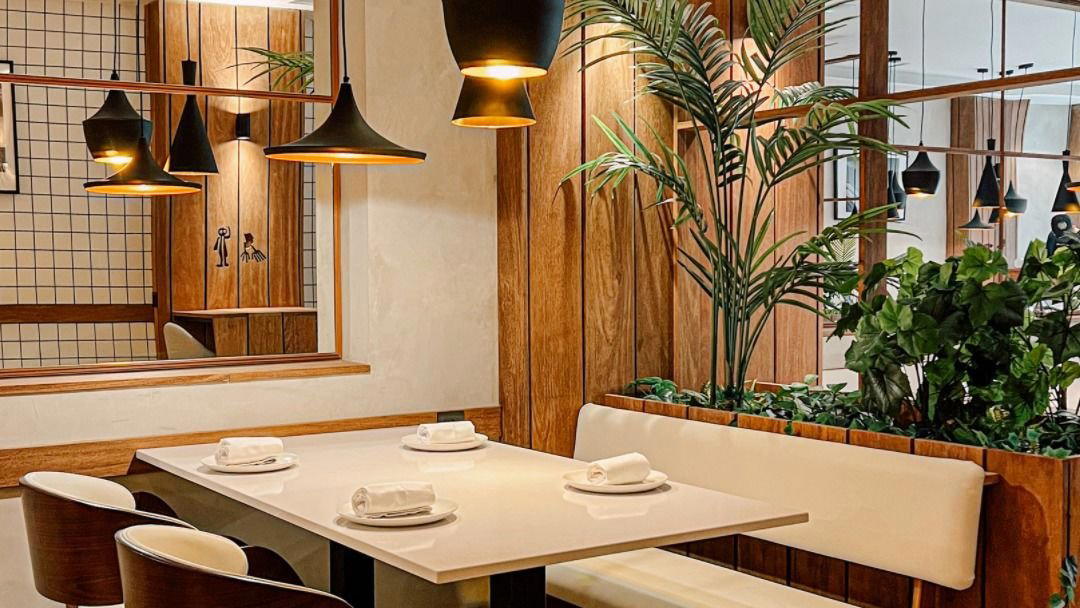
A Farmhouse Standard in Bizkaia's Rural Interior
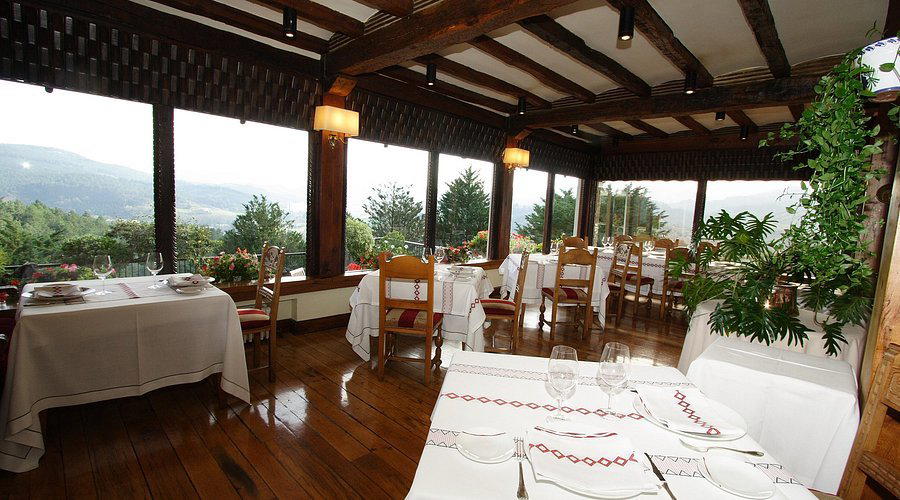
The approach to Boroa prepares you for what follows inside. The building is a 15th-century Basque farmhouse in the municipality of Amorebieta-Etxano, set against open views of the valleys and mountains that define Bizkaia's green hinterland. Before you have read a menu or spoken to a member of the team, the setting has already made an argument: that Basque cuisine belongs to a specific geography, and that geography still matters. Restaurants that occupy historic rural structures in the Basque Country are not trading on nostalgia alone. The farmhouse format carries an implicit claim about ingredients, about the seasons, and about a dining pace that differs from urban fine dining. Boroa occupies that format with enough seriousness to hold a Michelin star (2024) and an Opinionated About Dining Casual Europe ranking of No. 408 in 2025.
What the Basque Farmhouse Tradition Actually Means on the Plate
Basque cuisine divides, broadly, into two strands. The first is the progressive creative strand represented by addresses such as Arzak in San Sebastián, Mugaritz in Errenteria, and Azurmendi in Larrabetzu, all of which operate at three Michelin stars and at the €€€€ price tier, with menus oriented toward technique, transformation, and concept. The second strand is rooted in the casería and txoko tradition: produce-led, texturally honest, and more directly connected to the fishing ports and market gardens of the region. Boroa sits in this second category, which is smaller in terms of international recognition but more representative of how Basques themselves eat at the higher end. The OAD Casual Europe list, which tends to reward this strand of cooking, placed Boroa at No. 408 for 2025, while the Michelin star confirms the kitchen's technical consistency. It is also worth noting that OAD singled out Boroa as a Leading New Restaurant Recommended in Europe as recently as 2023, which places its recent trajectory on a clear upward line.
Chef Jabi Gartzia leads the kitchen. It reflects a genuine commitment to the idea that this style of Basque cooking is a collective inheritance rather than a chef's personal signature. In a decade when the chef-as-auteur model has dominated fine dining discourse, that position is actually a meaningful editorial one.
Three Menus and an À la Carte Built Around Recognisable Flavours
The menu structure at Boroa gives the kitchen flexibility to serve different kinds of guests without diluting the overall offer. The Bizkargi menu is the midweek executive format, a more accessible entry point by price and pacing. The Mugarra menu sits above it as the gourmet option, adding depth and course count. The Txindoki is the tasting-format menu, one sustained expression of what the kitchen is doing in any given season. All three are built around what the restaurant calls recognisable flavours and well-suited textures, which is a description that matters: the kitchen is not asking guests to decode abstraction. The à la carte runs alongside the menus and foregrounds classic Basque technique applied to the Bay of Biscay's principal proteins. A representative dish from the published record: grilled hake with cauliflower, peas, and white Huelva prawns. That combination, hake as the central fish, grilled rather than poached or cured, with supporting vegetables and shellfish from southern Spain used as an accent, is a fairly precise statement of where the kitchen stands. The hake is from the Bay of Biscay, the prawns arrive from the south as a considered ingredient rather than a local claim, and the preparation is clean enough for the product to do the arguing.
For comparison, the progressive Spanish restaurants that hold three Michelin stars, including Aponiente in El Puerto de Santa María, El Celler de Can Roca in Girona, Martin Berasategui in Lasarte-Oria, DiverXO in Madrid, Cocina Hermanos Torres in Barcelona, Quique Dacosta in Dénia, and Ricard Camarena in València, are all operating at the €€€€ tier with menus that foreground creativity, transformation, and conceptual distance from the raw ingredient. Boroa at €€€ makes a different promise: clarity, product quality, and a direct relationship between what is on the plate and what the Basque Country produces. That is a narrower brief, but it is executed with enough precision to earn recognition from both Michelin and OAD simultaneously, which is not a common combination at this price tier.
The Setting as Part of the Argument
The farmhouse's interior has preserved its original structure while accommodating what the record describes as an elegant, rustic style. The terrace with open valley and mountain views is the kind of space that makes seasonal timing relevant: this is a restaurant where the experience shifts depending on when you visit. The Basque Country's weather being what it is, the terrace is most reliable in the warmer months, while the interior carries its own integrity in the colder seasons when the landscape outside becomes part of the atmosphere rather than a backdrop for outdoor dining. The address is in Astepe, within the Amorebieta-Etxano municipality in Bizkaia, which places it away from the urban restaurant circuits of Bilbao and San Sebastián but within reasonable reach of both. For guests making a deliberate excursion, the surrounding countryside context is itself part of the experience.
Among the few other addresses in the immediate area worth noting is Jauregibarria, which takes a contemporary approach to the same local material. The contrast between the two restaurants reflects a wider pattern across the Basque Country, where traditional and progressive kitchens operate in close geographic proximity and often draw from the same producers. For those building a longer stay in the region, the full Amorebieta-Etxano restaurants guide covers both ends of that spectrum, and the hotels guide, bars guide, wineries guide, and experiences guide provide the wider picture for planning a full visit to the area.
For further reference in the traditional cuisine category across northern Europe, Auberge Grand'Maison in Mûr-de-Bretagne and Auga in Gijón occupy comparable positions in their respective regions: starred, produce-led, and defined by the landscapes they sit within rather than by ambitious departure from them.
Planning Your Visit
Boroa opens daily from noon to 8 PM, Monday through Sunday, which gives it a practical advantage for guests planning a midday meal as the centrepiece of a day in the Bizkaia countryside. The Bizkargi executive menu is available midweek only, making it the entry-level option for weekday visitors with a narrower appetite or a tighter schedule. The Mugarra and Txindoki menus are available across the full week. The price range at €€€ positions Boroa below the upper tier of Spanish fine dining but well above the casual end, consistent with its Michelin one-star standing and its OAD Casual Europe placement. The address is San Pedro de Boroa, 11, Astepe, 48340 Boroa, Bizkaia, which is most comfortably reached by car.
Comparison Snapshot
Comparable venues nearby, for context on price, style, and recognition.
| Venue | Cuisine | Price | Awards | Notes |
|---|---|---|---|---|
| BoroaThis venue — the venue you are viewing | Modern Basque Fine Dining | $$$$ | Michelin 1 Star | Not listed |
| La Revelía | Modern Basque Tasting Menu | $$$ | Michelin 1 Star | Barrio Aldana, Amorebieta-Etxano |
| Jauregibarria | Modern Basque Fine Dining | $$$ | Michelin Plate | Barrio Bideaur |
| Zarate | Modern Basque Seafood | $$$$ | Michelin 1 Star | Abando |
| Ola Martín Berasategui | Modern Basque Haute Cuisine | $$$$ | Michelin 1 Star | Old Town (Casco Viejo) |
| La Lobita | Seasonal Mycological Fine Dining | $$$$ | Michelin 1 Star | Navaleno |
Recognition history
Dated appearances from independent guides and award organizations, with the underlying list record or original source where available.
Guía Repsol 2 Soles
Guía Repsol
Michelin 1 Star
Michelin
Opinionated About Dining Casual in Europe Recommended
Opinionated About Dining
Star Wine List
Star Wine List
Michelin 1 Star
Michelin
Opinionated About Dining Casual in Europe Ranked #408
Opinionated About Dining
Michelin 1 Star
Michelin
Opinionated About Dining Top New Restaurants in Europe Recommended
Opinionated About Dining
Continue exploring
More in Amorebieta-Etxano
Restaurants in Amorebieta-Etxano
Browse all →
Bars in Amorebieta-Etxano
Browse all →
Hotels in Amorebieta-Etxano
Browse all →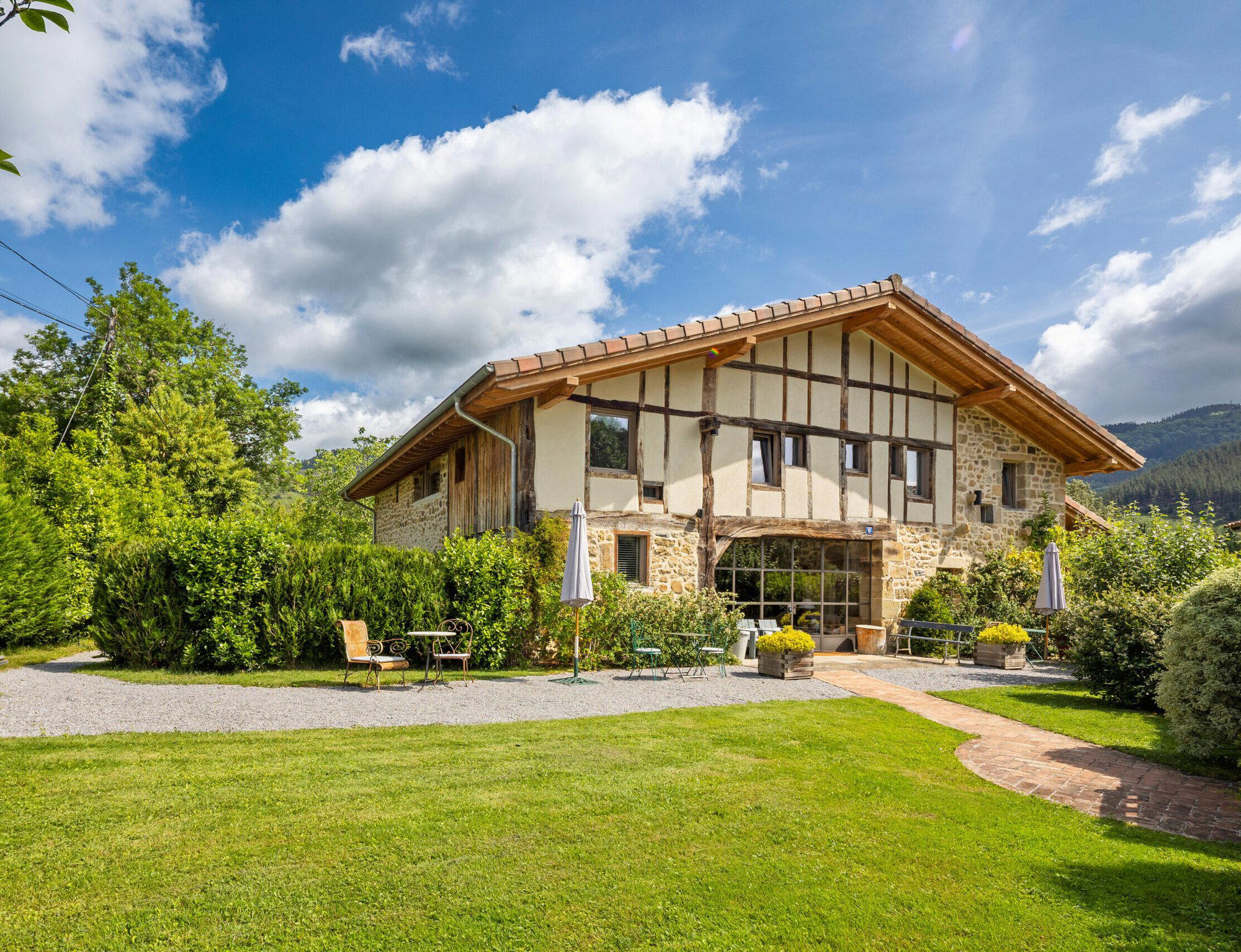
Wineries in Amorebieta-Etxano
Browse all →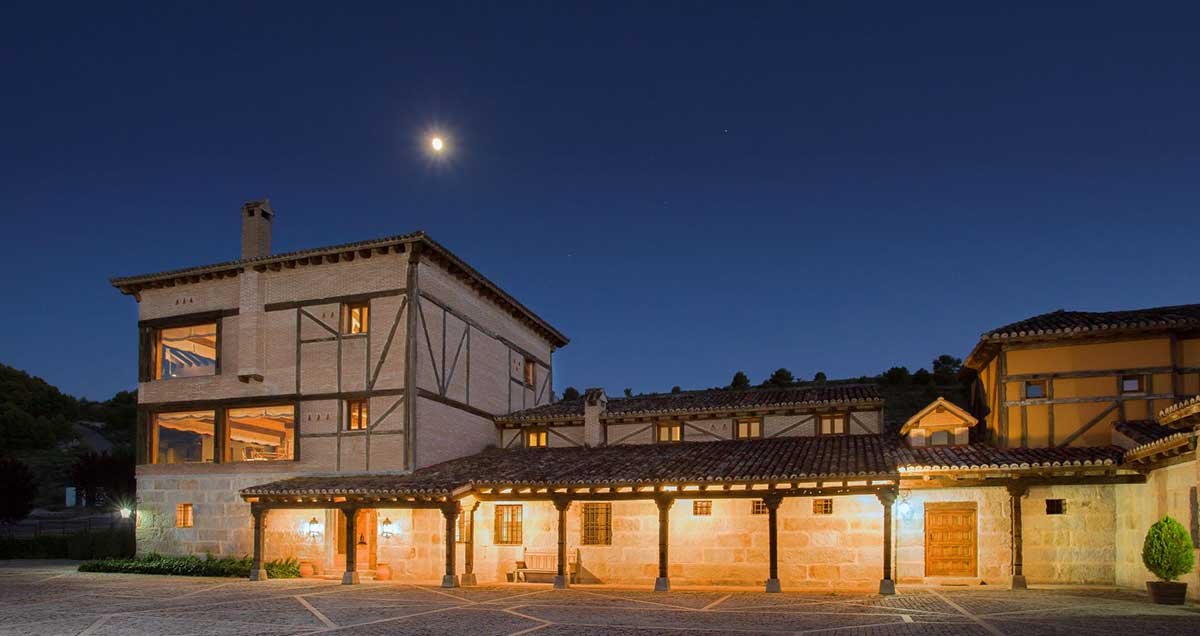
At a Glance
- Rustic
- Elegant
- Scenic
- Cozy
- Intimate
- Special Occasion
- Celebration
- Terrace
- Garden
- Historic Building
- Extensive Wine List
- Local Sourcing
- Mountain
- Garden
Current opening hours
- Monday
- 12–7 PM
- Tuesday
- 12–7 PM
- Wednesday
- 12–7 PM
- Thursday
- 12–7 PM
- Friday
- 12–8 PM
- Saturday
- 12–8 PM
- Sunday
- 12–8 PM
Hours can change for holidays and private events. Last verified .
Charming rustic interior in a historic farmhouse with pleasant terrace, elegant atmosphere, and open views of surrounding valleys and mountains.