Bona Vita Osteria
Bona Vita Osteria occupies the Record Building on Maple Street in Summit, New Jersey, bringing an osteria format to one of the state's more quietly serious dining towns. The kitchen's sourcing orientation places it within a growing cohort of ingredient-driven Italian-American tables that treat the provenance of produce and protein as seriously as technique. Summit's commuter-town proximity to New York City makes it a natural landing point for this kind of focused, mid-scale dining.
- Address
- Record Building, 37 Maple St, Summit, NJ 07901
- Phone
- +1 908 277 1414
- Directions
- Get directions
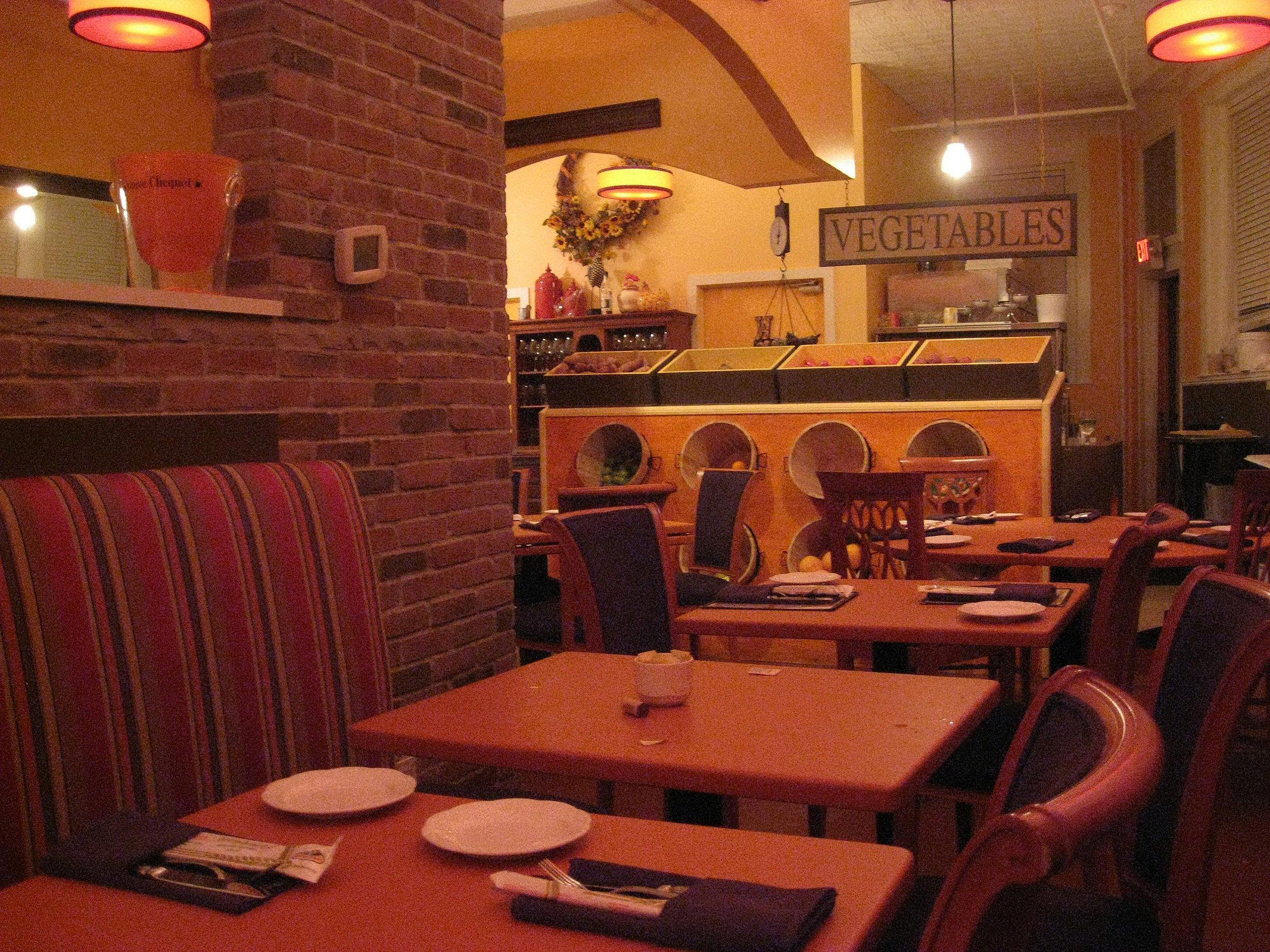
Maple Street, Summit, and the Osteria Format in New Jersey's Commuter Belt
Bona Vita Osteria is an Italian Trattoria in Summit, New Jersey, priced at about $35 per person. Close enough to Manhattan that its residents know what a serious meal looks like, far enough away that the restaurants serving them operate under different pressures: lower rents, neighborhood loyalty, and a clientele that wants quality without the ceremony of a midtown reservation. It is in this context that the osteria format has found some of its most useful American expressions. Where a formal Italian ristorante demands a certain theatrical distance between kitchen and table, the osteria collapses that gap. The food is allowed to be direct. The sourcing, when done well, does the talking.
Bona Vita Osteria sits inside the Record Building at 37 Maple St, within Summit's walkable downtown. The building itself carries the kind of low-key architectural weight that suits the format: not a glass-and-steel newcomer, but a structure with material history. For an osteria, that context matters. The Italian model has always been about rootedness, about a place that feels as though it predates the trend cycle rather than arriving in the middle of one.
The Sourcing Argument: Why Ingredient Origin Defines This Category
The osteria tradition in Italy was never primarily about technique. It was about access: to whatever the local market offered that morning, to the producer down the road, to the season as it actually exists rather than as a menu committee wishes it did. American kitchens operating under the osteria name have varied widely in how seriously they take that original premise. Some use the label as aesthetic cover for a broadly Italian-American menu with no particular sourcing discipline. Others treat it as a genuine operating constraint, building dishes around what is available from specific farms, fisheries, and creameries rather than from broadline distributors.
The distinction matters more than it might appear. Ingredient sourcing at this level determines not just flavor profiles but the actual rhythm of a menu: when dishes appear, how long they stay, and what replaces them. The restaurants that have made the strongest cases for this approach in the American Northeast include operations well outside the major cities. Blue Hill at Stone Barns in Tarrytown built its entire identity around on-property agriculture. Single Thread Farm in Healdsburg operates with a farm-to-table integration so complete that the sourcing decisions happen before the menu is written. These are larger, more formally ambitious projects, but they establish what genuine sourcing commitment looks like at a high level of execution.
At the osteria scale, the same logic applies with different constraints. A kitchen working within the format's traditionally tighter price range cannot source from every artisan supplier, but it can make deliberate choices about a handful of relationships, prioritizing the ingredients that are hardest to fake: good olive oil, properly aged cheese, protein from animals raised with some attention to diet and space. Those choices show up in the finished plate in ways that are difficult to replicate with commodity substitutes, and regular diners at this level of restaurant tend to notice the difference.
Summit's Position in the New Jersey Dining Map
New Jersey's dining geography is uneven in ways that outside observers often underestimate. The state's proximity to two major cities, New York and Philadelphia, has historically meant that its own restaurant culture was treated as a secondary consideration. That has shifted noticeably in the past decade, with a cluster of towns along the Morris and Essex County lines developing independent dining identities that owe little to Manhattan overflow. Summit is part of that shift. Its downtown supports a range of formats, from casual to more considered, and has shown enough commercial stability to attract kitchens willing to invest in a real program.
Felina has established itself as Summit's most visible fine-dining reference point, operating at a price and ambition level that signals the town's capacity for serious restaurant projects. Bona Vita Osteria occupies a different tier and a different register: less formal, more daily-use, but within that register, a representative of what the osteria format can do when it is taken seriously as a sourcing-first operation rather than a branding exercise.
For a broader survey of what Summit's dining scene currently offers across formats and price points, the EP Club Summit restaurants guide maps the full range. The town's size means the leading options are concentrated enough to be walkable, which makes it a practical destination for an evening that moves from one stop to another.
Placing Bona Vita in a National Sourcing Conversation
The ingredient-sourcing argument has become central to particularly discussed American restaurants of the past decade, across formats and price points. Smyth in Chicago and The Wolf's Tailor in Denver both treat sourcing as a structural decision rather than a marketing note. Oyster Oyster in Washington, D.C. has built an entire identity around plant-forward, ecologically grounded sourcing. At the higher end of the price spectrum, The French Laundry in Napa and Le Bernardin in New York City have long set benchmarks for ingredient specificity, though at price points and formality levels that place them in a separate category entirely.
What the osteria format offers is sourcing seriousness at a scale that fits a neighborhood. The price point is lower, the booking pressure is typically lighter, and the format rewards repeat visits in a way that destination tasting menus do not. A restaurant like Bona Vita Osteria, in a town like Summit, functions within a logic that is distinct from the ambitious destination operations listed above. Its comparable set is the growing number of ingredient-driven neighborhood Italians that have appeared across the American Northeast, kitchens that have decided the osteria label carries real meaning and have tried to operate accordingly.
Planning a Visit
The restaurant is located at 37 Maple St inside the Record Building in downtown Summit, accessible by NJ Transit's Morris and Essex Lines, with Summit station a short walk from Maple Street. The downtown concentration of Summit's dining options makes an early evening arrival practical for those combining dinner with a prior stop.
At-a-Glance Comparison
Comparable venues nearby, for context on price, style, and recognition.
| Venue | Cuisine | Price | Notes |
|---|---|---|---|
| Bona Vita OsteriaThis venue — the venue you are viewing | Italian Trattoria | $$ | Not listed |
| Felina - Summit | Modern Italian-American | $$$ | Summit |
| Angelina's Kitchen - New Jersey | Italian Bistro with Sicilian Inspirations | $$ | Woodbridge Township |
| ITA Italian Kitchen | Modern Italian Pasta and Pizza | $$ | McGinley Square |
| Nocella's Ristorante | Classic Italian Trattoria & Pizzeria | $$ | downtown Haddonfield |
| La Fiamma | Classic Italian | $$ | Harrison |
Continue exploring
More in Summit
Restaurants in Summit
Browse all →
Bars in Summit
Browse all →
Hotels in Summit
Browse all →





At a Glance
- Cozy
- Classic
- Intimate
- Date Night
- Casual Hangout
- Brunch
- Standalone
- Byob
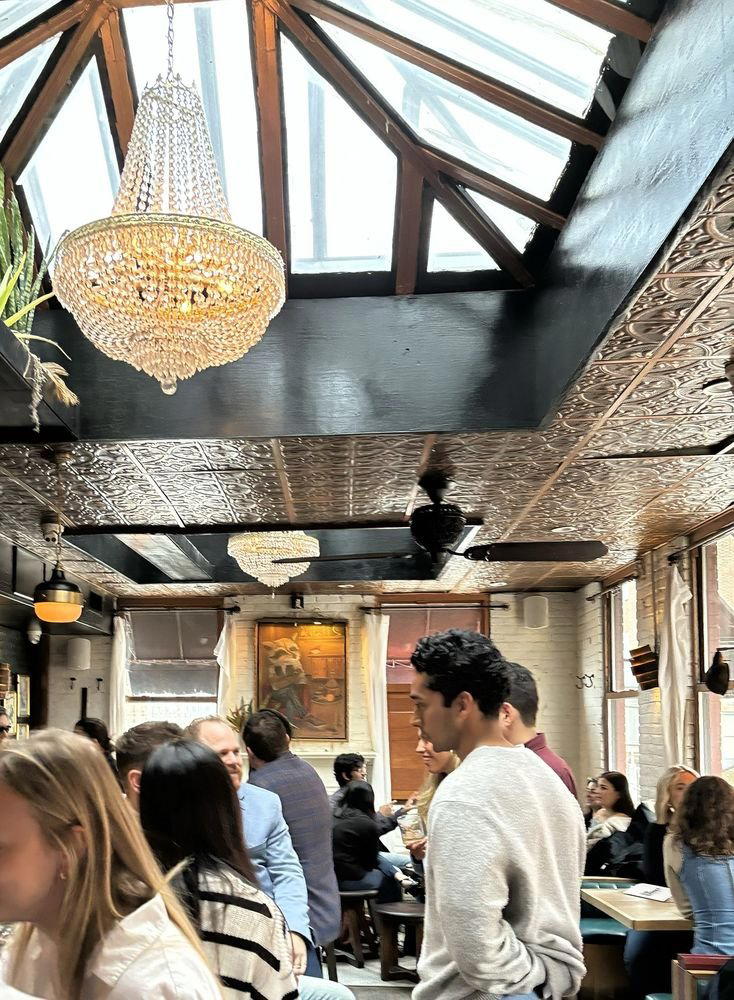
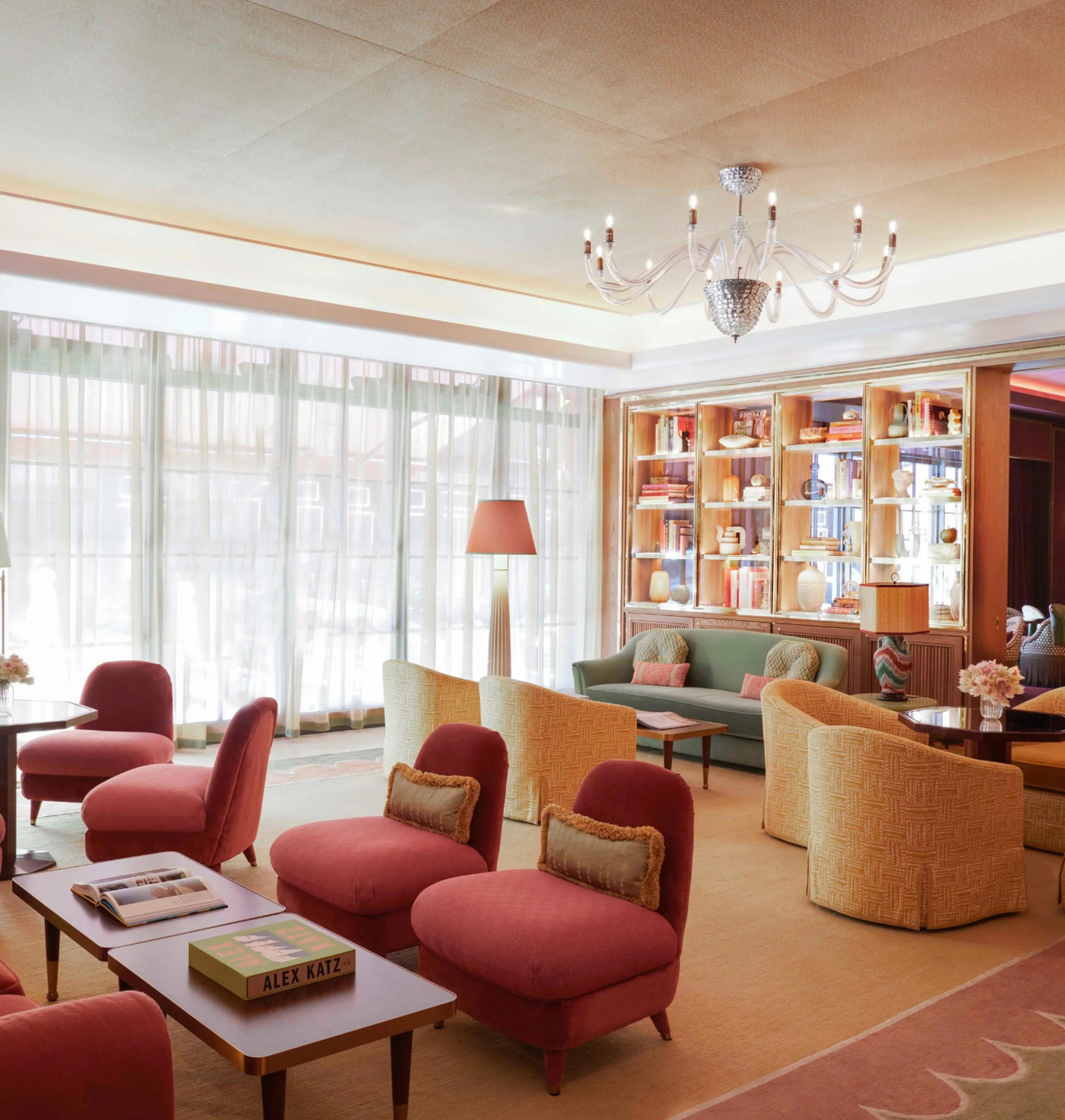
Handsome storefront in a historic downtown location with a homey, neighborhood osteria atmosphere emphasizing casual comfort and warmth.