In the rolling hills of the Zagorje region northeast of Zagreb, Bolfan Vinski Vrh at Gornjaki 56 represents the kind of estate dining that defines inland Croatian wine country: produce grown close to where it is served, poured alongside wines made on the same land. For travellers moving beyond Croatia's coast, this Hrašćina address offers a grounded alternative to the Adriatic dining circuit.
Pearl is the En Primeur Club membership app — saves, bookings, and concierge access live there. Same editors, same standards.
- Address
- Gornjaki 56, 49283, Hrašćina, Croatia
- Phone
- +385951515000
- Website
- bolfanvinskivrh.hr
- Directions
- Get directions
 Saves & bookings on Pearl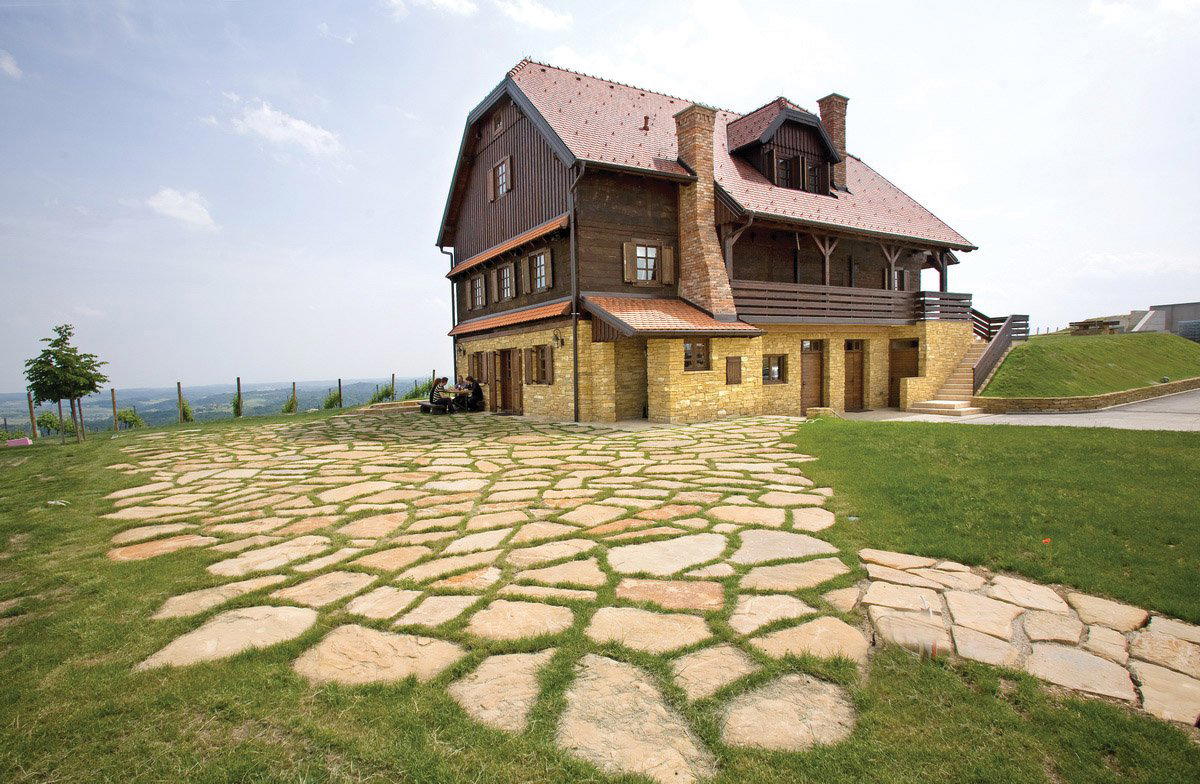
Where Zagorje's Agricultural Logic Meets the Table
Bolfan Vinski Vrh is a restaurant in Hrašćina, Croatia, serving Croatian Rural Organic Cuisine. Croatia's dining conversation skews heavily toward the coast. The Adriatic belt, from Rovinj to Dubrovnik, commands most of the critical attention, and restaurants like Pelegrini in Sibenik or Restaurant 360 in Dubrovnik operate within a well-established frame of Mediterranean produce, seafood, and European fine-dining vocabulary. Inland Croatia, and specifically the Zagorje hills northeast of Zagreb, runs on a different logic entirely. Here, the kitchen's argument is made with smoked meats, foraged mushrooms, freshwater fish, and wines grown on the same slopes where you are sitting. Bolfan Vinski Vrh, at Gornjaki 56 in Hrašćina, is one of the clearest expressions of that tradition.
The address itself signals what kind of experience this is. Hrašćina is not a dining destination in the way that Zagreb or Split are. It is a village in the Krapina-Zagorje County, surrounded by the gently terraced vineyard country that has produced wine in this part of Croatia for centuries. Arriving at a property like this, along roads that pass through agricultural land rather than resort strips, already frames what will follow. The food at an estate in this region is inseparable from where the estate sits.
The Sourcing Argument That Inland Croatian Estates Make
Estate dining in the Zagorje region operates on a premise that coastal fine dining rarely achieves with the same directness: the raw material is not sourced from a market or a regional supplier network. It is, in many cases, grown, raised, or harvested on or immediately adjacent to the property itself. That proximity has real consequences for what arrives at the table. It determines the rhythm of the menu across seasons, the condition of vegetables at service, and the relationship between the wine poured and the soil the food was grown in.
This is a different claim from the farm-to-table marketing language that has become background noise in much of European dining. In a village setting like Hrašćina, it is closer to the baseline reality of how these properties have always operated. The question for a visitor is not whether the sourcing story is genuine, but how well the kitchen translates that material advantage into a meal worth travelling for. Inland Zagorje estates that do it well sit in a peer group that has little to do with the coastal fine-dining circuit; they are better compared to estate-based restaurants in Slavonia, or to rural konoba traditions that have professionalised without losing their agricultural foundation.
For reference points within Croatia's broader restaurant map, the closest in spirit are places like Korak in Jastrebarsko, which similarly anchors its offer in the agricultural identity of the Zagreb hinterland, or Boskinac in Novalja, which combines on-site wine production with a kitchen that takes its cues from what the estate produces. The coastal equivalents, Agli Amici Rovinj or LD Restaurant in Korčula, work in a Mediterranean register that has little overlap with what Zagorje kitchens are doing.
The Wine Side of the Equation
The name Vinski Vrh translates roughly to wine hill, and in the context of a Zagorje estate, that is a precise description rather than a romantic label. The Krapina-Zagorje region sits within the broader Prigorje-Bilogora wine subregion, where cool continental conditions favour white varieties, particularly Riesling, Chardonnay, and the indigenous Kraljevina, a grape that does not appear in Croatian wine conversations nearly as often as it should. An estate in this location that produces its own wine is working with climate and variety profiles that have almost nothing in common with Dalmatian Plavac Mali or Istrian Malvazija. The pairing logic at the table shifts accordingly.
For wine-focused travellers moving through northern Croatia, the Zagorje estates offer a counterpoint to the better-publicised Istrian and Dalmatian producers. Properties like San Rocco in Brtonigla or EatIstria in Pluj represent the Istrian end of that spectrum. Bolfan Vinski Vrh sits at the continental end, where the wines are lighter in body, higher in acidity, and calibrated to the heavier, smoke-inflected food of inland Croatian cooking.
Placing This in the Broader Croatian Dining Picture
Croatia's restaurant scene has developed unevenly. The coast has attracted significant investment and critical attention, producing restaurants that can be credibly compared to European peers in terms of technique and produce. The inland picture is less documented but no less serious in its own register. Restaurants like Dubravkin Put in Zagreb or Nebo by Deni Srdoč in Rijeka have raised the technical bar, while rural estate dining in Zagorje has quietly maintained a different kind of credibility: the credibility of place, continuity, and agricultural honesty.
That does not make estate dining in Hrašćina a substitute for the cooking at Alfred Keller in Mali Lošinj or the ambition on show at Humska Konoba in Hum. It makes it a different kind of argument about what Croatian food can be. The traveller who builds an itinerary around only coastal Croatia is reading one chapter of a longer story.
For those visiting from further afield, it is worth noting how this type of estate dining compares structurally to destination restaurants in other markets. In Zagorje, the same structural logic exists without the same international visibility, which means the access and pricing dynamics are considerably different. Travellers familiar with the estate-dining format from markets like those should adjust their expectations about formality and scale, not about the underlying seriousness of the produce.
Planning a Visit
Bolfan Vinski Vrh is located at Gornjaki 56, 49283 Hrašćina, in the Krapina-Zagorje County of Croatia. A car is the standard approach, and the drive from Zagreb takes approximately 45 minutes to an hour depending on the route through the Zagorje hills. Given the estate's rural setting and the nature of this style of dining, contacting the property directly in advance is advisable. Advance contact is advisable.
Visitors planning a wider northern Croatian itinerary can use our full Hrašćina restaurants guide for additional context on what the area offers. Those building a longer Croatian wine and food route will find useful comparisons in coverage of Restaurant Filippi in Curzola, Trg Sv. Stjepana 3 in Lesina, and Krug in Split, all of which represent the coastal register that restaurant sits outside of by design.
Fast Comparison
Comparable venues nearby, for context on price, style, and recognition.
| Venue | Cuisine | Price | Notes |
|---|---|---|---|
| Bolfan Vinski VrhThis venue — the venue you are viewing | Croatian Rural Organic Cuisine | $$ | Not listed |
| Konoba Barba | Traditional Dalmatian Seafood & Grill | $$ | Komiza |
| Market street food & drinks | Modern Croatian Bistro | $$ | City Centre |
| Don Dino Restaurant | Modern Dalmatian Seafood | $$ | Trogir Old Town |
| Vina Kos – Jurišić | Croatian Winery Dining | $$$ | Donja Zelina |
| Konoba Riva | Traditional Croatian Seafood | $$ | Selce |
Continue exploring
More in Hrascina
Restaurants in Hrascina
Browse all →
Bars in Hrascina
Browse all →
Hotels in Hrascina
Browse all →
Wineries in Hrascina
Browse all →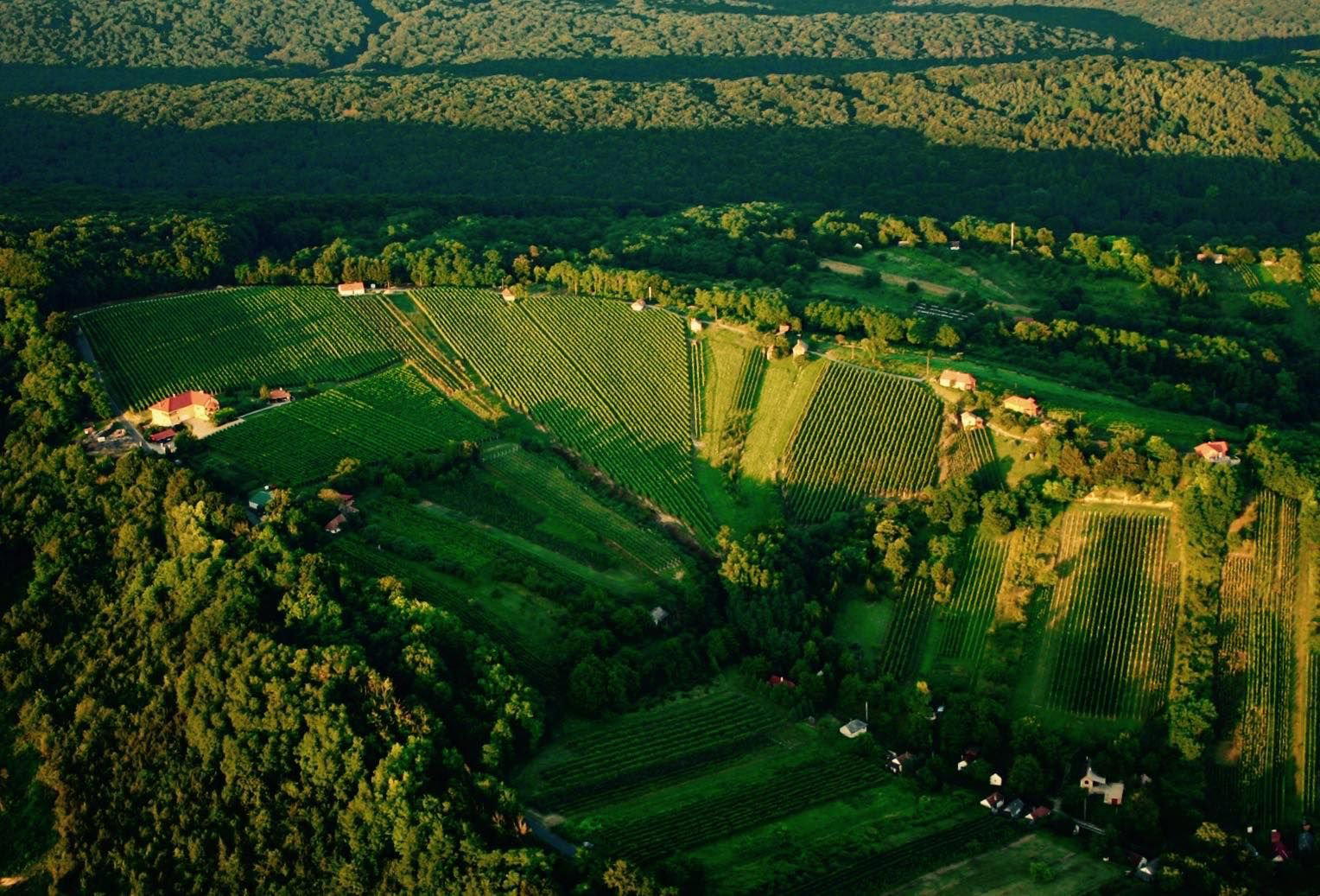
At a Glance
- Rustic
- Cozy
- Scenic
- Special Occasion
- Celebration
- Wine Cellar
- Historic Building
- Standalone
- Extensive Wine List
- Local Sourcing
- Organic
- Mountain
- Vineyard
Current opening hours
- Monday
- Closed
- Tuesday
- Closed
- Wednesday
- 12–8 PM
- Thursday
- 12–8 PM
- Friday
- 12–8 PM
- Saturday
- 12–8 PM
- Sunday
- 12–6 PM
Hours can change for holidays and private events. Last verified .
Rustic and charming wooden building with a cozy, welcoming atmosphere in a secluded rural setting.