A winery and estate address in the village of Nespeš, northwest of Zagreb, Vina Kos – Jurišić sits in Croatia's continental wine corridor where small-scale producers work close to the soil. The setting is agricultural rather than theatrical, and the draw is proximity to source: wine grown, made, and poured within the same few hectares. For travellers moving through the Zagreb hinterland, it represents the quieter, producer-direct end of Croatian hospitality.
Pearl is the En Primeur Club membership app — saves, bookings, and concierge access live there. Same editors, same standards.
- Address
- Nespeš 8B, 10382, Nespeš, Croatia
- Phone
- +385915110073
- Directions
- Get directions
 Saves & bookings on Pearl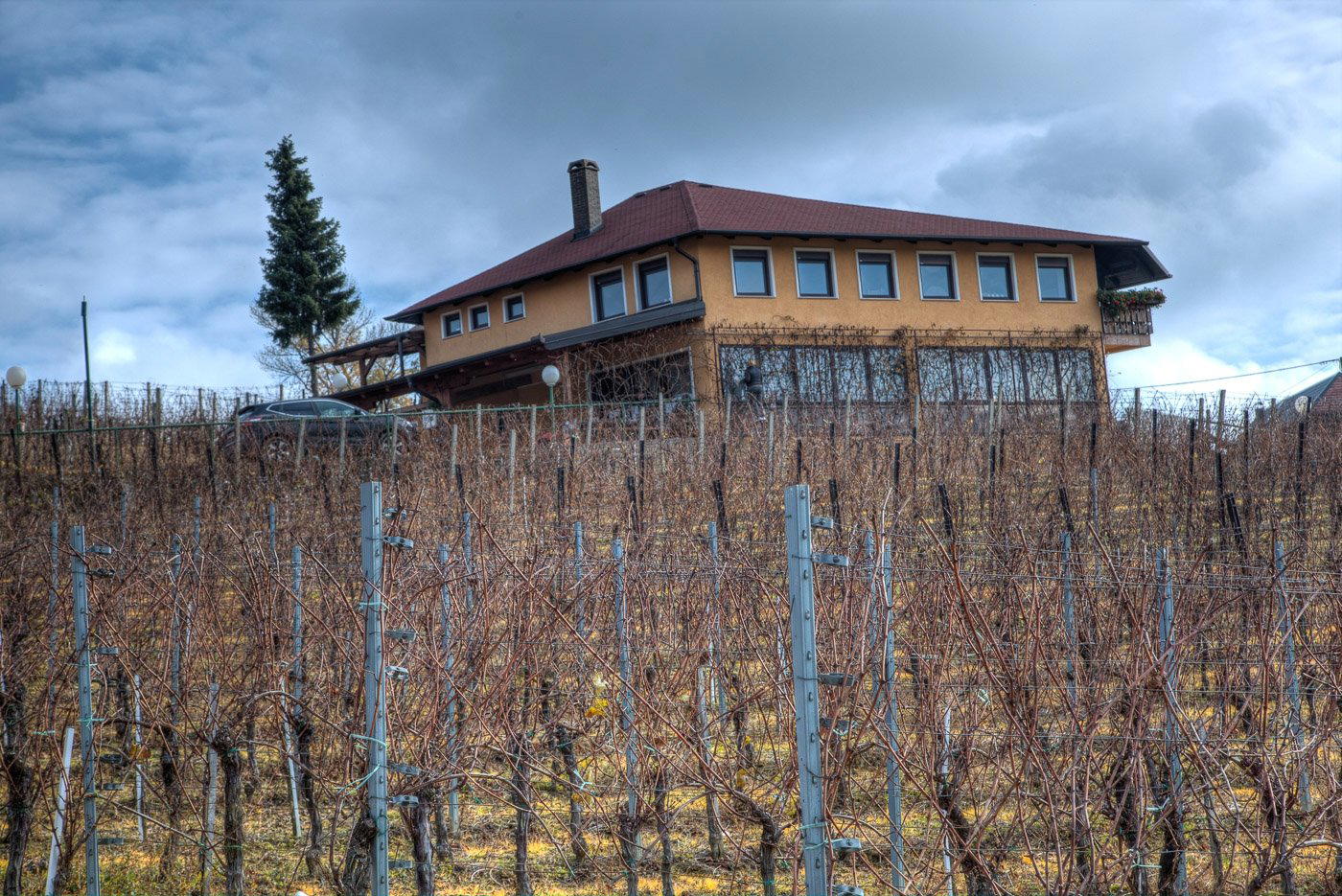
Croatia's Continental Wine Country, Away from the Coast
Most international visitors arrive in Croatia with the Adriatic in mind, Dalmatian stone, Pelješac Plavac Mali, the coastal dining rooms of Pelegrini in Sibenik or Restaurant 360 in Dubrovnik. But Croatia's interior tells a different story. The rolling terrain northwest of Zagreb, stretching through Zagorje and the Plešivica sub-region, supports a tradition of small, family-run wine production that operates largely outside the international spotlight. Here, the continental climate, cold winters, warm summers, genuine seasonal swing, shapes Riesling, Pinot Blanc, and Chardonnay in ways the coast cannot replicate. Vina Kos – Jurišić is a Croatian winery dining venue at Nespeš 8B in Nespeš, Croatia, with a recommended reservation policy and a smart casual dress code.
The village itself sits in the kind of Croatian countryside that rarely appears in travel features: agricultural, unhurried, defined by smallholdings rather than resort infrastructure. Approaching the address, the visual register shifts from highway anonymity to something more deliberate, the scale is human, the surroundings productive. This is wine country in the literal sense, where the landscape tells you directly what people here grow and how they live.
The Sourcing Logic of a Producer-Direct Estate
Across Croatia's wine regions, a meaningful divide exists between producer-direct estates, where wine is grown, made, and poured on-site, and restaurants or bars that curate from elsewhere. Vina Kos – Jurišić operates in the former category. The sourcing chain is short by design: what is in the glass has not moved far from where it was grown. This matters more than it might appear. In smaller wine regions, direct access to the producer is often the only way to taste wines that never reach export markets or even Zagreb restaurant lists.
Croatia's continental wine corridor, of which the Plešivica area is a central part, has attracted increasing attention from wine professionals over the past decade. The region's white wine credentials, particularly with aromatic varieties and wines that carry genuine acidity, position it as a counterpoint to the Plavac-dominated coastal narrative. Estates at this scale typically farm a compact number of hectares, which concentrates attention on individual parcels and allows for the kind of site-specific decision-making that larger operations necessarily forgo. The result, at the leading addresses, is wine with a legible sense of place rather than a blended, averaged house style.
For context on how Croatia's more prominent dining addresses integrate local sourcing into their programs, Boskinac in Novalja and Korak in Jastrebarsko both demonstrate how continental and island producers are increasingly being positioned as premium sourcing references rather than default local options. Jastrebarsko, notably, sits in the same general sub-region as Nespeš, which means the culinary conversation happening at Korak and the wine production at estates like Vina Kos – Jurišić are, geographically at least, close neighbours.
What the Setting Tells You Before You Taste Anything
There is a category of wine estate visit where the physical environment does much of the editorial work. The vineyard-to-table model, as practised at smaller Croatian estates, typically means that the formal division between winery, tasting room, and dining space is either minimal or non-existent. You are, in effect, inside the production environment. This is a different register from, say, Agli Amici Rovinj or Nebo by Deni Srdoč in Rijeka, where the dining room is a constructed stage for a curated experience. At a producer estate, the environment is incidental to the production, not designed around the visitor, and that is, for a specific type of traveller, a significant draw.
The absence of theatrical design is precisely the point. What you are paying attention to is the wine and, by extension, the decisions made across an entire growing season. Continental Croatian producers working at this scale tend to operate with limited outside intervention: small teams, direct involvement across viticulture and winemaking, and a close relationship between what the vintage gives and what ends up in the bottle. This is the sourcing argument made physical.
Positioning Within Croatia's Broader Dining and Drinking Scene
Croatia's premium dining circuit has concentrated heavily on the coast, with addresses like LD Restaurant in Korčula, Alfred Keller in Mali Lošinj, and Krug in Split drawing the highest-profile international attention. The inland scene, Zagreb and its surrounding wine country, runs on a different logic, closer to the everyday rhythms of Croatian food culture. Dubravkin Put in Zagreb represents the city's commitment to a certain kind of seasonal, locally sourced cooking that draws directly on these inland agricultural zones.
Estates like Vina Kos – Jurišić occupy the upstream position in that supply chain. The wines produced in the Plešivica corridor feed into Zagreb's better restaurant lists, into private cellars, and, at producer-direct addresses like this, into glasses poured without intermediary. For travellers who have covered the coastal circuit and want to understand Croatian food and wine culture from a production angle rather than a consumption angle, this interior zone is where that conversation happens most directly. You can find similar approaches across the region at addresses like Cantilly Garden Restaurant in Samobor and Cubo in Opatija, though both operate within more conventional hospitality formats.
Planning a Visit
Nespeš sits northwest of Zagreb, accessible by road through the Plešivica wine sub-region. As a small estate address rather than a formally structured hospitality venue, visiting the restaurant is best approached with direct contact in advance. Visits are best arranged in advance. For those already covering Croatia's dining circuit, from Burin in Crikvenica on the Kvarner coast to Bodulo in Pag or BioMania Bistro Bol in Bol, the Plešivica sub-region adds an inland dimension that the coastal itinerary cannot replicate.
At-a-Glance Comparison
Comparable venues nearby, for context on price, style, and recognition.
| Venue | Cuisine | Price | Notes |
|---|---|---|---|
| Vina Kos – JurišićThis venue — the venue you are viewing | Croatian Winery Dining | $$$ | Not listed |
| The Family | Croatian Traditional with European Influences | $$$ | Central Varazdin |
| Klet Ljubekov gaj | Traditional Croatian Konoba | $$ | Blazevdol |
| Restoran Potkova | Traditional Croatian Grill | $$ | Zaprešić |
| Astoria Resturant | Mediterranean Seafood with Croatian Tradition | $$$ | Rab Town |
| Cubo | Contemporary Mediterranean Fine Dining | $$$ | Opatija |
Continue exploring
More in Nespes
Restaurants in Nespes
Browse all →
Bars in Nespes
Browse all →

Hotels in Nespes
Browse all →

At a Glance
- Rustic
- Cozy
- Scenic
- Date Night
- Special Occasion
- Terrace
- Extensive Wine List
- Local Sourcing
- Vineyard
- Garden
Rustic and cozy atmosphere surrounded by family vineyards and greenery, ideal for relaxed wine-focused dining.