Our verdict
On the Selce waterfront, Konoba Riva represents the kind of seafront konoba that defines the Kvarner Gulf's dining character: direct sourcing from local fishing boats, a menu shaped by season and catch, and a setting where the Adriatic is both backdrop and pantry. It belongs to a tradition of coastal Croatian dining that rewards visitors who prioritise provenance over production values.

Pearl is the En Primeur Club membership app, where members save venues, book tables and use the concierge.
The menu
What to order
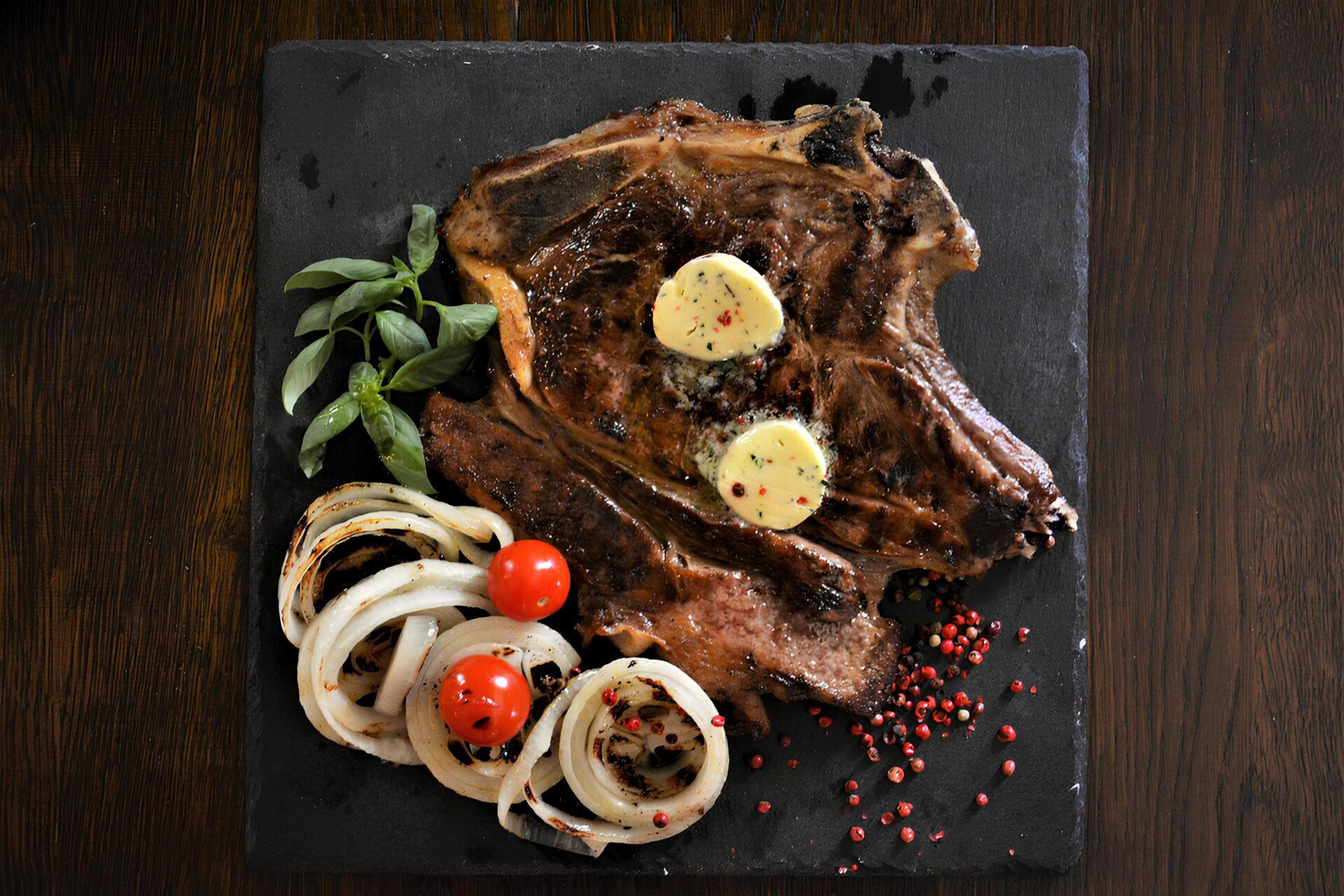
- Grilled calamari
- Fish platter
- Shrimps
- Mussels buzara
Where the Adriatic Sets the Menu
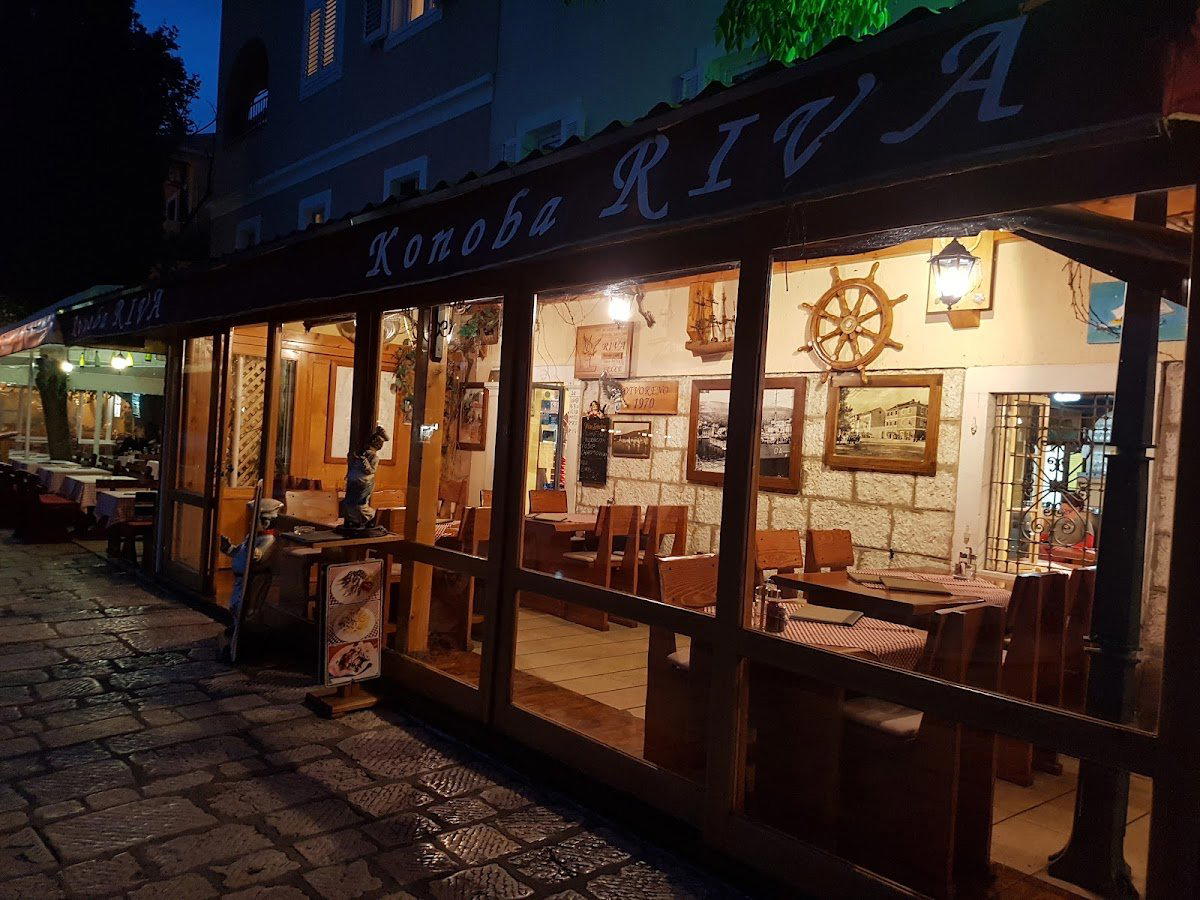
Approach Konoba Riva along Šetalište Ivana Jeličića, Selce's seaside promenade, and the logic of the place becomes immediately apparent. The water is close enough that the salt registers before the kitchen does. In a small Kvarner coastal town like Selce, a konoba sitting at the waterfront edge isn't making a design statement; it's operating in a format that has organised Croatian coastal dining for generations. The sea is the supplier. The promenade is the dining room's outer wall. That geographical fact shapes everything on the plate.
Selce sits a short drive south of Crikvenica on the Kvarner Riviera, a stretch of coast that lacks the celebrity of Dubrovnik or the polish of Rovinj but compensates with a more direct relationship between fishing communities and their restaurants. Venues here tend to source from the boats that come in rather than from distribution networks, which keeps the offer narrow, seasonal, and honest. Konoba Riva operates squarely within that tradition.
The Konoba Tradition and What It Actually Means
The word konoba carries specific weight in Croatian coastal culture. Originally a storage cellar, it evolved into the informal dining format that underpins the Dalmatian and Kvarner coasts: family-run, ingredient-led, without the ceremony of the fine-dining tier. The leading konobe in Croatia don't compete with places like Pelegrini in Sibenik or Restaurant 360 in Dubrovnik on technique or presentation. They compete on access to raw material and the kitchen's willingness to leave it alone.
That distinction matters when calibrating expectations. A waterfront konoba in a small Kvarner town is not the place for modernist plating or seasonal tasting menus. It is the place for fish pulled from the Kvarner Gulf that morning, grilled over wood, served with olive oil from the Dalmatian hinterland and vegetables from the inland farms that supply the coast. The value proposition is sourcing proximity, not kitchen ambition. Visitors who understand that tend to eat better than those who don't.
For a sense of what the contemporary Croatian fine-dining tier looks like at its upper end, Nebo by Deni Srdoč in Rijeka, the nearest major city on the Kvarner coast, represents the more technique-driven end of the regional offer. But Konoba Riva belongs to a different and arguably more durable tradition.
Sourcing and Seasonality in the Kvarner Gulf
The Kvarner Gulf produces some of the most commercially valuable seafood in the Adriatic. Its mix of warm surface currents and cold deep water creates conditions that support scampi (Nephrops norvegicus), sea bass, bream, and John Dory, alongside the oily, intensely flavoured small fish, anchovies and sardines, that are the everyday currency of coastal Croatian cooking. The scampi of Kvarner, in particular, have a protected designation and appear at premium addresses well beyond Croatia. A konoba on this stretch of coast with direct access to local catch is working with materially better raw ingredients than restaurants sourcing from more distant markets.
Seasonality is not a marketing concept in this context; it is a practical constraint. The catch changes month to month, and the inland growing season governs what accompanies it. Spring brings the first asparagus from the Istrian and Kvarner hinterland. Summer produces the tomatoes and courgettes that form the basis of the vegetable dishes alongside grilled fish. Autumn shifts the menu toward richer fish and the first game from the coastal mountains. A konoba operating close to its sources will reflect those changes directly on the plate in ways that kitchens working from centralised supply cannot replicate.
Nearby, Burin in Crikvenica operates in a comparable format a short distance up the coast. Further afield on the islands, Alfred Keller in Mali Lošinj represents how island sourcing informs a more polished offer, while Bodulo in Pag shows the range achievable when lamb and local produce share equal footing with seafood.
Setting Konoba Riva in Croatia's Broader Dining Picture
Croatia's restaurant scene has split more sharply in the past decade between internationally recognised fine-dining addresses and the grassroots konoba tradition. The former tier, which includes addresses like Agli Amici Rovinj in Rovinj, Boskinac in Novalja, and LD Restaurant in Korčula, draws visitors specifically for the kitchen's work. The latter tier draws visitors for what the coast itself produces. Both are legitimate travel objectives; they answer different questions.
For visitors whose primary interest is in Croatian culinary heritage rather than contemporary technique, the konoba format is the more direct route. The same ingredient-sourcing logic that drives interest in BioMania Bistro Bol in Bol or Krug in Split applies here, scaled to a smaller, quieter coastal town where tourist volume hasn't yet reshaped the offer into something designed primarily for transient visitors.
Selce itself operates at a different pace from the more trafficked Kvarner resorts. That lower profile is precisely what keeps the local dining offer grounded. The promenade setting of Konoba Riva means summer evenings are social and animated, particularly as Croatian families from the inland cities arrive for their seasonal stays in July and August. Outside those peak weeks, the same terrace runs quieter, with a slower pace more suited to extended meals and conversation.
Planning a Visit
Selce is accessible by car along the coastal road from Rijeka, roughly 40 kilometres to the northwest. The Kvarner Riviera sees its heaviest traffic in July and August, when accommodation in Selce and Crikvenica fills well in advance. Visiting in June or September gives access to the same seafood and a markedly calmer environment. For visitors combining Selce with a broader Kvarner itinerary, the inland food culture of the region is documented in our full Selce restaurants guide. Those extending their Croatia trip to the capital will find the wine-oriented dining at Dubravkin Put in Zagreb or the garden-set Cantilly Garden Restaurant in Samobor a logical complement to a coastal itinerary.
Specific booking arrangements, current hours, and pricing for Konoba Riva should be confirmed directly on arrival or through local accommodation contacts, as these details shift with season and have not been independently verified for this publication.
Frequently asked questions
Is Konoba Riva child-friendly?
Konoba-style restaurants along the Croatian coast are generally informal by structure, and Konoba Riva's promenade setting on Šetalište Ivana Jeličića suits families who want an unhurried, open-air meal. The seaside location gives children space without disrupting other diners. Arrive earlier in the evening to secure a quieter table before the summer crowd builds.
Is Konoba Riva better for a quiet night or a lively one?
Selce is a small Kvarner Riviera town, and Konoba Riva reflects that pace: the promenade setting is sociable rather than loud, leaning toward relaxed evening meals over high-energy dining. In peak summer months, the waterfront fills with foot traffic and the atmosphere picks up considerably. Off-season, expect a genuinely calm experience with a local crowd.
What makes dining at a konoba on the Kvarner Riviera different from other Croatian coastal restaurants?
The konoba format, rooted in the Croatian coastal cellar-turned-dining-room tradition, prioritises local sourcing and unfussy preparation over the polished menus found in Dalmatian resort towns further south. The Kvarner Gulf itself is a distinct body of water, fed by the Velebit Channel, producing shellfish and fish that differ noticeably from the southern Adriatic catch. Konoba Riva on Selce's promenade sits within this regional tradition, making it a specific introduction to Kvarner cuisine rather than a generic coastal dining stop.
What's the signature dish at Konoba Riva?
The gulf's cold-warm water layering produces shellfish with a distinct salinity that separates them from Dalmatian equivalents. Visiting during the local fishing season gives the best read of what the kitchen is working with.
What's Konoba Riva's location?
Konoba Riva is located at Šetalište Ivana Jeličića 8, 51266, Selce, Croatia, Selce.
How far ahead should I plan for Konoba Riva?
The Kvarner Riviera peaks in July and August, when waterfront tables at well-regarded konoba restaurants in towns like Selce fill quickly. Booking at least a few days ahead during summer is sensible; outside that window, same-day visits are generally manageable.
What's Konoba Riva best at?
Konoba Riva's position on Selce's seafront promenade anchors it to the konoba tradition: straightforward preparation of Kvarner Gulf seafood, eaten close to where it was caught. That format rewards diners who want regional specificity over elaborate production. The setting does a lot of the work, placing the meal directly against the Adriatic.
Comparable Venues
Comparable venues nearby, for context on price, style, and recognition.
| Venue | Cuisine | Price | Notes |
|---|---|---|---|
| Konoba RivaThis venue (the venue you are viewing) | Traditional Croatian Seafood | $20–30 | Not listed |
| Admiral | Modern Croatian Mediterranean Seafood | Not listed | Marina Novi |
| Hotel & Restoran Degenija | Traditional Croatian Regional Grill | $20–30 | Selište Drežničko, Rakovica |
| Konoba NONO | Traditional Croatian Seafood & Grill | $20–30 | Krk |
| Humska Konoba | Traditional Istrian Croatian | $20–30 | Hum |
| 2. peron | Istrian Trattoria & Pizzeria | $20–30 | Cerovlje |
Continue exploring
More in Selce
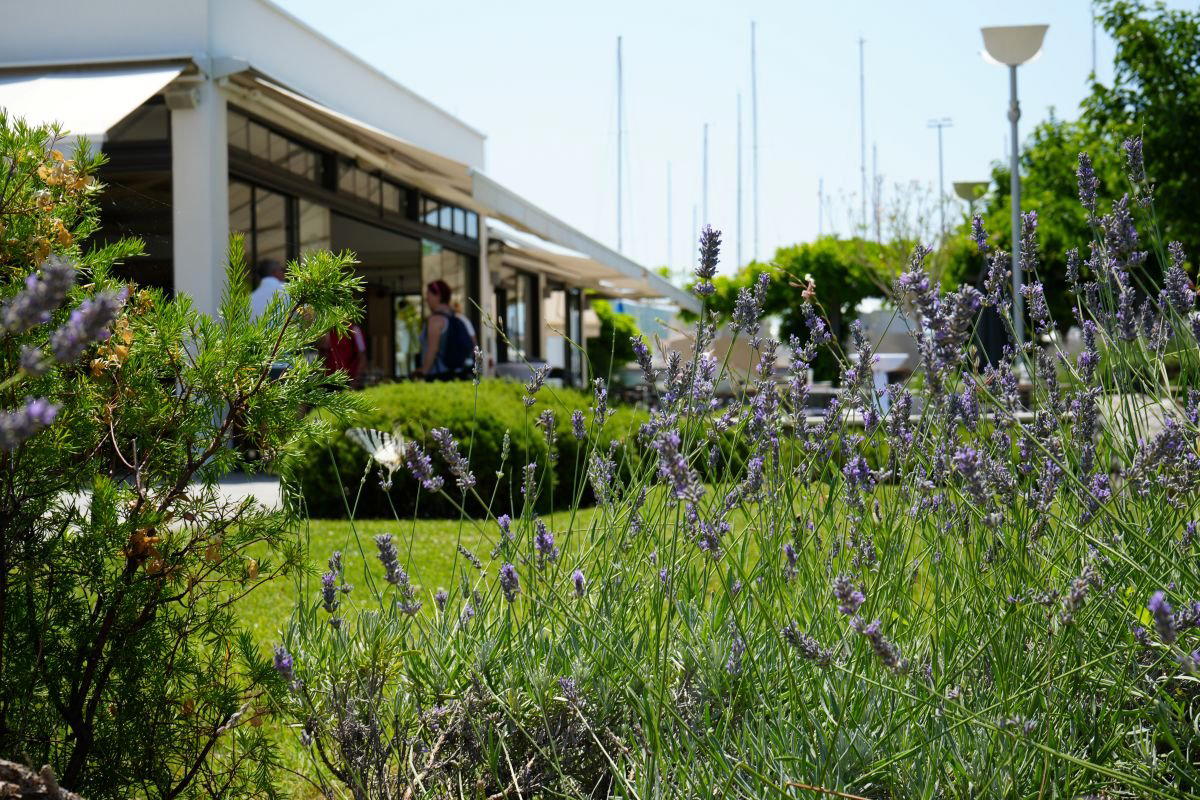
Restaurants in Selce
All restaurants in Selce →
Hotels in Selce
Browse all →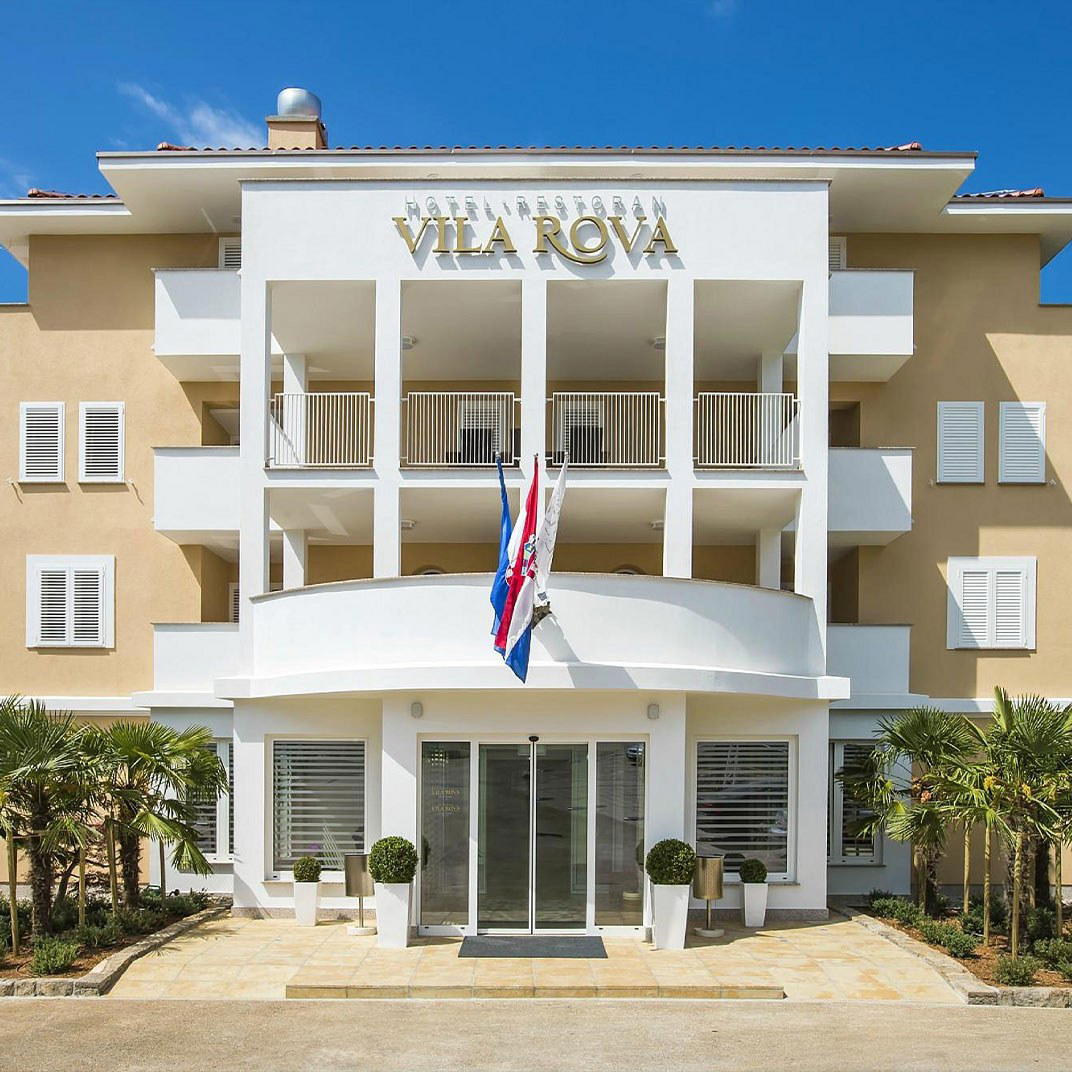
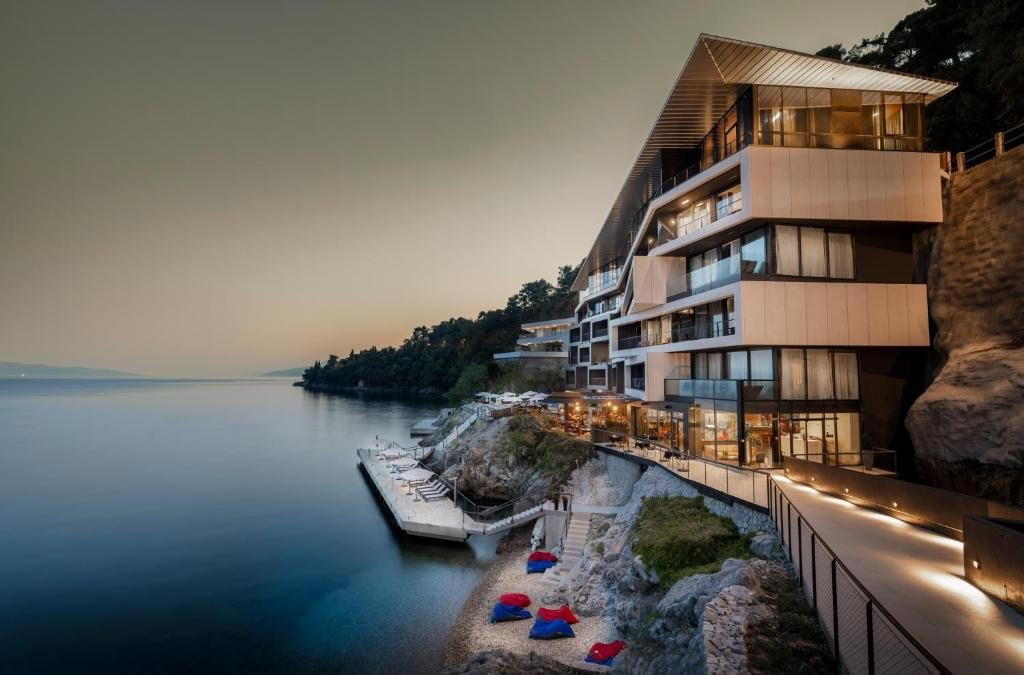
Wineries in Selce
Browse all →
Details
- Rustic
- Cozy
- Scenic
- Family
- Casual Hangout
- Waterfront
- Terrace
- Local Sourcing
- Waterfront
- A La Carte
- Vegetarian Friendly
Current opening hours
- Monday
- 4–10 PM
- Tuesday
- 4–10 PM
- Wednesday
- 4–10 PM
- Thursday
- 4–10 PM
- Friday
- 4–10 PM
- Saturday
- 4–10 PM
- Sunday
- 4–10 PM
Hours can change for holidays and private events. Hours as of .
Warm and cozy with chunky wooden seating, offering a relaxed rustic atmosphere enhanced by waterfront location.