Bocca Fina

Relais Chateaux Award
Our verdict
In the alpine village of Tarasp, Bocca Fina brings Swiss Italian cooking to the Engadin with a straightforwardness that suits the valley's character. Recognised with the Cooking Classics highlight, Chef Felipe Schaedler works a register that sits closer to Ticino's trattoria tradition than the experimental fine dining found in Switzerland's larger cities.

Pearl is the En Primeur Club membership app, where members save venues, book tables and use the concierge.
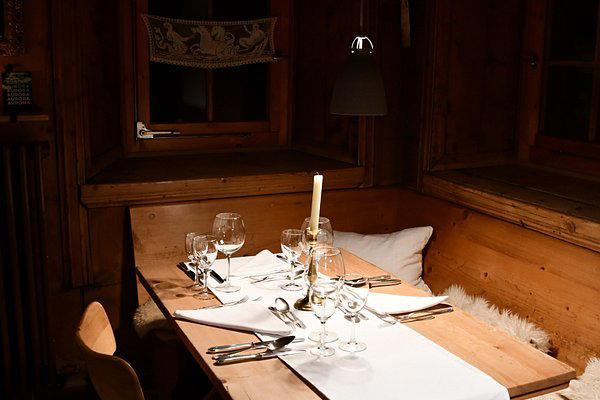
Where the Engadin Meets the Italian Table
The Lower Engadin sits at an altitude and latitude where Swiss German and Italian cultural currents have always mixed. Tarasp, a village of scattered farmhouses and a fairy-tale castle on a rocky promontory, occupies the far eastern edge of that corridor, close enough to the Italian-speaking Trentino-Alto Adige border that the culinary influence is felt without being self-conscious about it. In this context, Swiss Italian cooking is not a marketing category but a genuinely lived tradition, one that shapes what ends up on the table at Bocca Fina on the Avrona road.
The restaurant's Cooking Classics recognition positions it within a specific register: this is not the territory of fermented Nordic rarities or molecular theatrics. Swiss Italian classics, as a culinary lineage, draw from Lombardy and the Ticino canton simultaneously, polenta and risotto standing alongside cured meats, braises, and pasta preparations that carry a distinctly alpine weight. That weight is the point. In an era when many Swiss restaurants at the recognition tier have drifted toward abstraction, a kitchen holding to the classic mode makes a conscious editorial statement about what the tradition is worth preserving.
Swiss Italian Cooking in Its Alpine Register
To understand Bocca Fina's position, it helps to place Swiss Italian cuisine against its regional cousins. Ticino, Switzerland's Italian-speaking canton, produces a cooking style shaped by altitude, short growing seasons, and proximity to Lombard grain and dairy culture. The border between Ticino-influenced and Graubünden-influenced Swiss Italian cooking runs through the mountain passes; the Lower Engadin sits in Graubünden, where the Romansh-speaking tradition adds another layer of culinary identity, think maluns, capuns, and the use of alpine dairy in ways that have no direct Italian equivalent.
Bocca Fina, operating in this layered regional context under Chef Felipe Schaedler, occupies the ground where those traditions meet the Italian table in a more direct, less theorised way. The Cooking Classics designation, a recognition signal that rewards technical fidelity to established forms rather than departure from them, suggests the kitchen's ambitions are precise rather than expansive. Comparing this to Locanda Barbarossa in Ascona, a Swiss Italian address working within the lake-and-terrace idiom of the Lago Maggiore shore, illustrates how much geography shapes the expression: Ascona's version is lighter and more overtly Lombard; the Engadin version carries the weight of the mountains in both produce and portion logic.
For readers who want to trace Swiss Italian cooking at its furthest technical refinement, Da Vittorio in St. Moritz represents the import model: a celebrated Bergamo family operation transplanted into the alpine luxury market. Bocca Fina's proposition is different, rooted in place, without the Italian-export framing.
Tarasp's Dining Position Within the Engadin
The Engadin valley's restaurant culture divides roughly between St. Moritz's high-spend resort tier to the south and the quieter, less internationally oriented Lower Engadin to the north. Tarasp sits firmly in the latter. The village draws visitors who come for Schloss Tarasp, the thermal spas at nearby Scuol, and hiking access to the Swiss National Park, not for a restaurant scene in the conventional sense. That means the restaurants that do operate here serve a dual function: feeding an international visitor base that arrives for the landscape, and anchoring the local community through the long alpine winter.
It suggests Bocca Fina is drawing repeat custom rather than subsisting on one-time tourist traffic, and that the kitchen performs consistently across different service conditions, a requirement in any restaurant serving a mixed local and visitor population across multiple seasons.
Where Bocca Fina Sits in the Swiss Fine Dining Picture
Switzerland's fine dining tier is unusually dense for a country of its size. Properties like Schloss Schauenstein in Fürstenau and Memories in Bad Ragaz operate at three Michelin stars; Hotel de Ville Crissier has long held the country's highest profile address. Closer in style to the creative-contemporary mode are focus ATELIER in Vitznau and IGNIV Zürich by Andreas Caminada. Bocca Fina does not compete in that tier. Its Cooking Classics recognition places it in a parallel category, one defined by execution of established forms rather than by innovation metrics. That is not a consolation prize. In a country where many kitchens feel pressure to modernise or perish, a restaurant that commits to the classic register and earns consistent recognition for it is making a durable argument.
Other Swiss addresses worth cross-referencing for context: Cheval Blanc by Peter Knogl in Basel, 7132 Silver in Vals, Colonnade in Lucerne, and Einstein Gourmet in Sankt Gallen each illustrate how differently the Swiss kitchen positions itself by geography and ambition level.
Planning a Visit
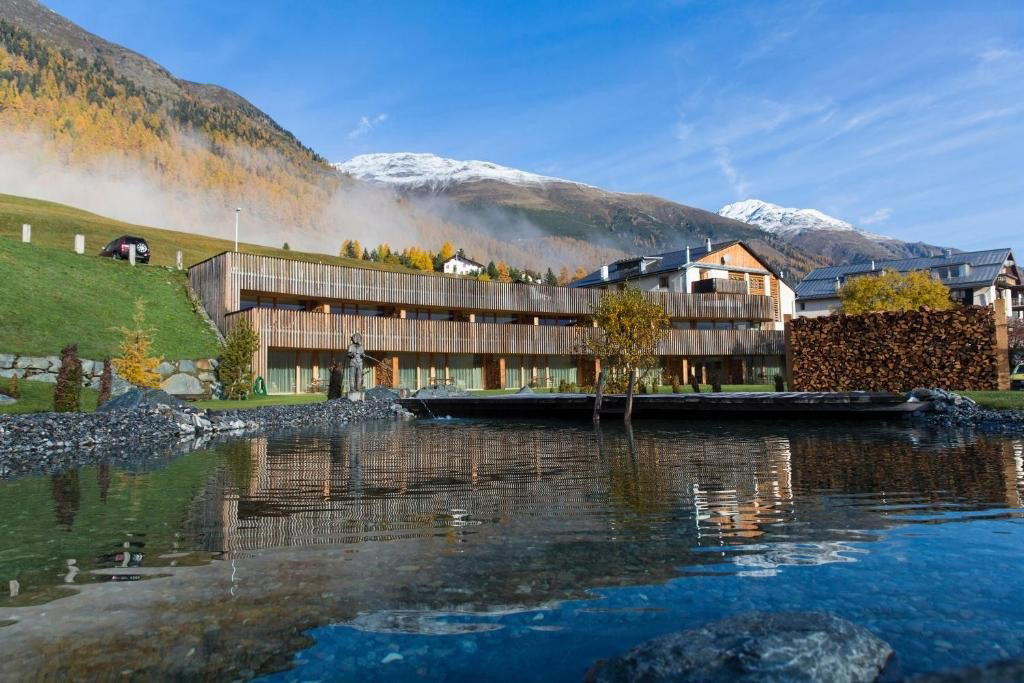
Bocca Fina is located at Avrona, 7553 Tarasp, a village address rather than a town-centre location, which in the Lower Engadin means arriving by car or making deliberate arrangements from the Scuol-Tarasp train station. Visitors planning a broader stay in the area will find relevant accommodation context in, while bars, wineries, and experiences in the area are mapped in the respective EP Club guides.
Frequently asked questions
Is Bocca Fina suitable for children?
Swiss Italian cooking in a Lower Engadin village context sits closer to family hospitality than destination tasting-menu formality. Tarasp draws hikers, families visiting the Scuol thermal spas, and alpine walkers, the surrounding guest mix reflects that. Nothing in the Cooking Classics recognition signals a format that would exclude younger diners.
Is Bocca Fina formal or casual?
Tarasp is not St. Moritz, and the atmosphere at Bocca Fina reflects that distinction. The Lower Engadin operates on a quieter register than the resort tier to the south, and Felipe Schaedler's Swiss Italian kitchen, recognised under Cooking Classics, points toward a setting where the cooking is taken seriously without the dress-code rigidity of a grand hotel dining room.
Has Bocca Fina won any awards?
Bocca Fina has received recognition including:
What's the must-try dish at Bocca Fina?
The Cooking Classics recognition points toward a kitchen grounded in well-executed, traditional Swiss Italian preparations rather than seasonal experimentation, reliable technique applied to the cuisine of the Engadin-Italian borderland is the consistent thread worth seeking out.
In Context: Similar Options
Comparable venues nearby, for context on price, style, and recognition.
| Venue | Cuisine | Price | Awards | Notes |
|---|---|---|---|---|
| Bocca FinaThis venue (the venue you are viewing) | Swiss Contemporary Fine Dining | $150–200 | Relais Chateaux Award | Not listed |
| Restaurant Chastè | Swiss Contemporary Fine Dining | Not listed | Michelin Plate · Relais Chateaux Award | Tarasp |
| Hotel & Restaurant Ochsen | Swiss & European | $30–50 | Star Wine List | Menzingen |
| Hertenstein Panorama-Restaurant | Swiss Regional Fine Dining | Not listed | Star Wine List | Ennetbaden |
| Restaurant Bündner Stube | Traditional Swiss Grisons Cuisine | Not listed | Not listed | Samnaun |
| Atelier Five | Modern Swiss Cuisine with Seasonal Tapas & Fondue | $200–300 | Not listed | Industriequartier |
Recognition history
Dated appearances from independent guides and award organizations, with the underlying list record or original source where available.
Relais Chateaux Award
Relais Chateaux
Full recognition history (2 entries)
Relais Chateaux Award
Relais Chateaux
Continue exploring
More in Tarasp
Restaurants in Tarasp
All restaurants in Tarasp →
Bars in Tarasp
Browse all →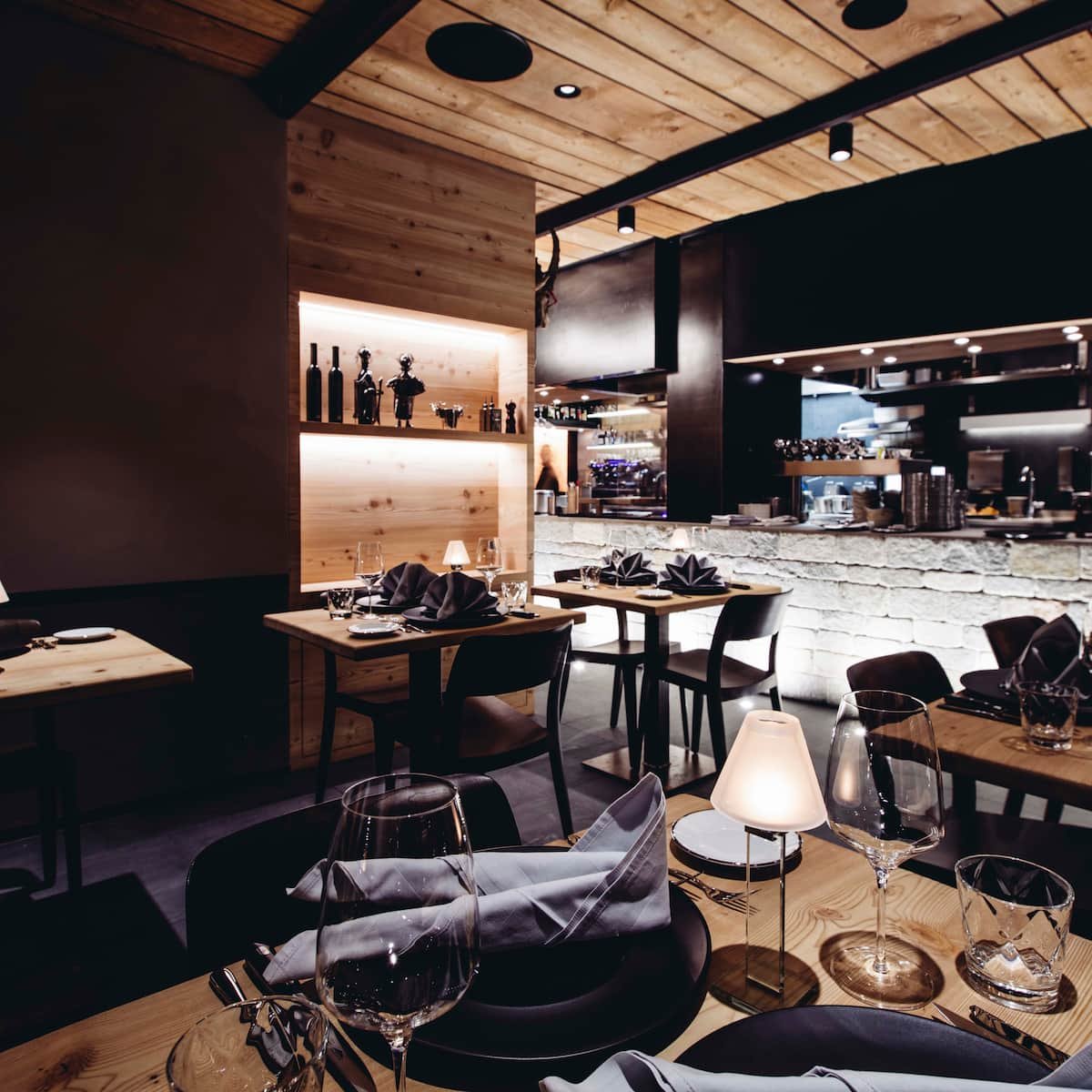

Details
- Cozy
- Elegant
- Rustic
- Intimate
- Sophisticated
- Date Night
- Special Occasion
- Historic Building
- Hotel Restaurant
- Extensive Wine List
- Local Sourcing
- Mountain
- Set Menu
- Vegetarian Friendly
- Vegan Options
Current opening hours
- Monday
- Closed
- Tuesday
- Closed
- Wednesday
- 10 AM–11 PM
- Thursday
- 10 AM–11 PM
- Friday
- 10 AM–11 PM
- Saturday
- 10 AM–11 PM
- Sunday
- 10 AM–11 PM
Hours can change for holidays and private events. Hours as of .
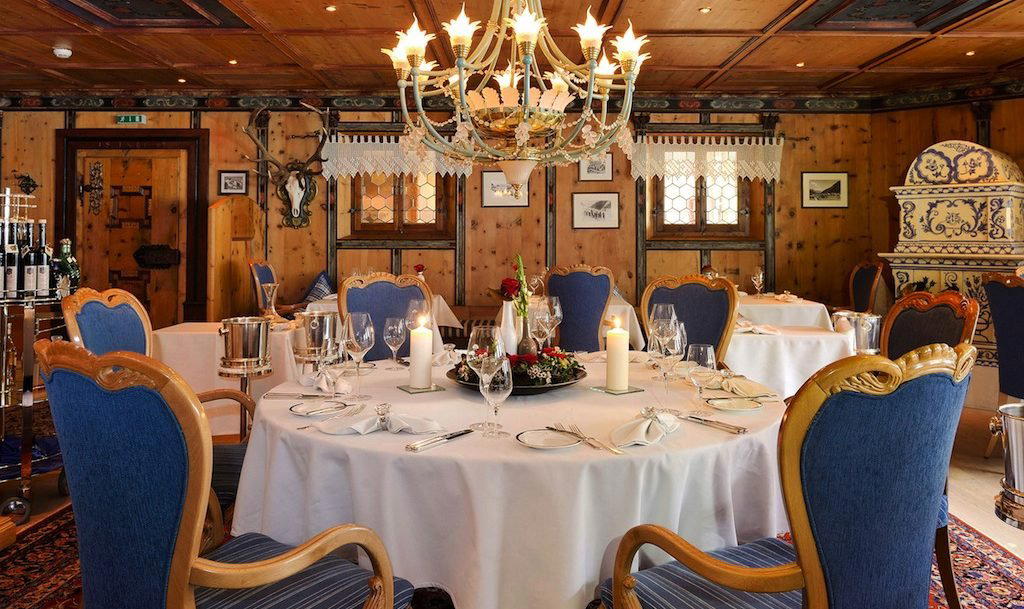
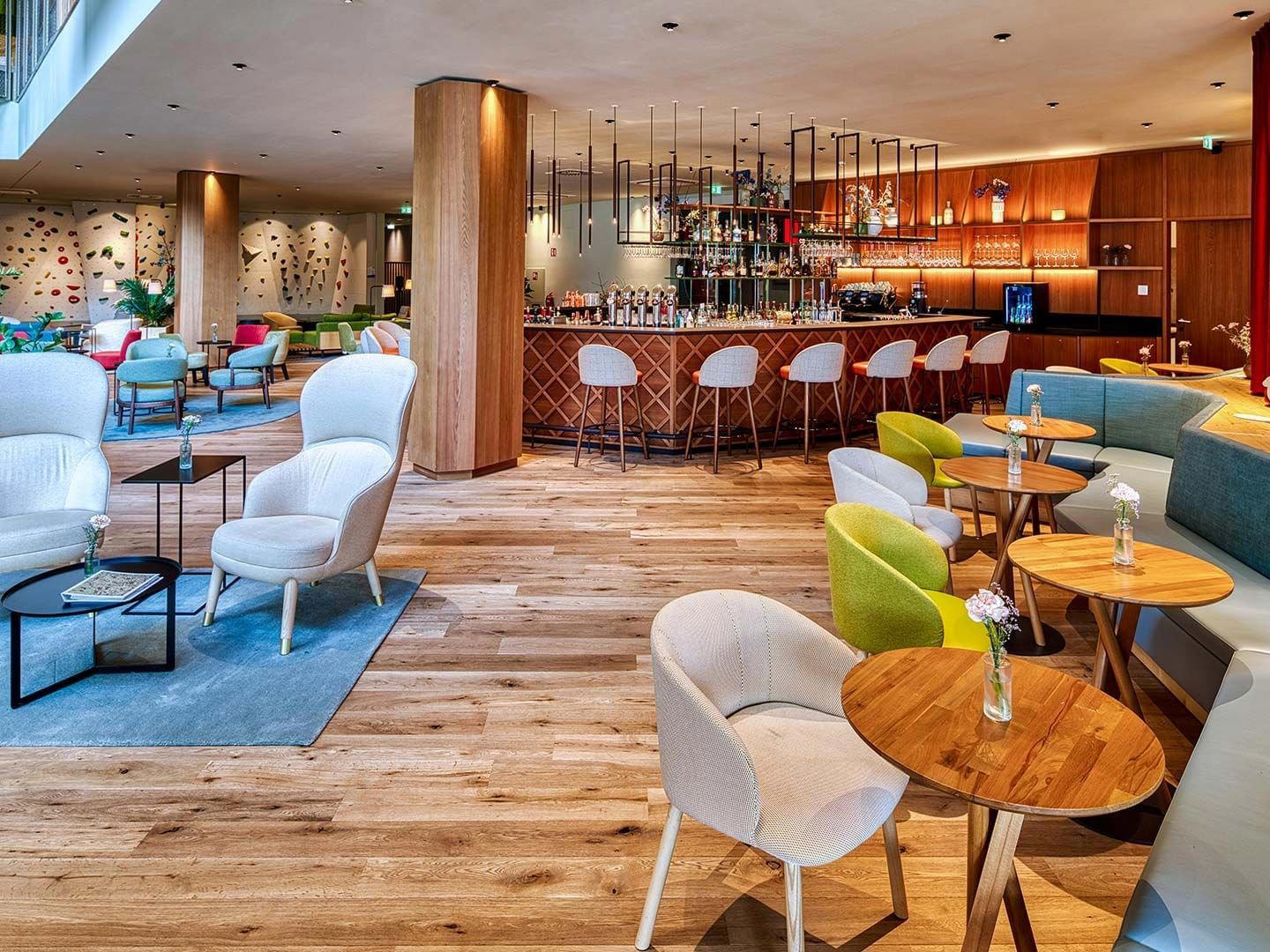
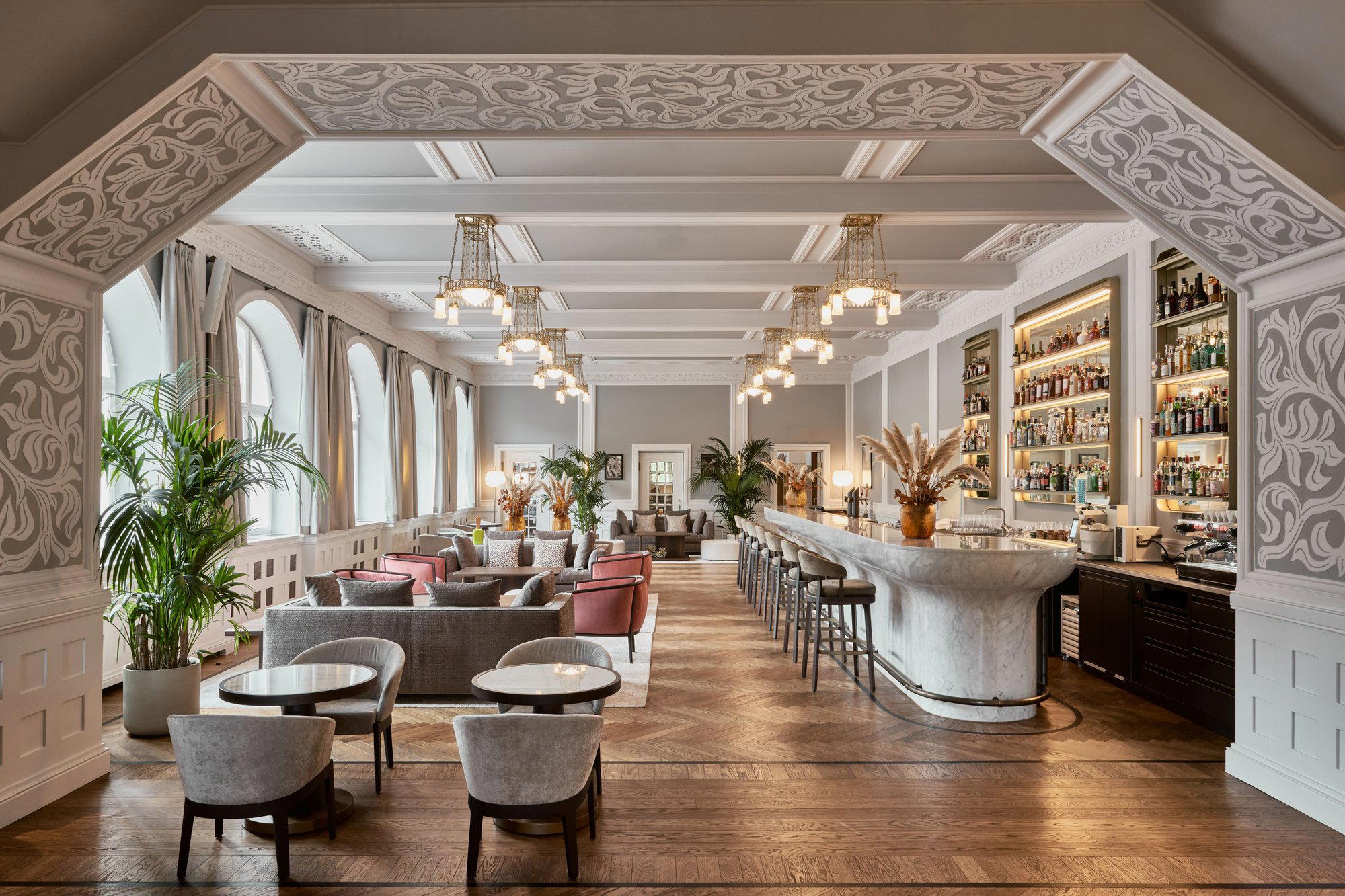
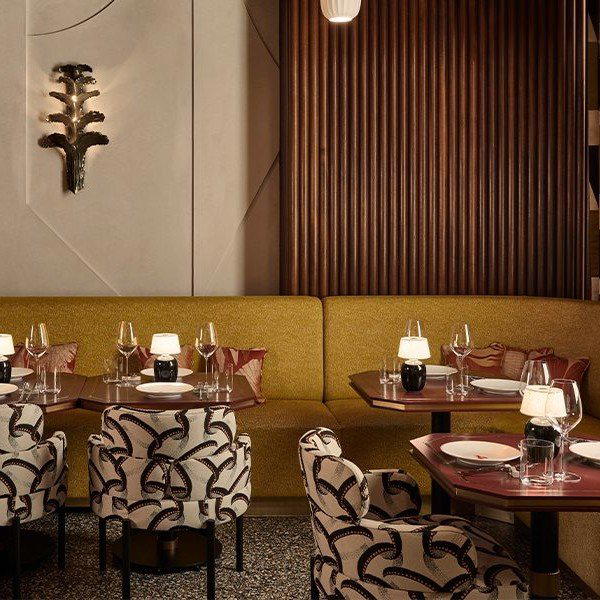
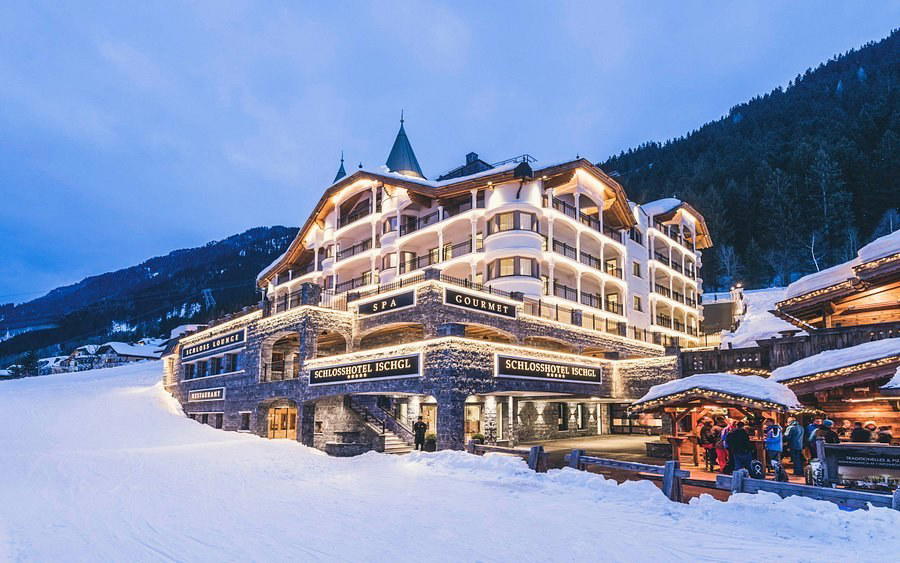
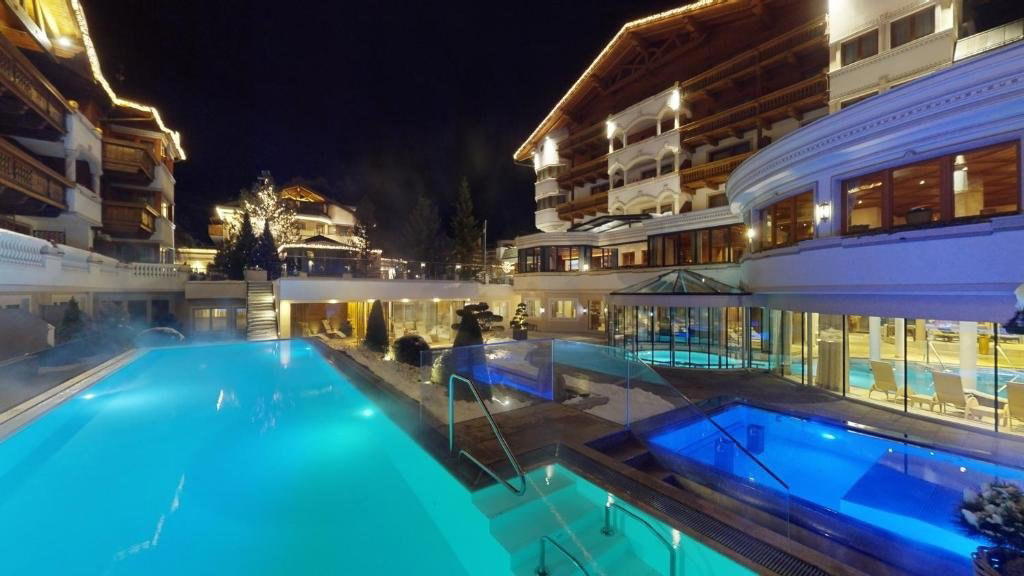
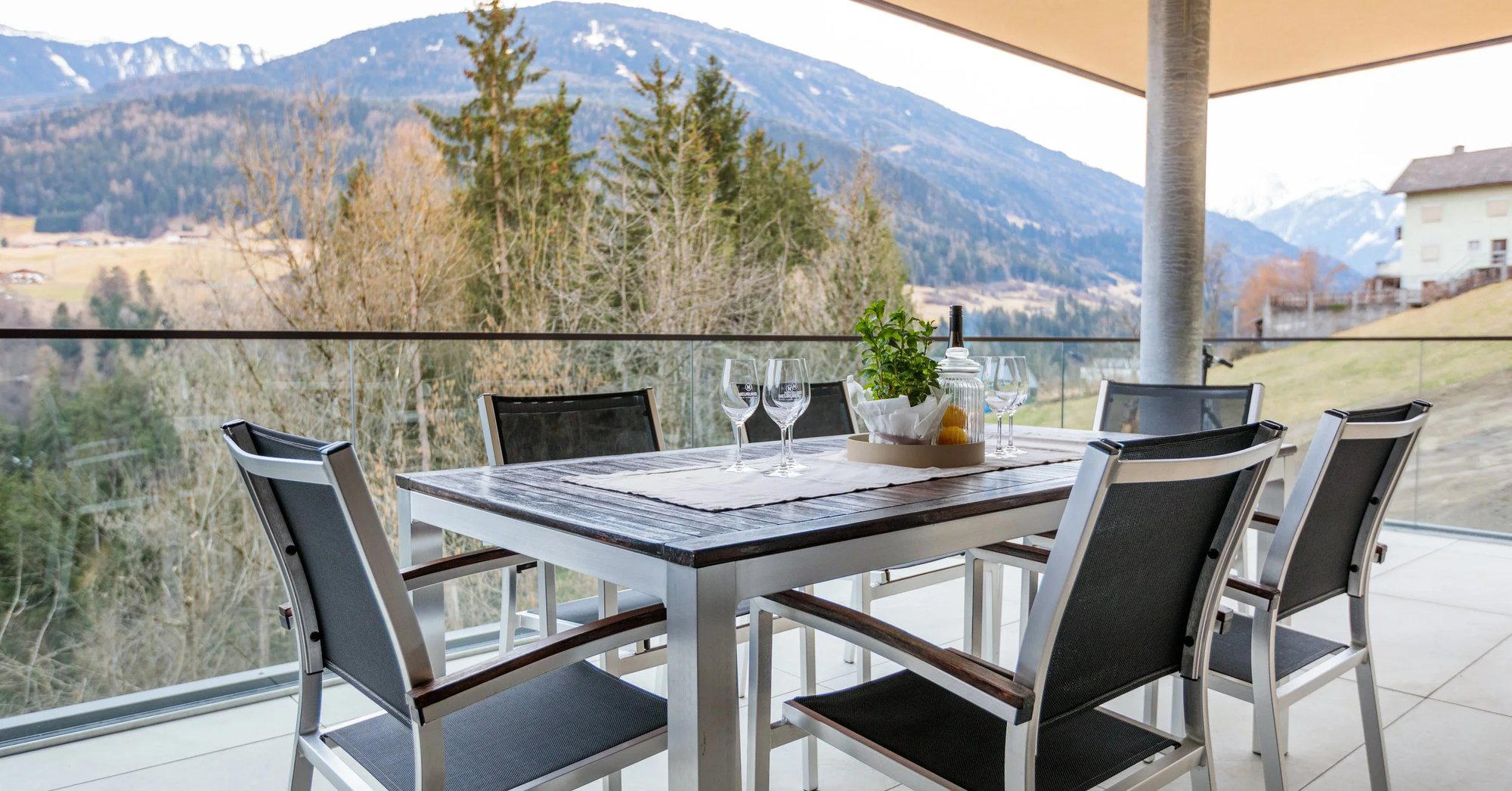
Tasteful, cosy interior with Arvenholz wood paneling, warm lighting, and castle views creating a pleasantly posh yet authentic atmosphere.