Bánhwich
Our verdict
Bánh Mì in the Bay: Where Oakland's Sandwich Culture Gets Serious The address listed for Bánhwich places it on Taraval Street, a corridor in San Francisco's Outer Sunset that has long served as a quiet staging ground for the city's Vietnamese...

Pearl is the En Primeur Club membership app, where members save venues, book tables and use the concierge.

The menu
What to order
- Bánh Mì Thịt Nướng
Bánh Mì in the Bay: Where Oakland's Sandwich Culture Gets Serious
The address listed for Bánhwich places it on Taraval Street, a corridor in San Francisco's Outer Sunset that has long served as a quiet staging ground for the city's Vietnamese community. But Bánhwich operates under an Oakland identity, and that tension between geography and cultural claim is, in many ways, the story of how Vietnamese-American food has spread across the entire Bay Area. The bánh mì, that compressed marvel of French-colonial inheritance and Southeast Asian improvisation, has traveled far from its origins in Saigon's street stalls, and the Bay Area's dense Vietnamese diaspora has become one of its most productive proving grounds outside Vietnam itself.
The Cultural Architecture of a Single Sandwich
To understand what Bánhwich represents, it helps to understand what a bánh mì actually is: a deliberate collision of culinary systems. The baguette arrived with French colonists; the daikon-and-carrot pickles, the cilantro, the chili, and the various proteins belong to a Vietnamese pantry that predates that colonial contact by centuries. The result is a sandwich that carries, in its cross-section, a compressed history of occupation, adaptation, and eventual reclamation. When Vietnamese refugees and immigrants brought the bánh mì to California in the late 1970s and 1980s, they carried that entire layered history with them.
Oakland's food culture has always been receptive to exactly this kind of compression: cuisines that do a great deal in a small space, that carry community meaning without requiring ceremony, that feed people well at accessible prices. That posture has made the East Bay a more hospitable environment for immigrant-driven cooking than San Francisco's higher-rent, higher-stakes dining scene in many respects. Spots like alaMar Dominican Kitchen and Agave Uptown operate in a similar register: cuisines with deep cultural roots, served without the formality that would blunt their character.
Where Bánhwich Sits in Oakland's Sandwich Conversation
Oakland's Vietnamese food presence is concentrated in specific corridors, particularly around the Eastlake neighborhood and the broader Chinatown-adjacent blocks that have hosted Asian immigrant communities for generations. A venue operating under the Bánhwich name, with its clean compound of the Vietnamese word for bread and the English word for sandwich, signals a deliberate positioning: this is not an attempt to obscure the food's origins, nor is it trying to code-switch toward a broader American audience at the expense of the food itself. The name works because it is honest about what the place is doing.
Within Oakland's wider dining scene, the bánh mì shop occupies an interesting structural position. It is neither the informal deli-counter experience of the cheapest Vietnamese bakeries, nor the full-service restaurant that has digested Vietnamese cooking into a tasting-menu format. It sits in a middle tier that the Bay Area does particularly well: counter-service or near-counter-service formats where the food is the entire argument, where the economics allow for quality ingredients without pricing out the communities the cuisine originally served. Compare this positioning to the ambitious, reservation-driven formats of places like Lazy Bear in San Francisco or Smyth in Chicago, and the contrast clarifies what makes the bánh mì shop a distinct and valuable format in its own right.
Oakland's Broader Immigrant Food Context
It is worth placing Bánhwich inside the wider pattern of Oakland's immigrant-driven food culture. The city's 8th St Cafe handles the Hong Kong cha chaan teng tradition with similar cultural attentiveness. Cafe Colucci does the same for Ethiopian cooking. Alem's Coffee extends that Ethiopian presence into the beverage space. What these venues share is a relationship to their source cultures that is documentary rather than decorative: the cooking is not inflected with the cuisine's flavors as an aesthetic choice, it is the cuisine, made by people for whom it is not a trend. That distinction matters, and Oakland has earned a reputation for hosting it at a density that few American cities outside Los Angeles and Houston can match.
For a fuller picture of where Bánhwich sits within Oakland's food ecosystem, our full Oakland restaurants guide maps the city's dining by neighborhood and cuisine type, including the Vietnamese and broader Asian-American corridors that give the East Bay its particular character. Venues like 3 Bottled Fish extend that picture into Oakland's seafood and Cantonese traditions.
Planning a Visit
The Taraval Street address places the venue in a neighborhood well-served by Muni's L-Taraval line, and the Outer Sunset's grid layout makes it walkable from several bus connections. For a venue in this format and price category, walk-ins are the likely operating model; reservations are typically not part of the bánh mì shop format. The Bay Area's mild climate means most times of year are reasonable for visiting, though fog patterns on the west side of San Francisco can make the corridor feel cooler and grayer than the East Bay in summer months, which is worth accounting for if you are traveling from Oakland specifically.
For reference on what premium cooking looks like at the other end of the Bay Area's price and formality spectrum, The French Laundry in Napa, Single Thread Farm in Healdsburg, and Providence in Los Angeles represent the region's tasting-menu tier. The bánh mì shop operates at an entirely different register, one where the value is measured in cultural fidelity rather than Michelin recognition. Neither is less serious than the other.
Frequently asked questions
What's the vibe at Bánhwich?
What should I eat at Bánhwich?
Can I bring kids to Bánhwich?
Is Bánhwich part of a wider trend in Vietnamese-American sandwich culture across the Bay Area?
Comparable Options
Comparable venues nearby, for context on price, style, and recognition.
| Venue | Cuisine | Price | Notes |
|---|---|---|---|
| BánhwichThis venue (the venue you are viewing) | Authentic Vietnamese Bánh Mì | $10–20 | Not listed |
| Miss Saigon 2 | Authentic Vietnamese | Not listed | Grand Lake |
| Da Nang Quan | Central Vietnamese | $20–30 | East Peralta |
| Lemon Pepper Vietnam Cuisine | Southern Vietnamese Noodle Specialties | $20–30 | East Peralta |
| Lounge Chinatown | Chinese and Taiwanese Street Food | Not listed | Chinatown |
| B-Side BBQ | Oakland-Style Barbecue | Not listed | West Oakland |
Continue exploring
More in Oakland
Restaurants in Oakland
All restaurants in Oakland →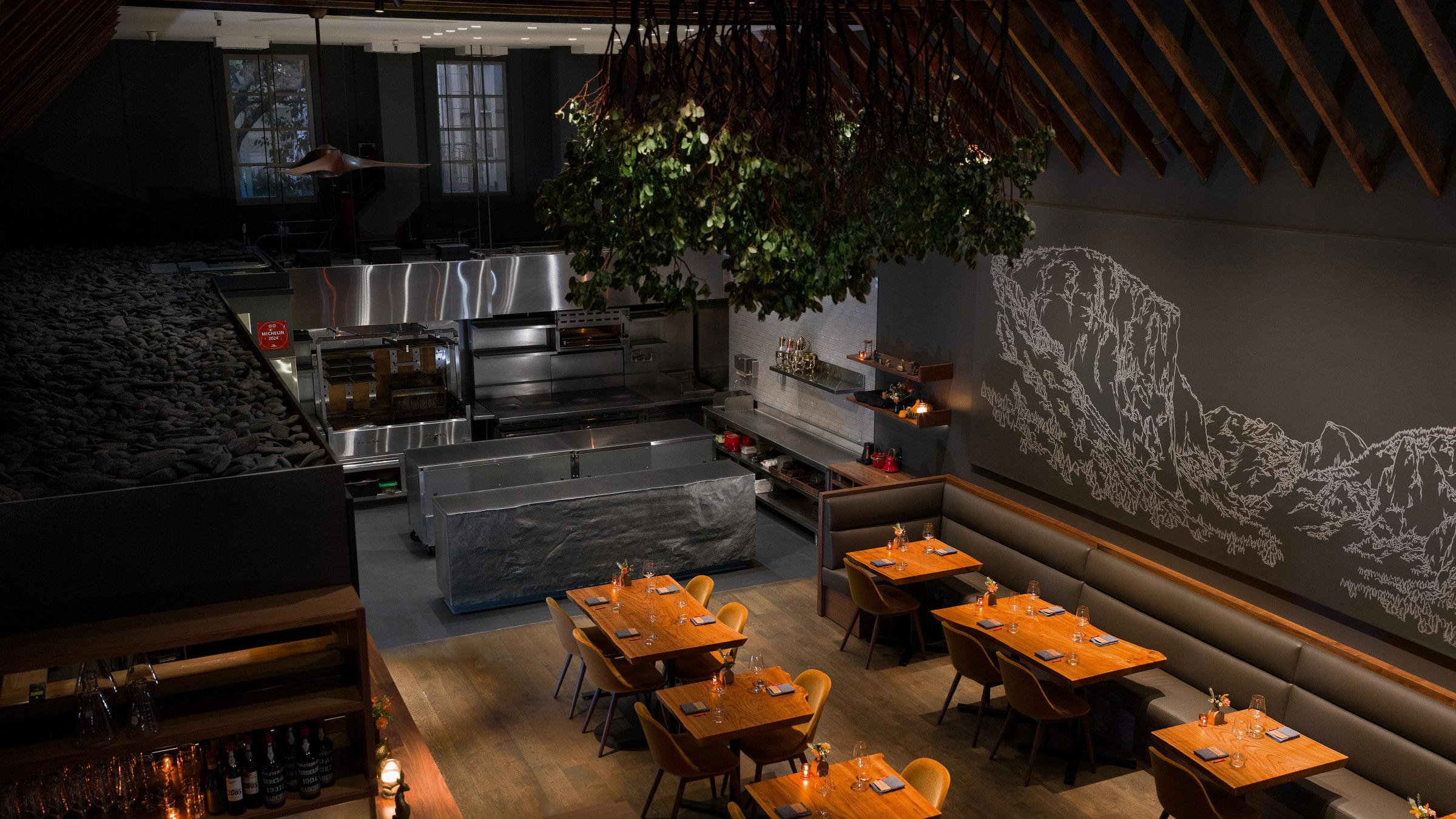
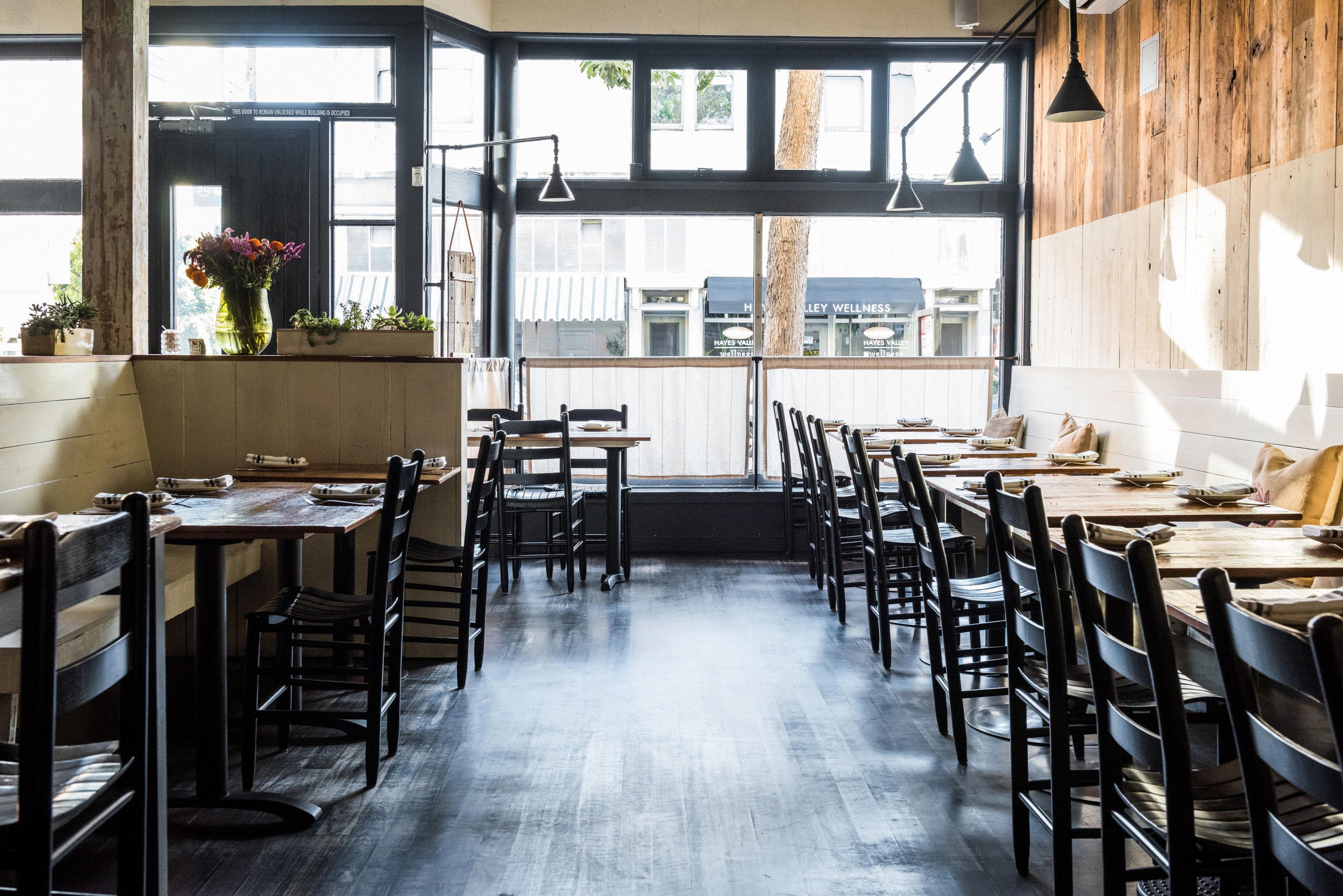
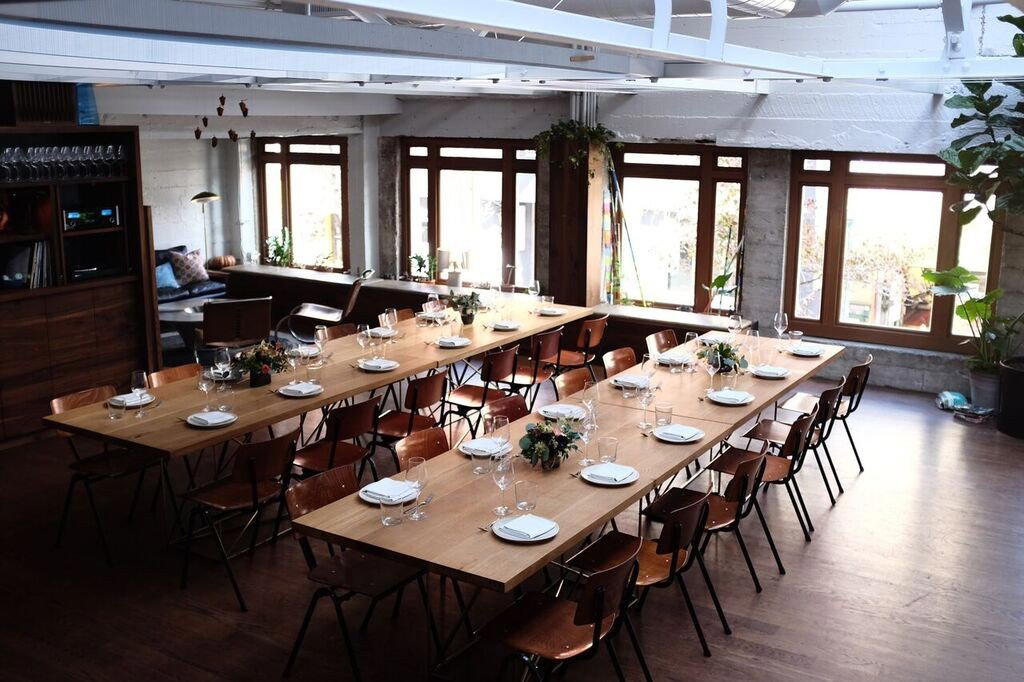
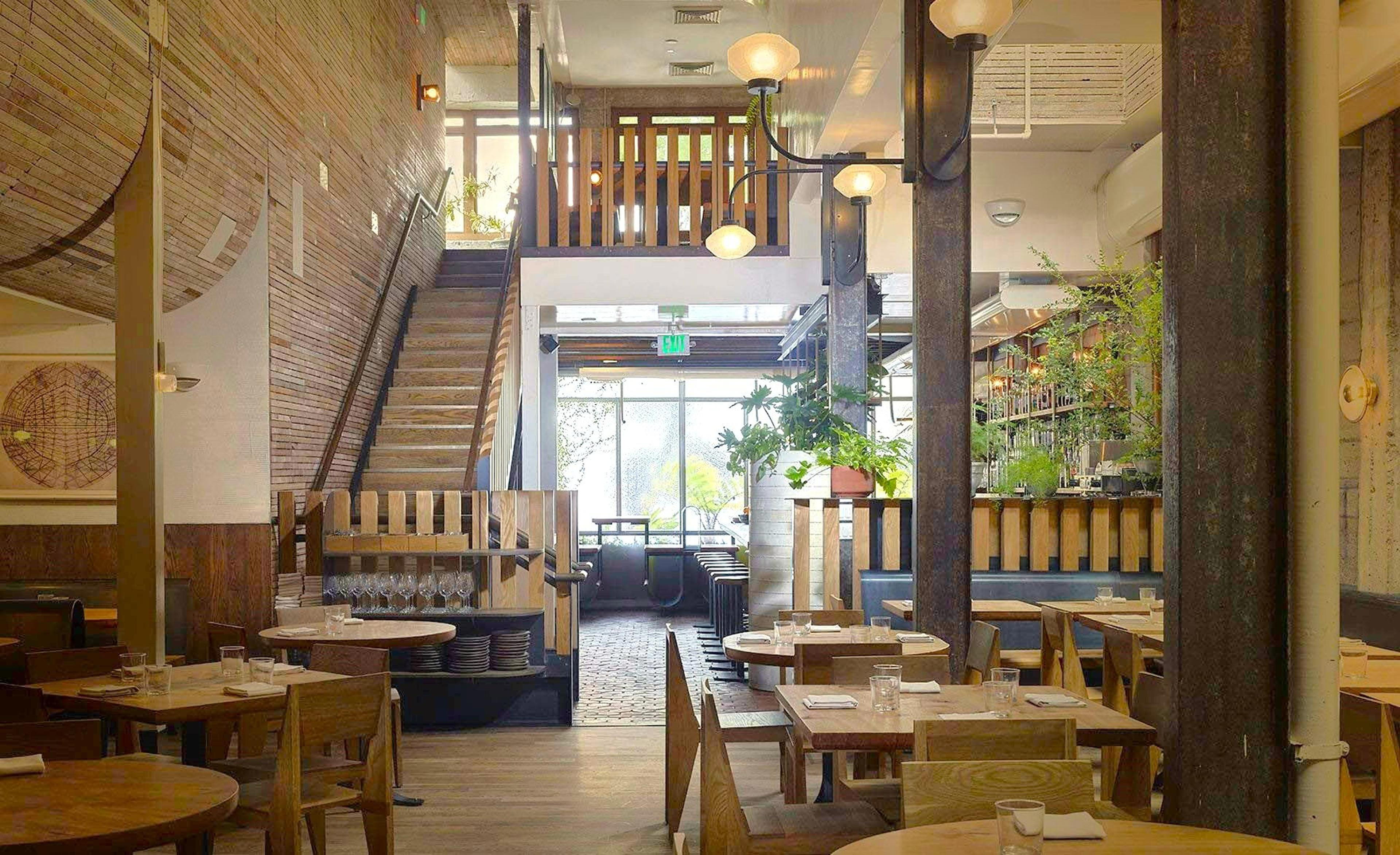
Bars in Oakland
All bars in Oakland →

Details
- Cozy
- Casual Hangout
- Standalone
- A La Carte
- Coffee
Current opening hours
- Monday
- Closed
- Tuesday
- 9 AM–5 PM
- Wednesday
- 9 AM–5 PM
- Thursday
- 9 AM–5 PM
- Friday
- 9 AM–5 PM
- Saturday
- 9 AM–5 PM
- Sunday
- 9 AM–5 PM
Hours can change for holidays and private events. Hours as of .
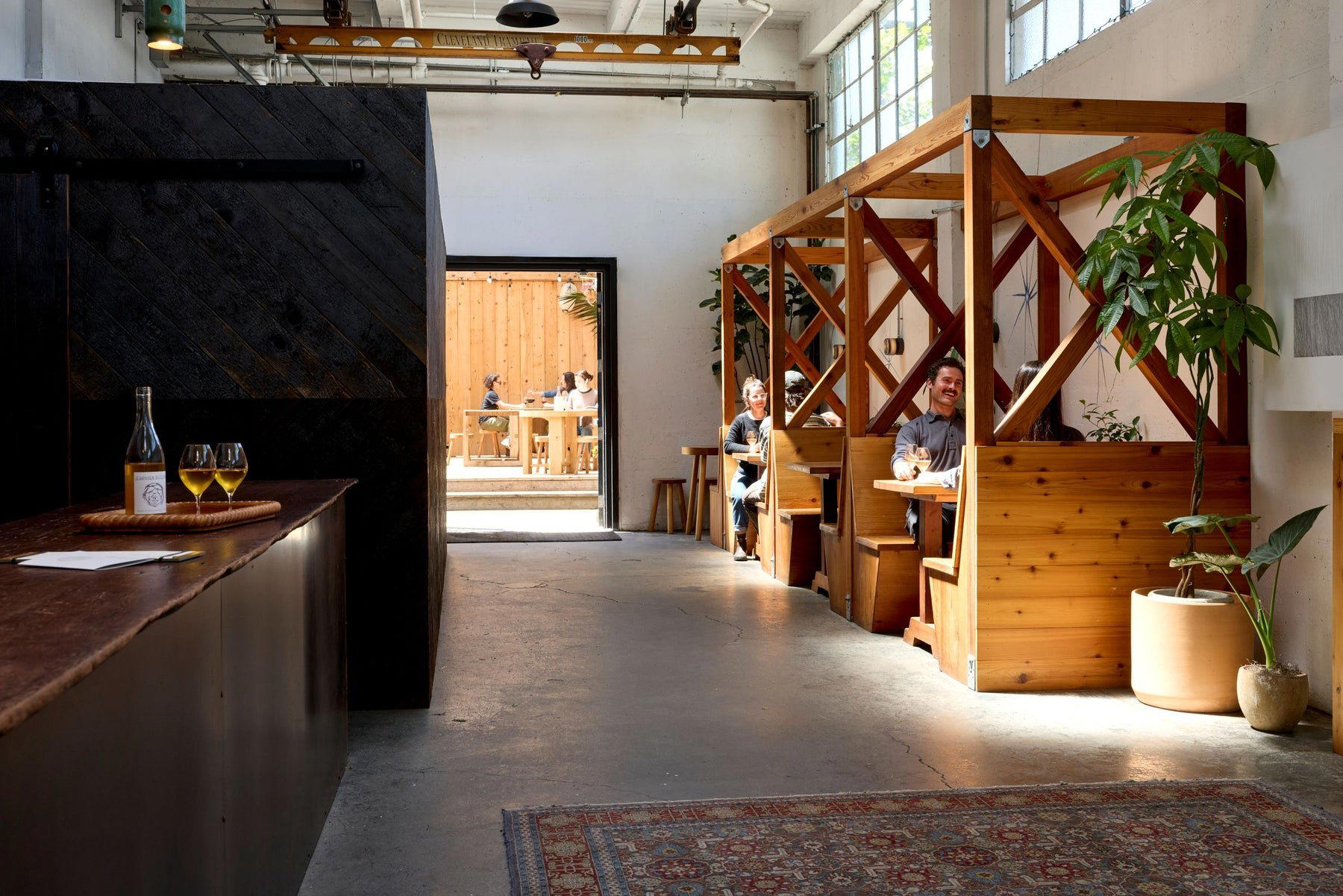
Cozy spot well-suited for comfort food.