
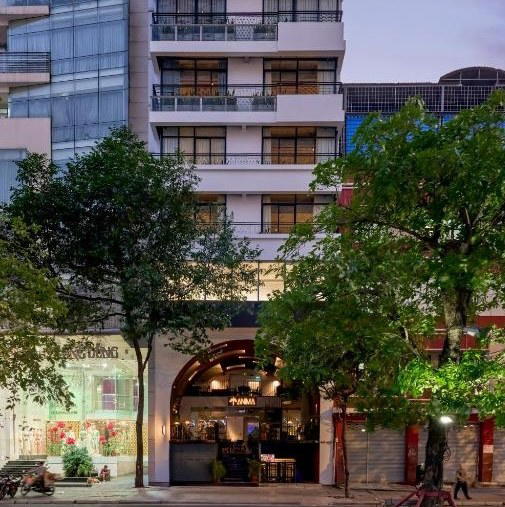
Bờm sits on Nguyễn Thị Nghĩa in District 1, holding a 2025 Michelin Plate for Vietnamese Contemporary cooking at a mid-range price point. A grounded option for exploring what the city's contemporary Vietnamese scene looks like at the accessible end of recognised cooking.
Pearl is the En Primeur Club membership app — saves, bookings, and concierge access live there. Same editors, same standards.
- Address
- 24 Nguyễn Thị Nghĩa, Phường Bến Thành, Quận 1, Thành phố Hồ Chí Minh 700000, Vietnam
- Phone
- +84 823 999 980
- Website
- bomkitchen.com
- Directions
- Get directions
 Saves & bookings on Pearl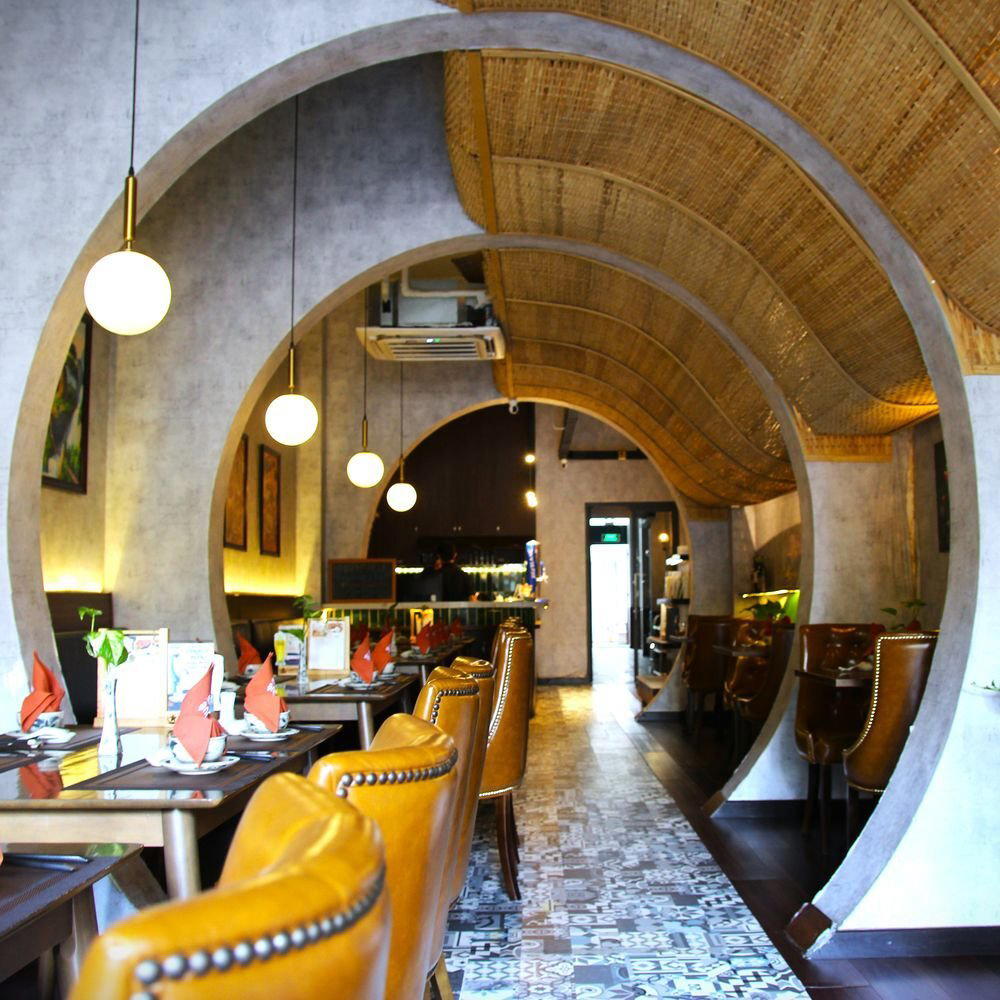
District 1 and the Vietnamese Contemporary Moment
Ho Chi Minh City's dining scene has spent the last decade sorting itself into a more legible hierarchy. At the upper end, starred restaurants like Akuna operate at ₫₫₫₫ price points with tasting-menu formats drawn from international fine-dining conventions. Closer to the street, single-symbol addresses hold their own recognitions. The middle tier, restaurants working with Vietnamese culinary vocabulary in a contemporary register without the ceremony of a formal tasting menu, has grown considerably, and that is precisely where Bờm on Nguyễn Thị Nghĩa positions itself.
The address is Phường Bến Thành, Quận 1, which places it inside the commercial and cultural centre of the city. Bến Thành ward carries a density of restaurants that ranges from tourist-adjacent street food to locally recognised mid-range dining, and the competition for a sustained reputation here is real. combined with a 2025 Michelin Plate, suggests Bờm has established itself within that competition rather than coasting on location alone.
What the Michelin Plate Means at This Price Point
The Michelin Plate is worth contextualising properly. It is not a star, but it is not a casual mention either. In the Michelin framework, the Plate designates restaurants where inspectors identified cooking of sufficient quality and consistency to merit inclusion in the guide. In a city where Michelin has awarded stars to addresses like Anan Saigon for Vietnamese street food at ₫₫ and to Coco Dining for innovative cooking at ₫₫₫, the Plate at the same ₫₫ bracket as Bờm signals that the kitchen is doing something meaningful within its category, not simply that it is inexpensive and unobjectionable.
For the Vietnamese Contemporary category specifically, the Plate places Bờm in a peer group across Vietnam that includes Backstage in Hanoi, Lamai Garden in Hanoi, and Nén Danang in Da Nang. The genre spans the country, with each city's version drawing on its own regional larder and cooking traditions. Saigon's iteration tends toward the southern palette: brighter acid, coconut influence, and the layered herb culture that distinguishes the south from the more restrained flavour profiles of Hanoi. How Bờm interprets that tradition within a contemporary frame is precisely what places it in its comparable set rather than in the broader Vietnamese restaurant category.
The Cultural Logic of Vietnamese Contemporary
Vietnamese Contemporary as a genre is not a softened version of traditional cooking for international palates, nor is it modernist deconstruction for its own sake. At its considered end, it is a conversation between technique and cultural memory, cooks who have absorbed both the regional specificity of Vietnamese cuisine and the structural vocabulary of modern restaurant cooking, then made choices about which to foreground and when.
That conversation has been playing out across Vietnamese cities in different registers. Gia in Hanoi operates within that dialogue at a higher price bracket. La Maison 1888 in Da Nang approaches Vietnamese culinary heritage from a French fine-dining lens. The Vietnamese diaspora version of the conversation appears in places like Nénu in Saint-Gilles. What makes Bờm's position interesting is that it conducts this conversation at a price point, ₫₫, where the margin for elaborate mise en place is thin, meaning the cooking has to carry the argument with less scaffolding.
The ₫₫ designation in Ho Chi Minh City sits meaningfully above street-food pricing but below the mid-to-upper tier of restaurant dining in District 1. It is the price bracket where local repeat business and visiting diners who want something considered but not ceremonial both show up. The 728 reviews suggest a volume of visitors consistent with that audience mix.
Where Bờm Sits Among District 1's Contemporary Vietnamese Addresses
Within Ho Chi Minh City's contemporary Vietnamese tier, Bờm operates in a different register from the more format-driven addresses on EP Club's radar. Tre Dining and Madame Lam each bring their own editorial angles to the city's Vietnamese restaurant conversation. Little Bear and ST25 by KOTO occupy adjacent positions in the mid-range. What Bờm contributes to that picture is Michelin-recognised consistency without the price escalation that tends to accompany that recognition in other markets. In cities like New York, where a recognised address like Le Bernardin commands prices that reflect decades of award accumulation, a Michelin-recognised address at ₫₫ is a structural anomaly worth noting.
The name itself, Bờm, references a figure from Vietnamese folk culture, a village boy in traditional stories who embodies a kind of grounded, unsentimental wisdom. Whether that framing extends into the dining experience is a matter for the table, but the reference is culturally specific rather than generic, and it locates the restaurant in a Vietnamese imaginative tradition rather than in the international-contemporary mode that can make some restaurants in this genre feel placeless.
Planning a Visit
Bờm is at 24 Nguyễn Thị Nghĩa, Phường Bến Thành, Quận 1, a direct address in the heart of District 1, reachable on foot from most central accommodation. The ₫₫ price point makes it an accessible choice across a range of itineraries, and the Michelin Plate recognition means it draws both local regulars and visitors who have done their research.
Peers in This Market
Comparable venues nearby, for context on price, style, and recognition.
| Venue | Cuisine | Price | Notes |
|---|---|---|---|
| BờmThis venue — the venue you are viewing | Modern Vietnamese Fusion | $$ | Not listed |
| Phở Việt Nam (District 1) | Authentic Vietnamese Phở | $$ | Quan 1 |
| Vietnam House | Modern Vietnamese Fine Dining | $$$ | Quan 1 |
| Cô Liêng | Southern Vietnamese Street Food | $ | Quan 3 |
| Phở Bò Phú Gia (District 3) | Authentic Northern Vietnamese Pho | $ | Quan 3 |
| Tre Dining | Modern Vietnamese Fine Dining | $$$$ | Quan 2 |
Recognition history
Dated appearances from independent guides and award organizations, with the underlying list record or original source where available.
Michelin Plate
Michelin
Michelin Plate
Michelin
Continue exploring
More in Ho Chi Minh City
Restaurants in Ho Chi Minh City
Browse all →
Bars in Ho Chi Minh City
Browse all →
At a Glance
- Cozy
- Trendy
- Intimate
- Modern
- Elegant
- Date Night
- Casual Hangout
- Group Dining
- Special Occasion
- Live Music
- Private Dining
- Craft Cocktails
- Extensive Wine List
Current opening hours
- Monday
- 11 AM–11 PM
- Tuesday
- 11 AM–11 PM
- Wednesday
- 11 AM–11 PM
- Thursday
- 11 AM–11 PM
- Friday
- 11 AM–11 PM
- Saturday
- 11 AM–11 PM
- Sunday
- 11 AM–11 PM
Hours can change for holidays and private events. Last verified .
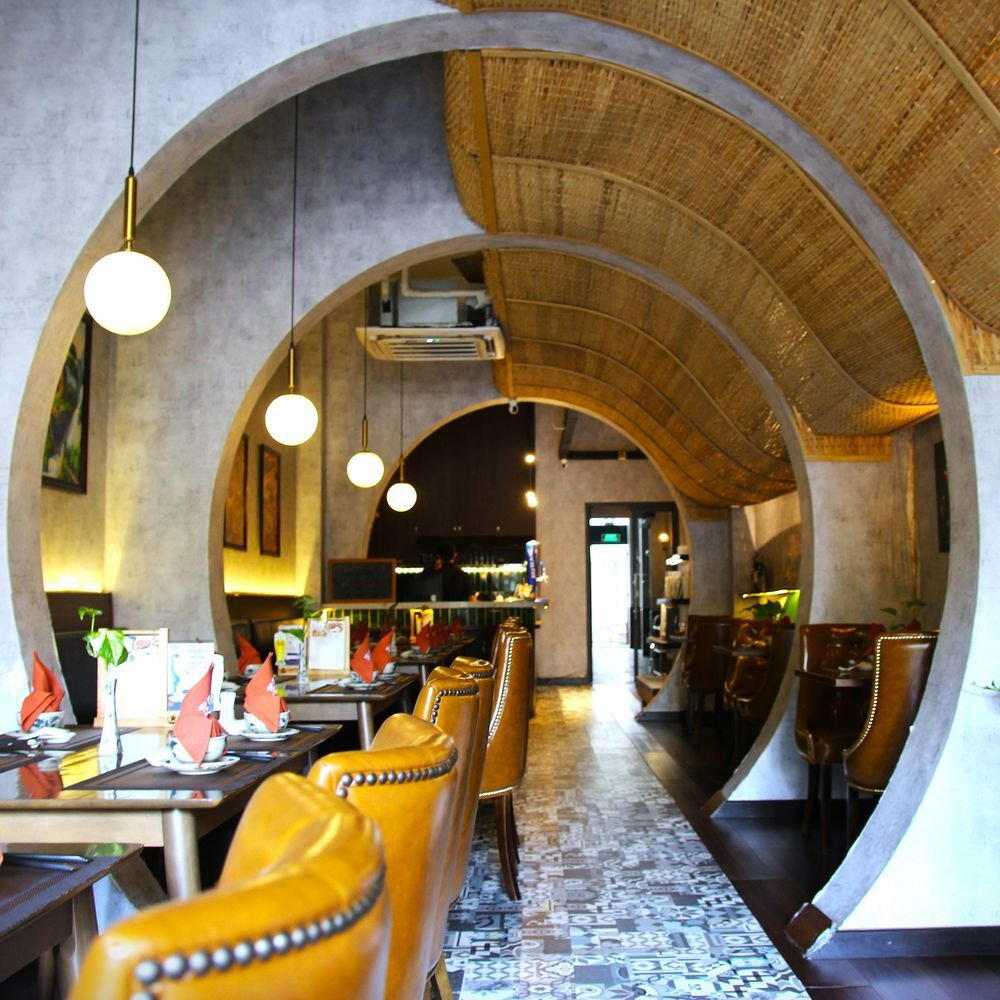
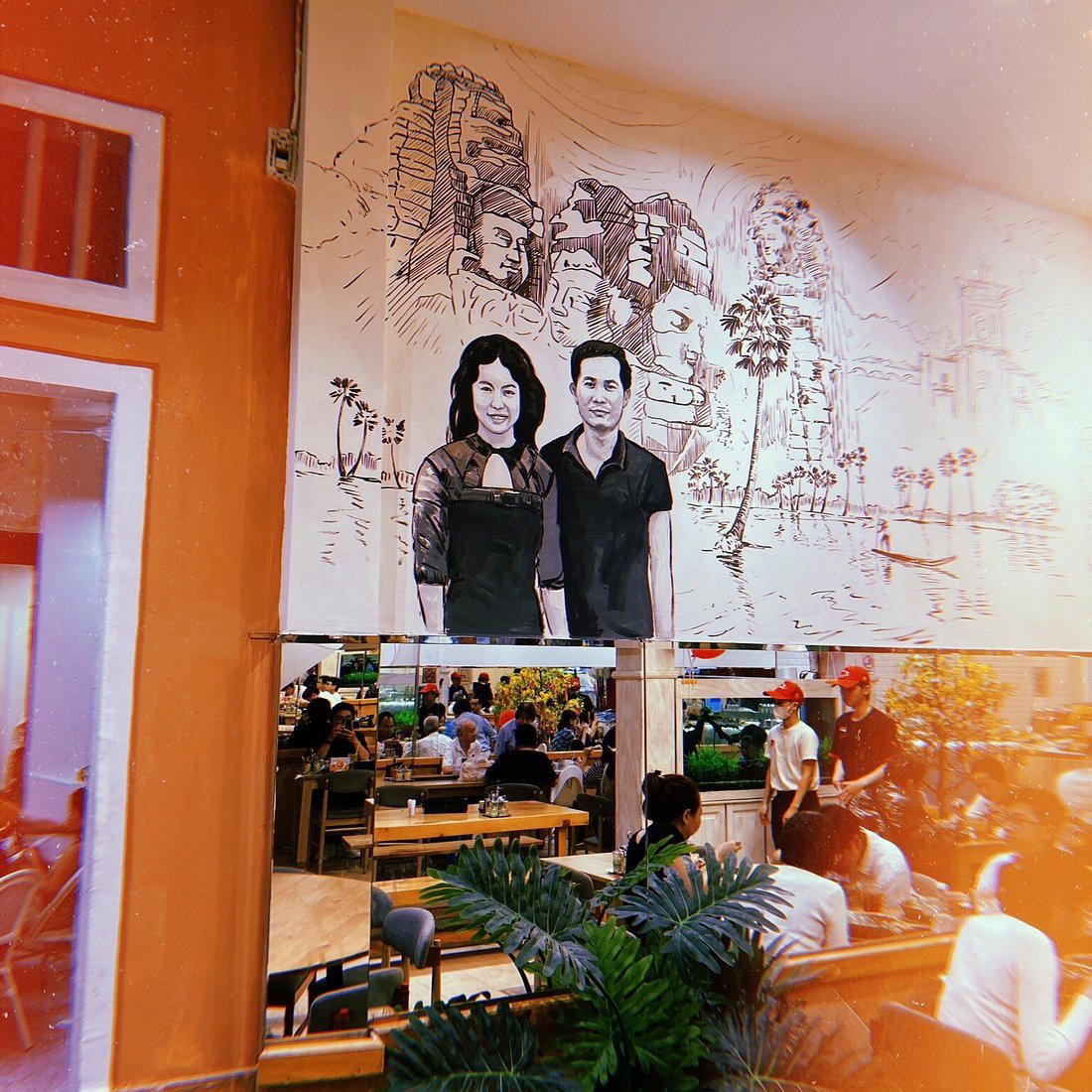
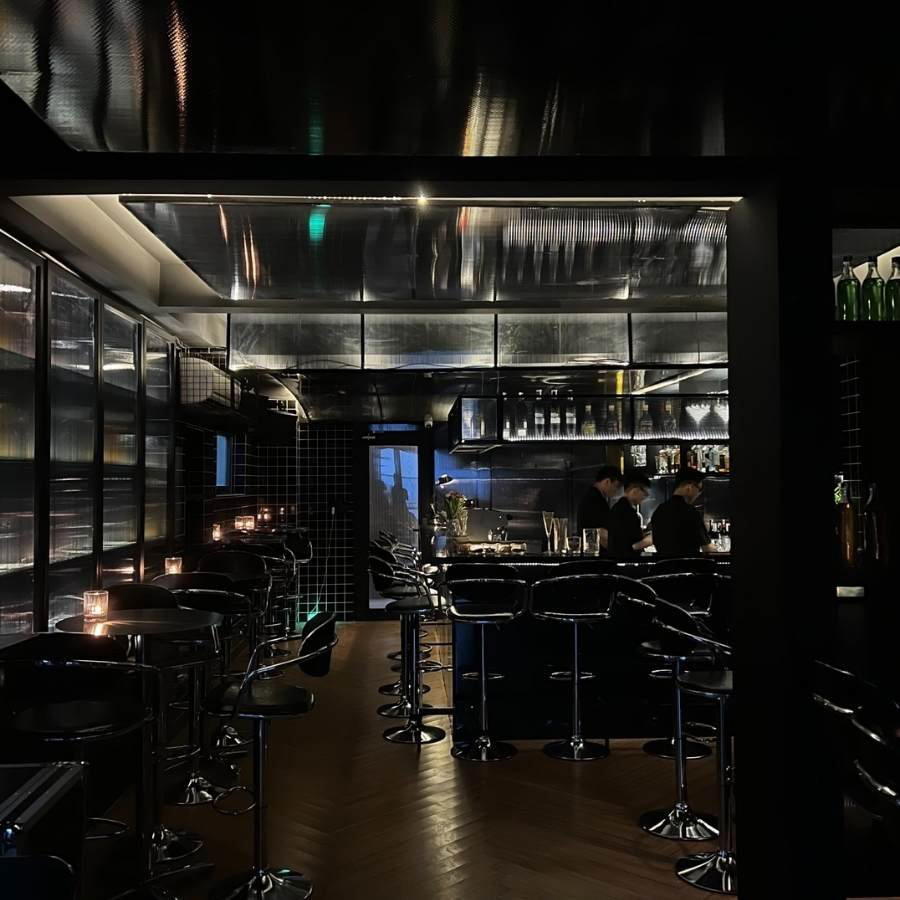
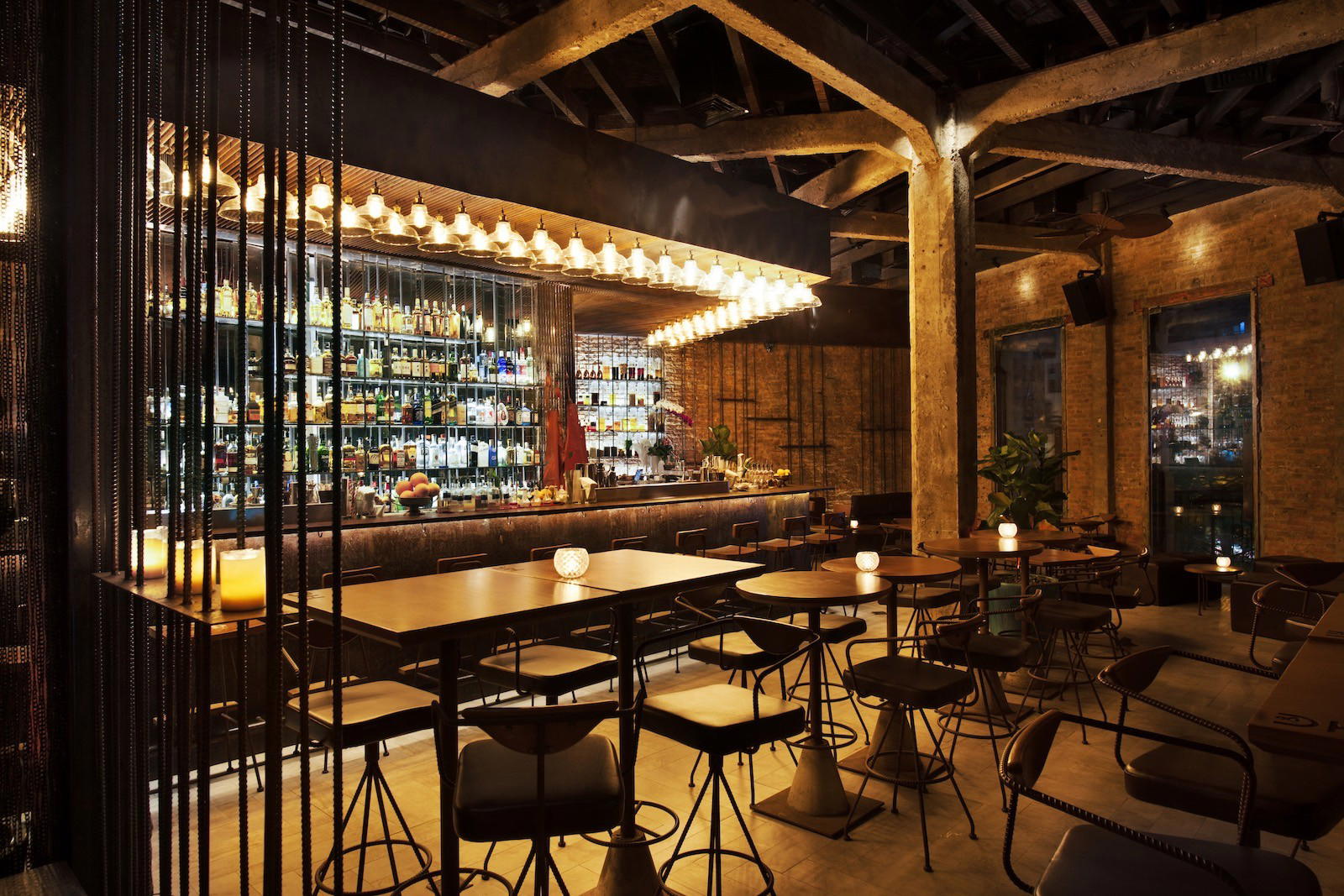
Chic low-lit space blending traditional bamboo with minimalist cement elements, creating a fairy tale-like nostalgic atmosphere.