Blue Note Napa
Blue Note Napa occupies a notable address on Main Street in downtown Napa, where the city's live music and dining cultures converge. Positioned within a wine country scene that runs from casual bistros to multi-Michelin-starred counters, the venue draws visitors looking for an evening that moves beyond the tasting room. Expect an atmosphere shaped as much by sound as by what arrives at the table.
- Address
- 1030 Main St, Napa, CA 94559
- Phone
- +17078802300
- Website
- bluenotenapa.com
- Directions
- Get directions
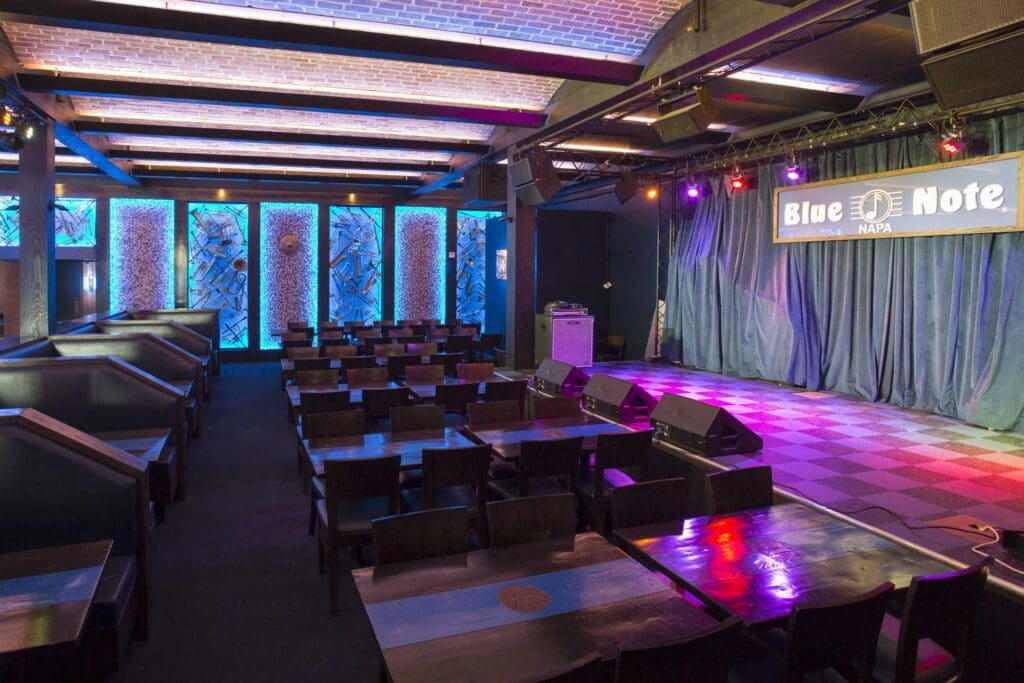
Downtown Napa's Intersection of Sound and Table
Main Street in downtown Napa has undergone a decade-long shift. What was once a corridor of tasting rooms and after-thought dining has consolidated into a more deliberate dining and entertainment district, where the question is less about finding somewhere to eat and more about choosing which kind of evening you want. On one end of the spectrum sit destinations like The French Laundry, whose multi-course tasting menus have defined the region's fine dining ceiling for a generation. On the other end, casual spots like Alexis Baking Company anchor the neighbourhood's daytime rhythm. Blue Note Napa, at 1030 Main St, is a restaurant in Napa with Gourmet Farm-to-Table with French Influences cuisine, priced at about $60 per person. It occupies a distinct position in this range: a live music venue with a serious dining component, where the arc of the evening is structured by performance as much as by the kitchen.
The Blue Note brand carries weight that most independently operated music rooms cannot manufacture. The original Blue Note Jazz Club in New York's Greenwich Village has been a reference point for serious jazz programming since the 1980s, and that lineage travels with the name. In Napa, the format adapts to wine country expectations, where audiences arrive expecting both culinary substance and musical credibility rather than treating one as background noise for the other.
The Shape of the Evening
Evenings at Blue Note Napa follow a sequenced structure that differs from the open-ended format of a conventional restaurant. The performance schedule sets the frame, and the meal is built around it. This is closer in spirit to the ticketed dinner-and-show format that venues like Lazy Bear in San Francisco use for their tasting progression, though the organizing principle here is the music rather than the chef's narrative. Guests arrive, are seated, and the kitchen runs its service within the rhythm of the set.
That structure has implications for how the food should be read. Rather than a standalone dining experience judged purely against Napa's restaurant tier, the food at Blue Note Napa functions as one movement in a longer sequence. This is not the context in which to benchmark against The Restaurant at Auberge du Soleil or Kenzo, both of which position the meal as the primary event. The relevant comparable set is venues where live performance and dining are co-equal, and where the kitchen is sophisticated enough to keep pace with the room's overall ambition.
Across American cities with established jazz room traditions, the better venues have moved toward menus that can be served without disrupting either the audience's attention or the performers' dynamic. Dishes tend toward confident, composed plates rather than elaborate multi-component constructions that demand tableside explanation. The progression works well when it mirrors the music: an opening that establishes tone, a mid-set arrival of more substantial plates, and a closing course that allows the room to settle back into the performance.
Napa's Broader Dining Field, and Where This Fits
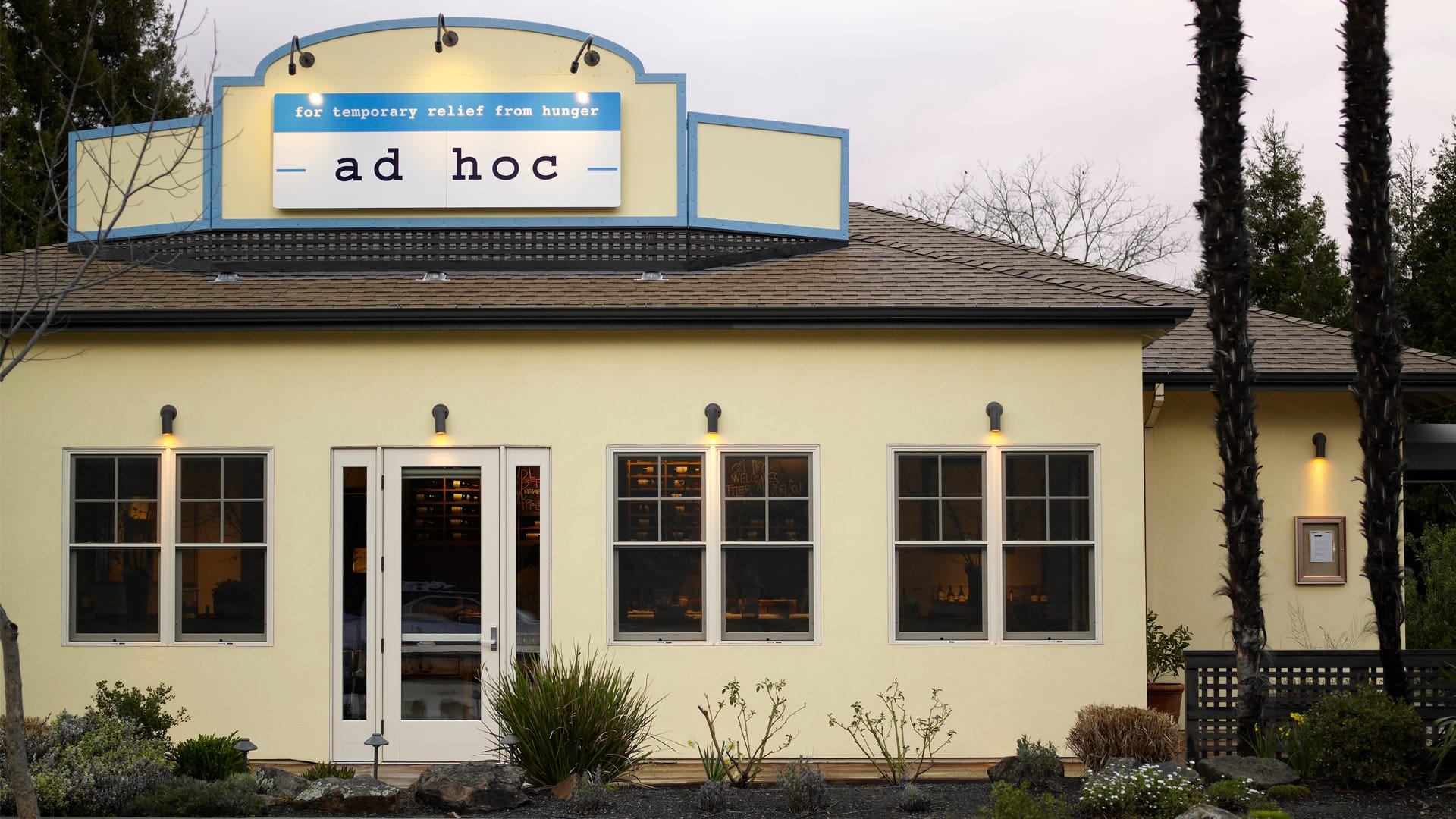
Napa Valley's dining reputation rests heavily on its tasting-menu format restaurants, which have proliferated in proportion to the region's wine prestige. Ad Hoc represents the more casual Thomas Keller entry point. Further afield in Healdsburg, Single Thread Farm has pushed the farm-to-counter model into serious national conversation. In San Diego, Addison demonstrates that California's fine dining ambition extends well beyond the valley.
The restaurant operates outside that tasting-menu conversation by design. The format is not built around a chef's progression from mise en place to dessert trolley. It is built around the evening as an event, which is a different kind of ambition and one that connects it more naturally to venues like Emeril's in New Orleans or the dining rooms attached to major performance spaces in cities where food and live culture have long coexisted. The comparison is not about cuisine type but about the architecture of the guest experience.
For visitors working through Napa's dining options, understanding this distinction matters. If the goal is a meal that unfolds over three hours with full attention on the plate, the valley offers plenty of routes toward that, from the wine country Californian cooking at Auberge du Soleil to the Japanese precision at Kenzo. If the goal is an evening where the meal is one part of a larger sensory event, the restaurant addresses that differently than anything else operating on Main Street. Restaurants elsewhere that have refined the dinner-and-performance model, including Smyth in Chicago and Atomix in New York City, show how seriously kitchens can take the brief when the format demands it.
Planning Your Visit
The restaurant sits at 1030 Main St in downtown Napa, within walking distance of the city's hotel cluster and the Oxbow Public Market. For visitors arriving from San Francisco, Napa is approximately 50 miles northeast, with most routes running through the Sonoma Highway or Highway 29 corridor. Booking ahead is advisable: music venues with fixed show schedules fill by day and time of performance rather than by walk-in availability, and weekend shows in wine country draw both locals and visitors competing for the same seats. Check show schedules before planning the broader evening, as the kitchen and room operate in alignment with the performance calendar rather than independent restaurant hours.
Venues structured around live performance and dining share a set of logistical considerations that pure restaurants do not. Seating is typically arranged to face the stage, which affects how dishes are served and how conversations run. Arriving close to the advertised start time generally serves the experience better than arriving early for extended pre-show drinks, particularly at smaller rooms where the sightlines from any seat can shift significantly depending on placement.
Accolades, Compared
Comparable venues nearby, for context on price, style, and recognition.
| Venue | Cuisine | Price | Notes |
|---|---|---|---|
| Blue Note NapaThis venue — the venue you are viewing | Gourmet Farm-to-Table with French Influences | $$$ | Not listed |
| Heritage Eats | Global Fusion Fast-Casual | $$ | Bel Aire Plaza |
| Oxbow Public Market | American Market Hall | $$ | downtown Napa |
| Alexis Baking Company | American Bakery Cafe | $$ | downtown napa |
| Boon Fly Cafe | Modern Rustic American | $$ | Carneros |
At a Glance
- Intimate
- Elegant
- Historic
- Lively
- Sophisticated
- Date Night
- Group Dining
- Special Occasion
- Private Event
- Live Music
- Historic Building
- Private Dining
- Extensive Wine List
- Craft Cocktails
- Farm To Table
- Local Sourcing
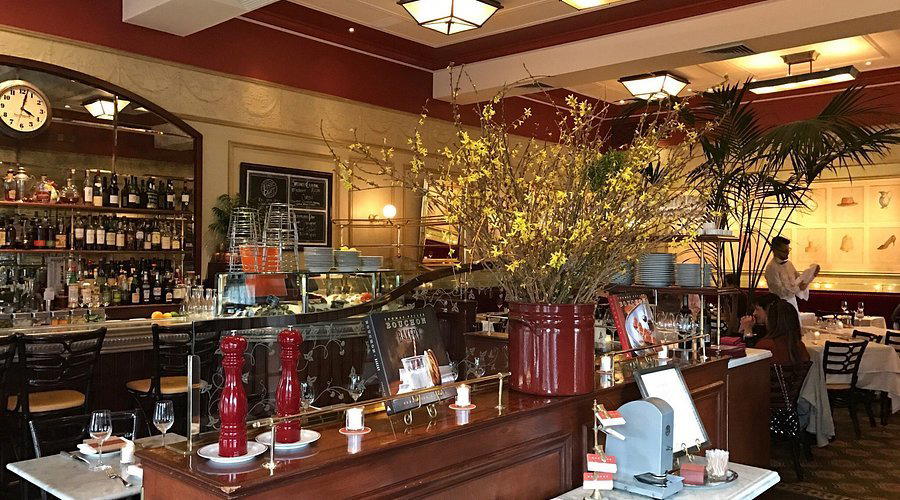
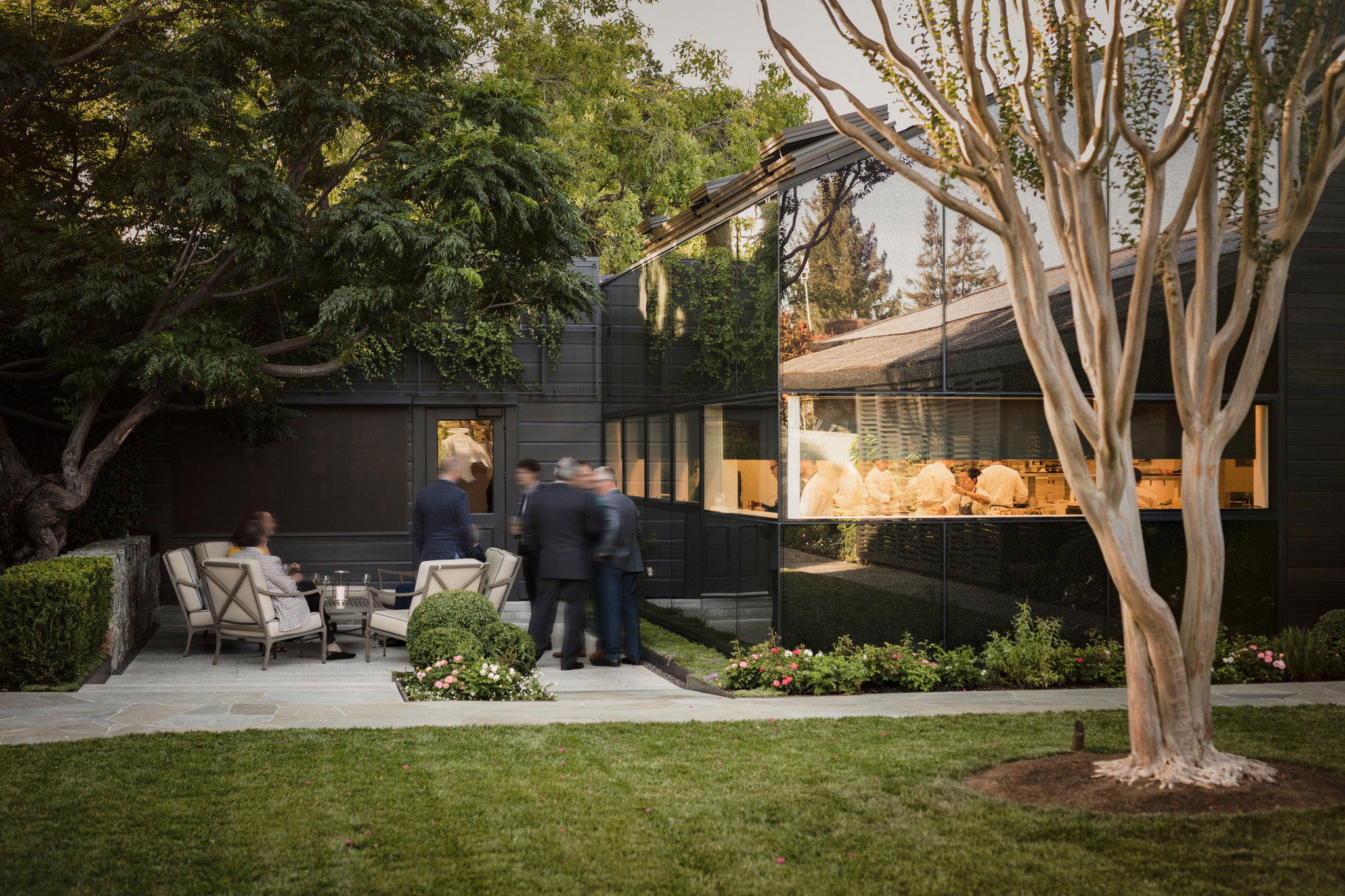
Intimate Greenwich Village-style jazz atmosphere with historic architecture, close stage proximity, and sensory-delighting wine country ambiance under soft lighting.